How to Choose the Right Pellet Grill for Your Cooking Style
A comprehensive guide to selecting a pellet grill that aligns with your culinary preferences and needs.
In This Article
Cooking Surface Area
Temperature Range and Control
Hopper Capacity
Understanding Pellet Grills
A pellet grill is built for people who want wood-fired flavor with a more guided cooking experience than traditional charcoal. Instead of adjusting coals by hand, you load wood pellets into a hopper, and the grill feeds them into a fire pot as needed. That basic design is what makes pellet grills especially appealing to cooks who want to smoke ribs on a Saturday, roast vegetables on a weeknight, and still have the option to sear or finish at higher heat when the menu changes. For many buyers, the real question is not whether a pellet grill can cook well. It is whether the grill matches the way they actually cook at home.
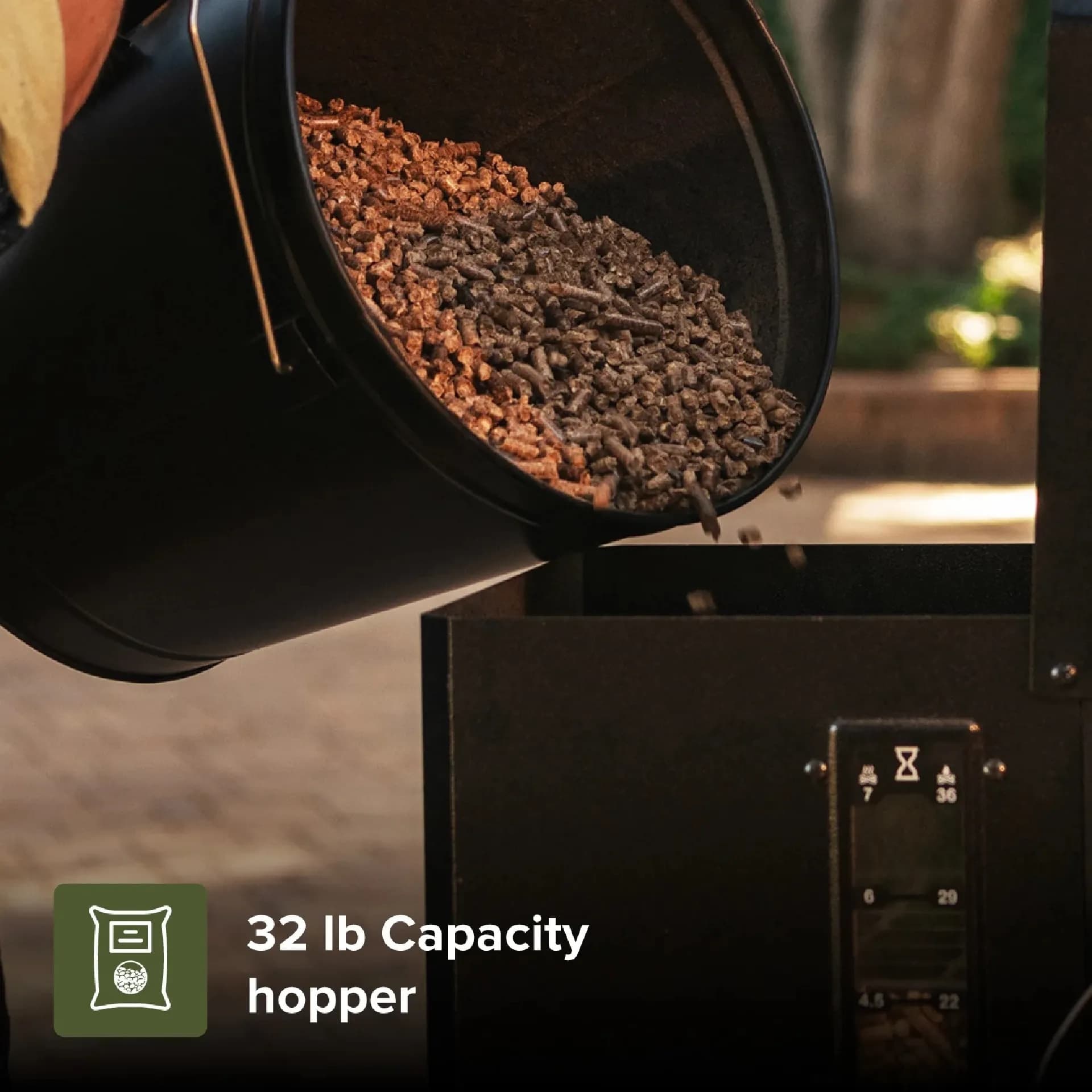
The hopper is one of the most important parts of that decision. A hopper capacity of 30 lb means you can load a substantial amount of pellets before you start cooking, which matters when you plan long smoking sessions or do not want to stop mid-cook to refill fuel. In practical terms, hopper size affects convenience, confidence, and how hands-off the cook can be. A larger hopper does not automatically make a grill better, but it can make a grill much more comfortable to use if your style leans toward low-and-slow brisket, overnight pork shoulder, or all-day entertaining.
A hopper size that supports longer cooks with fewer refills
Nexgrill’s Oakford line is useful here because it speaks to different cooking needs instead of treating pellet grilling as one-size-fits-all. The Oakford 875 Pro Pellet Smoker Grill is positioned for cooks who want a more compact footprint, while the Oakford 1125 Pro Pellet Smoker Grill gives you more room when you need to cook for a crowd or manage multiple proteins at once. Choosing between them is less about chasing the biggest number and more about matching the grill to the way you cook most often. Nexgrill’s brand position emphasizes accessible, dependable outdoor cooking for a wide range of users, from casual backyard cooks to more involved enthusiasts, which makes the comparison especially practical for real households rather than competition-only setups .
If your style is relaxed and social, you may value a grill that is easy to start, easy to monitor, and generous enough for burgers, chicken thighs, vegetables, and sides all at once. If your style is more technical, you may care more about steady temperature control, the ability to hold heat during a long smoke, and how the cooker transitions between indirect cooking and hotter finishing. Pellet grilling works well for both approaches, but only if the grill’s size, temperature range, and fuel capacity are aligned with your habits rather than marketed features you will not use.
A 30 lb hopper is most useful when your cooking sessions are long enough that frequent refills would disrupt the meal, not just when you want a bigger machine.
Key Factors in Choosing the Right Pellet Grill
The best pellet grill for your cooking style starts with the food you cook most often, then moves to the physical realities of your patio, deck, or backyard. Buyers often overfocus on broad labels such as “best smoker” or “most powerful,” but the right choice usually comes down to a handful of practical questions: how many people do you feed, how long do your sessions last, and whether you want a grill that behaves like a smoker first or a do-it-all outdoor cooker second. Hopper capacity matters because it directly shapes how much attention the grill requires. A 30 lb hopper reduces the likelihood that a long smoke gets interrupted by refueling, which is especially helpful for brisket, turkey, pork shoulder, or repeat weekend cooks.
| What to evaluate | Why it matters | Best fit for |
|---|---|---|
| Cooking surface area | Determines how much food you can cook at once without crowding | Families, hosts, and cooks who batch meals |
| Temperature control | Helps you smoke, roast, and finish with more precision | Cooks who switch between low-and-slow and weekday meals |
| Hopper capacity | Affects run time and how often you need to check fuel | Long-smoking and low-attention cooking styles |
| Cart footprint | A larger grill can be harder to store or move | Patios with enough permanent space |
For example, a backyard host who regularly cooks for six to eight people may be better served by a larger pellet grill even if a smaller model looks more affordable. In that scenario, the extra room makes it easier to manage ribs on one side and vegetables on the other, while a larger hopper supports a longer service window. A weekend smoker who cooks one brisket at a time may prefer the simpler footprint of a more compact unit, especially if storage space is limited. The point is not to buy the biggest grill available. It is to buy the one that keeps pace with the way you actually prepare food.
If you regularly cook overnight or plan all-day smoking sessions, hopper capacity should rank alongside cooking area and temperature control, not below them.
Comparing Pellet Grill Models
Once you start comparing models side by side, it helps to look beyond surface specs and think about cooking rhythm. The Oakford 875 Pro Pellet Smoker Grill is a strong candidate for cooks who want pellet flavor in a footprint that is easier to live with day to day. It is a better fit if you usually cook for a smaller group, prefer a simpler setup, or want a grill that will not dominate the patio. The Oakford 1125 Pro Pellet Smoker Grill better serves cooks who entertain often, prepare larger cuts, or like the flexibility of keeping multiple items in motion at the same time. When a model is paired with a 30 lb hopper, the larger cabinet tends to make the most sense for cooks who want both endurance and capacity.
A useful way to compare pellet grills is to ask how each one would behave on a typical Saturday. Would the grill need a refill before the food is done? Is there enough space to separate foods that cook at different rates? Will the size of the grill encourage you to use it more often, or will it become a burden because it takes up too much space and requires more fuel than your normal meals justify? These questions are more revealing than generic product descriptions because they translate directly into lived experience. A grill that works beautifully in the store may not work beautifully if you only cook dinner for two and have a narrow side yard.
| Model choice | Likely strength | Best cooking style |
|---|---|---|
| Oakford 875 Pro Pellet Smoker Grill | More compact and easier to fit into everyday use | Smaller households, weekend smoking, straightforward meals |
| Oakford 1125 Pro Pellet Smoker Grill | More cooking room for larger menus and crowds | Frequent entertaining, larger cuts, multi-item cooks |
Think of the hopper the same way you think of the oven size in a kitchen. You can cook a great meal in a smaller oven, but if you often prepare big roasts or multiple dishes, the bigger cavity becomes a genuine advantage. Pellet grills work the same way. A 30 lb hopper is especially valuable when you want to spend more time cooking and less time babysitting pellets. That convenience does not matter much for a quick chicken breast, but it matters a great deal when the goal is sustained heat over many hours.
Maintenance and Care for Pellet Grills
A pellet grill that suits your style should also be easy enough to maintain that you will keep using it. Routine care is not just about cleanliness; it preserves temperature stability, helps the auger feed pellets correctly, and keeps the fire pot operating the way it should. Ash buildup, moisture, and leftover pellets can all interfere with a smooth cook. If you plan to use a 30 lb hopper, you should also think about how you store pellets between cooks, because the bigger the hopper, the more important it is to protect pellet quality from humidity and rain.
Never leave pellets sitting in a hopper for long periods if your grill is exposed to moisture. Damp pellets can swell, break down, and affect feeding consistency.
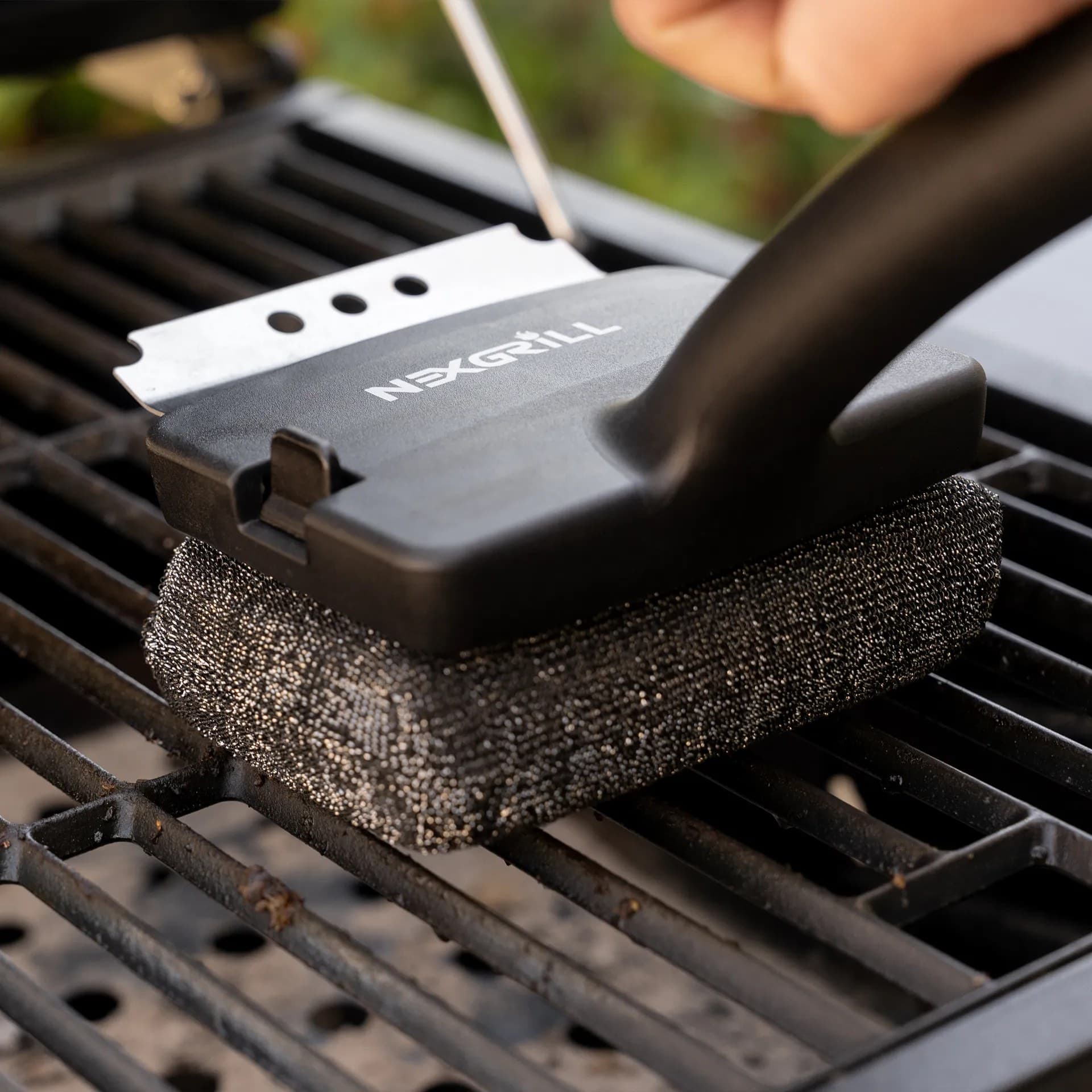
Good care starts with a simple routine. Empty ash from the fire pot as needed, wipe down cooking surfaces after the grill cools, and keep the hopper dry. If you use the grill heavily during the season, check that the feed system remains unobstructed and that the lid seals and grates are clean enough to support even airflow. This matters more than people expect because pellet grills are designed around controlled combustion. When airflow is compromised, the grill has to work harder to hold temperature, and that can affect both flavor and efficiency.
Storage matters too. A pellet grill with a large hopper is a convenience upgrade only if the rest of the ownership experience stays simple. If the grill sits outside year-round in the United States, plan for a cover, a dry pellet storage bin, and enough clearance so the unit can ventilate properly after use. If you cook often but live in a humid climate, your maintenance habits become part of the buying decision. In that case, a grill that is easy to access and clean may be more valuable than a slightly larger cooker that is harder to manage.
Try comparing two products side by side below to see which fits best:
When it comes to maintaining your grill, there are essential pellet grill cleaning tips that can significantly impact its lifespan and pricing.
Additionally, knowing how to buy a pellet grill is crucial for ensuring you select the right model that suits your cooking needs.
Regular maintenance techniques are important, which is why understanding the best pellet grill cleaning tips can help keep your grill in top shape.
Moreover, if you are looking for pellet grills with digital temperature control, be sure to consider their features and overall performance to make an informed decision.