A detailed guide to pricing, features, and benefits of 30 lb pellet grills.
Here's what sets us apart from the competition
We position ourselves as delivering high-end outdoor cooking features and performance without premium-brand pricing, emphasizing “Quality Grills. Unbelievable Value.”
We offer gas grills, pellet grills, griddles, smokers, pizza ovens, portable/tabletop grills, electric grills, accessories, and replacement parts — allowing customers to stay within one ecosystem for all outdoor cooking needs.
We differentiate ourselves through smart grilling products like the Oakford smart pellet grill, including app-connected cooking controls and modern outdoor cooking technology.
Expert tips, buying guides, comparisons, and inspiration for choosing and getting the most out of your grill.
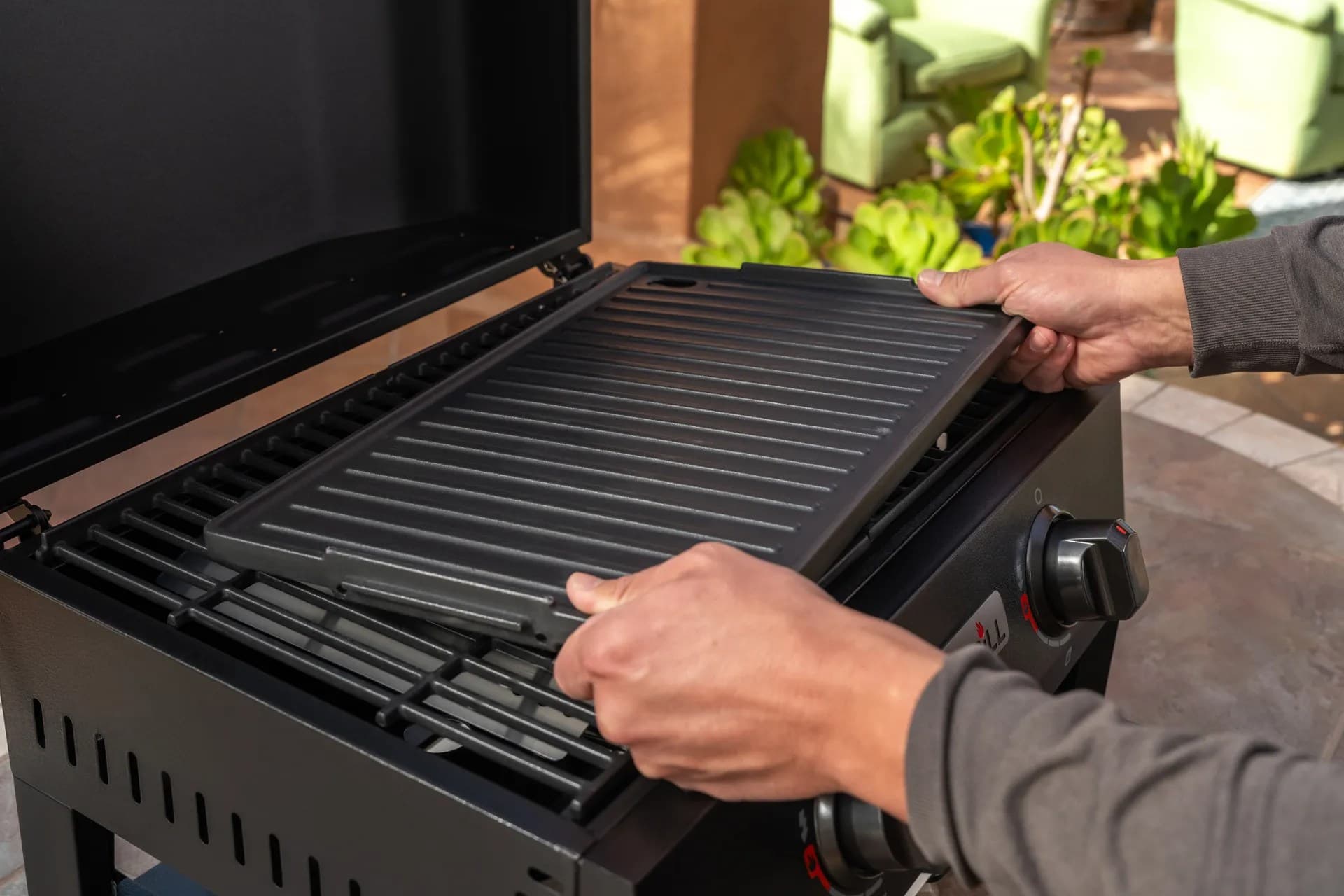
Practical guides for cleaning, maintenance, common grill issues, and performance optimization.
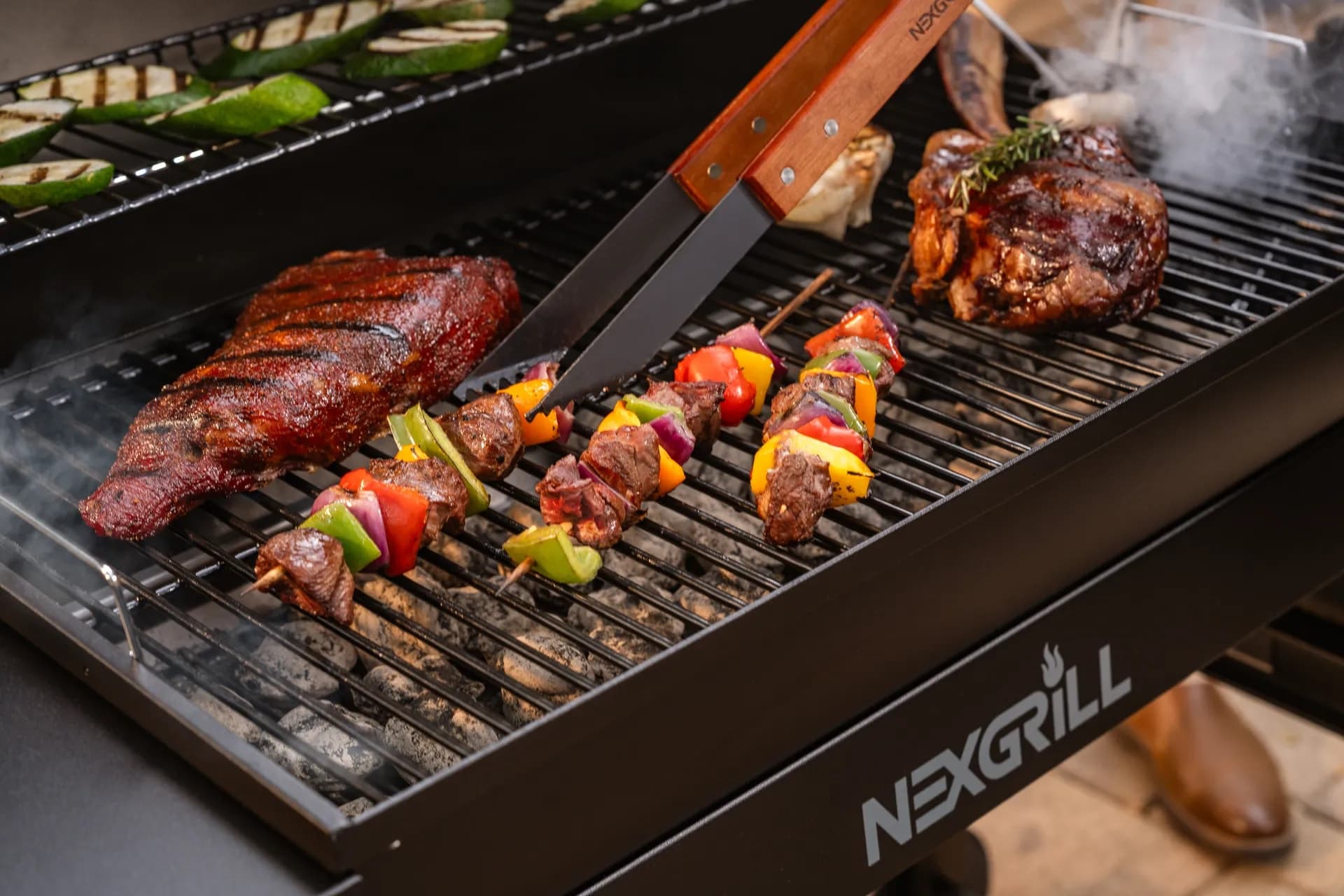
Step-by-step grilling recipes, cooking techniques, and meal ideas for every occasion and skill level.

Backyard entertaining ideas, seasonal grilling inspiration, and stories that celebrate outdoor cooking culture.
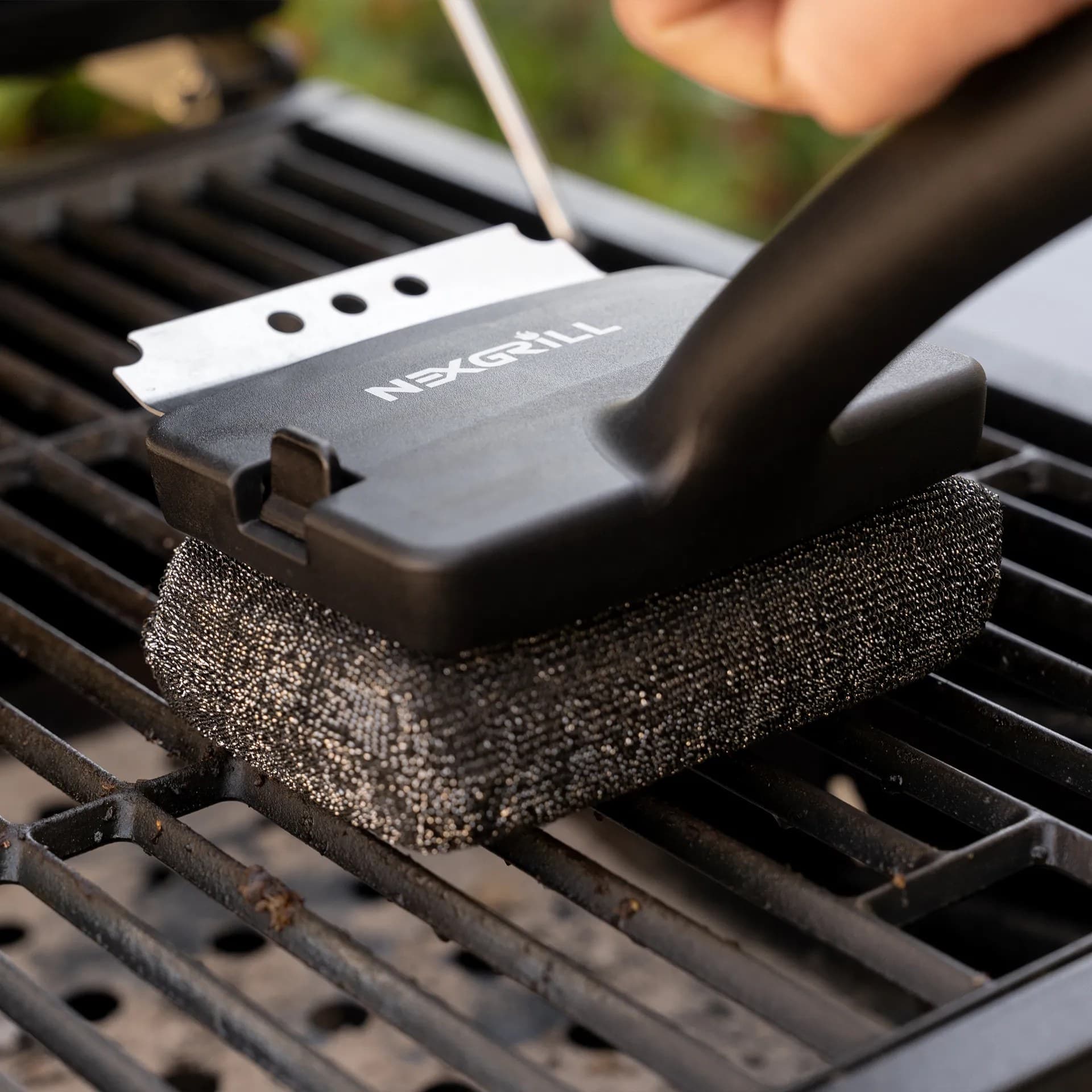
Helpful articles covering grilling tools, cookware, maintenance gear, and must-have accessories for outdoor cooking.
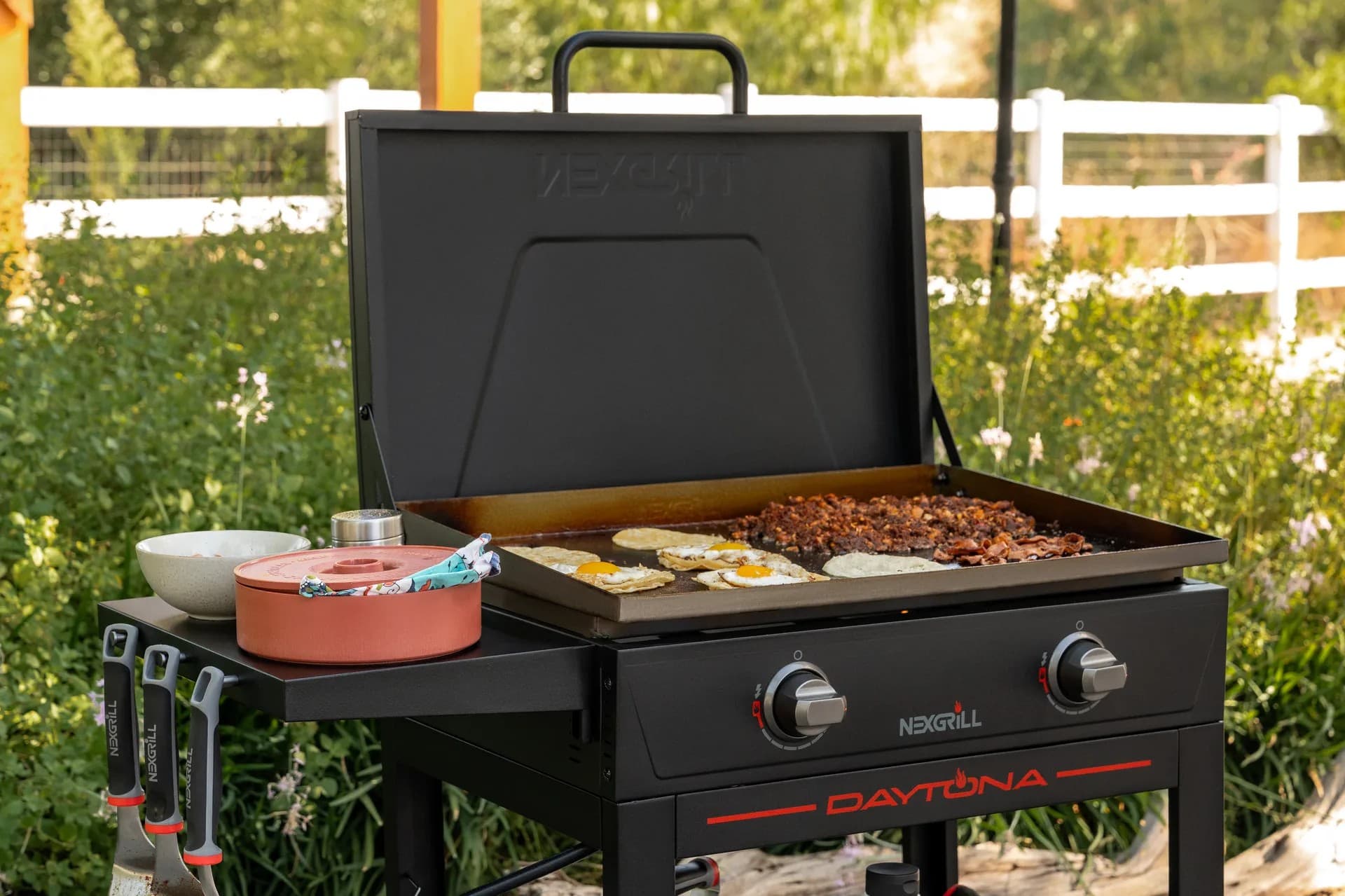
Find griddle recipes, cooking techniques, cleaning tips, and outdoor meal ideas designed for Nexgrill griddles.
Find answers to common questions
Pellet grills offer versatility by allowing you to smoke, grill, and bake with precise temperature control. They use wood pellets as fuel, providing a unique flavor to your food that is difficult to achieve with other types of grills.
Consider factors such as cooking capacity, temperature range, and additional features like digital controls or Wi-Fi connectivity. Assessing your cooking habits and space availability can also help in selecting a suitable model.
You can use a variety of food-grade wood pellets, including oak, hickory, mesquite, cherry, and apple. Each type of wood imparts a different flavor to your food, allowing for a unique grilling experience.
Regular cleaning involves emptying the ash pan, cleaning the heat diffusers, and wiping down the exterior. It's also important to check for any pellet obstructions in the hopper and ensure the grill's components are in good working order.
Nexgrill pellet grills are designed to smoke effectively, offering low-temperature settings to infuse food with rich, smoky flavors. They also provide adjustable temperature controls to suit various cooking styles.
In This Article
Price Comparisons
Key Features
Buying Tips
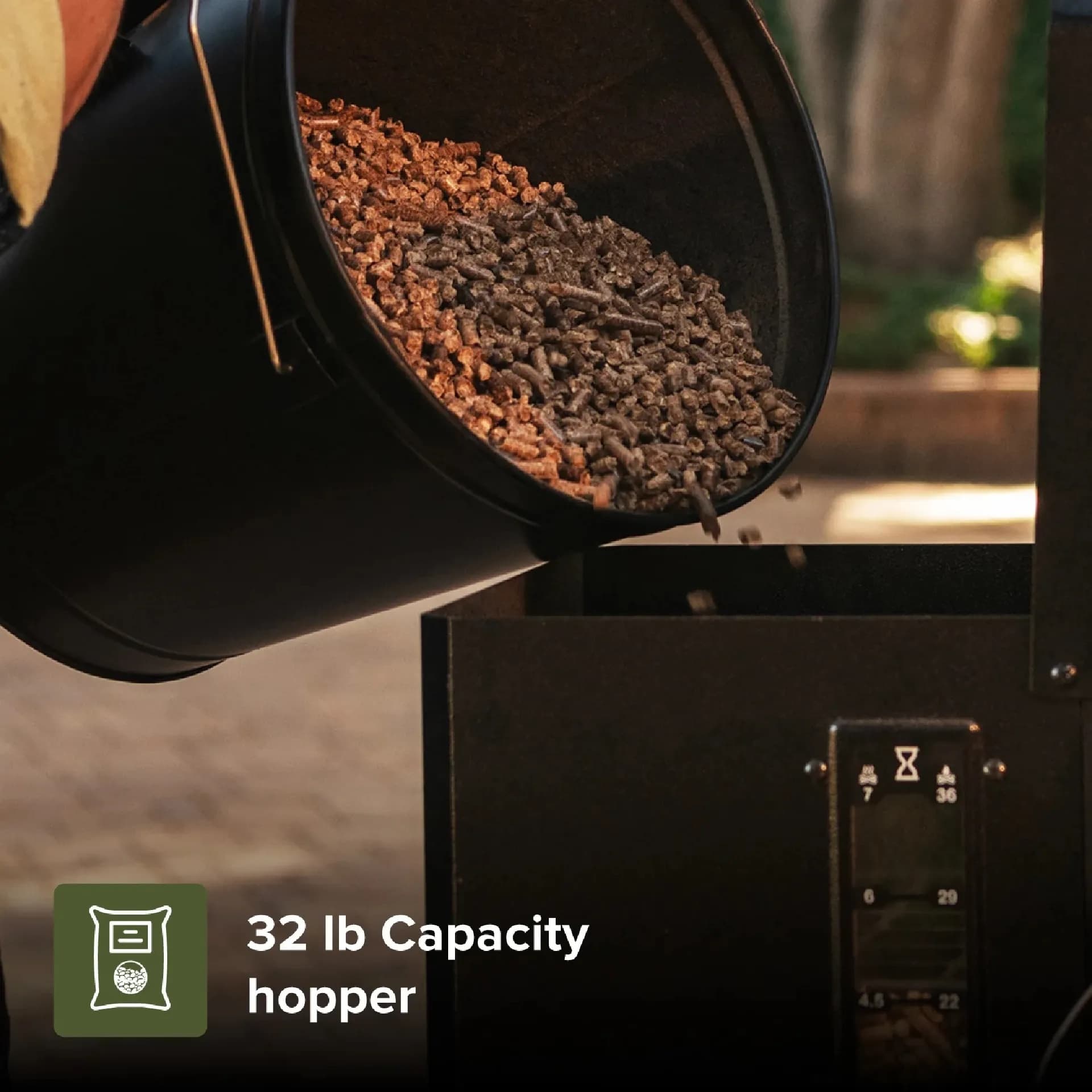
Pellet grills have become a go-to choice for backyard cooks who want the flavor of wood-fired cooking without the constant babysitting that comes with a stick burner or charcoal setup. For shoppers comparing a 30 lb hopper, the hopper size matters because it affects how long the grill can run before you need to refill it, how convenient longer cooks feel, and how much fuel you can keep on hand during a busy weekend. That convenience is one reason pellet grills have moved from a niche category into a mainstream option for families, weekend hosts, and anyone who likes to smoke ribs on Saturday and sear dinner on Sunday.
A 30 lb hopper sits toward the upper end of the pellet-grill market. It is large enough to support extended smoke sessions for brisket, pork shoulder, and even whole-poultry cooks, while also giving you breathing room on cool or windy days when burn rates can increase. The trade-off is simple: larger hoppers often come bundled with larger cookboxes, heavier frames, and more features, which is why the price can move well above entry-level pellet grills. Understanding that relationship helps buyers avoid judging value by hopper size alone. Two grills can both hold 30 lb of pellets, yet differ dramatically in temperature consistency, build quality, controller type, cooking area, and long-term ownership costs.
A 30 lb hopper is best thought of as convenience capacity, not a guarantee of better cooking. The rest of the grill matters just as much.
Hopper capacity often signals a grill designed for longer, less interrupted cooks.
For Nexgrill readers, the main question is not only what a 30 lb hopper costs, but what that price is buying you in everyday use. Is it a weekend-only smoker for the occasional holiday brisket, or a daily backyard workhorse for chicken, vegetables, and weeknight chops? Is the extra expense justified by a better controller, stronger cart, or easier ash cleanup? Those are the kinds of questions that turn a price comparison into a smarter purchase decision.
Brand resources and product positioning also matter. Nexgrill’s broader outdoor-cooking philosophy centers on accessible, dependable equipment for real households, from casual cooks to more advanced grillers who want versatility without overpaying for features they will never use. That makes a hopper-capacity comparison especially useful for shoppers who want value and practicality, not just a spec sheet that sounds impressive.
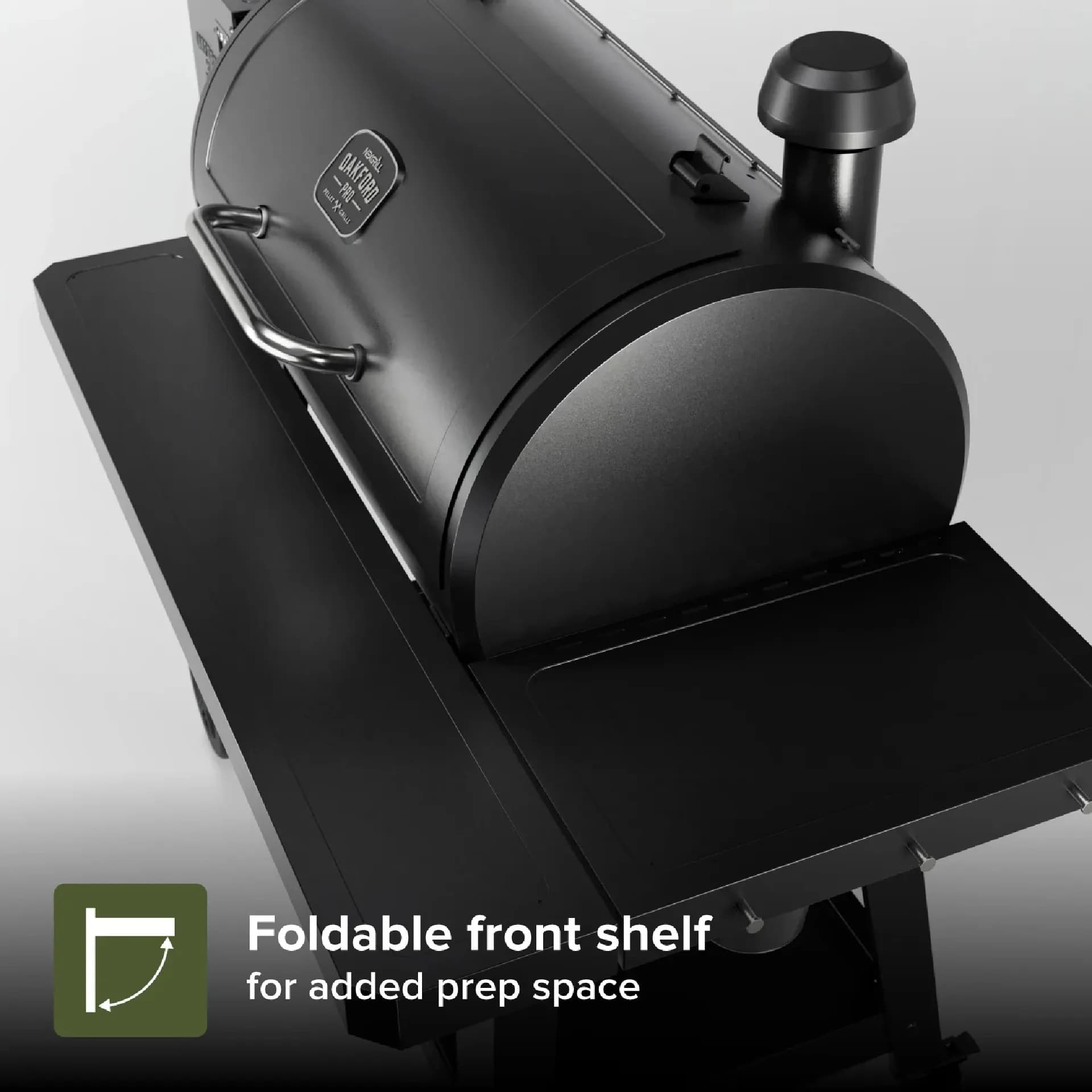
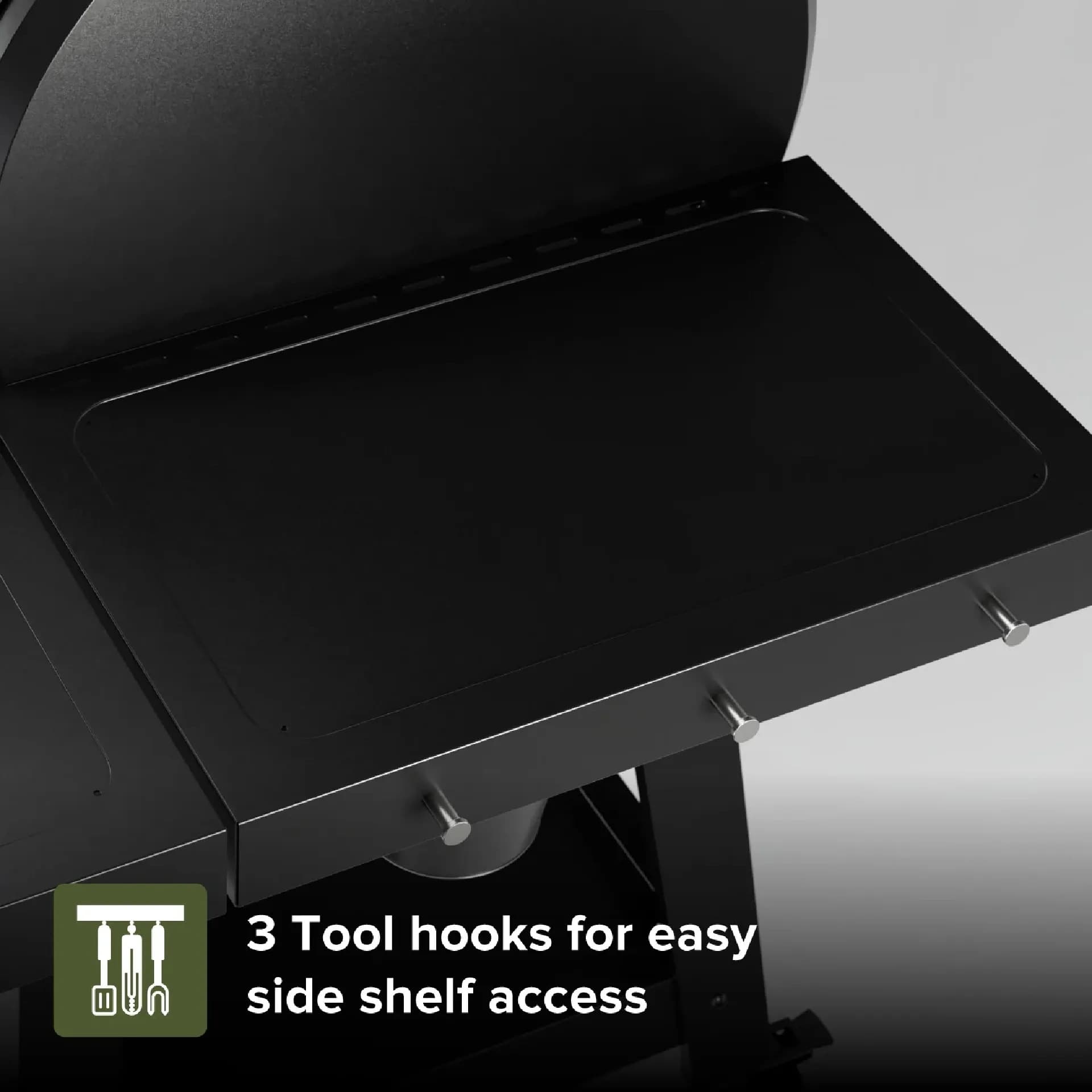
In the United States, a 30 lb hopper pellet grill generally falls into the mid-range to premium portion of the market. Based on price-comparison roundups and buying guides from barbecue retailers and review sites, smaller pellet grills can start below the 30 lb hopper class, while larger-capacity, feature-rich models often climb into the high hundreds or low thousands depending on construction and brand positioning. In practical terms, shoppers often see 30 lb hopper pellet grills priced anywhere from roughly $500 to $1,500 USD, with some premium models exceeding that when they add Wi-Fi controls, heavy-gauge steel, larger cook space, and extras like side shelves or folding prep areas.
The broad spread makes sense. A grill near the lower end of that range may offer basic digital temperature control, a sturdy but simpler cart, and a standard steel body. A grill at the upper end may include a larger cooking footprint, more precise controller logic, an upgraded probe system, stronger wheels, and better thermal retention. That is why two grills with the same hopper size can have very different perceived value. Hopper capacity is only one ingredient in the final price.
| Typical market tier | Estimated USD price | What you usually get |
|---|---|---|
| Entry to lower-mid | $500-$799 | Basic digital controller, moderate cooking area, simpler cart or frame |
| Mid-range | $800-$1,199 | Better build, improved temperature stability, more accessories, larger usable space |
| Premium value | $1,200-$1,500+ | Advanced controls, stronger construction, more cooking versatility, added convenience features |
Those ranges are estimates, not fixed rules. The same brand may sell a grill at one price during peak spring demand and a noticeably lower price during a late-summer clearance window. Accessories can also distort the comparison. A bundled cover, folding shelf, or two-probe temperature package may move the price upward, but it can still be a better value than buying the grill alone and adding parts later.
When comparing prices, look at the complete package: controller, hopper access, cooking area, and included accessories. Hopper size alone does not tell you whether a grill is a bargain.
A useful way to evaluate pellet-grill-30-lb-hopper-price is to compare the price against the type of ownership experience each brand tends to deliver. Traeger often sits higher in the market because of its brand recognition and ecosystem of accessories, while Pit Boss is frequently positioned around strong feature-per-dollar value. Other brands compete by offering larger hoppers, heavier frames, or more cooking space for the same money. That is why a shopper should compare not only the listed price, but also the features that come with it.
| Brand example | Typical hopper class | Estimated USD price | Value position |
|---|---|---|---|
| Traeger mid-to-large models | Often 18-30 lb | $700-$1,800 | Premium brand, polished user experience, often higher MSRP |
| Pit Boss larger models | Often 20-30 lb | $400-$1,200 | Competitive pricing, strong feature set for the money |
| Other value-focused pellet brands | 20-30 lb | $350-$1,100 | Lower upfront cost, feature mix varies widely |
| Large-capacity specialty units | 30 lb+ | $1,000-$2,000+ | Built for long cooks, larger families, and heavier use |
A helpful consumer pattern shows up in testimonials and forum-style reviews: first-time buyers often begin by assuming the highest-priced grill will automatically be the best choice, but long-term owners usually describe a more nuanced reality. One common sentiment is that the best grill is the one that holds temperature steadily, is easy to clean, and has enough room for the foods you actually cook. Another frequent takeaway from users is that hopper capacity is most valuable when it eliminates interruptions during overnight smoking or long holiday cooks. Those real-world notes align with the buying guidance in barbecue purchasing roundups, which emphasize controller quality, construction, and cooking space alongside hopper size.
For shoppers in the United States, comparing prices across brands is also about timing. Spring launches tend to hold firmer pricing because demand rises with backyard season. By contrast, late fall and major retail events can make similar grills more affordable, especially if the model is being refreshed or replaced for the next season. That means a 30 lb hopper grill that feels expensive in April may look much more reasonable in October or during a holiday sale cycle.
If you are building a shortlist, compare the actual cooked-food workflow. Does the grill have enough room for a packer brisket plus a tray of vegetables? Does it have a controller that makes temperature changes smooth instead of jumpy? Does the price reflect durable construction, or are you paying for a badge and a big hopper alone? Answering those questions will help you judge whether a model is priced fairly for your needs.
Try comparing two products side by side below to see which fits best:
Once you've weighed two options against each other, the next step is to evaluate the features that actually drive day-to-day satisfaction. A 30 lb hopper is appealing because it supports long cooks, but buyers should still pay close attention to how the grill manages heat, how much food it can hold, and how easy it is to live with after the first few cooks. The best value is not always the model with the biggest hopper; it is the one that balances capacity, control, and build quality in a way that fits your cooking habits.
Temperature range is one of the most important specs. Many pellet grills are designed for low-and-slow smoking in the 180°F to 225°F range, while better-equipped models can climb into the 450°F to 500°F range or higher for roasting and finishing. If you plan to smoke ribs and brisket only, a modest upper temperature might be enough. If you want a more flexible backyard cooker, look for a grill that can handle a broader span of temperatures without large swings. A steadier controller can make a bigger difference than a flashy extra feature, especially on windy days or during colder months in much of the United States.
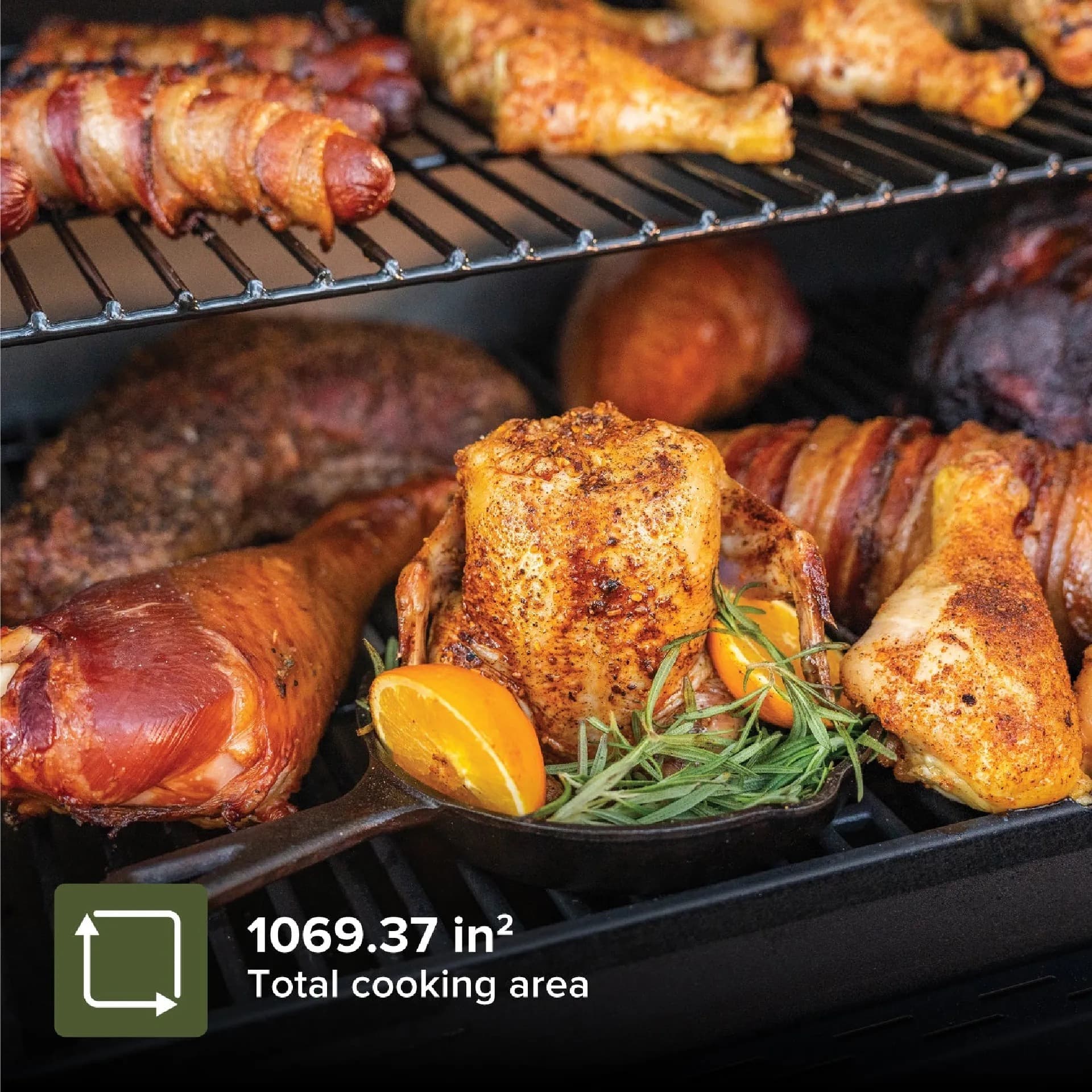
Cooking surface is the other spec that changes the real-world value proposition. A small family may be fine with a compact primary grate and a modest warming rack, but a larger household or frequent host will quickly appreciate extra space. Users often report that the ability to cook a second tray of sides, a whole spatchcock chicken, or a batch of sausages without crowding the grate is what makes a grill feel worth the money. Reviews on barbecue buying guides commonly praise models that combine a generous cook chamber with easy grease management and accurate digital controls.
If you cook for more than four people on a regular basis, prioritize cooking area and controller stability before you pay extra for cosmetic upgrades.
| Feature | Why it matters | What to look for |
|---|---|---|
| Temperature range | Determines how flexible the grill is | Stable low-smoke settings and a high enough top end for roasting or finishing |
| Controller quality | Affects heat consistency and ease of use | Clear digital display, reliable probe readings, smooth adjustments |
| Cooking area | Affects how much food you can cook at once | Enough grate space for your usual family size plus a little margin |
| Build materials | Influence durability and heat retention | Thicker steel, solid cart, corrosion-resistant finishes |
| Cleanout system | Simplifies ownership over time | Accessible ash cup or easy firepot access |
For many shoppers, the real difference between a mid-range and premium pellet grill is not the hopper itself but the supporting hardware around it. A larger chimney, more robust lid seal, better wheels, or a reinforced cart can make the grill feel steadier and easier to use. Those features may not sound glamorous, but they can improve day-to-day reliability and help justify a higher sticker price if you plan to cook often.
Hopper access also matters. A 30 lb hopper should be easy to refill and easy to inspect so you do not end up wasting pellets from moisture exposure or old buildup. The lid design, pellet window if included, and the placement of the hopper opening all affect how enjoyable ownership feels. That is especially important for buyers who want a grill that can sit outside through changing seasons without becoming fussy.
A good value pellet grill should feel simple to start, steady to run, and easy to clean after the cook ends.
Hopper capacity directly affects how long a pellet grill can operate before it needs a refill, but the actual runtime depends on heat setting, weather, grill size, food load, and pellet quality. In a typical home-cooking scenario, a 30 lb hopper can support a very long low-and-slow session, but a high-heat cook will burn through pellets much faster. For example, a brisket or pork shoulder cooked at smoking temperatures may consume pellets slowly enough that a large hopper comfortably handles an overnight or all-day cook. By contrast, a hotter roast or bake session will use fuel at a higher rate, especially when ambient temperatures are cold or windy.
The longevity benefit becomes clearer when you compare a 30 lb hopper to a smaller 10 lb or 18 lb hopper. Smaller hoppers may be perfectly fine for burgers, chicken thighs, and short family meals, but they can require attention during long cooks. A larger hopper reduces interruption risk, which is one reason buyers often view it as a convenience upgrade and not just a spec. It also gives you more flexibility if you want to start a cook before bed or manage a big holiday meal without checking the fuel every hour.
A 30 lb hopper is especially useful when you want fewer refills during overnight smoking or holiday cooking.
Longevity is also shaped by pellet storage. Moisture is the enemy of performance because swollen or crumbling pellets can feed poorly and reduce consistency. If you are buying a larger hopper grill, it makes sense to store pellets in a sealed bin indoors or in a dry shed rather than leaving bags open on a damp patio. Cleanout habits matter too. Even a large-capacity grill performs better when old dust and broken pellets are cleared out periodically.
Real-world user feedback tends to reinforce this point. Many long-time pellet owners report that the same hopper size feels more or less useful depending on how efficiently the grill burns and how predictable the controller is. One repeated theme in buyer testimonials is that the best experience comes from grills that hold steady temperatures and use pellets consistently rather than surging. Another common comment is that a larger hopper creates peace of mind during holiday cooks, especially when the meal schedule is packed and the cook cannot babysit the grill. Those experiences are the practical side of capacity: less interruption, more confidence, and fewer surprises.
A 30 lb hopper can also help in mixed-use households. If one person in the family wants a slow-smoked pork shoulder and another wants quick roasted vegetables later in the day, a larger fuel reserve makes the grill feel more ready for back-to-back cooks. That convenience can be worth paying for if you use the grill frequently enough to notice the difference. However, if you grill only occasionally and rarely cook more than an hour or two, a smaller hopper may deliver better value for your budget.
Seasonal pricing is one of the easiest ways to save money on a pellet grill. In the United States, the strongest buying periods often include late spring launch events, Fourth of July promotions, Labor Day sales, Black Friday, and end-of-season clearance. The timing matters because inventory levels, new-model introductions, and retail promotions can all influence pellet-grill-30-lb-hopper-price more than the grill itself does. If you can wait, late summer and fall are often especially attractive for shoppers who want a deal on current-year models or floor inventory.
A smart buying strategy is to track the exact model you want for a few weeks before a major sale cycle. That helps you distinguish a real discount from a promotional sticker price that was adjusted upward earlier in the season. It is also useful to watch for bundles that include a cover, probes, or pellets. Sometimes the bundle is the best value, especially if you were planning to buy those items anyway.
Avoid buying only because a sale looks large. Compare the post-sale price against the grill's feature set and what competing models cost at the same time.
Shoppers can also find better deals through local retailers, direct brand sites, and open-box or floor-model purchases, though the latter should be evaluated carefully for wear, missing parts, or cosmetic damage. If you want longevity and a clean ownership experience, the best deal is often the one that saves money without creating future hassle. That means checking the controller, hopper lid, wheels, seals, and included accessories rather than focusing only on the percentage discount.
A 30 lb hopper pellet grill makes the most sense for cooks who value fewer refills, longer runtimes, and a little extra peace of mind during bigger meals. The right price depends on more than capacity alone: cooking area, temperature stability, construction quality, and included features all shape the final value. If you compare those elements carefully, you can separate a fair price from a marketing-driven one and choose a grill that fits the way you actually cook.
For most buyers, the sweet spot is the model that combines enough hopper capacity for long cooks with the right amount of control and durability for everyday use. If you shop during major sales windows and pay attention to real-world reviews, you can often find a grill that performs well without overspending. That is the kind of practical, welcoming value Nexgrill aims to support: dependable outdoor cooking that fits real budgets and real backyards.
Here's what sets us apart
We position ourselves as delivering high-end outdoor cooking features and performance without premium-brand pricing, emphasizing “Quality Grills. Unbelievable Value.”
We offer gas grills, pellet grills, griddles, smokers, pizza ovens, portable/tabletop grills, electric grills, accessories, and replacement parts — allowing customers to stay within one ecosystem for all outdoor cooking needs.
We differentiate ourselves through smart grilling products like the Oakford smart pellet grill, including app-connected cooking controls and modern outdoor cooking technology.
Don't just take our word for it
Keep reading
From our catalog