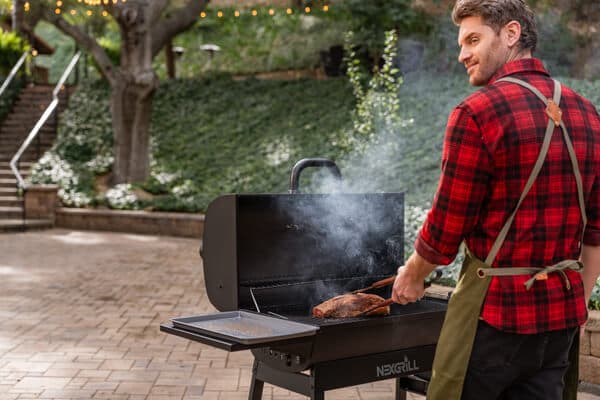
Discover the best patio heaters with essential safety features for outdoor comfort.

Here's what sets us apart from the competition
We position ourselves as delivering high-end outdoor cooking features and performance without premium-brand pricing, emphasizing “Quality Grills. Unbelievable Value.”
We offer gas grills, pellet grills, griddles, smokers, pizza ovens, portable/tabletop grills, electric grills, accessories, and replacement parts — allowing customers to stay within one ecosystem for all outdoor cooking needs.
We differentiate ourselves through smart grilling products like the Oakford smart pellet grill, including app-connected cooking controls and modern outdoor cooking technology.
Expert tips, buying guides, comparisons, and inspiration for choosing and getting the most out of your grill.
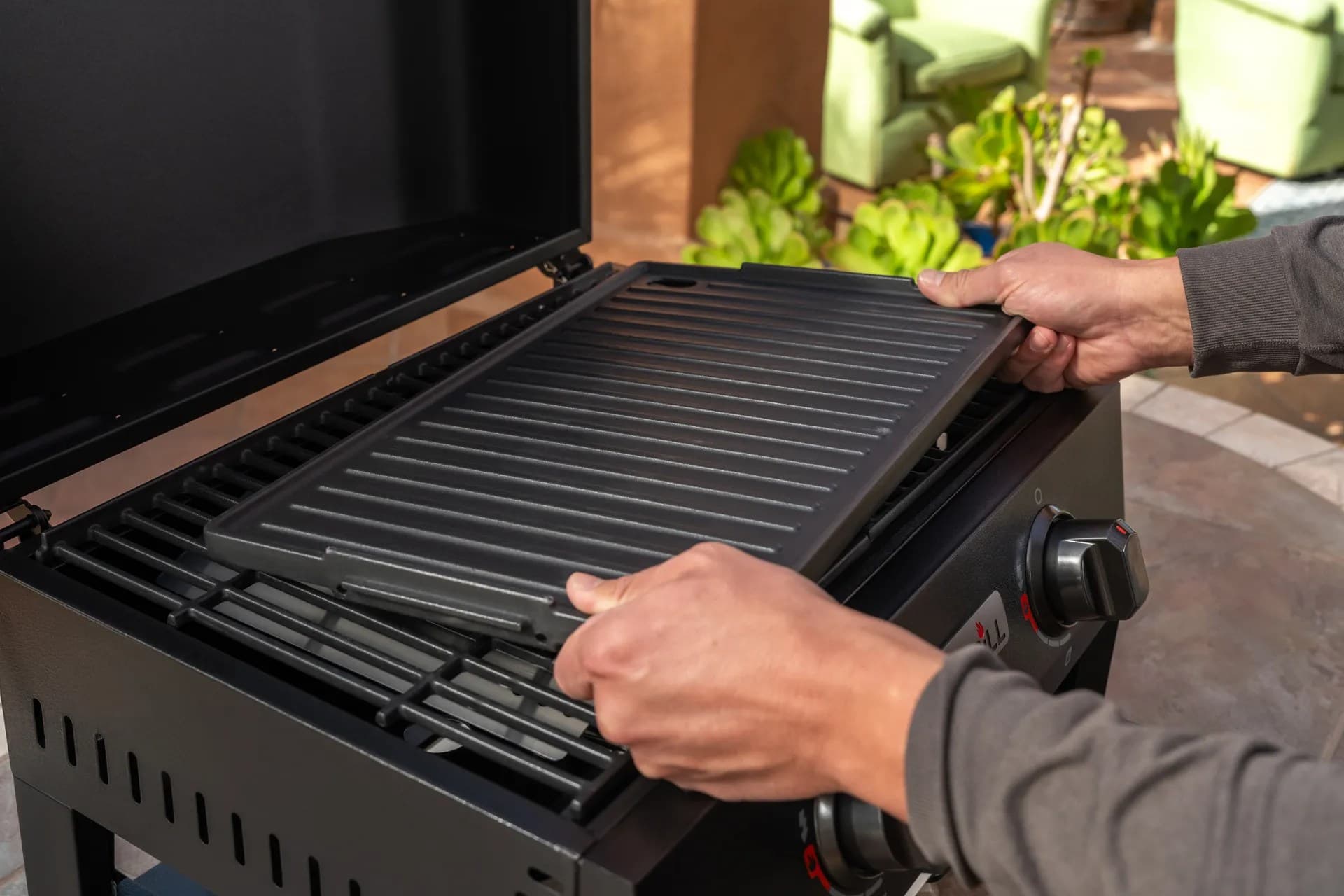
Practical guides for cleaning, maintenance, common grill issues, and performance optimization.
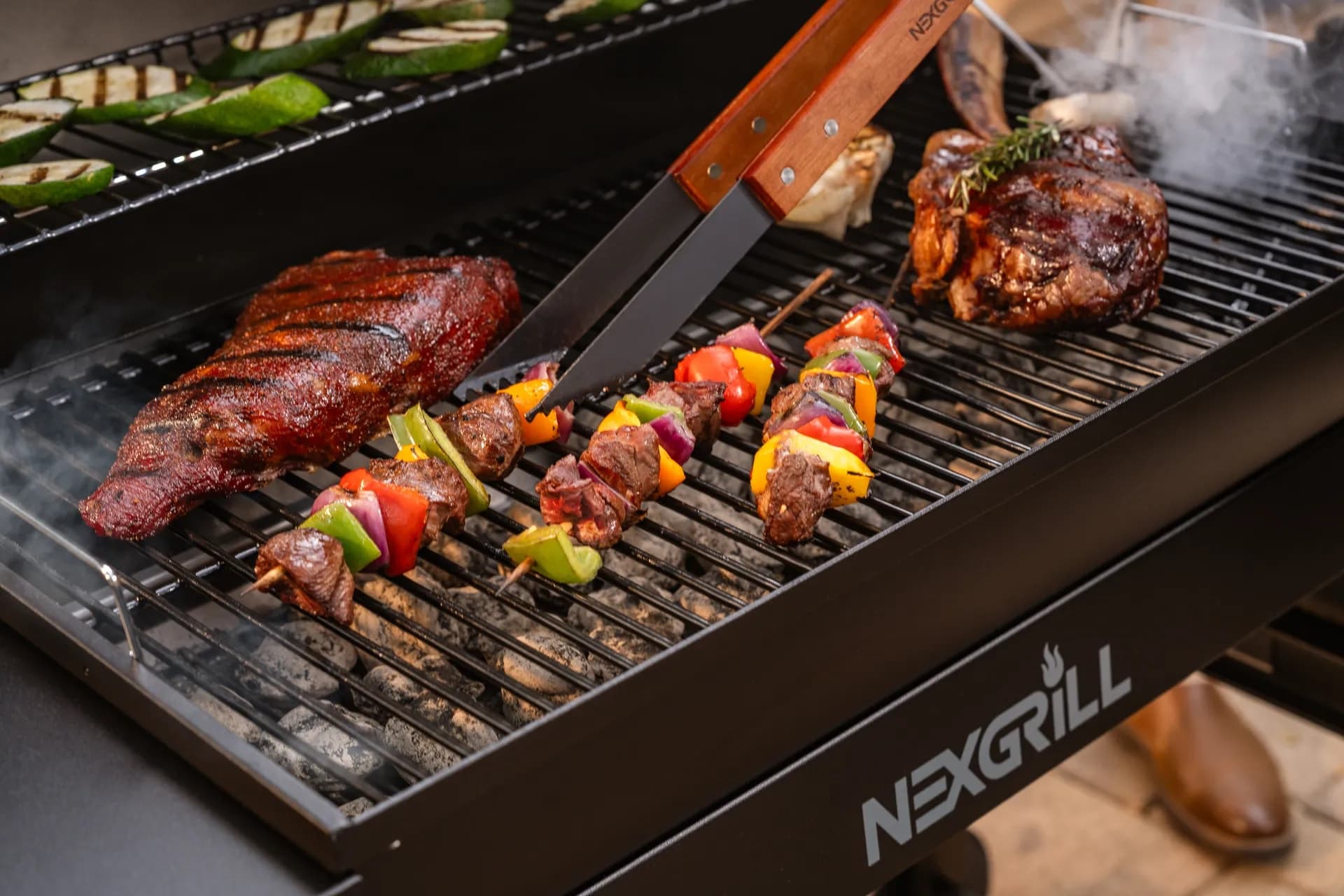
Step-by-step grilling recipes, cooking techniques, and meal ideas for every occasion and skill level.

Backyard entertaining ideas, seasonal grilling inspiration, and stories that celebrate outdoor cooking culture.
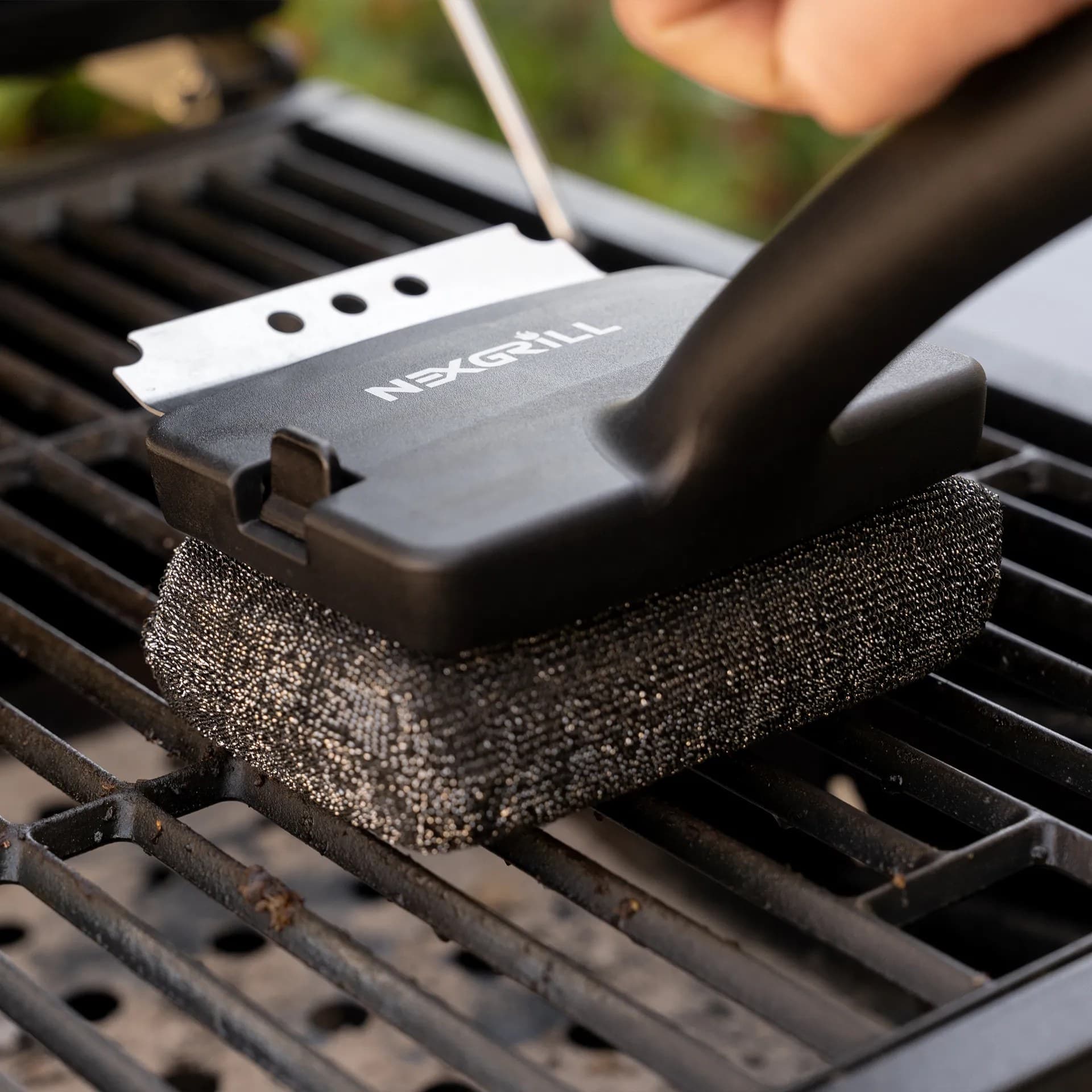
Helpful articles covering grilling tools, cookware, maintenance gear, and must-have accessories for outdoor cooking.
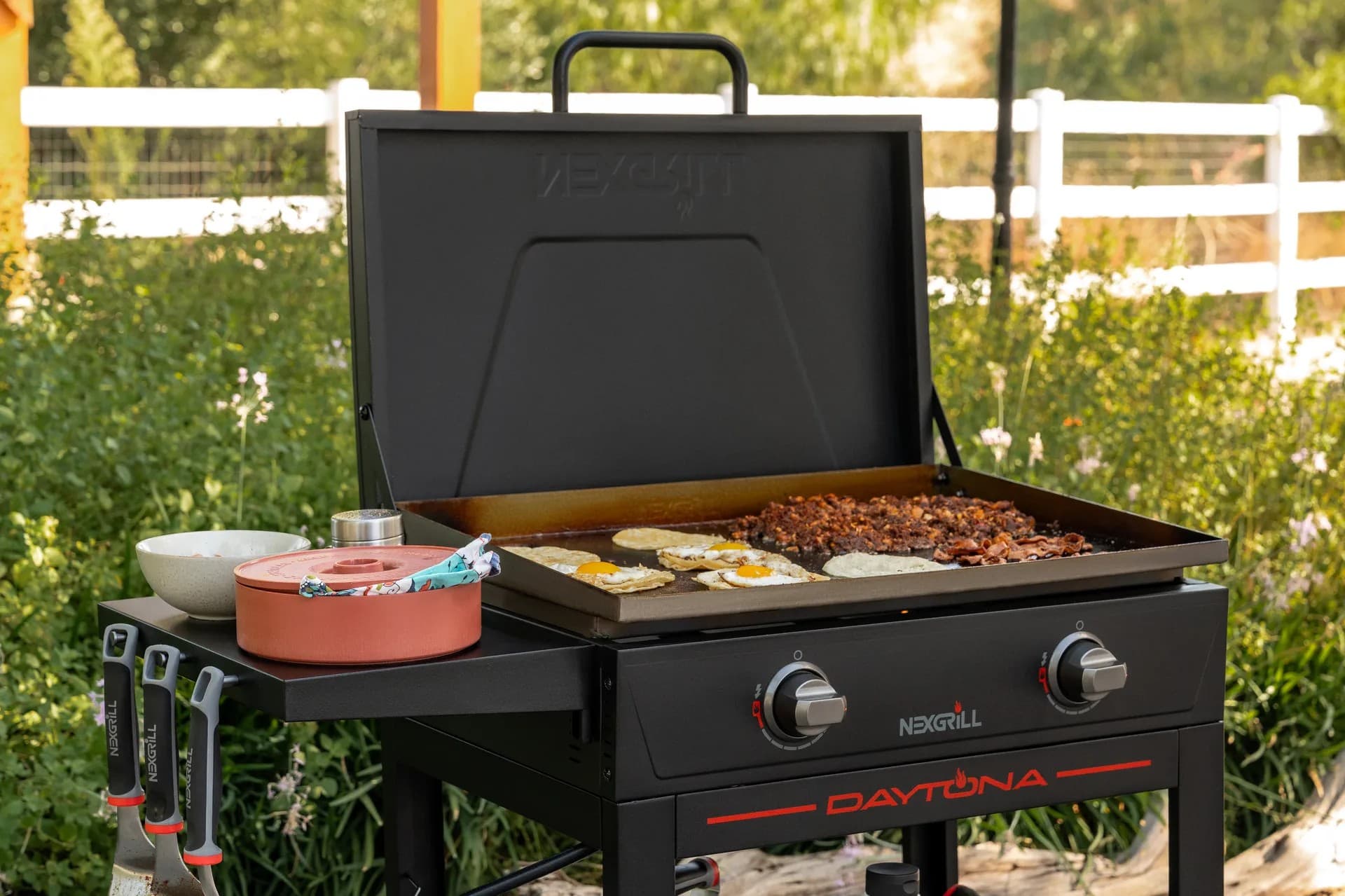
Find griddle recipes, cooking techniques, cleaning tips, and outdoor meal ideas designed for Nexgrill griddles.
Find answers to common questions
Nexgrill offers a variety of grills including gas, charcoal, and pellet grills, catering to different cooking preferences and styles.
Nexgrill is headquartered in California and serves a global market, primarily through retail partnerships such as Home Depot.
Yes, replacement parts are available for various Nexgrill products, and you can find them on the Nexgrill website or through authorized retail partners.
You can reach out to Nexgrill for support through their contact page on the website, where you will find options for phone and email inquiries.
Nexgrill products come with specific warranty terms, which can vary by product; it is recommended to check the warranty details on the product page or in the user manual.
In This Article
Safety Features Explained
Top Heater Picks
User Feedback Insights
A patio heater is supposed to make an outdoor space more comfortable, not create new worries every time you turn it on. That is why safety shutoff features deserve as much attention as heat output, finish quality, or style. In real-world use, the most useful safety systems do one of two things: they stop the heater when the flame becomes unstable or the oxygen level around the unit drops too low, and they shut the heater off if it tips beyond a safe angle. Those features are not just technical extras. They are the difference between a heater that feels easy to live with and one that needs constant babysitting.
This review focuses on patio heaters with safety shutoff mechanisms because buyers increasingly want a model that feels predictable on a breezy deck, a covered patio, or a small backyard gathering space. A heater that includes automatic shutoff protection can be especially valuable if you entertain frequently, move the unit around often, or have children and pets nearby. In those situations, the question is not simply how warm the heater gets. It is how quickly it responds when conditions change. A good shutdown system can interrupt heat delivery before a minor problem becomes a bigger one.
Primary shutoff systems most buyers should understand: tip-over protection and oxygen-sensing or flame-failure shutoff.
Tip: when comparing heaters, read the safety language carefully. Some models include more than one shutoff mechanism, while others only advertise one protection type.
Safety features also affect how confident a heater feels to use over time. If you are weighing a propane patio heater against an electric or infrared model, the shutdown behavior matters as much as the fuel choice. Propane units typically rely on flame-based protections and a weighted base for stability. Electric and infrared heaters often use thermal cutoff systems, overheat protection, and controls that disable the unit if internal temperatures rise too far. That means each category has its own strengths, and the best choice depends on where and how you plan to use it.
Cost-effectiveness matters too. A safer heater can reduce wasted fuel, shorten downtime caused by nuisance shutoffs, and lower the odds that you end up replacing the unit early because of avoidable wear. For many households in the United States, that trade-off is worth more than chasing the lowest price. A heater that is slightly more expensive but easier to trust around guests often turns out to be the better value.
The main patio heater categories each handle safety in a different way, and the details matter. Propane heaters are the most familiar outdoor option for open-air entertaining. They usually offer fast heat, strong range, and built-in shutoff behavior tied to flame stability or tip-over conditions. Because they burn fuel directly, they also require proper clearance and ventilation. If the flame weakens or the unit is moved too far off level, the safety system should intervene. That makes propane heaters practical for larger patios, but they depend more heavily on user setup and placement.
Electric patio heaters take a different approach. Instead of combustion, they use electricity to generate heat and often depend on overheat protection, tilt detection, and automatic timers. These models can be appealing for users who want simpler operation and fewer fuel-management concerns. Their safety profile is often easier to live with in smaller spaces because there is no open flame, but they still need proper spacing and a stable mounting or base configuration. In everyday use, the shutoff mechanism is usually quieter and less dramatic than in propane models, but it still matters when the unit runs for long periods.
Infrared heaters sit in a useful middle ground. They are usually valued for efficient directional heat, which helps reduce wasted output in breezy conditions. Safety features in infrared models often emphasize thermal protection, since the element itself can run hot even when the surrounding air is cool. That makes them a smart fit for covered areas, wall-mounted installations, or spots where you want targeted warmth without a standing fuel tank. The main safety advantage is not just that they shut off when overheated; it is that they often deliver useful warmth with less overall exposure to moving parts or open flame.
| Heater type | Common shutoff protection | Best use case | Safety trade-off |
|---|---|---|---|
| Propane | Tip-over and flame-related shutoff | Open patios and larger outdoor seating areas | Needs more clearance and careful placement |
| Electric | Overheat protection and timers | Smaller patios, balconies, and simpler setups | Less portable unless the installation is planned well |
| Infrared | Thermal cutoff and overheat protection | Directional heat for covered or partially sheltered areas | High surface temperatures require smart placement |
Another way to think about safety is by the kind of behavior each heater type encourages. Propane heaters often invite mobility, which is convenient but means users must respect weight, wind, and spacing. Electric heaters encourage cleaner, simpler operation, though cord management and mounting matter. Infrared heaters reward careful aiming and stable installation. None of these are inherently unsafe when used correctly, but each one asks the buyer to pay attention to different risks.
Warning: if a heater is repeatedly shutting off, do not keep relighting or resetting it without checking for airflow, instability, or blockage first.
Try comparing two products side by side below to see which fits best: focus on the shutoff type, the fuel source, and the space where you actually plan to use it.
When reviewing top patio heaters, the safest choice is rarely the one with the most aggressive marketing language. It is the model whose protection features make sense for the space and routine you already have. One strong example category is the traditional propane standing heater with a weighted base and automatic tip-over shutoff. This type is often popular for open decks because it can warm a wider seating zone, and the shutoff design is reassuring when guests or kids are moving around chairs. The upside is clear, direct heat. The trade-off is that the unit requires more room and more attention to placement than a compact electric option.
A second category worth considering is the electric wall-mounted patio heater with overheat protection. This design tends to shine in smaller urban patios or covered areas where you want heat without storing fuel. The safety story is simpler: there is no cylinder to manage, and the unit is usually controlled with a switch, remote, or wall control. Buyers appreciate that the safety shutoff is built around internal temperature management rather than flame behavior. In practical terms, that can reduce user error, especially for people who want a more plug-in-and-enjoy experience.
A third option is the infrared model designed for targeted warmth. Infrared heaters often rank well with users who care about energy efficiency because they heat people and surfaces more directly, which can feel efficient in semi-sheltered settings. The best versions include thermal cutoff protection and durable housings that help keep the unit stable under regular use. These heaters are especially appealing if you are trying to balance comfort with controlled operating cost, since directional heat can reduce the need to run a larger burner for a smaller gathering.
For buyers who want maximum flexibility, a portable propane heater with a broad base, adjustable output, and clear safety labeling remains a dependable all-around choice. It is the kind of heater that works for backyard dinners, fall gatherings, and seasonal use when stored properly. Users often like it because it feels familiar and can move from one setup to another, but the safety shutoff only helps if the heater is placed on level ground and the fuel supply is handled responsibly.
If you are shopping with value in mind, think in terms of total ownership cost rather than sticker price. A safer heater that uses fuel efficiently, shuts down correctly when disturbed, and avoids frequent nuisance resets can save time and reduce waste. That is especially true if the heater will be used regularly through cool months rather than just a few weekends a year. In that scenario, reliability becomes part of the value equation, not just a convenience.
Tip: the best review question is not “Which heater gets hottest?” It is “Which heater stays predictable in my exact space?”
Another reason safety shutoff matters is because it helps define a heater’s real-world usability. A model that is hard to keep stable, difficult to relight, or overly sensitive to minor movement can frustrate users even if it looks powerful on paper. By contrast, heaters that balance heat delivery with sensible protective shutdowns usually win more loyal long-term owners. That is the standard this review uses throughout: not just output, but confidence.
Once you've weighed two options against each other, the next question is how they feel in daily use. User feedback on patio heaters with safety shutoff features tends to cluster around a few themes: how often the heater shuts off, how easy it is to restart, and whether the protection system feels reassuring or overly sensitive. Many owners of propane patio heaters say the tip-over shutoff is most comforting during gatherings because it reduces anxiety when chairs are moved or children run past the unit. The best feedback usually comes from users who have owned the heater for more than one season, because they can compare a first-night impression with actual routine performance.
A common testimonial from electric heater owners is that the overheat protection feels invisible until it needs to work. That is exactly what many people want. They appreciate turning the heater on, letting it run for a meal, and not having to think about flame management or fuel odor. In apartment or townhouse settings, users often value the cleaner operation and note that a heater with an automatic thermal cutoff gives them more peace of mind during longer evenings outdoors. Their praise usually centers on convenience, low fuss, and a sense that the heater is less demanding than a fuel-burning model. If you want to know more about the benefits, check our article on the benefits of patio heaters.
Infrared heater owners often describe the warmth as immediate and directed, which can make the safety features feel like part of a smart design rather than a limitation. Testimonials frequently mention that the heater performs best when aimed at the seating area instead of trying to warm an entire patio at once. That feedback is useful because it highlights a key truth about energy efficiency: a heater that focuses warmth where people are sitting often feels more cost-effective than a larger unit that heats wasted air around the edges of the space.
Many users also mention the emotional side of safety. They want to enjoy the patio without hovering over the heater. A strong shutoff system allows people to relax and keep the conversation going. That is especially true for households with pets, where a stable base and automatic power-down behavior can make the heater feel more welcome in everyday life. The best reviews often sound practical rather than technical: the heater is easy to trust, it feels steady, and it does not create unnecessary drama when someone bumps a chair.
Info: positive reviews usually mention both comfort and predictability. If users praise heat but complain about constant shutdowns, the model may be too sensitive for the space.
There is also a pattern in negative feedback that is worth reading closely. Buyers sometimes assume any shutdown means a defective heater, when in reality the unit may be reacting to wind, uneven ground, blocked airflow, or low fuel. Good reviews often explain whether the user followed the placement instructions and whether the heater was used in a sheltered or exposed area. That context matters because patio heaters are not one-size-fits-all products. A model that works beautifully on a calm screened porch may behave differently on a breezy open deck.
Cost-effectiveness shows up in testimonials more often than shoppers expect. Users frequently connect satisfaction to how little effort the heater takes to operate over time. A heater that consumes fuel efficiently, warms a usable zone quickly, and shuts off appropriately when disturbed tends to earn better long-term ratings than one with flashy output but awkward behavior. People remember whether the heater made their evenings easier and whether it felt like a thoughtful purchase rather than an impulse buy. For more detailed insight, see our piece on the cost of patio heaters with safety shutoff features.
If a patio heater keeps shutting off, the first step is to identify whether the shutdown is doing its job or signaling a problem. On propane heaters, frequent shutoffs often point to airflow restrictions, a weak connection, a nearly empty tank, or a unit that is sitting on an uneven surface. Tip-over protection can also activate if the base is unstable or if the heater is placed where wind and foot traffic create movement. Before assuming the mechanism is faulty, check the ground, inspect the tank connection, and confirm that nothing is blocking the burner area.
For electric and infrared heaters, shutdowns are commonly tied to overheating, electrical interruption, or timer settings. Dust buildup around vents, poor clearance around the unit, and blocked airflow can all trigger a thermal cutoff earlier than expected. If the heater resets after cooling, that is usually a clue that the protective system is working, but it also means the installation or usage pattern should be adjusted. In many cases, a quick cleaning and better spacing around the heater solve the problem.
A simple maintenance routine helps prevent nuisance shutdowns and supports safer operation. Keep the heater clean, store propane tanks correctly, inspect cords and plugs where applicable, and check for rust, corrosion, or loose fittings before the season begins. If a heater has an access panel or burner housing, follow the manufacturer’s instructions carefully so you do not disturb components that affect ignition or thermal response. The most common error is not complicated engineering failure; it is neglecting the small details that keep the heater stable and ventilated.
| Symptom | Likely cause | Best first fix |
|---|---|---|
| Heater shuts off after a few minutes | Overheat, low fuel, or blocked airflow | Check clearance, clean vents, inspect fuel supply |
| Propane heater will not stay lit | Tank issue, igniter problem, or unstable placement | Confirm connection, relight on level ground |
| Electric heater powers down unexpectedly | Thermal cutoff or electrical interruption | Let it cool, clear vents, test outlet or cord |
If you want fewer shutdown headaches, think about placement before anything else. The best heater in the world can act unreliable if it is wedged too close to a wall, exposed to heavy wind, or used on a surface that is not level. Safety systems are designed to protect people, but they also reveal when the setup needs improvement. That is not a flaw; it is a signal to make the installation match the heater type.
For homeowners focused on cost-effectiveness, the winning formula is straightforward: choose the heater type that matches the space, keep it clean, and respect the protective shutoff instead of bypassing it. That combination gives you better comfort, fewer interruptions, and a safer outdoor routine across the season.
The best patio heater with a safety shutoff is the one that fits your space, your habits, and the way you actually entertain outdoors. Propane units usually deliver the strongest portable warmth and are a smart fit for open patios when tip-over protection is a priority. Electric and infrared heaters are often easier to manage in smaller or more controlled spaces, where overheat protection and stable installation matter more than tank-based mobility. Each category can be a strong choice when the safety features match the environment.
If you value immediate comfort and lower operating waste, look closely at infrared efficiency and electric convenience. If you want a more traditional outdoor heating setup for larger gatherings, a propane heater with reliable shutoff mechanisms may be the better fit. The practical question is not which heater is safest in theory, but which one remains predictable, efficient, and easy to trust in your own backyard.
In the end, a thoughtful patio heater purchase is about balancing warmth, cost, and peace of mind. Read the safety details, pay attention to real user experiences, and choose the design that handles your specific layout with the least friction. If you do that, the heater becomes more than a seasonal appliance - it becomes a dependable part of outdoor living.
Here's what sets us apart
We position ourselves as delivering high-end outdoor cooking features and performance without premium-brand pricing, emphasizing “Quality Grills. Unbelievable Value.”
We offer gas grills, pellet grills, griddles, smokers, pizza ovens, portable/tabletop grills, electric grills, accessories, and replacement parts — allowing customers to stay within one ecosystem for all outdoor cooking needs.
We differentiate ourselves through smart grilling products like the Oakford smart pellet grill, including app-connected cooking controls and modern outdoor cooking technology.
Don't just take our word for it
Keep reading
From our catalog