Explore top patio heaters equipped with safety shutoff mechanisms, their pricing, and key features to make an informed purchase.
Here's what sets us apart from the competition
We position ourselves as delivering high-end outdoor cooking features and performance without premium-brand pricing, emphasizing “Quality Grills. Unbelievable Value.”
We offer gas grills, pellet grills, griddles, smokers, pizza ovens, portable/tabletop grills, electric grills, accessories, and replacement parts — allowing customers to stay within one ecosystem for all outdoor cooking needs.
We differentiate ourselves through smart grilling products like the Oakford smart pellet grill, including app-connected cooking controls and modern outdoor cooking technology.
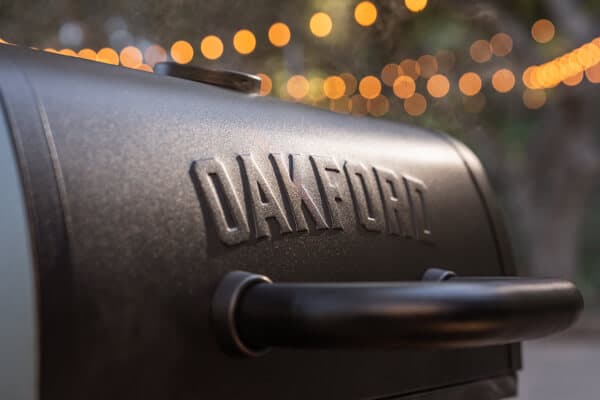
Expert tips, buying guides, comparisons, and inspiration for choosing and getting the most out of your grill.
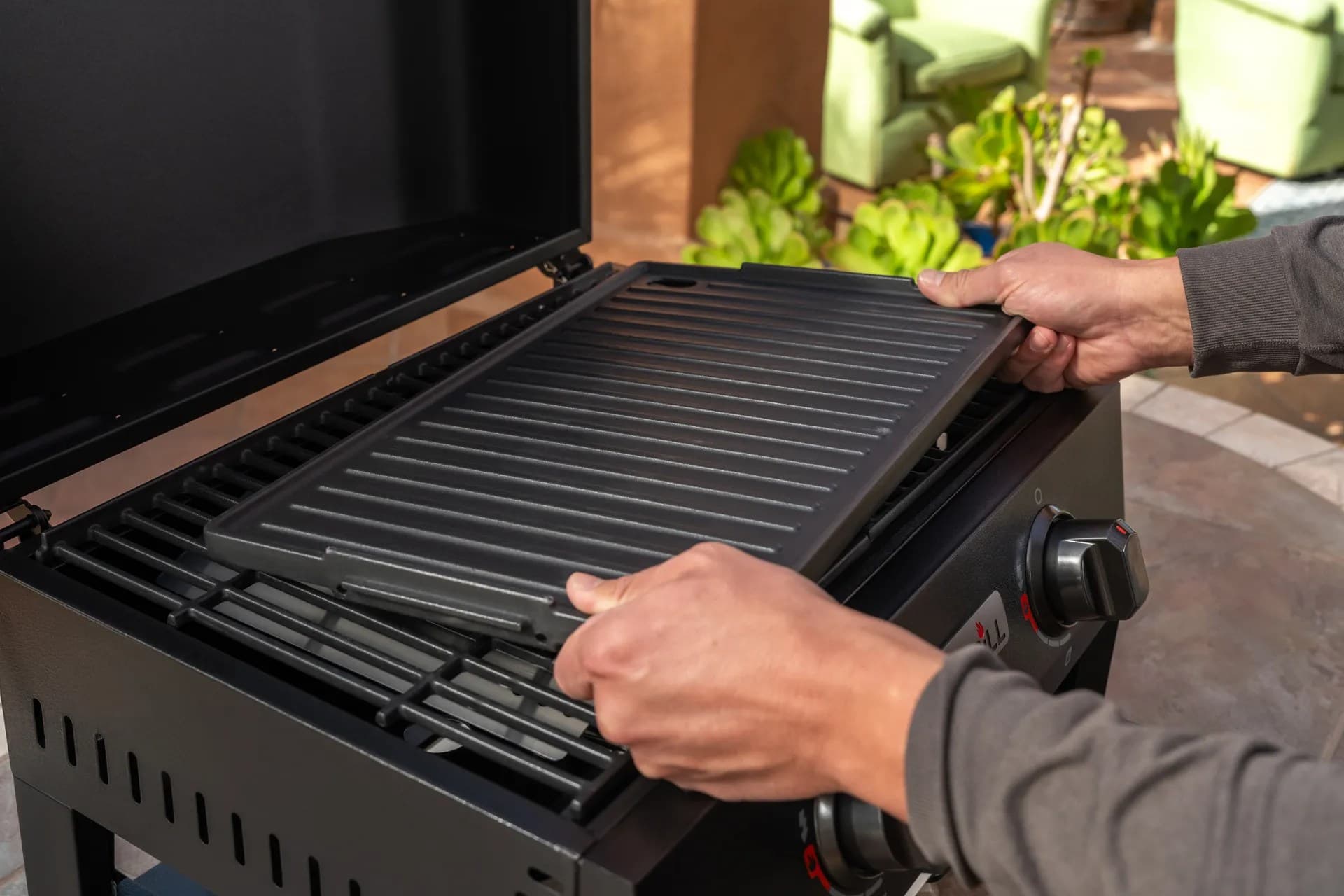
Practical guides for cleaning, maintenance, common grill issues, and performance optimization.
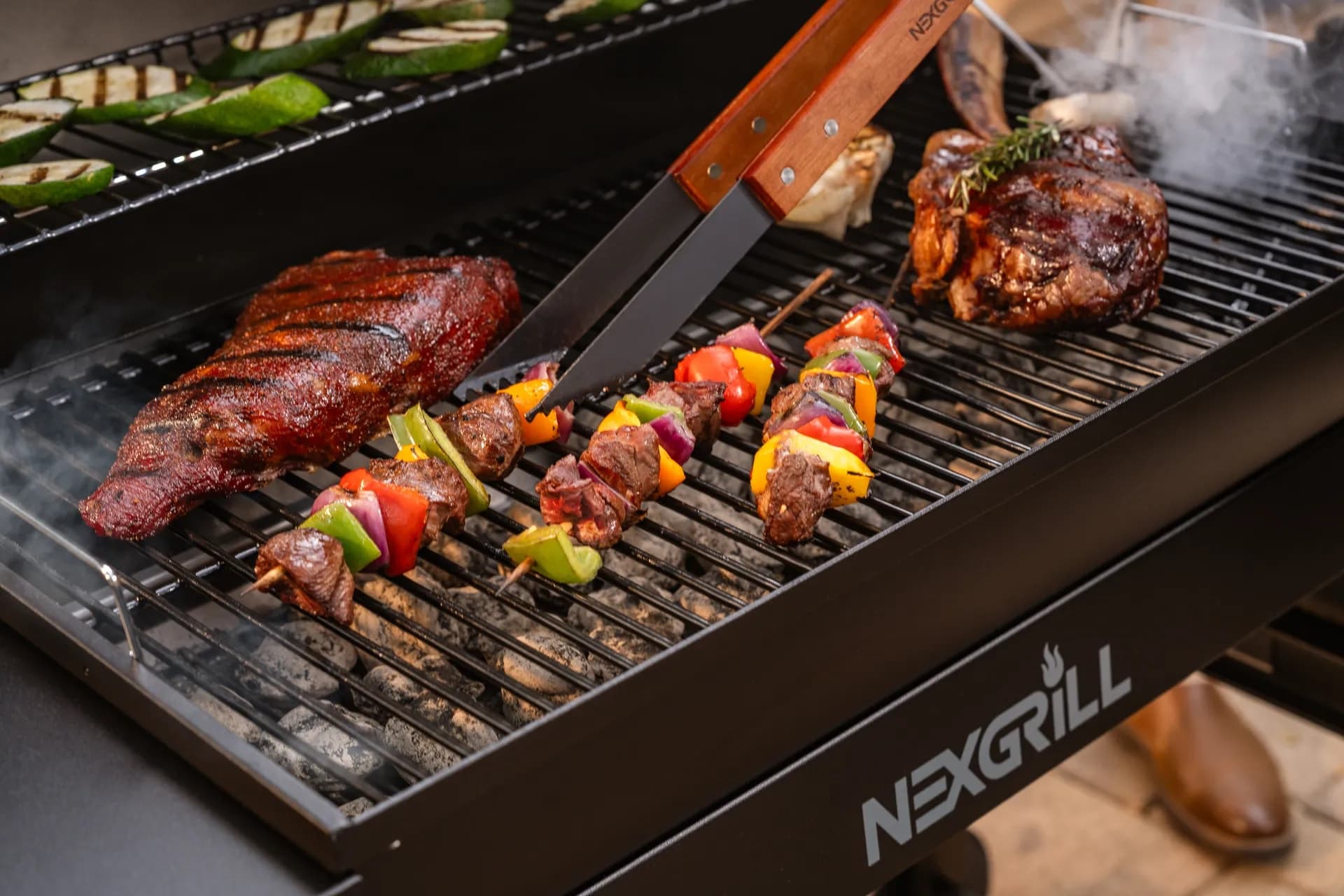
Step-by-step grilling recipes, cooking techniques, and meal ideas for every occasion and skill level.

Backyard entertaining ideas, seasonal grilling inspiration, and stories that celebrate outdoor cooking culture.
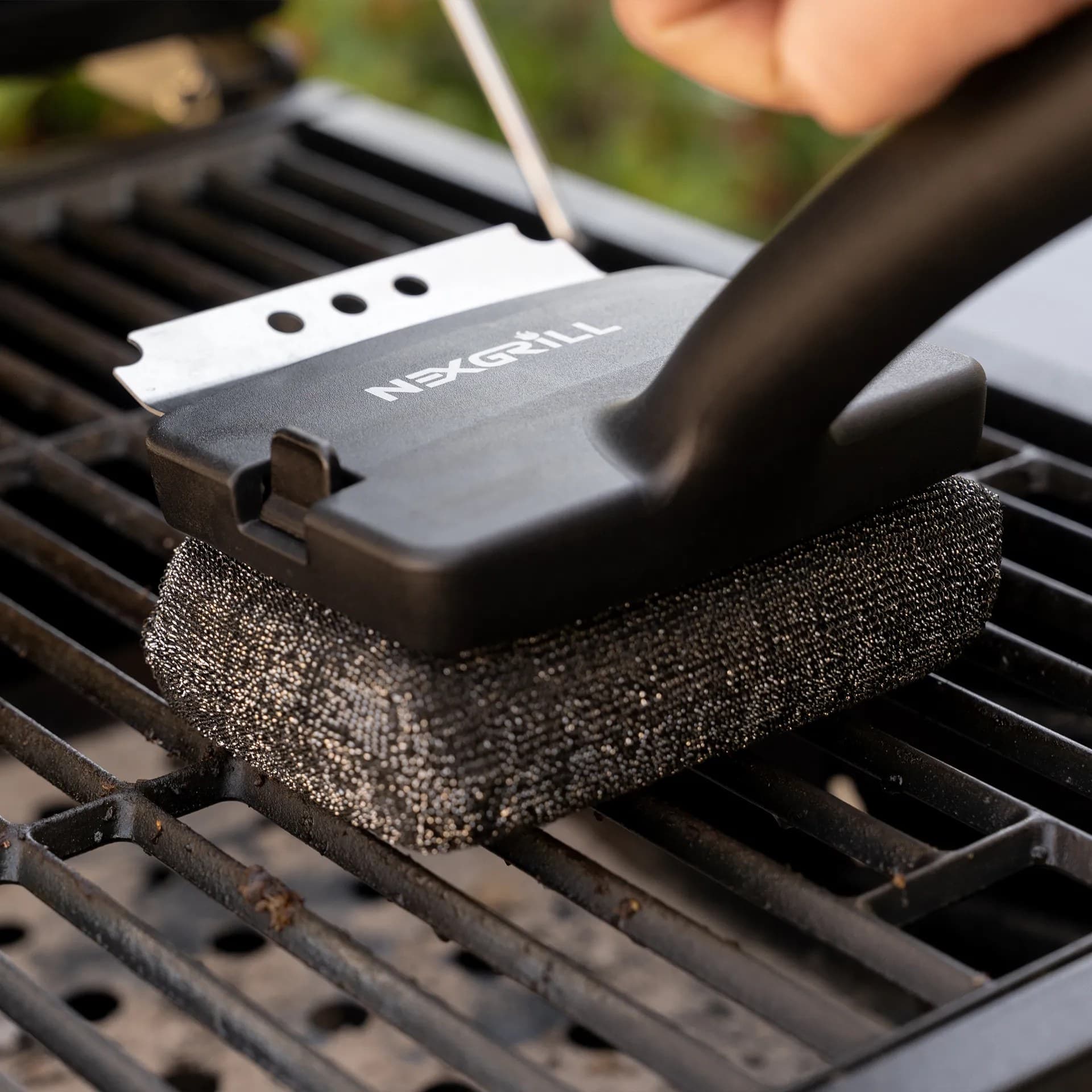
Helpful articles covering grilling tools, cookware, maintenance gear, and must-have accessories for outdoor cooking.
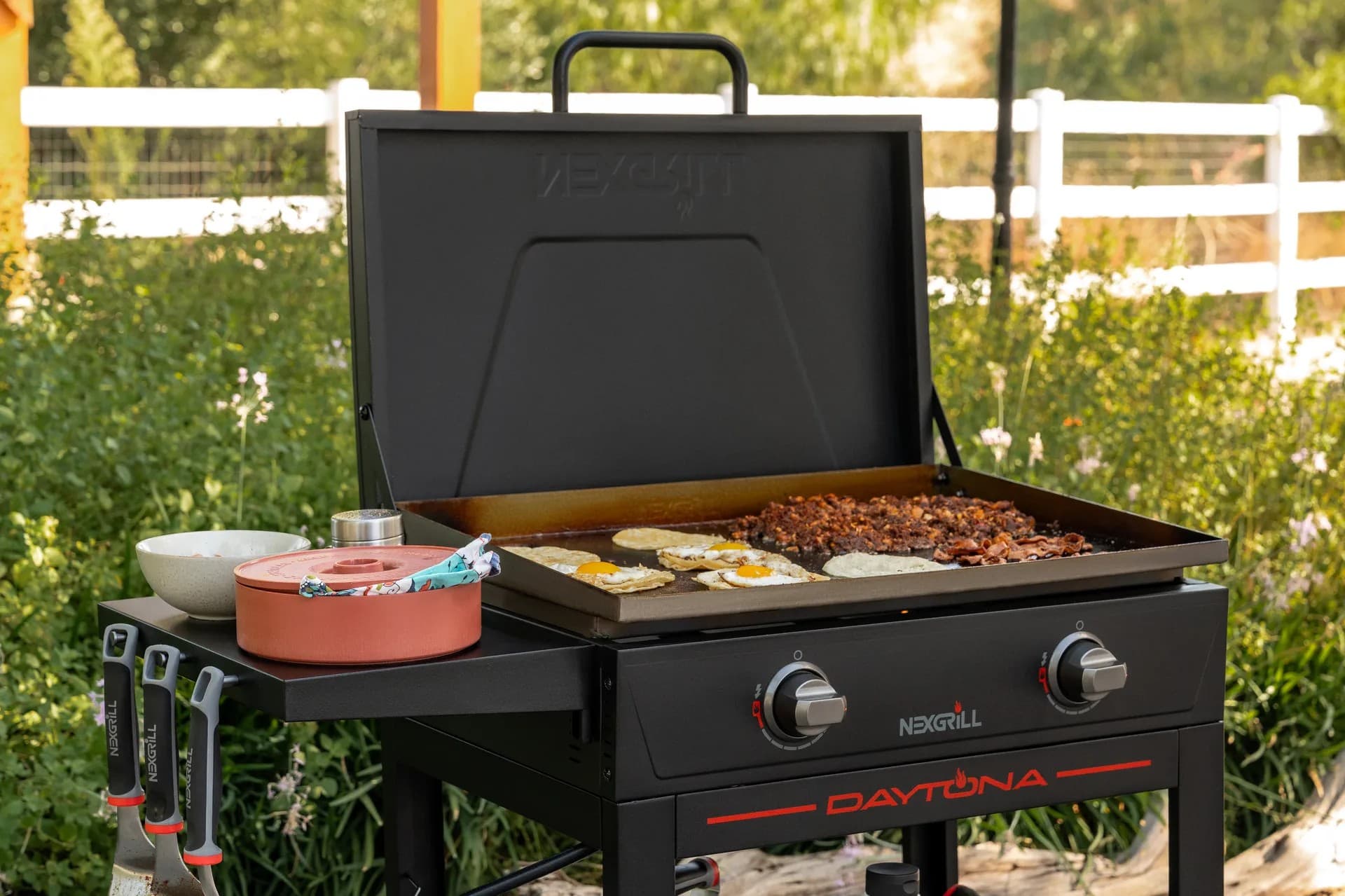
Find griddle recipes, cooking techniques, cleaning tips, and outdoor meal ideas designed for Nexgrill griddles.
Find answers to common questions
Nexgrill offers a variety of accessories including grill tools, covers, cooking utensils, and replacement parts designed to enhance your grilling experience.
Many Nexgrill accessories are widely compatible with various grill brands, but it is recommended to check the specifications for proper fit and functionality.
To maintain your Nexgrill accessories, regularly clean them with warm soapy water, avoid using abrasive materials that could scratch the surface, and store them in a dry place when not in use.
Yes, Nexgrill accessories can be purchased separately from the grills, allowing customers to customize their grilling setup as needed.
Instructions for using Nexgrill accessories are typically included in the packaging, and additional resources can be found on the Nexgrill website or in the product user manuals.
In This Article
Safety Shutoff Mechanisms
Price Range Overview
Top Recommended Models
When shoppers search for a patio-heater-with-safety-shutoff-price, they are usually balancing three concerns at once: warmth, convenience, and peace of mind. A patio heater can extend a backyard dinner, keep a deck usable on cooler nights, and make a covered seating area feel far more inviting. But the real value of a heater is not just how much heat it produces. It is whether the safety system behaves predictably when something goes wrong, whether that means a flame going out, a unit being nudged off balance, or the heater being used in a space where people move around furniture, chairs, and foot traffic.
For Nexgrill readers, the practical question is not abstract. It is about how a heater fits into real outdoor living: a small family patio, a wider deck for weekend guests, or a semi-permanent backyard setup where the heater may stay in one place for a season. In that setting, safety shutoff features matter because outdoor spaces are dynamic. Kids run past, pets brush against legs, and wind can affect flame-based equipment. A heater that can shut itself down in a tip-over event or a flame-loss condition is designed to reduce risk in exactly those everyday moments.
Main price drivers to compare: fuel type, output, and safety controls
It also helps to think of a patio heater as a long-term purchase rather than a one-night fix. A low upfront price can look appealing, but buyers often end up paying more attention to stability, parts quality, ignition reliability, and how easy it is to maintain the shutoff system after a full season of use. That is why this guide focuses on what the safety shutoff actually does, what the price ranges usually reflect, and which features are worth paying for in the United States market.
Info: A patio heater’s safety value is often tied to the whole design, not just one switch. Base weight, burner enclosure, ignition method, and shutoff response all work together.
One important reason this topic deserves a closer look is that “safety shutoff” is used loosely in product listings. On one heater, it may refer to an anti-tilt mechanism that cuts fuel when the unit leans. On another, it may describe a flame-failure system that closes the gas flow if the flame is extinguished. Electric heaters may use thermal cutoffs or overheat protection instead. The details matter, because different fuels create different risks and different responses. A buyer comparing propane and electric models should not assume the same protective system is present in both.
If you are shopping for a heater for a backyard dinner area, start with the question of placement. Is the heater going on a stable patio surface, beside a dining set, or near a more open seating zone? A heavier base and a reliable tilt shutoff are especially important where guests may accidentally bump the unit. For a covered but ventilated area, an electric model with overheat protection may be more practical than a combustion heater, depending on the layout and the outlet access. That is the kind of real-world decision this article is built to support.
Safety shutoff features are easiest to understand when you separate them by the risk they are designed to address. The most common mechanisms include tip-over shutoff, flame-failure shutoff, overheat protection, and in some cases thermal cutoff devices that interrupt operation if internal components get too hot. These systems are not there to make a heater “fireproof.” Their purpose is to reduce the chance that a small problem becomes a bigger one by stopping fuel flow or power delivery when the heater leaves a normal operating condition.
Tip-over shutoff is especially relevant for freestanding propane patio heaters. These tall units create a stable-looking silhouette, but because they sit high off the ground, a hard bump or uneven surface can still create a tipping risk. In a well-designed system, the heater senses that it is no longer upright and interrupts gas flow. That matters in family spaces where someone may move a chair too close or where wind gusts and deck traffic are part of the daily pattern. The anti-tilt feature should be treated as a primary safety requirement, not a bonus.
Flame-failure shutoff works differently. If a flame goes out unexpectedly, the heater should stop supplying gas so propane does not continue to escape unburned. This protection is especially useful in breezy outdoor conditions, where a flame can be disturbed more easily than people expect. For shoppers, this is one of the clearest examples of why the fine print matters: a heater can advertise a “safety shutoff,” but the underlying trigger may be tip-over only, flame-loss only, or both.
| Safety feature | What it responds to | Why it matters |
|---|---|---|
| Tip-over shutoff | Heater tilts or falls | Stops fuel flow if the unit is knocked off balance |
| Flame-failure shutoff | Flame extinguishes | Prevents gas from flowing when combustion is no longer stable |
| Overheat protection | Internal temperature rises too far | Helps protect components in electric or enclosed systems |
Electric patio heaters usually rely on a different safety logic than propane units. Instead of flame supervision, they often include overheat protection and sometimes automatic shutoff if airflow is blocked or internal temperature gets too high. Buyers should still verify whether the heater is intended for outdoor use, what kind of mounting or clearance is required, and whether the safety system resets automatically or requires manual intervention. That affects day-to-day usability just as much as the initial purchase price.
Warning: Do not assume every heater listing uses the same definition of “safety shutoff.” Verify whether the unit protects against tip-over, flame loss, overheating, or all three.
For practical buyers, a safer purchase is often the one with the simplest operating routine. Clear ignition steps, a stable base, visible fuel controls, and an easy-to-understand shutoff mechanism reduce the chances of misuse. That is especially helpful when several people in the household may operate the heater across a season. If the safety features are too complicated to explain quickly, they are harder to use consistently.
In the United States, patio-heater-with-safety-shutoff-price usually falls into a few broad bands, and the reason for the spread is straightforward: fuel type, output level, construction quality, mobility, and the type of shutoff system all affect cost. A basic portable propane heater with tip-over shutoff may sit in a lower price band than a permanent natural-gas heater or a premium stainless-steel model with more polished materials and a more robust base. Electric heaters may also vary depending on whether they are freestanding, wall-mounted, or designed for covered installations.
As a practical shopping baseline, many freestanding propane patio heaters with safety shutoff features often land in the mid-range of the consumer market, while more durable or design-forward units push higher. Permanent-style heaters and commercial-inspired builds tend to cost more because they are built for stable placement, stronger materials, and more consistent outdoor exposure. The key is not to chase the lowest sticker price, but to match the heater’s structure to the setting where it will actually be used.
Retail listings help illustrate this spread. A product like the Eleoption 48,000 BTU outdoor propane patio heater on Wayfair is positioned as a portable outdoor option with wheels and tip-over safety shutoff, a combination that reflects the typical consumer-friendly propane category. By contrast, the Sunglo permanent post natural gas heater at Patio Living is aimed at buyers who want a more fixed installation, which generally changes the total cost picture because installation and plumbing considerations can become part of the budget. A unit sold through Home Depot can help show how mainstream retailers segment these products for different spaces and budgets.
| Price band | Typical heater type | What you usually get |
|---|---|---|
| Lower range | Basic propane or compact electric | Essential shutoff features, lighter materials, simpler styling |
| Mid range | Freestanding propane with wheels | Tip-over protection, higher output, better finish, easier mobility |
| Upper range | Permanent natural gas or premium build | More durable materials, stable installation, more refined safety design |
A useful pricing mindset is to compare total value, not just shelf price. A heater that costs less but lacks a sturdy base may be a worse deal than a slightly higher-priced model with better construction and a dependable shutoff system. Similarly, a natural-gas heater may look expensive at checkout, but if your outdoor space is set up for permanent use, the stability and convenience may justify the added cost. If your patio is flexible and you move seating frequently, portability may be more valuable than premium finish alone.
Tip: When comparing prices, check whether the listing includes wheels, cover compatibility, ignition type, and the exact safety shutoff described in the specs.
The best comparison question is simple: what are you buying beyond heat? If the answer includes stability, easier movement, a better outdoor fit, and a clearer safety system, the price is easier to justify. If two heaters are close in cost, the one with the more specific and better-documented shutoff design is usually the safer value choice.
Once you know how the safety systems work and how the prices tend to cluster, the next step is matching a heater to use case. That is where model style matters more than brand buzz. A portable propane heater is not automatically better than a permanent natural-gas unit; it is simply better for a different kind of outdoor routine. The most useful model comparisons are the ones that connect output, mobility, and shutoff behavior to the space where the heater will live.
The Eleoption 48,000 BTU outdoor propane patio heater on Wayfair is a strong example of a portable freestanding format. The 48,000 BTU figure is useful because it suggests a heater intended for a moderate outdoor seating area rather than a tiny nook. The wheelbase matters too, because mobility is part of real-world safety: a heater that can be positioned correctly, moved when not needed, and stored out of traffic is easier to manage. Its tip-over safety shutoff is especially relevant for decks and patios where chairs, side tables, and guests are constantly shifting.
For buyers who want a more permanent outdoor heating solution, the Sunglo patio heater sold through Patio Living offers a different value proposition. Permanent post natural-gas heaters are generally about steady placement and a cleaner long-term setup. In many backyards, that means the unit becomes part of the outdoor architecture rather than a movable appliance. The safety conversation then shifts from wheels and portability to stable installation, clearances, and dependable shutoff behavior under regular use.
Home Depot listings can be useful for seeing how these products are positioned in a mainstream retail environment, where buyers often compare convenience and budget first. In practice, the strongest feature combinations are usually: a weighted base, clear ignition controls, a documented shutoff mechanism, and materials that can stand up to repeated outdoor exposure. If a heater lacks one of those elements, it may still be acceptable for a seasonal setup, but it should be evaluated more carefully before purchase.
| Model style | Best use case | Safety angle to prioritize |
|---|---|---|
| Freestanding propane | Decks, patios, movable seating areas | Tip-over shutoff and stable base weight |
| Permanent natural gas | Fixed backyard zones | Installation stability and flame supervision |
| Electric outdoor heater | Covered or semi-covered spaces with power access | Overheat protection and proper mounting/clearance |
Which option suits you? If you want the easiest day-to-day setup and you move furniture often, choose a freestanding propane heater with a clearly documented tip-over shutoff. If you have a dedicated outdoor space that stays configured the same way most of the year, a permanent natural-gas heater may make more sense. If your priority is a cleaner operating routine and you already have a suitable power setup, an electric model can be the most straightforward path.
Info: The most dependable patio heater choice is usually the one whose safety system matches the way your space is actually used, not the one with the longest spec sheet.
Try comparing two products side by side below to see which fits best:
Once you've weighed two options against each other, the next thing most buyers want to know is how those heaters behave in real homes, not just in product listings. User reviews for patio heaters with safety shutoff features tend to cluster around a few practical themes: whether the heater is easy to start, whether the shutoff behaves as expected, whether the base feels secure on a patio surface, and whether the unit still feels dependable after repeated use. Those comments matter because a patio heater is a seasonal appliance, and products often reveal their strengths and weaknesses only after several weeks of actual backyard use.
A common pattern in buyer feedback is that people value safety features most when they are simple to understand. For example, reviews for freestanding propane heaters often praise tip-over shutoff when the unit is placed on a deck with pets, children, or guests walking nearby. Buyers like knowing the heater has a built-in response if it gets nudged, even if the unit never actually trips that feature during normal use. That kind of reassurance is one reason safety shutoff has become a major search term in the first place.
Reviews also tend to differentiate between perceived safety and actual usability. A heater may have a strong-looking safety feature set, but if the ignition is frustrating or the controls are hard to read, users often become less confident operating it. In contrast, models that are easy to light, easy to reposition, and easy to shut down after use tend to earn better ratings from homeowners who want a practical outdoor appliance rather than a project. That is especially true for buyers who are not interested in babysitting the heater for the whole evening.
Warning: Review scores can be misleading if they do not mention the exact heater type. A five-star review for a wall-mounted electric heater does not tell you much about a tall propane unit with a tip-over switch.
Another theme in reviews is weather tolerance. Outdoor heaters live with moisture, dust, wind, and temperature swings, so buyers often note whether covers fit well, whether the finish holds up, and whether the safety shutoff still feels reliable after exposure. If a heater is going to stay on a patio all season, positive reviews often mention sturdiness, steady heat, and a base that inspires confidence. Negative reviews often mention wobble, overly light construction, or components that seem less durable than expected for the price.
If you are comparing ratings, focus on the comments that mention the exact conditions you care about. A review from someone using a heater on a windy, open deck is more useful to a deck owner than a review from someone in a sheltered courtyard. Likewise, a family that values portability will judge a model differently than a homeowner planning a permanent setup. The best reviews are not the loudest ones; they are the most specific ones.
| Review theme | What to look for | Why it matters |
|---|---|---|
| Safety confidence | Mentions of tip-over or shutoff behavior | Shows whether the feature feels trustworthy in real use |
| Ease of operation | Ignition, control layout, startup time | Affects whether people use the heater correctly |
| Stability | Base weight, wobble, movement on surface | Directly tied to tip-over risk |
| Durability | Finish, corrosion, seasonal wear | Indicates long-term value |
For commercial-style shoppers, reviews can also help answer which option suits you. If a product regularly earns praise for being easy to move and easy to light, it is likely a better fit for people who rearrange their patio often. If users keep talking about a heater feeling stable and permanent, that points toward a fixed-installation mindset. Ratings are useful, but they become truly useful when read alongside the buyer’s own space and habits.
Good maintenance is not just about keeping a patio heater clean; it is about preserving the integrity of the safety systems that make the heater worth buying in the first place. A shutoff mechanism can only do its job if the unit is free of debris, the controls move properly, and the heater is positioned correctly. That means safety maintenance should be part of your regular outdoor routine, especially in spring and fall when heaters are used most frequently in the United States.
For propane heaters, inspect the base, wheels, and connection points before the season starts. If the heater uses a tip-over shutoff, make sure the unit sits level on a flat surface and that the base is not damaged or missing weight. Check the burner area for dirt, insect debris, or corrosion buildup that could affect flame stability. In many cases, a simple visual inspection can prevent small issues from becoming reliability problems later in the season.
If the heater uses a flame-failure shutoff, keep the burner path clear and confirm the ignition sequence works consistently. A flame that struggles to stay lit may not just be a convenience issue; it can signal a dirty burner, blocked venting, or a component that deserves attention before the heater is used again. That is one reason seasonal cleaning is so important. It keeps the safety system from having to correct for preventable dirt and wear.
Info: If your heater has a manual shutoff valve, test the operating motion before peak season so you know the control is not sticking.
Electric heaters need a different kind of care. Check the power cord, plug, mounting hardware, and any visible thermal protection areas for signs of wear. Keep the unit dry and follow the manufacturer’s clearance recommendations so the overheat protection system is not forced to compensate for a blocked setup. A heater placed too close to drapes, furniture, or overhead structures can create avoidable stress on the unit and may shorten its useful life.
Storage also plays a role in safety. If the heater will be unused for months, clean it thoroughly before putting it away and cover it if the manufacturer recommends doing so. For portable propane heaters, store cylinders separately and follow all applicable fuel handling guidance. For fixed natural-gas units, seasonal cleaning and inspection should still be part of the plan even if the heater remains in place. A well-maintained heater is simply easier to trust.
| Maintenance task | Frequency | Safety benefit |
|---|---|---|
| Wipe and inspect exterior surfaces | Before and after season | Reduces corrosion and visible wear |
| Check burner and ignition area | Regularly during use | Supports stable flame behavior |
| Verify shutoff response | At start of season | Confirms the feature still functions as expected |
| Use a fitted cover | When not in use | Protects components from weather exposure |
The right patio heater with safety shutoff is the one that fits the way you actually use your outdoor space. If you want flexibility and easy repositioning, a freestanding propane heater with tip-over shutoff is often the most practical fit. If you prefer a more permanent backyard heating solution, a natural-gas heater may be worth the added cost and setup effort. If your space is suited to electric heat, overheat protection and simple operation may make that category the strongest value. The best choice is not the one with the longest feature list; it is the one with the clearest and most relevant safety design.
Price should be viewed in the same way. A lower sticker price can be appealing, but if the heater feels unstable, lacks clear documentation, or does not offer the shutoff style you need, the bargain is weaker than it first appears. For most shoppers, the smartest buying decision is to narrow the field by fuel type, compare the exact shutoff mechanism, and then judge the remaining options by stability, finish, and ownership convenience.
If you are still deciding, start by comparing your top two options side by side below, then weigh the safety features against the real conditions of your patio, deck, or backyard setup. That approach is the most reliable way to find a heater that feels comfortable to use all season long.
Here's what sets us apart
We position ourselves as delivering high-end outdoor cooking features and performance without premium-brand pricing, emphasizing “Quality Grills. Unbelievable Value.”
We offer gas grills, pellet grills, griddles, smokers, pizza ovens, portable/tabletop grills, electric grills, accessories, and replacement parts — allowing customers to stay within one ecosystem for all outdoor cooking needs.
We differentiate ourselves through smart grilling products like the Oakford smart pellet grill, including app-connected cooking controls and modern outdoor cooking technology.
Don't just take our word for it
Keep reading
From our catalog