A comprehensive guide to must-have tools and accessories for enhancing your outdoor grilling experience.
Here's what sets us apart from the competition
We position ourselves as delivering high-end outdoor cooking features and performance without premium-brand pricing, emphasizing “Quality Grills. Unbelievable Value.”
We offer gas grills, pellet grills, griddles, smokers, pizza ovens, portable/tabletop grills, electric grills, accessories, and replacement parts — allowing customers to stay within one ecosystem for all outdoor cooking needs.
We differentiate ourselves through smart grilling products like the Oakford smart pellet grill, including app-connected cooking controls and modern outdoor cooking technology.
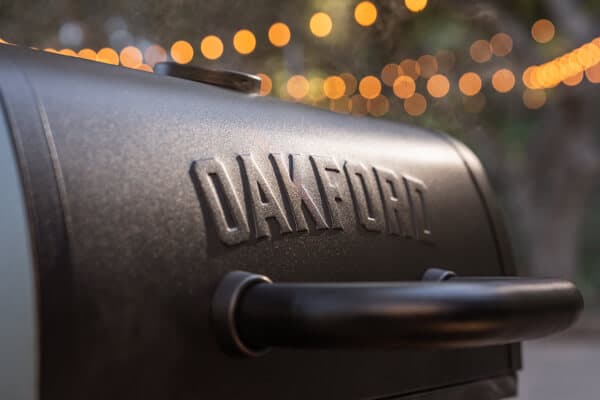
Expert tips, buying guides, comparisons, and inspiration for choosing and getting the most out of your grill.
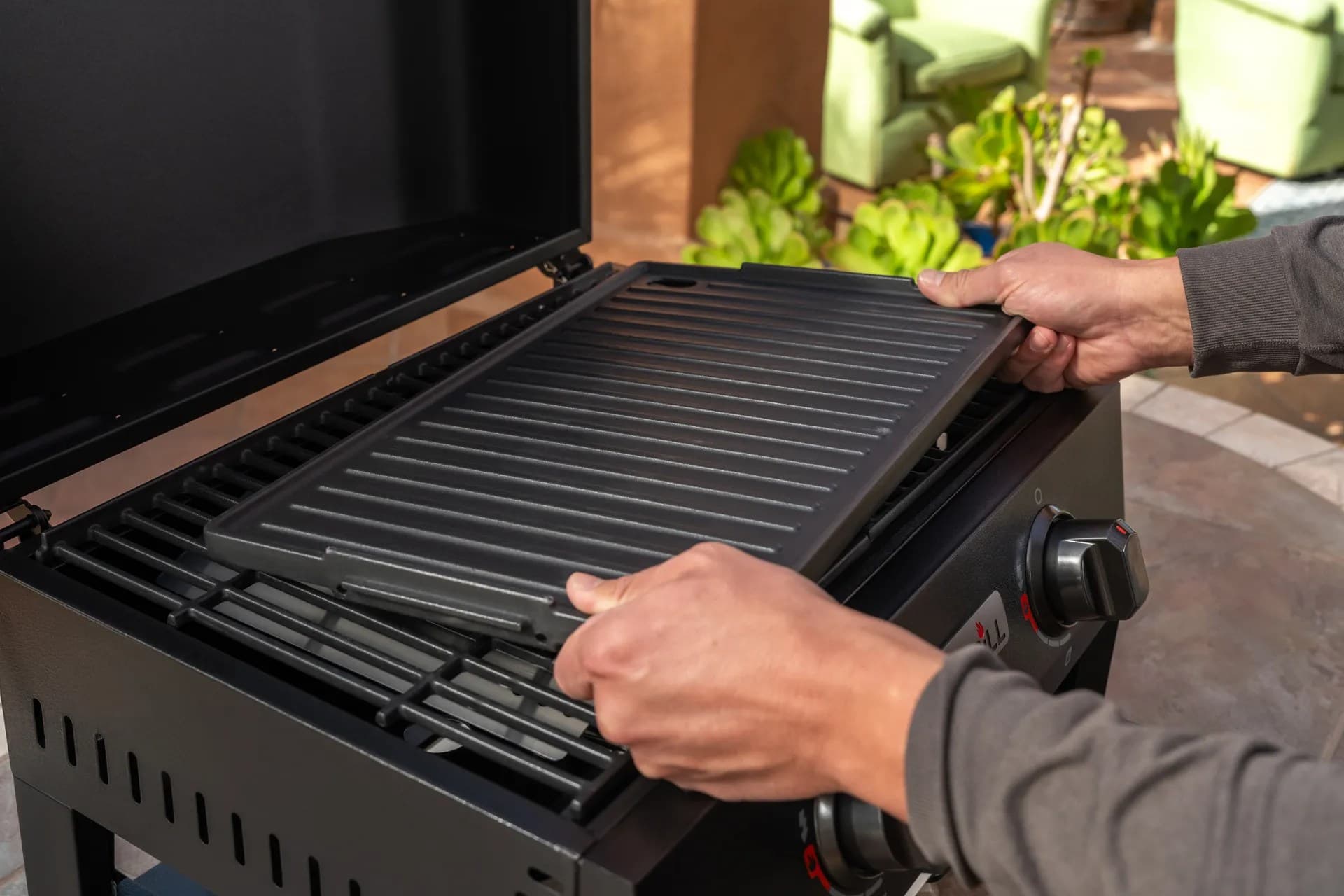
Practical guides for cleaning, maintenance, common grill issues, and performance optimization.
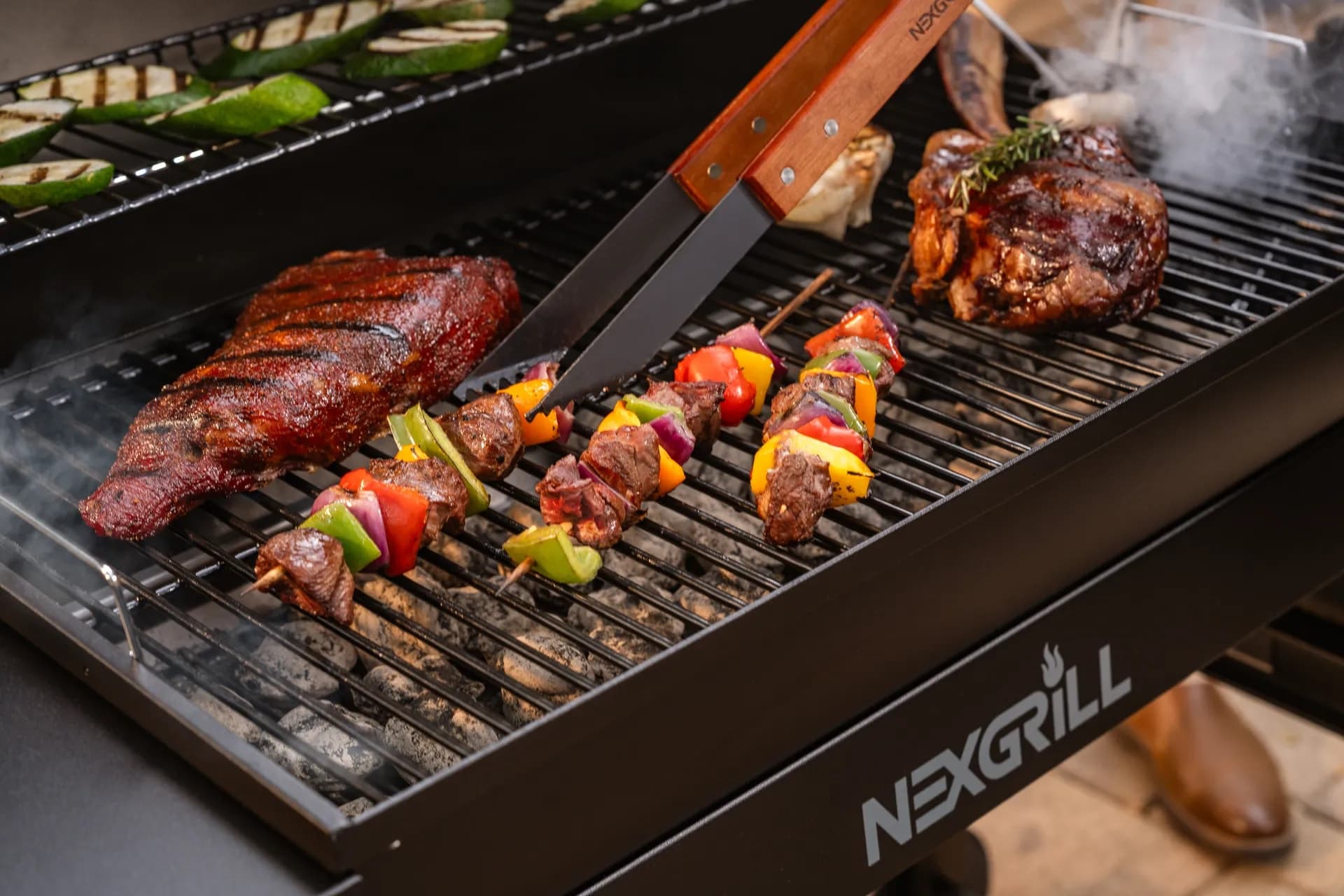
Step-by-step grilling recipes, cooking techniques, and meal ideas for every occasion and skill level.

Backyard entertaining ideas, seasonal grilling inspiration, and stories that celebrate outdoor cooking culture.
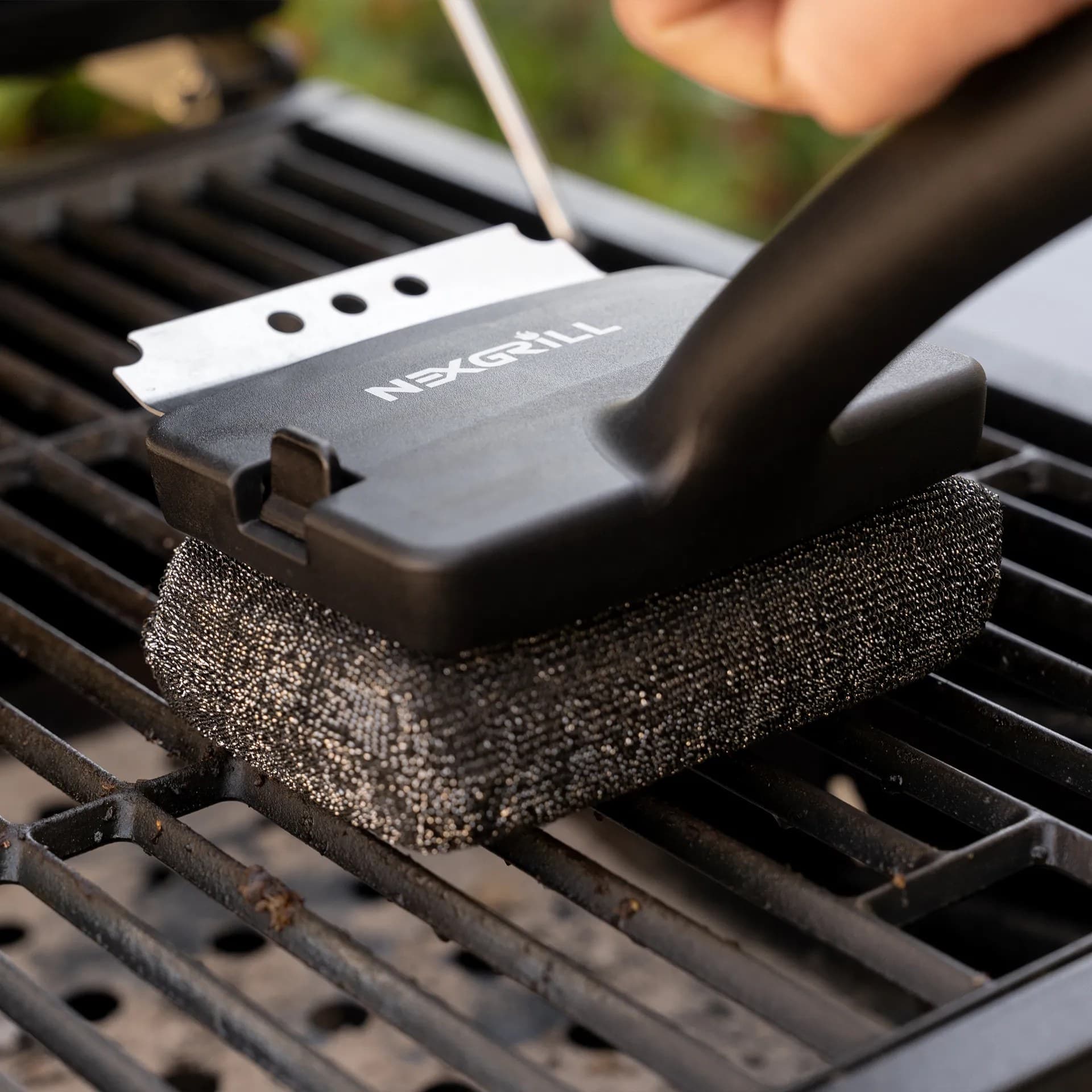
Helpful articles covering grilling tools, cookware, maintenance gear, and must-have accessories for outdoor cooking.
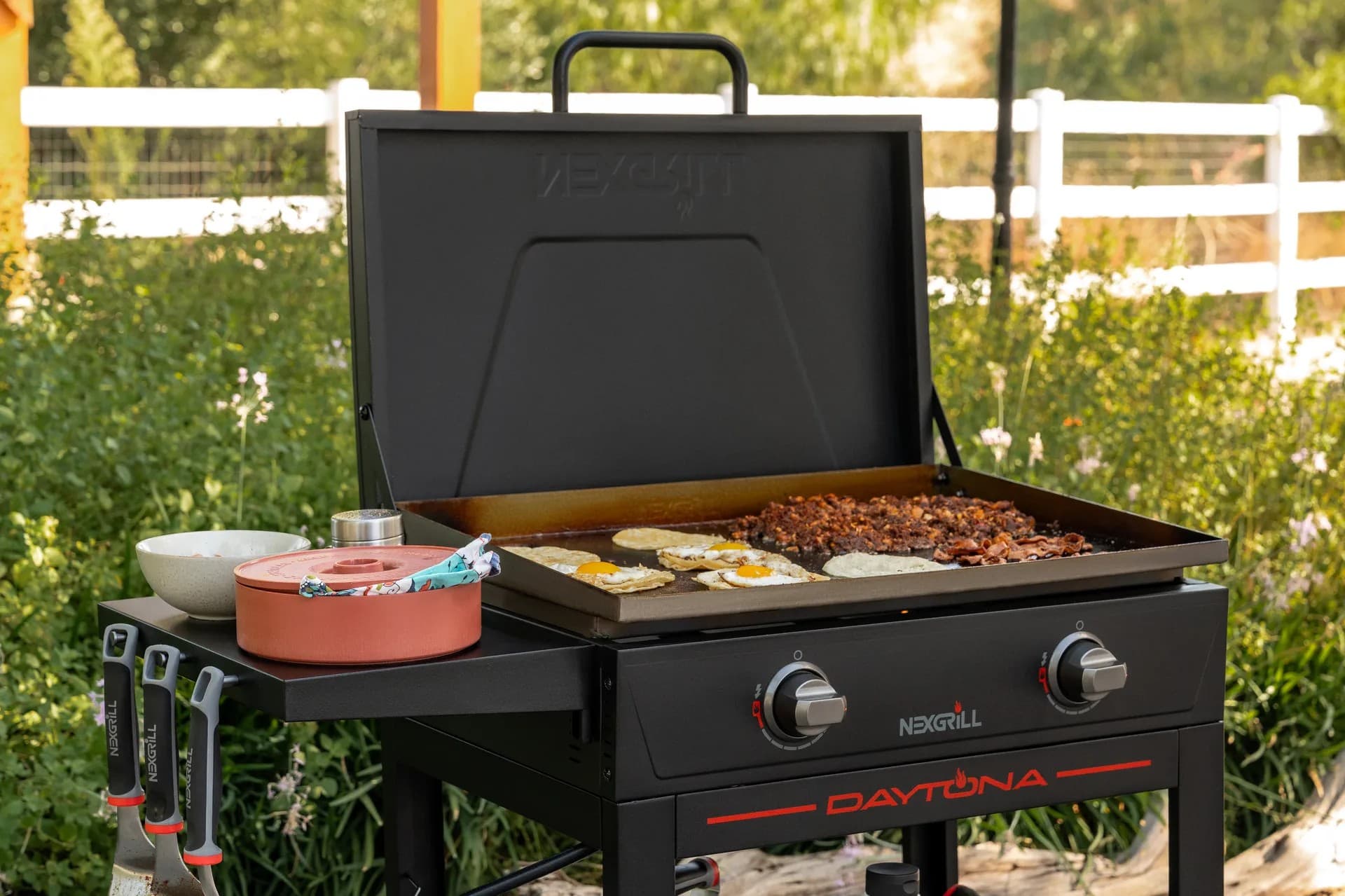
Find griddle recipes, cooking techniques, cleaning tips, and outdoor meal ideas designed for Nexgrill griddles.
Find answers to common questions
Nexgrill offers a variety of accessories including grill tools, covers, cooking utensils, and replacement parts designed to enhance your grilling experience.
Many Nexgrill accessories are widely compatible with various grill brands, but it is recommended to check the specifications for proper fit and functionality.
To maintain your Nexgrill accessories, regularly clean them with warm soapy water, avoid using abrasive materials that could scratch the surface, and store them in a dry place when not in use.
Yes, Nexgrill accessories can be purchased separately from the grills, allowing customers to customize their grilling setup as needed.
Instructions for using Nexgrill accessories are typically included in the packaging, and additional resources can be found on the Nexgrill website or in the product user manuals.
In This Article
Grilling Essentials
Advanced Accessories
Maintenance Tools
The best outdoor grilling tools and accessories do more than make cooking easier. They change how confidently you move through a cook, how consistently food turns out, and how much cleanup you face when the last burger comes off the grate. For many home cooks, the difference between an average backyard meal and a smooth, repeatable grilling routine comes down to having the right tool in reach at the right moment. That could mean a solid spatula that can actually lift a smash burger without tearing it, a thermometer that tells you exactly when chicken is done, or a grill brush that clears residue before it affects the next meal.
This article takes a practical approach to grilling accessories: not as extras to collect, but as equipment that supports better technique. A beginner may only need the core essentials to cook safely and cleanly, while a more experienced griller may want accessory-level upgrades that improve control, speed, or flavor management. In Nexgrill’s world of outdoor cooking, accessories matter because they help you get more from the grill you already own, whether that grill is a compact two-burner setup, a larger four-burner backyard model, or a flat-top griddle used for breakfasts, tacos, and weeknight dinners.
Think of accessories as part of the cooking system, not add-ons. The right mix of tools can reduce flare-up stress, improve food handling, and shorten cleanup time.
In a U.S. backyard cooking context, the most useful accessories are usually the ones that solve everyday problems: food sticking to the grate, uneven doneness, hot grease management, and the need to move multiple items without crowding the cooking surface. That means good grilling tools should be selected for function first. Materials, handle length, heat resistance, and ease of cleaning matter more than flashy branding or oversized sets that include items you will not use. A well-chosen toolkit also makes outdoor cooking more inclusive for the whole household. One person can handle prep while another tends the fire, and both can work more safely and efficiently when the right accessories are on hand.
Can replace dozens of one-off purchases you might never use
For Nexgrill shoppers, the goal is not to buy the most tools. It is to build a dependable kit that matches how you cook. If you grill burgers and vegetables on weeknights, your needs will look different from someone who makes ribs, whole chicken, and griddle breakfasts on weekends. The sections below break down what belongs in a functional grill setup, which accessories become worthwhile as you cook more often, and how to choose pieces that support long-term performance rather than temporary convenience.
Every outdoor cook needs a small set of tools that are reliable enough to use repeatedly without frustration. The essentials are the items that directly touch food, control flipping and moving, and help you verify doneness. These are not optional if you grill with any regularity. A durable pair of tongs, a sturdy spatula, and an accurate thermometer are the three pieces that tend to pay for themselves fastest because they influence both cooking quality and food safety. Beyond those basics, a basting brush, grill gloves, and an scraper or grill brush round out the starter set for most households.
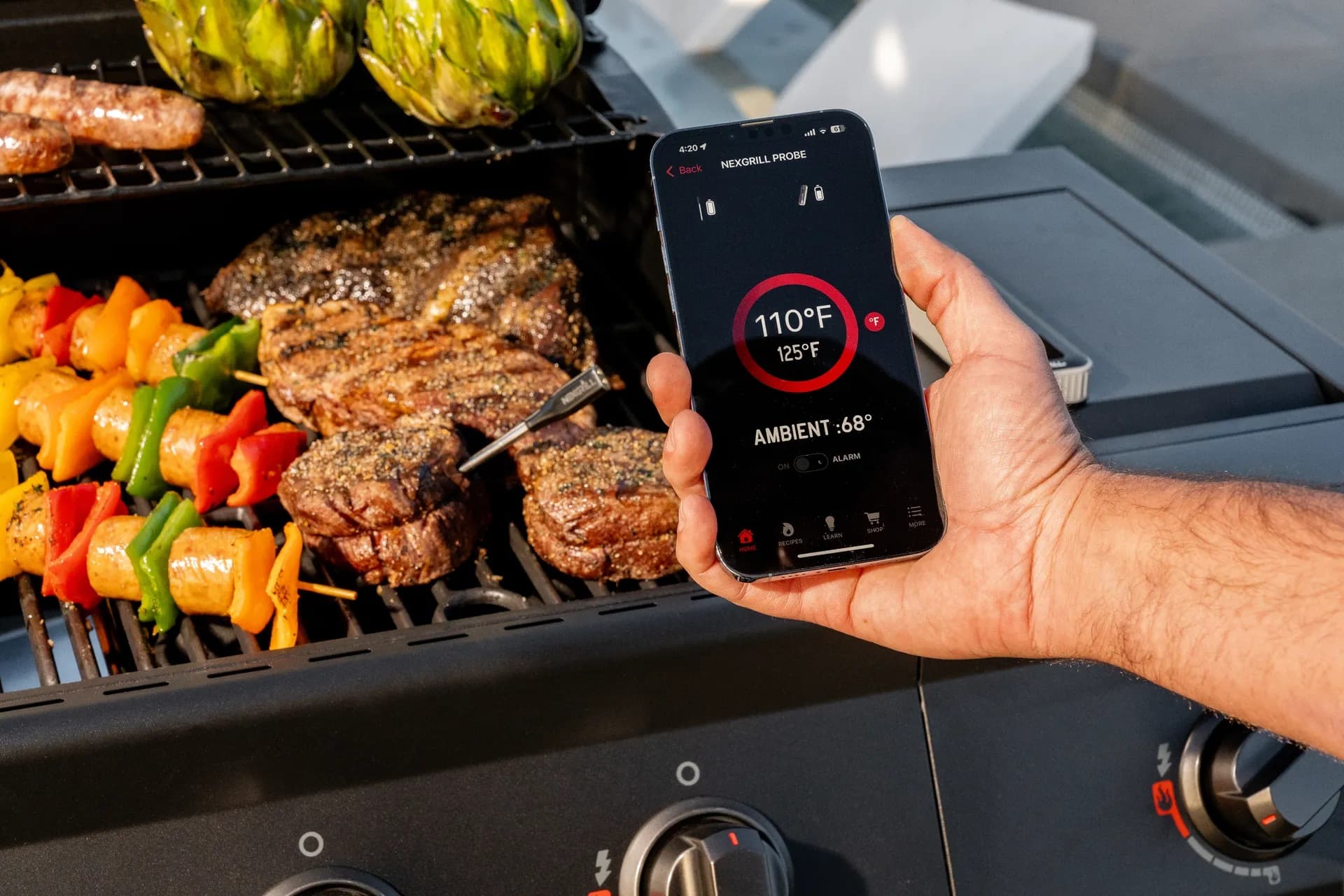
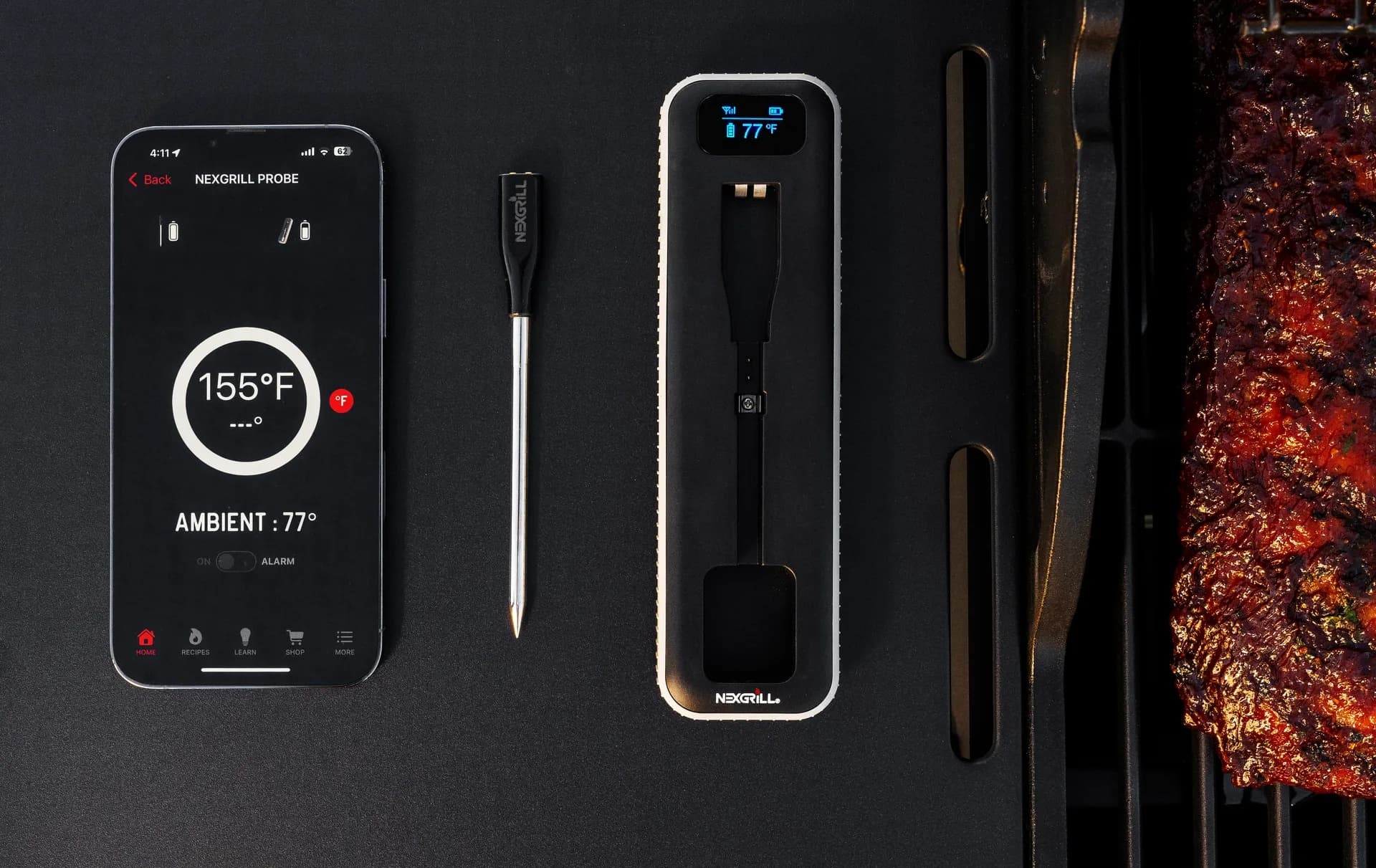
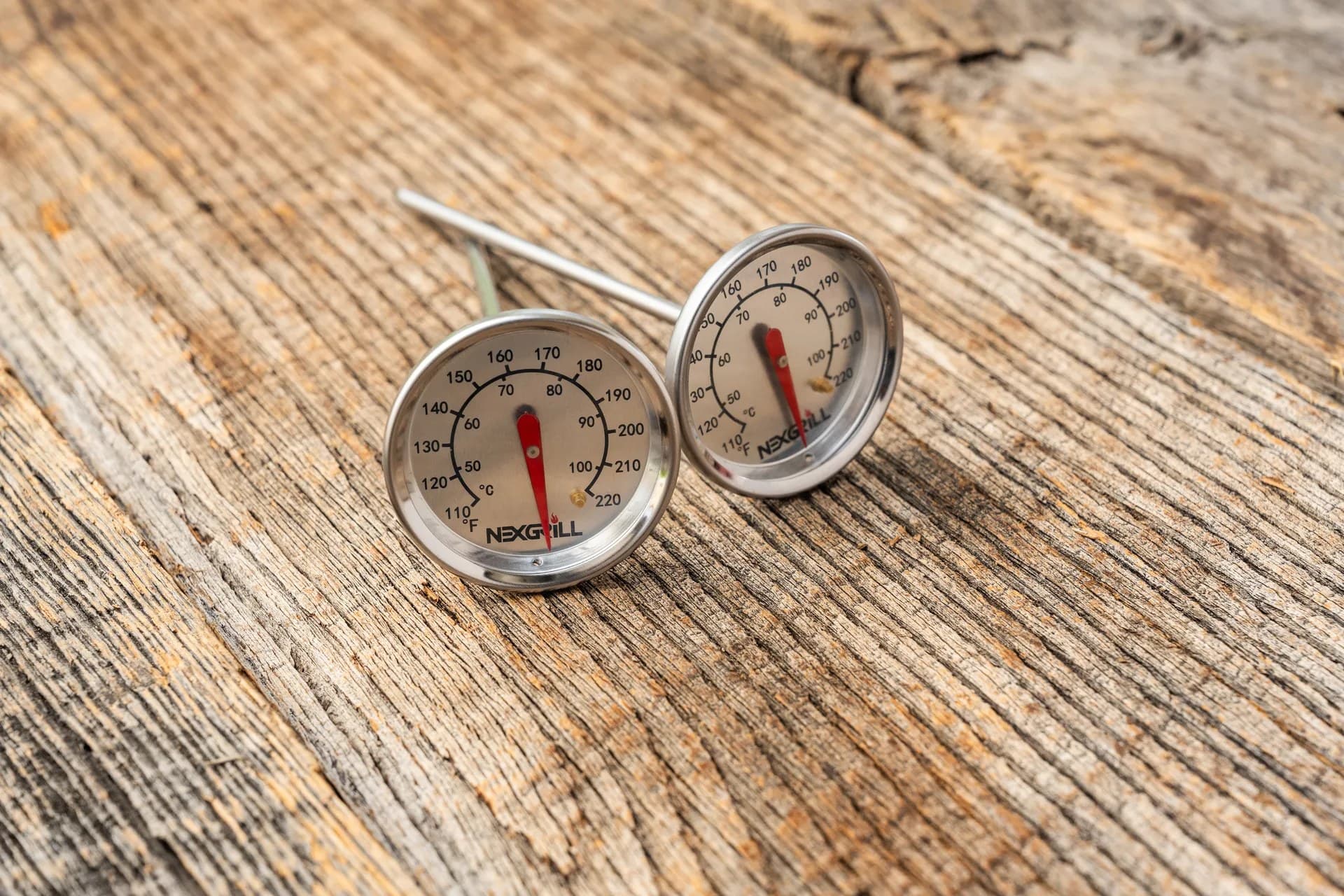
What matters most in this category is not novelty but control. Long-handled tongs allow you to move food without leaning over heat. A wide metal spatula is especially useful for burgers, fish, and chopped foods that can fall apart if lifted with a narrow turner. Tongs should close securely and open smoothly so you can reposition vegetables, sausages, and bone-in cuts without pinching or dropping them. Thermometers are equally important because visual cues can mislead even experienced grillers, especially with poultry or thicker cuts. In a backyard setting, a thermometer is one of the easiest ways to improve consistency from cook to cook.
| Core tool | Why it matters | Best use case |
|---|---|---|
| Tongs | Precise control for turning and moving food | Vegetables, sausages, chicken pieces, skewers |
| Spatula | Supports delicate lifting and clean flipping | Burgers, fish, smash burgers, sandwiches |
| Thermometer | Verifies doneness with less guesswork | Chicken, pork, roasts, thick steaks |
| Grill gloves | Protects hands during hot-surface handling | Lids, grates, pans, hot trays |
If you only buy one accessory first, make it an accurate thermometer. It improves cooking confidence immediately and helps avoid both undercooked and overcooked results.
Material choice is another practical detail worth paying attention to. Stainless steel tools are generally easier to clean and hold up well in a damp outdoor environment. Silicone-coated handles can improve grip and make hot-tool handling more comfortable, especially during long cooks. For brushes and scrapers, choose something that can handle charred buildup without falling apart after a few uses. A tool that feels comfortable in your hand is often the one you will actually use, which is why balance and handle design matter as much as appearance.
Once the essentials are covered, advanced accessories can expand what your grill can do and improve the workflow around it. These are the pieces that help you cook more efficiently, manage multiple foods at once, or adapt the grill to specific foods and techniques. For a griddle owner, that might mean a press, food domes, squeeze bottles, and turners sized for flat-top work. For a gas grill owner, it could mean a rotisserie attachment, grill baskets, rib racks, or a smoker box for more controlled flavor development. Advanced accessories should be chosen based on how you actually cook, not on how many items come in a set.
The best advanced accessories tend to solve a bottleneck. If you cook vegetables alongside meat, grill baskets keep smaller pieces from falling through the grate while still allowing direct heat. If you like chicken wings or bone-in cuts, rib racks create vertical space so more food can fit without crowding. Rotisserie systems are useful when even browning and self-basting matter, especially for larger birds or roasts. A smoker box can be useful for cooks who want to add wood flavor to a gas grill without moving to a dedicated smoker. And for griddle users, accessories like a heavy-duty press or steam dome can help with smash burgers, melting cheese, and quicker vegetable steaming.
This is also the category where buying decisions should be tied to your cooking surface. Accessories should fit the dimensions and heat patterns of your equipment. A tool that works beautifully on a large multi-burner grill may be awkward on a compact two-burner model. Likewise, a griddle accessory should be sized for the flat-top surface and easy to store when not in use. That is why it helps to evaluate whether a new accessory will save time every weekend or only solve a very narrow problem once or twice a year.
Avoid accessory kits that overwhelm your storage space. Extra gadgets are only valuable if they fit your grill, your routine, and your cleanup habits.
A useful way to think about advanced accessories is in terms of workflow. Prep accessories organize ingredients before the cook starts. Cooking accessories help you manipulate food during the cook. Serving accessories help you move food off the grill cleanly. When those roles are covered well, the entire grilling process feels more controlled. That is especially helpful for larger gatherings where timing matters and multiple foods need to finish together.
Keeping a grill in good condition depends on a separate group of tools that are often overlooked until problems appear. Maintenance tools protect your investment, support better flavor, and reduce the chance of a messy cook. The most important items here are a grill brush or scraper, a drip tray liner or grease management solution if your setup uses one, microfiber towels or reusable wipes, and a protective cover sized for your unit. If you cook often, you may also want a small inspection light or flashlight for checking burners, igniters, and hard-to-see surfaces after the grill cools.
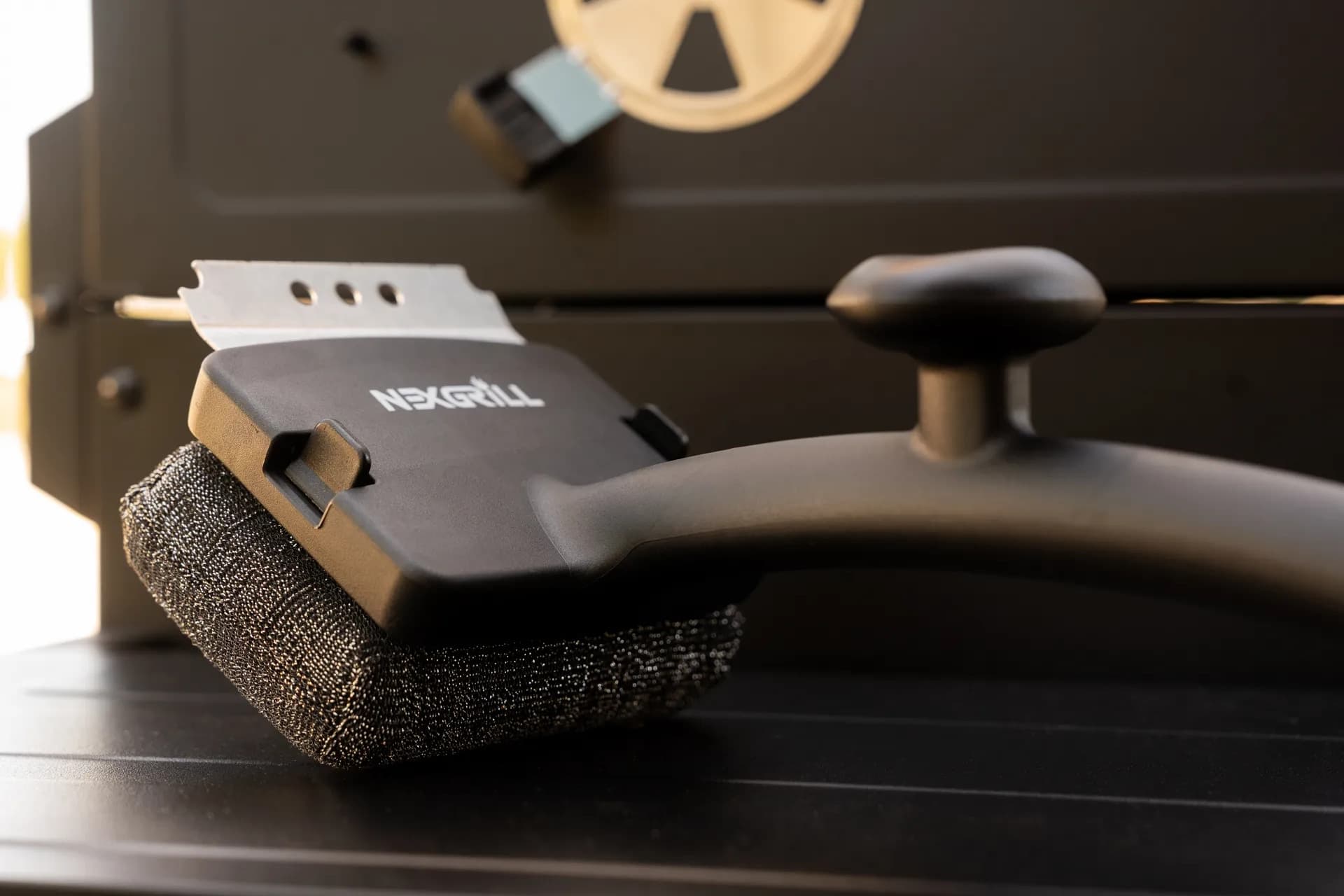
Cleaning tools deserve the same level of attention as cooking tools because buildup changes performance. Grease and carbon can create uneven heating, affect airflow, and transfer stale flavors to fresh food. A scraper is particularly useful on griddles and flat-top surfaces where residue can be removed while the surface is still warm. Grill brushes can be effective for traditional grates, but they should be replaced when worn and used carefully to avoid leaving debris behind. The goal is consistent, simple cleaning after each session rather than deep scrubbing that turns into a chore.
Small cleaning habits usually matter more than occasional deep cleaning
A grill cover is one of the most practical accessories a buyer can own because it helps protect against rain, dust, sun exposure, and pollen when the grill is not in use. In many U.S. regions, outdoor equipment sees wide swings in temperature and moisture, so a cover can be the difference between simple upkeep and premature wear. For tools themselves, storage matters too. Hooks, bins, and caddies keep tongs, thermometers, and brushes together so you are not hunting for them when the grill is already hot. Organized storage also makes it easier for other family members to help with cooking, because the right tools are easy to find and return.
A strong grilling toolkit is built in layers. Start with the essentials that directly affect cooking and safety, then add accessories that match the foods you prepare most often, and finally include maintenance tools that keep everything working well. That approach is more useful than buying a large set all at once because it keeps your spending focused on items that truly improve the way you cook. If you mostly grill weeknight chicken breasts, burgers, and vegetables, your toolkit should be different from someone who sears steaks, smokes flavors on a gas grill, or uses a griddle for breakfast spreads and smash burgers.
The smartest outdoor cooks tend to build their kits gradually, choosing well-made tools that feel natural in use and hold up to regular heat exposure. That often means fewer accessories, but better ones. It also means thinking about storage, cleaning, and whether each tool earns its place on your patio or in your outdoor kitchen cabinet. The payoff is a smoother workflow, more consistent food, and less frustration during the moments that matter most.
As you narrow down what belongs in your setup, compare two products side by side below to see which fits best:
Once you have compared two options side by side, the next step is deciding how each one fits your real cooking routine. That is where grilling accessories become more than a shopping list. A good accessory should match the fuel type, cooking surface, available storage, and pace of your household. A two-person household that grills on Sundays will prioritize different tools than a family that cooks burgers, vegetables, and breakfast on a griddle several times a week. The right decision usually comes from asking a simple question: will this tool make my most common cooking tasks easier every single month, or is it only appealing because it looks complete in the box?
For a casual backyard cook, the best place to spend is on tools that reduce friction. That means tongs with a comfortable grip, a wide spatula, a reliable instant-read thermometer, and a cover that protects the grill between uses. These accessories pay off immediately because they help with timing, safety, and upkeep. For a more active griller who likes to cook multiple items at once, specialty pieces such as baskets, press tools, or heat-resistant gloves can be worthwhile because they improve speed and control. And for households that use a griddle as often as a grill, flat-top accessories like scrapers, squeeze bottles, and domes can have a bigger impact than traditional barbecue gadgets.
The best accessory is the one you reach for repeatedly. If a tool only helps once in a while, it should be a lower priority than items that support every cook.
Budget is also worth considering, but not in a simple cheap-versus-expensive way. The better question is whether a product is durable enough to avoid replacement after a season or two. For example, a low-cost brush that sheds or bends quickly is less valuable than a slightly better-built tool that survives repeated use and cleaning. In practical terms, the U.S. buyer looking to build a starter kit can often get more value by choosing three or four dependable tools instead of buying a large bundle filled with duplicates. That approach also reduces clutter, which is especially helpful for patio storage, garage shelves, or compact outdoor kitchens.
A thoughtful grilling kit starts with the foods you cook most often. If burgers and vegetables are your weeknight staples, prioritize a wide spatula, tongs, a thermometer, and a scraper. If you regularly cook chicken thighs, pork chops, or mixed skewer meals, add heat-resistant gloves and a tool that helps you move multiple pieces without crowding the grate. For rotisserie-style cooking or larger weekend meals, accessories that support turning, basting, and handling hot cookware become more valuable. The point is to build around habits rather than imagined future scenarios.
This use-case approach also helps when choosing between traditional grates and griddle cooking. A griddle user benefits from a different accessory pattern than a grill user. Flat-top cooking is more about surface management: spatulas for chopping and flipping, scrapers for removing residue, domes for melting and steaming, and squeeze bottles for oil or water. Traditional grilling relies more on turning tools, baskets, thermometers, and brushes for grate care. Nexgrill shoppers who move between both styles should look for accessories that feel ergonomic and are easy to store together, rather than buying separate bulky systems for every cooking mode.
| Buyer profile | Best accessories to prioritize | Why this mix works |
|---|---|---|
| Occasional weekend griller | Tongs, spatula, thermometer, cover | Covers the basics without wasting money on specialty items |
| Frequent family cook | Thermometer, gloves, brush, baskets, prep trays | Improves speed, safety, and food handling during larger meals |
| Griddle-focused cook | Press, scrapers, squeeze bottles, domes | Supports flat-top workflow and easier surface control |
There is also value in buying accessories that are easy to clean. Outdoor cooking generates grease, seasoning, and food residue, so the fewer parts that trap mess, the better. Smooth stainless steel, removable components, and washable silicone pieces tend to be more practical than highly intricate designs. If the accessory is going to live outside in regular use, weather tolerance matters too. Even the best tool can become annoying if it rusts, warps, or becomes sticky after repeated exposure to humidity or heat.
Accessory care is often ignored, but it directly affects both performance and value. A spatula with dried grease on the blade, a thermometer with a dirty probe, or a brush stored while damp can all become less effective over time. After each cook, let tools cool, wash them according to material type, and dry them fully before storage. That habit is especially important for steel tools and electronic thermometers, which can be damaged if cleaned carelessly. Keeping accessories in a dry tote, drawer, or hanging organizer also helps prevent rust and reduces the chance of losing small pieces like probe covers or replacement heads.
The grill itself benefits from accessory-based maintenance routines as well. A scraper or brush clears residue before it builds into stubborn carbon. A cover keeps tools and surfaces cleaner between uses. Gloves protect your hands when inspecting or cleaning warm components. Even small things like a dedicated towel for outdoor cooking can make a noticeable difference because they reduce the odds of cross-contamination between prep and cleanup. If you store propane or other fuel nearby, keeping accessories organized also lowers the chance of clutter around the cooking area, which makes setup and shutdown more efficient.
Do not store damp brushes, towels, or metal tools in a closed container. Moisture trapped with grease speeds up wear and creates unpleasant odors.
For griddle owners, maintenance habits are especially visible. Residue left on a flat-top surface can quickly affect the next cook, so scrapers and cleaning pads should be used while the surface is still warm, following your product’s care instructions. The smoother the routine, the more likely it is that the griddle stays ready for breakfast, burgers, or vegetables without requiring a major reset. The same idea applies to classic grates: a few minutes of post-cook cleaning usually beats one long recovery session later.
Here's what sets us apart
We position ourselves as delivering high-end outdoor cooking features and performance without premium-brand pricing, emphasizing “Quality Grills. Unbelievable Value.”
We offer gas grills, pellet grills, griddles, smokers, pizza ovens, portable/tabletop grills, electric grills, accessories, and replacement parts — allowing customers to stay within one ecosystem for all outdoor cooking needs.
We differentiate ourselves through smart grilling products like the Oakford smart pellet grill, including app-connected cooking controls and modern outdoor cooking technology.
Don't just take our word for it
Keep reading
From our catalog