Mastering Outdoor Cooking: Essential Tips for Every Enthusiast
A comprehensive guide to enhancing your outdoor cooking experience with practical advice and expert insights.
In This Article
Grilling Techniques
Outdoor Cooking Equipment
Safety and Maintenance
Introduction to Outdoor Cooking
Outdoor cooking is at its best when it feels welcoming, practical, and repeatable. That is the spirit behind Nexgrill’s brand approach: the grill is not just metal and heat, but a place where people gather, share food, and make an ordinary evening feel like an occasion . For most home cooks in the United States, the challenge is not whether they can cook outside, but how to make the process easier, safer, and more satisfying without turning every meal into a project. Good outdoor cooking tips should help you do exactly that.
The biggest improvement for most backyard cooks is learning to think in zones rather than just recipes. Once you treat a grill, griddle, smoker, or charcoal setup as a set of heat environments, your results become far more consistent. This matters whether you are searing steaks, building a breakfast station on a flat top, or using a pellet smoker for a long cook. Nexgrill’s product mix reflects that range of use cases, from gas grills to griddles and pellet smokers, so the right advice is always about matching the method to the meal rather than forcing every food onto the same tool.
Direct heat, indirect heat, and a resting area can solve more cooking problems than extra seasoning ever will.
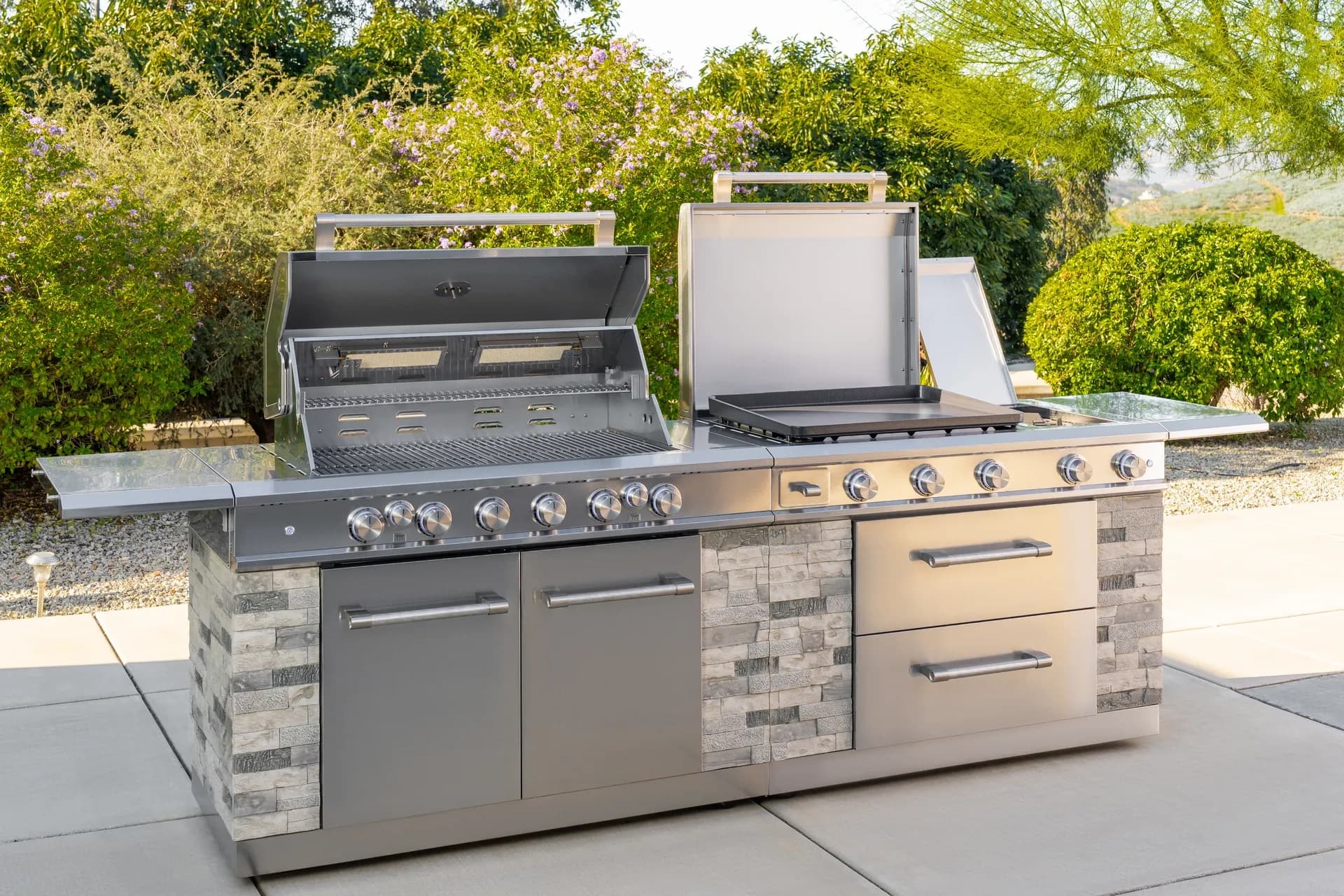
If you are cooking for family dinners, weekend guests, or a mixed crowd with different tastes, the most useful outdoor cooking habit is to plan the menu around what the equipment does well. A griddle handles eggs, pancakes, onions, smash burgers, and fajita vegetables with a level surface that a grate cannot match. A gas grill is better when you want fast preheat, simple temperature control, and the ability to move food between hotter and cooler areas. A pellet smoker supports steadier low-and-slow cooking, which is helpful for brisket-style projects, ribs, and other dishes that need time more than attention. The point is not to own everything; it is to understand how each tool serves a different kind of meal.
This article is designed to be distinct from a basic “how to grill” guide. Instead of repeating generic advice, it focuses on the decisions that make the biggest difference in real American backyards: how to cook for a crowd without overbuying equipment, how to avoid common heat mistakes, how to protect your investment through the season, and how to make outdoor cooking fit into ordinary life rather than rare special occasions. That practical, everyday perspective aligns with Nexgrill’s approachable, inclusive brand voice and the idea that everyone should feel welcome around the fire .
Essential Grilling Techniques
The first technique worth mastering is preheating with intention. Many backyard cooks turn the burner on and start cooking as soon as the grate feels warm. That often leads to sticking, weak sear marks, and uneven browning. A better approach is to preheat long enough for the whole cooking surface to stabilize, then cook in a way that uses that heat intentionally. On a gas grill, that may mean one side set higher for searing and one side set lower for finishing. On a griddle, it may mean using the hottest lane for proteins and the cooler edge for holding food after it is cooked. That small shift in discipline improves results immediately.
Another essential habit is controlling moisture before food hits the heat. Patting meat dry, letting vegetables lose surface water, and avoiding overcrowding all make a visible difference. When food steams on the surface instead of browning, you lose texture and flavor. For the home cook, this is especially important with chicken thighs, pork chops, mushrooms, zucchini, and seafood. If you are preparing a mixed spread, give each food enough space so the surface temperature of the grill or griddle does not crash. Good outdoor cooking is often less about intensity and more about restraint.
It also helps to think in terms of finish temperature, not just total cook time. Time estimates are useful, but they vary depending on wind, ambient temperature, starting meat temperature, and the size of the cut. If you want dependable results, use visual cues and a thermometer together. Steaks should rest after searing so juices redistribute. Bone-in chicken benefits from a two-stage cook: a hotter start to build color, then gentler heat until the center is done. Burgers cook best when you resist the urge to press them repeatedly, because that squeezes out juices and dries the final bite.
Tip: Build your menu around one searing food, one holding food, and one quick-cook side. That structure keeps the cook organized and prevents the grill from becoming overcrowded.
For griddles in particular, the technique changes slightly. You are not managing flare-ups the way you would over open grates, so the main job becomes controlling surface contact and working in clean batches. A flat-top is excellent for breakfast items because eggs, bacon, potatoes, and toast each need different timing but similar heat. It is also ideal for smash burgers because the thin patty benefits from immediate, direct contact with a hot surface. The skill is not simply pushing food around; it is creating a sequence that lets each ingredient finish at the right moment.
Choosing the Right Outdoor Cooking Equipment
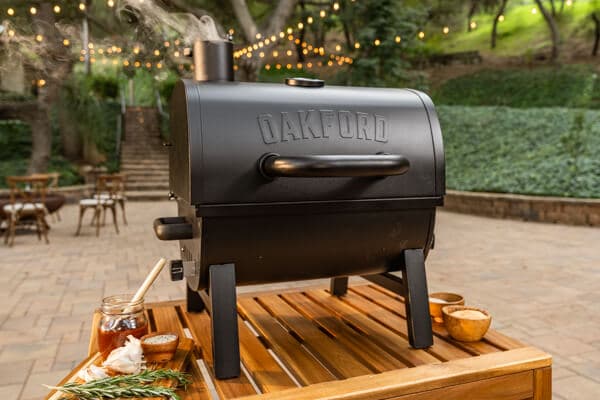
Choosing outdoor cooking equipment starts with the kind of meals you actually make. If your household wants fast weeknight dinners, a dependable gas grill is often the easiest entry point. If your family cooks breakfast outdoors, hosts tailgates, or enjoys a wide variety of foods in one session, a griddle may offer more practical value. If your favorite meals involve smoke, long cooks, and a slower rhythm, a pellet smoker is the more natural choice. Nexgrill’s lineup reflects those different patterns, including the Daytona griddle family and the Oakford pellet smoker line, as well as traditional gas grill options for compact or larger backyards.
| Equipment Type | Best For | Why It Helps |
|---|---|---|
| Gas grill | Quick dinners and straightforward control | Heats quickly and makes temperature changes simple |
| Griddle | Breakfast, smash burgers, mixed dishes | A flat surface handles multiple foods and textures well |
| Pellet smoker | Low-and-slow cooking and smoke flavor | Supports longer cooks with a steadier pace |
| Charcoal grill | Classic fire management and flavor | Rewards hands-on control and a traditional approach |
Space matters just as much as fuel type. A two-burner grill can be a smart fit for a smaller patio, while a larger four-burner or griddle setup makes more sense if you regularly cook for six or more people. The important thing is not to overbuy surface area you will rarely use. In the United States, many homeowners are balancing backyard size, HOA considerations, and storage space, so a practical footprint often matters more than the largest available cooking area. Nexgrill’s selection is useful here because it gives you a range of sizes without pushing every buyer into the same category.
Info: The best equipment is the one you can use confidently two or three times a week, not only on holiday weekends. Consistency beats novelty.
One more buying consideration is how the equipment matches the menu you enjoy with other people. Nexgrill’s brand guidance emphasizes food that feels social and welcoming, not just technically impressive . If your outdoor cooking is meant to bring people together, choose equipment that supports shared serving: griddles for tacos and breakfast buffets, grills for informal dinners, and smokers for dishes that benefit from anticipation and conversation. The most successful purchase is the one that keeps people at the table longer.
Safety Measures and Maintenance Tips
Safety and maintenance are not afterthoughts; they are part of the cooking process. A clean, well-kept grill performs better, heats more evenly, and is easier to trust when you are cooking for guests. Start with the basics: keep the cooking area clear of grease buildup, empty ash or residue regularly depending on fuel type, and inspect hoses, burners, and ignition parts before the season begins. Even a great grill can underperform if airflow is blocked or grease is left to accumulate.
For gas cooking, a simple routine check can prevent larger problems. Confirm that connections are secure, listen for irregular ignition behavior, and pay attention to flame color and consistency. Uneven flames or delayed ignition deserve attention before the next cook. For charcoal, the key is airflow and ash removal. For pellet units, keep the hopper and burn area clear according to the product instructions, and store fuel dry so it feeds consistently. These are not complicated tasks, but they make a big difference in performance and safety.
Cleaning technique also matters. Wait until the surface is warm enough to loosen residue, then clean grates or the griddle surface before buildup hardens. Wipe the exterior after use, especially if grease splatter or marinades have landed on the body. If you cook often in a humid region or near the coast, a cover and a dry storage habit are especially important because moisture is one of the biggest enemies of outdoor equipment. Nexgrill’s brand personality emphasizes dependable, rain-or-shine support, and that idea translates well into routine care: protect the tool so it can keep serving the table .
A few minutes after each cook can preserve heat control and reduce wear all season long.
A final maintenance habit is seasonal inspection. Before your first major cookout of the year, test ignition, verify that removable parts are seated correctly, and check that your cooking tools are in good condition. Replace worn brushes, crumbling gloves, or warped trays before they become a problem in the middle of a meal. Outdoor cooking should feel relaxed and inviting, not improvisational in the wrong way. Once you have the basics in place, you are ready to compare two products side by side below to see which setup fits your space and style best.
Advanced Grilling Methods
Once you've weighed two options against each other, the next step is learning how to get more from the equipment you already own. Advanced outdoor cooking is not about doing something flashy just to impress people. It is about using heat, timing, and surface management so the meal comes out better and the cook feels calmer. That distinction matters for home cooks who want dependable results on ordinary weeknights as much as on weekends when the patio fills up. Nexgrill’s own brand language is built around shared food, easy hospitality, and a relaxed style of cooking, which is why the most useful advanced tips are the ones that make the process simpler, not more complicated .
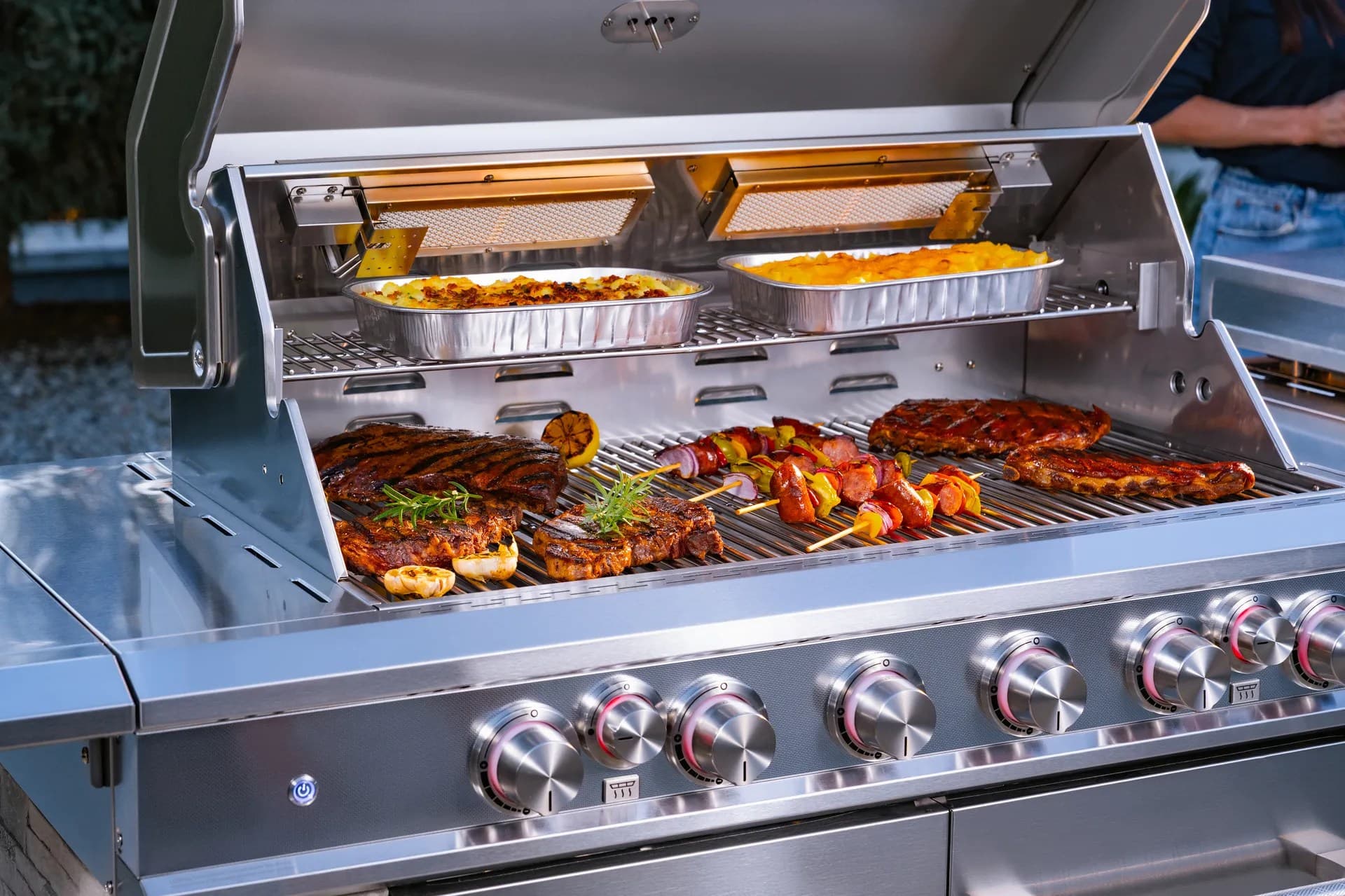
One of the most effective advanced methods is learning when to separate the cook into stages. For example, if you are grilling bone-in chicken, start with a hotter zone to build color, then move the pieces to indirect heat so the center finishes without burning the skin. For steaks, a similar logic applies: use the hottest part of the grill for searing, then move the cut to a cooler area if it needs a few more degrees. On a griddle, the same principle shows up as lane management. Keep proteins on one hot section, vegetables on a moderate lane, and finished items on a holding section so everything lands at the table together.
Another useful skill is batch control. Many cooks try to feed everyone at once and end up crowding the surface, which lowers temperature and sacrifices texture. A better approach is to think like a short-order cook: cook in batches that preserve heat, then combine the finished pieces at the end. This is especially valuable for smash burgers, fajitas, breakfast sandwiches, and taco fillings. On a flat-top surface, batch control helps you keep onions caramelizing while tortillas warm and eggs finish without drying out. On a gas grill, it keeps the flame stable and avoids a long recovery time between rounds.
Tip: Advanced cooking often looks like doing less at the right moment. Fewer flips, fewer lid lifts, and fewer panicked adjustments usually mean better food.
If you own a pellet smoker, the advanced move is patience with structure. Longer cooks benefit from a consistent rhythm: start with a preheated cooker, avoid opening the lid unnecessarily, and plan resting time at the end so the meat relaxes before slicing. That same method is useful for ribs, pork shoulder, and brisket-style projects where the final texture matters more than the exact minute on the clock. A smoker rewards cooks who stay organized, keep fuel dry, and work with the process instead of fighting it. Nexgrill’s Oakford line is built for that kind of attentive, communal cooking experience, where the food is part of a longer gathering rather than a rushed solo meal .
Incorporating Outdoor Cooking into Your Lifestyle
The best outdoor cooking habits are the ones that fit real life. Too many people treat grilling as a special event that requires a perfect forecast, a full afternoon, and a huge menu. That makes the grill less useful than it should be. In practice, outdoor cooking works best when it becomes part of the weekly rhythm: a fast burger night on Tuesday, grilled vegetables alongside a roast on Thursday, and a larger weekend meal when friends stop by. That is a more sustainable model, and it reflects Nexgrill’s accessible, everyone-is-invited spirit .
One easy way to incorporate outdoor cooking into your lifestyle is by building repeatable formats. For example, choose one “main + side + sauce” pattern for weekdays and one “shared platter” pattern for weekends. A main plus side might be grilled salmon with asparagus and lemon herb butter. A shared platter might be chicken thighs, peppers, onions, and tortillas served family-style. This approach reduces planning fatigue and makes grocery shopping easier because you are reusing categories of ingredients, not inventing a brand-new meal every time. It also helps you get better at a few techniques instead of starting over each cook.
Outdoor cooking can also serve as a better way to host. Instead of building a separate indoor menu while trying to manage the grill, think of the outdoor space as the center of the meal. Let guests gather near the action, and serve foods in stages as they finish. That style creates conversation and lowers pressure on the host because the meal does not have to appear all at once. It is more consistent with the way people actually enjoy backyard food: casually, with movement, and with enough flexibility for different preferences. Nexgrill’s imagery and messaging emphasize authentic, candid sharing for exactly this reason .
For households with kids or mixed skill levels, outdoor cooking can become a teaching habit. Simple tasks like assembling skewers, brushing vegetables with oil, or arranging toppings for a griddle breakfast turn the cookout into a shared activity rather than a one-person job. The social value matters as much as the food. A grill is at its best when it creates a reason to step outside, slow down, and talk. That is part of the brand’s larger “Everyone’s Invited” philosophy, where the meal matters because the gathering matters too .
Seasonal Considerations for Outdoor Cooking
Seasonal weather changes the way outdoor equipment behaves, and smart cooks adjust instead of forcing the same routine all year. In colder months, preheat times often run longer because metal loses heat faster and wind can strip temperature from the cooking surface. In hotter months, the challenge may be managing a surface that heats faster than expected and keeping food from overcooking while guests arrive late. Knowing how the season affects the cook is one of the most overlooked outdoor cooking tips, yet it often explains why a meal that worked beautifully in spring feels harder in fall.
| Season | Main Challenge | Practical Adjustment |
|---|---|---|
| Spring | Variable weather and damp surfaces | Dry equipment fully and allow extra stabilization time |
| Summer | Fast heating and crowd pressure | Use holding zones and prep ingredients in advance |
| Fall | Cooler air and wind | Preheat longer and protect the cooking area from gusts |
| Winter | Heat loss and shorter daylight | Choose simpler menus and keep the lid closed when possible |
This is also the best time to think about storage. Weatherproof covers, dry fuel storage, and covered accessory bins all help preserve your cooking setup between uses. If your outdoor space sits through humid summers or wet winters, a little storage discipline goes a long way. It is easy to forget that outdoor equipment is in a constant fight with the elements. The goal is not perfect preservation; it is reducing avoidable wear so the first cook of the season starts smoothly.
Holiday periods are another seasonal consideration. In the United States, spring gatherings, summer holiday weekends, and fall football weekends all create different pressure points. A griddle may be more useful for large brunches or breakfast-for-dinner nights when people are arriving and leaving at different times. A gas grill may be better for straightforward dinner service when timing matters. A pellet smoker is ideal when you want to start early and serve later in the day. Matching the equipment to the season and the event prevents overcomplication and helps the host stay part of the gathering instead of stuck managing the flame alone.
Warning: Cold, wet, or windy conditions can slow cooking and make surfaces less predictable. Adjust your timing and avoid assuming the same cook time will work year-round.
Conclusion
Outdoor cooking becomes far more rewarding when you focus on habits instead of hype. The right gear matters, but the real gains come from learning heat zones, respecting preheat time, cooking in manageable batches, and keeping your equipment clean and protected. Those fundamentals produce better food and a more relaxed experience, whether you are feeding your family on a Tuesday night or hosting a crowd on a holiday weekend.
Nexgrill’s brand philosophy is a useful reminder of what outdoor cooking is supposed to do: invite people in, make the meal feel shared, and keep the process approachable for both beginners and experienced grillers . When you choose equipment that suits your real routines and use it with a little more intention, outdoor cooking stops feeling like a special skill and starts feeling like one of the easiest ways to bring people together.