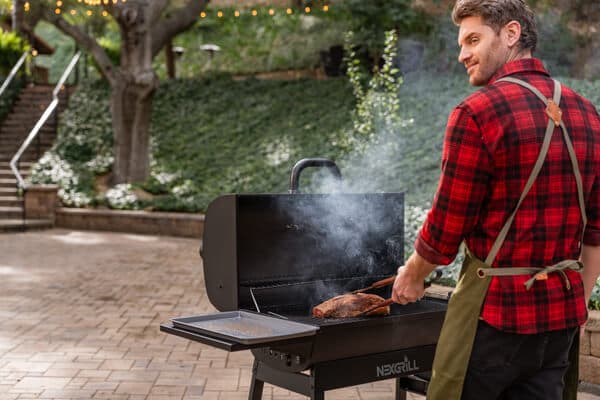
Creative and Practical Solutions for Compact Outdoor Kitchens

Here's what sets us apart from the competition
We position ourselves as delivering high-end outdoor cooking features and performance without premium-brand pricing, emphasizing “Quality Grills. Unbelievable Value.”
We offer gas grills, pellet grills, griddles, smokers, pizza ovens, portable/tabletop grills, electric grills, accessories, and replacement parts — allowing customers to stay within one ecosystem for all outdoor cooking needs.
We differentiate ourselves through smart grilling products like the Oakford smart pellet grill, including app-connected cooking controls and modern outdoor cooking technology.
Expert tips, buying guides, comparisons, and inspiration for choosing and getting the most out of your grill.
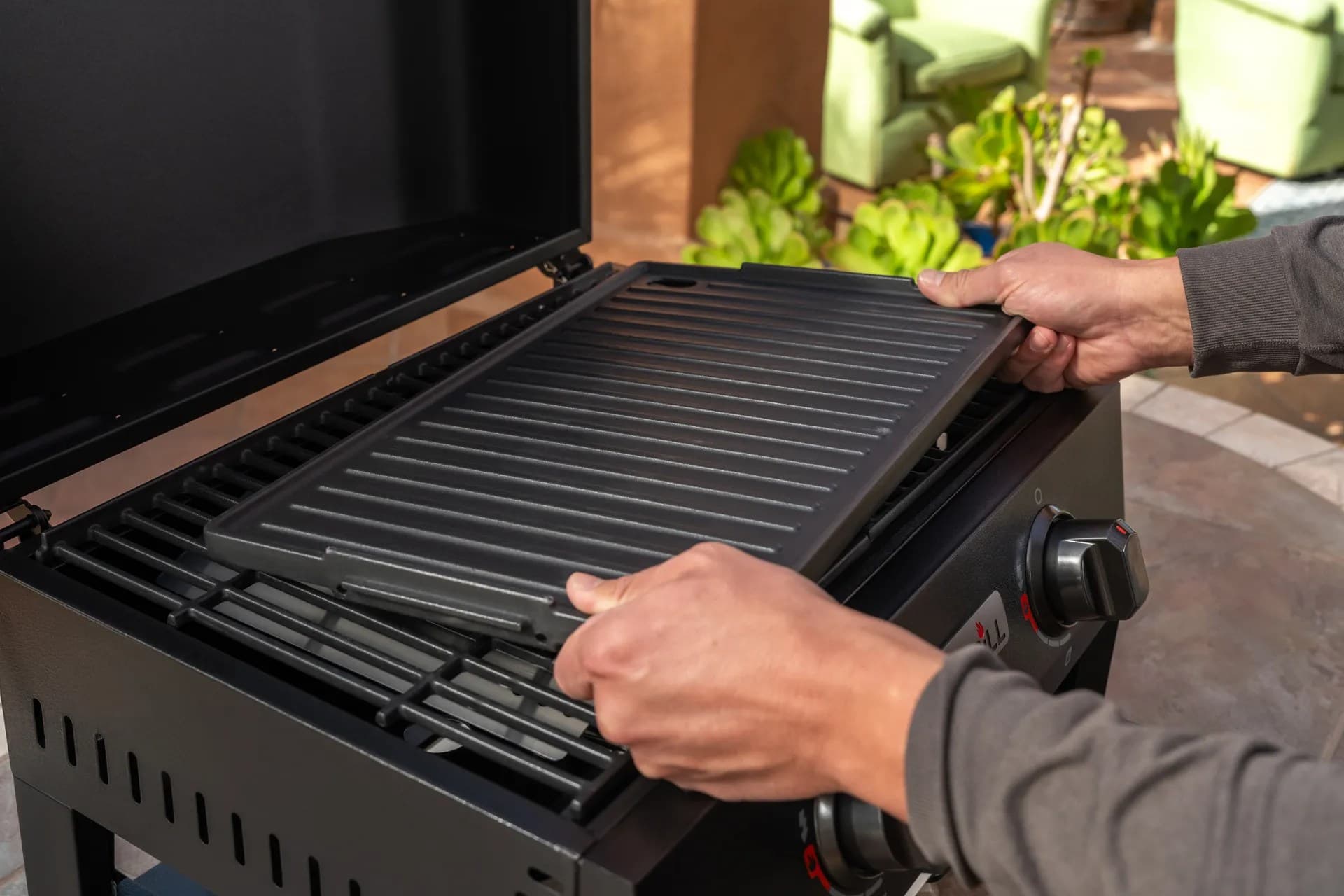
Practical guides for cleaning, maintenance, common grill issues, and performance optimization.
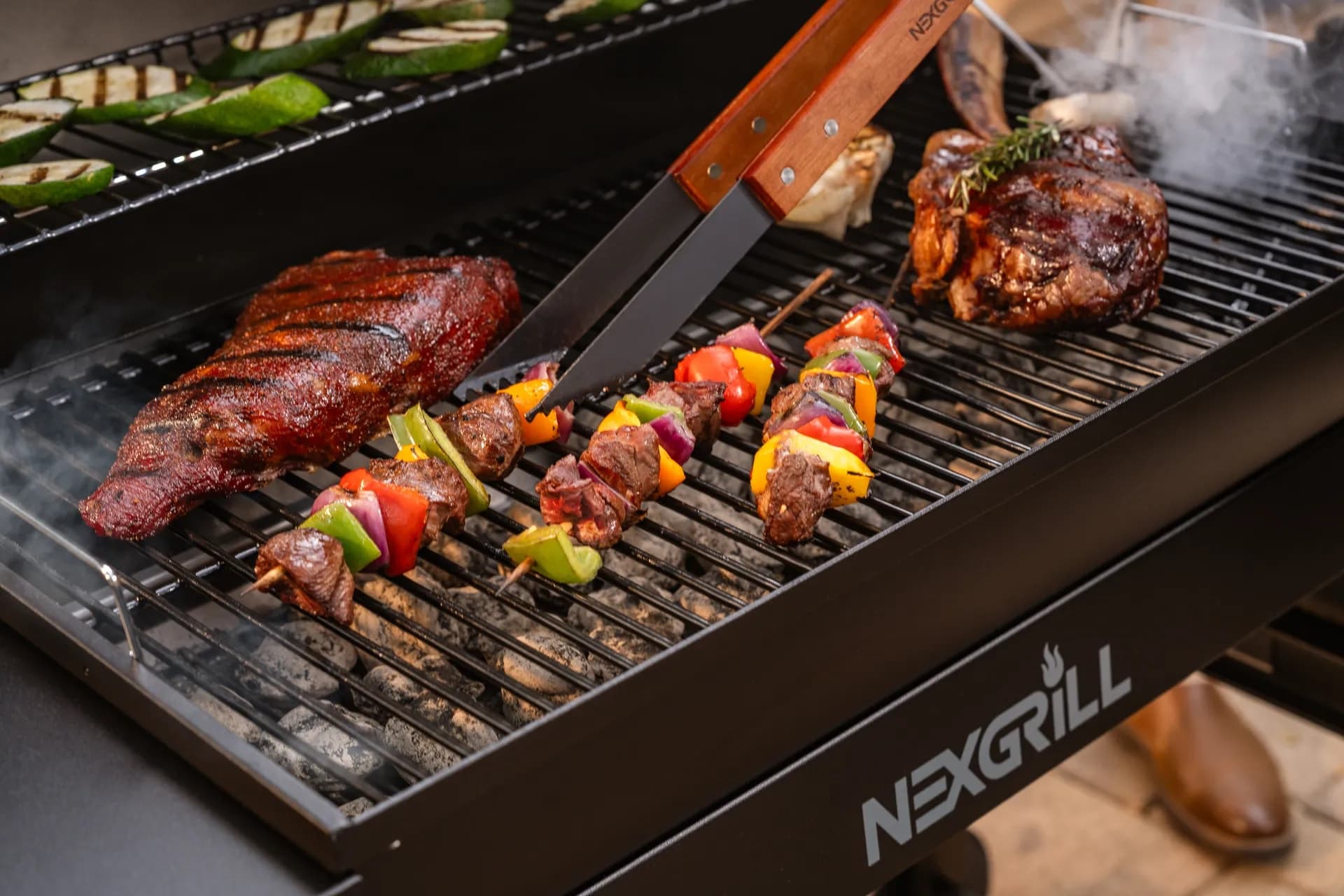
Step-by-step grilling recipes, cooking techniques, and meal ideas for every occasion and skill level.
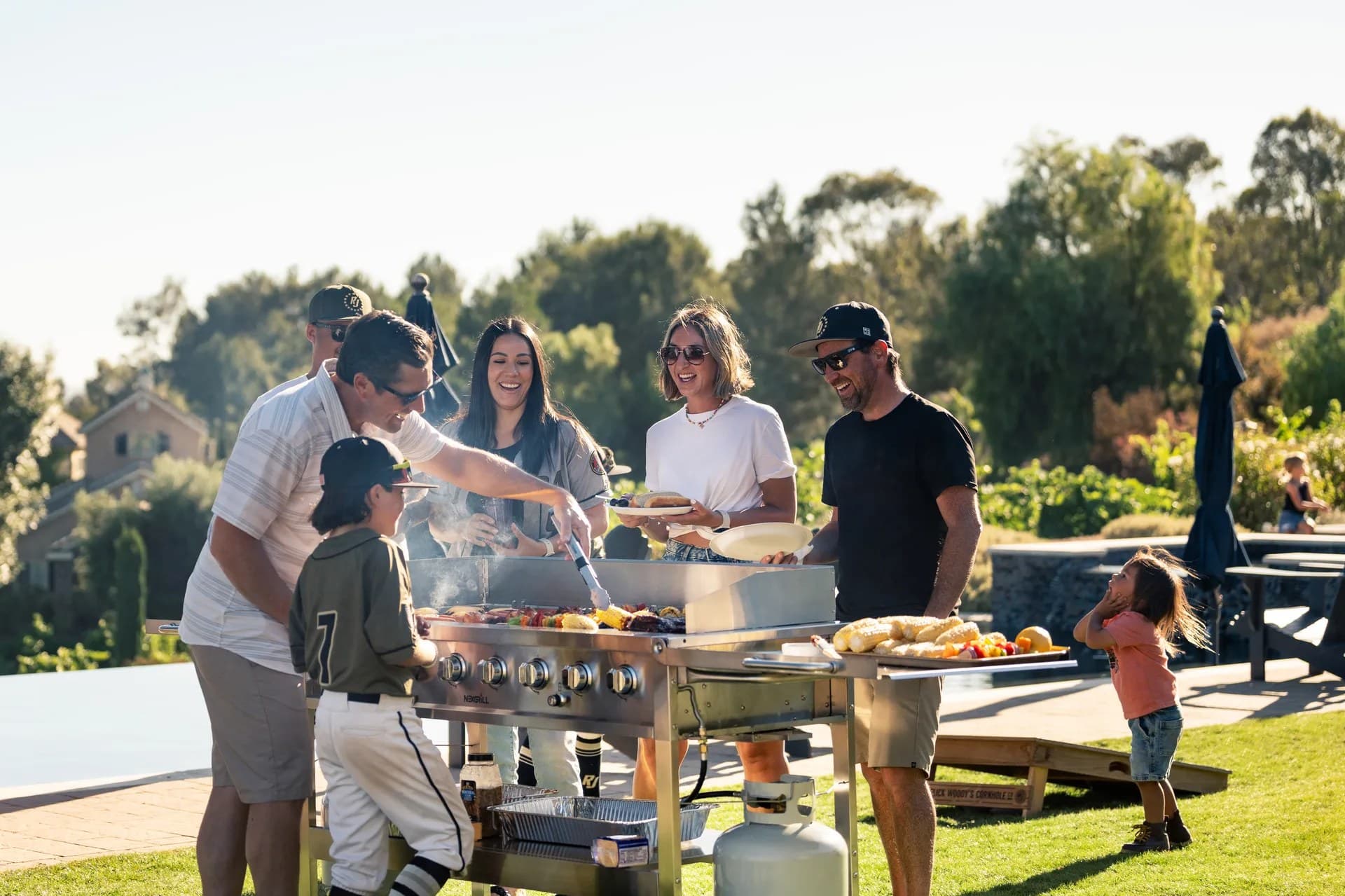
Backyard entertaining ideas, seasonal grilling inspiration, and stories that celebrate outdoor cooking culture.
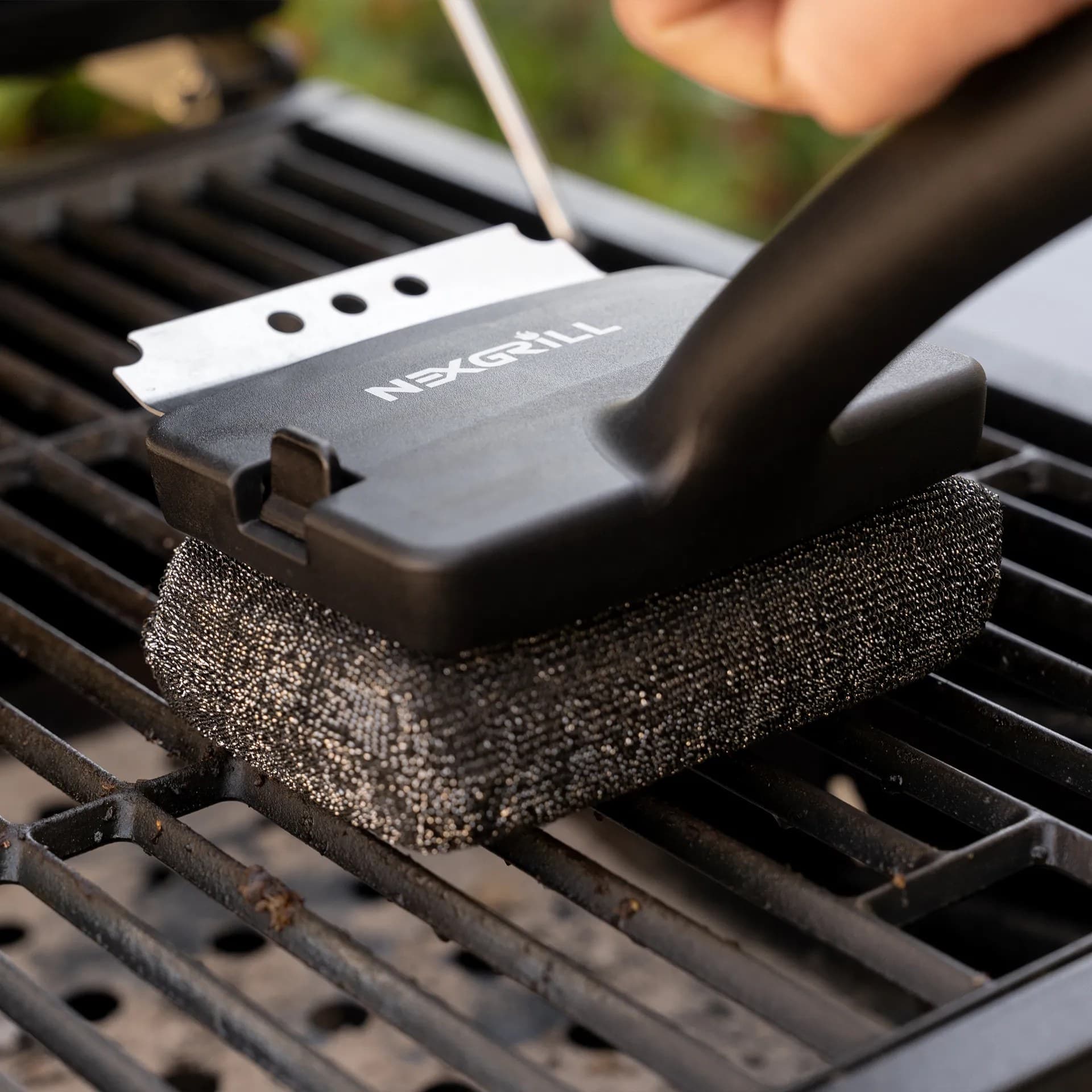
Helpful articles covering grilling tools, cookware, maintenance gear, and must-have accessories for outdoor cooking.
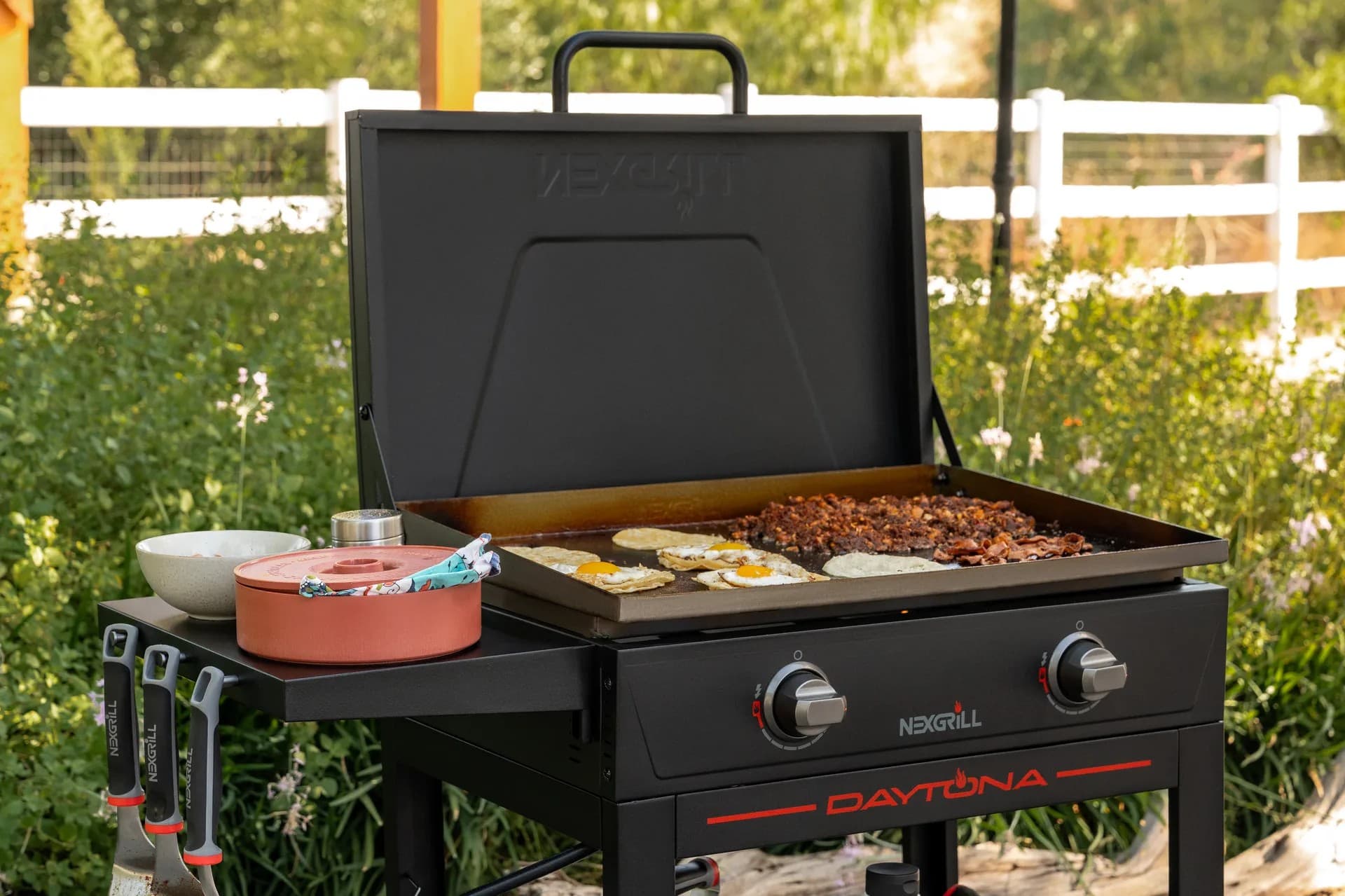
Find griddle recipes, cooking techniques, cleaning tips, and outdoor meal ideas designed for Nexgrill griddles.
Find answers to common questions
Nexgrill offers a variety of grills including gas, charcoal, and pellet grills, catering to different cooking preferences and styles.
Nexgrill is headquartered in California and serves a global market, primarily through retail partnerships such as Home Depot.
Yes, replacement parts are available for various Nexgrill products, and you can find them on the Nexgrill website or through authorized retail partners.
You can reach out to Nexgrill for support through their contact page on the website, where you will find options for phone and email inquiries.
Nexgrill products come with specific warranty terms, which can vary by product; it is recommended to check the warranty details on the product page or in the user manual.
In This Article
Compact Grill Stations
Fold-Down Counter Extensions
Vertical Storage Solutions
Outdoor cooking in a small space is less about shrinking the experience and more about editing it with intention. A compact patio, apartment balcony, narrow side yard, townhome deck, or courtyard can still support a satisfying cooking setup if every square foot has a job. The key is to treat the space like a well-planned kitchen zone rather than a mini version of a backyard barbecue area. That means choosing equipment that earns its footprint, storing tools where they are easy to reach, and thinking through how food, prep, cleanup, and serving will flow before the first meal ever gets cooked.
Nexgrill’s brand perspective fits this kind of project well because the company has long emphasized outdoor cooking that is accessible, practical, and welcoming to different cooking styles and budgets. That matters in small-space design, where the best solution is rarely the biggest one. Instead, you want flexible pieces that can handle weeknight dinners, casual weekends, and the occasional gathering without making the area feel crowded or difficult to use. In other words, good design should make a compact outdoor area feel calmer, not busier.
The most successful small-space cooking setups usually solve four problems at once: heat, prep, storage, and movement. If one of those is ignored, the whole area feels clumsy.
core functions to balance in a compact outdoor cooking zone
For a small-space setup, the goal is not to cram in a full outdoor kitchen package. It is to build a cooking station that supports real use. That might mean a grill on one side, a narrow landing area for a plate or cutting board, hooks for utensils, and a fold-down shelf that opens only when needed. The setup should also respect the realities of the environment. Wind, exposure to sun, and limited circulation can affect how comfortable and efficient the area feels. A thoughtful layout reduces the friction of cooking outdoors so the space gets used often, not just admired from the door.
This article focuses on the practical architecture of small outdoor cooking: how to create a compact grill station, how to reclaim prep space with fold-down extensions, how to use vertical storage, why portable equipment can make a tiny area more versatile, and what materials and layouts help the whole setup feel stable and durable. The right approach can turn a constrained footprint into a genuine culinary retreat.
A compact grill station is the anchor of most small outdoor cooking setups. It should be sized to fit the site without blocking doors, walkways, or seating. The most common mistake is buying a grill for the occasion you imagine once a year, rather than the meals you actually cook every week. In a limited area, a two-burner gas grill, a compact griddle, or a smaller pellet setup can often be more effective than a larger multi-zone model because it leaves room for safe movement and practical prep. Nexgrill’s product range reflects that idea well: a Deluxe 2-Burner Gas Grill is a sensible fit for smaller households, while griddle options such as the Daytona 2-Burner Gas Griddle with Lid or Daytona 2-Burner Gas Griddle with foldable cart can serve as adaptable cooking centers when the footprint needs to stay controlled.
The design of the station matters just as much as the grill itself. Think in terms of a work triangle, but compressed: food access, heat source, and landing area should be close enough that you are not walking back and forth across a narrow space while hot pans are out. If the grill sits against a wall, keep enough clearance for opening lids, accessing burners, and managing heat safely. If the site allows a corner placement, that can often be more efficient than a straight-line arrangement because it protects circulation through the main path of the patio or balcony.
| Compact station choice | Best use case | Why it works in a small space |
|---|---|---|
| 2-burner gas grill | Simple weeknight grilling | Provides direct heat control without taking over the patio |
| Compact griddle cart | Breakfasts, smash burgers, mixed meals | Creates one flat, usable surface with flexible cooking zones |
| Portable pellet grill | Occasional low-and-slow cooking | Gives smoke flavor while remaining more contained than a full patio build |
A compact station also benefits from visual simplicity. Darker finishes, straight lines, and minimal bulk help a small space feel more open. Choose a station with a clean silhouette rather than a cluttered design with oversized side shelves that may never be used fully. If you do need side surfaces, look for pieces that can tuck in, fold away, or function as serving ledges instead of permanent wide wings. That way the station performs like a kitchen when you need it and recedes when you do not.
Avoid oversized grill bodies in tight areas. A grill that dominates the layout can make cleanup harder, reduce air circulation, and limit safe access to lids, knobs, and grease management features.
In small outdoor kitchens, counter space is usually the first thing to disappear. Fold-down extensions solve that problem by giving you prep area only when you need it. That is especially valuable for spaces that must serve more than one purpose. A deck might also hold seating. A balcony may need to remain passable. A courtyard may need to support both cooking and gathering. Fold-down surfaces preserve the openness of the space while still giving you a place for a cutting board, platter, seasoning tray, or plate of finished food.
The best fold-down extension is sturdy, easy to deploy, and located where it actually helps your workflow. Put it on the side where you naturally plate food or stage ingredients, not where it just looks symmetrical. For most users, one well-placed extension is better than two shallow ones that feel flimsy. The height should align comfortably with the grill or with a nearby rolling cart so you are not lifting trays at awkward angles. If a fold-down board is used for cutting, choose a material that tolerates wiping, heat exposure from hot pans, and frequent cleaning. Stainless steel, sealed hardwood, or composite surfaces often make more sense than decorative pieces that stain or warp easily.
This is also where small-space cooks can borrow the discipline of indoor kitchen design. In a compact apartment kitchen, no one expects every task to happen on one giant island. The same idea applies outdoors: the prep zone can be separate from the heat zone as long as the distance between them is short and intuitive. A fold-down extension can become the staging point for foil, seasonings, tongs, thermometer, serving platters, and rested meats. Once the food is finished, the extension folds down and the space returns to a clean footprint.
Tip: place a fold-down extension near a wall-mounted hook rail or shelf so prep tools, napkins, and seasonings stay within reach without adding more furniture.
Fold-down counters are also a good answer for renters or anyone who may change layouts later. Because they rely on a relatively small mounting area, they can be easier to adapt than fixed built-ins. In small outdoor spaces, flexibility is a feature, not a compromise. If a layout can be adjusted for a gathering, then simplified for daily use, it is more likely to stay useful over time.
When floor space is scarce, the wall becomes your best ally. Vertical storage solutions keep tools off the prep surface and help a small cooking area feel organized rather than cramped. Hooks, rails, slim shelves, magnetic strips, hanging bins, and narrow cabinets all make sense in a compact setup because they move supplies upward instead of outward. The real advantage is not just storage capacity; it is clarity. When utensils and accessories have fixed places, the cooking area is easier to reset after each use, and the space looks more intentional even on days when it is not in use.
Start by mapping the items that always seem to live on the counter: tongs, spatula, grill brush, lighter, foil, gloves, thermometer, paper towels, salt, and oil. Most of those can be stored vertically. A narrow rail behind or beside the grill can hold utensils. A wall shelf can keep dry goods and sauces off the ground. A lidded bin on a high shelf can store charcoal or pellet bags, provided the storage area stays dry and follows the product instructions for the fuel source being used. Even a small pegboard can be a major upgrade if it is used consistently.
can replace several bulky floor-standing organizers when planned carefully
For the best results, vertical storage should be arranged by task, not by category alone. Group grilling tools near the heat source. Keep prep tools above the fold-down counter. Store cleanup supplies close to the exit path or sink, if you have one. That way, movement through the space follows the cooking sequence: gather, prep, cook, serve, clean, store. This reduces clutter and makes even a very compact area feel easier to use.
There is also an aesthetic benefit. A small outdoor kitchen with vertical organization appears taller and more deliberate, which helps avoid the crowded feeling that comes from stacking everything on the floor or on one overloaded side table. If the space is visible from indoors, that cleaner presentation makes the whole home feel more put together.
Portable equipment is one of the smartest tools in the small-space playbook because it lets the setup change with the occasion. A rolling griddle cart can move into an open spot for cooking and then roll aside afterward. A smaller grill can shift from one end of a patio to another depending on wind direction or guest traffic. Portable pieces also help people who rent, share outdoor areas, or use multipurpose spaces where permanent construction is not realistic. Flexibility is not a bonus in those settings; it is the main reason the setup works at all.
Nexgrill’s compact and portable-friendly product options can support that kind of use. A Daytona 2-Burner Gas Griddle with foldable cart is especially useful when the goal is to create an outdoor cooking zone that can be stored, repositioned, or visually lightened after service. A portable-style gas grill can be a better fit than a larger permanent station for tailgate-style cooking, apartment patios, or smaller family meals. A pellet smoker grill, such as the Oakford Pro 875 Pellet Smoker Grill, may be appropriate for cooks who want a more specialized flavor profile without committing the entire outdoor area to one oversized format.
Portable does not mean temporary in quality. In a small space, mobility is a design feature because it lets one product serve multiple layouts and occasions.
The best portable pieces are the ones that reduce friction. Folding legs, casters, compact fuel access, and simple covers all help keep the equipment easy to live with. A setup that requires two people to move or a long reconfiguration every time it is used will likely get abandoned. By contrast, a piece that can be rolled out, locked in place, used, wiped down, and tucked away will become part of the normal rhythm of the space. That is the real test of convenience in a compact outdoor area.
Functionality in a small outdoor kitchen comes down to how well the layout supports movement and how well the materials hold up under daily use. Start with the path people will actually take. If the grill is on a deck, make sure the cook can move behind or beside it without squeezing past seating. If the setup is on a narrow patio, avoid placing the prep area where guests naturally stand. A small kitchen feels larger when circulation is protected, because the user never has to rearrange the whole scene just to flip a burger or grab a plate.
A smart layout usually combines one primary heat source, one prep surface, and one storage strategy. More pieces than that can begin to crowd the area unless they serve multiple purposes. That is why material choice matters. Lightweight but stable carts, weather-resistant tops, easy-clean trays, and rust-resistant hardware help the area remain usable across seasons. In the United States, where weather can change dramatically from coastal humidity to dry summer heat to winter storage, materials that are easier to wipe down and protect tend to deliver better long-term value. If a surface is hard to clean, it will be used less often. If a drawer sticks or a shelf swells, the whole setup becomes annoying quickly.
| Material or feature | Why it matters in small spaces | Practical note |
|---|---|---|
| Stainless steel surface | Easy to wipe and visually clean | Works well for prep, serving, and weather exposure |
| Fold-down shelf | Adds prep room without permanent bulk | Best when mounted at a comfortable working height |
| Locking casters | Allows movement without sacrificing stability | Useful for rolling carts and compact griddle stations |
| Covered storage | Reduces clutter and protects supplies | Keep dry goods and tools in weather-safe containers |
A compact outdoor kitchen also benefits from repeating shapes and sizes. When shelves, bins, and carts line up visually, the space feels calmer. When every piece is a different height and depth, the area looks pieced together. That sense of coherence matters because small spaces magnify visual noise. A tidy, consistent setup does not just function better; it feels more inviting to use.
Small outdoor spaces can be genuinely rewarding to cook in when the design is built around how people actually grill, prep, and gather. Compact grill stations keep the footprint sensible. Fold-down counter extensions restore flexibility. Vertical storage clears the floor and preserves movement. Portable equipment adds adaptability. Materials and layouts tie everything together so the setup remains easy to live with, not just attractive on day one.
The most successful compact outdoor cooking areas are not oversized statements. They are efficient, welcoming, and quietly smart. They make room for the essentials, remove the clutter, and leave enough space for the best part of outdoor cooking: the meal, the conversation, and the feeling that the area fits your life instead of forcing you to work around it. Try comparing two products side by side below to see which fits best:
Once you have compared a few product directions, the next step is deciding how the entire space should operate on a normal day. In a compact outdoor area, success depends on whether the setup can support actual habits: a quick Tuesday dinner, a weekend brunch, a small family gathering, or a solo evening cookout. A well-designed small-space layout does not try to imitate a full backyard kitchen. Instead, it prioritizes the right functions in the right order so the space feels useful every time you step outside.
That practical approach aligns with Nexgrill’s brand philosophy, which emphasizes approachable outdoor cooking and welcoming spaces that bring people together. For small spaces, “welcoming” also means efficient. If the grill is hard to reach, the prep area is awkward, or the storage is cluttered, the setup stops being inviting. The most effective compact kitchens feel like an extension of the home: a controlled work zone with enough room for real cooking and enough openness to still feel like part of the patio, deck, or balcony.
A small outdoor cooking area works best when every element has a purpose. If a shelf, cart, or tool holder does not reduce friction, it is probably taking up space you need elsewhere.
Compact grill stations are easiest to get right when you start with the number of people you usually cook for. A two-burner layout often serves couples, small families, and apartment households well because it provides enough heat control for direct and indirect cooking without dominating the footprint. For cooks who want more surface flexibility rather than more burners, a flat-top griddle can be a better solution. Nexgrill’s Daytona 2-Burner Gas Griddle with Lid and Daytona 2-Burner Gas Griddle with foldable cart are strong examples of how a small station can still handle breakfast, vegetables, rice dishes, quesadillas, and smash-style meals without requiring a large dedicated outdoor kitchen build.
When planning the station, think of it as a compact workstation rather than just a grill stand. The grill should have room for opening, loading, and cleaning. It should not block the route from the house to the seating area. If possible, position the station so smoke, heat, and foot traffic move away from one another. On a balcony or narrow patio, that usually means keeping the cook zone at the edge of the space and using the remaining width for a short prep line and circulation path. A station that is too deep becomes annoying quickly because every added inch makes movement more constrained.
| Station type | Strength in a compact layout | Typical trade-off |
|---|---|---|
| 2-burner gas grill | Precise heat control and familiar setup | Less surface area than larger grills |
| Flat-top griddle station | Flexible for mixed meals and easier staging | Needs a dedicated cleaning routine |
| Rolling portable cart | Can be shifted when guests arrive or weather changes | Requires floor space while in use |
If you cook in stages, compactness becomes easier to manage. Grill the main item first, then use the same station to warm buns or finish vegetables while plates are assembled elsewhere. In other words, the station does not have to do everything at once. It just has to make each step efficient enough that the whole process feels smooth. That is the difference between a cramped setup and a clever one.
A fold-down counter extension can solve one of the biggest frustrations in small outdoor cooking: not having anywhere to put anything. Seasoning packets, trays, knives, tongs, a bowl of vegetables, or a hot pan all need a landing point. A permanent counter is ideal, but in a small layout it may not be realistic. Fold-down extensions give you extra surface only during use, which is a perfect fit for compact patios and balconies where every inch must serve multiple purposes.
To make a fold-down surface genuinely useful, place it where the cooking sequence naturally demands a pause. That might be to the left of the grill where raw ingredients are staged or to the right where finished food rests before serving. The extension should be at a stable height relative to the grill surface, and it should feel large enough for a cutting board or platter without becoming a permanent obstacle. If the extension is too small, it becomes decorative rather than practical. If it is too large, it stops being a small-space solution.
One of the smartest ways to use fold-down prep space is to pair it with a simple “reset” routine. Keep a small bin or tray on the extension for utensils and seasonings while cooking, then clear it once the meal is served. This prevents the area from becoming a dumping ground for miscellaneous items. In a small outdoor kitchen, clutter returns quickly unless each surface has a clear role. That is why fold-down counters work best when they are paired with storage discipline rather than used as open-ended shelves.
Tip: use a fold-down extension for staging, not permanent storage. When it is clear, the whole setup feels larger and safer to work in.
Materials matter here too. Surfaces that resist moisture, stains, and heat are easier to keep clean after a busy cook. If the extension is likely to see frequent use, choose a finish that can be wiped down quickly and that will not look tired after a few seasons of exposure. That small decision has an outsized effect on whether the setup stays attractive and functional.
Vertical storage is the easiest way to create order without adding footprint. In a small outdoor area, the goal is to keep the cooking path clear while still giving every tool and supply a consistent place. Wall rails can hold spatulas and tongs. Slim shelves can hold spices, paper towels, and small containers. Hooks can store gloves, thermometers, and brushes. Even a narrow cabinet or weather-resistant bin can solve the chronic problem of where to place items that would otherwise live on the prep surface.
The trick is to organize vertically according to frequency of use. The tools you grab constantly should be closest to hand, ideally at the side of the grill or above the prep zone. Less-used items can move higher up or farther away. This is especially important in small spaces because too much movement between storage points can make cooking feel messy. When the layout mirrors the order of your cooking process, cleanup becomes easier too, since every item has a predictable home.
organization helps small areas feel taller, cleaner, and easier to reset
A vertical system also makes the space more resilient. If the weather shifts, tools and ingredients are less likely to get damp when they are stored off the ground and away from splash zones. In humid regions of the United States, that matters even more because outdoor items can deteriorate faster when they sit in moisture. Using covered bins and elevated shelves can help keep the setup tidy and extend the life of the accessories you use most.
Portable equipment gives small-space cooks room to adapt without redesigning the area every season. A rolling griddle, compact grill, or pellet smoker can be positioned for cooking, moved for cleaning, and stored in a more protected spot when not in use. That mobility is especially helpful if your outdoor area has multiple functions, such as dining, lounging, and cooking. Instead of building around one fixed arrangement, you can let the equipment support different ways of using the same square footage.
For people who value flexibility, portable gear also creates more realistic cooking habits. A piece that can be rolled out and locked into place is more likely to be used often than a station that requires a major reset. Nexgrill options designed with smaller footprints in mind can support this style well, including a compact gas grill for quick meals or a griddle cart for recipes that benefit from a flat, uninterrupted surface. That versatility is especially useful for city households and renters, where layouts may change or where permanent installation is not practical.
Be careful not to choose portability at the expense of stability. A lightweight unit still needs to feel solid during use, especially when pans, plates, or hot surfaces are involved.
The best portable setup also accounts for storage between uses. If the equipment nests neatly beside a wall, in a narrow utility zone, or under a protective cover, it is more likely to remain in good condition and less likely to overwhelm the visual space. In a compact outdoor area, convenience should extend to every stage of ownership, not just cooking.
Function is the backbone of a small outdoor kitchen. The layout should reduce unnecessary steps, prevent bottlenecks, and keep the cook from feeling boxed in. A straight-line layout often works best in very narrow spaces because it concentrates the cooking and prep flow along one edge while leaving the rest of the area open. In wider but still limited spaces, a corner arrangement can be more effective because it creates a protected work zone while preserving circulation around the outside. The right answer depends on where people walk, where doors open, and where shade or wind patterns make cooking most comfortable.
Materials should support that functionality. Weather-resistant finishes, easy-clean surfaces, sturdy cart frames, and rust-resistant hardware all matter because a small outdoor setup tends to stay visible and in regular use. If a material stains easily or requires too much maintenance, it will quickly make the space feel tiring. In a compact environment, the most useful surfaces are the ones you can clean fast after dinner and trust again the next day. That is why a streamlined material palette is often better than mixing too many textures or decorative elements.
| Layout decision | Why it matters | Small-space recommendation |
|---|---|---|
| Straight-line layout | Keeps circulation clear in narrow footprints | Best for balconies and long patios |
| Corner layout | Uses edges efficiently and shields the cook area | Best when the space has enough depth for turning |
| Mobile layout | Adapts to guests, weather, and storage needs | Best for renters or multipurpose outdoor areas |
A practical small kitchen also uses restraint. If a piece does not improve prep, cooking, serving, or cleanup, leave it out. That discipline is what makes a compact space feel premium rather than crowded. The nicest small outdoor kitchens are often the ones that have been edited hard and used often.
A small outdoor space can become a highly functional cooking zone when the design respects real-world use. Compact grill stations anchor the setup. Fold-down counter extensions solve the prep-space problem. Vertical storage keeps tools and supplies organized. Portable equipment adds adaptability. Smart layout and material choices make the whole arrangement easier to live with over time. Together, those choices transform a tight footprint into a space that feels purposeful, calm, and ready for everyday cooking.
For Nexgrill readers, the most important takeaway is simple: a small outdoor area does not require a smaller cooking ambition. It requires a smarter plan. If the station supports your actual meals, your routine cleanup, and your preferred way to gather, then the space has done its job. From there, the rest is just good food and good company.
Here's what sets us apart
We position ourselves as delivering high-end outdoor cooking features and performance without premium-brand pricing, emphasizing “Quality Grills. Unbelievable Value.”
We offer gas grills, pellet grills, griddles, smokers, pizza ovens, portable/tabletop grills, electric grills, accessories, and replacement parts — allowing customers to stay within one ecosystem for all outdoor cooking needs.
We differentiate ourselves through smart grilling products like the Oakford smart pellet grill, including app-connected cooking controls and modern outdoor cooking technology.
Don't just take our word for it
Keep reading
From our catalog