An in-depth exploration of the Nexgrill Ora pizza oven’s features, performance, and user experiences.
Here's what sets us apart from the competition
We position ourselves as delivering high-end outdoor cooking features and performance without premium-brand pricing, emphasizing “Quality Grills. Unbelievable Value.”
We offer gas grills, pellet grills, griddles, smokers, pizza ovens, portable/tabletop grills, electric grills, accessories, and replacement parts — allowing customers to stay within one ecosystem for all outdoor cooking needs.
We differentiate ourselves through smart grilling products like the Oakford smart pellet grill, including app-connected cooking controls and modern outdoor cooking technology.
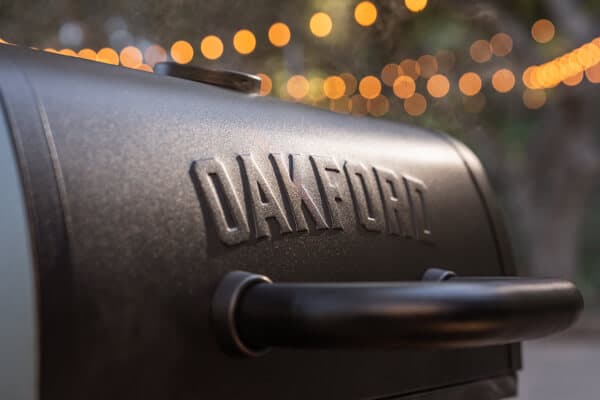
Expert tips, buying guides, comparisons, and inspiration for choosing and getting the most out of your grill.
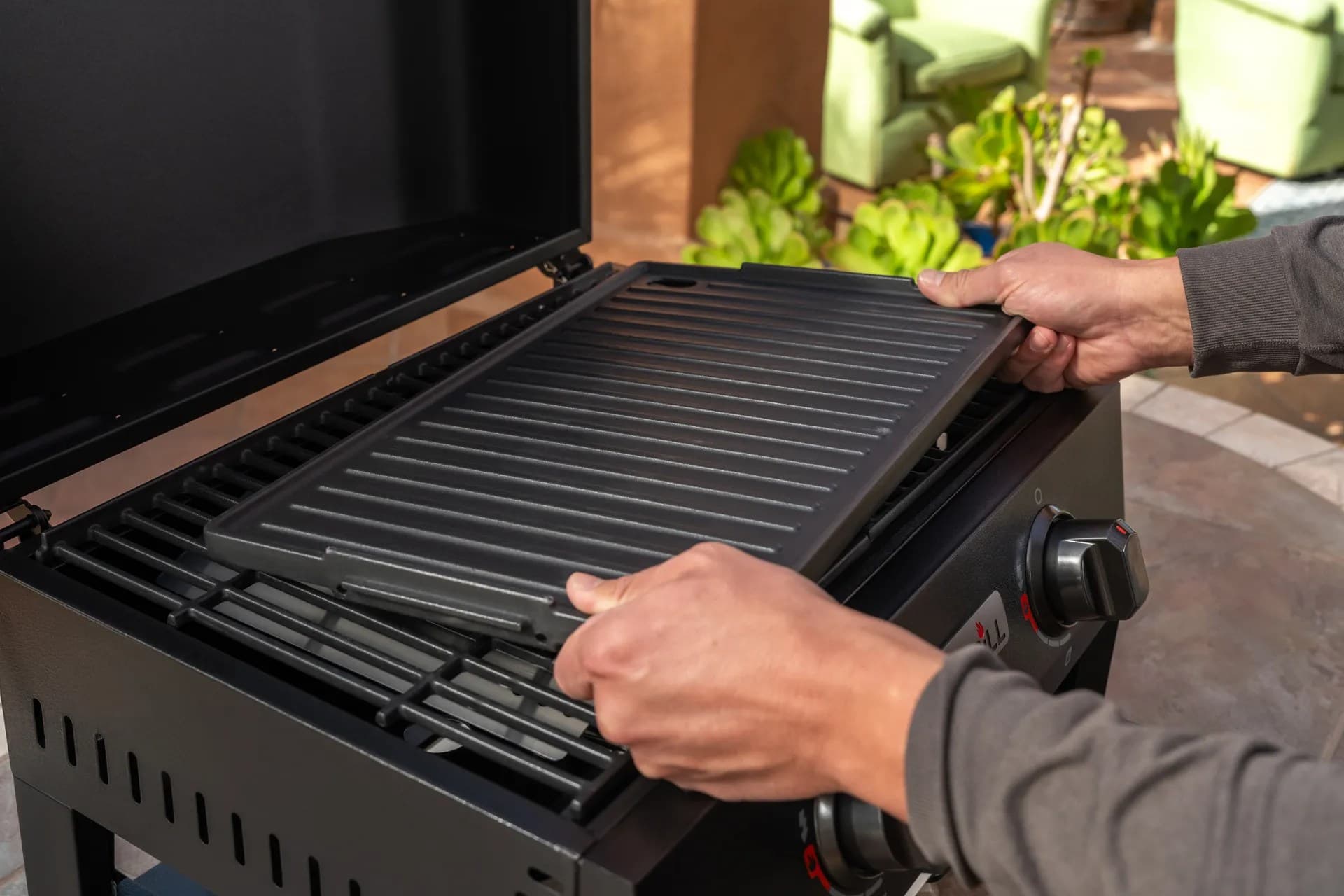
Practical guides for cleaning, maintenance, common grill issues, and performance optimization.
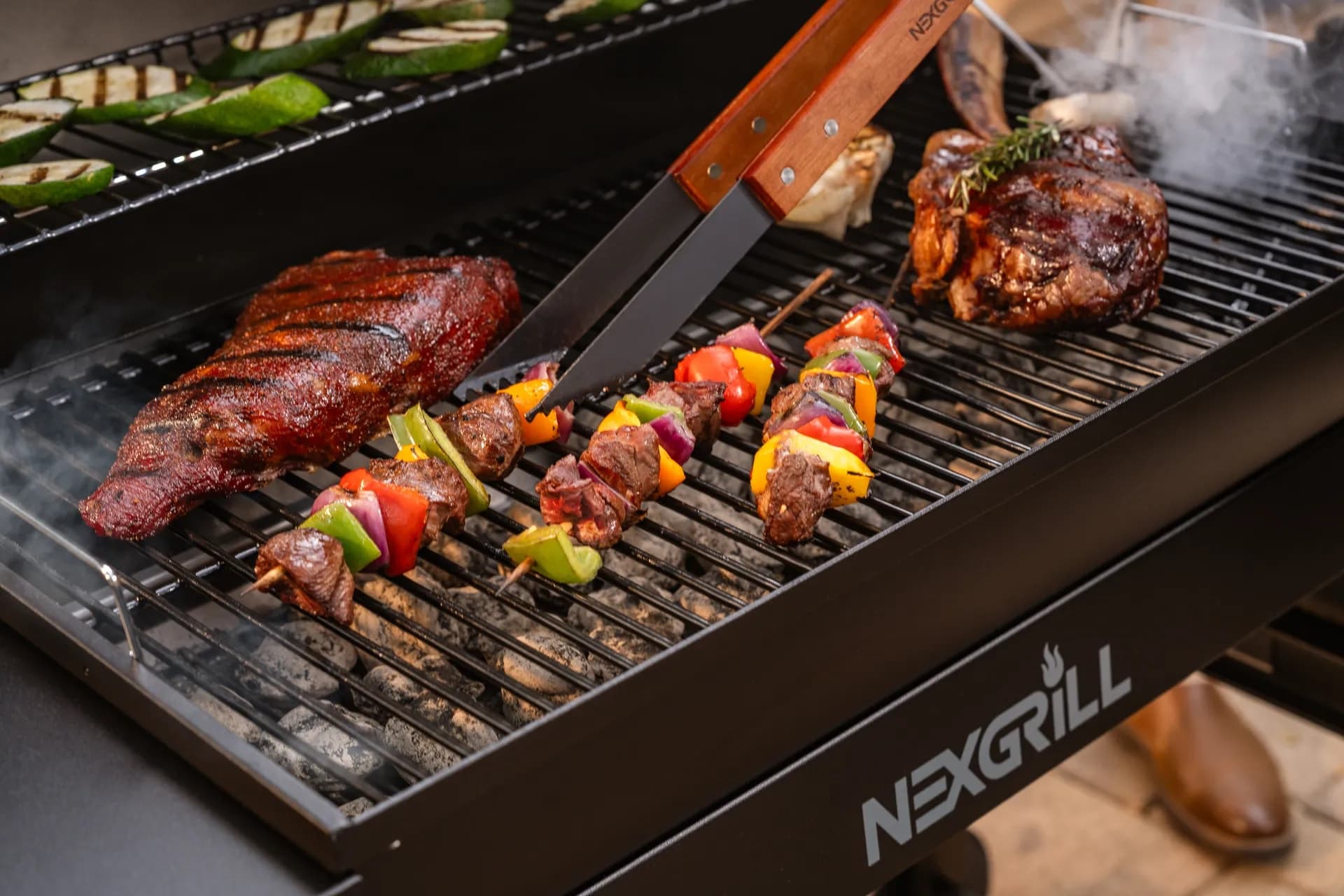
Step-by-step grilling recipes, cooking techniques, and meal ideas for every occasion and skill level.

Backyard entertaining ideas, seasonal grilling inspiration, and stories that celebrate outdoor cooking culture.
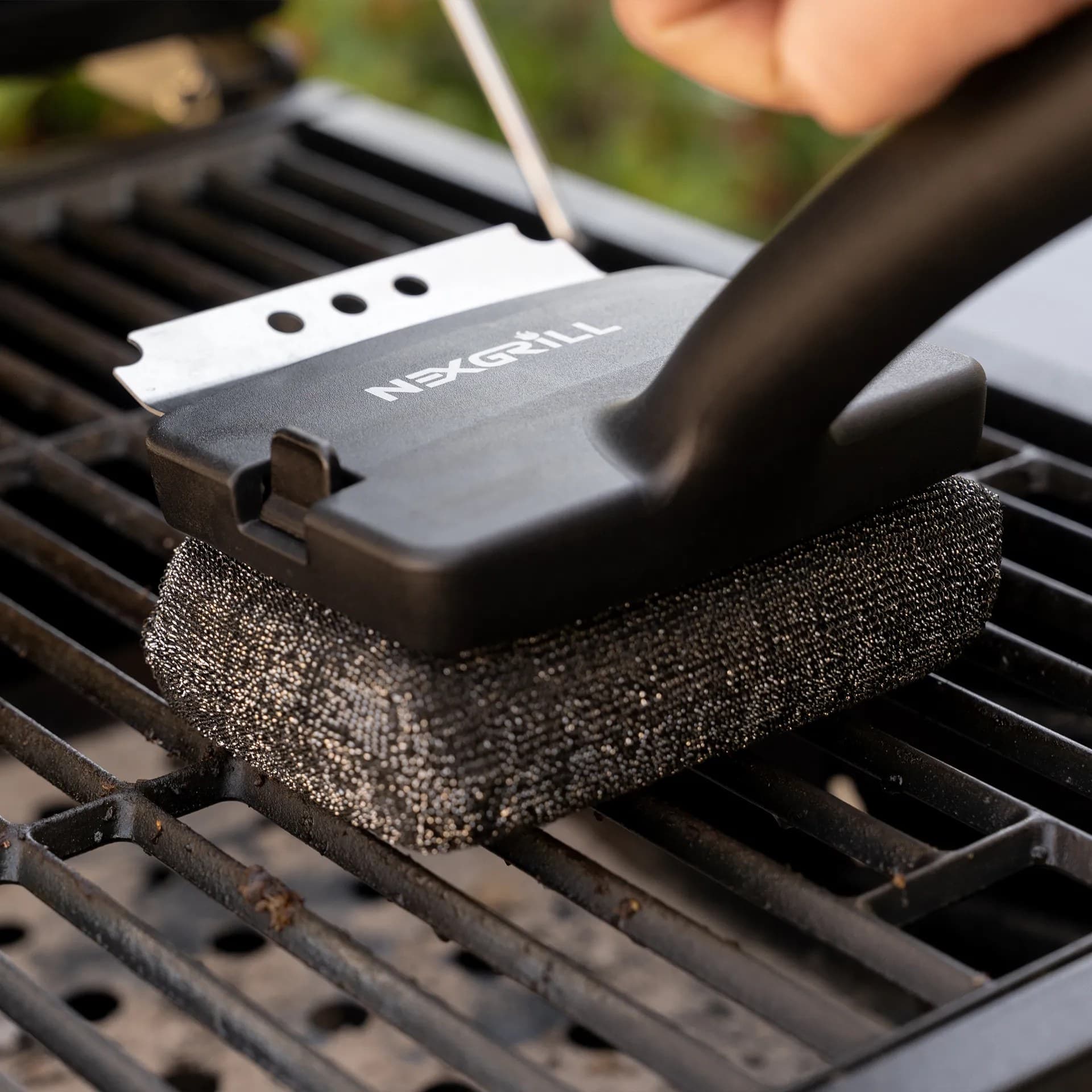
Helpful articles covering grilling tools, cookware, maintenance gear, and must-have accessories for outdoor cooking.
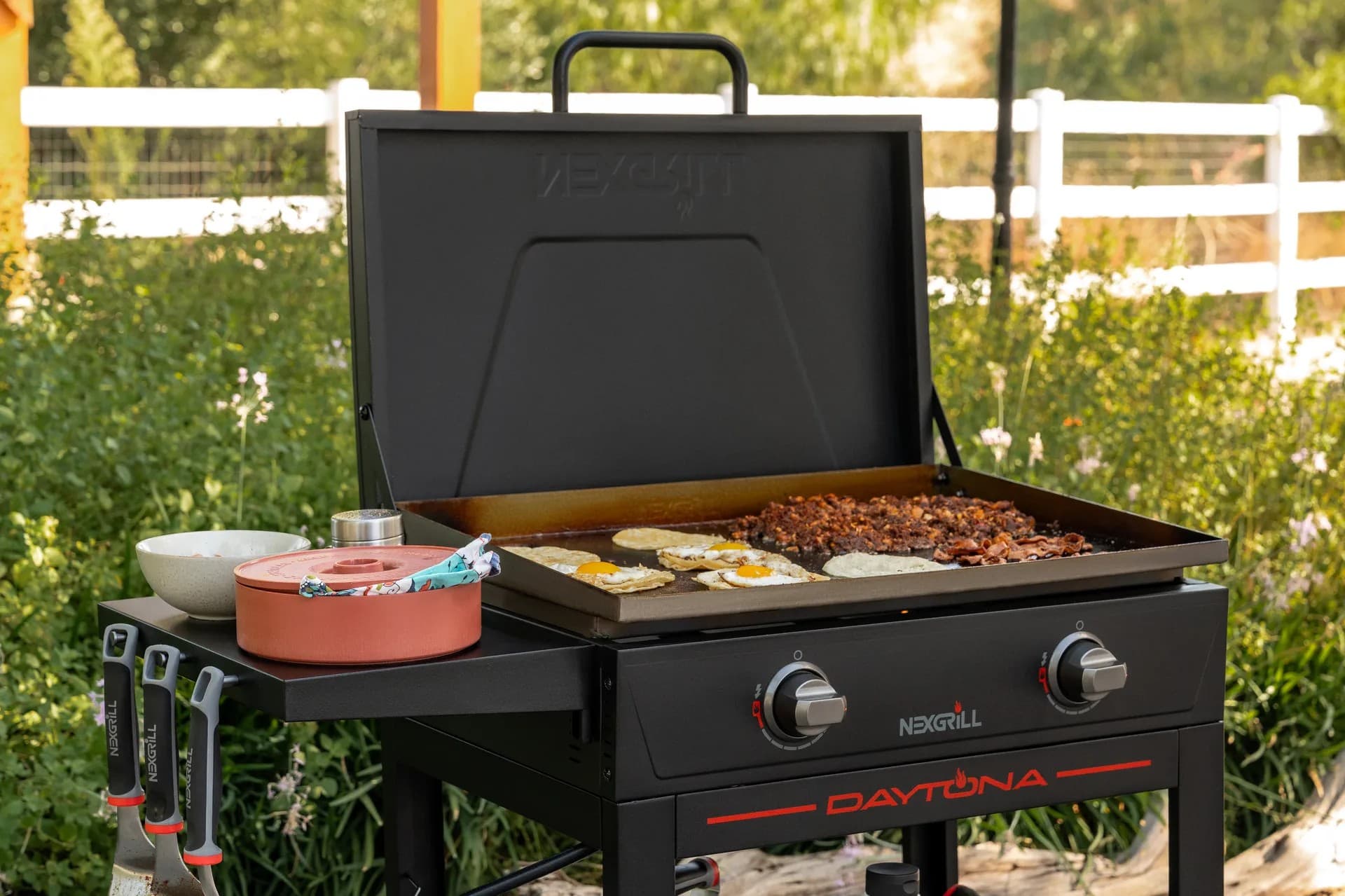
Find griddle recipes, cooking techniques, cleaning tips, and outdoor meal ideas designed for Nexgrill griddles.
Find answers to common questions
Nexgrill offers a variety of accessories including grill tools, covers, cooking utensils, and replacement parts designed to enhance your grilling experience.
Many Nexgrill accessories are widely compatible with various grill brands, but it is recommended to check the specifications for proper fit and functionality.
To maintain your Nexgrill accessories, regularly clean them with warm soapy water, avoid using abrasive materials that could scratch the surface, and store them in a dry place when not in use.
Yes, Nexgrill accessories can be purchased separately from the grills, allowing customers to customize their grilling setup as needed.
Instructions for using Nexgrill accessories are typically included in the packaging, and additional resources can be found on the Nexgrill website or in the product user manuals.
In This Article
Comprehensive Feature Overview
Cooking Performance Insights
User Experiences & Comparisons
The Nexgrill Ora pizza oven is built for backyard cooks who want the pace and energy of a live-fire pizza night without having to turn their patio into a full commercial setup. In the outdoor pizza oven category, the Ora is aimed at a practical sweet spot: it should be approachable enough for first-time stone-oven buyers, but still capable enough to satisfy people who care about crust texture, leopard spotting, and repeatable heat. That balance matters because most buyers are not just looking for a gadget that can brown cheese. They want an oven that heats quickly, is easy to place on a deck or outdoor table, and can produce pizza that feels closer to what they get from a favorite neighborhood pizzeria.
What makes this review especially useful is that the Ora should be judged as a real-world appliance, not a fantasy machine. A good pizza oven has to do several things at once: hold consistent heat, recover between pies, fit into a practical cooking routine, and avoid becoming a cleaning headache after the first few uses. That is why reviews of outdoor pizza ovens often split into two camps. Some focus on the wow factor of a blistering-hot dome and ignore ownership details. Others focus too heavily on assembly and ignore what happens when you actually launch dough, rotate a pie, and manage flame behavior. The most honest way to evaluate the Nexgrill Ora is to cover both sides: features, cooking performance, user feedback, and the kind of day-to-day trade-offs that shape whether the oven feels like a joy or a chore.
A pizza oven review is most helpful when it answers one question clearly: will this model help you make better pizza often enough that you actually use it?
For Nexgrill, the Ora also fits the brand’s broader outdoor-cooking identity: approachable design, family-friendly usability, and value-conscious performance. That matters in a market where some pizza ovens ask for a premium price just to reach the temperature you need. If you are comparing your options from the perspective of everyday use, the Ora should be evaluated on how it supports weeknight flatbreads, weekend margheritas, and the occasional crowd-pleasing pizza party, not just on one perfect demo cook. For background on the product itself, the Nexgrill Ora pizza oven product page is the primary place to verify current features and model details .
The best model is the one you can preheat, use, and clean regularly.
Because pizza ovens are often compared by surface impressions rather than usable design, it helps to break the Ora down into the features that actually shape cooking. The first is footprint. Buyers need to know whether the oven fits the space they plan to use, but they also need to think about clearance, access, and where the dough peel and turning peel will live during a session. An oven that looks compact online can feel much larger once you add prep trays, propane access, a side table, and the operator’s movement around it. In practice, the Ora should be considered as part of a small outdoor cooking station, not as a stand-alone box.
The second feature is the oven chamber itself. Outdoor pizza ovens live or die by how they handle heat at the deck and dome. That is where material quality, insulation strategy, and burner placement matter. A well-designed chamber should help the stone or baking surface get hot enough to crisp the bottom while the upper heat finishes the top of the pizza. If that balance is off, the cook may end up with a pie that looks browned on top but still tastes soft underneath, or a base that chars before the cheese melts. Buyers comparing the Ora should look for details that support even heat management rather than assuming raw temperature claims tell the whole story.
Another practical feature is ignition and flame control. For most home cooks, the biggest advantage of a gas-powered pizza oven is that it shortens the distance between “I want pizza” and “the oven is ready.” Better flame control also matters when making multiple pies. The first pizza might sail through, but the second or third will expose how well the oven recovers after you open the door, rotate the pie, and load another one. If the Ora is part of a family cookout, that recovery time is just as important as peak heat.
| Feature area | Why it matters in real use | What buyers should check |
|---|---|---|
| Cooking chamber | Affects heat balance and launch comfort | Deck space, opening size, and dome clearance |
| Heat source | Determines startup speed and control | Gas setup, ignition style, and flame adjustment range |
| Exterior build | Influences durability and storage needs | Metal finish, handle placement, and weather protection |
| Baking surface | Directly affects crust browning | Stone or cordierite-style surface, thickness, and replacement options |
The Nexgrill product page should be treated as the authoritative source for the Ora’s current specification set, especially because feature bundles can change over time with retailer updates or model revisions . If you are shopping online, resist the temptation to compare only headline numbers. A pizza oven with a slightly lower advertised top temperature but better heat retention may give you more usable results on a Saturday night when you are cooking for four people and don’t want to wait for long recovery cycles.
Do not judge a pizza oven only by the maximum temperature listed on the box. The real test is whether it holds useful heat between pies.
Cooking performance is where an outdoor pizza oven earns its keep, and it is also where buyer expectations need to be realistic. For most home pizza ovens, the sweet spot is fast enough to produce a blistered crust in a few minutes, but not so aggressive that every pie requires professional-level reflexes. The Nexgrill Ora should be evaluated on how quickly it comes up to temperature, how evenly it cooks the bottom and top, and how forgiving it is when a user is still learning to stretch dough or manage flame intensity.
In practical terms, a strong home pizza oven should give you confidence on pies in the 60 to 180 second range once fully preheated, depending on dough hydration, topping weight, and ambient conditions. That is the benchmark many buyers care about because it separates true pizza-oven cooking from standard oven baking. If the Ora performs well, it should let you finish a pizza in a handful of turns rather than forcing a long bake that dries out the crust. If the flame and stone balance are off, you will see the difference immediately: either the dough burns before the toppings finish or the cheese melts before the crust develops enough structure.
The other major factor is recovery time. A family using the Ora for a Friday night pizza session will likely cook several pizzas back to back. If the oven loses too much heat after each launch or after opening the chamber, cooks will have to wait between pies or accept uneven results. That is why seasoned reviewers often pay attention to the first pizza and the third pizza, not just the very first test. A good pizza oven keeps the experience smooth for the whole session, not just the opening round.
User experience reports also tend to focus on crust texture. The best-case scenario is a base with noticeable browning, light blistering, and enough structure to support toppings without drooping. Toppings should finish without turning dry, which requires controlled top heat rather than brute force flame. If the Ora gives consistent results, it should excel with classic tomato-and-mozzarella pies, but also work well for more creative builds like pesto pizza, roasted vegetable pies, or white pizzas with ricotta and greens. The ability to handle different topping loads is a useful indicator of real flexibility.
If your first few pizzas are inconsistent, adjust one variable at a time: dough thickness, preheat time, or flame height.
Consumer guidance on pizza ovens generally stresses the importance of heat management, build quality, and ease of use, because those are the traits that determine whether owners keep using the appliance after the novelty wears off. Reviews from mainstream outlets also tend to frame pizza ovens as a category where fast heat is valuable only if it comes with predictable results and manageable cleanup . For the Ora, that means a successful review should not just ask, “How hot can it get?” but “How easy is it to make the second and third pizzas taste as good as the first?”
Once you have weighed the Ora against another pizza oven, the most useful comparison is not only about appearance or peak heat. It is about how the oven fits your cooking style and your budget. In the outdoor pizza oven market, a buyer typically chooses between premium models that lean into restaurant-style temperature extremes, compact ovens built for portability, and midrange models that try to balance speed, consistency, and price. The Nexgrill Ora belongs in that middle conversation, where value and repeatable performance matter as much as headline specifications.
Compared with some premium pizza ovens, the Ora’s appeal is likely to be simpler ownership. Many higher-priced units ask buyers to commit to a larger initial spend, more specialized fuel habits, or accessories that add to the total cost of ownership. The Ora should be judged on whether it gives you the essential pizza-oven experience without requiring a commercial mindset. That makes it especially relevant for households that want weekend pizza nights, not a second hobby. It also makes comparison shopping easier because the central question becomes value: what are you really getting for the price, and how often will you use those capabilities?
If you are comparing the Ora to other gas pizza ovens, pay close attention to flame placement and user control. Some ovens overemphasize raw output and underdeliver on usability, especially for cooks who are new to turning pies quickly. Others are easier to learn but take longer to recover between pizzas. The best comparison is to ask whether the Ora helps you reach an efficient rhythm: preheat, launch, rotate, finish, serve, repeat. That rhythm is what turns a pizza oven into a practical tool instead of a one-time novelty.
Against compact portable ovens, the Ora’s likely advantage is steadier domestic use. Portables are attractive if you need to move the oven frequently or store it after each session, but that mobility can come with trade-offs in heat stability and workspace. For many backyard cooks, a slightly larger and more permanent setup is worth it because pizza is easier when the oven has a secure place to live, the gas connection is ready, and the prep area stays organized. The Ora should be compared with that mindset: not which oven travels best, but which one helps you make better pizza on a Saturday evening with the least friction.
| Comparison factor | Nexgrill Ora | What competing ovens may offer |
|---|---|---|
| Ease of use | Designed for approachable backyard cooking | Some models require more technical flame management |
| Price positioning | Expected to be value-oriented within the category | Premium ovens often cost significantly more |
| Learning curve | Should suit casual and intermediate cooks | Some rivals cater more to enthusiasts and pros |
| Session cooking | Should be judged on repeat pizzas and recovery | High-output models may recover faster but cost more |
Independent buying guides from Consumer Reports and Good Housekeeping generally emphasize ease of use, temperature control, and long-term value as central decision criteria in the pizza-oven category . That is helpful context because it aligns with how most households actually shop: they want a product that works well enough to justify the space it occupies. CNET-style review coverage also tends to compare pizza ovens on setup, speed, and consistency, which is exactly where the Ora should be measured against its peers .
A pizza oven can look impressive on day one and still become frustrating if owners do not follow a simple care routine. The good news is that most maintenance issues are preventable. For the Ora, routine care should focus on keeping the baking surface clean, preventing grease buildup near the flame path, and protecting the outer shell from weather exposure. Outdoor ovens work hard, so maintenance is less about deep technical work and more about consistency. A few minutes after each session can preserve performance and help the oven stay predictable from one cook to the next.
Start with the baking surface. Once the oven has cooled enough to handle safely, remove excess flour, burnt cheese, and ash or crumbs. If the surface is a stone-style deck, avoid soaking it with liquid cleaners. Moisture can affect the stone and complicate the next preheat. Instead, use a dry brush or a gentle scrape, then let residual heat do the rest. The exterior should be wiped down with a soft cloth and a mild cleaner if needed, especially around seams and handles where grease can collect.
Troubleshooting usually begins with heat unevenness. If one side of the pizza browns faster than the other, the first fix is often procedural rather than mechanical. Rotate the pie more frequently, verify that the oven is fully preheated, and check that the dough is centered on the stone. Uneven cooking can also come from excessive toppings or cold ingredients straight from the refrigerator. Those issues are easy to overlook, but they have a major effect in a high-heat oven. If the flame seems too aggressive, lowering it slightly can create a more forgiving cook and reduce the risk of scorched cheese with an underdone center.
If a pizza sticks, the problem is usually dough handling, flour management, or a stone that was not hot enough, not the oven by itself.
Gas-related concerns are another common topic in user feedback for this product category. Any time a gas appliance is involved, owners should be attentive to the connection points, hose condition, and proper storage. If a smell of gas appears, stop using the oven immediately and inspect the setup according to the manufacturer’s instructions. Because this article is a review and not a service manual, the safest advice is to follow the product documentation and contact customer support for issues that involve fittings, ignition failures, or suspected leaks. The Nexgrill support pages and product documentation are the proper place to confirm the current service process for the Ora .
Longer-term care should also include weather protection. Pizza ovens that sit outside year-round benefit from a cover and from being stored in a dry area when possible. Even durable finishes can age faster if they are constantly exposed to rain, dust, and coastal air. If you live in a humid or coastal region in the United States, maintenance becomes even more important because corrosion risk rises. A practical ownership routine is simple: clean after use, cool completely before covering, inspect the gas connection periodically, and avoid leaving the oven in standing moisture.
Pricing is one of the most important parts of the Ora conversation because it determines whether the oven is a realistic upgrade or an impulse purchase. Since outdoor pizza ovens vary widely in cost, the best way to judge the Ora is to compare it to the broader market rather than to a single competitor. Entry-level portable ovens can be relatively affordable, while premium countertop and backyard units may climb far higher once accessories are included. Buyers should evaluate total cost, not just the sticker price. That means considering fuel, dough tools, peels, covers, and any surface space you may need to dedicate to the oven.
Nexgrill’s product listing is the correct place to check the Ora’s current price and availability because retail pricing can shift with promotions and inventory levels . If you are shopping for value, look at what is included out of the box and whether the oven is ready to use with only basic setup. A lower upfront price can lose its advantage if the buyer must add several accessories before cooking the first pizza. In that sense, “price” should be treated as a complete ownership estimate, not just a number on a product page.
The best price comparison is total ready-to-cook cost: oven, fuel hookup, peel, cover, and any storage solution.
For many U.S. households, purchase timing matters too. Pizza ovens often become more attractive ahead of warm-weather entertaining seasons, holiday gifts, or patio upgrades. Shoppers who compare the Ora during a sale period may find it easier to justify upgrading from a conventional oven or a small tabletop unit. Since pricing varies, it is wise to check the official Nexgrill product page first and then compare against a few reputable review guides so you can see whether the feature set lines up with your budget .
The Nexgrill Ora is worth considering if you want a pizza oven that emphasizes approachable outdoor cooking, repeatable family use, and sensible value. It is not just about whether the oven can reach high heat; it is about whether that heat translates into enjoyable, repeatable pizzas without a complicated learning curve. For many buyers, that is the real definition of worth it. If the Ora delivers solid temperature recovery, manageable cleaning, and enough control to produce crisp crusts with well-finished toppings, it can be a smart addition to a backyard cooking setup.
It is probably best suited to homeowners who want to make pizza regularly rather than obsess over ultra-technical performance. If you are comparing it with premium ovens, ask whether the extra cost buys you capabilities you will actually use. If you are comparing it with cheaper portable models, ask whether the Ora gives you more stability, better usability, or less frustration over time. Those are the trade-offs that matter most. The strongest takeaway from this review is that the Ora should be judged as a practical backyard tool: when it is set up well and maintained consistently, it can make pizza night feel easy, fun, and worth repeating.
Here's what sets us apart
We position ourselves as delivering high-end outdoor cooking features and performance without premium-brand pricing, emphasizing “Quality Grills. Unbelievable Value.”
We offer gas grills, pellet grills, griddles, smokers, pizza ovens, portable/tabletop grills, electric grills, accessories, and replacement parts — allowing customers to stay within one ecosystem for all outdoor cooking needs.
We differentiate ourselves through smart grilling products like the Oakford smart pellet grill, including app-connected cooking controls and modern outdoor cooking technology.
Don't just take our word for it
Keep reading
From our catalog