Nexgrill Oakford 875 Pro Review: A First-30-Days Owner Walkthrough
A commissioning plan for new pellet-smoker owners - assembly, burn-in, controller dial-in, an overnight pork butt, and the size call between the 875 Pro and 1125 Pro.
In This Article
Commission It Right
Read the Controller
Size Check: 875 vs 1125
Commissioning Your Oakford 875 Pro: What to Have on Hand
A pellet smoker is not a gas grill with wood in the tank. The Oakford 875 Pro needs a deliberate first day: tools laid out, a burn-in plan, and realistic expectations about controller behaviour. Here's the pre-delivery list.
- A #2 Phillips screwdriver and a 7/16-inch wrench (check the included hardware bag first).
- Two adults for the cart-and-barrel lift; the box is awkward, not impossibly heavy.
- A dedicated 15-amp outdoor outlet within cord reach - no extension cord thinner than 14 AWG.
- Two 20-lb bags of a known pellet brand (hickory or competition blend) for burn-in and the first cook.
- A standalone instant-read probe thermometer - the built-in probe is convenient, but you want a second opinion on a 12-lb pork butt.
- A cover sized for the 875 Pro if not bundled; verify inclusions on the product page, since retail listings differ.
Landed cost estimate (USD): grill, cover (if separate), first two pellet bags, and a $25-$50 probe thermometer typically add $80-$150 over sticker. Treat that as a range, not a quote.
What the 875 Pro Actually Is (and Where It Sits in the Oakford Line)
The Oakford 875 Pro is Nexgrill's mid-size pellet smoker, positioned between the smaller Oakford Homestead charcoal line and the larger Oakford 1125 Pro. The '875' refers to cooking surface as listed on the product page - confirm whether that's total or main-grate square inches before comparing to a 1125. Nexgrill, headquartered in California and founded in 1993, builds the Oakford series for backyard cooks who want set-and-forget smoking without a stick-burner's attention load.
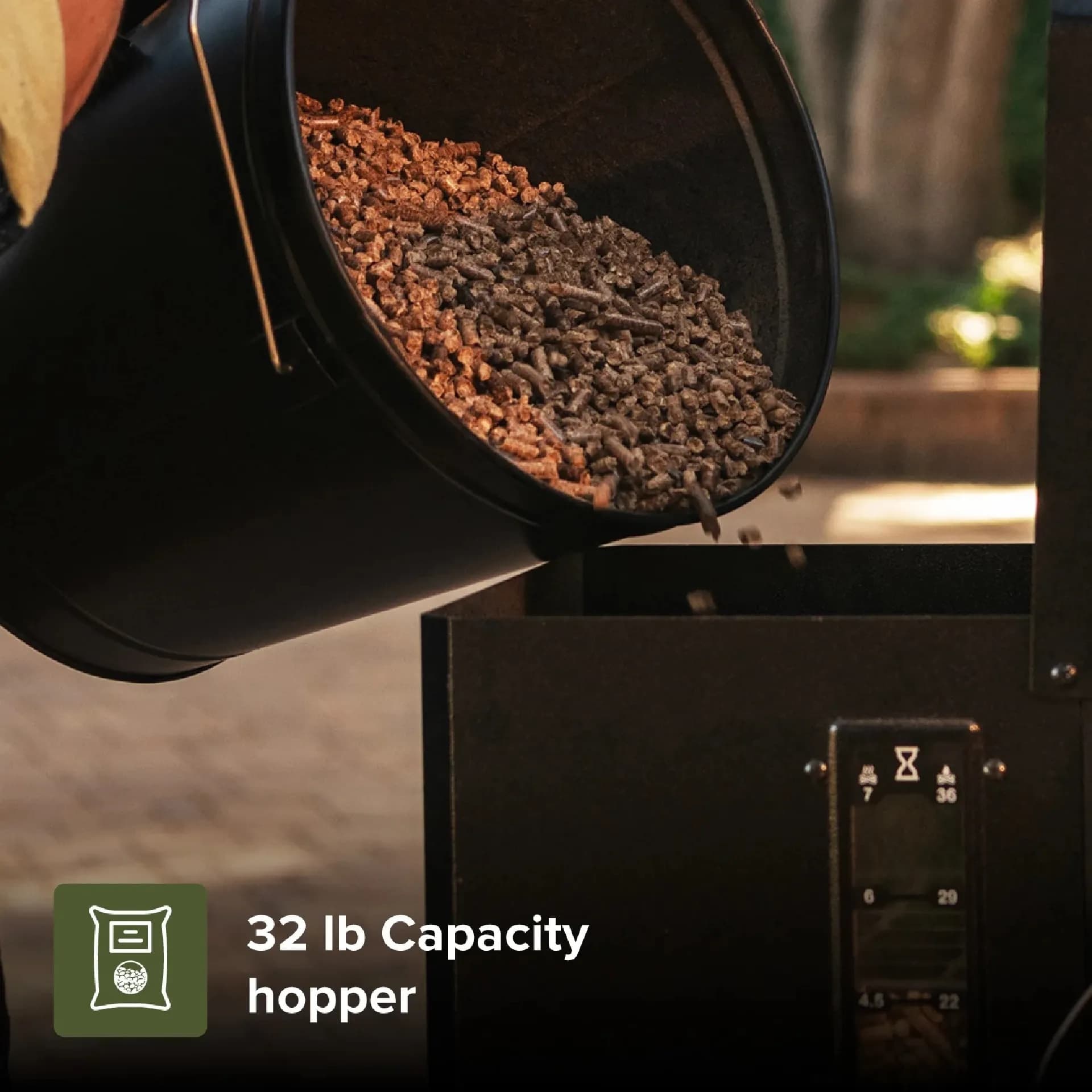
Pull these specs from the official product page, not third-party listings: hopper capacity (lb), temperature range and increments, probe ports, grate material, cart storage and wheel type, cover inclusion, and warranty wording. The takeaway: the 875 Pro is sized for a family-plus-guests cook, not a competition trailer.
Step 1-6: From Cart Assembly to a Clean Burn-In
- Inventory the hardware. Sort bolts by size into cups. A missing lock washer is the most common assembly stall.
- Build the cart upside down on cardboard. Leave every bolt finger-tight until all four legs are square, then torque.
- Mount the barrel with two people. One lifts the chamber, the other guides the hinge pins. Don't force the hinge - it should drop in.
- Install the controller and probe ports. Hand-tighten only; over-torquing cracks the plastic bezel.
- Load pellets and run a 45-minute burn-in at 350°F. This burns off manufacturing oils. Expect visible smoke and a faint smell - that's normal.
- Cool, vacuum the fire pot, and wipe the grates. A clean fire pot is the best predictor of a reliable first ignition.
Reading the Controller: What Normal Temperature Swing Looks Like
New owners often panic when the display reads 275°F on a 250°F setpoint. That swing is feed rhythm: the auger drops pellets in cycles, the fan stokes them, and temp rises and falls 10-25°F around target. It is not a fault. Watch the 15-minute trend, not the instantaneous number. If the average holds within ~15°F of setpoint, the controller is doing its job.
Warning: a sudden 50°F+ drop with no recovery usually means a pellet bridge in the hopper or a flame-out. Check the fire pot before adding fuel.
The Two-Cook Weekend Test: Overnight Pork Butt, Next-Day Hot Finish
Friday night: a 12-lb bone-in pork butt, rubbed and rested, on at 225°F at 10 p.m. with a water pan for humidity. Target 203°F internal for pulling, but start probing for tenderness at 195°F - the probe should slide in like butter. USDA lists 145°F as the safe minimum for whole pork with a 3-minute rest; pulled pork is well past that. Saturday afternoon: crank to 375°F for chicken thighs or halves; USDA says poultry must hit 165°F. The controller should ramp quickly after an overnight cook - if it doesn't, clean the fire pot and check for ash buildup.
Where New 875 Pro Owners Slip Up: Five Failures We See First
- Overfilling the hopper. Pellets above the auger intake can bridge and starve the fire. Fill to the recommended line, not the brim.
- Leaving the cover off after rain. Moisture swells pellets into a plug that jams the auger. In humid climates, empty the hopper after every cook.
- Mistaking normal swing for a fault. Watch the trend, not the flicker.
- Foil-lining the drip tray. A tight foil seal chokes airflow and creates uneven heat. Use wide heavy-duty foil with the edges open.
- High-sugar rubs on a cold grate. Sugar carbonises and cakes the grates. Apply rub 30 minutes before cooking and keep the first hour below 250°F.
Try comparing two products side by side below to see which fits best:
Once You've Weighed Two Options Side by Side, Here's What Else Matters
The comparison tool shows you specs. Ownership is about the recurring costs and habits that don't fit in a spec table. Three factors separate a happy 875 Pro owner from a frustrated one: pellet discipline, realistic sizing, and a ten-minute care routine.
Pellet Choice, Dry Storage, and the Burn-Rate Economics of Smoking
Pellets are 100% of your fuel cost and most of your flavour. A 20-lb bag of a reputable brand runs $15-$25 in the US. At a typical 1-2 lb per hour burn rate on a low-and-slow cook, a 12-hour pork butt consumes 12-20 lbs - roughly $10-$25 per cook. A hot-and-fast chicken session might use 3-5 lbs. Compare that to propane: a 20-lb tank refill costs $15-$20 and lasts 18-20 hours on a mid-size gas grill, so pellet smoking is often more expensive per hour but delivers flavour you can't get from gas.
Tip: Store pellets in a sealed food-grade bucket with a gamma lid, not the open bag. Humidity is the #1 cause of auger jams.
875 Pro or 1125 Pro? A Size-and-Crowd Checklist
| Factor | Oakford 875 Pro | Oakford 1125 Pro |
|---|---|---|
| Typical crowd | 4-8 people | 8-12+ people |
| Cooking surface (sq in) | Check product page (875 designation) | Larger; see product page |
| Overnight pork butts at once | 1-2 (12-lb each) | 2-3 |
| Footprint | Mid-size patio | Needs more clearance |
If you regularly cook for more than eight, the 1125 Pro's extra surface pays off. If your typical cook is a single butt plus sides, the 875 Pro is the smarter buy - you'll spend less on pellets per hour and have an easier time moving it.
Who the 875 Pro Is For - and Who Should Skip It
Buy the 875 Pro if you want authentic wood-smoke flavour, you're comfortable with a 30-minute learning curve on controller behaviour, and you cook for a family or small gathering. Skip it if you need instant heat for weeknight burgers (a gas grill wins), if you can't shelter it from rain, or if you routinely host 12+ people - step up to the 1125 Pro.
Ongoing Care Between Cooks: The Ten-Minute Routine That Prevents Jams
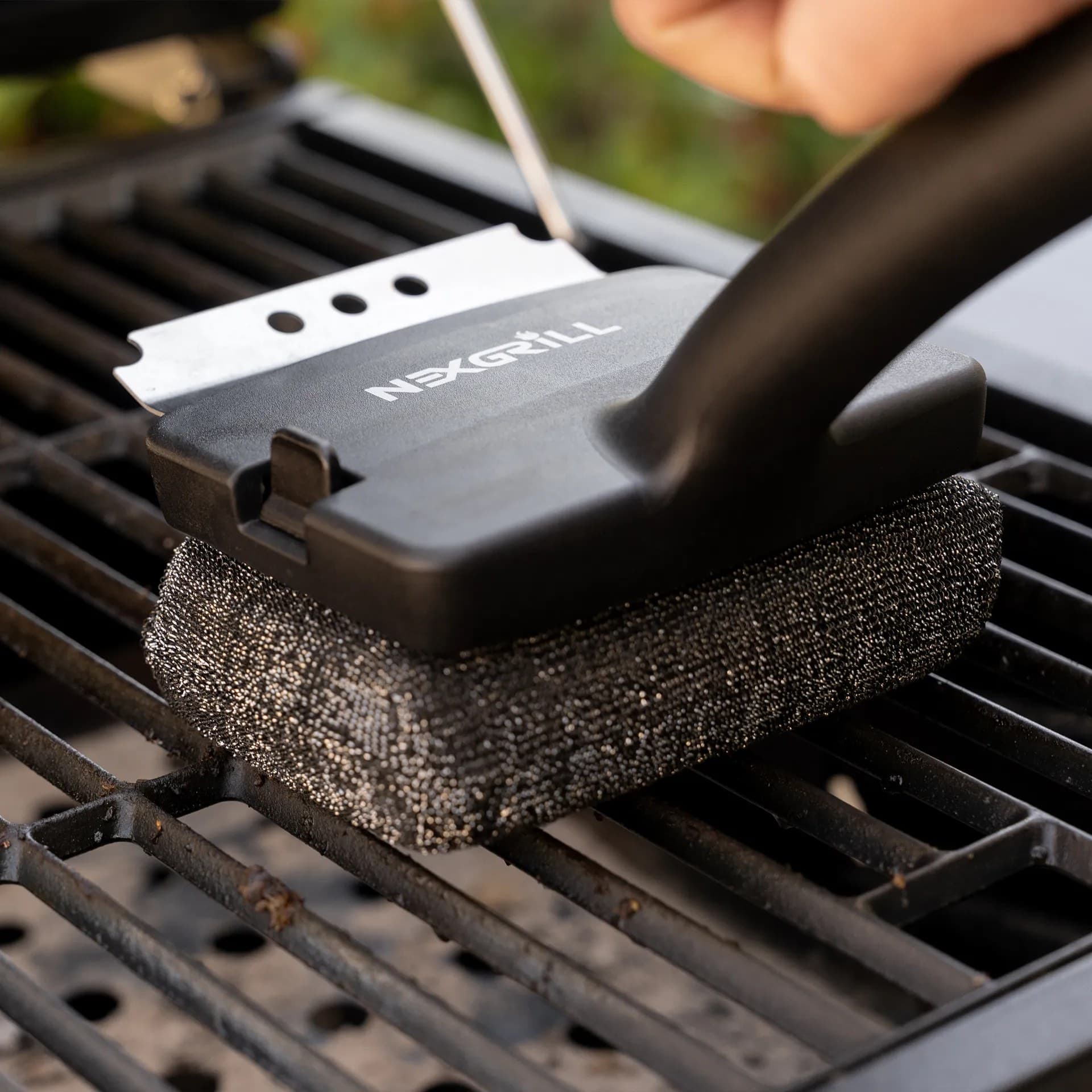
After every cook: let the grill cool, vacuum the fire pot and ash tray, scrape the grates, and empty the hopper if humidity is above 60%. Once a month, check the auger for pellet dust buildup and wipe the temperature probe with a damp cloth. This routine prevents the two most common failures - flame-outs and auger jams - and keeps your burn rate predictable.