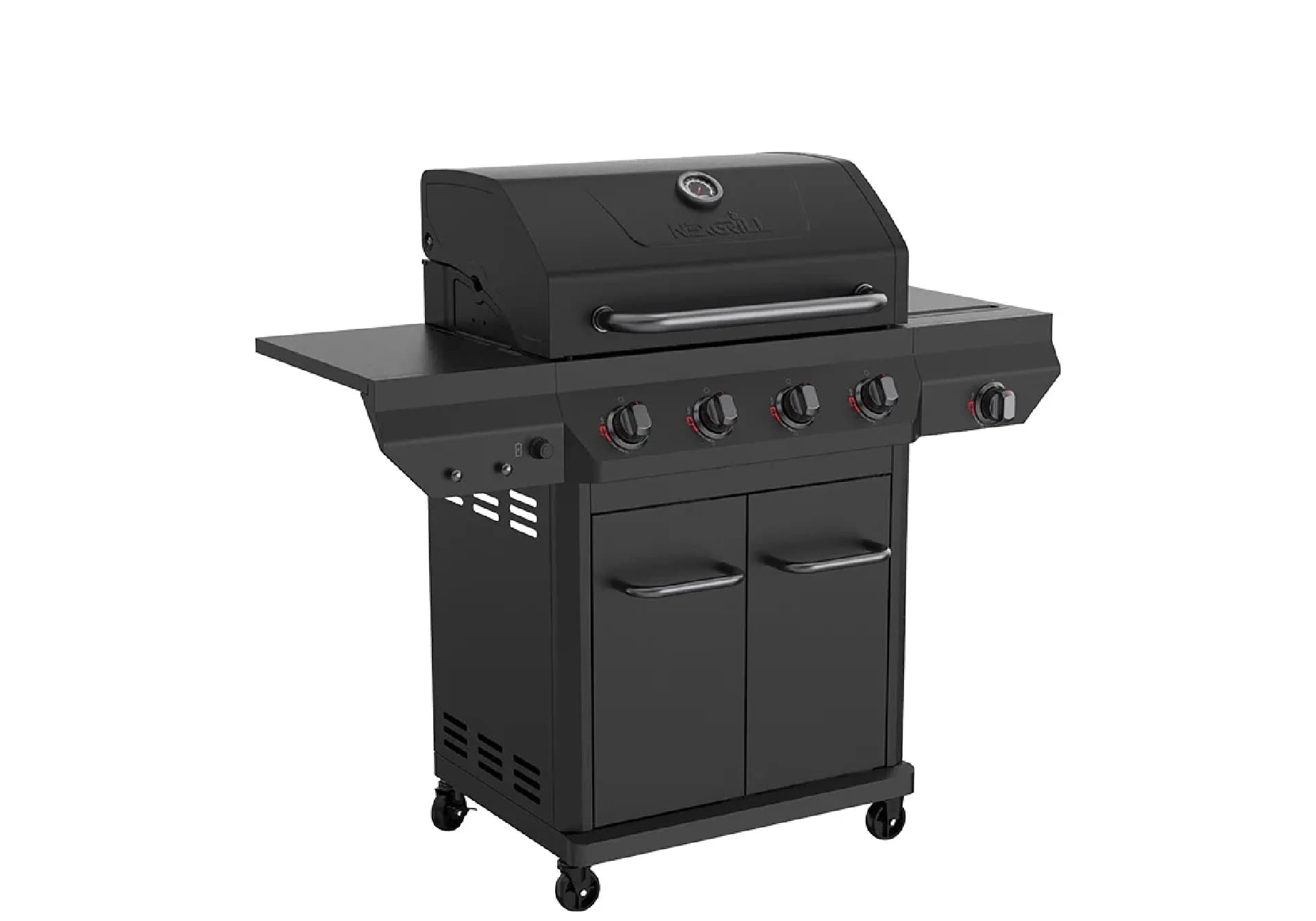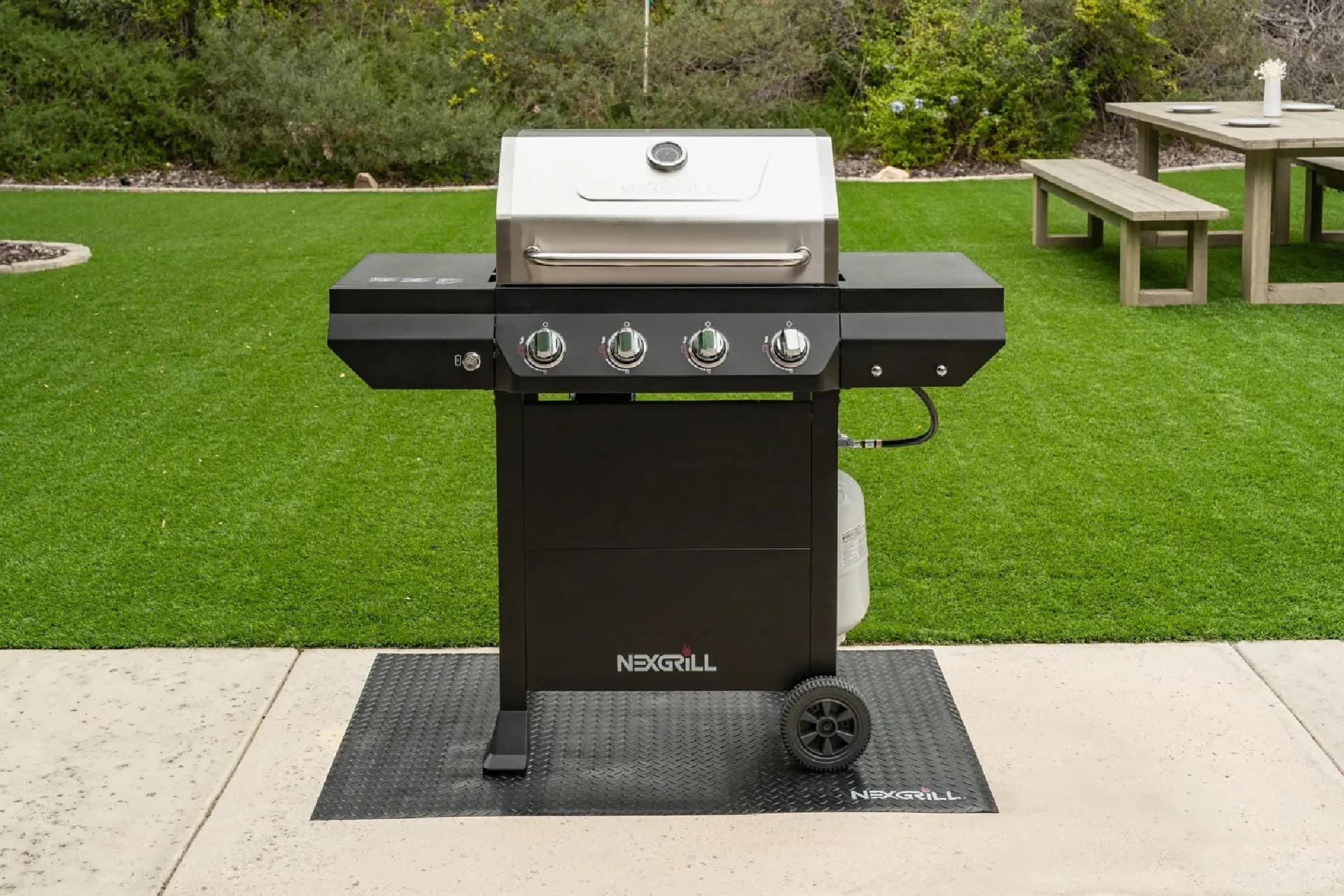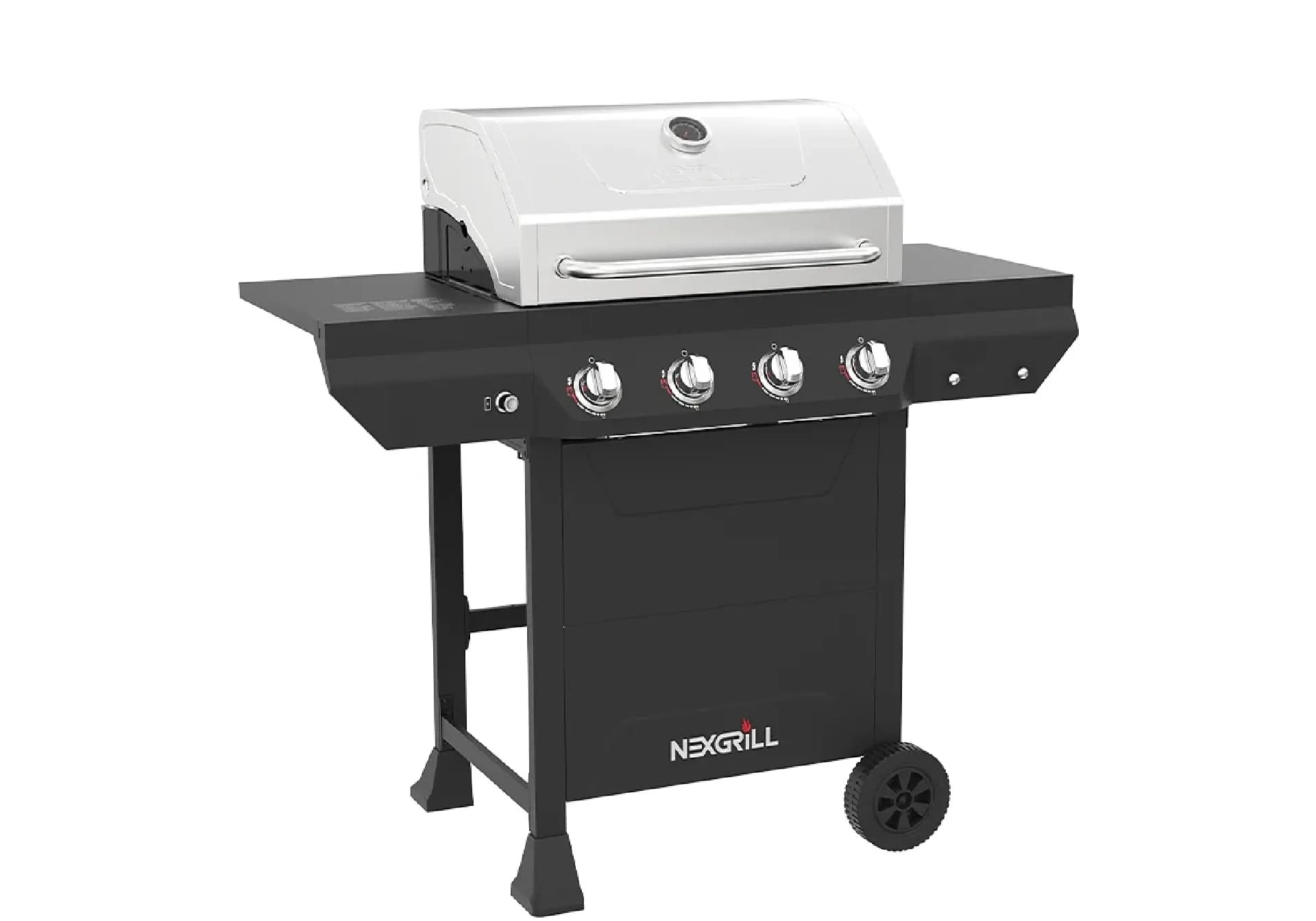
Nexgrill Neevo 720 Plus Review: Is the 'Plus' Upgrade Actually Worth It?
A practical how-to for evaluating the premium version of a Nexgrill gas grill - verify what you're really paying for before you buy or negotiate.
In This Article
Verify Before You Value
Build a Spec Delta Table
Decide Buy, Negotiate, or Pass
Nexgrill Neevo 720 Plus Review: What This Guide Can (and Can't) Tell You
Here is the honest starting point: as of this writing, "Neevo 720 Plus" does not appear as a documented model string on Nexgrill's product pages or on major U.S. retail listings. That fact alone makes a conventional spec-sheet review impossible to write truthfully. What we can do - and what this guide actually delivers - is teach you how to verify the grill you are about to buy, figure out whether the "Plus" in the name corresponds to anything real, and decide whether any upgrade premium is justified before money changes hands.
Frame this as a due-diligence workflow rather than a buying recommendation. Nexgrill has been building outdoor cooking equipment since 1993, is headquartered in California, and is one of the grill brands routinely stocked at Home Depot, so the odds are decent that a listing with a "Neevo" name is either a genuine Nexgrill model sold under a retailer-specific label, a marketplace seller's rebadged unit, or a listing built by someone who typed the name loosely. Your job is to tell which of those three you're looking at.
A model name that returns zero hits from the brand and zero hits from major retailers is a data point, not proof of fraud. Treat it as a signal to slow down and verify, not as a reason to panic.
Before You Decide the 'Plus' Is Worth It: Four Things to Gather in Ten Minutes
The entire evaluation collapses if you're working from a thumbnail photo. Collect these four items before you start comparing anything:
- A photo of the rating plate. On gas grills this is typically a metal label on the back of the firebox or inside the cabinet door. It carries the model string, serial number, gas type, and often the year of manufacture.
- The exact retailer URL or receipt. Copy the product title character-for-character. Marketplace listings frequently append words like "Plus" or "Pro" that never appear on the box.
- A tape measure. Primary cooking area and lid dimensions let you sanity-check claims against the physical unit in front of you.
- The fuel type. Propane and natural gas versions of the same grill often carry different suffixes. Getting this wrong is an expensive and sometimes unsafe mistake.
Step 1 - Pin Down the Exact Model String and Where 'Plus' Appears on the Grill
Write the full string down, including every character. If the listing says "Neevo 720 Plus" but the rating plate says something like "720-XXXX" with no "Plus" anywhere, you have discovered that the word is a retailer's descriptor rather than part of the manufacturer's model identity. That distinction matters enormously, because parts lookups and manual downloads run on the plate string, not the marketing name.
Then ask a second question: where does "Plus" physically appear? Look on the box, the badge on the lid, and the manual cover. If the word exists only in the retailer's web copy, treat it as decorative.
Step 2 - Cross-Check the Retailer Listing Against the Brand Manual and Parts Pages
Run the exact plate string through Nexgrill's model and parts lookup entry point and through the full product catalogue. Three outcomes are possible, and each tells you something different:
| Lookup result | What it likely means | Your next move |
|---|---|---|
| Plate string found, manual available | Genuine documented model; "Plus" may be a retailer label | Download the manual and diff the spec table against the listing |
| Plate string not found, but model family is | Possible discontinued unit, regional SKU, or seller relabel | Contact support with the plate photo before committing |
| Neither string nor family found | Unverified identity; parts availability is a real risk | Negotiate hard, or walk away |
If support needs to confirm parts availability, the contact channel is the fastest route. Asking one specific question - "do you stock burner tubes and heat tents for this exact plate string?" - gets you a far more useful answer than a general product inquiry.
Step 3 - Build a Base-vs-Plus Spec Delta Table (What Actually Changes)
Populate a two-column table from the manual and the listing, not from memory. Leave cells blank rather than guessing; a blank you later fill with a verified figure is worth more than a confident number you invented.
| Feature | Base unit | 'Plus' unit | Verified? (Y/N) |
|---|---|---|---|
| Side burner | Absent | Present | Photo + manual |
| Cabinet vs. open cart | Open cart | Enclosed cabinet | Photo |
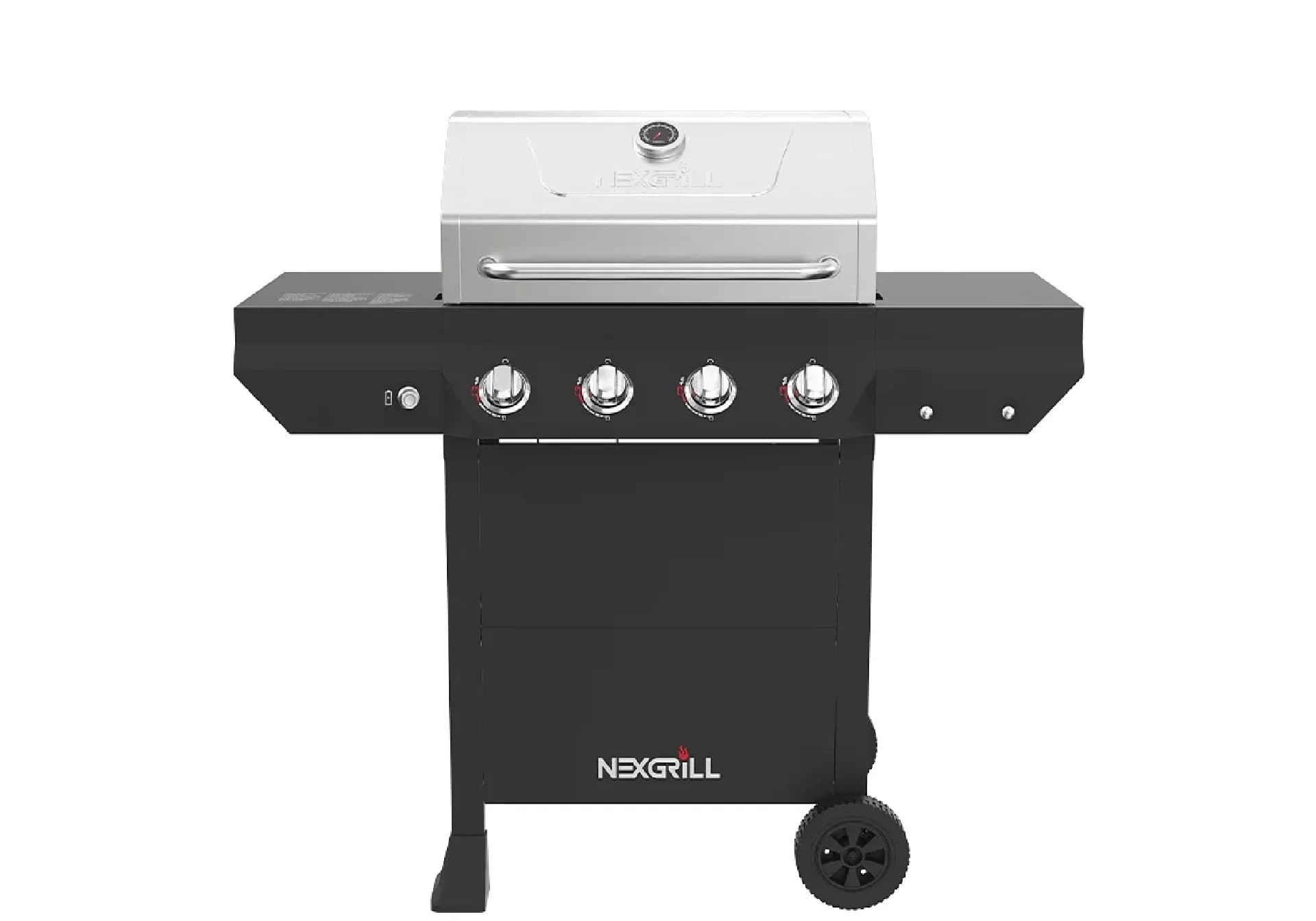
| Lid material | Painted steel | Stainless | Magnet test |
| Cover included | No | Yes | Box contents list |
A cheap magnet confirms a stainless claim in two seconds: quality stainless is essentially non-magnetic, while painted steel grabs firmly. That single trick deflates a surprising number of upgrade premiums.
Step 4 - Put a Dollar Value on Each Upgrade Using a Simple Per-Feature Test
For each verified difference, estimate what it would cost you to add that feature yourself, in USD, bought as a standalone accessory. These are estimates, not quoted prices, but the order of magnitude is what matters:
| Upgrade | Standalone value (est. USD) | Would you actually buy it separately? |
|---|---|---|
| Fitted cover | $40-$80 | Almost always yes |
| Side burner | Difficult to retrofit | Yes if you cook sides outdoors |
| Stainless lid | Cannot retrofit | Only for climate durability |
| Enclosed cabinet | Cannot retrofit | Matters only if visual tidiness is your priority |
Add up your standalone values. If the "Plus" premium is smaller than that total, the upgrade is rational on arithmetic alone. If the premium is larger, you're being charged for a badge.
Now put two candidates against each other. Try comparing two products side by side below to see which fits best:
Once You've Weighed Two Options Against Each Other, Here's What Else Matters
The comparison tool gives you a shortlist. It doesn't tell you whether the person selling it took care of it, whether the layout suits the way you actually cook, or whether the word "Plus" was ever printed on anything Nexgrill made. Those remaining questions decide whether you'll be happy in year three, not just on delivery day.
The Four Mistakes That Sink a 'Neevo 720 Plus' Purchase (and How to Avoid Each)
These are the specific traps that turn an ambiguous model name into an expensive lesson:
- Paying a premium for features nobody can verify. If a seller charges more for "Plus" but can't point to a single named difference, the premium is fiction. Demand a feature list in writing.
- Assuming the badge means better internals. On most gas grills, upgraded trims change accessories and cosmetics - a cover, a cabinet door, a stainless lid - far more often than burner tubes or firebox gauge. Ask directly whether the burners differ.
- Trusting listing photos over the rating plate. Sellers reuse stock images from other models all the time. The plate on the actual unit is the only source that counts.
- Skipping the leak test and burner inspection on used units. A pre-owned grill must be proved safe before its first cook. Run a soapy-water test on every connection and inspect each burner tube with a flashlight for blockages and corrosion.
A used grill with an unverifiable model name is a parts-availability gamble. Before paying, confirm that at least burner tubes, heat tents, and a replacement igniter are purchasable for that exact plate string.
How the 'Plus' Premium Compares to Buying Base + Accessories Separately
Run the economics both ways on paper. Say a base grill and a bumper "Plus" edition are $120 apart. If the Plus adds a fitted cover you'd otherwise buy for roughly $60 and a side burner you value at $80, you're ahead. If it adds a cabinet door and a badge, you're paying $120 for cabinetry - which may be fine, but you should call it what it is.
The reverse calculation is just as useful. If you can buy the base unit and a cover for less than the Plus asks, and you don't need the side burner, the Plus premium is pure loss. Retailers know shoppers default to the higher-priced variant when the differences are vague, so vague is often intentional.
What a 'Plus' Badge Rarely Tells You About Burners, Grates, and Build Quality
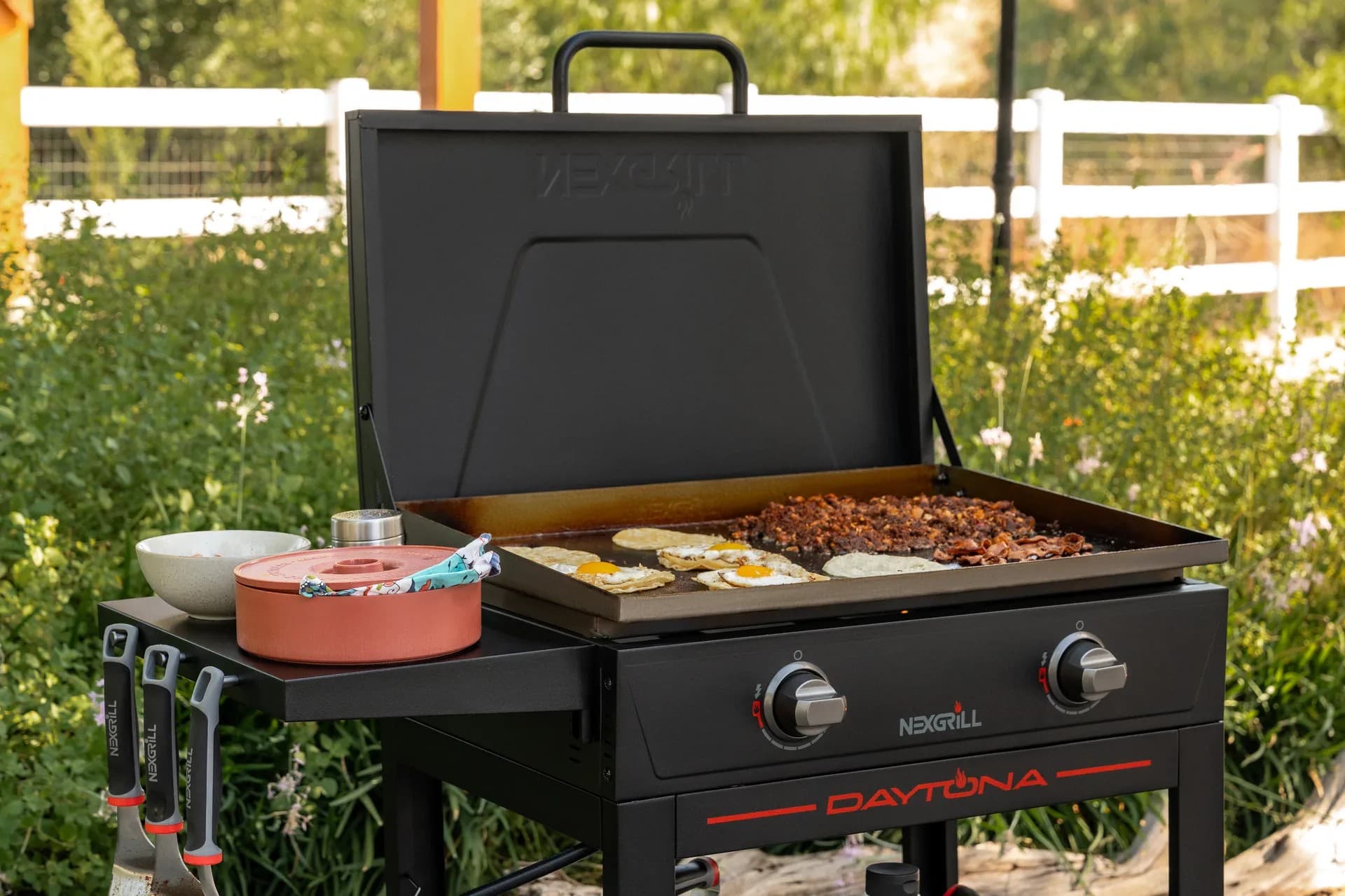
Across the category, trim suffixes are overwhelmingly about packaging rather than cooking performance. For context on what genuinely differentiated models look like, Nexgrill's documented ranges - such as the Daytona griddle line or the Oakford pellet smokers - carry distinct product identities and published feature sets rather than a vague "Plus." Use those as your reference point for what a real, documented model looks like, not as evidence about a Neevo 720 Plus.
Three physical checks cut through trim marketing in under five minutes:
- Burner weight and material. Stainless burners usually outlast stamped steel. Lift the grates and look.
- Grate construction. Cast iron holds heat well but rusts if neglected; heavier gauge stainless is lower-maintenance.
- Firebox seams and welds. Run a finger along the edges. Gaps and rough welds predict early rust far better than any badge.
For broader safety and fuel-efficiency context that applies to any propane grill you're evaluating, the U.S. Consumer Product Safety Commission publishes recall notices and grilling safety guidance worth a two-minute scan before you buy used equipment.
A Quick Pre-Purchase Checklist for Any 'Plus' Gas Grill
Work through this list before payment, whether the grill is new in box or listed on a marketplace:
| Check | Pass condition |
|---|---|
| Rating plate photographed | Full model string legible |
| Model found in brand lookup | Manual or parts list available |
| 'Plus' differences named | At least one verifiable feature |
| Magnet test on lid | Stainless claim holds |
| Leak test (used units) | No bubbles at any connection |
| Per-feature value math | Premium under standalone total |
If three or more rows fail, negotiate or pass. The grill market is deep enough that patience beats a gamble on an unverifiable badge. If you want to see how Nexgrill itself frames its product line and history, the about page is a reasonable starting point.