Nexgrill 820-0033 Review: Your Portable Grilling Companion
A detailed look at the features, performance, and user experiences of the Nexgrill 820-0033.
In This Article
Compact and Portable
Strong Cooking Performance
User Feedback Insights
Understanding the Nexgrill 820-0033
The Nexgrill 820-0033 is best understood as a grab-and-go tabletop propane grill built for short trips, small patios, and no-fuss outdoor meals. Nexgrill’s own product page identifies it as a 2-burner table top gas grill, and the model is widely sold as a portable stainless steel propane grill through major retail channels such as The Home Depot . That makes it a useful option if you want a compact grill that can move from the backyard to the campsite without taking over your storage space.
For this review, portability is the key lens. A tabletop grill has to earn its keep by being easy to carry, simple to store, and quick to set up, because those are the moments when bigger cart-style grills become impractical. The 820-0033 is designed for that use case: tailgating, RV travel, lakeside weekends, and quick weeknight cooking on a small deck. It is not trying to be a built-in outdoor kitchen; it is trying to be the grill you can actually use when convenience matters most.
If your priority is mobility over maximum cooking area, this model deserves a closer look before you spend on a larger grill you may not want to haul around.
Key Features of the Nexgrill 820-0033
The headline feature is the two-burner layout, which gives you the flexibility to split the cooking surface into different heat zones instead of relying on one hot center. According to the product information surfaced in retail listings, the grill is rated at 16,000 BTUs overall, which is a practical output for a compact propane unit in this category . That level of power is enough for typical portable-grill tasks such as burgers, chicken breasts, sausages, vegetables, and quick-searing smaller cuts of meat.
The stainless steel construction also matters. On a portable grill, you usually want a body that resists wear from travel, setup, and storage. Stainless steel does not make a grill indestructible, but it does help the unit look cleaner longer and makes it better suited to regular transport than painted surfaces that can chip more easily. For buyers comparing portable grills, that durability factor often matters as much as burner count.
| Feature | Why it matters | Practical takeaway |
|---|---|---|
| 2 burners | Lets you create more than one heat zone | Better control for mixed foods and smaller batches |
| 16,000 BTUs | Gives compact-grill heat without oversized fuel use | Well matched to travel and tabletop cooking |
| Stainless steel build | Improves resistance to outdoor wear | Useful for frequent pack-up and transport |
A meaningful heat level for a compact portable propane grill
Setting Up Your Portable Grill
Setting up the 820-0033 should be approached like a travel appliance, not a permanent patio fixture. Before first use, place it on a stable, level, non-combustible surface and keep enough clearance around the sides for airflow and safe operation. Because tabletop grills are usually used in temporary locations, the most common setup problem is not the grill itself but the environment around it: wobbly picnic tables, soft ground, or cramped tailgate setups can create avoidable frustration.
A practical first-use routine is simple. Inspect the burners, confirm the cooking grates are seated correctly, connect the propane supply according to the product instructions, and preheat the grill before loading food. Preheating matters more on compact grills than many people realize, because the smaller cooking cavity needs time to stabilize before it delivers even results. The goal is to let the grill come up to temperature so the first batch cooks like the second batch, not like a test run.
A simple setup checklist
- Use a flat, stable surface with good airflow.
- Check that the burners, knobs, and grates are properly seated.
- Connect the propane source securely before lighting.
- Preheat for several minutes before adding food.
- Keep a long-handled tool nearby so you can adjust food without crowding the flame zone.
Avoid setting a portable grill on folding tables that flex under weight or on surfaces close to vehicle traffic, tents, or loose gear.
Cooking Performance and Versatility
In use, the Nexgrill 820-0033 is best when you treat it as a focused cooking tool rather than a giant batch machine. Its two-burner layout lets you run one side hotter for searing and the other side lower for finishing or holding food warm. That matters when you are cooking burgers for a few people, keeping buns warm, or managing quick-cooking vegetables alongside protein. For camping and tailgating, this kind of flexibility is often more valuable than sheer grill width.
The 16,000 BTU rating is also a good fit for foods that reward direct heat. Think thin-cut chicken, sausages, kebabs, flank steak, corn, and skewered vegetables. It is less about feeding a crowd in one pass and more about giving you dependable heat where and when you need it. The real strength is convenience: it heats fast enough for casual outdoor cooking, and the portable format makes it easy to use in places where a larger grill would feel like overkill.
Try comparing two products side by side below to see which fits best:
User Experiences: Pros and Cons
Once you've weighed two options against each other, the next question is how the 820-0033 holds up in real ownership. User feedback tends to follow a familiar pattern for tabletop grills: strong marks for portability and quick cooking, with more mixed opinions on long-term durability. That split is not unusual. Portable grills are judged in two very different environments, and a model that works well for the campsite may still face complaints if it is stored outdoors year-round or used more aggressively than a compact unit was meant to handle.
The upside is easy to see. Owners who value quick startup, compact storage, and a small-footprint propane grill generally appreciate the 820-0033’s convenience. Retail listings and review aggregators indicate it has been around long enough to gather a broad set of user comments, including feedback collected through major retailers and Consumer Reports coverage . The more cautious feedback usually centers on expectations: some buyers want tabletop grills to behave like full-size backyard models, but a portable design naturally trades away capacity and sometimes perceived sturdiness in exchange for mobility.
| Common praise | Common concern | What it means for buyers |
|---|---|---|
| Easy to carry and store | Less rigid than a full-size cart grill | Best for travel and occasional use, not permanent outdoor exposure |
| Heats quickly for small meals | Smaller cooking area | Great for couples or small groups |
| Simple controls | Expectations can exceed price segment | Value improves when you buy for the right use case |
Maintenance Tips for Longevity
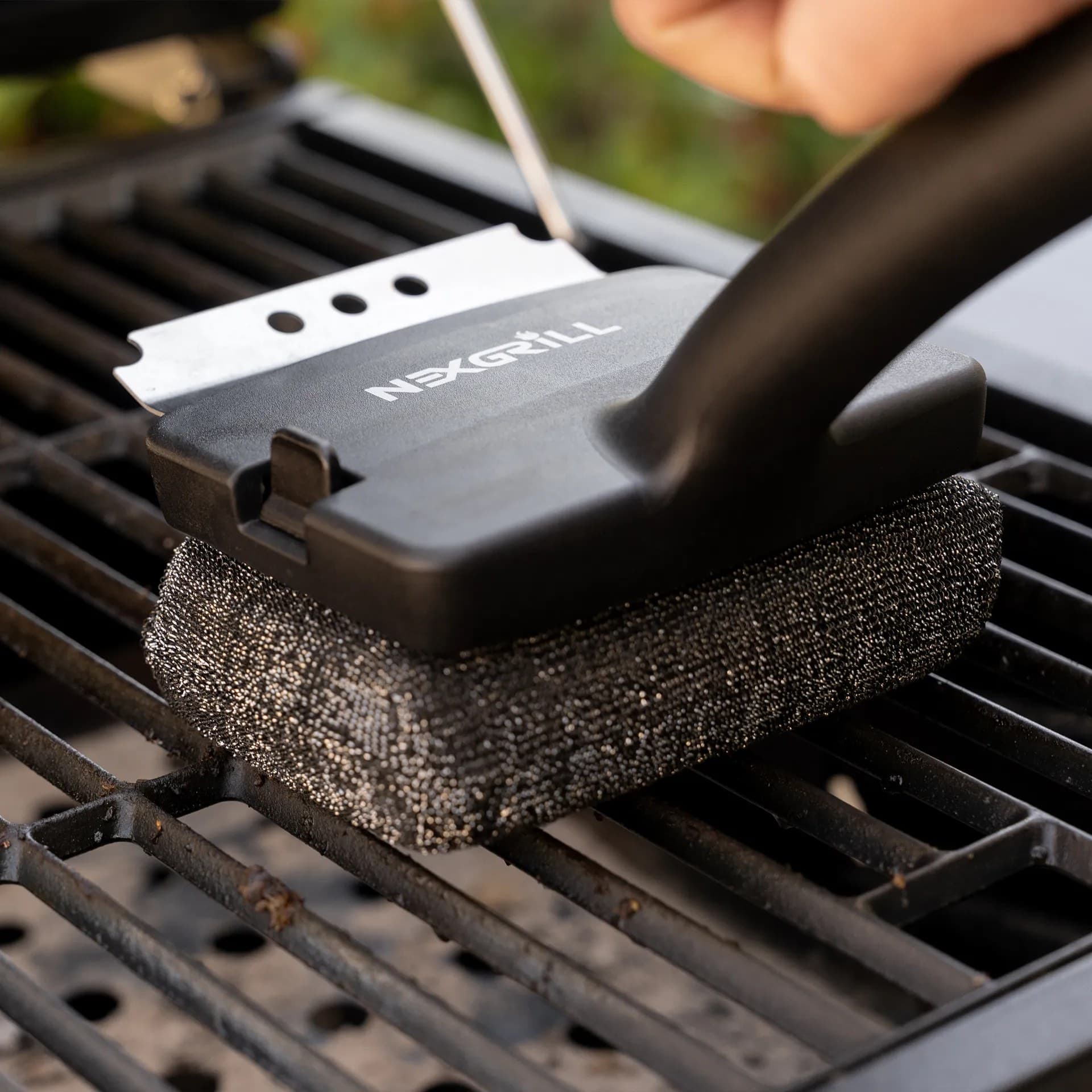
Maintenance is where a portable grill either stays dependable or becomes frustrating. After each cook, scrape the grates while they are still warm, empty residue from the bottom area once the grill has cooled, and wipe external surfaces so grease does not build up during transport or storage. This is especially important for a compact grill that gets moved between the garage, trunk, patio, and campsite. Small amounts of residue become bigger problems when the grill spends time in transit.
It also helps to protect the grill from moisture and road grime. If you pack it after tailgating or camping, let it cool fully before storage and use a cover or storage bag if you have one. Inspect the burners periodically for debris and make sure the ports are clear. Portable propane grills are easiest to keep in good shape when the cleanup routine is short enough that you actually do it after every use.
A five-minute cleanup after each cook usually prevents the kind of grime buildup that shortens the life of a compact grill.
Common Mistakes to Avoid
The biggest mistake with the 820-0033 is expecting full-size performance from a portable footprint. Overloading the grates, skipping preheat time, and cooking with the lid closed only part of the time can lead to uneven results. Another common issue is using an unstable surface. On a tabletop grill, a shaky base changes everything because heat, grease, and food all behave differently when the unit shifts even slightly.
A second mistake is underestimating cleanup. Compact grills can accumulate residue quickly because food is often cooked at higher heat and in smaller batches. If you do not remove grease and ash-like buildup between uses, airflow suffers and the grill becomes harder to control. Finally, some buyers overlook how often they will really use the grill. If you only grill at home, a larger patio model may offer better value. If you want something for travel, small gatherings, or occasional outdoor meals away from home, the 820-0033 makes far more sense.
Who is this for?
- Campers and tailgaters who need a compact propane grill that packs easily.
- Small households that cook simple meals for one to three people.
- Buyers who want an affordable second grill for travel or quick outdoor use.
Final Thoughts on the Nexgrill 820-0033
The Nexgrill 820-0033 makes sense when portability is the deciding factor. It offers a practical two-burner, 16,000-BTU setup in a compact stainless steel package, and that combination is well suited to travel-friendly cooking and smaller outdoor gatherings . If you need a grill that is easy to carry, fast to start, and capable of handling straightforward meals without occupying much space, this model fits the brief.
The mixed feedback around durability should be read as a reminder to match the grill to the mission. Treat it as a portable companion, keep it clean, and store it well, and it can be a convenient tool for many seasons of casual use. Treat it like a permanent backyard centerpiece, and the limitations of a compact unit may show up quickly. For buyers who want a travel-ready propane grill rather than a heavy-duty patio station, the 820-0033 remains an easy model to understand and evaluate.