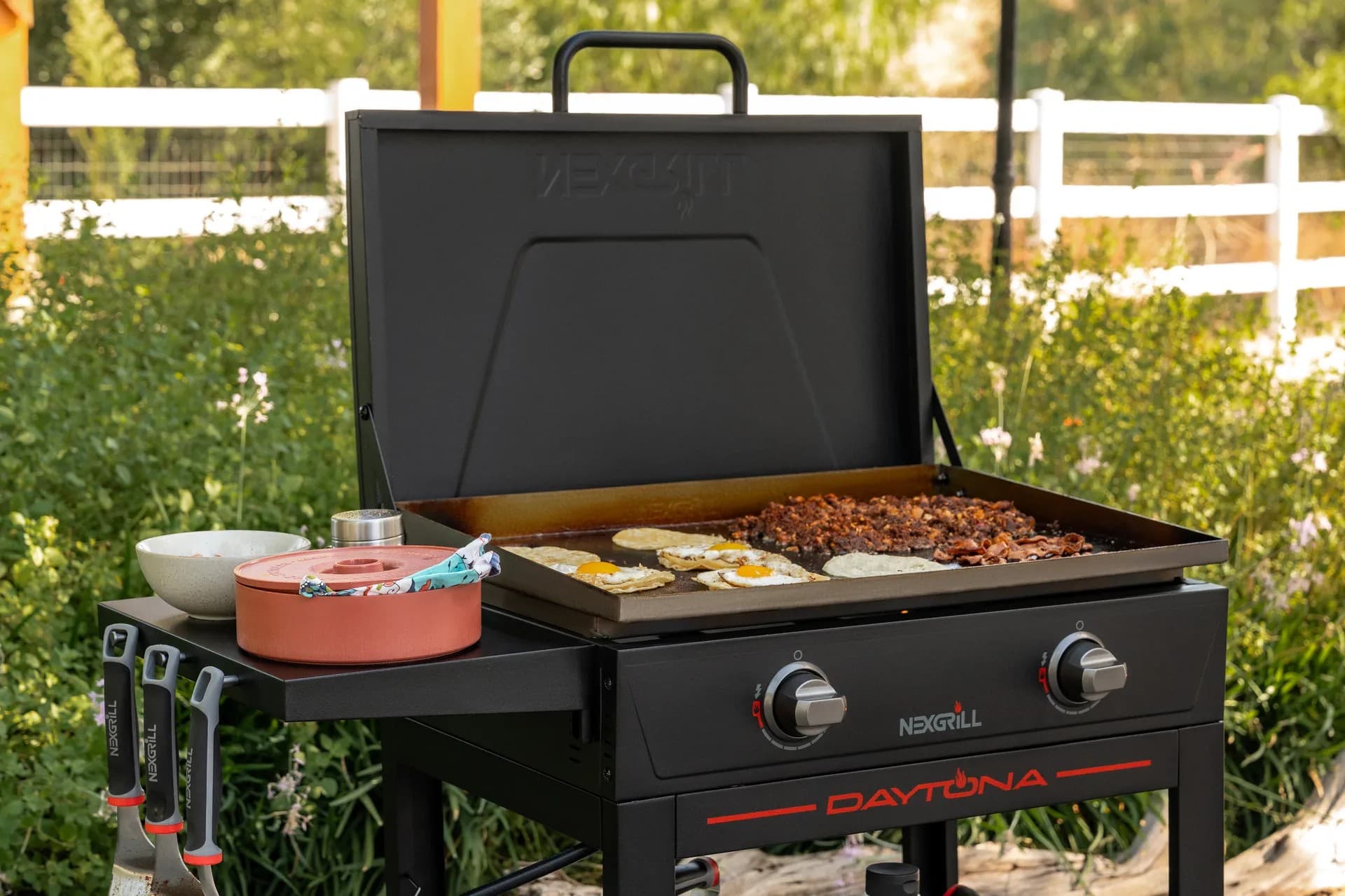
Nexgrill Fortress 2-Burner Review: Compact Power and Performance
An in-depth examination of the Nexgrill Fortress 2-Burner Gas Grill's features, usability, and value.
In This Article
Durable Construction
Efficient Cooking
Portable Design
Why Choose the Nexgrill Fortress 2-Burner?
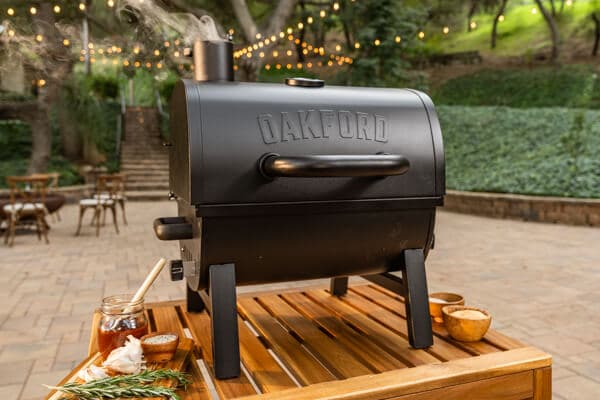
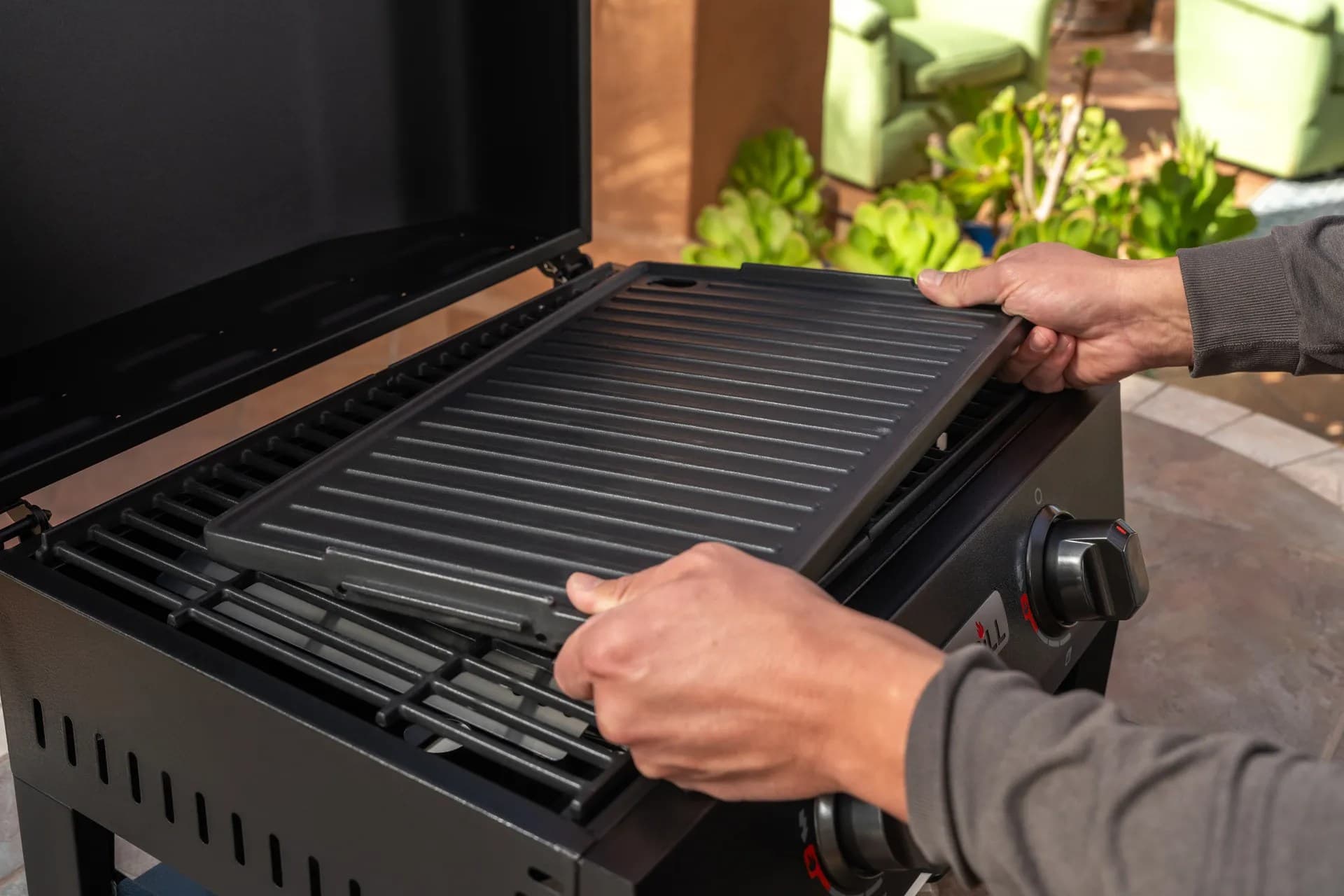
The Fortress 2-Burner makes sense for people who want a true gas grill without committing to a bulky backyard setup. It is built around a cast aluminum body, which matters because aluminum is naturally resistant to rust and easier to keep clean than many painted-steel portable grills. Nexgrill positions this model as a compact, transport-friendly cooker with two stainless steel burners and a Gourmet Plus cooking system, which gives it a practical balance of durability, heat control, and portability. Those are the three reasons shoppers usually end up considering it in the first place: they want a grill that can travel, they want dependable ignition and heat, and they want something that will not feel flimsy after a season or two of use. The product page confirms the cast aluminum construction and the gourmet-oriented cooking system, making the Fortress a more serious tabletop option than a basic camp grill.
If you grill in more than one place, portability is not a bonus feature; it is part of the buying decision. The Fortress is designed to move with you.
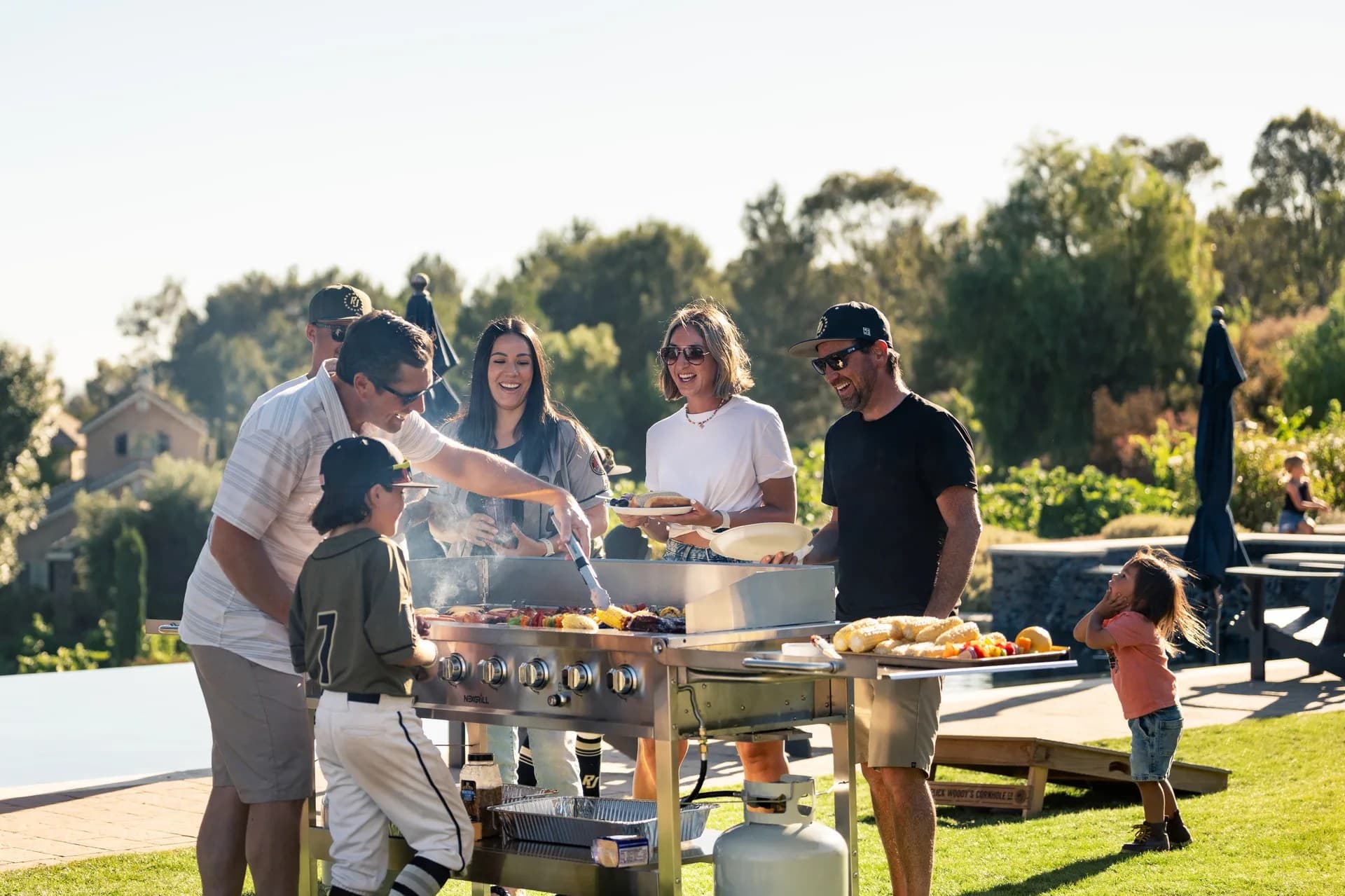
In practical terms, the Fortress is best for smaller households, tailgaters, RV users, apartment patios with gas-grill permission, and anyone who prefers quick setup over a full cart-style grill. Because it uses two burners, it also suits cooks who like to separate direct heat from a cooler zone. That matters for burgers, chicken thighs, sausages, vegetables, and fish, where a second temperature zone helps you avoid flare-ups and overcooking. A compact grill with real zone control is often more useful than a bigger single-zone model that looks impressive but cooks less flexibly. Nexgrill’s broader brand messaging emphasizes accessible, everyday grilling for different households, and that fits the Fortress’ role very well: it is not about complexity, it is about useful cooking in a smaller footprint.
Key Features of the Fortress 2-Burner
A good review should focus on what changes the cooking experience, not just on specs. On the Fortress, the headline features are the cast aluminum body, two stainless steel burners, and a compact footprint built for transport. Cast aluminum is useful because it gives the grill a sturdy feel while keeping it lighter than many full-size steel grills. Stainless burners are important because they are the parts that do the hard work every time you light the grill, and stainless construction generally gives owners a better chance of long-term, low-hassle use. The Nexgrill product listing also shows that this model is part of a cooking-system approach rather than a barebones box, which suggests a more thoughtful layout for food prep and heat management.
| Feature | Why it matters | Best use case |
|---|---|---|
| Cast aluminum body | Helps resist corrosion and keeps the grill manageable to move. | Travel, tailgating, smaller storage spaces |
| Two stainless steel burners | Supports separate heat zones and better temperature control. | Direct grilling plus a cooler holding zone |
| Portable format | Makes it easier to pack, store, and set up quickly. | Camping trips, patios, weekend events |
One thing to appreciate about a smaller grill like this is that it encourages discipline. You are less likely to overfill the grates, and that usually improves results. With limited space, preheating becomes more important, arranging food in zones becomes more important, and keeping the lid closed between checks becomes more important. In other words, the Fortress rewards cooks who want simple controls and a direct relationship between burner output and food temperature. That makes it a good bridge between beginner-friendly and experienced-user-friendly grilling.
Enough to create a hot side and a holding side on a compact grill
Setting Up Your Nexgrill Fortress
Before the first cook, the smartest setup approach is to treat the Fortress like a portable appliance that still deserves a proper workspace. Start with a stable, level surface that can handle heat and grease, and make sure you have enough side clearance for the lid, food tools, and gas connection. For tabletop use, the surface should not wobble when you press on the cooking grate or open the lid. If you are taking it on the road, inspect the carry path too: a compact grill is only convenient if you can actually move it safely from the vehicle to the cooking area. Nexgrill’s brand materials emphasize bright, authentic, real-world outdoor cooking, and that is the right lens here: the setup should feel straightforward, not improvised.
Next, check the burners, igniter, and hose connection before lighting. This is not a dramatic step; it is just the habit that prevents most first-day frustration. Make sure the burner ports are clear, confirm that the knobs turn smoothly, and test the ignition sequence before loading food. If you are using the grill after transport, give it a quick visual inspection for loose fasteners or shifted components. Portable grills are often moved more than backyard grills, so they benefit from a short pre-cook checklist each time. That extra minute is usually what separates a smooth tailgate from a delayed dinner.
A portable grill should be checked like travel gear: fast visual inspection, secure gas connection, clean grates, then preheat.
For your first burn-in, run the grill empty for several minutes so any manufacturing residue can clear off. After that, lightly oil the grates and bring the cooking surface up to temperature before placing food on it. If you plan to cook delicate items like fish or vegetables, use that first session to learn how the burners behave. A two-burner grill is often more responsive than people expect, and the fastest way to understand it is to watch how quickly a low setting cools the grate and how long the metal holds heat after you turn it up. Try comparing two products side by side below to see which fits best:
How to Use the Fortress 2-Burner Effectively
Using the Fortress well is mostly about zone control and restraint. Heat one burner more aggressively for searing and keep the second burner lower for finishing or holding food. That layout is especially useful for bone-in chicken pieces, thicker pork chops, and any meal where the outside cooks faster than the inside. If you are grilling in a small batch, only fire the burners you need. Smaller grills often perform better when you avoid wasting heat across empty grate space. You will also get better browning if you let the grill preheat fully before the food goes on; rushing that step is one of the easiest ways to end up with pale grill marks and sticking food.
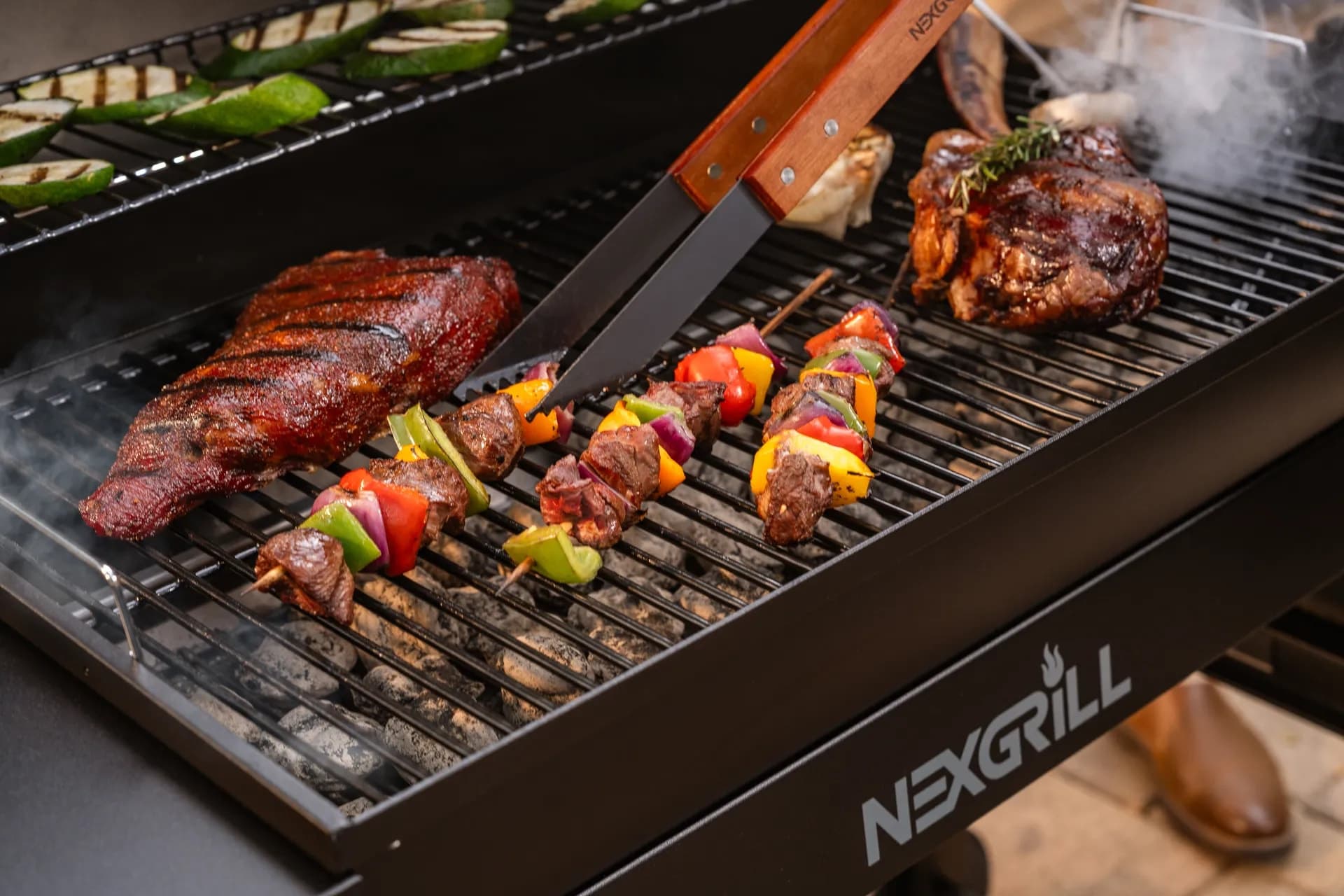
Because the Fortress is compact, it is also well suited to direct weeknight cooking. Think one-pan-like efficiency, but on a grill: a tray of chicken cutlets on one side, peppers on the other, and a quick finish on the cooler zone. For tailgating or camping, the best menu is usually foods that benefit from fast, high-heat cooking and do not require long unattended time. Burgers, brats, skewers, sliced zucchini, and halloumi are all good fits. If you want to use the grill for larger items, work in smaller batches rather than cramming the surface. A compact cooking area does not punish careful cooks; it punishes overcrowding. The more air and space around the food, the more predictable your results will be.
Do not confuse portable with casual. A smaller grill still needs preheating, temperature planning, and cleanup after every session.
Common Mistakes to Avoid When Using the Fortress
Once you have weighed the Fortress against other compact grills, the next step is avoiding the errors that make any portable grill feel underwhelming. The first mistake is skipping preheat time because the unit is small. A compact grill does warm up faster than a big patio model, but that does not mean it is ready the moment the flame is on. Give the grates time to stabilize so you get better sear marks and fewer sticking issues. The second mistake is using too much heat for too long. Two burners give you flexibility, but they can also create a hot chamber faster than expected. If you are cooking thinner foods, start lower than you think and build up instead of chasing char after the fact.
Another common issue is loading the grill as if it were full-size. People often place too many items on a portable grate, which blocks airflow and leads to uneven cooking. That is especially noticeable with vegetables and mixed foods, where one side may brown before the other is even hot. Keep enough space between items so heat can circulate. Also avoid constantly lifting the lid. Every open lid drops heat and extends cook time, and on a compact grill that heat loss is more noticeable because the cooking chamber is smaller. Finally, do not move the grill while it is hot or connected to gas. Portability is for setup and transport, not for mid-cook repositioning.
| Mistake | What happens | Better approach |
|---|---|---|
| Skipping preheat | Food sticks and browning is uneven. | Wait for stable grate heat before cooking. |
| Overcrowding the grate | Steam builds and food cooks unevenly. | Cook in batches with spacing between pieces. |
| Using only max heat | Outside burns before inside finishes. | Use one hot zone and one medium zone. |
Maintenance Tips for Longevity
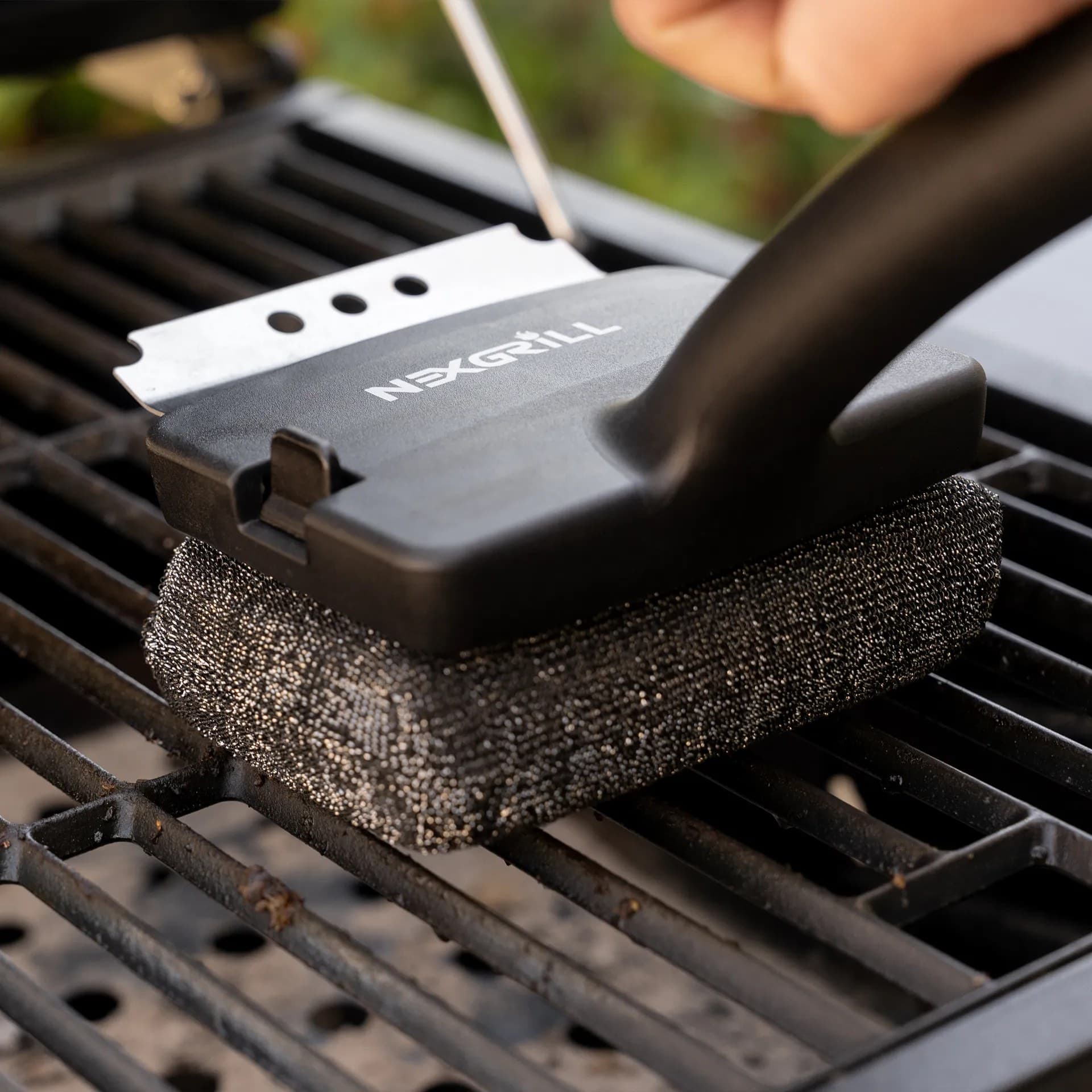
The Fortress should be cleaned with the same rhythm you use to cook on it. After each session, brush the grates while they are still warm, then let the grill cool before emptying grease and wiping exposed surfaces. Because cast aluminum resists rust better than many painted materials, you are already starting with a practical advantage, but that does not remove the need for routine care. Grease buildup, food residue, and leftover moisture will wear any grill down over time if they are ignored. The point of maintenance on a portable unit is not to make it perfect; it is to keep it ready.
Pay special attention to the burner openings and ignition path. Portable grills often spend time in cars, garages, and storage bins, where dust and debris can collect more quickly than on a fixed backyard unit. Before your next cook, make sure the burner ports are clear and the ignition behaves consistently. If the grill has been stored for a while, do a quick visual inspection for corrosion on hardware, a cracked hose, or grease that hardened around moving parts. Storing it dry and covered will do more for longevity than any single deep-clean session. If you expect to transport it often, use a protective cover or case so the knobs, lid edges, and fittings are not taking constant knocks.
The easiest way to preserve a portable grill is to clean it lightly every time, then store it dry and protected.
Nexgrill’s product ecosystem and brand positioning emphasize approachable outdoor cooking that still feels dependable, and that is the right standard for maintenance too: simple routines done consistently. You do not need a complicated service plan. You need a repeatable habit. Clean after cooking, inspect before lighting, and store it where weather cannot reach it.
Final Thoughts: Is the Fortress 2-Burner Right for You?
The Fortress 2-Burner is right for cooks who value portability without wanting to give up real gas-grill control. If you want a compact grill for patios, tailgates, camping trips, or occasional weeknight meals, this model has a clear appeal. The cast aluminum build gives it a sturdier feel than many lightweight travel grills, and the two-burner layout gives you enough control to cook more than one type of food at a time. That combination makes it a smart option for people who cook in smaller spaces but still care about heat management and durability. Nexgrill’s own product page supports that positioning by highlighting the cast aluminum body and the Gourmet Plus system, which means this is meant to be more than a basic portable burner box.
Who should buy it? First, the frequent traveler or tailgater who wants better heat control than a single-burner portable grill can offer. Second, the apartment or condo cook who has limited space but still wants a proper gas grilling experience. Third, the practical griller who values easy cleanup and storage over oversized capacity. If your priority is feeding a very large crowd, a bigger backyard grill will be the better fit. If your priority is dependable small-format grilling that travels well and feels built for regular use, the Fortress deserves a close look. For more details on the exact product configuration, the Nexgrill product listing is the most direct reference point.