Unleashing the Flavor: A Comprehensive Guide to the Nexgrill 3-Burner Propane Gas Grill
Explore features, performance, and maintenance tips for the Nexgrill 3-Burner.
In This Article
Key Features
Competitor Comparison
Assembly Tips
Introduction to the Nexgrill 3-Burner Propane Gas Grill
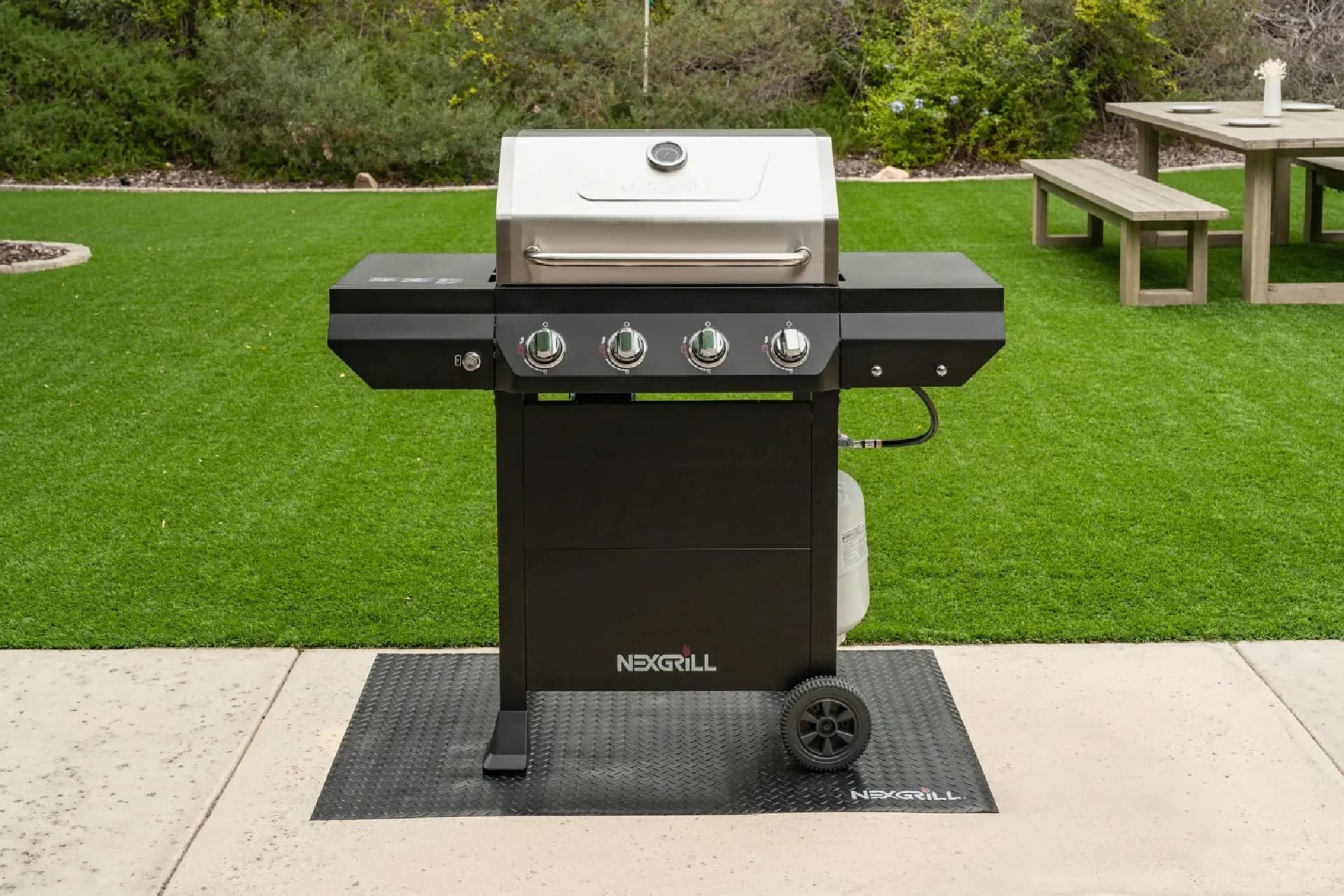
The Nexgrill 3-Burner Propane Gas Grill sits in a very practical sweet spot for U.S. backyard cooks: it is large enough to handle family meals, weeknight batch cooking, and casual weekend gatherings, but it is not so oversized that it becomes hard to place, heat, or maintain. That balance is one reason 3-burner propane grills remain one of the most searched categories in outdoor cooking. For many households, the real question is not whether a bigger grill exists, but whether the extra size would actually improve the way they cook. Nexgrill’s brand position reinforces that idea of accessible, dependable outdoor cooking for a wide range of users, from first-time owners to more experienced grillers who still care about value as much as performance .
This model is especially relevant if you want the convenience of propane, the flexibility of multiple heat zones, and a price point that does not feel out of reach. In real-world use, a 3-burner layout often becomes the most efficient setup for cooking protein on one side, vegetables in a cooler zone, and buns or sides on the third burner setting. That kind of practical zoning is what many users value more than dramatic BTU claims or flashy styling. The Nexgrill product line also reflects a broader brand focus on approachable outdoor cooking that welcomes both casual and enthusiastic grillers into the same experience .
For buyers comparing mid-size gas grills, the most useful question is not “how powerful is it?” but “how well does it fit the meals I actually cook most often?”
If you are shopping for a grill that can handle burgers for four on a Tuesday and chicken thighs for eight on Saturday, a three-burner propane model is usually easier to justify than a larger four- or six-burner footprint. It gives you enough flexibility to cook indirectly, sear, and keep food warm, while keeping fuel use and cleanup manageable. That matters for households that grill often enough to care about convenience, but not so often that they need a full-scale outdoor kitchen. The Nexgrill 3-Burner is designed for that kind of routine use, where reliability and straightforward operation matter more than professional-grade complexity.
In this guide, the focus is not just on features, but on what those features mean in daily cooking. We will look at cooking area, burner layout, materials, and the kind of ownership experience users tend to describe when they assemble and use the grill over time. The goal is to help you judge whether the Nexgrill 3-Burner Propane Gas Grill matches your space, budget, and cooking habits more closely than similar options from Weber or Char-Broil.
Key Features and Specifications
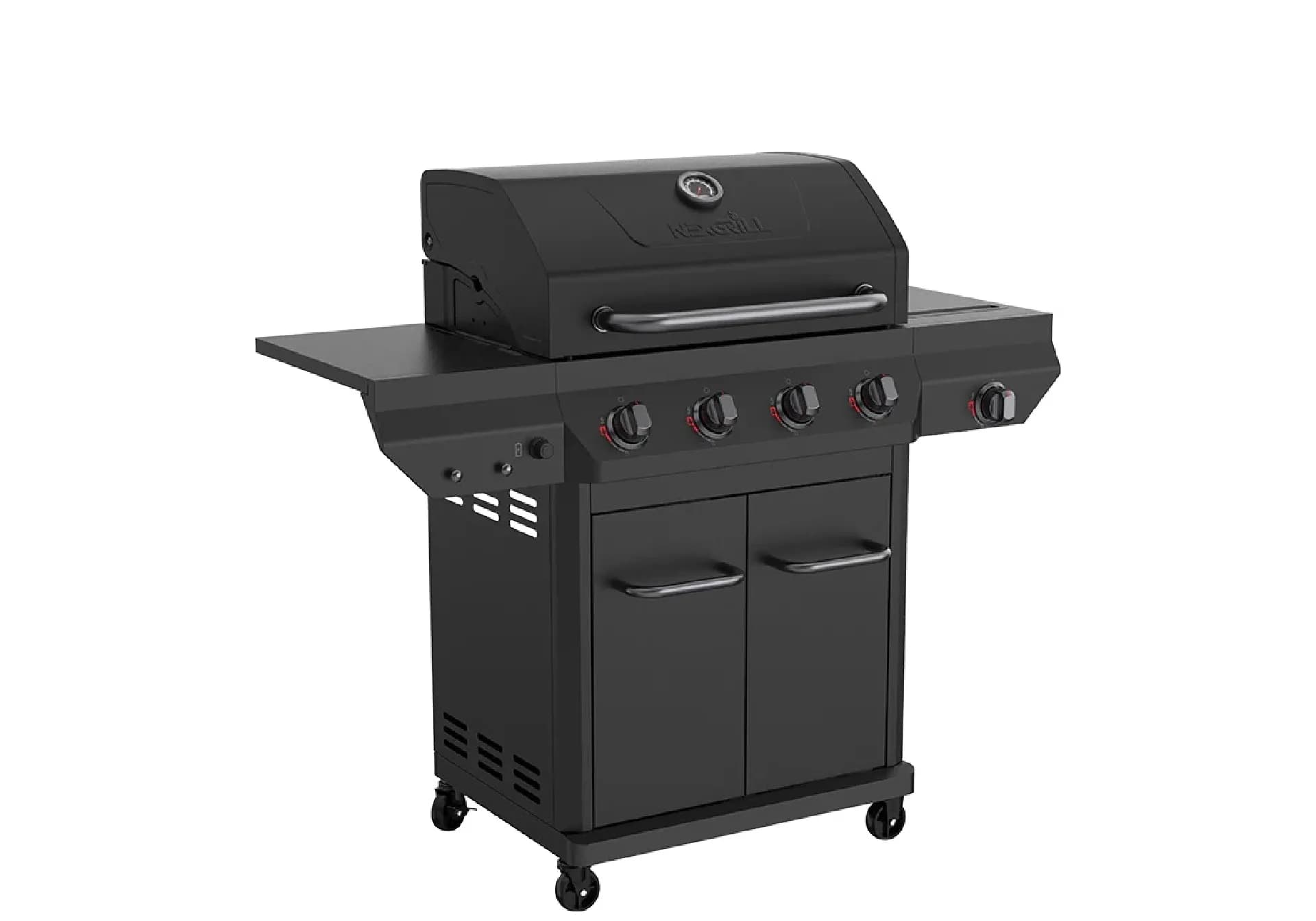
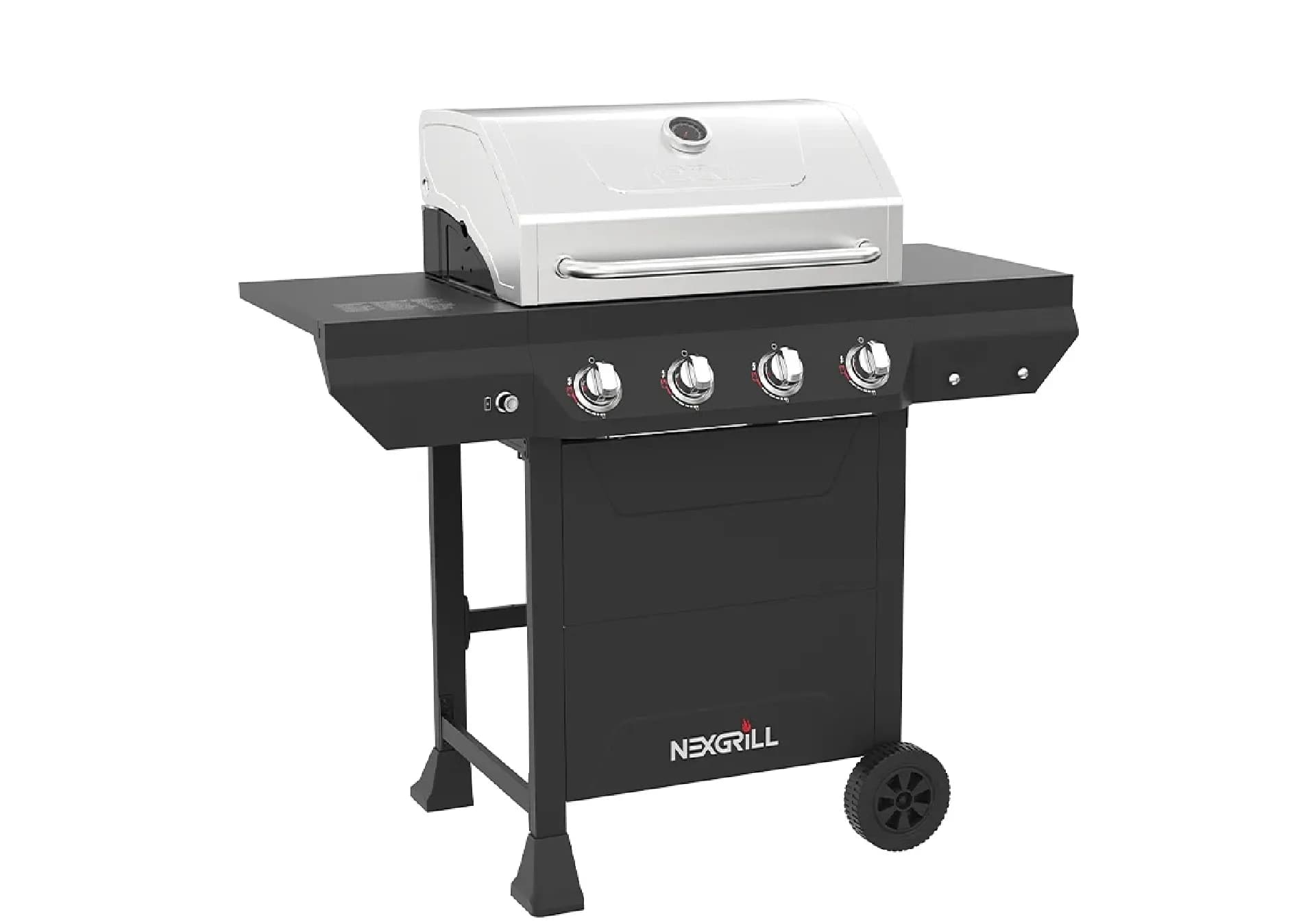
A good way to evaluate the Nexgrill 3-Burner Propane Gas Grill is to separate the visible features from the practical effects those features create. A three-burner layout usually matters more than a single headline number because it affects how many temperature zones you can create, how evenly you can manage different foods, and how easy it is to keep part of the grill warm while another section cooks hotter. The official product page should be treated as the source of record for exact measurements, finish details, and included components, because specifications can change by version or retailer listing .
| Spec area | Why it matters | What to check on the Nexgrill listing |
|---|---|---|
| Cooking surface | Determines how many portions fit at once. | Primary grate area and any warming rack space. |
| Burner count | Three burners enable zone cooking and better control. | Independent burner controls and ignition type. |
| Fuel type | Propane gives fast startup and easier placement. | Tank connection style and propane conversion details, if any. |
| Build materials | Affects heat retention, cleaning, and rust resistance. | Lid material, firebox finish, and grate material. |
| Side shelves | Helpful for prep, serving, and tongs or platters. | Shelf size, folding capability, and storage hooks. |
In this class of grill, the most meaningful spec is not always raw BTU output. Buyers often focus too heavily on BTUs because the number is easy to compare, but that number alone does not tell you whether the grill heats evenly or recovers well after the lid opens. What matters more is how the burners are spaced, how the firebox holds heat, and whether the grates and lid help stabilize temperature. That is why a well-built three-burner grill can often outperform a less thoughtfully designed model with a higher nominal output.
When comparing propane grills, avoid judging quality by BTUs alone. Heat distribution and control usually matter more than a single power figure.
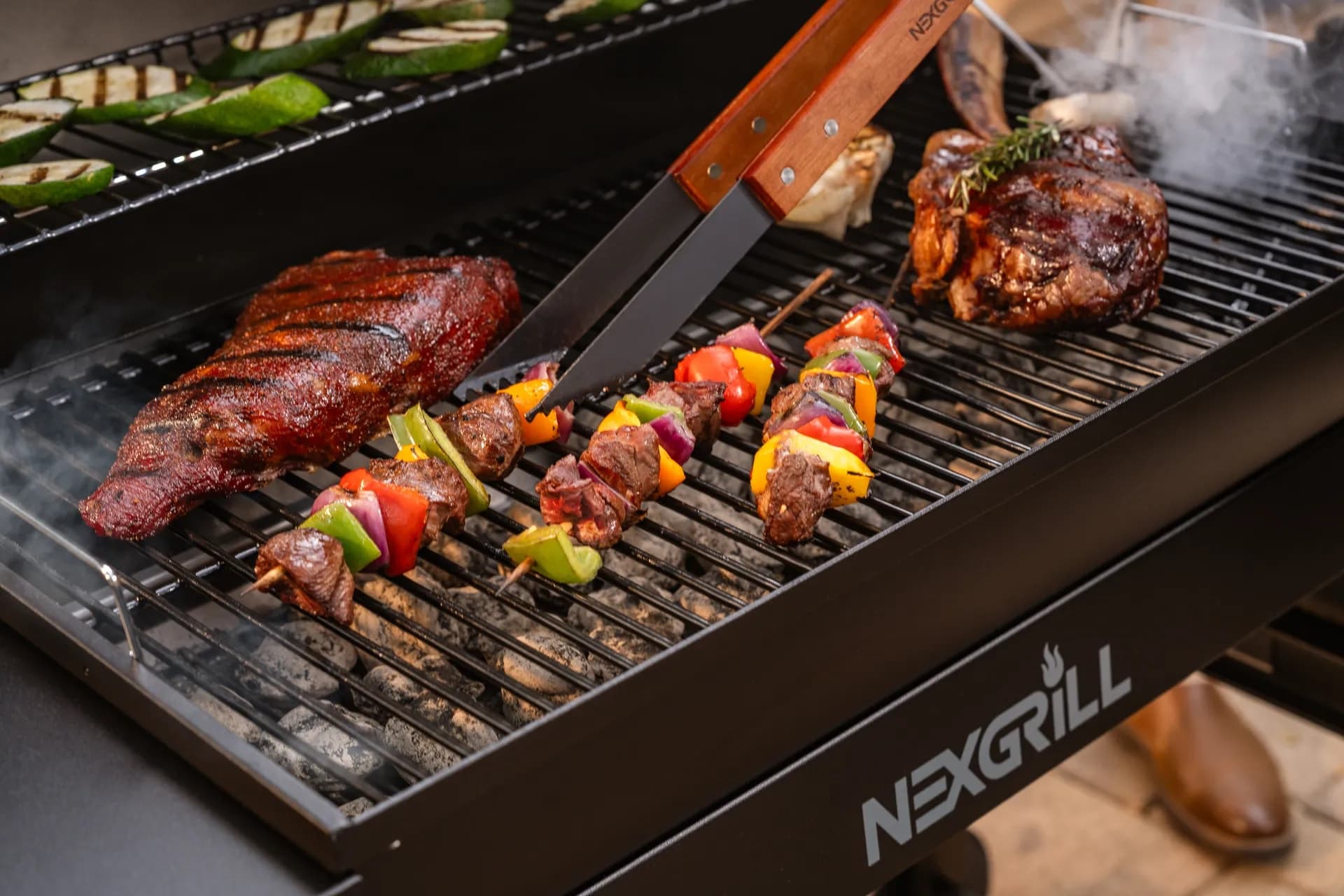
For households in the United States, the propane format also gives you a predictable ownership rhythm. Tank swaps are straightforward, startup is quick, and the grill can be moved more easily than a fixed natural-gas setup. That makes the Nexgrill 3-Burner a strong fit for renters, smaller patios, and families who want a capable grill without committing to a permanent installation. It also tends to suit cooks who want to do everything from searing steaks to roasting vegetables, because three burners create enough flexibility to manage direct and indirect heat.
Performance Analysis: User Reviews
User feedback on grills like the Nexgrill 3-Burner usually clusters around three themes: heat behavior, ease of use, and how the grill feels after a few months of ownership rather than on day one. The strongest praise typically comes from users who want a dependable weekday grill that preheats quickly and handles common tasks such as burgers, chicken, sausages, vegetables, and foil-pack sides with minimal fuss. That is exactly the kind of cooking propane models are good at, and it is a large part of why the category remains popular in the U.S. market. Nexgrill’s own brand language emphasizes approachable, dependable outdoor cooking, which aligns well with the way many buyers describe satisfaction: easy to start, easy to understand, and practical for regular family use .
Positive reviews often mention that a three-burner grill feels “just right” for households of two to six people. The reasons are simple. You can warm one side for buns or vegetables while searing on the other, and you can still leave enough room to move food around if flare-ups happen. Users also tend to value the straightforward control layout because it reduces the learning curve. For someone upgrading from a compact two-burner grill, the added flexibility is noticeable immediately. For someone downsizing from a larger unit, the easier fuel management can be a relief.
The most common criticisms in user feedback on grills in this price band are also predictable. Some owners point to assembly time, thinner sheet metal than premium competitors, or grates and cabinet components that require more careful cleaning to avoid wear. That does not automatically make the grill a bad purchase. It usually means the buyer should expect value-oriented trade-offs: a lower entry price and more accessible feature set in exchange for a little less heft or refinement than a premium stainless-steel model. In practical terms, buyers who keep the grill covered, clean the grates regularly, and avoid leaving grease to accumulate tend to report a much better ownership experience than users who treat it like a set-it-and-forget-it appliance.
Usually the most useful size for everyday family grilling because it supports multiple heat zones without overcomplicating cleanup.
If you are reading reviews carefully, pay attention to whether a reviewer is talking about expectations or actual usage. A buyer expecting restaurant-grade steel at a mid-market price will likely be disappointed by almost any grill in this category. A buyer expecting solid weeknight performance, sensible size, and easy propane convenience is more likely to feel that the Nexgrill 3-Burner delivers real value. That difference in expectation explains a lot of review spread.
Comparative Analysis with Other Brands
Comparing the Nexgrill 3-Burner Propane Gas Grill with Weber and Char-Broil is useful because these brands often appear in the same shopping consideration set, but they do not always solve the same problem. Weber, especially the Genesis line, is generally positioned as a more premium, durability-first choice with a more refined ownership experience and a higher price ceiling. The Weber Genesis II S-335 Smart Grill page shows a brand leaning into larger-scale feature integration and a premium retail presentation, which is helpful context when a shopper is deciding whether to spend more for a different ownership tier .
| Brand | Typical buyer expectation | Where Nexgrill stands |
|---|---|---|
| Nexgrill 3-Burner | Good value, practical size, everyday use. | Strong fit for budget-conscious cooks who still want full-size flexibility. |
| Weber Genesis | Premium build, refined heat control, higher resale confidence. | Usually less expensive, but not trying to match the same premium tier. |
| Char-Broil | Accessible pricing and broad entry-level selection. | Competitive on value, with Nexgrill often appealing to shoppers comparing feature mix and layout. |
Char-Broil, by contrast, is usually another value-conscious contender, and its homepage reflects the brand’s broad mainstream gas-grill presence. For many buyers, Char-Broil and Nexgrill are competing for the same shopper: someone who wants a capable grill, not a prestige appliance. The deciding factors then become details like cart design, shelf space, grill dimensions, grate material, ignition reliability, and how comfortable the shopper feels with the brand’s after-sale support and product ecosystem .
The most useful way to think about the comparison is this: Weber often wins when buyers want a longer-term premium feel and are willing to pay for it; Char-Broil often wins when the shopper wants a wide entry-level selection; Nexgrill can stand out when the buyer wants a balanced middle ground that feels practical without being barebones. That middle ground is important. Many households do not need a top-tier smart-grill ecosystem or oversized cook chamber. They need a grill that lights reliably, cooks evenly enough for mixed meals, and doesn’t dominate the patio. In that scenario, the Nexgrill 3-Burner earns attention because it addresses the actual use case rather than overbuilding for one.
Try comparing two products side by side below to see which fits best:
Pros and Cons Based on User Feedback
Once you have weighed the Nexgrill 3-Burner against a Weber or Char-Broil model, the next step is to look at what users consistently like and dislike after the grill has been in service for a while. That is often more revealing than first impressions. In the U.S. market, buyers of value-oriented propane grills tend to care about a narrow set of outcomes: does it ignite reliably, does it hold temperature, does it clean up without drama, and does it still feel worthwhile after the initial excitement wears off? The Nexgrill brand’s emphasis on accessible, dependable outdoor cooking lines up with these practical expectations .
| Area | What users tend to praise | What users may criticize |
|---|---|---|
| Cooking flexibility | Three burners support direct and indirect heat zones. | Not as expansive as a four- or six-burner layout. |
| Value | Feels fair for households that grill regularly. | Material refinement may trail premium brands. |
| Ease of use | Straightforward controls and propane convenience. | Assembly and initial setup can take patience. |
| Cleaning | Simple routine maintenance is usually manageable. | Grease management matters more if you cook fatty foods often. |
The main pro is versatility per dollar. A three-burner propane grill is one of the most practical formats for suburban patios, apartment decks with clearance, and small-to-medium backyards. It offers enough space for a family meal without creating the fuel inefficiency or storage burden of a larger unit. Another strength is ease of learning. If you are new to gas grilling, three burners are easier to understand than a grill with several specialized zones and extra accessories. You can learn how to set a hot side, a medium side, and a cooler rest zone without feeling overwhelmed.
A common trade-off in this category is that value-priced grills may need more attentive cleaning and cover use to stay in good shape over time.
The biggest con is usually not cooking performance itself, but the possibility that fit and finish are less refined than premium rivals. That can show up in cabinet doors, shelf stability, or how solid the grill feels once assembled. If you expect a heavy-duty premium build, you may notice the difference compared with a higher-end Weber. If, however, your priority is reliable grilling on a more approachable budget, those trade-offs may be perfectly acceptable. That is why the best reviews are the ones that match the buyer’s actual priorities rather than abstract notions of “best.”
Assembly Instructions: A Step-by-Step Guide
Assembly is one of the most important ownership moments because it shapes the first impression and can influence how stable and aligned the grill feels later. For a 3-burner propane grill, set aside a clean flat surface, two people if possible, and enough uninterrupted time to keep parts organized. Before opening hardware bags, lay out the main components and verify that the boxed contents match the parts list in the manual. The official product page and printed manual are the best references for model-specific assembly details .
| Assembly step | What to do | Why it matters |
|---|---|---|
| 1. Inventory parts | Match every panel, screw, burner, and shelf to the manual. | Prevents rework and missing-part surprises mid-build. |
| 2. Build the cart frame | Connect legs, crossbars, and bottom supports loosely first. | Keeps alignment flexible until everything is squared up. |
| 3. Mount the firebox | Lift the cook box onto the cart and secure it evenly. | This is the core structural connection. |
| 4. Install burners and ignition | Seat burners correctly and route ignition parts carefully. | Proper seating improves lighting consistency. |
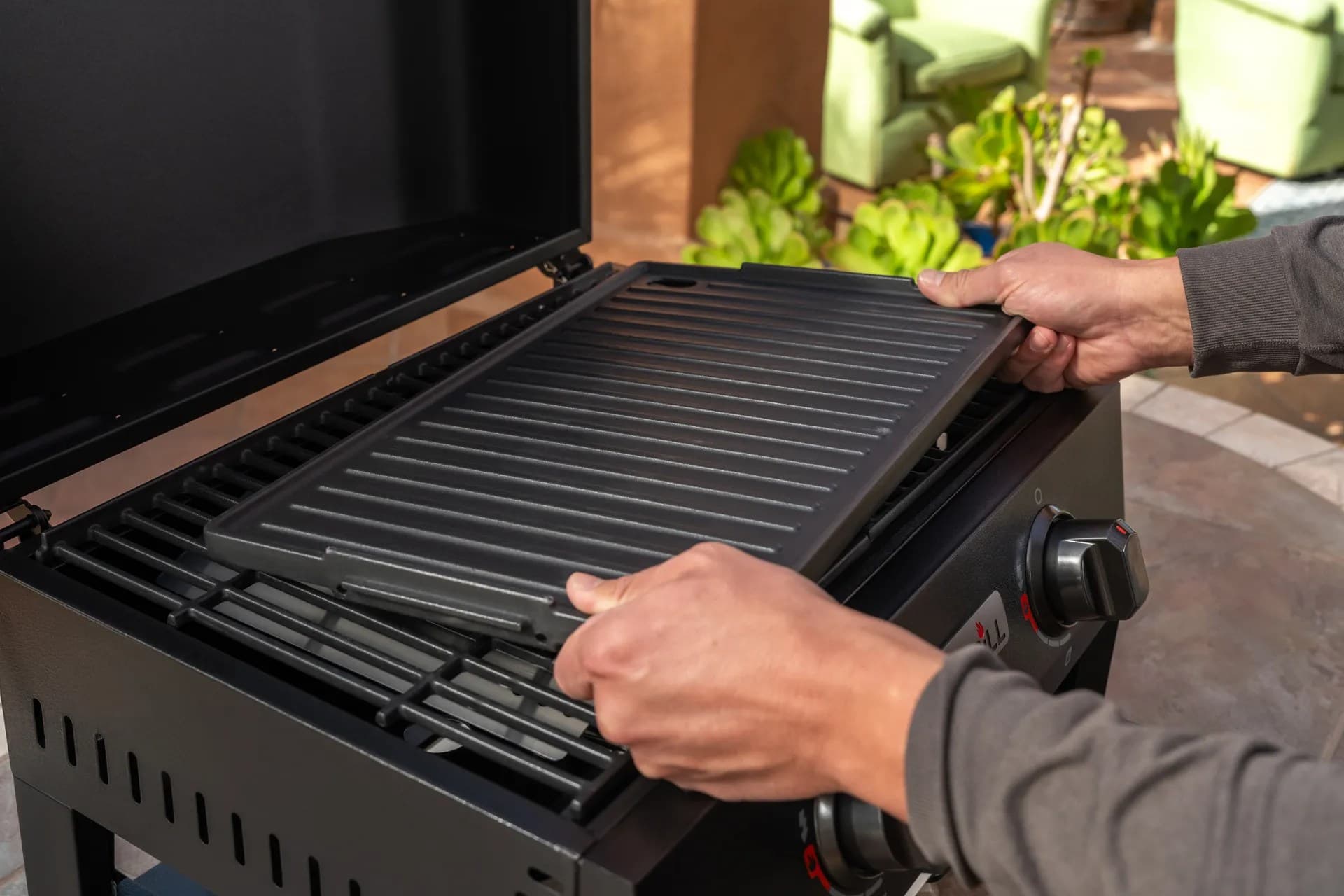
| 5. Add grates and shelves | Fit cooking grates, warming rack, and side shelves. | Completes the working surface and prep area. |
A practical assembly tip that users often overlook is to tighten fasteners only after the frame is fully aligned. This reduces the chance of fighting against misaligned holes later. Another useful habit is to keep the propane tank disconnected until the build is complete and you are ready for the leak-check stage. Once assembled, do a soap-and-water leak test at the hose connection and regulator area before first ignition. That step is simple, but it protects both safety and peace of mind.
If you are not comfortable with tools or the instruction sequence, ask a second person to help from the start. Many assembly frustrations come from trying to hold a cabinet panel in place while also fastening it alone. It is also worth sorting screws by size before beginning. The difference between a smooth build and a frustrating one is often just organization.
Use the first startup as a test run: ignite each burner separately, confirm even flame behavior, and let the grill preheat before cooking anything important.
Maintenance Tips for Longevity
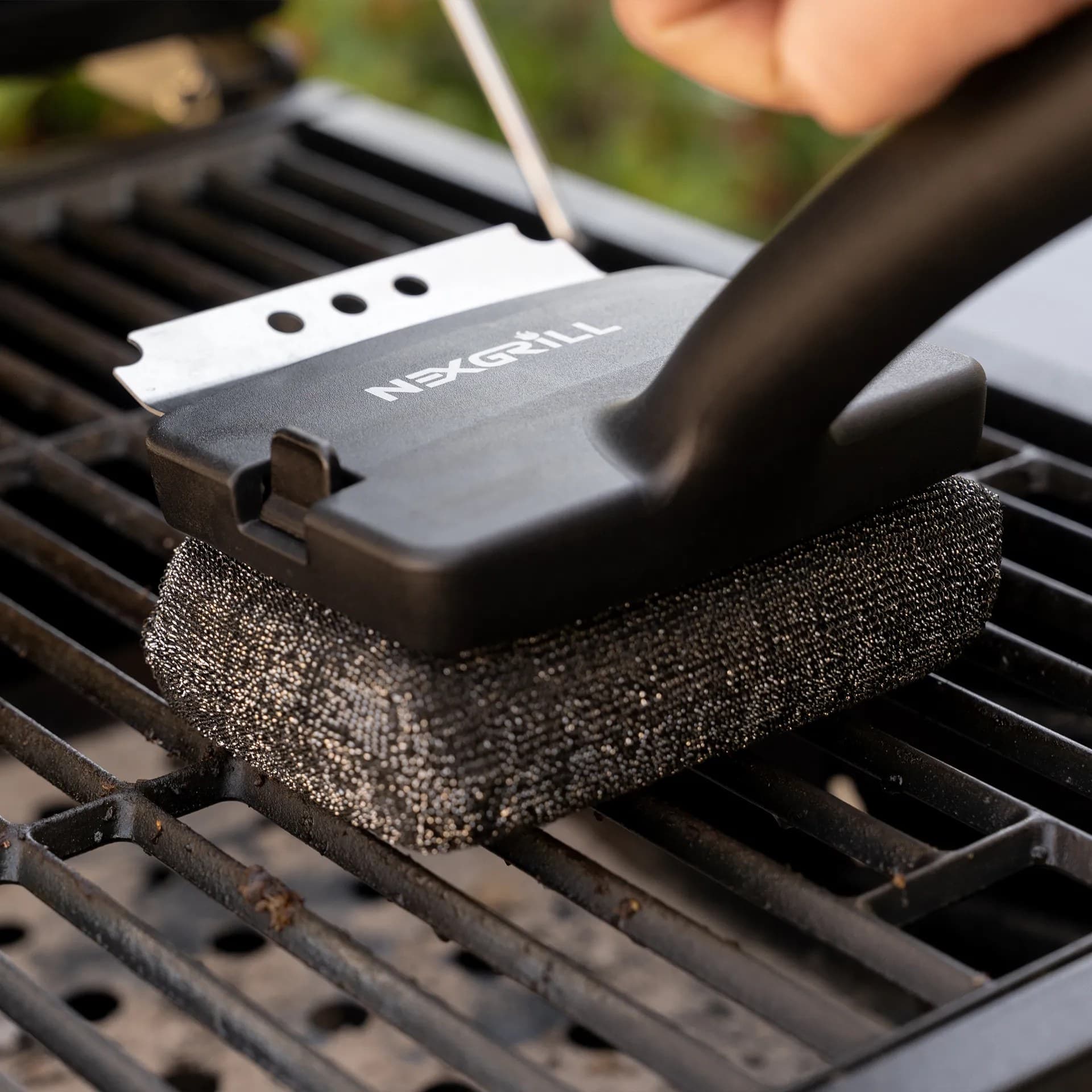
Good maintenance is the difference between a grill that feels dependable for years and one that starts to frustrate you after a season or two. The maintenance routine for a propane grill is not complicated, but it has to be consistent. After each cook, let the grill burn off residue briefly, then brush the grates while they are still warm. Empty or clean the grease management system regularly, because accumulated grease is one of the most common causes of flare-ups and odor. For seasonal owners, a cover is a simple but valuable investment because it limits exposure to sun, rain, and dust between uses.
Every few uses, inspect the burners, flame ports, and ignition hardware for debris or uneven output. If a burner flame looks patchy, do not assume the grill is failing; it may simply need cleaning. On a three-burner grill, the middle zone can sometimes reveal weak ignition symptoms first because residue builds up gradually. Keeping the burner tubes clear helps preserve both heat consistency and fuel efficiency. It is also smart to check the propane hose and regulator periodically for wear or cracking, especially if the grill is stored outdoors year-round.
For deeper cleanings, remove the grates and soak them according to the material instructions, then wipe the interior surfaces where grease can harden. Avoid aggressive scraping on coated parts unless the manufacturer specifically allows it. If you live in a humid or coastal region in the U.S., you should be even more disciplined about dry storage and cover use because corrosion risk rises significantly. Maintenance is not just about appearance; it directly affects how evenly the grill cooks and how safely it operates.
The easiest longevity upgrade is simple: clean warm grates, protect the grill with a cover, and keep burner ports free of residue.
Conclusion: Is the Nexgrill 3-Burner Worth It?
The Nexgrill 3-Burner Propane Gas Grill is worth serious consideration if you want a practical, mid-size propane grill that emphasizes everyday usability over premium extras. It is especially appealing for households that grill frequently enough to care about layout and consistency, but not so obsessively that they need a high-end, fully loaded system. In that sense, it fits a large and very real slice of the U.S. market: the buyer who wants a dependable backyard grill, sensible pricing, and enough cooking control to make weeknight and weekend meals equally manageable.
If you value upscale materials, heavier construction, or advanced features, a Weber Genesis model may be the better target. If you want another entry-level competitor with a broad retail presence, Char-Broil is also worth a look. But if your goal is to get strong practical performance in a three-burner propane format without overpaying for features you may not use, the Nexgrill 3-Burner offers a compelling balance. That is the main reason it belongs on a shortlist, not merely as an affordable option, but as a thoughtfully sized one.
For many buyers, the final decision comes down to this: do you want a grill that is easy to live with, easy to fuel, and capable of handling the kinds of meals people actually make at home? If yes, the Nexgrill 3-Burner is very much in the conversation. After comparing it side by side and thinking through assembly, upkeep, and your own cooking habits, you will be in a much better position to decide whether it is the right fit for your patio.