How to Use a Gas Grill: A Beginner's Guide
Step-by-step instructions for safe and effective gas grilling.
In This Article
Safety First
Ignition Techniques
Cooking Techniques
Introduction to Gas Grilling
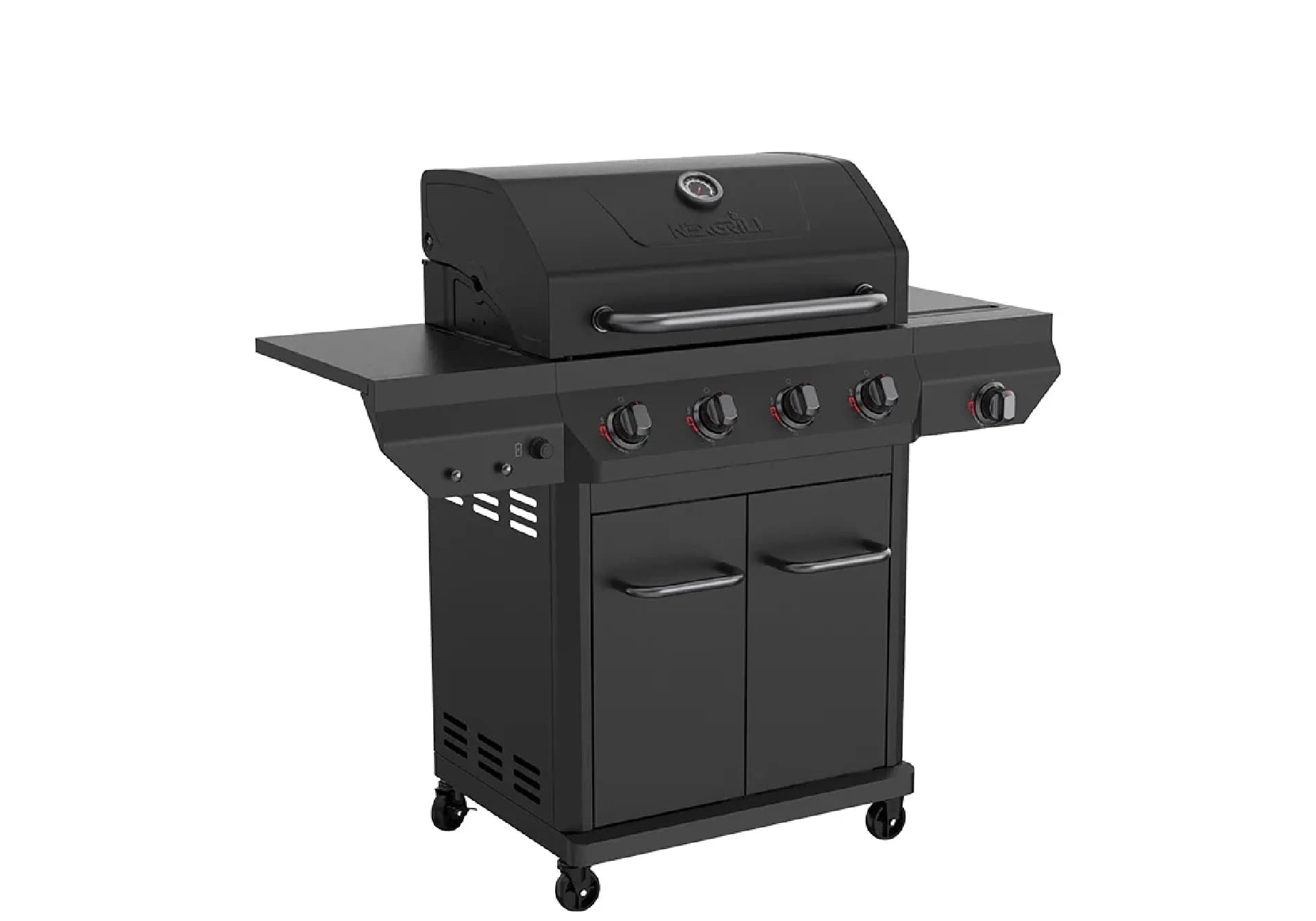
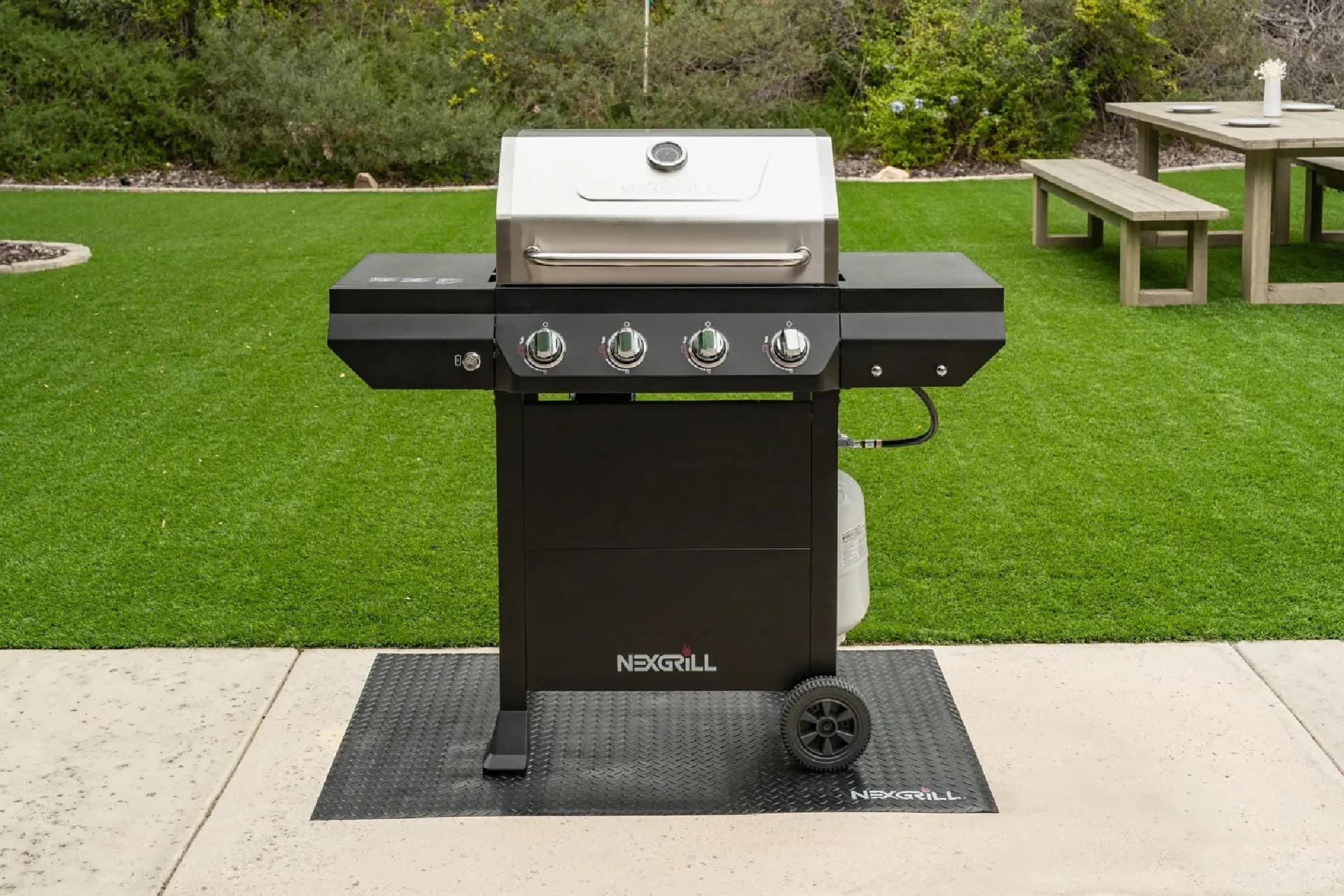
Gas grilling offers a convenient and efficient way to enjoy outdoor cooking. Known for its quick ignition and consistent heat, a gas grill allows for precise temperature control, making it ideal for both casual meals and larger gatherings. This guide aims to provide beginners with essential tips and techniques to master gas grilling.
Safety First: Essential Precautions
Before you start grilling, it's crucial to ensure safety. Check for leaks by applying a soapy water solution to the gas connections; bubbles indicate a leak. Ensure proper ventilation in your grilling area to prevent gas buildup. Position your grill away from flammable materials and structures to maintain safety.
Tip: Regularly inspect hoses and connections for wear and tear to prevent accidents.
Igniting Your Gas Grill: Step-by-Step
Lighting a gas grill is straightforward but requires caution. Start by opening the grill lid to prevent gas buildup. Turn on the gas supply, then ignite the grill using the electronic ignition or a match through the provided hole. If the grill doesn't light immediately, turn off the gas and wait a few minutes before retrying before cooking.
Warning: Never lean over the grill while lighting it to avoid burns.
Preheating and Cooking Techniques
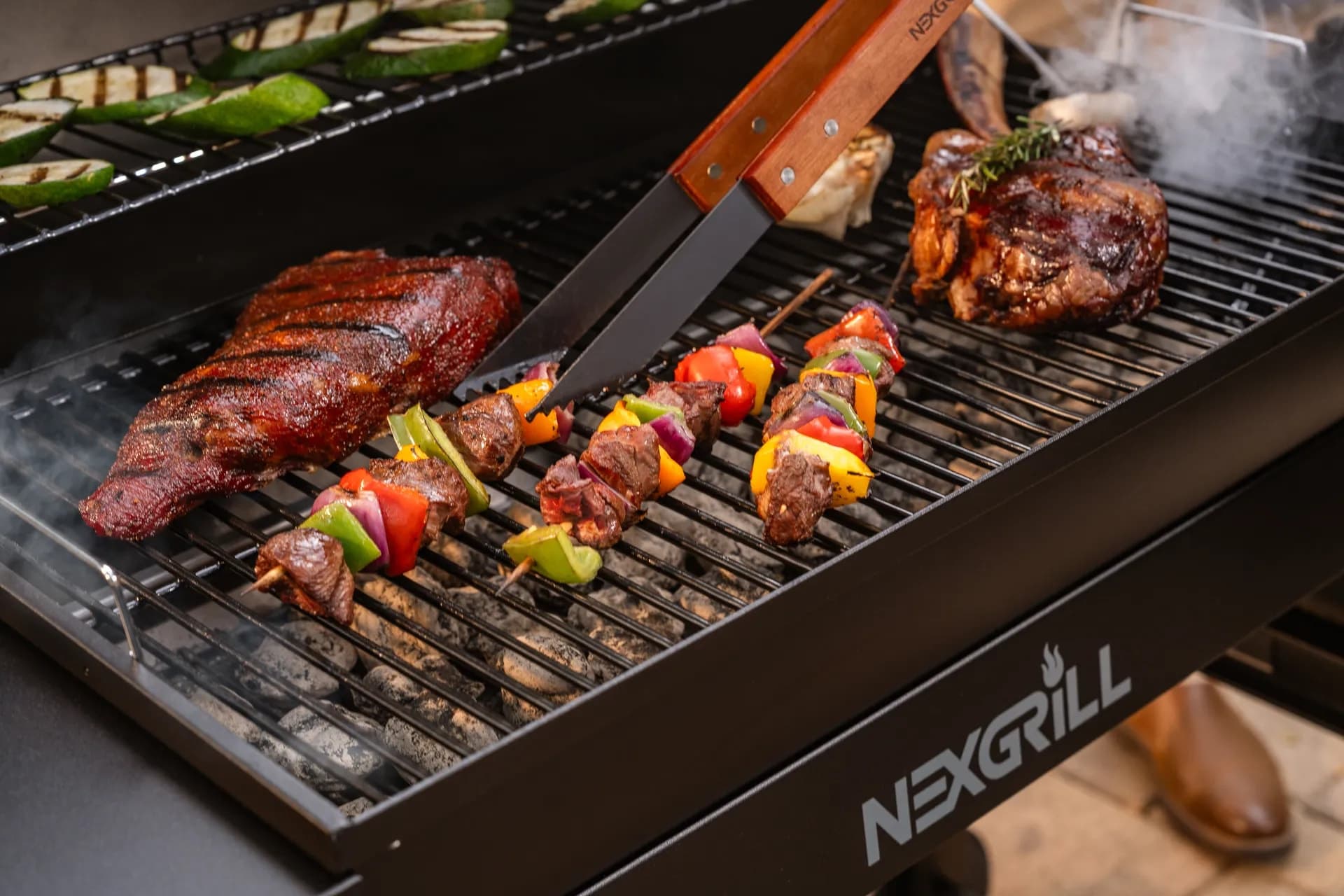
Preheating your grill is crucial for achieving those perfect grill marks and ensuring even cooking. Allow the grill to heat for about 10-15 minutes, reaching a temperature of 400-450°F for most foods. Use direct heat for quick-cooking items like burgers and indirect heat for larger cuts that need slower cooking for better results.
- Direct Heat: Ideal for searing steaks and cooking vegetables.
- Indirect Heat: Best for roasting chicken or slow-cooking ribs.
Keep the lid closed as much as possible to maintain heat and prevent flare-ups. Understanding when to open or close the lid can greatly affect your cooking outcomes.
Common Grilling Mistakes to Avoid
Avoid common pitfalls such as not preheating the grill, which can lead to uneven cooking. Overcrowding the grill can also cause flare-ups and uneven heat distribution. Use a meat thermometer to ensure your meats are cooked to the right temperature without overcooking.
Tip: Allow meat to rest after cooking for juicier results.
Maintenance Tips for Longevity
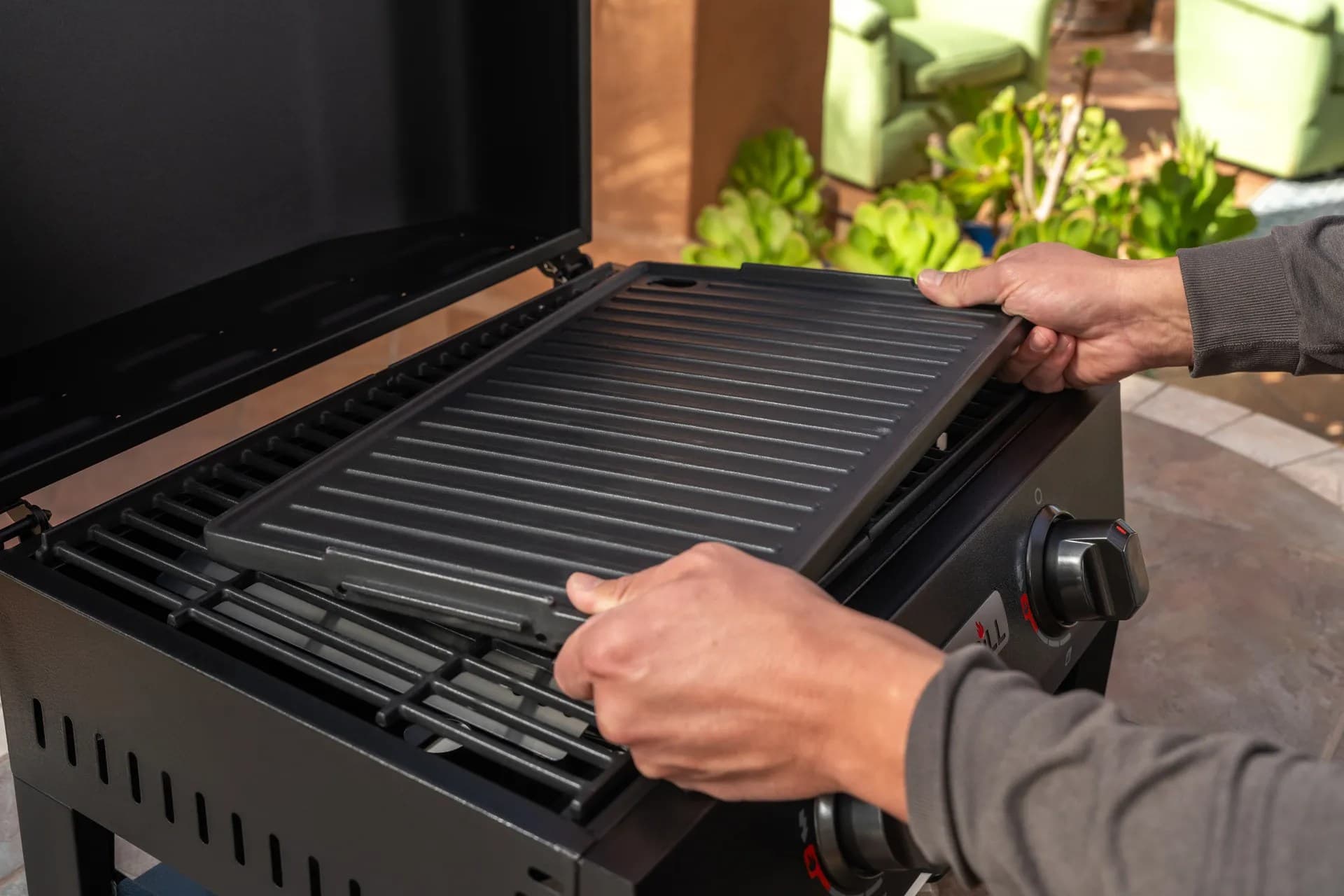
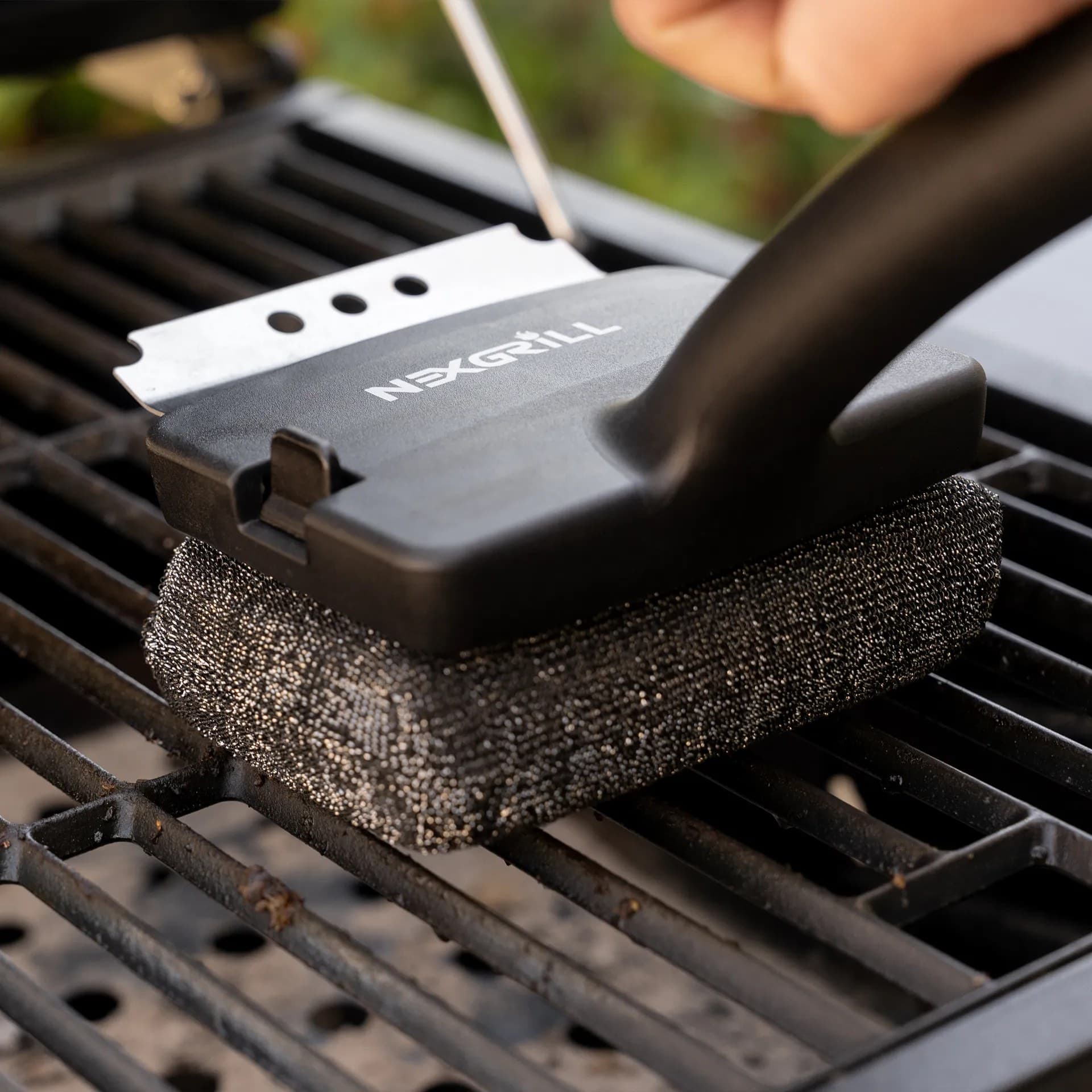
Regular maintenance will extend the life of your gas grill. Clean the grates with a brush after each use to prevent buildup. Inspect and clean the burners and tubes to ensure consistent performance. Cover your grill when not in use to protect it from the elements.
- Grate Cleaning: Use a wire brush to remove food residue.
- Burner Maintenance: Check for blockages or rust.
- Covering: Use a durable grill cover to protect against weather.
Conclusion: Enjoying Your Grilling Journey
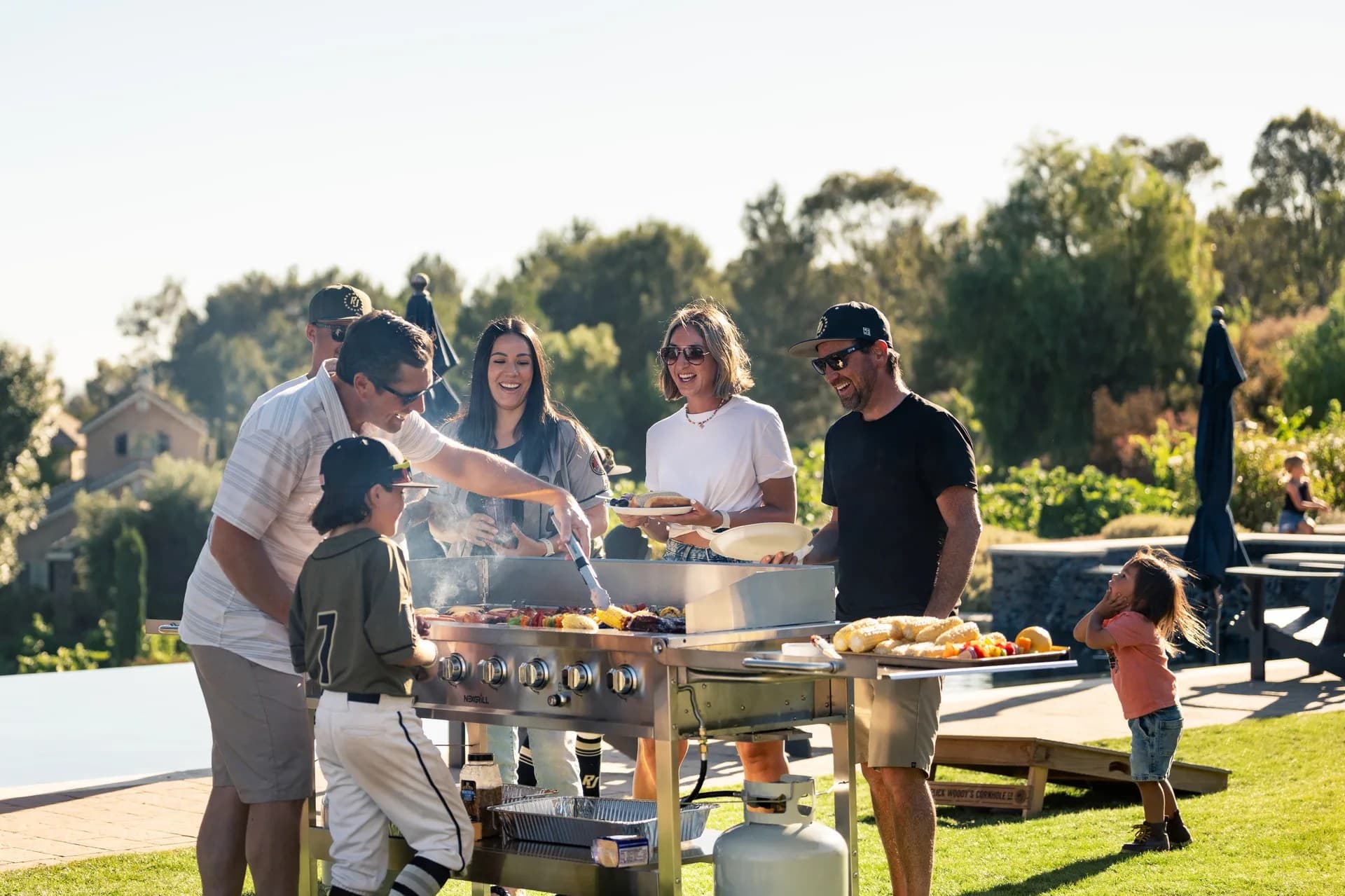
Grilling is not just about cooking; it's about bringing people together. By following these guidelines, you can safely and effectively use your gas grill to create delicious meals and memorable experiences. Practice, experiment, and soon you'll be grilling like a pro.