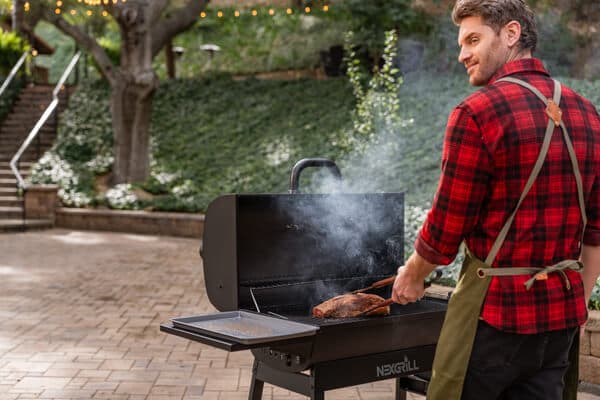
A comprehensive guide to hosting a memorable al fresco dining experience.

Here's what sets us apart from the competition
We position ourselves as delivering high-end outdoor cooking features and performance without premium-brand pricing, emphasizing “Quality Grills. Unbelievable Value.”
We offer gas grills, pellet grills, griddles, smokers, pizza ovens, portable/tabletop grills, electric grills, accessories, and replacement parts — allowing customers to stay within one ecosystem for all outdoor cooking needs.
We differentiate ourselves through smart grilling products like the Oakford smart pellet grill, including app-connected cooking controls and modern outdoor cooking technology.

Expert tips, buying guides, comparisons, and inspiration for choosing and getting the most out of your grill.
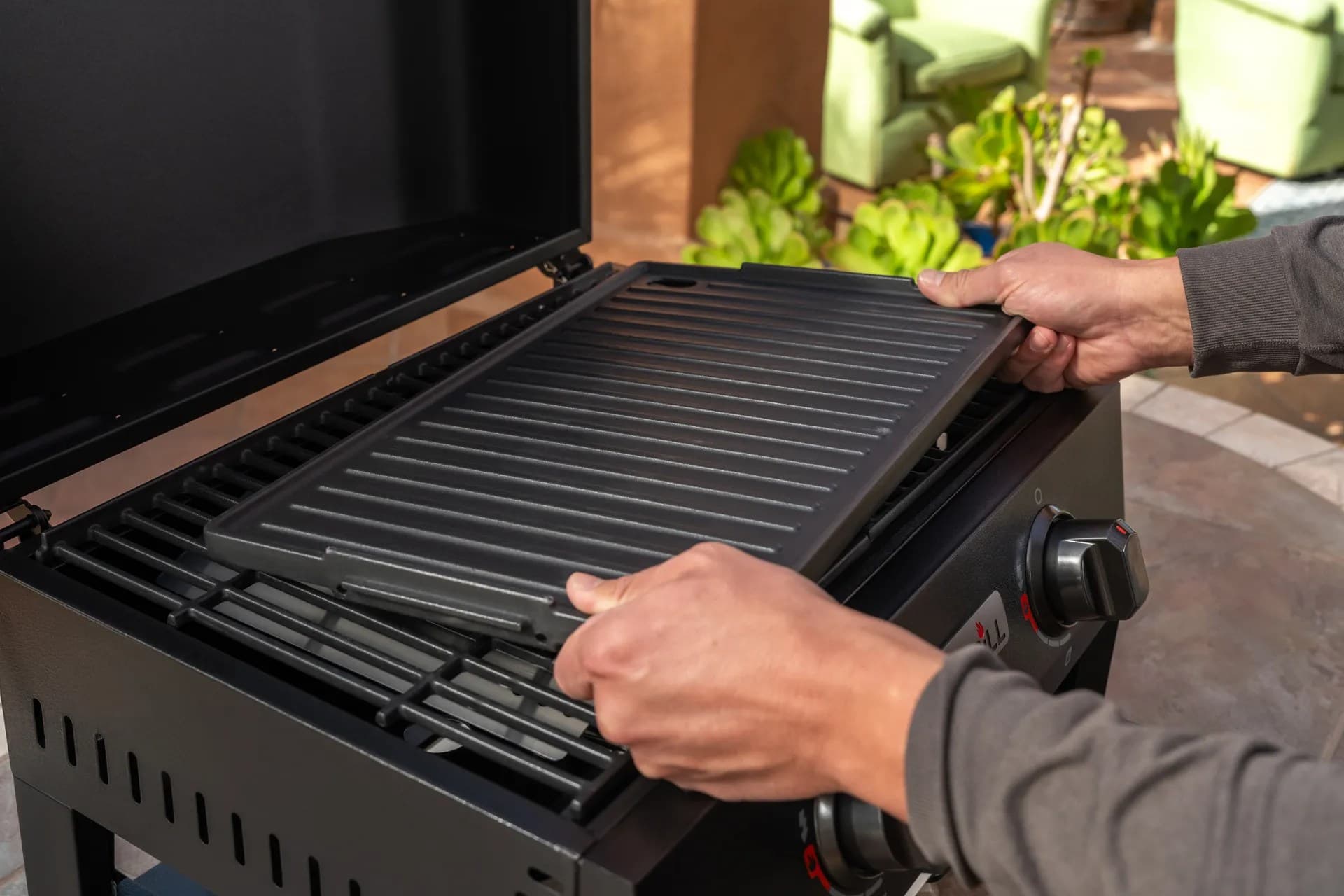
Practical guides for cleaning, maintenance, common grill issues, and performance optimization.
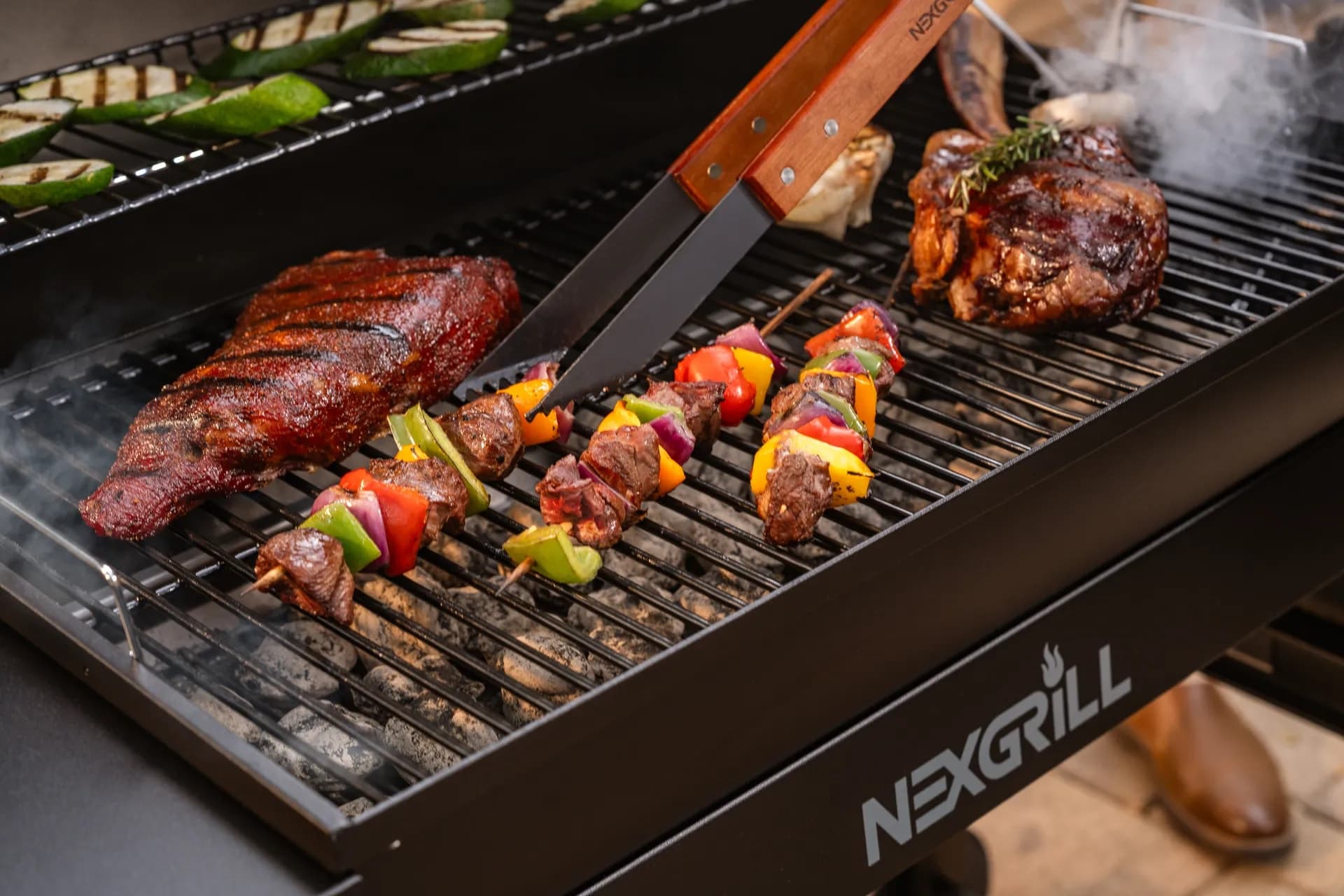
Step-by-step grilling recipes, cooking techniques, and meal ideas for every occasion and skill level.
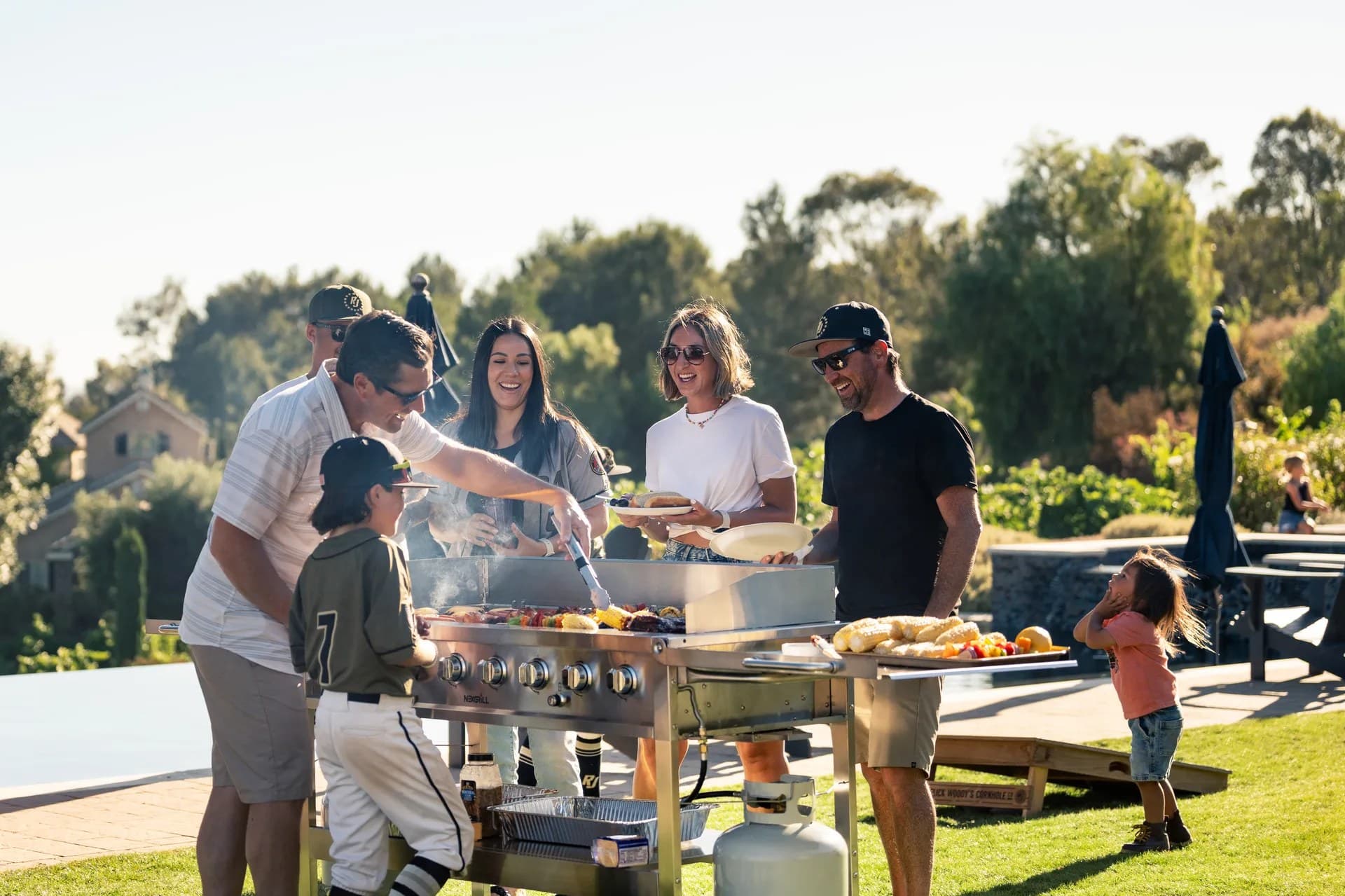
Backyard entertaining ideas, seasonal grilling inspiration, and stories that celebrate outdoor cooking culture.
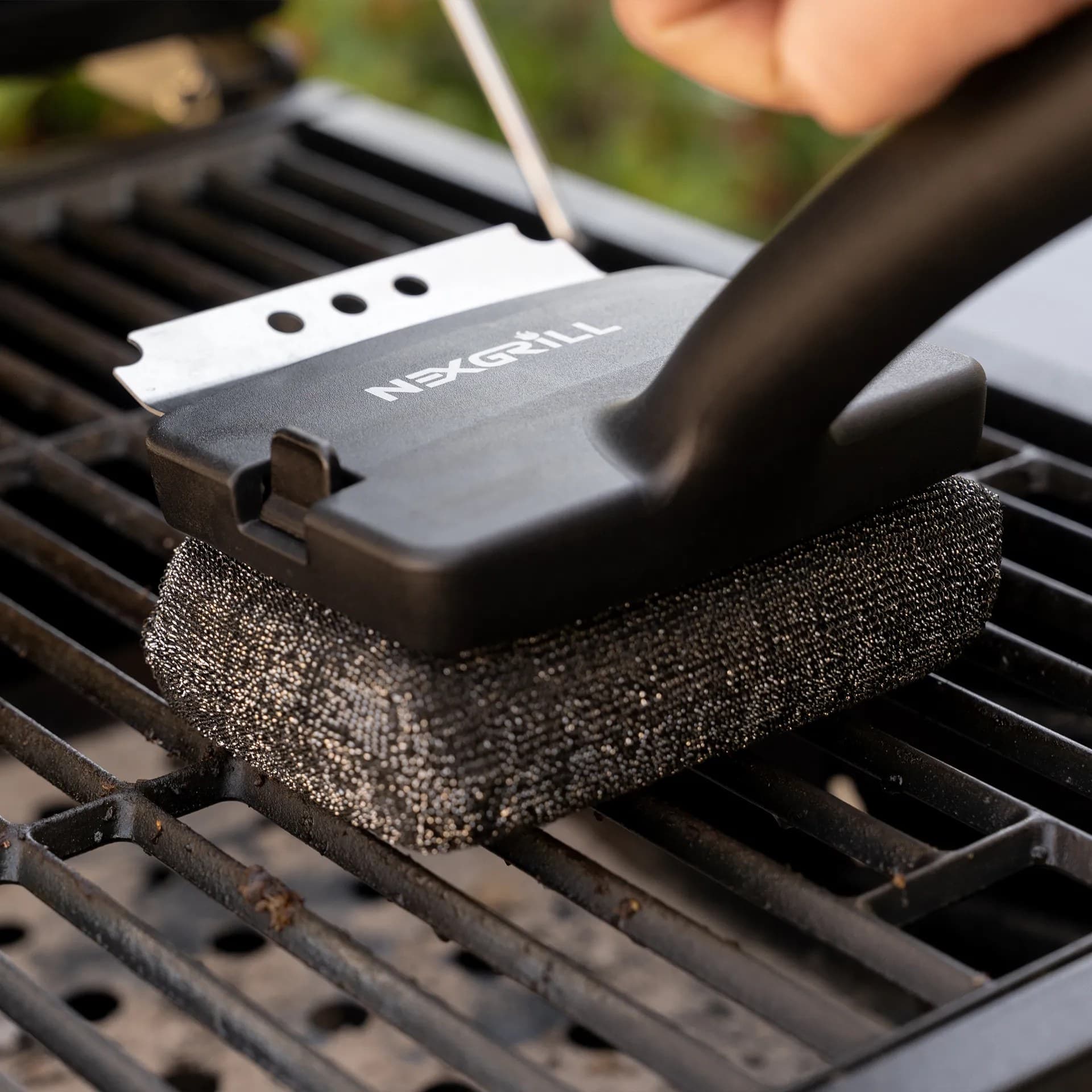
Helpful articles covering grilling tools, cookware, maintenance gear, and must-have accessories for outdoor cooking.
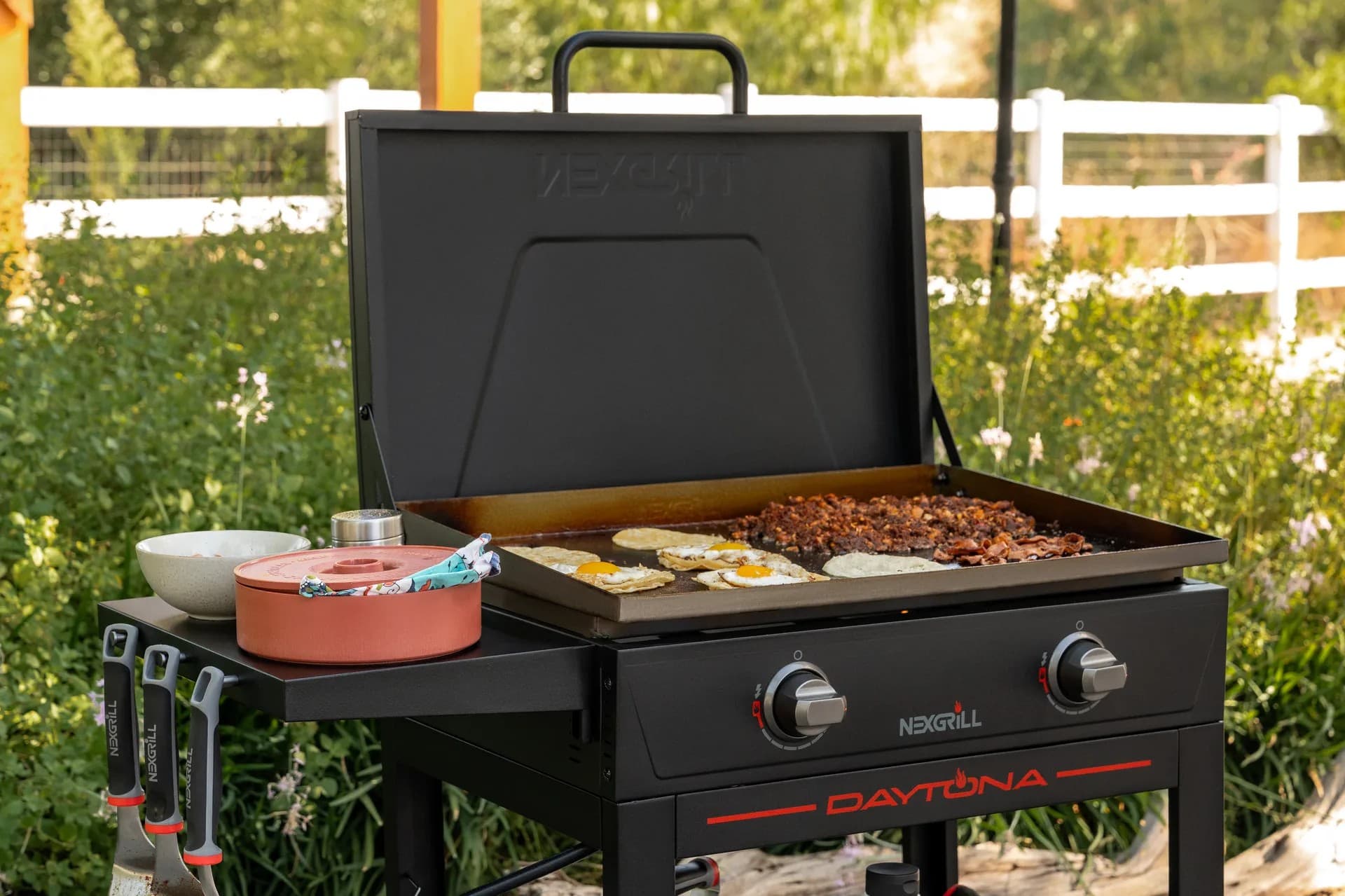
Find griddle recipes, cooking techniques, cleaning tips, and outdoor meal ideas designed for Nexgrill griddles.
Find answers to common questions
Nexgrill offers a variety of grills including gas, charcoal, and pellet grills, catering to different cooking preferences and styles.
Nexgrill is headquartered in California and serves a global market, primarily through retail partnerships such as Home Depot.
Yes, replacement parts are available for various Nexgrill products, and you can find them on the Nexgrill website or through authorized retail partners.
You can reach out to Nexgrill for support through their contact page on the website, where you will find options for phone and email inquiries.
Nexgrill products come with specific warranty terms, which can vary by product; it is recommended to check the warranty details on the product page or in the user manual.
In This Article
Plan Your Menu
Set the Scene
Prepare for the Elements
An outdoor dinner party works best when it feels effortless to your guests, even though it is usually the result of a lot of quiet planning behind the scenes. The goal is not to create a polished restaurant replica in your backyard. The better approach is to build a setting that feels welcoming, relaxed, and specific to the people at the table. That means thinking about seating, timing, menu flow, light, sound, and weather before you think about napkins or centerpieces. If the evening feels cohesive, guests will remember the conversation and the food rather than the logistics.
A strong outdoor dinner party starts with one clear decision: choose the kind of evening you want to host. A casual weeknight al fresco meal for six is very different from a long-table celebration for twelve. In the first case, you can keep the menu simple and the lighting soft. In the second, you may need more serving space, a second drink station, and food that can be staged in waves so the host is not trapped in the kitchen. Nexgrill’s brand emphasis on togetherness and accessible outdoor cooking fits this kind of gathering well: the best outdoor dinner party is the one where people feel invited in, not impressed from a distance.
Becomes memorable when the menu, setting, and weather plan all work together.
The most useful mindset is to design for movement. Guests will arrive, set down drinks, look for a place to stand or sit, and then migrate toward food, conversation, and maybe a fire pit later in the night. If those transitions are easy, the party feels smooth. If they are awkward, even great food can feel disorganized. Outdoor dining also gives you more room to create a narrative through the evening: a small welcome snack, a main course that comes out in courses, and a dessert or digestif that shifts the pace from dinner into lingering conversation. That story-like flow is one of the reasons people remember an outdoor dinner more vividly than an indoor meal.
Menu planning for an outdoor dinner party should be driven by timing, not just taste. The best menu is one you can stage, transport, and finish without disappearing from your guests for long stretches. In practice, that means choosing at least one component that can be made ahead, one that can be finished quickly outdoors, and one that benefits from serving fresh at the table. A composed salad, a grilled main, and a make-ahead dessert work well because each course has a different labor profile. You are not looking for a complicated restaurant tasting menu; you are looking for a rhythm that keeps the evening moving.
Seasonal ingredients are especially effective outdoors because they make the meal feel like it belongs to that moment. In late spring, think asparagus, herbs, strawberries, and citrus. In midsummer, tomatoes, stone fruit, corn, zucchini, and fresh greens do more work with less effort. In early fall, roasted squash, apples, figs, and heartier greens can bridge the transition to cooler nights. A smart host uses seasonality to reduce prep stress and maximize flavor. That is not just a culinary preference; it is a practical hosting strategy because in-season produce often requires less manipulation to taste complete.
| Course | Best make-ahead tactic | Outdoor advantage |
|---|---|---|
| Starter | Chill dressings, trim vegetables, prep platters | Can be served as guests arrive |
| Main course | Marinate proteins or par-cook sides | Finishes quickly on the grill or stovetop |
| Dessert | Bake, chill, or portion earlier in the day | Keeps the host free during the final hour |
When deciding what to serve, also think about how much the menu asks of your guests. Outdoor dinner parties often fail when everything is rich, hot, and heavy. Balance is what keeps people comfortable over a longer meal. If the main course is a grilled lamb chop or steak, consider a bright herb salad, grilled vegetables, or a chilled side to refresh the palate. If the meal centers on pasta or a creamy dish, offset it with acidity and crunch. For a mixed group, especially one that includes different dietary preferences, build the menu so each guest can assemble a satisfying plate without feeling singled out. A grain salad, grilled vegetables, and a protein with a separate sauce can do more than a rigid one-dish meal.
Portioning matters more than most hosts expect. Outdoor eating often lasts longer, and people tend to snack more while they mingle. It is better to have a little extra bread, vegetables, and dessert than to over-commit to a protein-heavy menu that leaves you short if one guest eats less and another eats more. If you want to make the menu feel polished without adding complexity, choose one signature element: a compound butter, a grilled stone fruit dessert, a house vinaigrette, or a cold herb sauce. That one detail gives the meal identity without creating extra pressure.
The setting does not need to be elaborate, but it does need to feel intentional. Guests can tell quickly whether an outdoor dinner was arranged as an afterthought or designed as an experience. Start with the table itself. If your dining surface is small, expand it visually with a runner, layered plates, or serving pieces that can double as décor. If you have a long table, keep the centerline low so people can talk across it. Taller centerpieces may look dramatic in photos but can interrupt conversation in real life.
Lighting is one of the most important design decisions because it affects both atmosphere and usability. The best outdoor dinners often combine three levels of light: practical light for the table and serving area, ambient light for the perimeter, and accent light that adds warmth without glare. String lights, lanterns, and candles each solve a different problem. String lights define the space. Lanterns help guests navigate. Candles soften the table. When used together, they make an ordinary patio feel like a destination. A subtle lighting plan is especially useful if the dinner runs past sunset, because guests naturally slow down when the environment feels calm rather than overlit.
Tableware choices should support the mood you want. Mismatched plates can feel charming if they look deliberately collected. Simple white plates can make seasonal food stand out. Natural textures such as linen, woven placemats, wood serving boards, and ceramic pitchers add warmth without making the table feel crowded. The key is coherence, not perfection. Outdoor meals are more forgiving than indoor formal dinners, so you can lean into materials that feel relaxed and durable rather than fragile or fussy.
Tip: Build the table from the center outward. Place the first serving piece, then add only what supports it. A restrained table almost always feels more elegant than an overloaded one.
Sound also shapes the scene. Outdoor spaces absorb noise differently than indoor rooms, so a dinner with too many competing sound sources can feel chaotic. If you use music, keep it low enough that guests do not have to raise their voices. You want background energy, not a performance. If the party includes children or a larger group, consider whether the dining zone needs a little separation from the main circulation area. A few feet of breathing room around the table can make conversation much easier.
Outdoor hosting becomes truly successful when you plan for weather before guests arrive. Heat, wind, evening chill, insects, and unexpected humidity can affect how long people stay and how comfortable they feel. The smartest hosts do not wait for a forecast to become a problem. They prepare for the most likely version of the evening and keep one backup plan in reserve. If the event is in summer, shade and cold drinks matter as much as food. If it is in the shoulder seasons, blankets, heat lamps, or a nearby fire feature can keep the gathering going after the sun drops.
An effective weather plan does not need to be dramatic. A shaded drink station, extra ice, a stack of lightweight throws, and a covered serving area can solve most common problems. If wind is likely, avoid very light décor or fragile candle placements. If rain is possible, move electronics and extra food under cover before guests arrive, not after the first drop. The point is to reduce transitions. The fewer times you have to move food, lighting, and people around during the party, the more relaxed the evening feels.
Warning: Open flames, unstable candles, and lightweight décor can become hazards in breezy conditions. Secure every surface item before the first guest arrives.
Comfort is not just about temperature. It includes seating height, cushion quality, access to water, and whether guests can easily set down a plate or drink. If you are hosting an extended meal, think beyond the main table. A side surface for handbags, a coat hook, or a basket for blankets can make the space feel considerate. These details matter most to the people who are not naturally inclined to ask for help. When comfort is handled quietly, guests stay focused on the meal and the company.
If you are cooking outdoors, stage the workflow before anyone sits down. Arrange utensils, serving platters, tongs, napkins, and backup dishes so you are not making repeated trips inside. The more you can think like a service station rather than a solo cook, the smoother the evening becomes. Outdoor entertaining should feel like a shared occasion, not a performance by one exhausted host. Try comparing two products side by side below to see which fits best:
Once you have weighed the practical parts of the evening, the atmosphere becomes the difference between a pleasant meal and a memorable one. A good outdoor dinner party feels like it has a point of view. That does not mean theme-party theatrics. It means making a few choices that all point in the same direction. If you want the evening to feel rustic, use natural textures, herbs, wood serving pieces, and warm light. If you want it to feel modern, keep the palette tighter, the tableware simpler, and the arrangement more architectural. If you want it to feel relaxed and communal, emphasize shared platters and family-style service over plated precision.
The most successful atmosphere is often built around pacing. Guests should not feel rushed through courses, but they also should not sit too long without something to eat, drink, or notice. That is why small transitions matter so much. A welcome drink at the doorway, a light bite before seating, and a small surprise between courses can carry the energy of the night. This is where an outdoor setting gives you more freedom than a formal indoor dining room: people can shift naturally from table to lounge seating, from a main course to dessert under string lights, or from dessert to a final drink near a fire pit.
Color is another tool that often gets overlooked. You do not need a complicated palette, but one or two repeating tones can make the entire scene look thoughtful. Green from herbs and foliage, amber from candlelight, white from linens, or deep blue from glassware can create harmony across the table. Food can also be part of the palette. A salad brightened with citrus, a charred vegetable platter, or a dessert topped with berries can reinforce the visual direction of the party. The key is that the atmosphere should support the food, not compete with it.
Info: If your guest list includes people who do not know one another well, arrange the seating so each person has at least one easy conversation partner nearby. A thoughtful seating plan can change the tone of the whole evening.
Music can help the atmosphere feel complete, but it should never dominate the dinner. Build a playlist that keeps a consistent tempo and avoids abrupt changes in mood. Instrumental tracks, acoustic versions, soft soul, jazz, or mellow indie songs often work well because they add texture without stealing attention. If the dinner is longer than expected, be prepared to lower the volume as the night gets later. The goal is to create an environment people want to remain in, not one they need to escape.
Conversation flow is easier when the table includes something that invites interaction. That could be a shared bread basket, a bowl of market peaches, a pitcher of herbs and citrus, or a centerpiece that sparks a story. But avoid turning the table into a visual obstacle course. When in doubt, choose one strong focal point and leave the rest open. Outdoor dinners are at their best when they leave room for personalities to take over the space.
Guest comfort is partly physical and partly social. Physically, people need to know where to sit, where to put their drink, and how to stay warm or cool enough to enjoy the meal. Socially, they need to feel that the evening has a shape they can relax into. The best hosts anticipate needs before they are spoken aloud. That means extra napkins within reach, water on the table, serving utensils in the right place, and enough room between chairs that people are not constantly bumping into each other.
Seating is a major part of comfort. For a smaller dinner party, individual chairs with cushions may be enough. For a larger group, bench seating or mixed seating can help you fit more people, but only if there is enough support and table access for everyone. If some guests are seated farther from the center of the action, make sure they are not effectively left out of the conversation. That can happen when a table is too long or when serving pieces block eye contact. Consider a layout where conversation can travel naturally along the table instead of splitting into isolated pockets.
| Comfort issue | What to prepare | Why it helps |
|---|---|---|
| Hot evening | Shade, cold water, lightly chilled appetizers | Keeps guests refreshed before the main course |
| Cool evening | Blankets, fire pit, warm drink option | Extends the gathering after sunset |
| Bug-prone setting | Covered food, discreet repellant, citronella nearby | Reduces interruptions during dinner |
Drink service deserves its own plan. A self-serve station can work beautifully outdoors if it is positioned away from the main traffic lane and stocked before guests arrive. Water should be obvious and easy to reach, especially on warm nights when guests may not want to ask for it. If you are offering alcoholic drinks, it is wise to include a nonalcoholic option that feels intentional rather than like an afterthought. Sparkling water with citrus, a cucumber-mint cooler, or a bitter nonalcoholic aperitif can give everyone a polished option.
Accessibility also matters. Think about whether older guests, children, or anyone with mobility limitations can move safely around the space. Uneven patio stones, steps, and narrow passageways should be addressed before the evening begins. Clear paths, visible edges, and uncluttered serving zones make the party better for everyone. Comfort is often built through those invisible details, not through the expensive elements.
The final hour before guests arrive is where the whole evening gets protected. This is the time to set out extra napkins, chill beverages, light candles, check the weather one last time, and confirm that serving platters are grouped by course. Hosts sometimes use this hour to keep “improving” the scene, but the better instinct is to simplify. If a detail is not helping the dinner function more smoothly, leave it out. The most elegant outdoor dinners often feel effortless because the host has removed friction rather than added decoration.
A useful final test is to walk through the party as if you were arriving for the first time. Where do you put your keys, your drink, and your coat? Is the path to the table obvious? Can guests tell where food is being served and where they can linger afterward? This quick walkthrough reveals the little problems that can make an evening feel awkward. Fixing them takes only a few minutes, but the impact lasts all night.
The most memorable outdoor dinner parties usually have one element that feels personal to the host. It could be a signature cocktail, a favorite family recipe, a playlist tied to a trip, or a dessert that guests only get at your house. That detail gives the evening emotional texture. People remember that a host made them feel considered, not just fed. Nexgrill’s brand philosophy is built around the idea that gatherings are more meaningful when everyone feels invited and connected, and that spirit is exactly what an outdoor dinner party should create .
Tip: End the evening with a simple reset plan. Keep a bin or tray ready for leftovers, candles, and glassware so cleanup is painless once guests leave.
If you want your next outdoor dinner to feel smoother, think less about perfection and more about sequencing. Food should arrive when people are ready for it. Lighting should support conversation, not compete with it. Seating should make people want to stay. And the weather plan should be good enough that no one notices it exists. That is the real craft of hosting outdoors: making every part of the evening feel like it belongs, so the meal becomes the memory.
Here's what sets us apart
We position ourselves as delivering high-end outdoor cooking features and performance without premium-brand pricing, emphasizing “Quality Grills. Unbelievable Value.”
We offer gas grills, pellet grills, griddles, smokers, pizza ovens, portable/tabletop grills, electric grills, accessories, and replacement parts — allowing customers to stay within one ecosystem for all outdoor cooking needs.
We differentiate ourselves through smart grilling products like the Oakford smart pellet grill, including app-connected cooking controls and modern outdoor cooking technology.
Don't just take our word for it
Keep reading
From our catalog