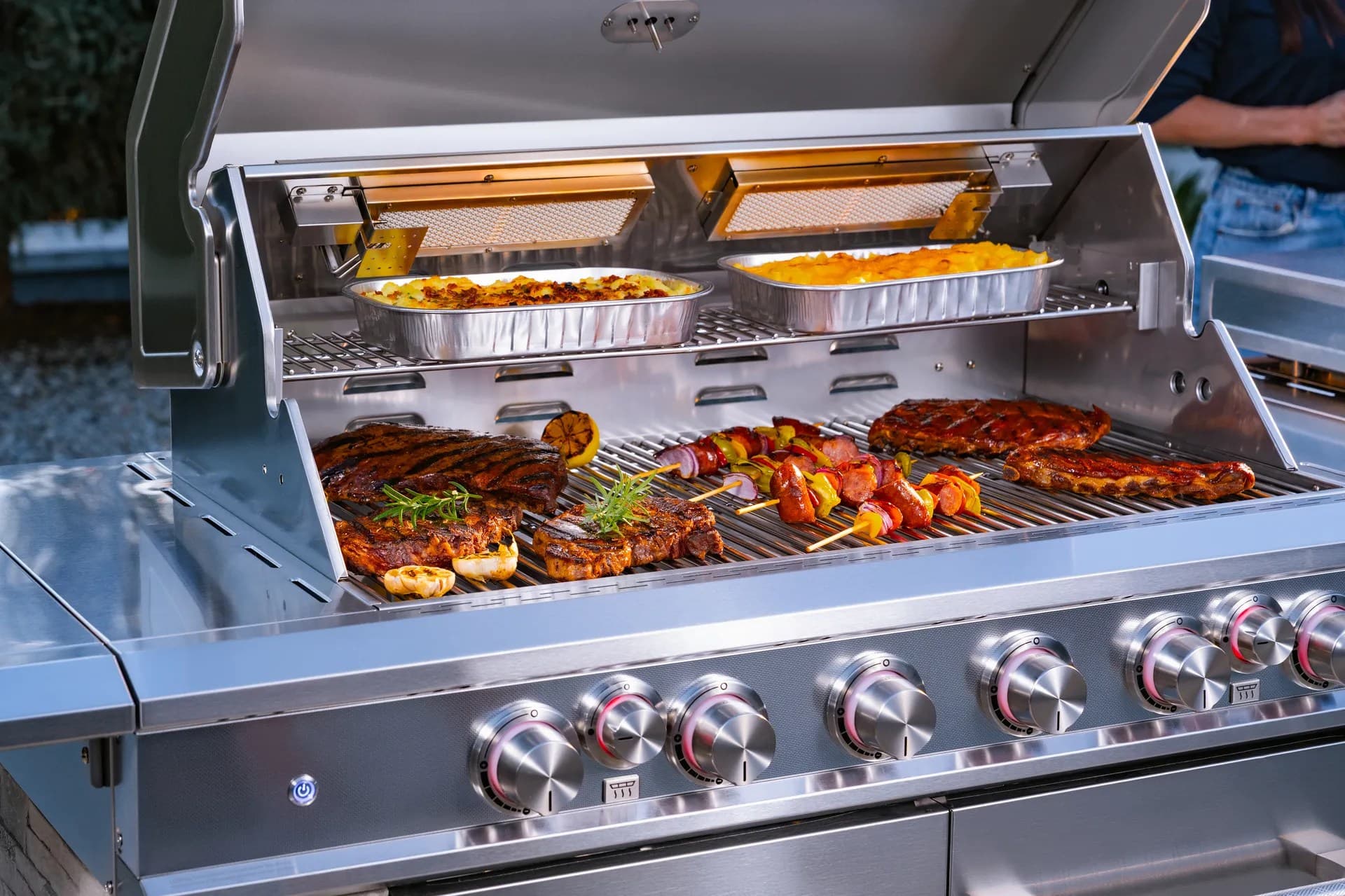
Master the art of grilling ribs with precise temperature control and expert tips.
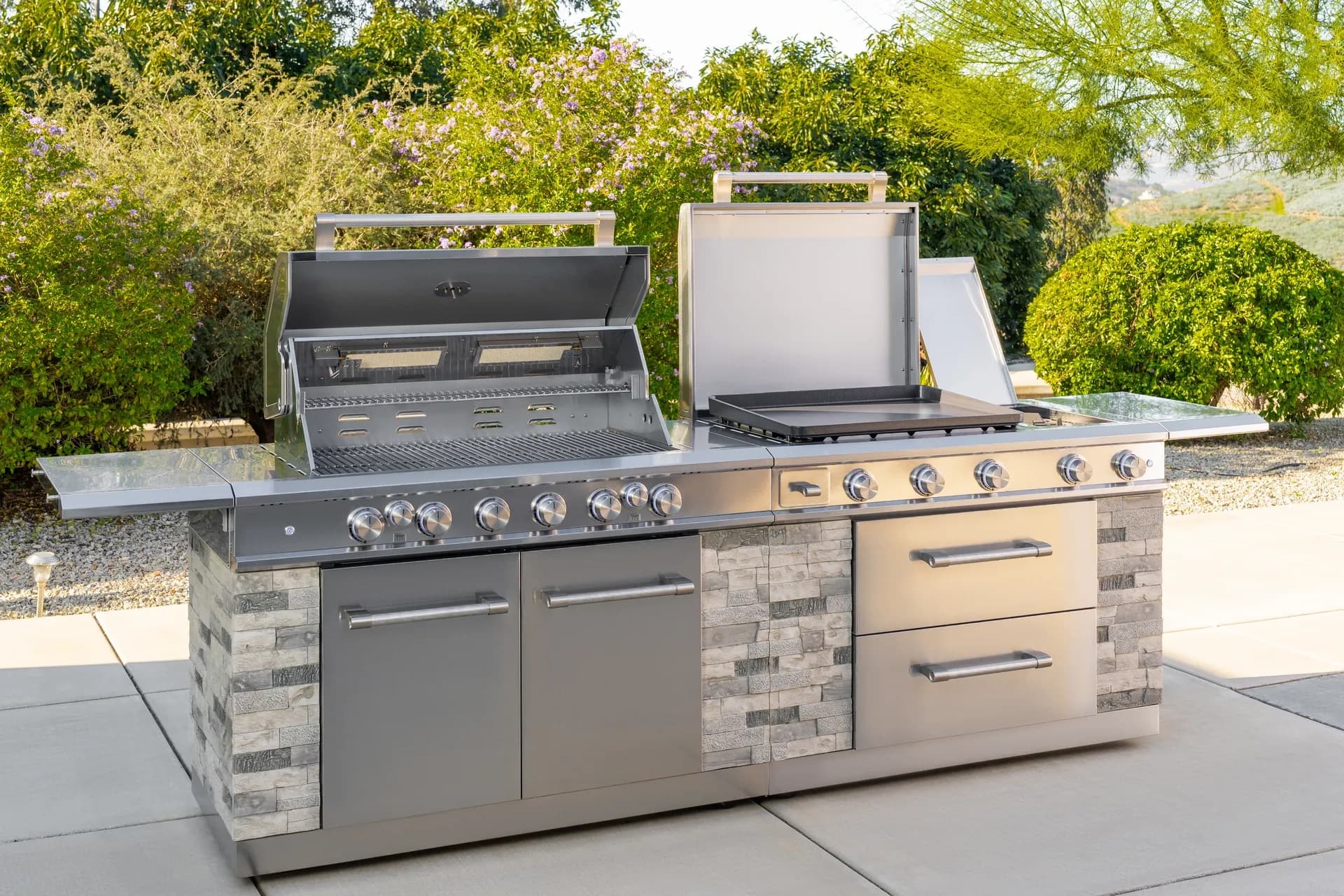
From sizzling breakfasts to smash burgers and teppanyaki-style dinners, the Daytona Pro 5 Burner NitroGuard™ Griddle delivers powerful heat, fast cooking, and a durable cooking surface built for every backyard cookout. Watch how easy outdoor cooking can be.
Here's what sets us apart from the competition
We position ourselves as delivering high-end outdoor cooking features and performance without premium-brand pricing, emphasizing “Quality Grills. Unbelievable Value.”
We offer gas grills, pellet grills, griddles, smokers, pizza ovens, portable/tabletop grills, electric grills, accessories, and replacement parts — allowing customers to stay within one ecosystem for all outdoor cooking needs.
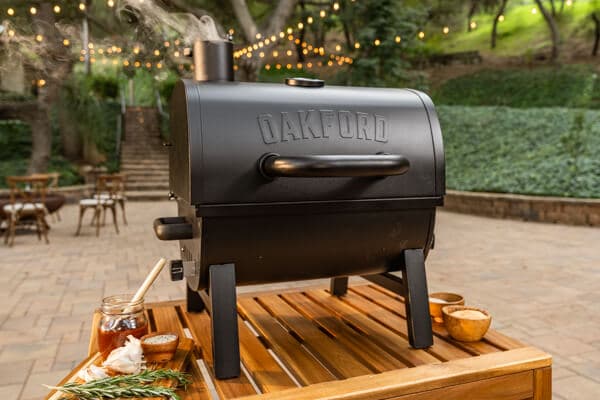
We differentiate ourselves through smart grilling products like the Oakford smart pellet grill, including app-connected cooking controls and modern outdoor cooking technology.
Expert tips, buying guides, comparisons, and inspiration for choosing and getting the most out of your grill.
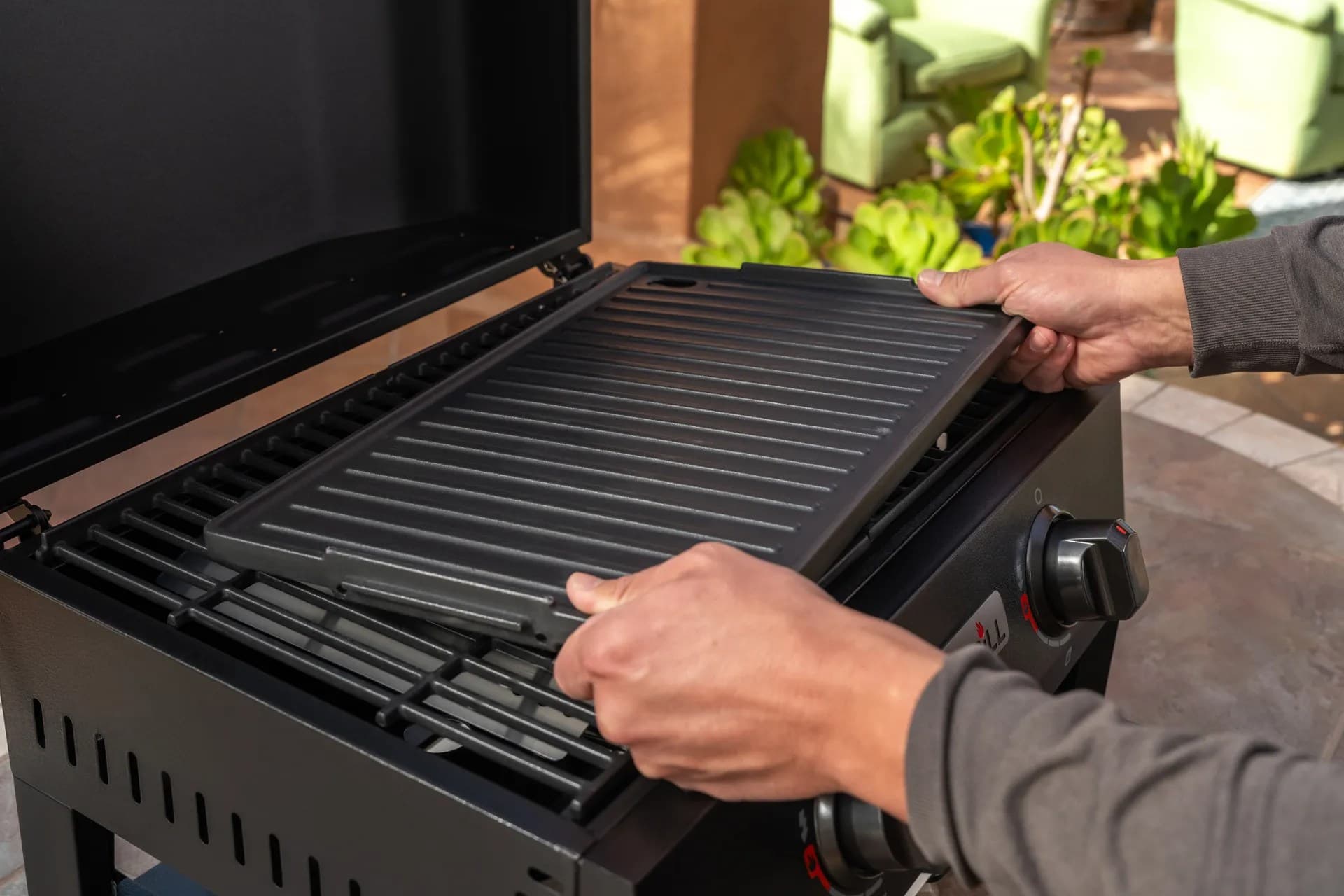
Practical guides for cleaning, maintenance, common grill issues, and performance optimization.
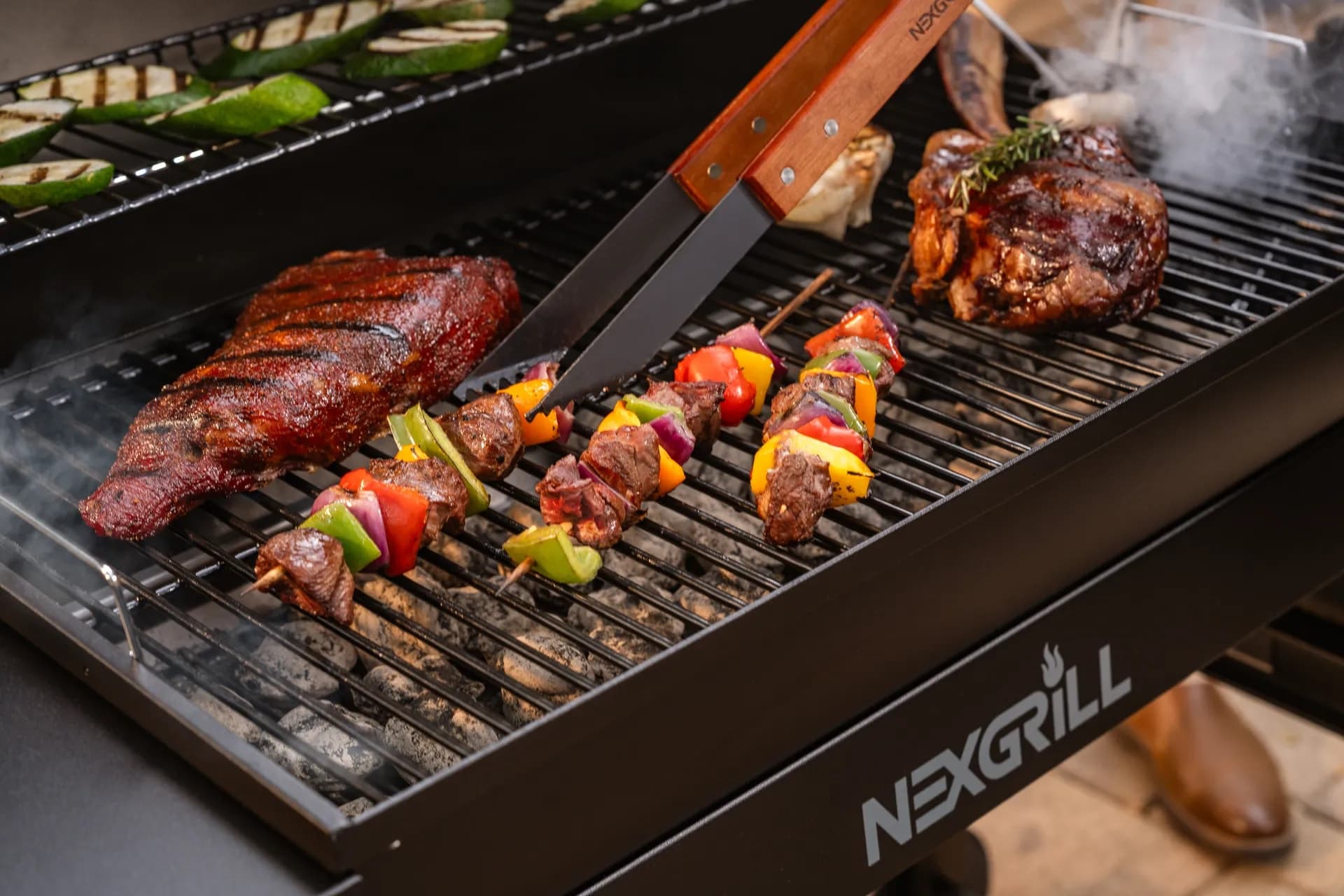
Step-by-step grilling recipes, cooking techniques, and meal ideas for every occasion and skill level.
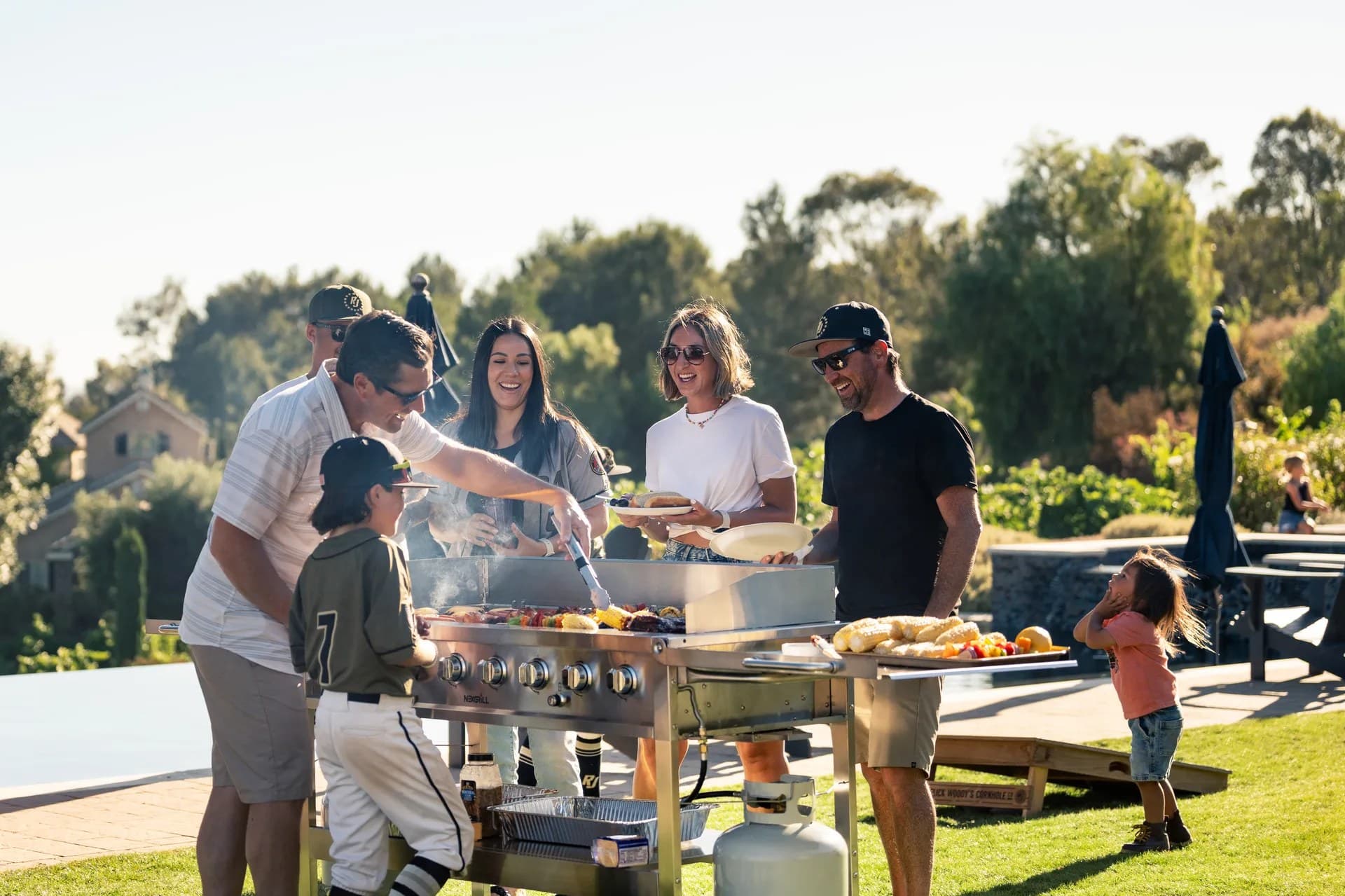
Backyard entertaining ideas, seasonal grilling inspiration, and stories that celebrate outdoor cooking culture.
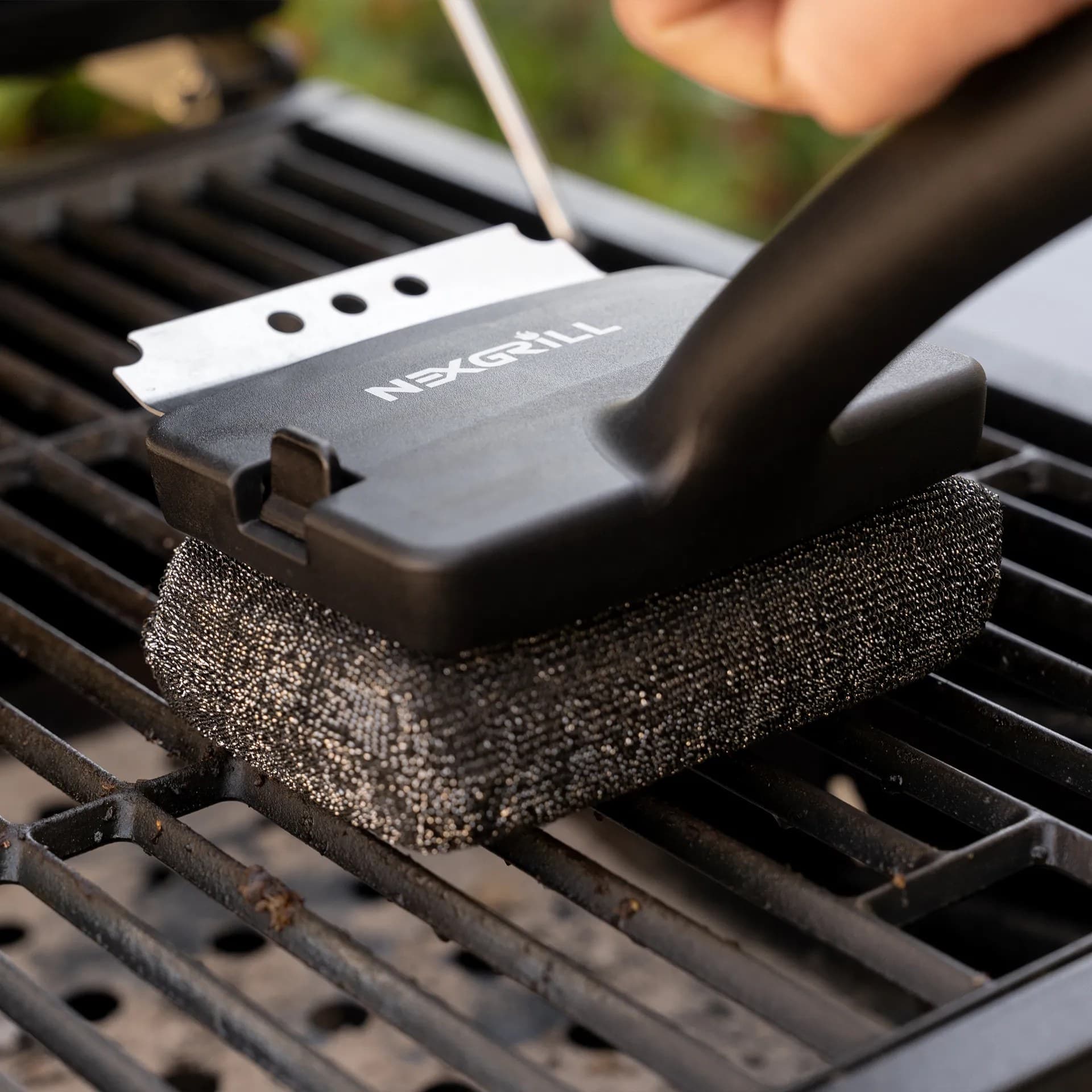
Helpful articles covering grilling tools, cookware, maintenance gear, and must-have accessories for outdoor cooking.
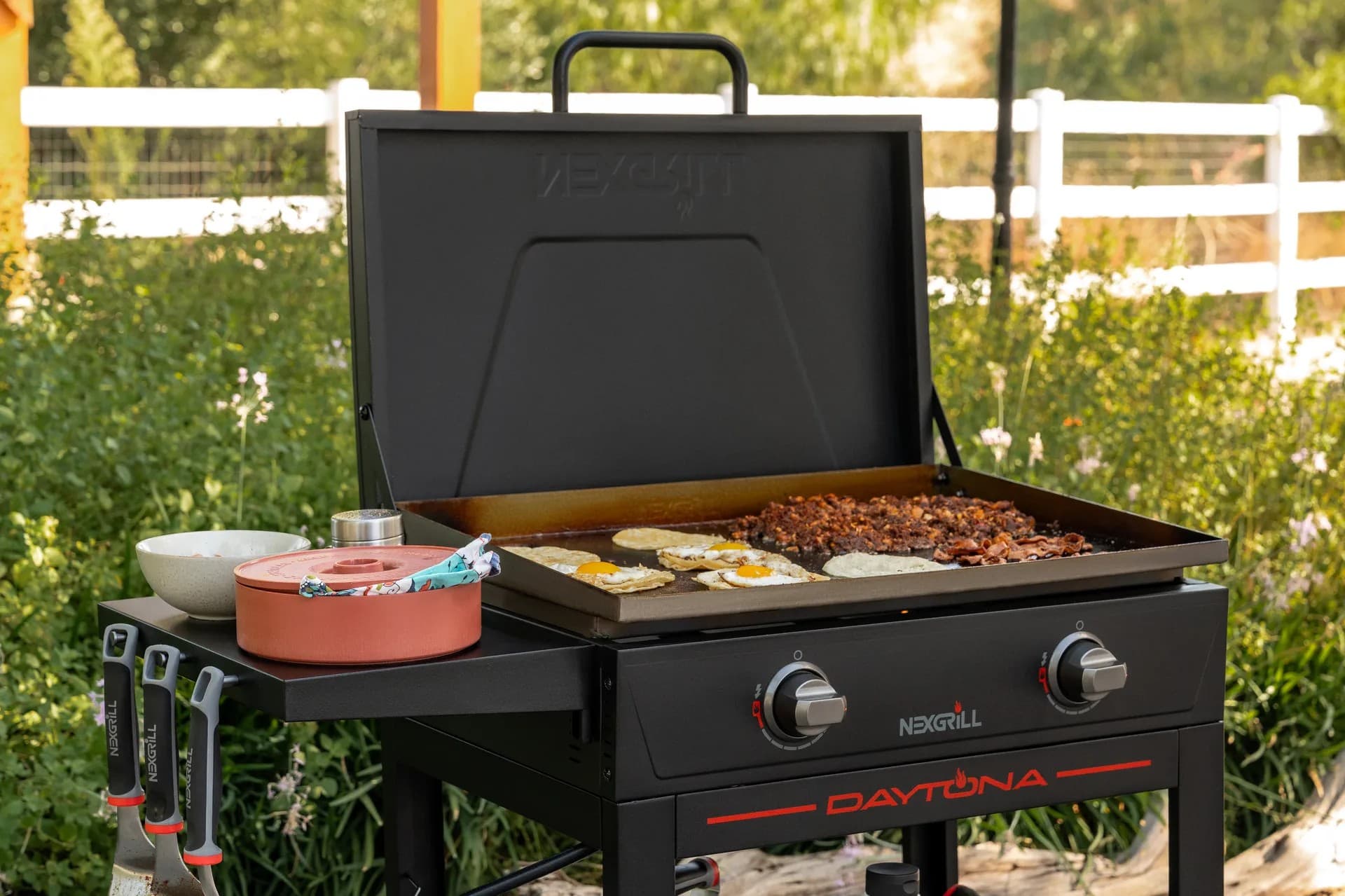
Find griddle recipes, cooking techniques, cleaning tips, and outdoor meal ideas designed for Nexgrill griddles.
Find answers to common questions
Gas grills provide instant heat and precise temperature control, making them easier to use. Charcoal grills offer a smoky flavor and high heat for searing but require more time to heat up and manage.
Pellet grills combine the convenience of gas with the flavor of wood, allowing for smoking, baking, and grilling. Traditional gas grills, however, are quicker to start and often easier to clean.
Charcoal grills typically reach higher temperatures quicker than gas grills, making them better for searing meat. However, high-quality gas grills can also provide adequate heat for effective searing.
Nexgrill offers models designed specifically for gas, charcoal, and pellets, allowing users to choose based on their cooking style and flavor preferences. Each type is built to optimize the characteristics of its respective fuel.
Choosing between gas and charcoal grills depends on your cooking preferences and lifestyle. If you value convenience and quick cooking, a gas grill may suit you better; if you prefer the taste and experience of traditional grilling, a charcoal grill would be ideal.
In This Article
Ideal Rib Temperature
3-2-1 Method
Wood Chip Selection
Grilling ribs to perfection requires a keen understanding of temperature control, which is crucial for achieving that tender, flavorful outcome every grill enthusiast desires. The ideal temperature for grilling ribs is a topic of great significance, as it determines the balance between tenderness and flavor infusion. Whether you're using a gas, charcoal, or pellet grill, mastering the right temperature is key to culinary success.
The temperature at which you grill ribs impacts not only the cooking time but also the texture and taste of the meat. Too high a temperature can lead to tough, dry ribs, while too low can prolong cooking unnecessarily and fail to render the fat effectively. Ideally, ribs should be slow-cooked at a low temperature to allow the connective tissues to break down and the flavors to meld. Grilling times and temperatures are crucial for achieving optimal results.
Tip: Aim for a grilling temperature of 225°F to 250°F for ribs. This low and slow method ensures tender, juicy results.
Before you start grilling, it's essential to set up your grill correctly. For gas grills, preheat to the desired temperature with the lid closed. Charcoal grills require arranging coals for indirect heat, while pellet grills need preheating to the preset temperature. Maintaining a consistent temperature is vital, so consider using a grill thermometer for accuracy.
The type of ribs you choose also affects grilling time and temperature. Baby back ribs, being leaner, cook faster than the meatier spare ribs. Consider your flavor preferences and the time available when selecting your ribs.
| Type of Ribs | Cooking Time | Ideal Temperature |
|---|---|---|
| Baby Back Ribs | 3-4 hours | 225°F - 250°F |
| Spare Ribs | 4-5 hours | 225°F - 250°F |
There are several techniques to achieve the perfect ribs, each with its own benefits and challenges. The most popular methods include the 3-2-1 method, direct grilling, and smoking. Each technique can be adapted based on the type of grill and personal preference.
This method is a favorite among many grillers for its simplicity and effectiveness. It involves three hours of smoking, two hours wrapped in foil, and one hour of finishing without foil. The result is fall-off-the-bone tenderness and deep flavor penetration.
Tip: Use apple juice or cider vinegar in the foil wrap for added flavor and moisture.
For a faster approach, direct grilling involves cooking the ribs over direct heat. While this method requires more attention to avoid burning, it can produce a delightful charred flavor.
Smoking ribs is an art form that imparts a rich, smoky flavor. Using wood chips like hickory or mesquite can enhance the taste, making it a popular choice for barbecue aficionados.
Try comparing two products side by side below to see which fits best:
Once you've weighed two options against each other, here's what else matters in perfecting your rib grilling technique. Knowing how to adjust your grill settings, manage heat zones, and select the right wood chips can significantly elevate your grilling game.
Creating different heat zones on your grill allows for more control over the cooking process. By placing ribs on the cooler side, you can prevent burning while ensuring even cooking. This technique is particularly useful for longer grilling sessions.
The type of wood chips you use can greatly alter the flavor profile of your ribs. Hickory adds a strong, smoky taste, while fruit woods like apple or cherry provide a sweeter, milder flavor. Experimenting with combinations can lead to unique results.
Warning: Avoid using treated wood or wood with excessive resin, as it can impart harmful chemicals to the food.
Marinades and rubs are essential for adding flavor depth to ribs. A well-balanced rub can enhance the natural flavors of the meat, while marinades can tenderize and infuse additional moisture.
| Ingredient | Purpose | Example |
|---|---|---|
| Salt | Flavor Enhancer | Sea Salt |
| Sugar | Caramelization | Brown Sugar |
| Spices | Aromatics | Paprika, Garlic Powder |
Even seasoned grillers encounter challenges. Common issues include uneven cooking, flare-ups, and dry ribs. Understanding how to troubleshoot these problems can make your grilling experience more enjoyable and rewarding.
Uneven cooking often results from inconsistent heat distribution. Rotating the ribs and checking grill temperature regularly can help mitigate this issue. Additionally, using a rib rack can ensure even exposure to heat.
Flare-ups occur when fat drips onto the heat source. Trimming excess fat and using drip pans can prevent unwanted flames that can char the ribs.
Dry ribs are often the result of overcooking or insufficient moisture. Wrapping ribs in foil during cooking helps retain juices, while basting with sauce or butter can add additional moisture.
With the right techniques and knowledge, grilling ribs can be a satisfying and delicious experience. Whether you're a beginner or a seasoned pro, these tips and strategies can help you achieve perfectly grilled ribs every time.
Continue exploring our comprehensive guides and product reviews to enhance your grilling adventures. Discover more at Nexgrill.
Here's what sets us apart
We position ourselves as delivering high-end outdoor cooking features and performance without premium-brand pricing, emphasizing “Quality Grills. Unbelievable Value.”
We offer gas grills, pellet grills, griddles, smokers, pizza ovens, portable/tabletop grills, electric grills, accessories, and replacement parts — allowing customers to stay within one ecosystem for all outdoor cooking needs.
We differentiate ourselves through smart grilling products like the Oakford smart pellet grill, including app-connected cooking controls and modern outdoor cooking technology.
Don't just take our word for it
Keep reading
From our catalog