Mastering Grill Temperature Regulation: Essential Tips for Perfect Cooking
A comprehensive guide to controlling your grill's heat for optimal cooking results.
In This Article
Understanding Airflow Dynamics
Two-Zone Cooking Techniques
Monitoring and Maintaining Consistent Heat
Introduction to Grill Temperature Control
Getting grill temperature right is less about chasing a single number and more about learning how heat behaves inside your cooking chamber. On a weeknight, that might mean holding a steady medium heat for chicken thighs without scorching the skin. On a weekend cook, it could mean keeping one side hot enough to sear steaks while another side stays gentle enough to finish vegetables or rest finished food. Temperature regulation is the difference between a grill that only works in short bursts and a grill that becomes a dependable outdoor cooking tool.
For Nexgrill owners, the practical goal is simple: use the grill you have with more control and less guesswork. That applies whether you are cooking on a compact two-burner gas grill, a larger four-burner setup, or a pellet smoker grill designed for longer, steadier heat. Nexgrill’s product philosophy is built around accessible, real-world outdoor cooking, and that includes giving home cooks room to manage heat rather than just turn everything to high and hope for the best. The brand’s own messaging emphasizes approachable grilling for different experience levels and budgets, which is exactly why heat control is such an important skill to build.
The more deliberately you manage airflow, zones, and monitoring, the more repeatable your results become.
A common beginner mistake is treating grill temperature like a thermostat in a kitchen oven. Outdoor grills respond to fuel delivery, airflow, lid position, outside weather, and how much food is on the grate. That means the same setting can behave differently from one cook to the next. A smart approach starts before the food hits the grates: preheat long enough to stabilize the cooking chamber, observe how quickly the grill responds to vent or burner adjustments, and choose the heat pattern that matches the food. A fast-cooking vegetable skewer needs a different setup than a pork loin or a thick bone-in chop.
Experienced grillers often describe temperature regulation as “setting the stage” for the cook. That stage includes clean grates, predictable fuel flow, and a plan for where food will sit at each phase. For example, if you are grilling skin-on chicken drumsticks, you might start them over indirect heat so the fat can render more slowly, then finish them over direct heat for color. If you are cooking salmon fillets, you may want a medium zone that allows the fish to firm up without burning the skin. The same grill can do both jobs if you know how to shape the heat.
The real advantage of mastering heat is consistency across different meals. Once you can recognize how your grill behaves at low, medium, and high settings, you can stop relying on vague timing and start reading the cook itself. That makes every recipe easier, from a simple burger night to an all-afternoon smoke. It also helps you use your grill more efficiently, which matters when you are cooking for a family or a larger backyard gathering and need predictable results without constant repositioning.
The Role of Airflow in Temperature Management
Airflow is the engine behind temperature regulation. In a charcoal setup, vents and dampers control how much oxygen reaches the fuel, which directly affects how hot and how fast the fire burns. Open the vents wider and you usually increase combustion; close them down and you slow it. In a gas grill, airflow still matters because it shapes how heat circulates, how evenly burners perform, and how efficiently the hood captures and redistributes warmth. If the grill struggles to breathe, temperature swings become harder to manage.
The first practical rule is to make changes gradually. If you swing from fully open to nearly closed in one move, you may overshoot the temperature you wanted and create a lag that is hard to correct. The better habit is to make a small adjustment, wait a few minutes, then observe the result. This is especially true on charcoal grills, where the fire often reacts slowly and then suddenly catches up. On gas grills, burner knobs and lid position work together: the burners set the input, while the lid and vents shape how much heat stays in the cooking chamber.
Info: Airflow is not only about making the grill hotter. Sometimes the right move is to reduce oxygen or stabilize circulation so your cooking zone stays even rather than spiking.
A useful way to think about airflow is in terms of control points. On a charcoal grill, you usually have an intake vent near the bottom and an exhaust vent near the top. The lower vent feeds the fire, while the upper vent helps pull heat and smoke through the chamber. If you are trying to hold a moderate cooking temperature for something like chicken or sausages, you may need a more restrained vent setup than you would for a quick sear. If you are aiming for low-and-slow cooking, the goal is often a smaller, steadier fire rather than a roaring one.
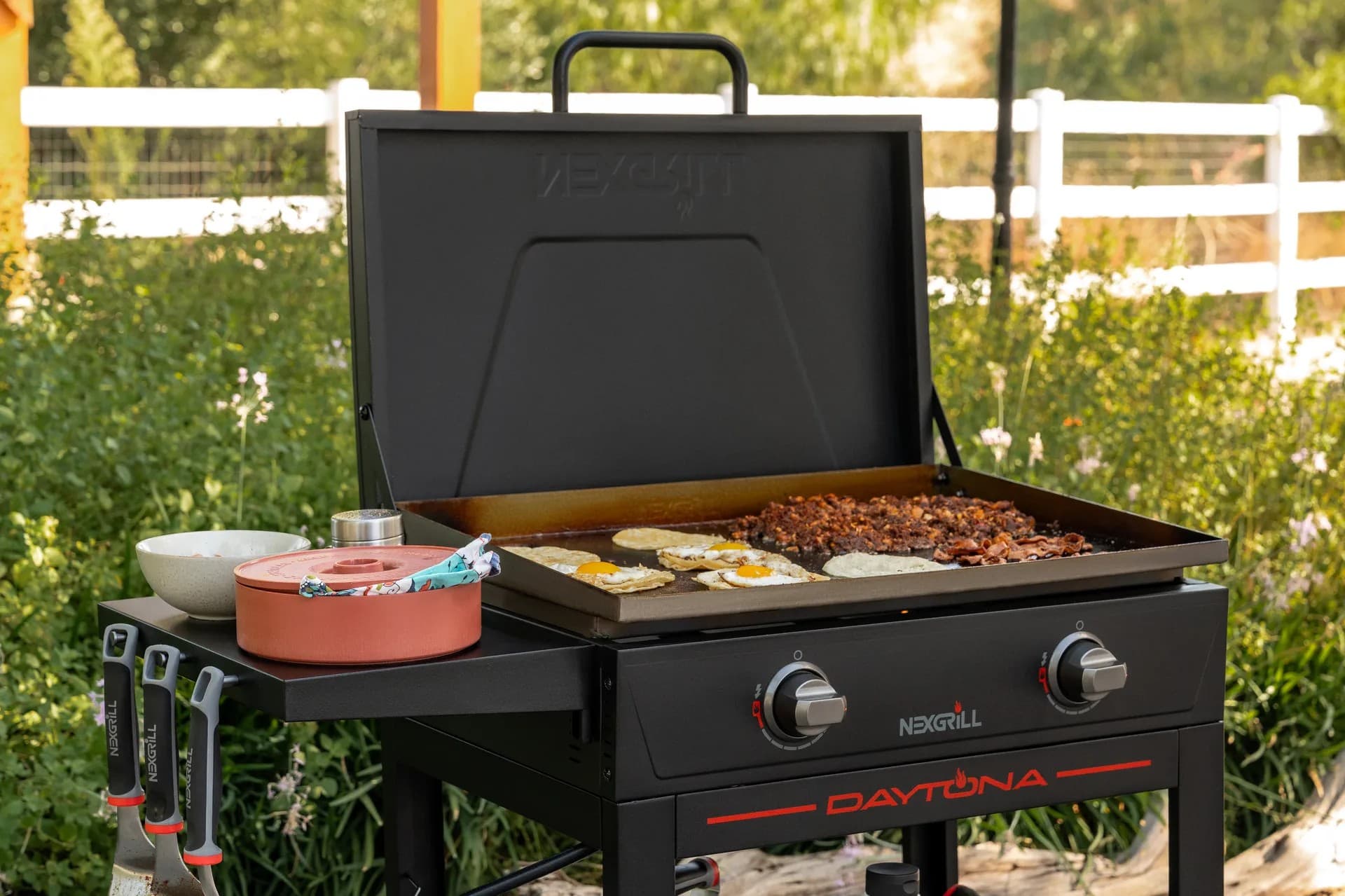
On a gas grill, airflow also interacts with burner pattern. A two-burner grill can be set up with one burner on and the other off for a simpler indirect zone, while a four-burner model gives you more flexibility to create heat lanes. That extra zoning is valuable because airflow then has more room to move heat around food without blasting it from every direction. A larger grill from Nexgrill’s lineup gives you more options to shape that environment, especially when you are cooking for a group and need one place to sear, another to hold, and maybe another to finish vegetables or warm buns.
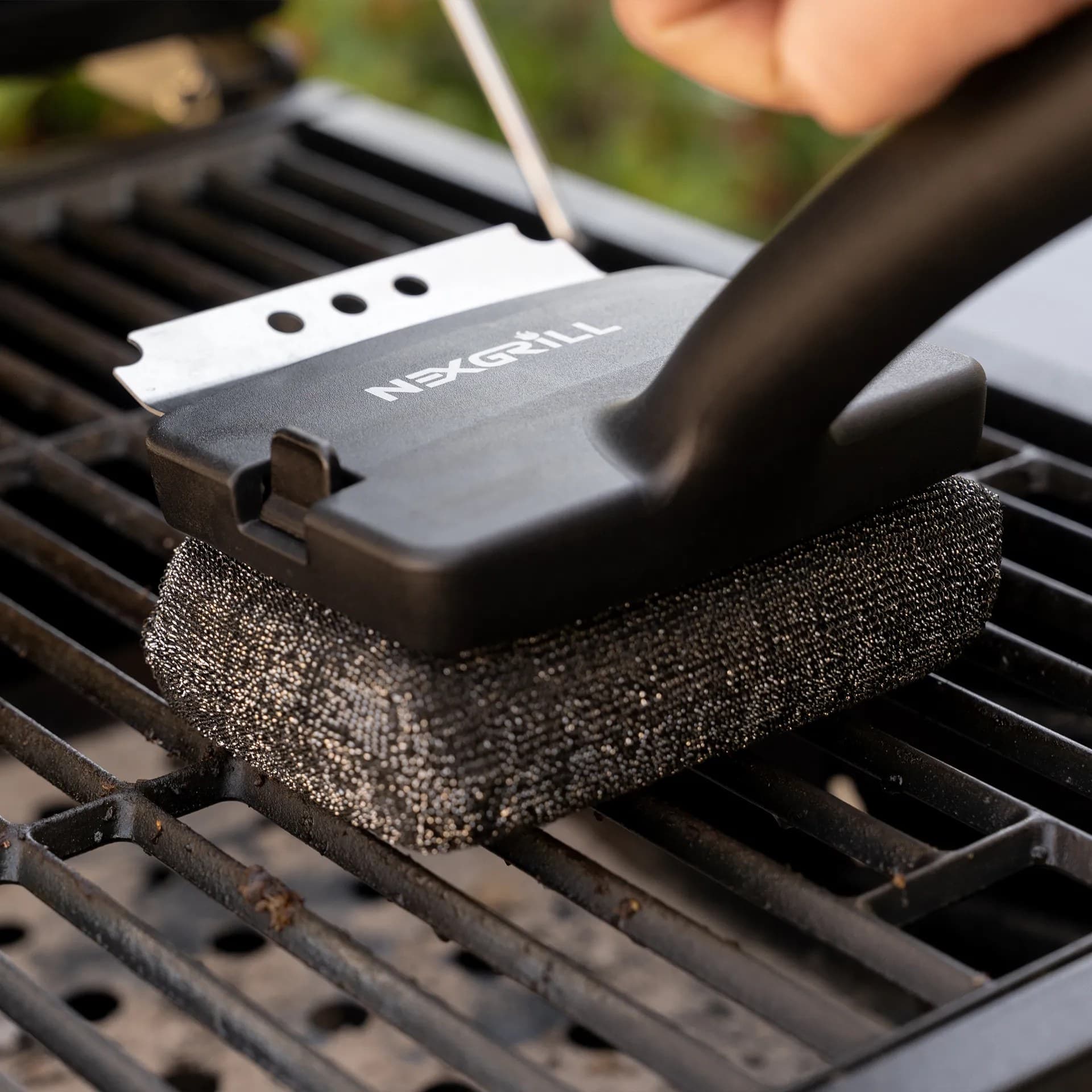
If your grill runs too hot, airflow troubleshooting is often the first place to look. Check whether vents are wide open when they do not need to be, whether a lid is being opened too often, or whether ash and grease buildup are interfering with the way air enters and exits the cooking chamber. Even simple habits, like keeping the lid closed between checks and avoiding constant peeking, can make temperature more stable because they prevent heat from escaping faster than the grill can recover.
Two-Zone Cooking: Direct and Indirect Heat
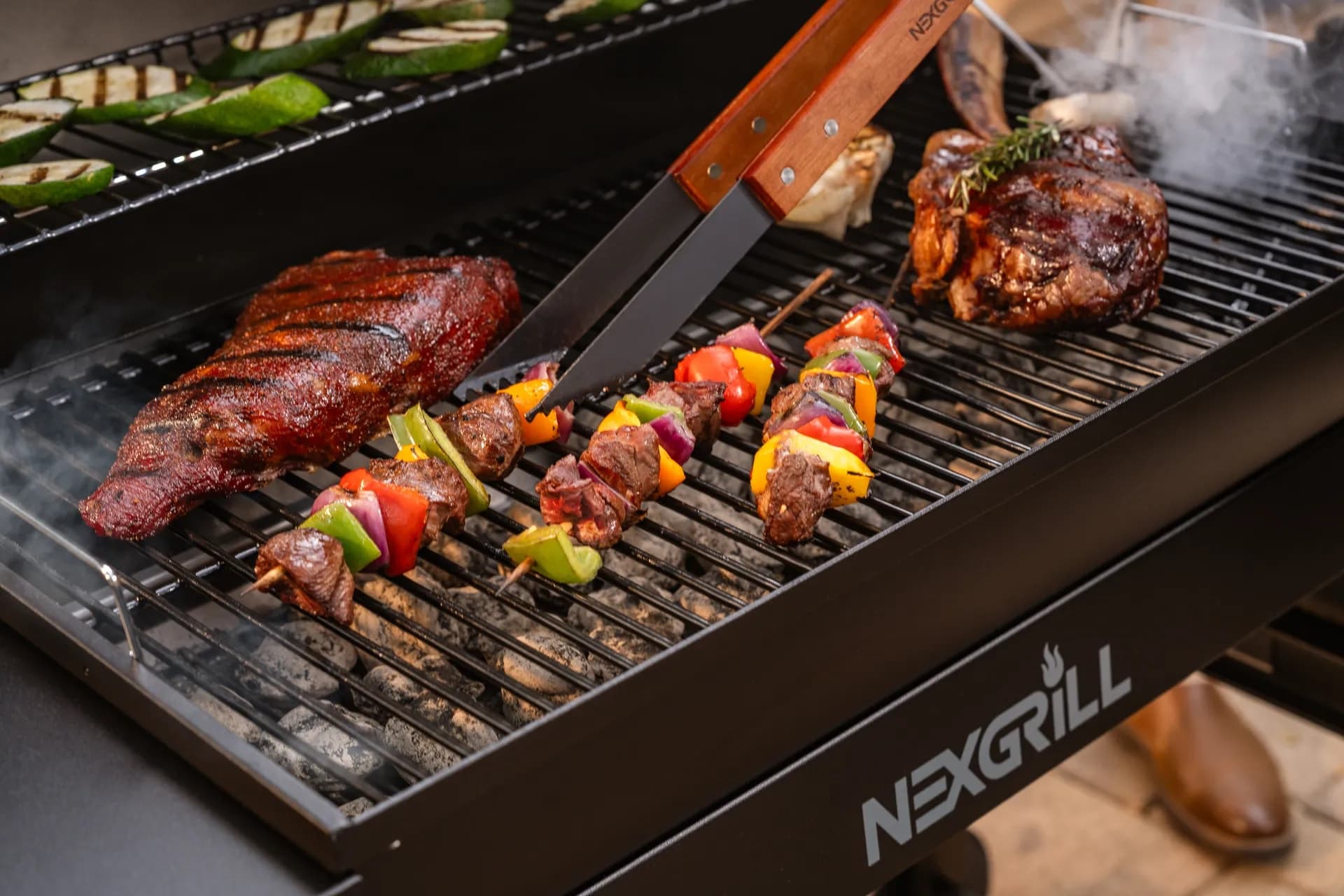
Two-zone cooking is one of the most useful temperature regulation techniques because it turns the grill into a flexible cooking station rather than a single heat source. The direct zone is the hot area where food gets sear marks and fast browning. The indirect zone is the cooler side where food can cook through more gently. Together, these zones let you control pace and finish without burning the outside before the inside is done.
A simple example is bone-in chicken thighs. If you place them over direct heat for the entire cook, the skin can char before the meat fully cooks. If you move them to indirect heat after an initial sear, you give the meat time to reach a safe internal temperature while preserving the skin. Another example is thick-cut pork chops: start with a short sear for flavor, then finish over the cooler side so the center reaches the right doneness without drying out. For vegetables, two zones can prevent delicate items like asparagus or mushrooms from collapsing or scorching while still giving sturdier vegetables, such as corn or halved peppers, enough heat to char nicely.
Tip: Set up your zones before the grill is fully loaded. If you wait until food is already cooking, you lose time and may create uneven doneness while you shuffle items around.
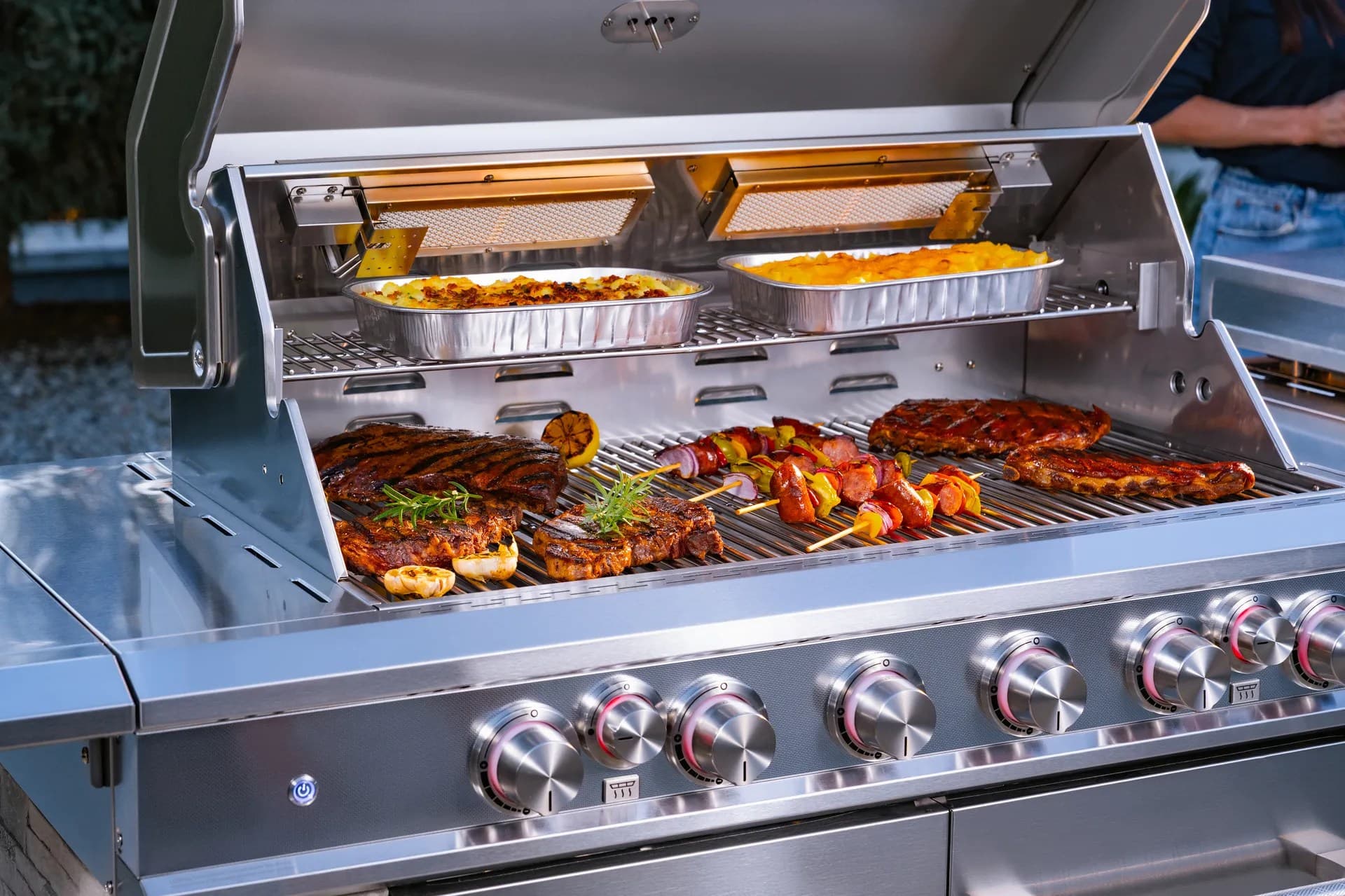
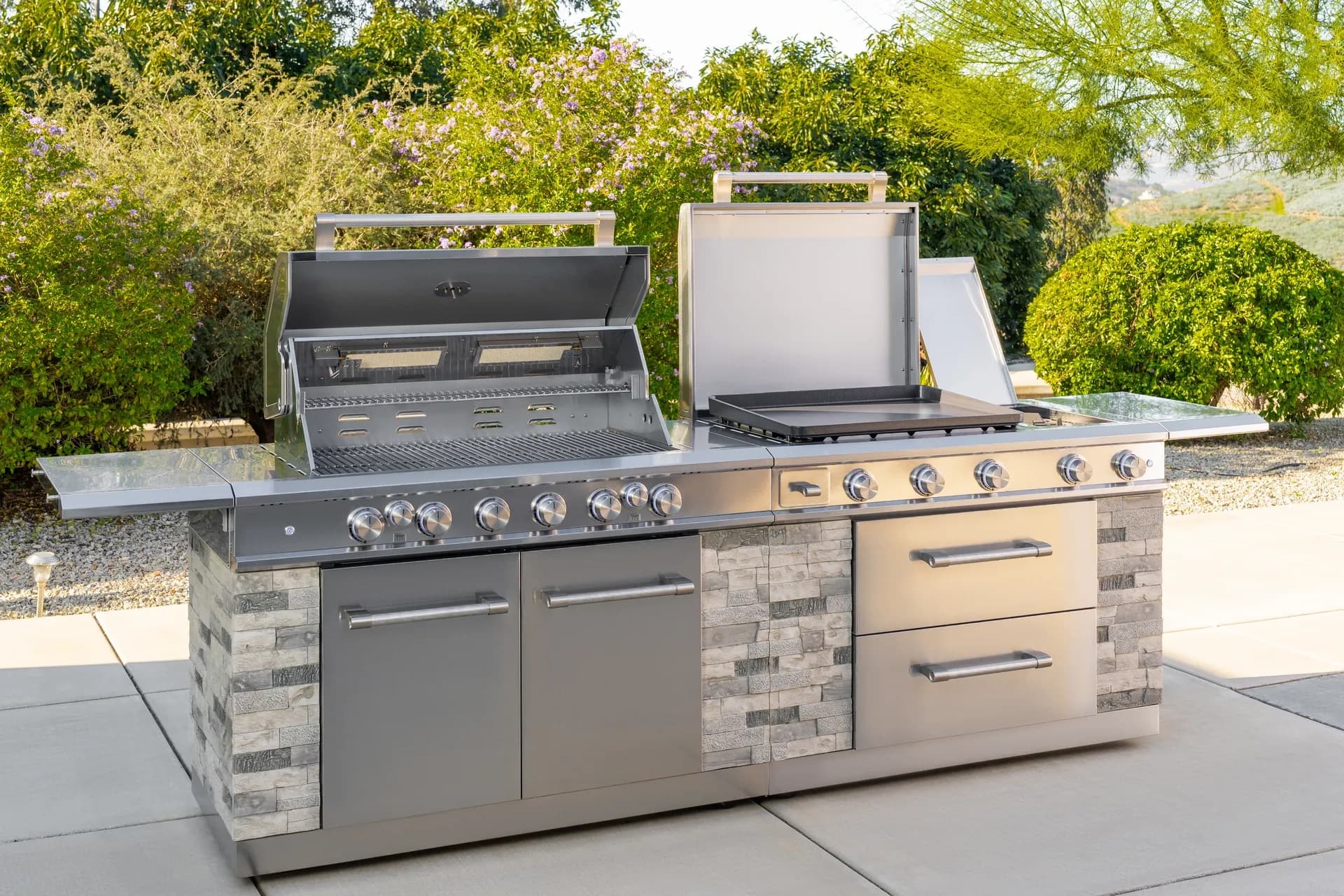
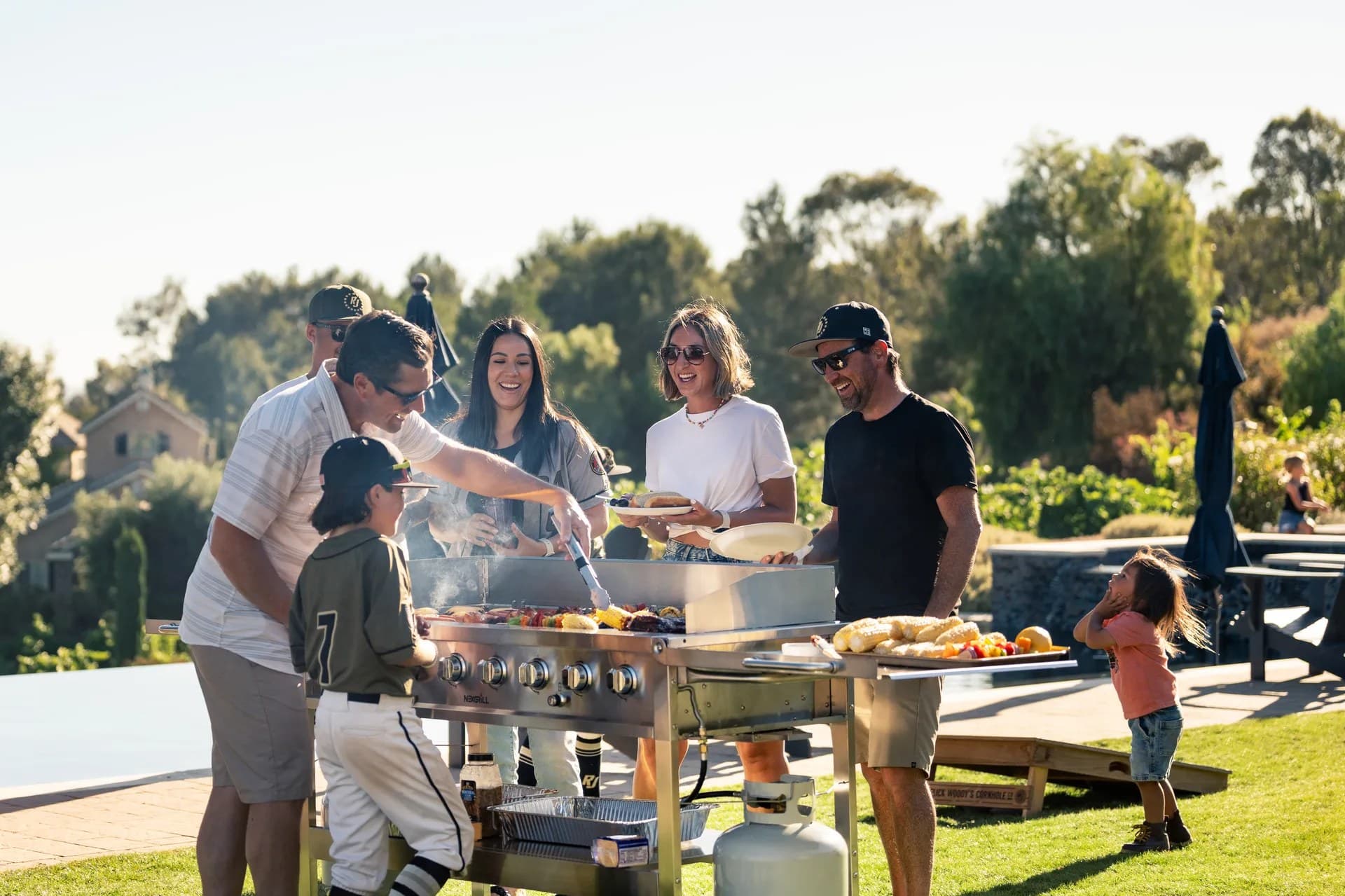
Gas grills make this technique especially straightforward. On a two-burner model, one side can be your direct zone and the other your indirect zone. On a larger four-burner grill, you can create a broader hot side and a gentler side, which is useful when you are managing multiple foods at once. That is where a Nexgrill four-burner setup can shine for backyard meals: burgers on one side, vegetables on the other, and buns or finished food held off heat. The key is to think in stages rather than trying to cook everything at the same intensity.
With charcoal, two-zone cooking usually means arranging lit coals on one side of the firebox and leaving the other side free of direct coals. That arrangement creates a natural hot zone and a safer finish zone. It is particularly effective when grilling items with different cooking times. For instance, skewered shrimp may only need a short burst over direct heat, while a split chicken or thick sausage can benefit from moving to the indirect side once the exterior has enough color. This is how experienced grillers keep control without overhandling the food.
The biggest mental shift is understanding that indirect heat is not “lesser” heat. It is precision heat. It lets you protect food from flare-ups, maintain better texture, and finish large or uneven cuts more predictably. Once you start using both zones intentionally, you will notice that your grill becomes easier to manage because you are no longer forcing every ingredient to obey the same temperature.
Utilizing Temperature Monitoring Tools
Good monitoring takes the mystery out of grill temperature regulation. Built-in lid thermometers are useful for a quick read, but they should be treated as general guidance rather than the only source of truth. Lid thermometers measure the air near the top of the hood, which can differ from the grate level where your food is actually cooking. If you want more accurate control, use a probe thermometer or a reliable instant-read thermometer to check the grate area and the food itself.
A smart monitoring habit is to combine three views of the cook: chamber temperature, surface behavior, and internal food temperature. If the chamber is reading steady but your burgers are browning too quickly, the grate-level heat may be higher than the lid suggests. If the chamber is climbing but the food is lagging, you may need to close the lid or reposition the food closer to the heat source. Monitoring helps you react based on evidence rather than instinct alone.
Compare grill-side temperature with internal food temperature for more reliable results.
For beginners, an instant-read thermometer is the easiest upgrade. It can tell you whether chicken, pork, or fish is actually done instead of forcing you to guess based on appearance. For more advanced cooks, a leave-in probe is helpful for long cooks or for comparing temperature changes over time. That becomes especially valuable when you are trying to keep a grill steady through a long session and want to know exactly when the temperature starts drifting. If you are cooking in a larger backyard setup or entertaining in a warm United States summer afternoon, temperature changes can happen slowly enough that you may not notice them until food quality starts to change.
Monitoring is also how you learn your own grill’s personality. Two grills with similar specs can behave differently depending on age, fuel, ambient conditions, and how the heat is distributed across the cooking surface. If you track how long preheating takes, where hotspots appear, and how quickly temperature falls when the lid opens, you will eventually know the grill well enough to make better choices before problems happen. That kind of familiarity is one reason many home cooks prefer a dependable, value-driven grill platform: it lets them focus on learning the cook instead of fighting the equipment.
Try comparing two products side by side below to see which fits best:
Common Mistakes and How to Avoid Them
The most common temperature-control mistakes are not dramatic; they are small habits that quietly make cooking harder. One is preheating for too little time. If the grill has not stabilized, the first batch of food often cooks unevenly because the grates and chamber are still catching up. Another is lifting the lid repeatedly, which releases heat and forces the grill to recover each time you check on the food. A third is overloading the cooking surface, which blocks airflow and creates uneven zones that are hard to predict.
A fourth mistake is ignoring the difference between what the control panel suggests and what the food needs. Turning a burner higher is not always the answer. Sometimes the better fix is moving the food, changing the zone, or allowing more time for the grill to settle. For example, if burgers are cooking too fast on the outside, do not automatically lower everything and hope for the best. Move them to indirect heat for a few minutes, then return them to direct heat for finishing. That keeps the grill in play rather than making it fight you.
Another issue is failing to account for the grill type you are using. A compact two-burner gas grill has less room to create wide temperature gradients than a full-size four-burner model, so the same cooking strategy will not always translate directly. Similarly, charcoal fires have more lag than gas burners, so a temperature correction has to be planned earlier. The best grillers adapt the method to the equipment instead of demanding that every grill behave identically.
Warning: Do not make large vent or burner changes right before food is supposed to finish. Temperature changes can lag, and overshooting is easier than recovering a stable cook.
Finally, do not ignore food placement. Even on a well-controlled grill, where you place a piece of food on the grate matters. The center of a hot zone will behave differently from the edge of the zone, and items placed too close together can trap steam instead of letting moisture escape. If you want better browning, spacing matters as much as heat. If you want better texture, rest and carryover cooking matter as much as the final chamber reading. Temperature regulation is not just about knobs and vents; it is about building a cook that respects how heat actually works.
Advanced Techniques for Maintaining Consistent Heat
Once you've weighed two options against each other, the next question is how to keep heat steady once the cook is underway. Consistency matters most when you move beyond quick burgers and start grilling foods that punish sloppy temperature management, such as thick pork chops, split chicken, tri-tip, sausage links, or mixed pans of vegetables and seafood. At that point, the challenge is no longer simply “make it hot.” It is “keep it useful for long enough that the food finishes evenly.”
A dependable way to do this is to think in terms of heat recovery. Every time the lid opens, every time cold food lands on the grate, and every time a vent or burner is adjusted, the grill loses some momentum. Good cooks plan around that lag. On a gas grill, that means preheating until the cooking chamber and grates are fully stabilized before adding food. On a charcoal grill, it means allowing the fire to establish a strong base before starting the main cook. A quick visual cue helps: if the grill is still visibly changing intensity, it is not ready for the more delicate parts of the meal.
For larger family meals, consider staging food. If you are cooking chicken thighs, potatoes in foil, and asparagus, do not place everything on the grate at once and hope the temperatures work themselves out. Start the item that needs the longest cook in the indirect zone, then add the quicker foods later. This reduces the amount of heat loss from unnecessary lid opening and helps you avoid one item finishing before another is even close. On a larger Nexgrill gas grill, the additional burner real estate can make that staging easier because you can reserve one section for searing and another for holding or finishing. That flexibility is valuable when you are cooking for a backyard gathering and need different doneness levels without turning the grill into a traffic jam.
Another advanced habit is to watch for temperature drift instead of reacting only to big swings. Small drifts often reveal early issues: grease buildup can alter airflow, a partial burner blockage can change flame behavior, and windy conditions can strip away heat faster than usual. If you catch the drift early, you can make a minor correction. If you wait until the grill has fallen far below target, the fix will take longer and may force you to overcompensate. The most reliable grillers are usually the ones who make small decisions sooner.
Tip: When a cook is running long, check the heat path as much as the food. A clean fire source and open circulation matter just as much as burner position or vent setting.
For pellet smokers and other long-cook setups, consistency often depends on keeping fuel feed steady and avoiding unnecessary interruptions. Pellet grills are especially useful for low-and-slow cooking because they can hold a more even environment for brisket, ribs, or pork shoulder, but they still benefit from disciplined monitoring. Even with automated heat management, opening the lid too often or overfilling the chamber can create performance changes. The lesson is the same across grill types: the fewer unnecessary disturbances, the smoother the temperature curve.
Adjusting for Weather Conditions
Outdoor grilling in the United States means temperature regulation is never just about the grill itself. Weather changes how the grill behaves, sometimes enough to alter your cooking plan. Wind can pull heat away from the chamber, cold air can slow recovery after the lid opens, and intense summer sun can make a grill run more aggressively than expected. If you ignore weather, your normal settings may no longer produce your normal results.
On windy days, position matters. A grill placed in a protected area will usually hold heat better than one standing fully exposed. Without moving into unsafe territory or crowding the grill against structures, you can still reduce the effect of wind by choosing a more sheltered location and keeping the lid closed except when necessary. For gas grills, wind can also affect how evenly heat spreads across burners, so an apparently stable knob setting may still cook differently from a calm day. If the food suddenly starts taking longer, wind is one of the first variables to suspect.
Cold weather introduces a different problem: heat loss. The grill has to work harder to bring a cold chamber, cold grates, and cold food up to target temperature. That means preheating may take longer than it does in mild weather, and you may need a little more patience after each lid opening. If you are grilling in winter or on a cool spring evening, give the grill time to recover before judging the setting as too low. Often the issue is not that the grill is underperforming; it is that the environment is asking more of it.
Heat can also be affected by direct sunlight. On a hot afternoon, a dark grill body and enclosed hood can absorb more ambient warmth, which may push chamber temperatures upward. That is not a reason to panic, but it is a reason to verify readings rather than assuming the dial alone tells the full story. For cooks in climates with strong seasonal swings, learning how your grill reacts in spring, summer, fall, and winter will make your results more predictable year-round. The goal is not to fight the weather but to anticipate it.
Fuel Selection and Its Impact on Temperature
Fuel choice affects how quickly you reach temperature, how long you can hold it, and how much hands-on adjustment the cook will require. Gas is generally the easiest path for fast startup and predictable control, which is why many backyard cooks lean on it for weekday meals and mixed dishes. A propane grill is especially convenient when you want to get dinner going quickly or handle a range of items from protein to vegetables without waiting for coals to settle. That speed fits the way many home cooks actually grill: after work, between errands, or during a short weekend window.
Charcoal behaves differently. It usually requires more setup time, but many grillers appreciate the way it responds to vent adjustments and the depth of flavor it can bring to steaks, wings, and darker-roasted vegetables. Because charcoal is more sensitive to airflow and arrangement, you get a wider range of heat behavior, but you also need more attention. If you are trying to keep a specific temperature for a longer session, charcoal management rewards patience, stack placement, and a sensible amount of fuel rather than a full basket of lit coals dumped in all at once.
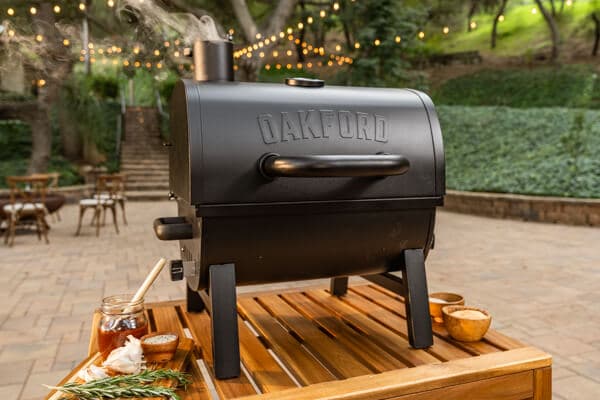
Pellet fuel offers another angle. Pellet smokers are useful when your priority is steady heat over extended cooks, especially for larger cuts that need long exposure to consistent warmth. The fuel feed and controller work together to create a stable environment, which is helpful when you want less manual intervention. Even so, fuel quality and storage still matter. Damp or inconsistent fuel can affect how steadily the grill holds its target. That makes the storage of pellets, charcoal, or propane cylinders part of the broader temperature-control conversation, not an afterthought.
| Fuel type | Temperature behavior | Best use case |
|---|---|---|
| Propane gas | Fast startup, easy adjustment, quick recovery | Weeknight meals, mixed-zone cooking, beginners |
| Charcoal | Slower to settle, very responsive to airflow changes | Searing, traditional barbecue, flavor-forward cooks |
| Pellets | Steady, controllable, best for longer sessions | Low-and-slow cooks, smoking, set-and-monitor meals |
The right fuel is the one that matches both the food and your patience. If you want a quicker learning curve and fewer variables, gas is usually the most forgiving. If you want to practice airflow management and savor a more traditional method, charcoal rewards the effort. If your goal is steady smoke and long heat control, pellets can simplify the job. Nexgrill’s range across gas, charcoal, and pellet options gives home cooks a chance to pick the system that fits how they actually cook instead of forcing one style to do everything .
Safety Precautions When Managing Grill Heat
Temperature control and safety are closely connected. A grill that runs too hot, is adjusted too quickly, or is used without enough awareness can create avoidable risk. That starts with placement. The grill should be used in a stable outdoor area with adequate clearance and ventilation, away from things that can catch fire. It also means being disciplined about what happens around the grill while the heat is active. Towels, lighter fluid, paper plates, and loose utensils should not be left where they can brush against hot surfaces or create clutter during a cook.
If you are managing flare-ups, resist the instinct to panic. The right response is usually to move food to a cooler zone, close the lid if the cooking setup allows it, and reduce the fuel source rather than dousing the grill in a way that creates steam or splatter. For gas grills, learning where your shutdown controls are before you start cooking is part of safe heat management. For charcoal grills, that means understanding how to lower oxygen safely and how to let the fire die down without improvising. In both cases, gloves and long-handled tools reduce the chance of contact with hot grates, handles, or lids.
Another safety habit is to confirm food placement before reaching over the cooking surface. It sounds obvious, but many burns happen because someone leans across a hot zone to grab tongs, flip food, or adjust a vent. Set your workflow so the most-used tools are within easy reach and the path to the grill is clear. If you are checking temperature with a probe, make the movement deliberate and quick. If you need to open the lid, stand slightly to the side to avoid the rush of hot air and steam.
Warning: Never make a last-second heat adjustment by moving a hot grill, adding fuel carelessly, or reaching into the chamber without proper tools and protection.
Safe heat control also includes post-cook discipline. After cooking, allow the grill to cool according to the equipment instructions before cleaning, covering, or moving it. Ash, grease, and residual fuel can stay hot longer than they appear, so a cook is not really finished until the grill is safely at rest. That final step protects both the equipment and the cook, especially when meals happen late in the day or during crowded gatherings where people are still moving near the grill.
Conclusion: Mastering Grill Temperature for Optimal Results
Mastering grill temperature is really about building confidence through repeatable habits. Airflow teaches you how the fire breathes. Two-zone cooking teaches you how to shape different parts of the grill for different jobs. Monitoring tools keep you honest about what is happening at grate level and inside the food. Weather, fuel choice, and safety then become part of the same system rather than separate concerns.
For Nexgrill cooks, that system should feel practical and approachable, not technical for the sake of being technical. You do not need to become a scientist to grill well. You do need to observe how your grill behaves, make small adjustments with purpose, and choose the right setup for the meal in front of you. Whether you are running a quick propane weeknight dinner, a charcoal weekend sear, or a longer pellet cook, the core idea stays the same: the better you manage heat, the better the food tastes and the calmer the cook feels.
Info: If you want better results next time, keep a simple note of what worked - fuel level, weather, zone setup, and thermometer readings. Small records make your next cook easier to repeat.
Over time, those small decisions add up. You start noticing when your grill needs a little more preheat, when the wind changes recovery time, and when a cooler zone saves a delicate cut from burning. That is the real payoff of temperature regulation: not just better meat, but better judgment. And once you have that, every cook becomes easier to trust.