A comprehensive guide to understanding, replacing, and maintaining your grill's temperature gauge.
Here's what sets us apart from the competition
We position ourselves as delivering high-end outdoor cooking features and performance without premium-brand pricing, emphasizing “Quality Grills. Unbelievable Value.”
We offer gas grills, pellet grills, griddles, smokers, pizza ovens, portable/tabletop grills, electric grills, accessories, and replacement parts — allowing customers to stay within one ecosystem for all outdoor cooking needs.
We differentiate ourselves through smart grilling products like the Oakford smart pellet grill, including app-connected cooking controls and modern outdoor cooking technology.
Expert tips, buying guides, comparisons, and inspiration for choosing and getting the most out of your grill.
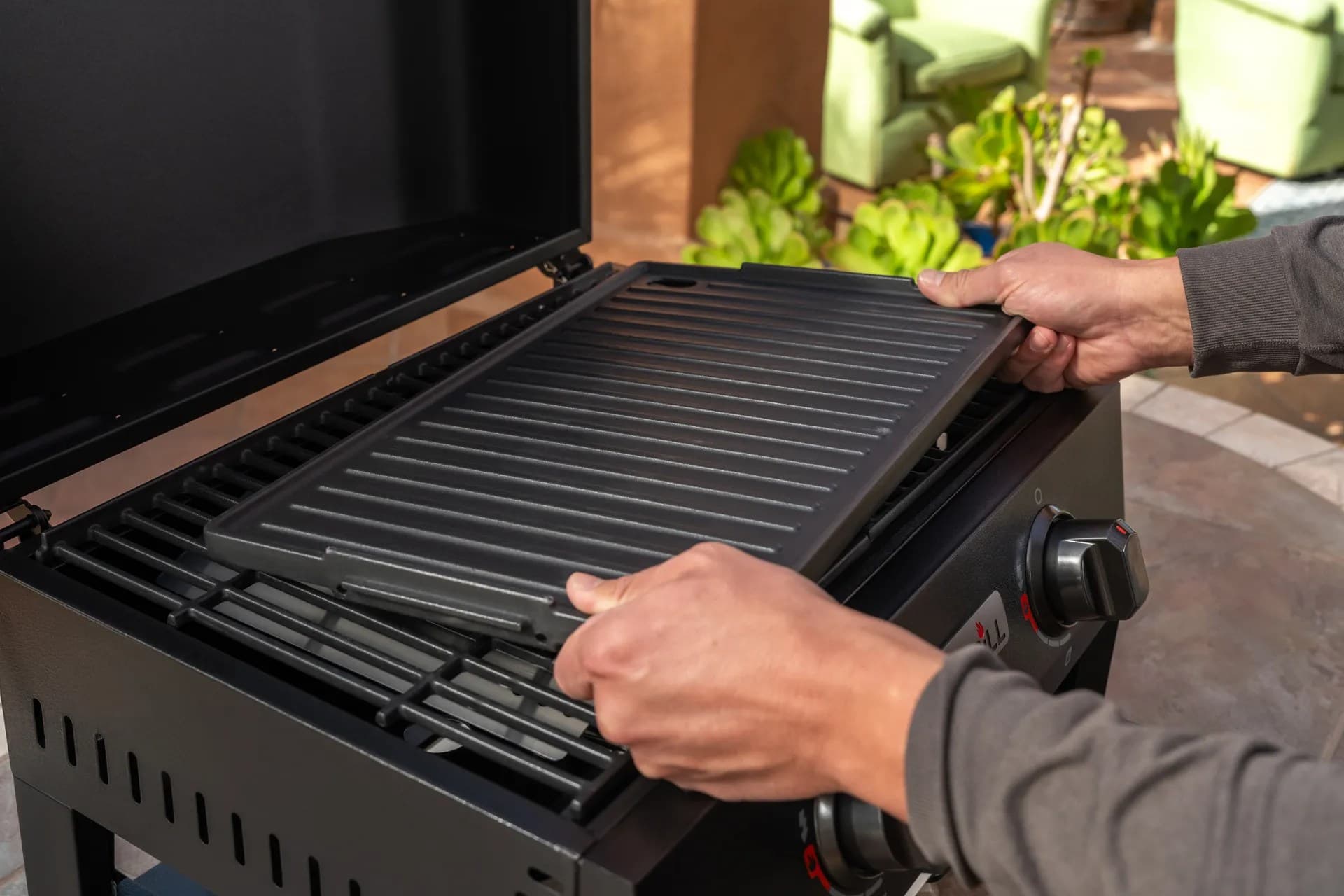
Practical guides for cleaning, maintenance, common grill issues, and performance optimization.
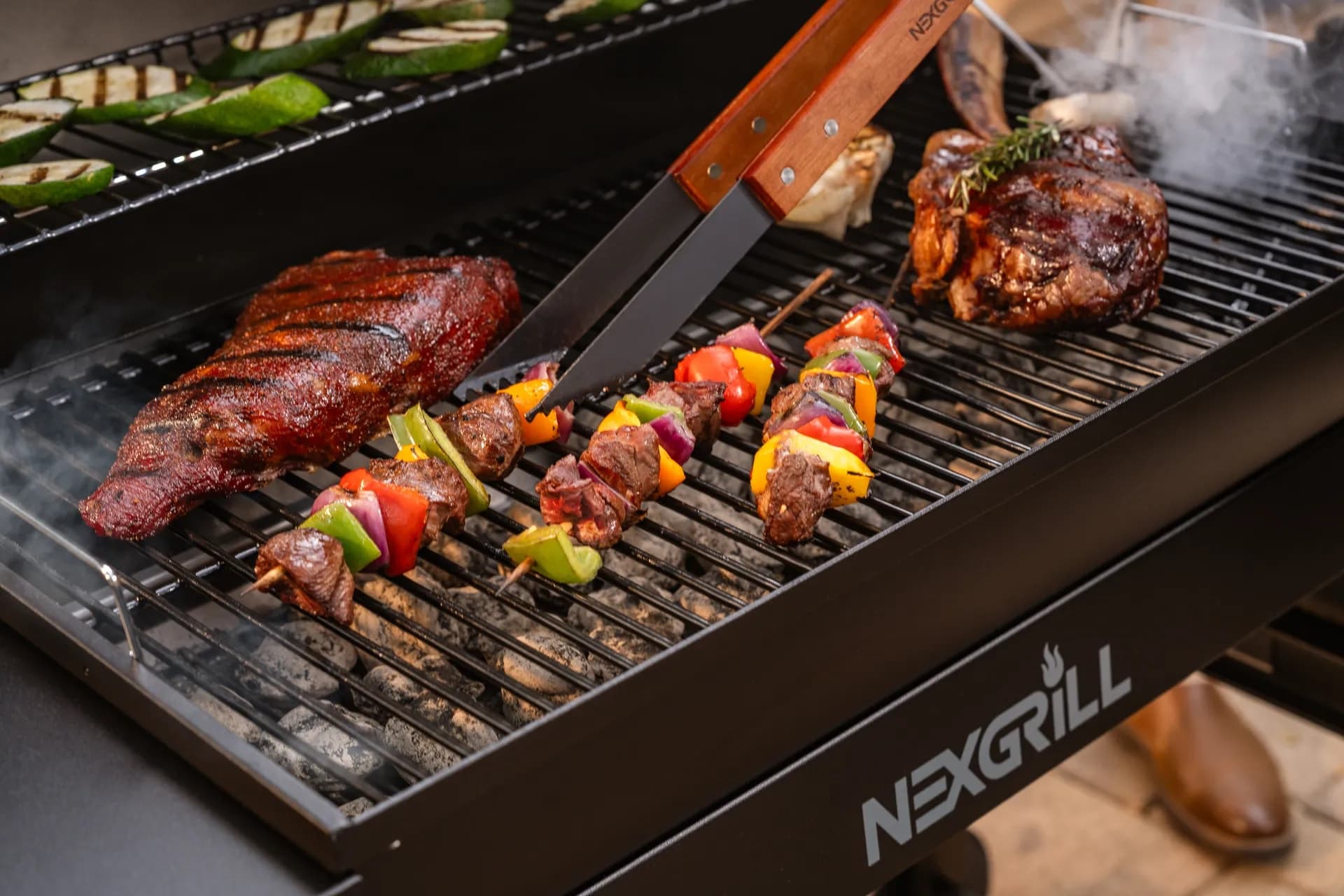
Step-by-step grilling recipes, cooking techniques, and meal ideas for every occasion and skill level.

Backyard entertaining ideas, seasonal grilling inspiration, and stories that celebrate outdoor cooking culture.
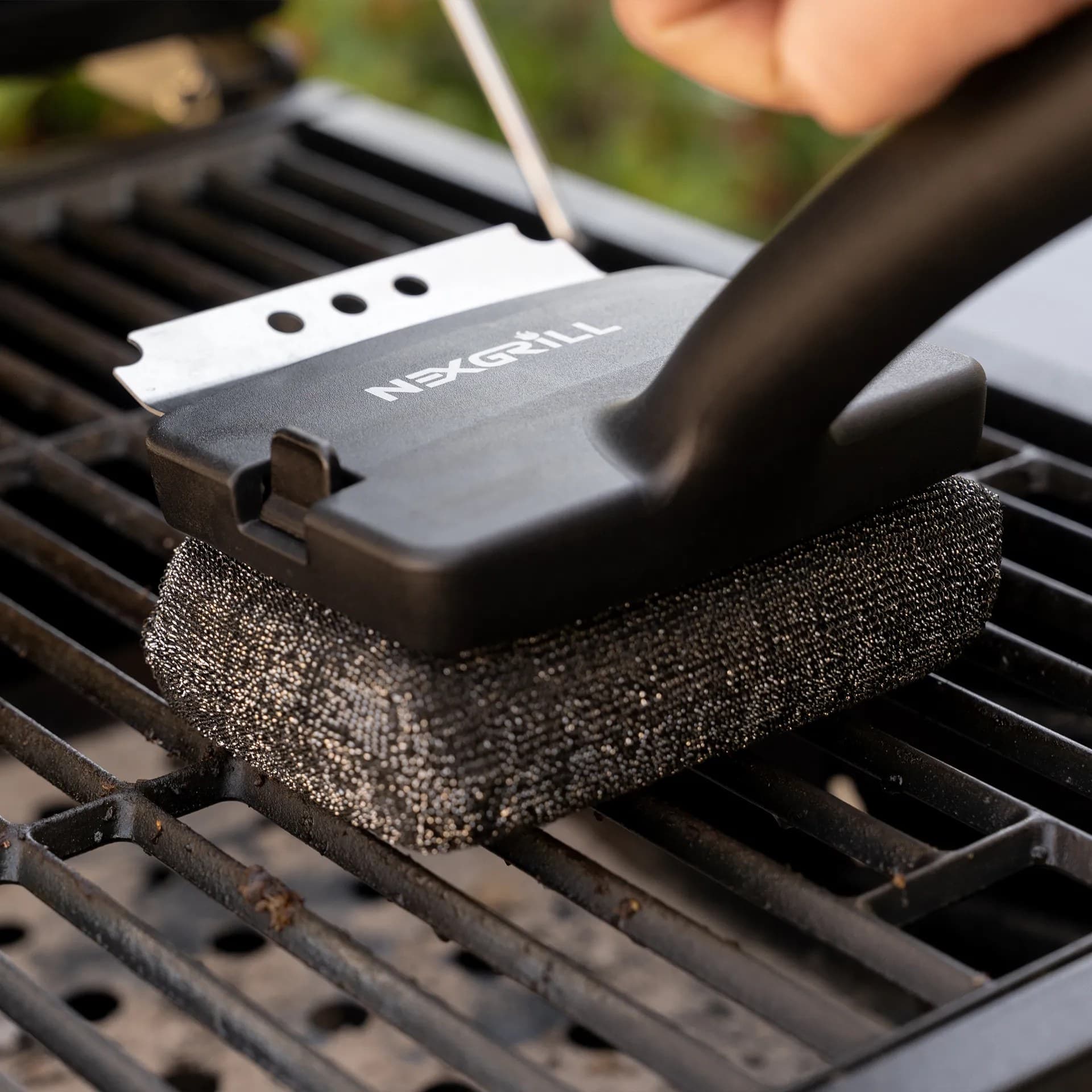
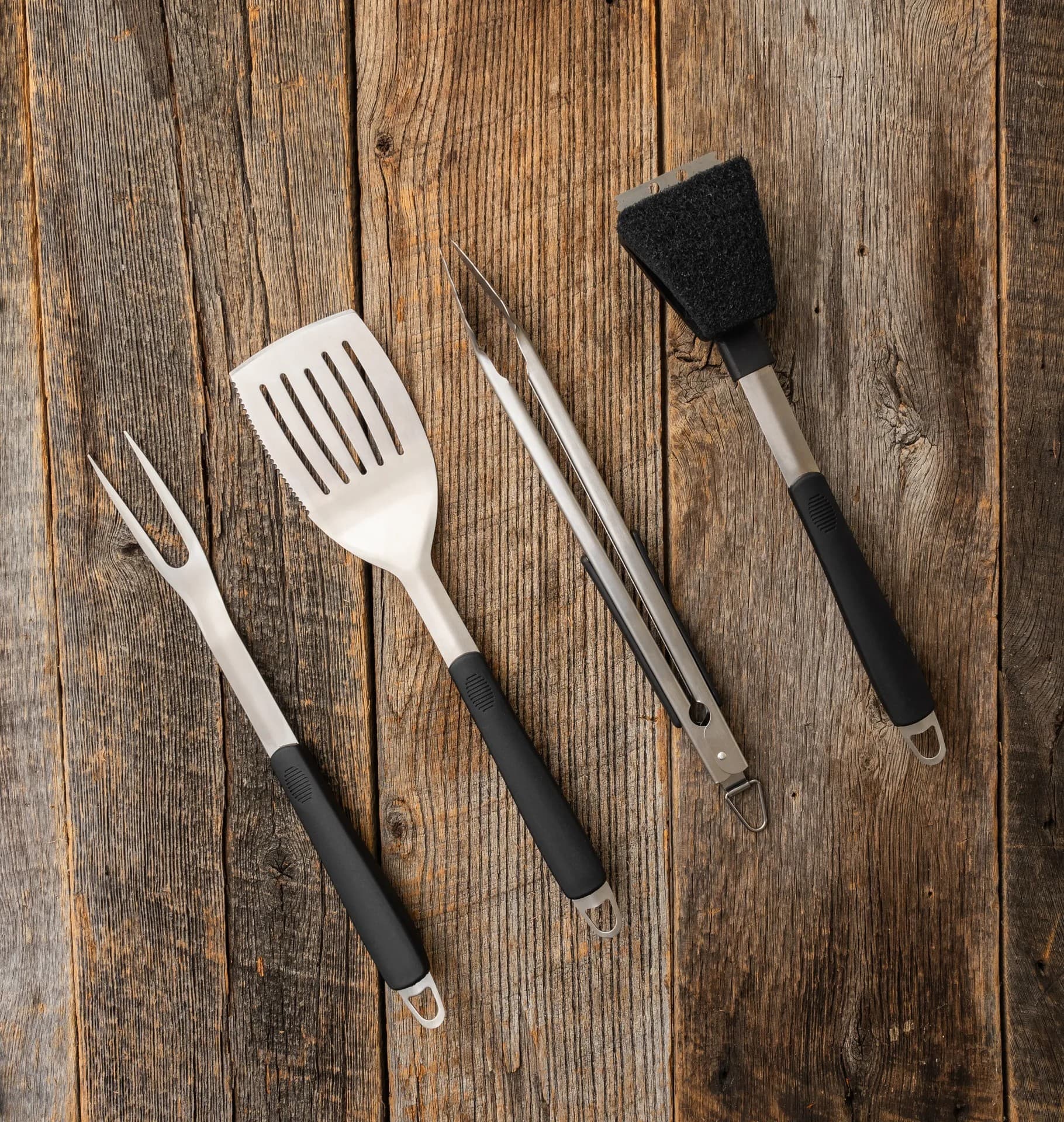
Helpful articles covering grilling tools, cookware, maintenance gear, and must-have accessories for outdoor cooking.
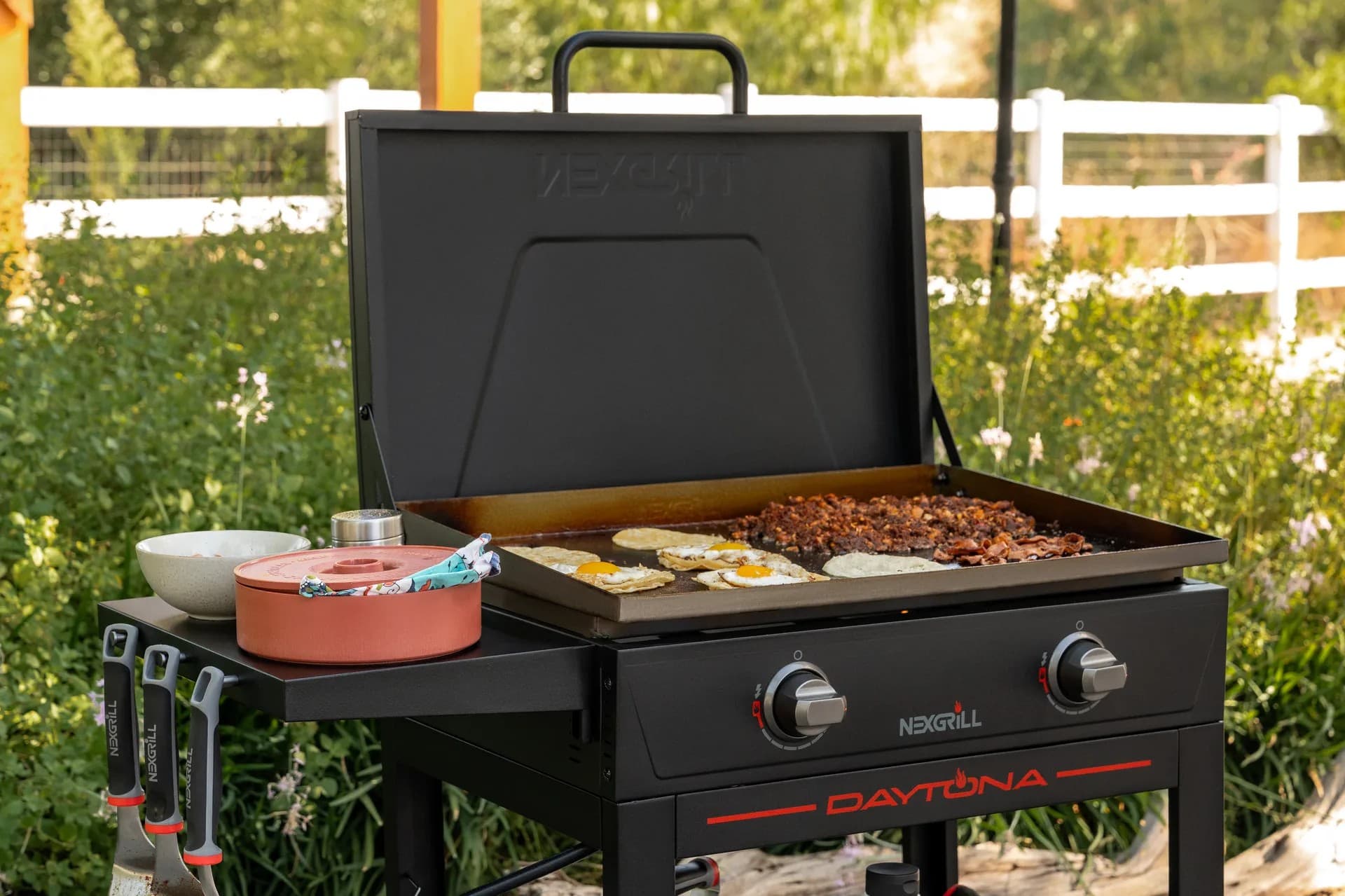
Find griddle recipes, cooking techniques, cleaning tips, and outdoor meal ideas designed for Nexgrill griddles.
Find answers to common questions
Nexgrill offers a variety of accessories including grill tools, covers, cooking utensils, and replacement parts designed to enhance your grilling experience.
Many Nexgrill accessories are widely compatible with various grill brands, but it is recommended to check the specifications for proper fit and functionality.
To maintain your Nexgrill accessories, regularly clean them with warm soapy water, avoid using abrasive materials that could scratch the surface, and store them in a dry place when not in use.
Yes, Nexgrill accessories can be purchased separately from the grills, allowing customers to customize their grilling setup as needed.
Instructions for using Nexgrill accessories are typically included in the packaging, and additional resources can be found on the Nexgrill website or in the product user manuals.
In This Article
Understanding Grill Temperature Gauges
Pricing and Purchasing Options
Installation and Maintenance Tips
A grill temperature gauge is one of those small parts that quietly shapes almost every cook. When it works, you can manage heat with confidence, decide when to sear, and avoid the frustration of guessing whether the lid is telling the truth. When it drifts, fogs, or stops responding, the grill may still fire up, but your control over the cook is reduced. That is why grill temperature gauge replacement price matters: it is not just a part cost, but part of the larger decision about whether to repair, upgrade, or simply keep a favorite grill performing the way you expect.
For many owners, the best replacement is not the most expensive one. It is the gauge that matches the hood opening, reads clearly in the cooking environment, and fits the way you actually grill. A basic analog thermometer may be enough for a simple backyard setup, while a digital or probe-based accessory may be more useful for cooks who want finer detail and quicker readouts. Nexgrill’s brand philosophy emphasizes approachable, dependable outdoor cooking for a wide range of households, and that same practical mindset applies when choosing replacement parts: match the part to the job, not just the price tag. Best grill temperature gauge replacements can be a great choice for ensuring the right fit and functionality.
If your old gauge is only slightly cloudy or slow to react, compare replacement cost against the value of the grill itself before buying a premium part.
Typical budget-to-midrange replacement range for many common grill thermometer parts in the United States, depending on brand and size.
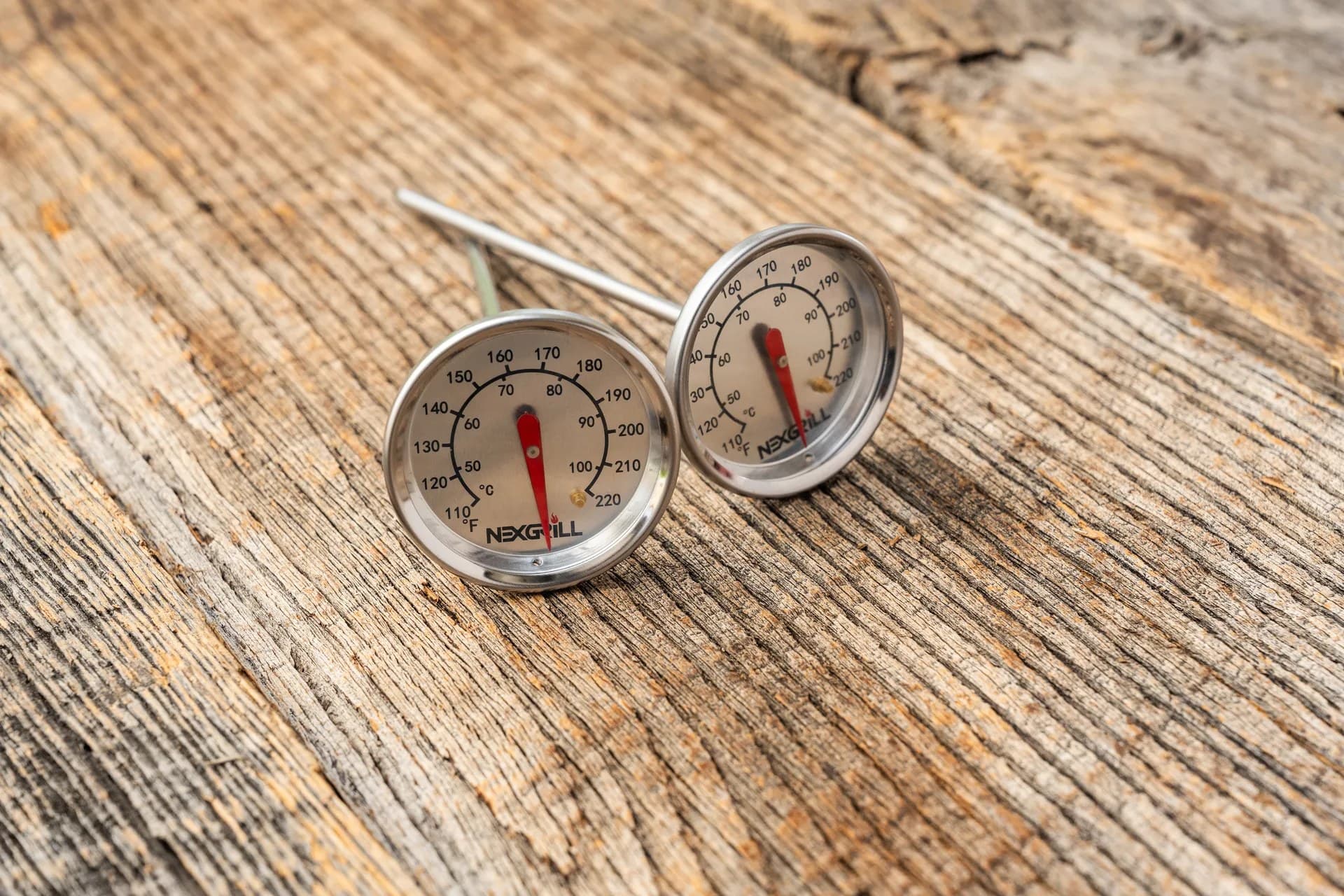
The first decision is usually whether you need an analog hood gauge or a digital temperature solution. Most built-in grill lid thermometers are analog: a simple dial with a stem that passes through the lid and measures the air temperature inside the cook box. They are common because they are durable, easy to read at a glance, and inexpensive to replace. In many cases, the exact replacement part is model-specific. That matters because lid thickness, mounting diameter, stem length, and face size all affect fit.
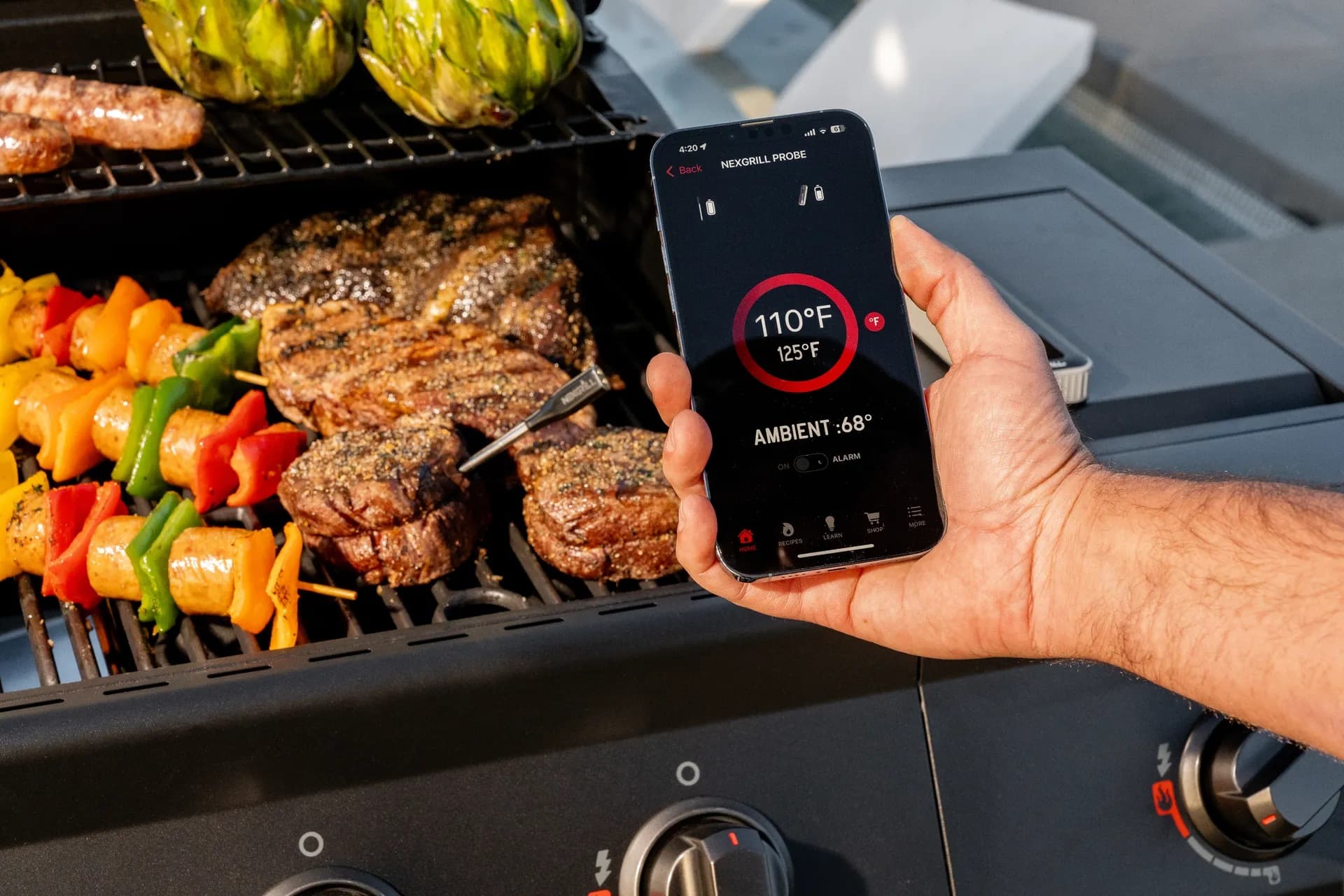
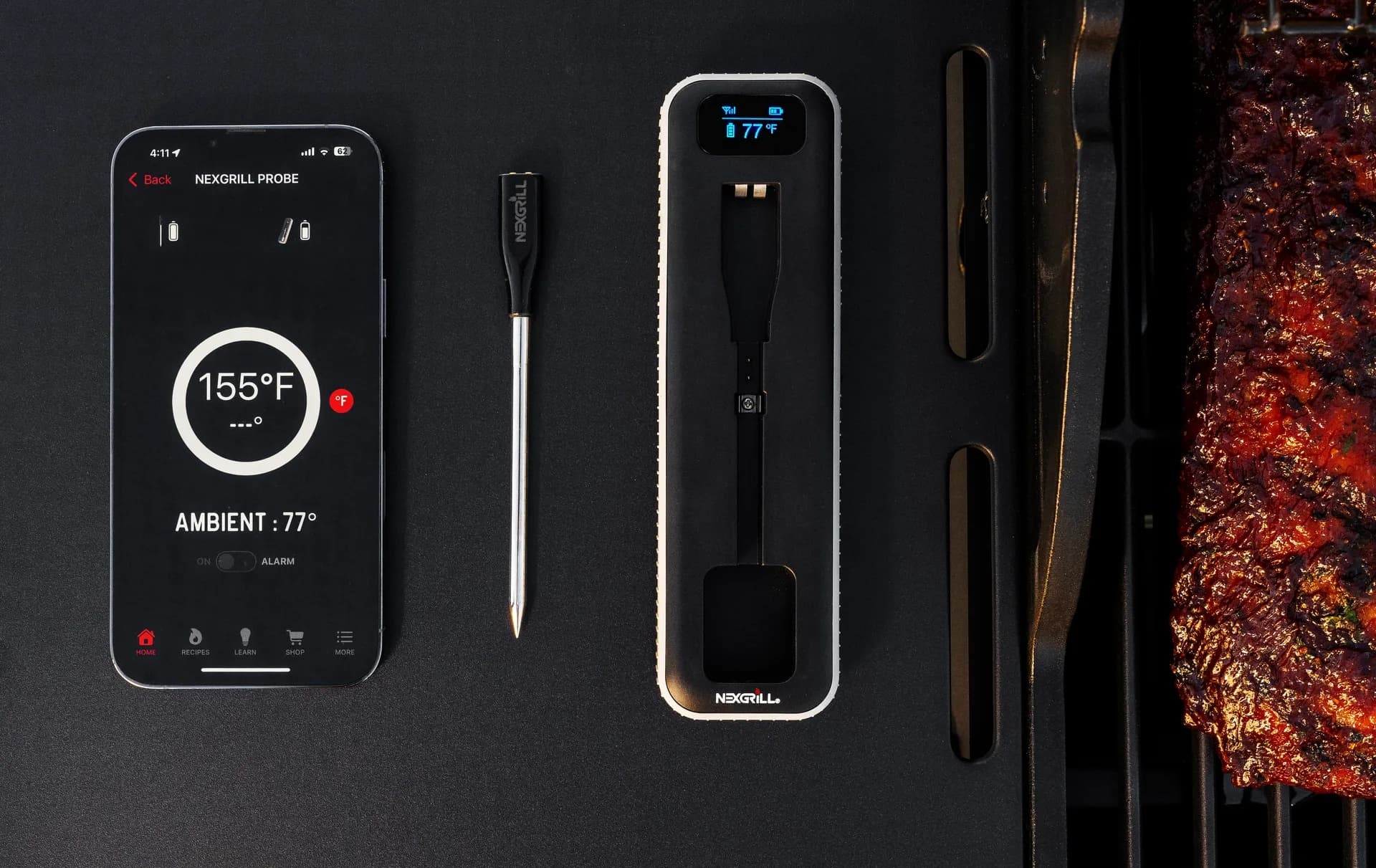
Digital options, by contrast, are usually stand-alone thermometers or probe systems rather than direct lid replacements. They can give more precise readings and better insight into grate-level conditions, but they cost more and may not solve the problem if what you need is a direct substitute for a broken hood gauge. If you are repairing a gas grill or pellet smoker with a traditional round dial, analog is usually the most practical path. If you want data for low-and-slow smoking or multi-zone cooking, a digital system can complement the hood gauge rather than replace it.
| Gauge type | Typical use | Pros | Trade-offs |
|---|---|---|---|
| Analog lid thermometer | Factory-style replacement for hood-mounted gauges | Affordable, simple, familiar, easy to install | Less precise than digital probes, can drift over time |
| Digital probe thermometer | Smoking, roasting, monitoring grate temperature | More precise, often faster to read, helpful for multi-zone cooks | Not a direct hood replacement in most cases |
| Built-in smart display | Higher-end grills with integrated electronics | Detailed feedback and advanced monitoring | Higher cost, model-specific parts, more complex repairs |
Do not assume every round thermometer fits every grill. The stem length and bezel diameter matter as much as the brand name.
Replacement pricing varies widely by brand, size, and where you buy. A basic analog gauge for a common charcoal or gas grill can sit in the low teens, while a branded or model-specific replacement may move into the mid-$20s or higher. Specialty parts for premium grills can reach the $30 to $50 range, especially when they are sold as exact-fit components rather than generic thermometers. Retail markup also matters: a general parts marketplace may offer broader selection, while a manufacturer-part seller may charge more for fit assurance.
For example, replacement options at general parts retailers and marketplaces often include familiar names such as Char-Broil, DCS, and Lion, with pricing that tends to cluster around the low-to-mid $20s for many common models. Home Depot’s grill replacement parts category is useful for comparing part families and finding cross-shop availability, while specialty sellers such as Grill Parts America, Fix, The BBQ Depot, and Pro Grill often carry narrower but more model-specific choices. Understanding grill wheels replacement pricing can also be beneficial when evaluating options.
| Retailer / source | Example product | Typical price positioning | Best use case |
|---|---|---|---|
| Home Depot | Grill replacement parts category | Budget to midrange | Comparing broad fitment options before buying |
| Grill Parts America | Char-Broil 8566083 replacement gauge | Budget to midrange | Common brand-specific replacement |
| The BBQ Depot | DCS BH1 grill temperature gauge | Midrange to premium | Premium grill model fitment |
| Fix | Char-Broil G431-0020-W1 gauge | Budget to midrange | Replacement by exact part number |
| Pro Grill | Lion hood temperature gauge 69811 | Midrange | Hood-mounted gauge for specific brands |
Installing a replacement grill thermometer is usually a straightforward job, but it pays to be methodical. Start by confirming the part number or measuring the old gauge before ordering. Measure the visible face diameter, the stem length, and the mounting hole. If the gauge was held in place by a retaining clip, note that detail before removal. For lid-mounted analog gauges, the process often takes less than 30 minutes with basic hand tools.
| Installation step | What to do | Why it matters |
|---|---|---|
| 1. Cool and disconnect | Turn off fuel, let the grill cool, and remove propane if applicable. | Prevents burns and accidental ignition. |
| 2. Remove the old gauge | Unscrew the bezel or release the retaining clip from inside the lid. | Clears the mounting point without bending the lid. |
| 3. Clean the opening | Wipe away grease, rust, and soot around the hole. | Helps the new gauge sit flush and read more accurately. |
| 4. Install the new gauge | Insert the stem, align the face, and fasten the clip or nut. | Keeps the gauge secure and readable. |
| 5. Test and verify | Close the lid and compare the reading to a known thermometer. | Confirms the new gauge is tracking sensibly. |
Basic lid-gauge replacement checklist:1. Match part number or measure the old gauge2. Turn off fuel and let grill cool completely3. Remove retaining hardware from inside lid4. Clean mounting hole and surrounding metal5. Insert replacement gauge and secure firmly6. Compare against a secondary thermometer after heatingA useful visual rule: if the new gauge is slightly loose, do not over-tighten the nut or clip to force a fit. That can warp the lid or crack plastic trim on some models. If the opening is damaged, a small amount of high-temperature sealant may help stabilize the fit, but only if the part manufacturer permits it. For electronic or probe-based gauges, follow the sensor placement instructions carefully because probe position has a direct effect on the displayed temperature.
When a gauge acts strangely, the cause is not always the gauge itself. A reading that seems too low may be caused by grease buildup, a loose stem, or placement close to the lid edge where heat distribution is uneven. If the needle sticks, the internal mechanism may have corroded or been exposed to repeated heat cycles. Fogging between the lens and face can indicate moisture intrusion, which is common after weather exposure or aggressive washing.
A second thermometer is your best diagnostic tool. If two readings disagree sharply, trust the external reference first and inspect the built-in gauge.
If the gauge is brand new but still inconsistent, recheck fitment against the grill model number. Some replacement parts are designed for a family of grills, but small differences in hole size or lid thickness can change the result. For older grills, rust around the hole can also create poor seating and distort the reading. In those cases, cleaning the lid, resetting the part, and comparing against a probe thermometer often solves the problem without another purchase.
Shoppers tend to judge a replacement temperature gauge on three things: whether it fits the hood correctly, whether the dial is easy to read, and whether the part feels sturdy enough to survive outdoor use. On retailer pages for parts such as the Char-Broil 8566083, DCS BH1, and Lion hood gauge, buyers commonly praise simple installation and clear markings, while the most frequent complaints involve shipping damage, slightly off fitment, or a reading that differs from a separate probe thermometer. That pattern is useful because it mirrors what matters in real backyard use: not perfection, but consistency and a clean install.
A gauge with a readable face and exact fit is usually better value than a more expensive option that needs adaptation.
If you want a practical purchase strategy, start with the exact part number whenever possible. If you do not have it, search by grill model, hood opening diameter, and stem length. Budget buyers often do well with common Char-Broil-style replacements sold through general parts retailers, while owners of premium grills such as DCS or Lion usually benefit from buying the exact-fit part from a specialty seller. That approach reduces the chance of rework, returns, or a gauge that looks right but measures poorly. For shoppers comparing retailers, use the source that best balances price, fit confidence, and shipping speed for your timeline.
The right grill temperature gauge replacement is the one that fits your lid, reads clearly, and matches the way you cook. For many United States grill owners, the sweet spot is a straightforward analog replacement in the low-to-mid price range, paired with a quick installation and a verification check against a second thermometer. If you compare part numbers carefully and buy for fit first, you can restore dependable temperature control without overspending.
Here's what sets us apart
We position ourselves as delivering high-end outdoor cooking features and performance without premium-brand pricing, emphasizing “Quality Grills. Unbelievable Value.”
We offer gas grills, pellet grills, griddles, smokers, pizza ovens, portable/tabletop grills, electric grills, accessories, and replacement parts — allowing customers to stay within one ecosystem for all outdoor cooking needs.
We differentiate ourselves through smart grilling products like the Oakford smart pellet grill, including app-connected cooking controls and modern outdoor cooking technology.
Don't just take our word for it
Keep reading
From our catalog