Grill Safety Tips for Children and Pets
Essential guidelines to ensure a safe grilling experience for your family and furry friends.
In This Article
Establish a Safe Zone
Proper Grill Placement
Supervise at All Times
Introduction: The Importance of Grilling Safety for Families
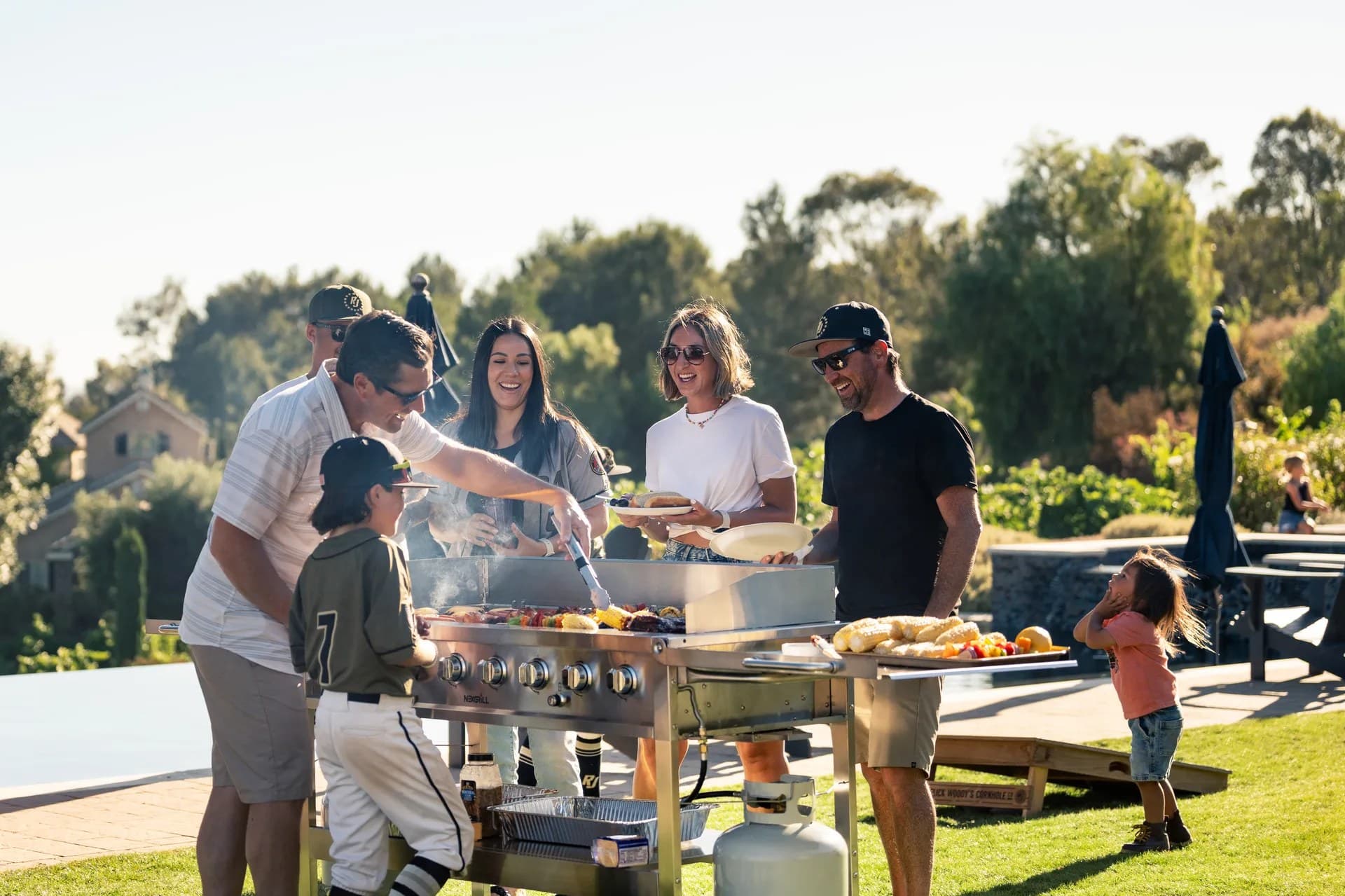
Grilling is one of those home rituals that naturally pulls people together, and that is exactly why family safety deserves a plan before the first burner clicks on or the charcoal is lit. When children and pets are part of the household, the grill area becomes more than a cooking station. It becomes a temporary work zone with heat, hot surfaces, grease, sharp tools, and sudden movement. The safest cookout is not the one where everyone keeps an eye on the grill by instinct; it is the one where adults intentionally create boundaries, assign supervision, and think through the movement of kids, dogs, guests, and food before anything is cooked. Nexgrill’s brand philosophy emphasizes gathering people together around the table, but that welcome works best when the cooking area is protected and clearly defined .
For families, grill safety is less about fear and more about predictability. A child who knows where the hot zone begins is less likely to drift too close. A dog that is kept on a leash or behind a barrier is less likely to bump into a propane hose or knock over a side table. Adults who keep tools, fuel, and plates organized are less likely to turn a relaxed evening into an emergency. These habits matter whether you are using a compact two-burner grill on a townhouse patio or a larger backyard setup for weekend meals. The point is not to make grilling complicated; the point is to make the experience calm enough that everyone can enjoy it.
A practical minimum buffer many safety guides recommend around the grill for children and pets
That three-foot buffer is one of the simplest family safety habits you can use, but it works only when adults treat it as a real boundary, not a suggestion. A painted chalk line on patio pavers, a chair placed as a visual marker, or a temporary gate can all help younger children understand where to stay. The best approach is to build the safe zone into the routine so nobody has to guess where the danger begins. In a busy cookout, guessing is usually what leads to accidental contact with hot grates, tongs, or splashing grease.
Establishing a Safe Zone: Protecting Children and Pets
A safe zone around the grill should do two jobs at once: keep the cooking area clear and make the boundary obvious from a distance. For children, especially toddlers and early elementary-age kids, visual cues matter more than verbal reminders because they are easy to forget when the conversation gets exciting or food starts coming off the grill. For pets, the challenge is usually impulse rather than curiosity. A dog may sprint toward a dropped piece of food, and a cat may weave around chair legs without warning. That is why the safe zone needs to be larger than the grill footprint itself and free of clutter such as toys, serving platters, extension cords, and coolers.
One useful way to think about this is to divide the patio into three layers. The first layer is the grill itself and the immediate cooking circle where only the adult cook belongs. The second layer is the three-foot perimeter where no child or pet should enter. The third layer is the social area, where family members can watch, talk, and wait for food without crowding the heat. This simple layout reduces the chances of a sudden bump when someone turns around with a tray in hand. It also helps guests understand that staying back is part of hospitality, not rudeness.
Warning: children are often drawn to the grill when food is ready, because smells and movement increase their curiosity. The most dangerous moment is not when the grill is cold, but when everyone is distracted and the meal is almost finished.
Families often ask how to make a safe zone feel natural rather than restrictive. The answer is to give children a place to be instead of simply telling them where not to go. Set a nearby table for coloring, conversation, or a side activity that keeps them occupied while still within adult sightlines. For pets, keep a leash, crate, or indoor break plan ready so you are not improvising every time someone rings the doorbell. If your cookout is larger, designate one adult as the boundary watcher whose job is to keep kids and animals from drifting into the cooking area while the grill operator focuses on heat control.
Proper Grill Placement: Minimizing Risks
Placement is one of the most effective ways to reduce risk before the grill even turns on. A grill should sit on level ground with enough clearance around it to reduce contact with siding, railings, low branches, deck furniture, or traffic paths. Many safety guides point to keeping the grill at least 10 feet from structures and overhead hazards, and that spacing is especially important when children and pets are part of the picture because it gives the adult more room to move without creating a pinch point. A grill tucked too close to a walkway makes it harder to carry hot food safely, and a grill wedged beside a door makes it too easy for kids to run past the heat zone.
The ideal location is one where the cook can see both the grill and the family area without constantly turning around. That might mean placing the grill along an outer edge of the patio instead of in the center, or moving it away from play equipment and yard games. Avoid corners where children can approach from behind, and avoid spots where a pet could circle the grill unnoticed. If your outdoor setup includes a propane cylinder, make sure it is positioned according to the grill manual and never in a place where it can be kicked, tipped, or used as a step by an adventurous child.
| Placement choice | Why it helps families | Common mistake it avoids |
|---|---|---|
| Open edge of patio or deck | Creates room to move away from the heat | Crowding the walking path |
| Level area away from play spaces | Keeps kids from running through the cooking lane | Sudden contact with hot surfaces |
| Spot with clear overhead space | Reduces ignition and smoke concerns | Heat exposure to branches or awnings |
When the grill is placed well, the rest of the safety routine becomes easier. The adult cooking can step backward without stumbling into furniture. Serving dishes can be staged at a safe distance. Guests know where to stand. Even the cleanup process is safer because there is a defined path for moving hot grates, grease trays, and tools without crossing into family traffic. In other words, good placement is not only about code or clearance; it is about designing a cookout that works in real life.
Supervision: The Key to Safe Grilling
No barrier is effective if adults step away and assume everyone will behave. Supervision is the single most important family safety habit because grilling changes quickly. A lid opens, flare-ups happen, a child drops a toy, a dog hears a neighbor’s voice, or someone needs to go inside for a utensil. The best practice is to keep one adult actively in charge of the grill whenever it is hot. That adult should not be split between cooking and a long phone call, a game on the backyard table, or frequent trips indoors. If the cook must leave the grill even briefly, another responsible adult should take over before the first person walks away.
Families with small children should treat supervision as a rotation, not an assumption. On a weekend afternoon, one adult can watch the grill while another manages snacks, drinks, and handwashing. This division of labor reduces the temptation to improvise. It is also useful for households with pets because one adult can watch for tail wagging, jumping, or attempts to dart under the table when food is served. The grill area is no place for “I’ll be right back” thinking. The second the lid is down and the flames are active, an adult needs to stay close enough to intervene.
Tip: If you know guests will arrive with children, explain the grill boundary before the cooking starts. A short, friendly reminder works better than repeated warnings after the party is already moving.
Supervision also means watching for changes in the environment. If a pet slips out a back door, if kids start playing tag, or if wind shifts smoke toward the seating area, the adult in charge should respond immediately. This is especially important during busy meal prep when serving tools, tongs, and hot pans are moving in and out of the cooking area. Good supervision is quiet, steady, and alert. It keeps the cook focused on the grill and the rest of the household safely organized around it.
Grill Maintenance: Ensuring Safety and Functionality
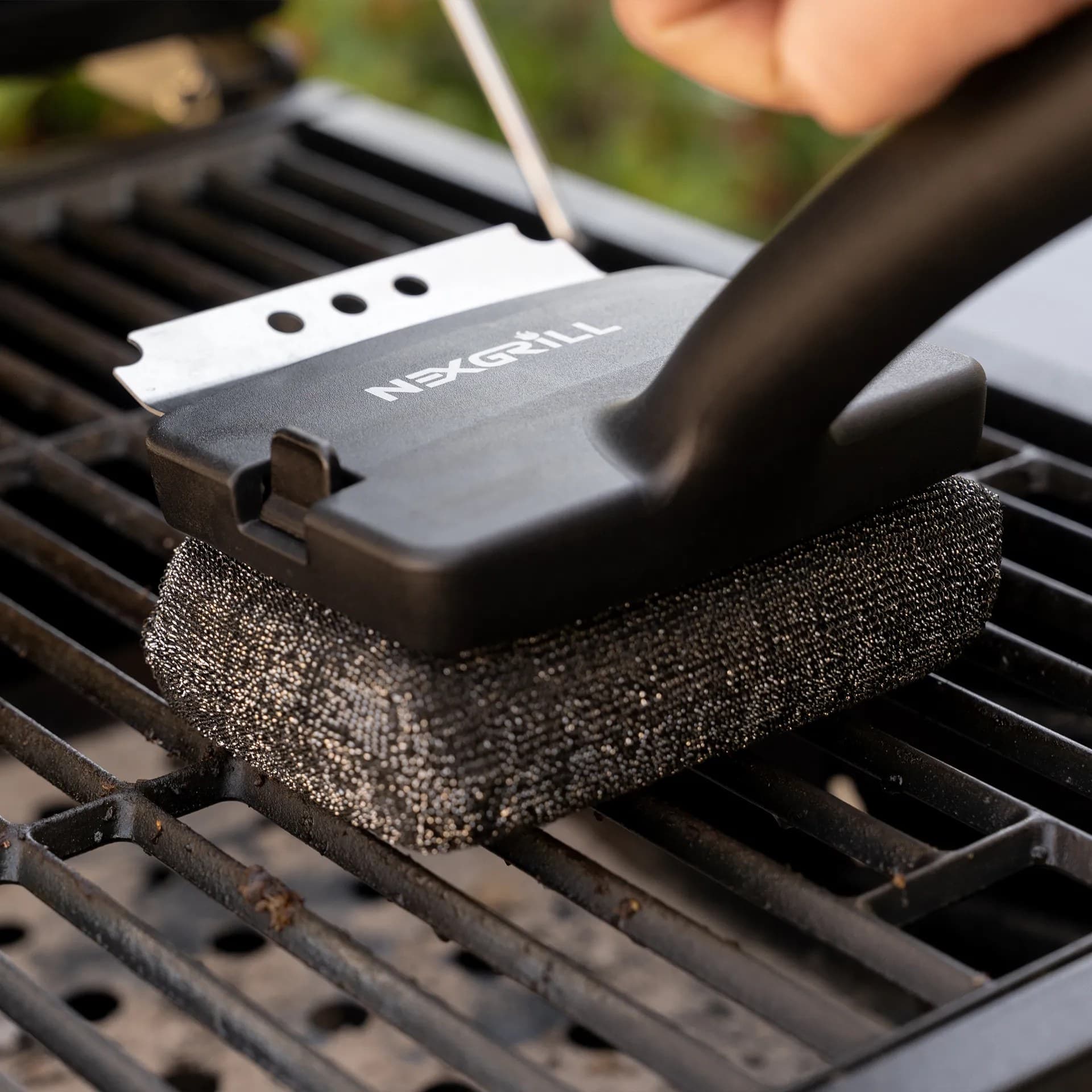
Safe family grilling starts long before mealtime, and maintenance is a major part of that preparation. A grill that is dirty, unstable, or poorly maintained is harder to control and more likely to create unexpected hazards. Grease buildup can contribute to flare-ups. Loose knobs can make heat settings confusing. Worn hoses, dirty burners, or broken wheels can make the grill harder to move or operate. Before a cookout, the adult responsible for the grill should check that the unit is stable, the cooking surface is clean, and the ignition or heat source works as expected.
For family safety, the maintenance routine should also include the surrounding area. Keep the floor around the grill free from water puddles, charcoal ash, toys, and extension cords. Store lighters, matches, fuel containers, and sharp tools where children cannot reach them. After the grill cools, empty grease trays and remove food residue so the next meal begins with a cleaner, more predictable setup. When a grill stays in good condition, it is easier for adults to focus on supervision instead of troubleshooting a problem in the middle of dinner.
A well-kept grill is easier to supervise and less likely to create avoidable hazards
Maintenance also includes checking for wear at the beginning of the season and after any period of storage. If you notice rust, wobbling legs, damaged heat shields, or a lid that does not close smoothly, solve the problem before children and pets are around the cooking area. The goal is not perfection; it is reliability. A safe grill is one that behaves the same way from one cookout to the next, so the adults can build a routine the whole family can trust.
Handling Emergencies: What to Do in Case of an Incident
Even careful families need a plan for surprises. If a child is burned, a pet gets too close, or a small flare-up spreads beyond the grate, the first response should be calm and direct. Move children and pets away from the grill immediately. If clothing catches, stop, drop, and roll. If the event is a small grease flare-up, turn off the heat source if it is safe to do so and keep the lid closed unless the manufacturer’s instructions say otherwise. If flames begin to spread or the grill becomes unsafe to approach, call emergency services right away rather than trying to manage a dangerous fire alone.
Every household that grills should know where the nearest first-aid supplies are located and keep a clear path to them. After any incident, even one that seems minor, check the affected person carefully. Children may not always describe a burn or slip accurately in the moment, and pets may hide after being startled. If you are unsure about the severity of an injury, seek medical or veterinary help promptly. It is much easier to act early than to wait and discover the situation is worse than it seemed.
Warning: never let a child try to “help” after an emergency by carrying tools, opening the grill, or moving a hot item. In a tense moment, even well-meaning help can make the injury worse.
Conclusion: Enjoying Safe and Fun Grilling Sessions
Grilling with children and pets nearby can absolutely be part of a warm, memorable family routine, but it works best when safety is built into the plan from the start. A clear safe zone, smart grill placement, active adult supervision, steady maintenance, and a simple emergency plan all work together to reduce risk without taking the fun out of the cookout. When those pieces are in place, parents can spend less time worrying and more time enjoying the meal, the conversation, and the small moments that make outdoor cooking feel special.
If you want the whole family to enjoy the backyard experience, treat the grill like the center of a carefully arranged circle: the cook inside, the boundary around it, and everyone else comfortably outside the heat zone. That way, the grill becomes what it should be in the first place - a place for good food, shared time, and a safer kind of togetherness.
Introduction: The Importance of Grilling Safety for Families
Once you have compared where the grill sits and how much space you need around it, the next layer of family safety is about behavior. Location keeps risk down, but habits keep risk from creeping back in. That distinction matters for households with children and pets because the grill area is not static. People move around. Toys get dropped. A dog spots food. A toddler decides to chase a ball. The adult at the grill has to manage all of that while dealing with heat and timing. The safest families are not the ones who never grill; they are the ones who make safety part of the routine rather than a one-time warning before dinner.
Nexgrill’s brand emphasis on togetherness and hospitality fits well here because safe grilling is really about protecting the gathering, not restricting it. A good backyard meal lets everyone feel welcome, but the welcome should be structured enough that the cook can focus on food and the rest of the family can relax away from the heat. That balance is especially important with pets, who may not understand boundaries, and with children, who often understand them one minute and forget them the next. The practical solution is to design the grill environment so the safest behavior is also the easiest behavior.
Establishing a Safe Zone: Protecting Children and Pets
A family safe zone works best when it is visible, consistent, and boring in the best possible way. The goal is for children to see the boundary so often that they stop testing it. A three-foot perimeter is a helpful baseline because it gives enough room for the cook to move without brushing against curious hands, wagging tails, or passing chairs. But the perimeter is only effective if adults reinforce it every single time the grill is hot. If the rule changes from one cookout to the next, children will assume it is flexible. Pets may be trained, but they still respond to smells, motion, and dropped food faster than they respond to verbal commands.
One of the most effective ways to keep the zone intact is to remove anything that invites a child or animal to wander closer. That means no toy bins right beside the grill, no pet bowls under the serving table, and no folded lawn chairs that create a tempting hide-and-seek spot. A clean, uncluttered perimeter is easier to supervise because movement stands out immediately. If you have a larger gathering, use a simple visual cue such as a planter, folding chair, or low barrier to mark where the cooking area begins. This is not about making the patio look formal. It is about making the boundary obvious enough that nobody has to guess.
Tip: make the safe zone part of the family ritual. Before the grill is lit, walk children to the boundary and show them where they can stand to watch without getting too close.
For pets, the best routine is often the simplest one. If a dog is energetic or easily excited, keep it indoors during active grilling or place it on a leash with an adult outside the perimeter. Cats and smaller pets can be unpredictable in yards and may dart toward a dropped plate. If your household includes both children and pets, decide in advance which adult is responsible for each group. That one decision can prevent a lot of confusion later, especially once food starts coming off the grill and attention naturally shifts away from the boundary.
Proper Grill Placement: Minimizing Risks
Proper grill placement is one of the best ways to keep children and pets out of trouble because it removes opportunities for accidental contact. A grill set too close to a doorway, fence, outdoor sofa, or play area invites traffic through the hottest part of the yard. By contrast, a grill placed on a level, open area with clear visibility makes it easier to watch the whole scene at once. That is why many families do better when the grill is tucked near the edge of the patio instead of in the middle of the action. The cook gets space to maneuver, and everyone else naturally stays farther back. The cook gets space to maneuver, and everyone else naturally stays farther back.
The safest placement also considers what happens after the food is done. Family grilling often starts with an adult cooking while kids are waiting for dinner, but it ends with people carrying plates, drinks, and leftovers across the same space. If the grill is in a narrow corner, those crossings become more dangerous because people pass close to the heat without noticing. A location with a clear approach path helps prevent collisions. It also makes it easier to keep hot pans, platters, and tools away from pets that may follow the smell of food. If your grill uses propane, the fuel setup should remain stable, upright, and well away from any spot where a child could tug, climb, or trip over it.
| Placement habit | Family safety benefit | What it helps prevent |
|---|---|---|
| Keep the grill on level ground | Reduces tipping and steadies movement | Hot food spills and unstable stands |
| Leave open space on the cook’s side | Lets the adult step back safely | Backpedaling into children or furniture |
| Keep the grill away from play routes | Avoids traffic through the cooking area | Children or pets cutting across the heat zone |
Many families also overlook the path smoke and heat take once the grill is running. If the grill is under a low overhang or near overhanging branches, the area can feel cramped and confusing, which makes it more likely that a child or pet will approach from an unexpected direction. The bigger the visual openness, the easier it is for adults to supervise calmly. Good placement should feel almost self-explanatory: this is where the cook stands, this is where the family waits, and this is the route everyone uses to move around the backyard.
Supervision: The Key to Safe Grilling
Supervision is the habit that ties every other safety measure together. The grill can be in the right spot and the safe zone can be clearly marked, but if adults stop paying attention, children and pets can still end up too close. This is why the most dependable rule is simple: when the grill is on, an adult stays with it. Not nearby, not “in and out,” but actively present. If the adult needs to leave to answer the door, find seasoning, or refill drinks, another adult should take over first. That handoff is especially important during high-activity moments like flipping burgers, checking chicken, or moving hot grates.
Families sometimes underestimate how quickly attention gets divided. One adult may be watching the grill while also trying to answer a child’s question, soothe a barking dog, and carry a tray. That is a lot to manage at once, and it is why assigning roles before the cookout starts can make such a difference. One person can supervise the grill. Another can manage children, pets, or side dishes. Another can handle the inside kitchen. Clear roles reduce the chance that everyone assumes someone else is watching the hot zone. That assumption is one of the most common reasons families get caught off guard.
Warning: do not ask children to “keep an eye on the grill.” Even responsible older kids can miss a sudden flare-up or a pet approaching from behind.
Supervision should also include a quick scan of the whole yard every few minutes. Is the dog still indoors? Did a child move from the picnic table to the area near the tongs? Did a guest set a drink or bag down too close to the heat? These micro-checks are small, but they stop problems from growing. Good supervision is not anxious. It is attentive, steady, and routine. That makes the whole gathering feel more relaxed for everyone else because the adult in charge has already thought through the risks.
Grill Maintenance: Ensuring Safety and Functionality
Maintenance supports family safety because a well-kept grill is more predictable. Predictability matters when children and pets are around because it leaves less room for surprises. Before each cookout, check that the grill stands level, the lid opens smoothly, and the cooking surface is clean enough to avoid sudden flare-ups. Grease, food scraps, or a clogged drip path can create flames that jump unexpectedly, which is a problem when a curious child is watching from too close or a pet is waiting for scraps. A quick pre-cook check is one of the simplest ways to reduce that risk.
Families should also inspect accessories that live around the grill, including tongs, gloves, brushes, trays, and fuel containers. Tools should be placed where children cannot reach them, not because they are dangerous on their own, but because they create temptation and confusion. Fuel and fire-starting items should never be left visible on a side shelf where a child might mistake them for household supplies. After grilling, let the unit cool fully before cleaning, and return the area to a neutral state so nobody can wander into a still-hot zone later in the evening. That cleanup step is easy to overlook when adults are tired, but it matters just as much as setup.
Stable placement, clean surfaces, and stored tools reduce avoidable family hazards
It is also smart to inspect the area around the grill for hazards that build up over time. A loose mat, a cracked paver, or a toy left behind the grill can create a trip point just when someone is carrying hot food. If you grill often, make the maintenance check part of the opening routine. That way you are not relying on memory after a busy week. The more often you repeat the same safety steps, the less likely you are to miss something important.
Handling Emergencies: What to Do in Case of an Incident
Every family that grills should have a simple response plan before the first flare-up or slip happens. If a child gets too close, remove the child from the area first and cool the situation second. If a pet darts in, secure the pet away from the grill before trying to continue cooking. If a burn occurs, treat it promptly according to basic first-aid guidance and seek medical care when the injury seems more than minor. If there is any sign of a spreading fire, do not delay in calling emergency services. In a backyard setting, a few extra seconds can make a huge difference, so the safest habit is to act early rather than hope the problem resolves on its own.
It helps to keep a small emergency kit nearby that includes a phone, first-aid supplies, and any household items needed to move children or pets quickly to safety. The kit should be easy for an adult to grab and should not require crossing back into the cooking zone. A good emergency plan is calm and simple: stop the activity, move people and animals away, and assess the grill only if it is safe to do so. Avoid crowding around the incident, because that often makes things worse, especially when children are frightened and pets are excited by the commotion.
Tip: rehearse the family response once at the start of grilling season. A 30-second conversation about where to go and who to call can save time later.
Conclusion: Enjoying Safe and Fun Grilling Sessions
The best family grilling experience is not one where adults are constantly worrying about what might go wrong. It is one where they have already decided how to prevent trouble. A clear safe zone, careful grill placement, steady supervision, routine maintenance, and a simple emergency plan work together to protect children and pets without making the cookout feel tense. That is the real goal: keep the atmosphere warm, keep the boundaries clear, and let the meal be the focus instead of the risks.
If you keep those habits in place, grilling becomes what families want it to be - a comfortable, shared experience where everyone can enjoy the food while staying safely out of the heat. For households that want to build better backyard routines, the strongest safety tool is not a gadget. It is consistent adult attention paired with a layout that makes safety obvious.