Comprehensive Guide to Grill Safety Inspections
Ensure safe and enjoyable grilling with expert safety checks.
In This Article
Key Inspection Points
Common Grill Issues
Enhance Grill Safety
Understanding the Importance of Grill Safety Inspections
Grill safety inspections are essential for ensuring a safe and enjoyable outdoor cooking experience. Regular inspections help identify potential hazards, ensuring your grill operates efficiently and safely. From gas leaks to structural integrity, understanding what to look for during an inspection can prevent accidents and prolong the lifespan of your grill.
These inspections are not only about checking the physical condition of your grill but also ensuring that all operational parts are functioning correctly. A well-maintained grill not only cooks food better but also reduces the risk of fires and injuries. Whether you are a casual griller or a seasoned enthusiast, regular safety checks are indispensable.
Key Components to Inspect on Your Grill
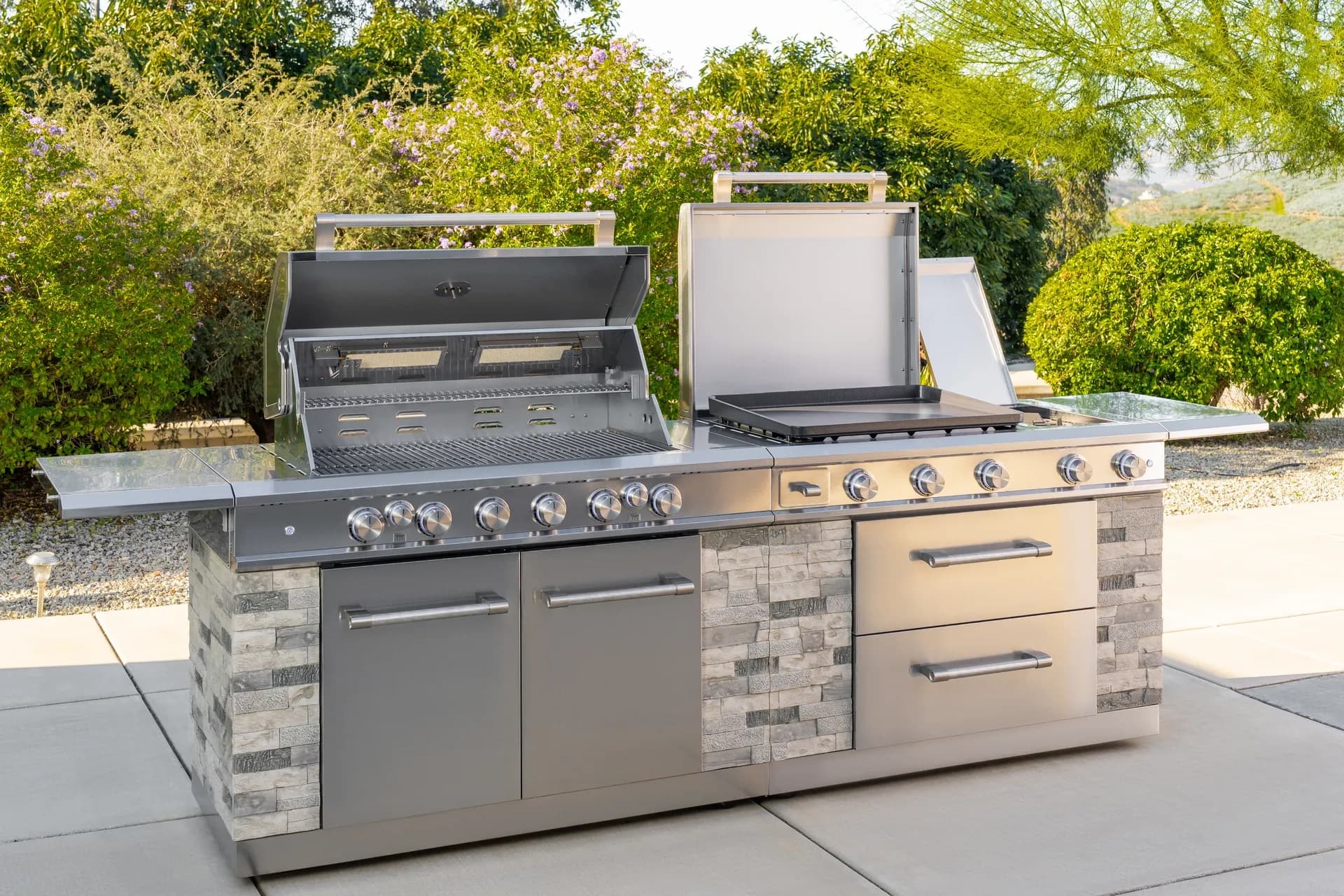
When inspecting your grill, focus on several key components. Gas grills, for instance, require checks on the gas lines and connections to prevent leaks. Charcoal grills need a thorough cleaning to avoid ash build-up, which can obstruct airflow and affect cooking temperatures.
- Burners: Ensure they are free from blockages and rust.
- Ignition System: Test for efficient spark production.
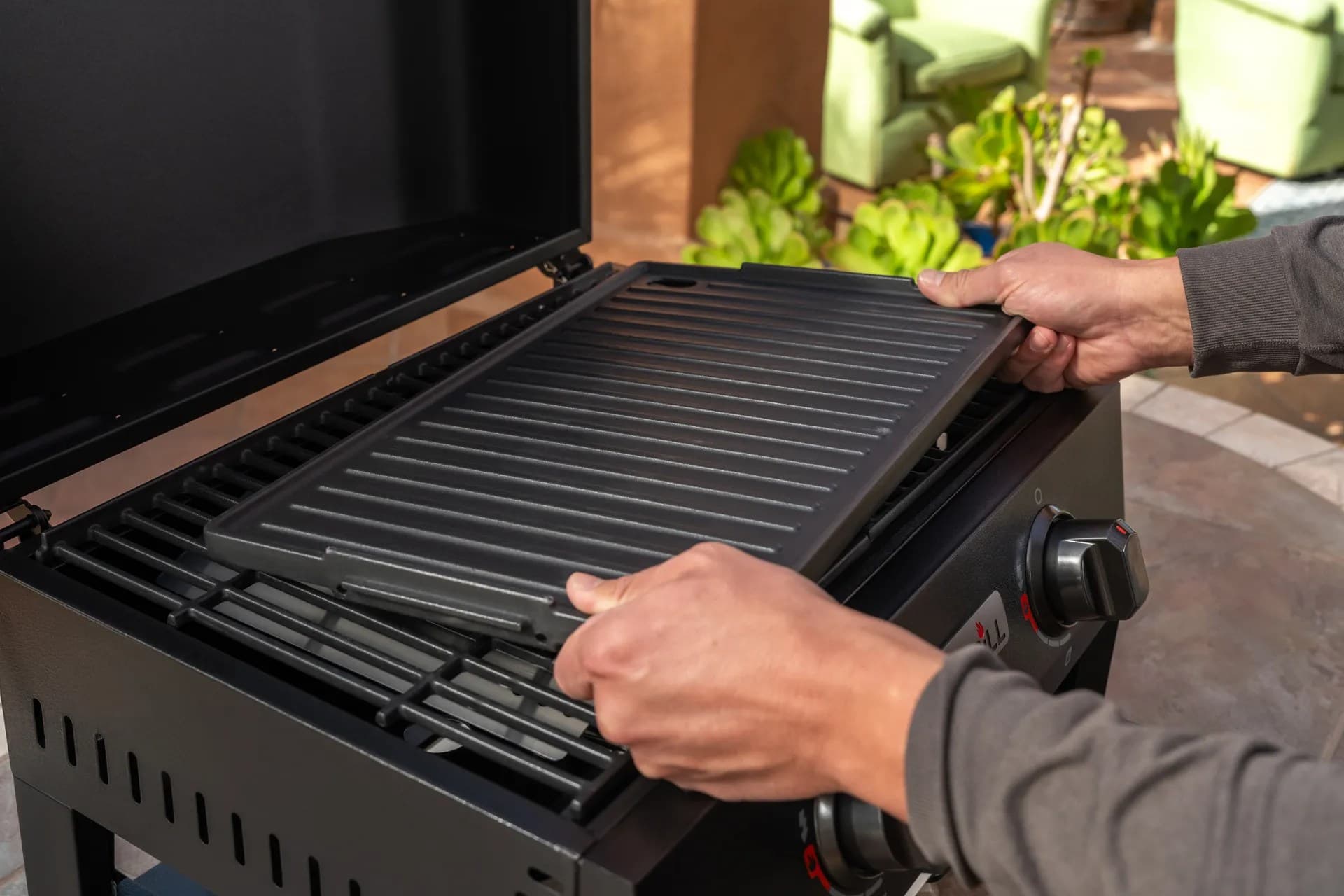
- Cooking Grates: Check for rust and cleanliness.
- Hoses and Valves: Look for signs of wear and tear or leaks.
| Component | Inspection Focus |
|---|---|
| Burners | Check for clogs and rust. |
| Ignition System | Test spark efficiency. |
| Cooking Grates | Inspect for rust and cleanliness. |
Performing a Comprehensive Grill Safety Inspection
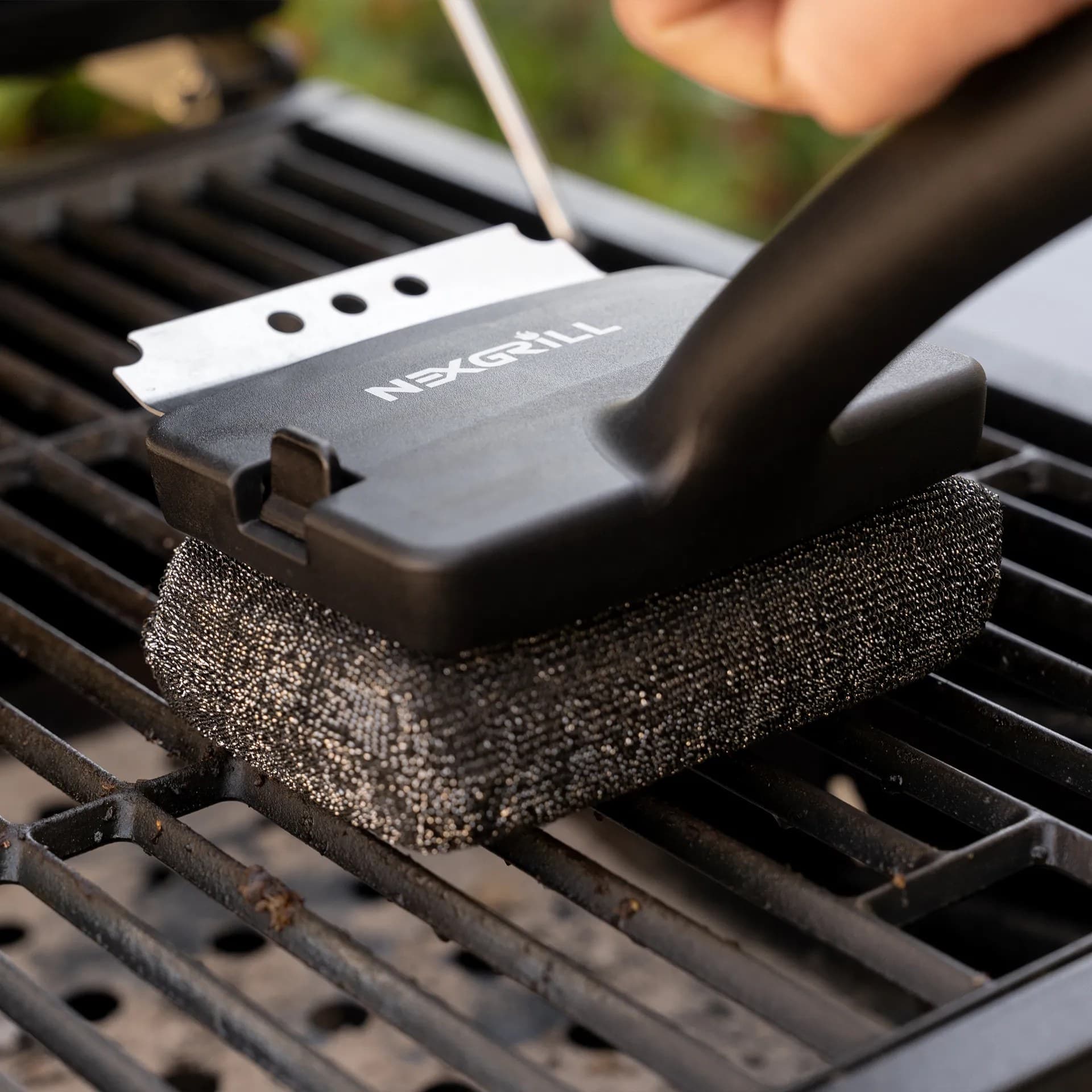
Once you've identified the components that require inspection, it's time to conduct a detailed safety check. Start by cleaning the grill thoroughly to remove grease and debris. This not only helps in identifying issues but also improves cooking performance. Examine the grill's exterior for any signs of damage or wear.
Pay special attention to the gas connections. Use a soapy water solution to test for leaks by applying it to the connections and observing for bubbles when the gas is turned on. If bubbles form, this indicates a leak that must be addressed immediately.
Tip: Regular cleaning of your grill not only extends its life but also enhances safety by preventing grease fires.
Testing the ignition system is crucial. Ensure it produces a consistent spark. If it fails, consider replacing the ignition module or battery. Likewise, inspect the burners for blockages and clean them if necessary. Ensuring even heat distribution is key for efficient grilling.
Common Issues and Solutions
During inspections, you might encounter common issues such as uneven heating, flame issues, or structural wear. Address these promptly to maintain safety and performance. For instance, if the grill heats unevenly, check for blockages in the burners or replace damaged components.
- Flame issues: Could indicate a clogged burner or faulty regulator.
- Structural wear: Tighten loose screws and replace rusted parts.
Conclusion: The Importance of Regular Safety Checks
Regular grill safety inspections are an integral part of responsible outdoor cooking. These checks not only enhance the longevity and performance of your grill but also ensure the safety of everyone enjoying the barbecue. By following the outlined steps and addressing common issues, you can enjoy a worry-free grilling season.
Remember, safety is paramount. Regular inspections, coupled with proper maintenance, will ensure that your grill remains a reliable tool for creating delicious meals and memorable gatherings.