A comprehensive guide to finding the best grill cover for your 65-inch grill.
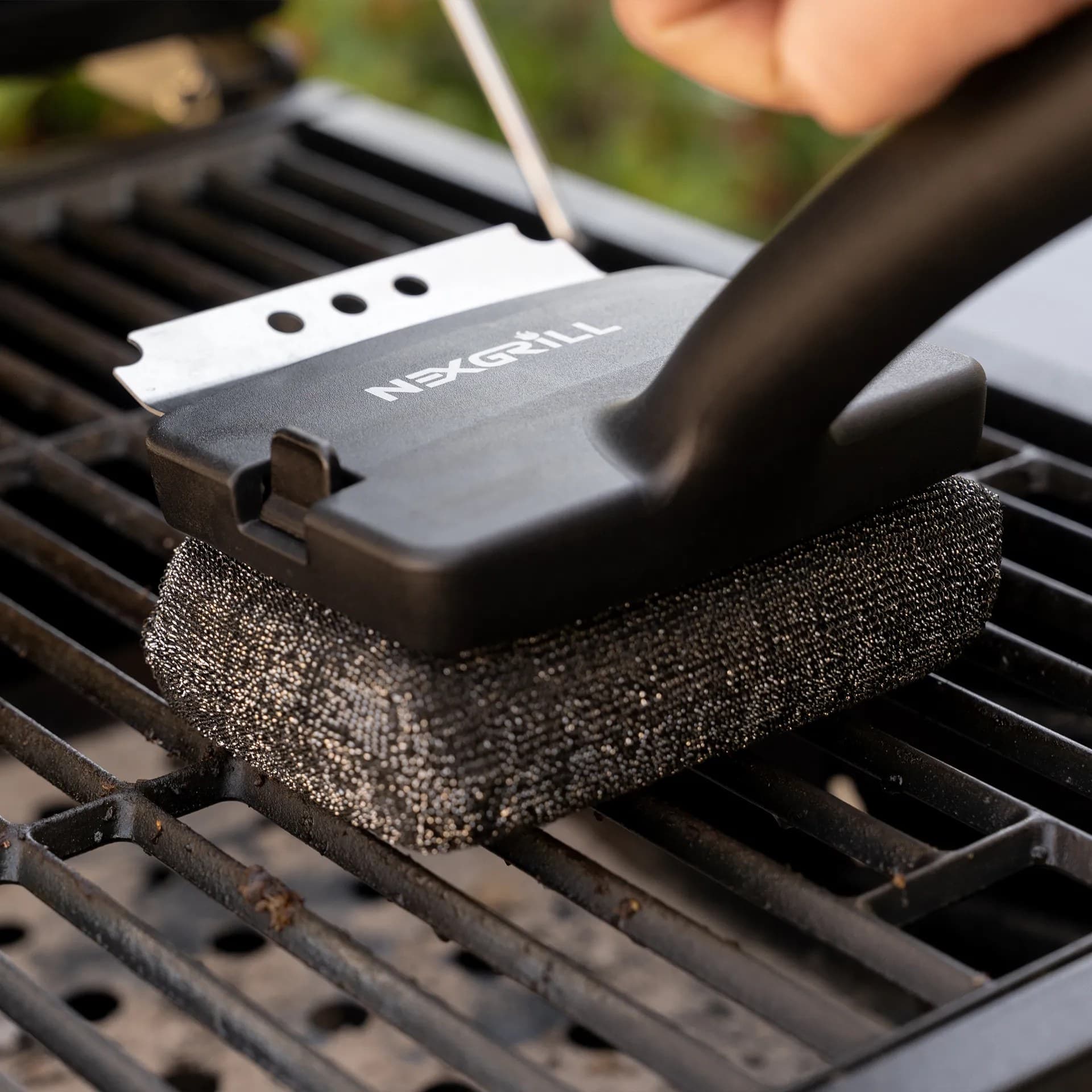
Here's what sets us apart from the competition
We position ourselves as delivering high-end outdoor cooking features and performance without premium-brand pricing, emphasizing “Quality Grills. Unbelievable Value.”
We offer gas grills, pellet grills, griddles, smokers, pizza ovens, portable/tabletop grills, electric grills, accessories, and replacement parts — allowing customers to stay within one ecosystem for all outdoor cooking needs.
We differentiate ourselves through smart grilling products like the Oakford smart pellet grill, including app-connected cooking controls and modern outdoor cooking technology.
Expert tips, buying guides, comparisons, and inspiration for choosing and getting the most out of your grill.
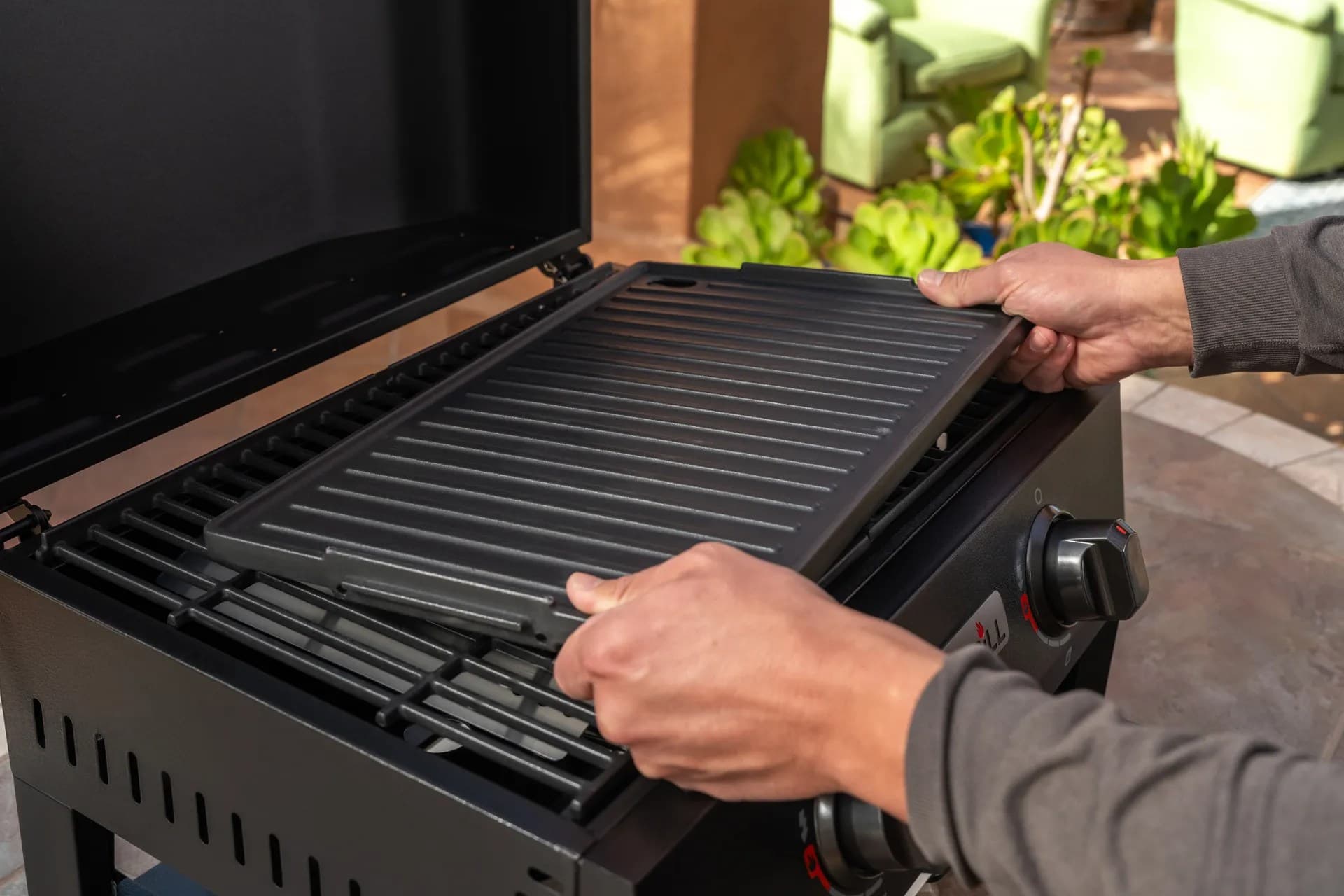
Practical guides for cleaning, maintenance, common grill issues, and performance optimization.
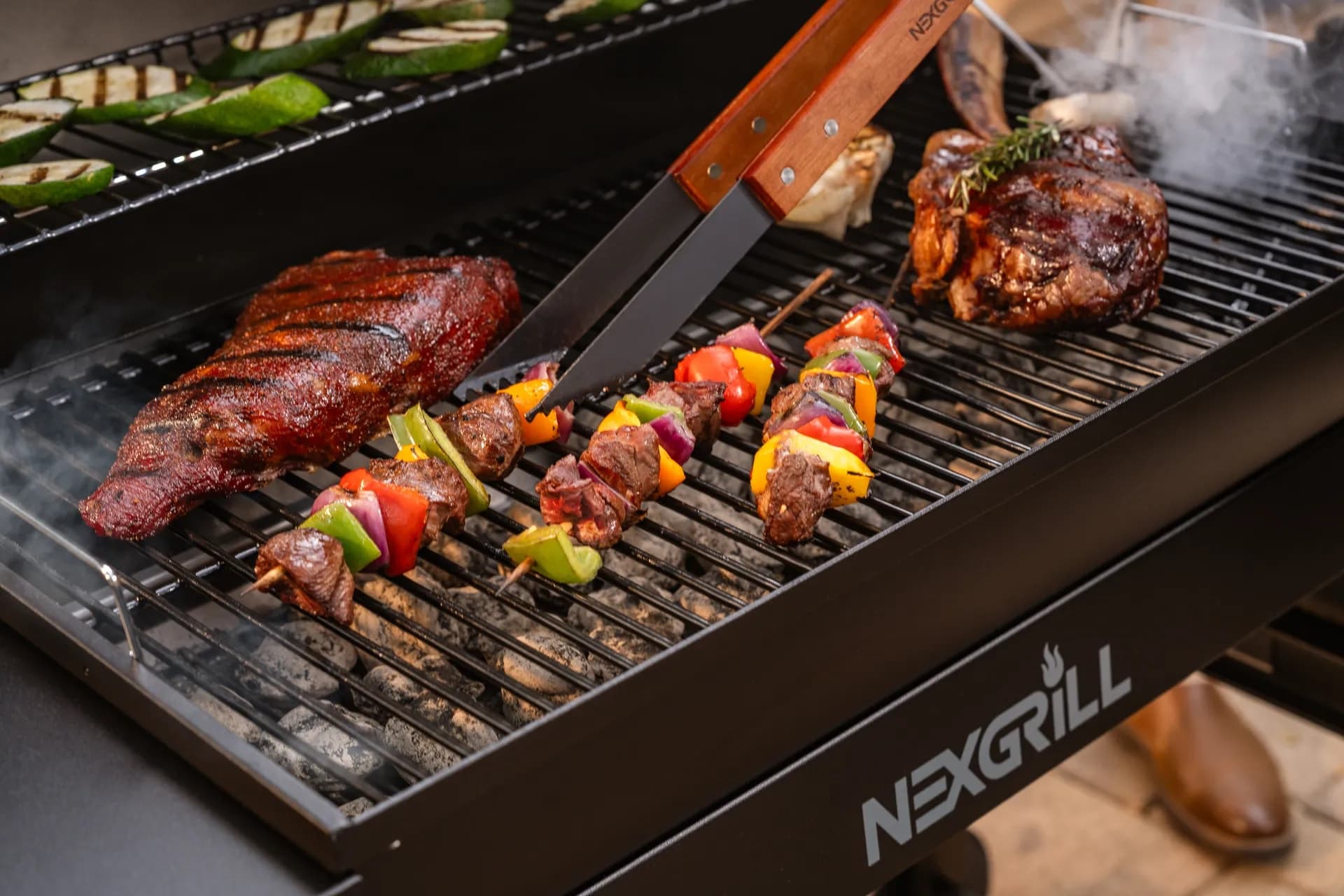
Step-by-step grilling recipes, cooking techniques, and meal ideas for every occasion and skill level.

Backyard entertaining ideas, seasonal grilling inspiration, and stories that celebrate outdoor cooking culture.
Helpful articles covering grilling tools, cookware, maintenance gear, and must-have accessories for outdoor cooking.
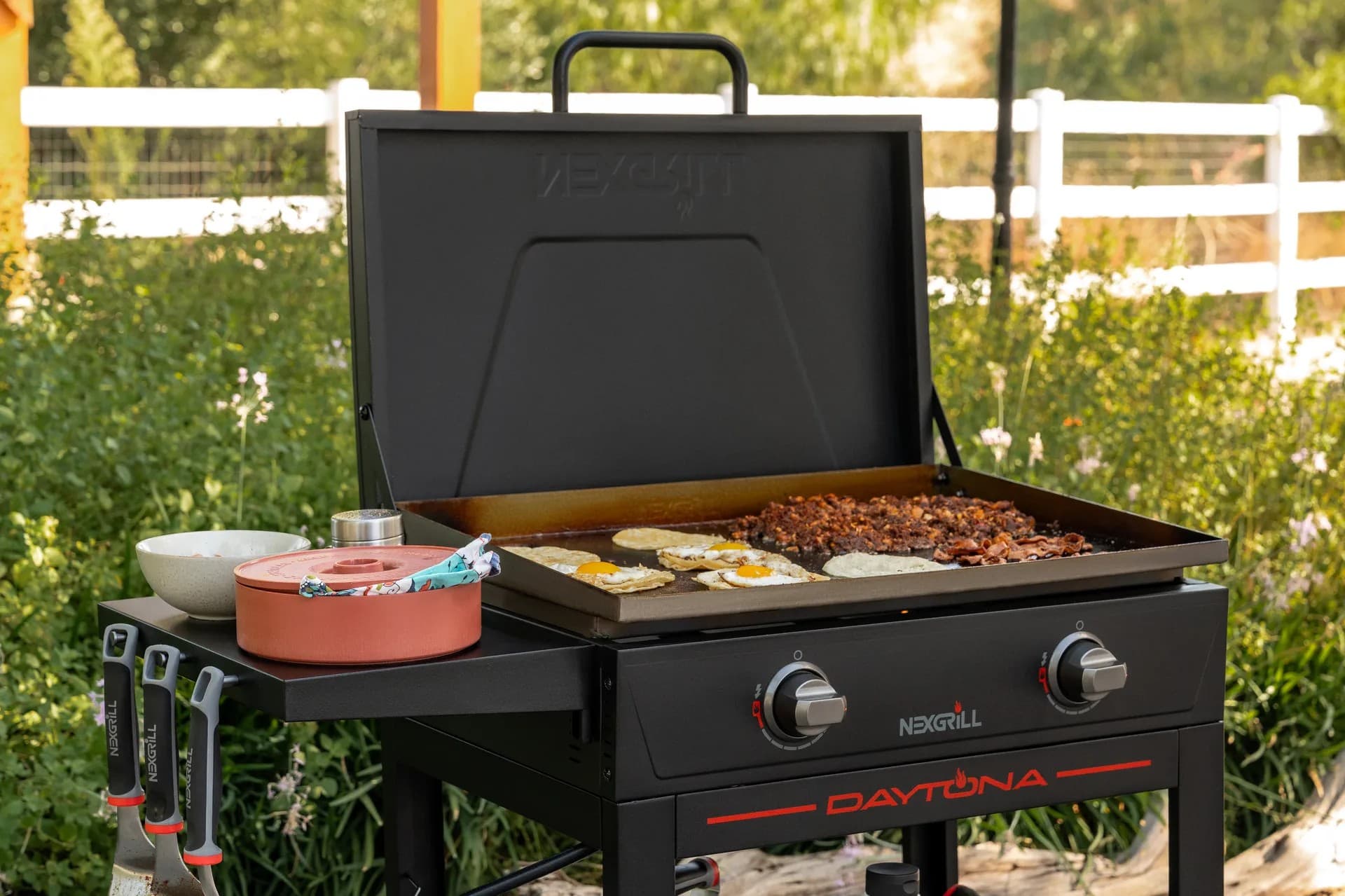
Find griddle recipes, cooking techniques, cleaning tips, and outdoor meal ideas designed for Nexgrill griddles.
Find answers to common questions
Nexgrill offers a variety of accessories including grill tools, covers, cooking utensils, and replacement parts designed to enhance your grilling experience.
Many Nexgrill accessories are widely compatible with various grill brands, but it is recommended to check the specifications for proper fit and functionality.
To maintain your Nexgrill accessories, regularly clean them with warm soapy water, avoid using abrasive materials that could scratch the surface, and store them in a dry place when not in use.
Yes, Nexgrill accessories can be purchased separately from the grills, allowing customers to customize their grilling setup as needed.
Instructions for using Nexgrill accessories are typically included in the packaging, and additional resources can be found on the Nexgrill website or in the product user manuals.
In This Article
Types of Grill Covers
Top Recommendations
Maintenance Tips
A 65-inch grill cover does more than keep dust off your cooking station. For a grill that lives outdoors, the right cover helps reduce the daily wear caused by sun, rain, pollen, fallen leaves, and airborne grease. The 65-inch size class is especially important because many full-size gas grills, pellet smokers, and some large cart-style setups need a cover that matches not just the width of the lid, but the full footprint of the grill with side shelves folded or left in place. If the cover is too short, water can collect on exposed edges. If it is too loose, wind can turn it into a sail and gradually rub away the finish on the grill underneath.
The best way to think about a grill cover is as a fit-and-finish accessory, not a generic tarp. A well-designed cover should be shaped for airflow, cut to reach near the ground without dragging, and made from a material that balances weather resistance with flexibility. In everyday use, that means the cover should be easy to put on after dinner, easy to remove before preheating, and tough enough to handle repeated exposure to UV light and moisture. For shoppers comparing options online, user reviews often reveal the real differences: how well a cover stays in place during storms, whether seams leak after a season, and whether the fabric becomes brittle in hot or cold weather.
A common size for large backyard grills and smoker-style carts
A cover should match the grill’s real footprint, not just the model name. Measure the widest point, including shelves, handles, and side burners, before buying.
For Nexgrill customers, this topic matters because grill ownership is about long-term value. A quality cover helps preserve the look and usability of the grill you already invested in, especially in neighborhoods where weather shifts quickly between dry heat, coastal moisture, and strong wind. Instead of replacing a grill cabinet or grate prematurely because of corrosion or dirt buildup, many owners find that a properly fitted cover becomes a simple habit that extends the life of their outdoor setup. The most useful 65-inch covers are the ones that do three things well: protect, breathe, and stay put.
When you shop, focus on more than just the label. Check whether the cover includes lined seams, ventilation flaps, fastening straps, padded handles, or reinforced corners. These details often separate a basic cover from one that feels tailor-made for a larger grill. If you are comparing several brands, scan the product reviews for comments about fit after six months, ease of cleaning, and how the cover handles direct sun. Those practical notes tend to matter more than a polished product photo.
Most 65-inch grill covers fall into three broad material families: polyester, vinyl, and heavy-duty woven blends. Polyester is popular because it is relatively lightweight, dries quickly, and can be treated for water resistance. Vinyl covers are often more rigid and can resist rain well at first, but they may feel less forgiving in extreme temperatures. Woven fabric blends usually sit at the more premium end of the category because they combine durability, flexibility, and a softer hand when pulling the cover on and off. In practice, the best choice depends on where your grill lives. A covered patio in a mild climate does not need the same construction as a grill exposed to full sun, wind, and frequent rain.
Fit features are just as important as fabric. A true 65-inch grill cover should usually include enough side depth to protect the grill body and cabinet base, not only the lid. Adjustable hems, elastic edges, and hook-and-loop straps can make a big difference if your grill sits in a windy area. Venting is another feature worth paying attention to because trapped moisture is one of the most common reasons covers fail early. Without some airflow, condensation can collect under the cover and slowly affect burners, hardware, and painted surfaces.
| Material | Strengths | Trade-offs | Best use case |
|---|---|---|---|
| Polyester | Lightweight, often UV-treated, easy to handle | Can wear faster if seams are weak | Moderate climates and regular backyard use |
| Vinyl | Strong rain resistance, simple surface cleaning | Can become stiff or crack over time | Areas with frequent showers and less sun exposure |
| Woven blend | Balanced durability, flexibility, and appearance | Usually costs more | High-use grills and exposed outdoor setups |
Water-resistant and waterproof are not the same. A cover that sheds light rain may still allow moisture through seams or after prolonged storms.
Look closely at stitching and underside lining. Reinforced stitching around corners and handle points tends to improve lifespan because those spots experience the most pulling and tension. UV protection is another feature worth prioritizing in sunny climates because repeated exposure can fade colors and weaken fabrics. If you live in a windy area, a cover with straps or buckles will usually outperform a plain slip-on design. For larger grills, the goal is not a tight wrap; it is controlled coverage with enough room to vent and enough structure to stay secure.
For 65-inch grills, feature-first shopping is often more useful than brand-first shopping. A strong cover does not need to be complicated, but it should be practical. A drawstring hem may be enough for a sheltered patio, while a full-height cover with buckles makes more sense for an exposed deck. If your grill includes side shelves, a warming rack, or a side burner, make sure the cover shape accounts for those dimensions so the fabric is not constantly stretching across hard edges.
When people ask for the best 65-inch grill cover, they usually want a shortlist that reflects real-world performance rather than just marketing language. Review sites and testing publications consistently focus on three things: how well the cover fits, how durable the fabric feels after repeated use, and whether the cover continues to protect after a season outdoors. Consumer-level reviews also matter here because they reveal whether a product is easy to secure alone, whether the seams fail early, and whether the sizing is generous or unexpectedly snug. As you compare options, the strongest products are the ones that combine accurate dimensions with practical features like ventilated panels and secure closures.
One useful way to evaluate recommendations is to separate premium and value-oriented choices. Premium covers often use heavier fabric, better UV treatments, and more robust fastening systems. Value covers can still be a smart purchase if they fit correctly and are easy to replace every few seasons. If your grill is under a roof or you only cook seasonally, a mid-priced polyester cover may be the best balance. If your grill sits in full weather and sees year-round use, a thicker woven cover with reinforced seams is usually the safer bet.
| Recommendation type | What to expect | Who it suits |
|---|---|---|
| Heavy-duty premium cover | Thicker fabric, stronger seams, better weather handling | Owners with exposed patios and frequent rain or sun |
| Mid-range fitted cover | Balanced material and secure fit for everyday use | Most backyard grill owners |
| Budget replacement cover | Lower upfront cost, simpler feature set | Seasonal users or sheltered storage areas |
In review roundups, products such as those discussed by Consumer Reports, Better Homes & Gardens, and America’s Test Kitchen tend to stand out when they combine a secure fit with reliable weather resistance. That matters because the best-rated cover is not always the thickest one; it is the one that stays in place, sheds water, and survives regular handling. User ratings often add another layer of value by showing whether a cover’s claimed size actually works on real grills from brands like Weber, Char-Broil, Nexgrill, and similar full-size outdoor cookers.
For shoppers comparing covers online, pay attention to the dimensions listed in inches and compare them to the grill’s widest assembled points. A 65-inch cover may fit several different grills, but the side shelves, lid handles, and cart base determine whether the final fit is clean or awkward. If the product page includes customer photos, study how far the cover hangs and whether it closes below the wheels. That visual evidence often tells you more than the product title alone.
Read both the star rating and the written comments. A cover with mixed reviews may still be the right choice if the negatives are about shipping, not actual fit or durability.
Try comparing two products side by side below to see which fits best:
Once you've weighed two options against each other, the next question is whether the cover will actually fit your grill brand and model in real life. Compatibility is where many buyers make mistakes, especially with large 65-inch covers. A brand name alone is not enough. Weber, Char-Broil, Nexgrill, KitchenAid, and similar full-size grills can all have different shelf widths, lid depths, and cart shapes that affect fit. The smartest approach is to compare the assembled dimensions of your grill to the cover’s stated measurements, then allow a little room for a clean drop over the sides. That way, you avoid the common problem of buying by nominal size and discovering that the cover stops short of the lower cart or catches on a side shelf.
For Weber users, larger Spirit, Genesis, and Summit setups often require careful measurement because side tables and lid handles can add inches to the overall footprint. Char-Broil grill owners should pay close attention to burner-cabinet height and the width of side shelves, especially on models with folding prep surfaces. Nexgrill buyers should measure from the outermost point on one side shelf to the outermost point on the other, and from the top of the lid or smoker stack down to the floor if they want full-length coverage. A 65-inch cover can work well for many of these setups, but only if the shape is generous enough for the grill’s actual stance.
| Grill brand | What to measure | Fit risk to watch |
|---|---|---|
| Weber | Shelf width, lid handle height, cart depth | Cover too short at the sides |
| Char-Broil | Burner box width, side shelf spread, wheel-to-wheel width | Loose lower fit in windy conditions |
| Nexgrill | Total assembled width, cart height, side burner projection | Snagging on side burner controls or shelves |
| KitchenAid | Lid profile, shelf depth, enclosed cabinet footprint | Uneven drape over decorative edges |
Compatibility also depends on how you use the grill. If you leave propane tanks attached, keep shelves up, or store accessories on the cart, the cover has to clear those parts without pulling at stress points. Some users like a looser fit because it is easier to remove and replace. Others prefer a tighter profile because it looks cleaner and handles wind better. Neither is wrong, but the best choice depends on whether your grill sits in a protected nook or in open yard space. For the most accurate sizing, measure twice and compare against the seller’s product dimensions, not just the marketing headline.
If your grill has accessories that change its shape, such as side shelves or a smoker box, measure with those pieces in place. That is the size the cover must protect.
Maintenance matters just as much as fit because a cover that deteriorates early can stop protecting a perfectly good grill. The best routine is simple: brush off dust and pollen, wipe away grease splatter with mild soap and water, and let the cover dry fully before storing it. This helps prevent mildew and keeps the inner lining from trapping moisture against the grill body. If the cover has a fabric treatment, avoid harsh cleaners that can strip it away. Instead, use a soft cloth or sponge and rinse thoroughly. In colder months, take a minute to inspect straps, seams, and corners for wear so small tears do not become larger openings after the next storm.
A grill cover lasts longer when it is treated like outdoor gear instead of disposable plastic. The first rule is to clean it on a schedule that matches your cooking frequency. If you grill every weekend, wipe down the cover at least once or twice a month. If you grill occasionally, a quick seasonal cleaning may be enough. Use mild soap, lukewarm water, and a soft brush to remove dust, tree sap, and bird droppings. Avoid bleach and abrasive pads because they can weaken coatings and damage water-resistant finishes. After cleaning, let the cover air-dry completely before placing it back on the grill. A damp cover can trap humidity and create the very rust issues it was meant to prevent.
Good storage habits also matter. If you remove the cover during a stretch of dry weather, fold it loosely instead of stuffing it into a tight bin. That reduces crease wear and helps the seams hold their shape. When the grill is in use, keep the cover away from hot surfaces until the lid and grates have cooled fully. Heat can damage synthetic fabric, especially near the lower edge where the cover may brush against warm components. Small habits like these keep the cover looking better and performing longer.
Never replace a cover while the grill is still hot. Even brief contact with heat can warp or discolor the fabric.
If your cover develops a tear, repair it quickly with a patch designed for outdoor fabric instead of waiting for the damage to spread. Minor seam separation often starts at stress points near handles or corners, so inspect those areas after storms or periods of strong wind. For owners who keep their grill on a deck or near trees, shake off leaves and pine needles before they settle into seams and hold moisture. These maintenance steps are simple, but they have a big effect on how long the cover stays functional.
Choosing the right 65-inch grill cover comes down to a practical balance of fit, material, and weather protection. If your grill is exposed to sun and rain, prioritize UV resistance, secure fastening, and reinforced seams. If your setup is sheltered, a lighter and easier-to-handle cover may be the better value. The key is to match the cover to your real grilling habits and the exact shape of your grill, not just the size printed on the package.
Before buying, compare the dimensions, read reviews for fit feedback, and look for a cover that is built for the way your grill actually lives outdoors. The right choice will save time, reduce wear, and help your grill stay ready for the next cookout.
Here's what sets us apart
We position ourselves as delivering high-end outdoor cooking features and performance without premium-brand pricing, emphasizing “Quality Grills. Unbelievable Value.”
We offer gas grills, pellet grills, griddles, smokers, pizza ovens, portable/tabletop grills, electric grills, accessories, and replacement parts — allowing customers to stay within one ecosystem for all outdoor cooking needs.
We differentiate ourselves through smart grilling products like the Oakford smart pellet grill, including app-connected cooking controls and modern outdoor cooking technology.
Don't just take our word for it
Keep reading
From our catalog