Explore essential tools to enhance your grilling experience.
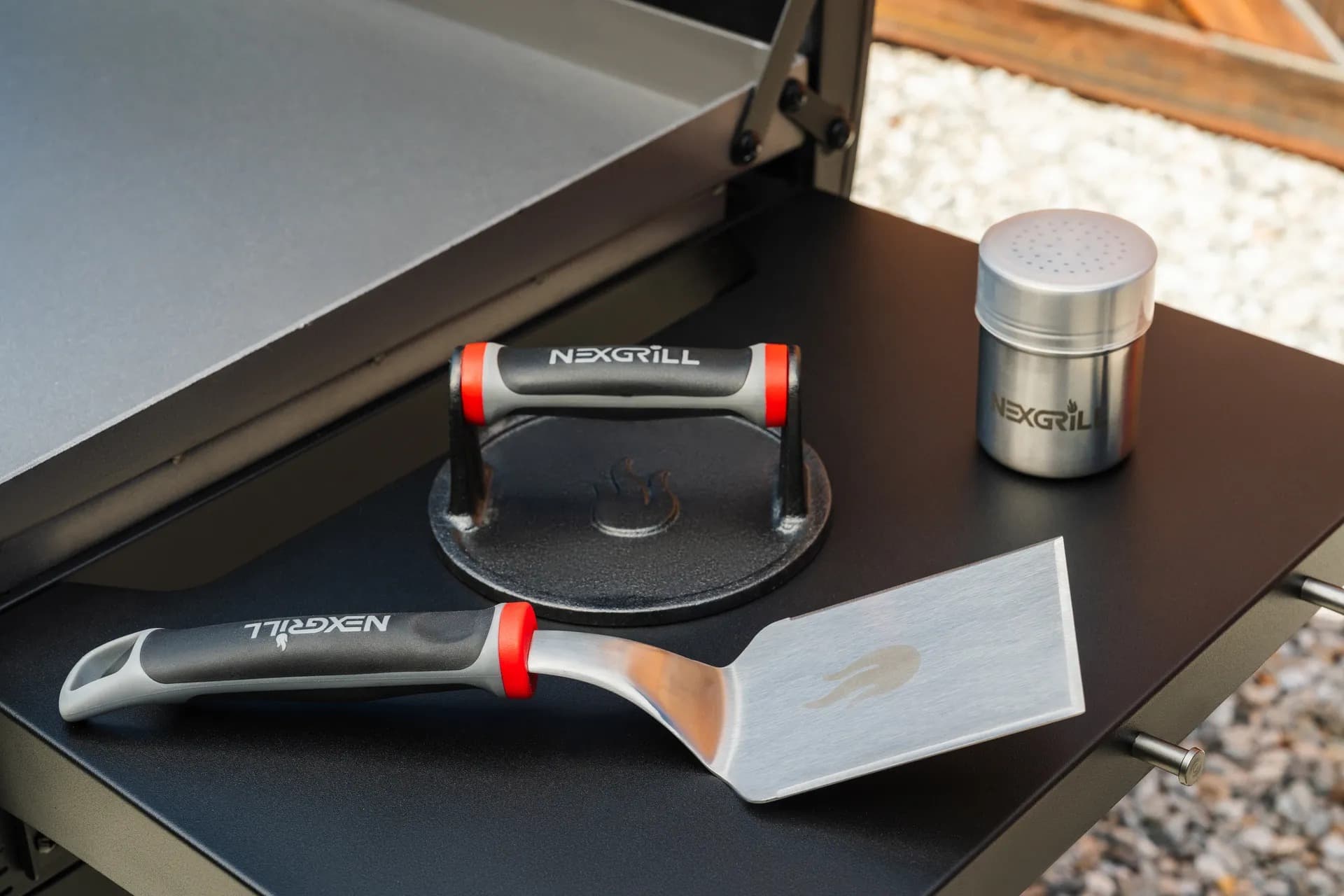
Here's what sets us apart from the competition
We position ourselves as delivering high-end outdoor cooking features and performance without premium-brand pricing, emphasizing “Quality Grills. Unbelievable Value.”
We offer gas grills, pellet grills, griddles, smokers, pizza ovens, portable/tabletop grills, electric grills, accessories, and replacement parts — allowing customers to stay within one ecosystem for all outdoor cooking needs.
We differentiate ourselves through smart grilling products like the Oakford smart pellet grill, including app-connected cooking controls and modern outdoor cooking technology.
Expert tips, buying guides, comparisons, and inspiration for choosing and getting the most out of your grill.
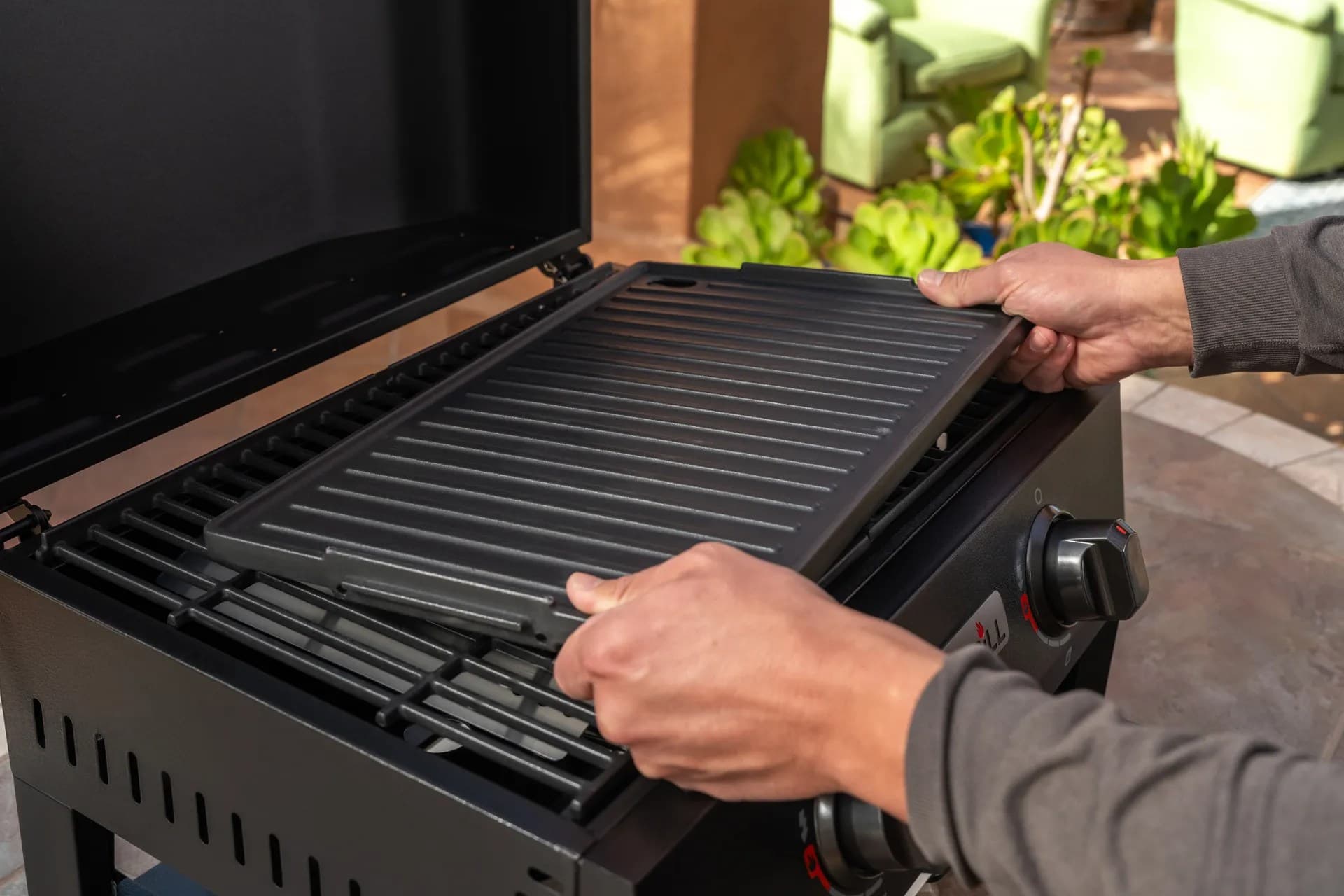
Practical guides for cleaning, maintenance, common grill issues, and performance optimization.
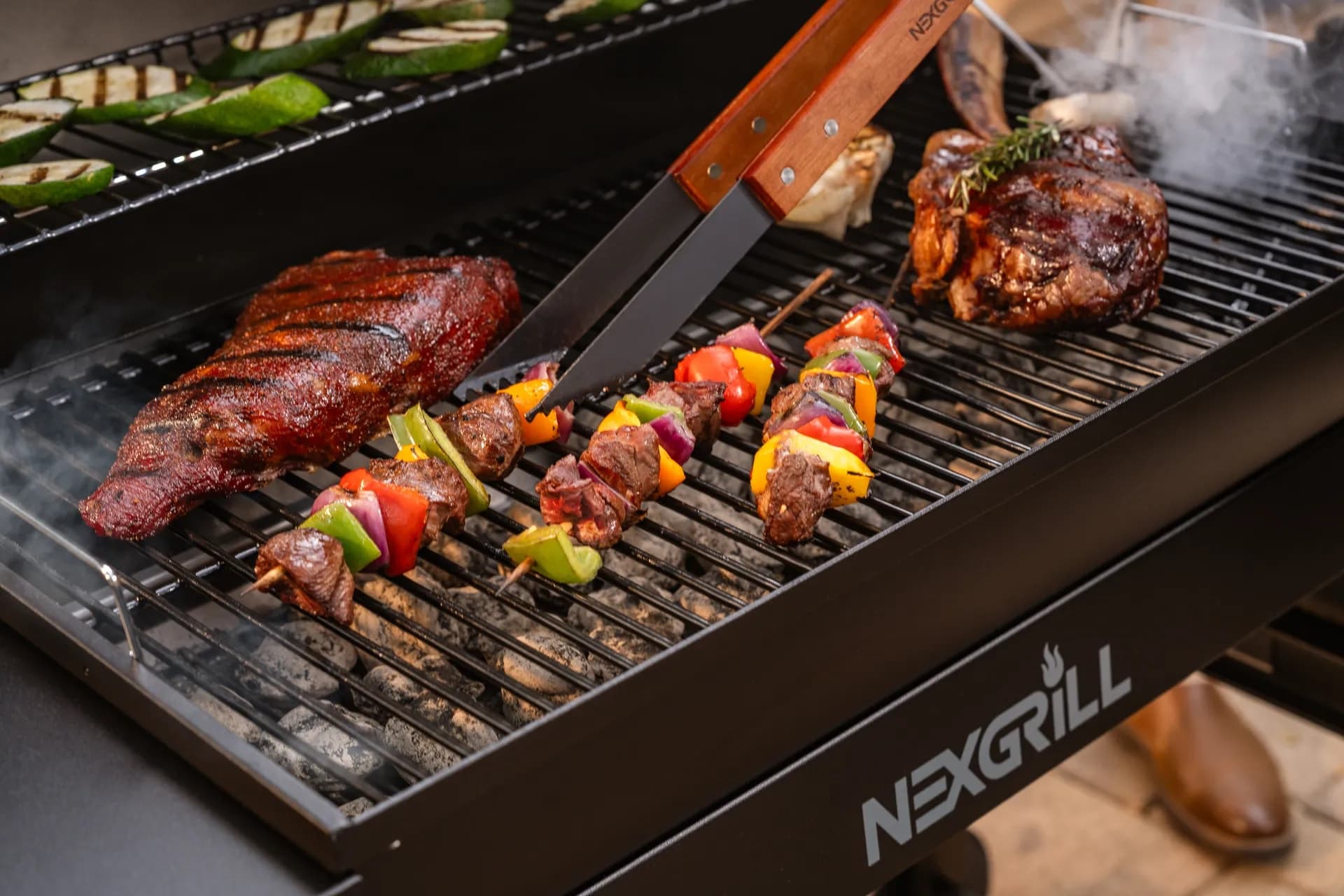
Step-by-step grilling recipes, cooking techniques, and meal ideas for every occasion and skill level.

Backyard entertaining ideas, seasonal grilling inspiration, and stories that celebrate outdoor cooking culture.
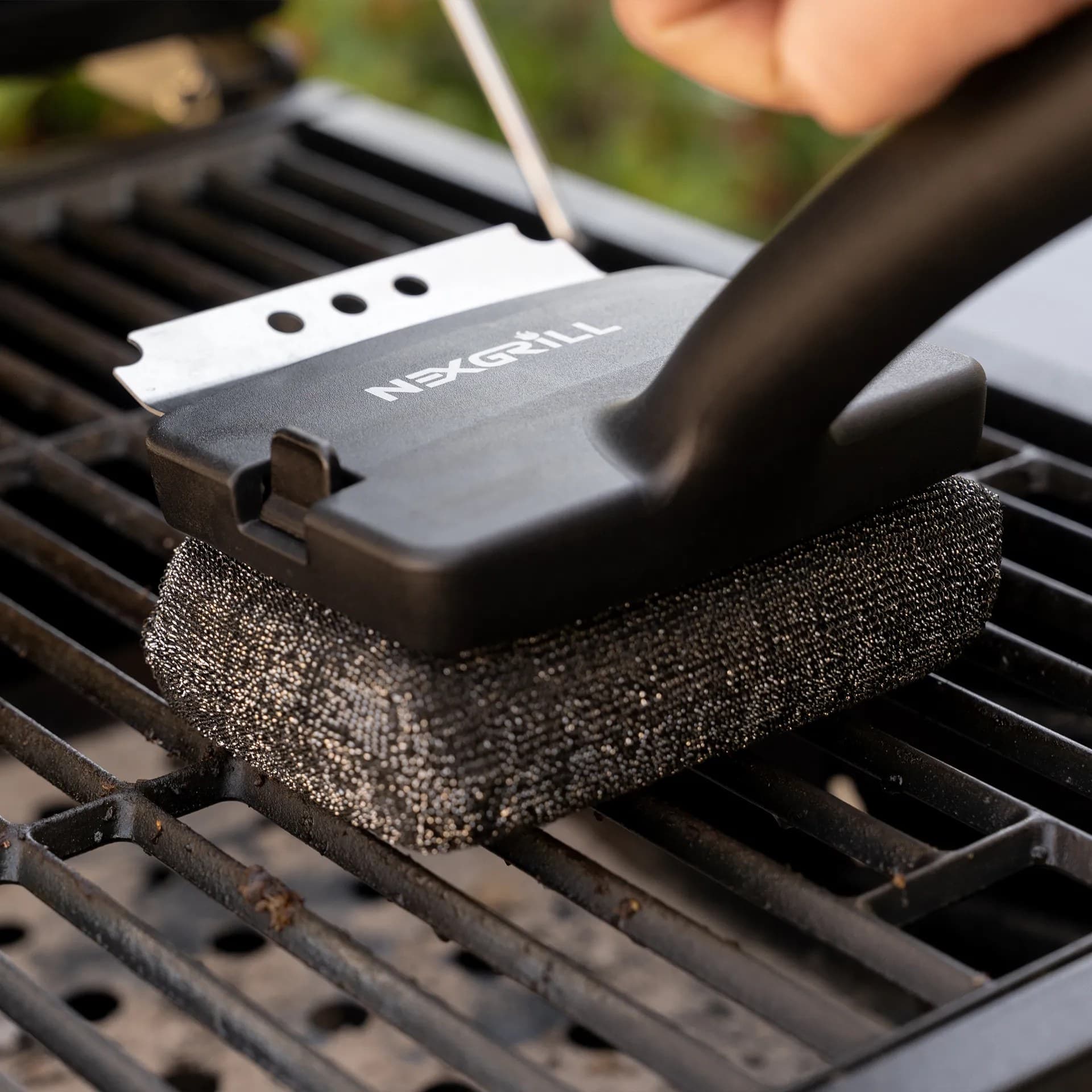
Helpful articles covering grilling tools, cookware, maintenance gear, and must-have accessories for outdoor cooking.
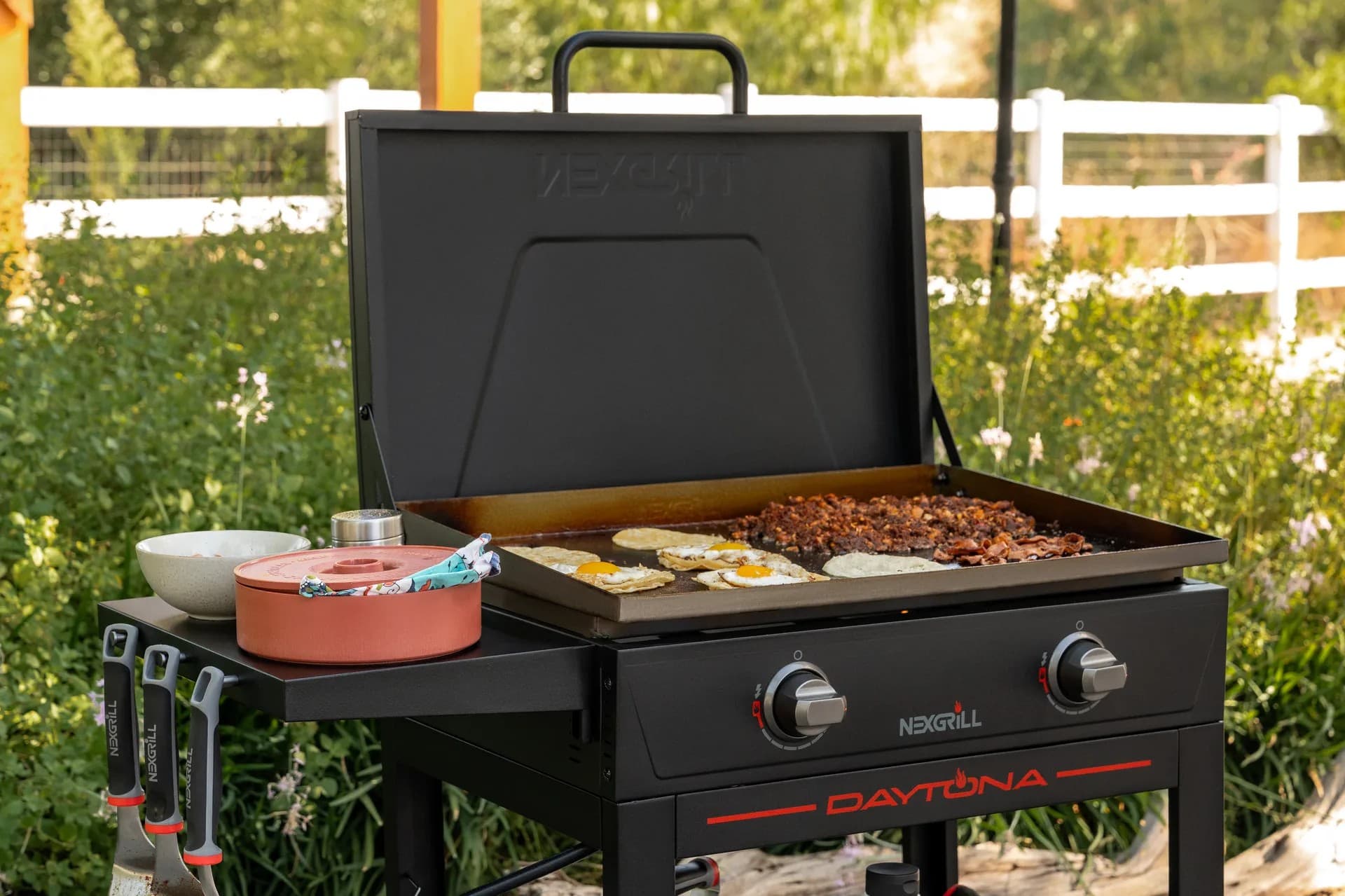
Find griddle recipes, cooking techniques, cleaning tips, and outdoor meal ideas designed for Nexgrill griddles.
Find answers to common questions
Nexgrill offers a variety of accessories including grill tools, covers, cooking utensils, and replacement parts designed to enhance your grilling experience.
Many Nexgrill accessories are widely compatible with various grill brands, but it is recommended to check the specifications for proper fit and functionality.
To maintain your Nexgrill accessories, regularly clean them with warm soapy water, avoid using abrasive materials that could scratch the surface, and store them in a dry place when not in use.
Yes, Nexgrill accessories can be purchased separately from the grills, allowing customers to customize their grilling setup as needed.
Instructions for using Nexgrill accessories are typically included in the packaging, and additional resources can be found on the Nexgrill website or in the product user manuals.
In This Article
Essential Tools Included
Material Quality Matters
Top Kits Reviewed
A grill accessories kit is less about buying “extra gadgets” and more about building a reliable cooking workflow. If you’ve ever tried to flip delicate fish with a flimsy spatula, guessed whether chicken was done, or hunted for a clean brush after the grates were already hot, you know the difference a well-chosen kit can make. The best kits reduce friction: they help you move food cleanly, manage heat safely, keep your station organized, and shorten the gap between “ready to cook” and “dinner on the table.” That matters whether you’re grilling weeknight burgers on a compact gas grill or running a full backyard spread for a crowd.
For Nexgrill customers, the right kit should feel practical, not overbuilt. A beginner usually needs a focused set of tools that covers the essentials without clutter. A more experienced griller may want heavier-duty pieces, longer handles, better storage, and accessories that support a wider range of cooking styles. That difference is why two kits that look similar online can feel completely different at the grill. One may be perfect for fast propane cooking, while another makes more sense if you frequently sear, smoke, or cook for a group.
The most useful grill kit is the one you will actually keep within arm’s reach. Convenience is part of performance.
The market is also broader than a simple spatula-and-tongs bundle. Many kits now include a thermometer, skewers, a basting brush, grill mat, replaceable brush head, silicone gloves, or a carry case. Those extras can be genuinely useful, but only if they match your cooking habits. For example, a family that often grills vegetables, seafood, and smaller items may benefit more from a fish spatula, skewers, and a silicone brush than from oversized steak tools. A griller who works at high heat should pay more attention to handle length and material quality than to the number of pieces.
Can replace a drawer full of mismatched, low-performing tools when chosen well.
Nexgrill’s brand approach centers on accessible, dependable outdoor cooking for everyday use, so the best accessories kit should support that same idea: simple, durable, and ready for real meals shared with other people. Think about the space where you cook, how often you grill, and whether you want a kit that travels with you to tailgates or stays parked beside a patio grill. Those details are the difference between a box of tools and a truly useful setup.
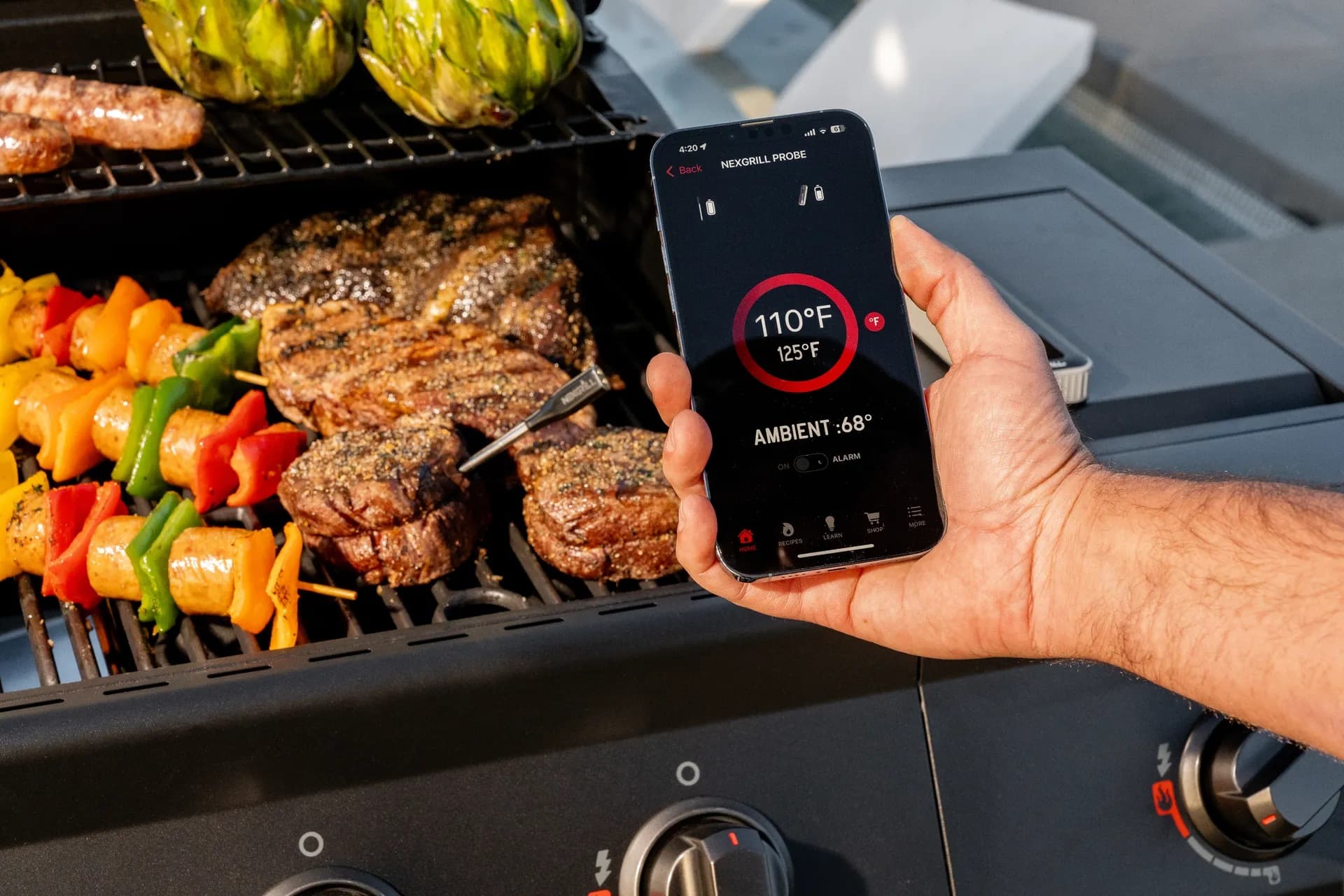
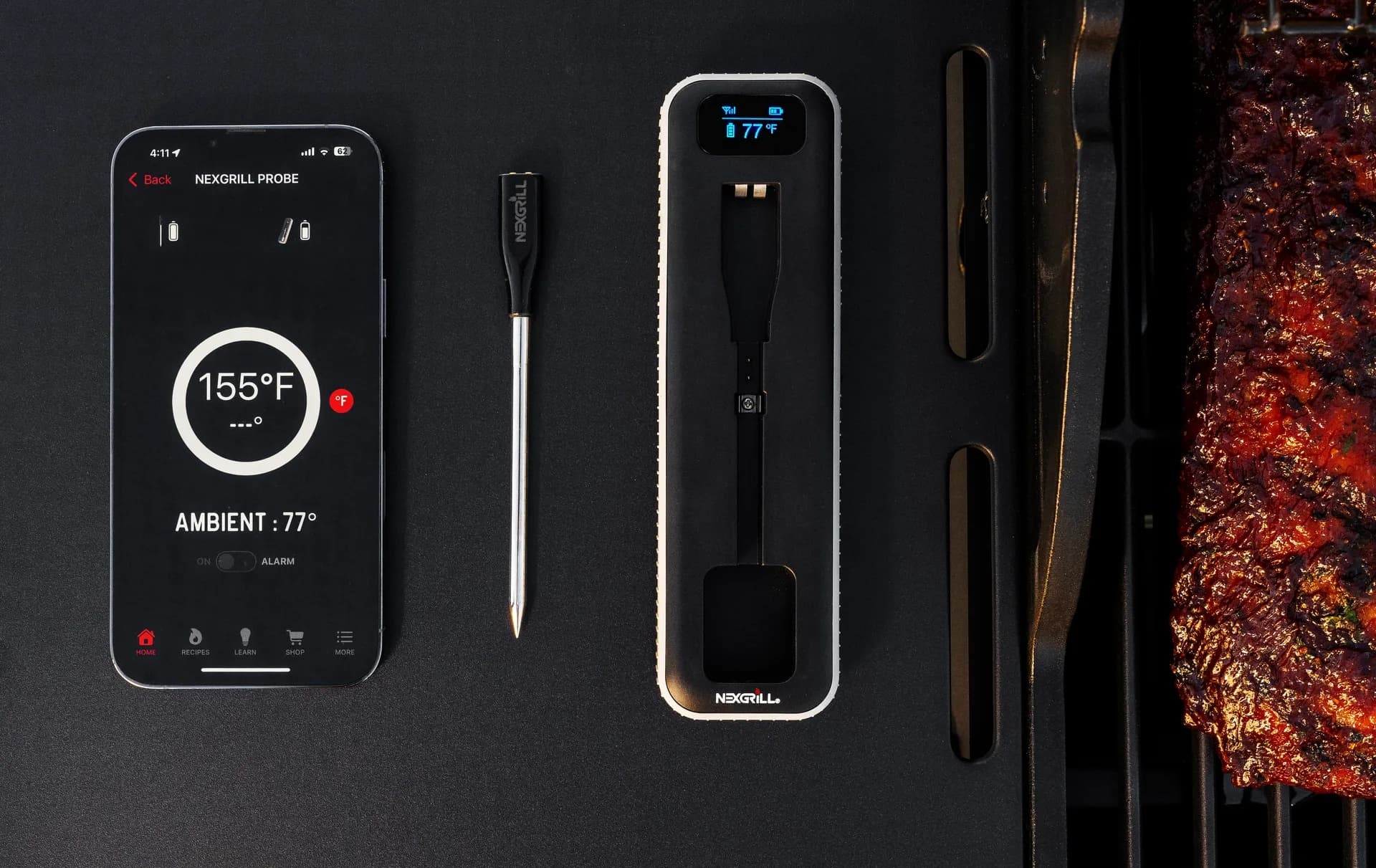
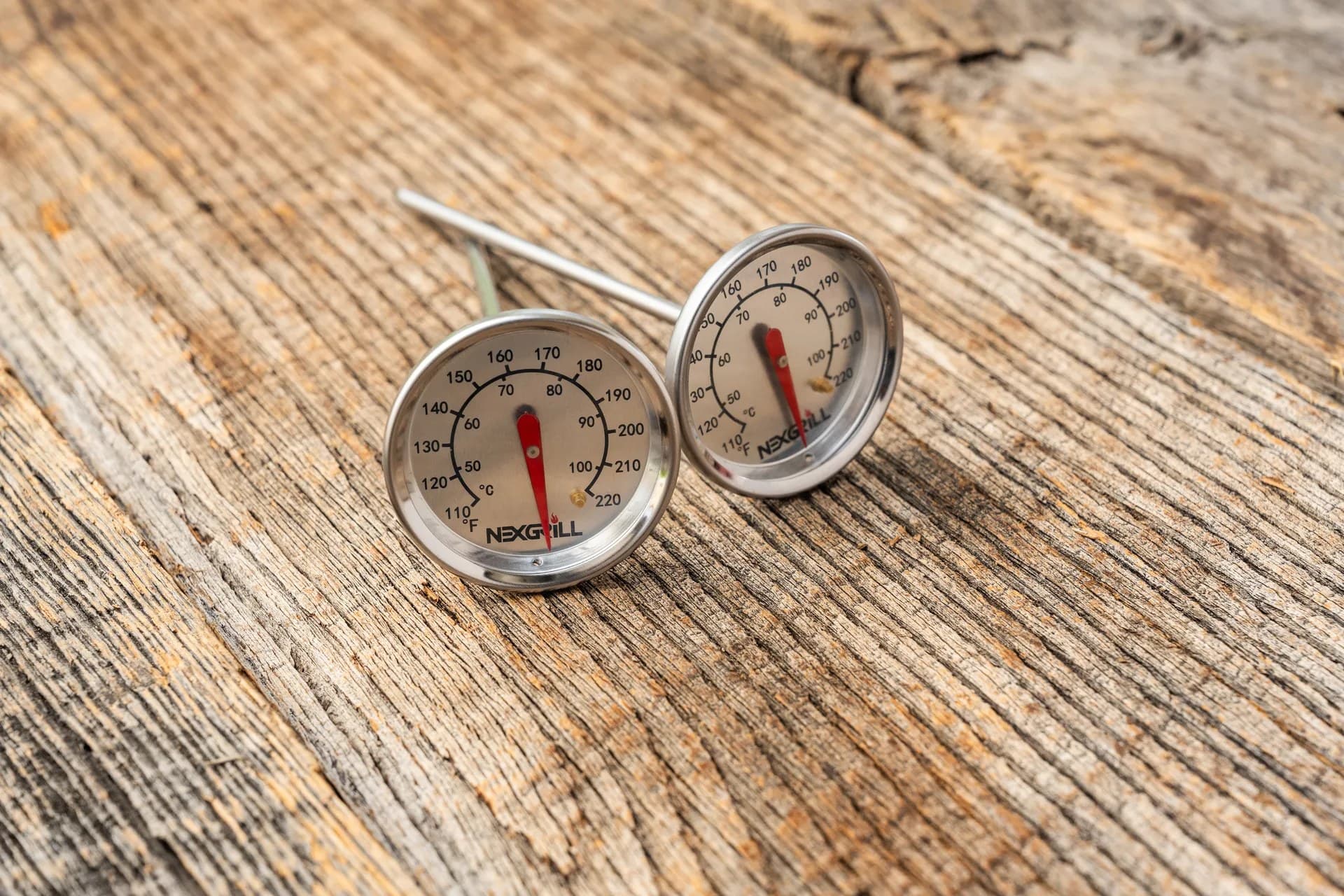
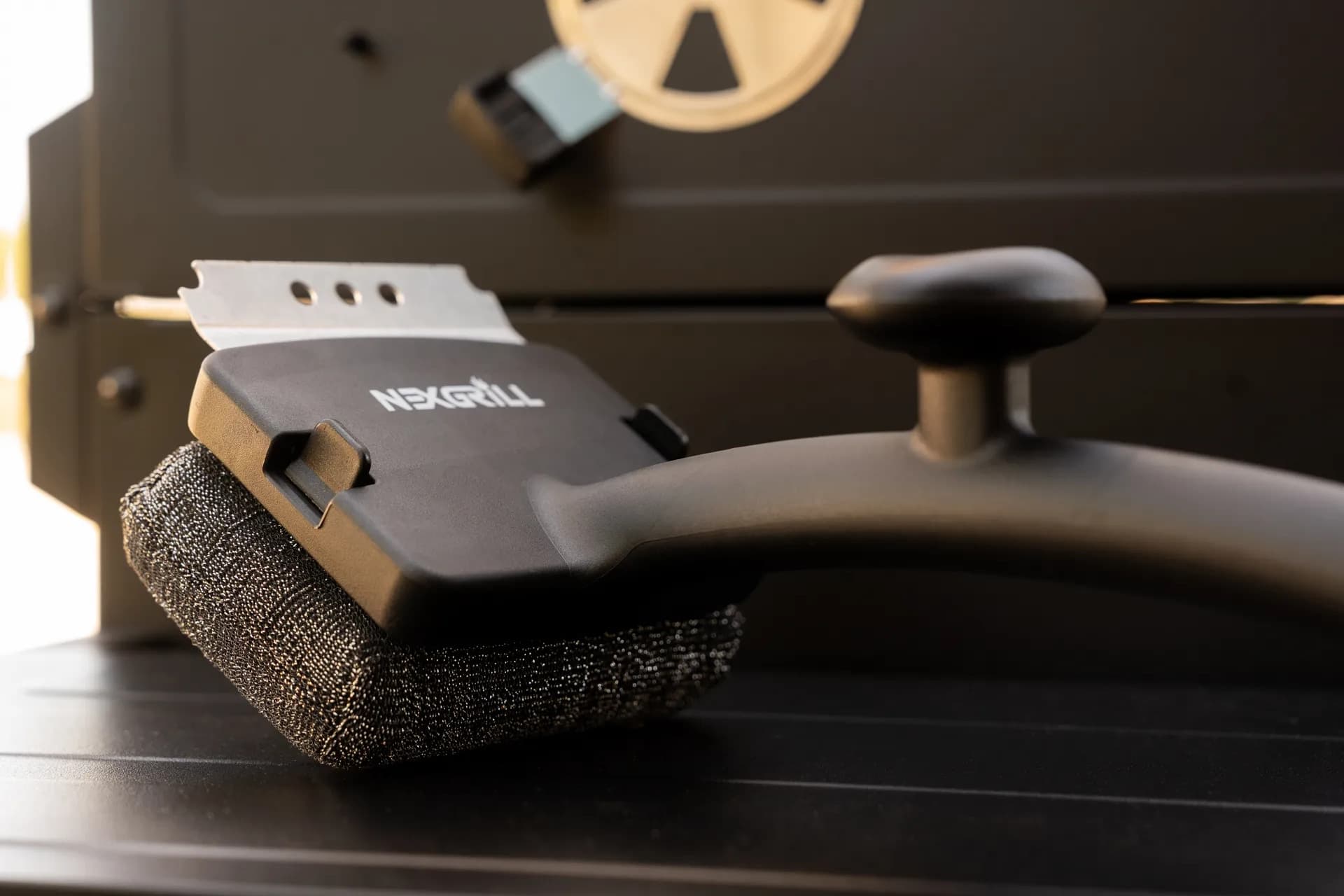
A strong grill accessories kit should cover the tasks that come up on nearly every cook. The core pieces are usually a spatula, tongs, a grill brush, and a thermometer. The spatula is for controlled flipping and lifting. Good grill spatulas are wide enough to support burgers and fish, but not so bulky that they become awkward around vegetables or smaller cuts. Tongs should have enough spring tension to grip firmly without crushing food. A brush matters because clean grates are easier to cook on and help you start fresh each time. A thermometer removes guesswork, especially for chicken, thicker pork cuts, and larger roasts.
Beyond those basics, the most helpful accessories depend on what you cook most often. Skewers are worth having if you make kebabs, shrimp, or mixed vegetable plates. A basting brush is valuable when you finish food with sauce or oil. Grill gloves or heat-resistant mitts are especially useful for moving hot grates, adjusting pans, or handling lids near the firebox. A cleaning scraper or wood paddle can also matter more than people expect, particularly for those who cook often and want to avoid harsh metal-on-metal wear.
| Accessory | Why It Matters | Best For |
|---|---|---|
| Spatula | Clean flips and lifting | Burgers, fish, vegetables |
| Tongs | Precise handling and turning | Steaks, chicken, sausages |
| Brush | Helps keep grates clean | Routine grill care |
| Thermometer | Improves doneness accuracy | Chicken, pork, roasts |
| Gloves | Heat protection for handling | High-heat grilling |
If you grill outdoors with a Nexgrill gas grill or griddle, the accessory mix should also reflect your cooking surface. A flat-top griddle benefits from sturdy turners and squeeze bottles more than from a pile of long-handled barbecue tools. A traditional grate-style grill benefits from tongs, a scraper, and a thermometer first. That is why “essential” should never mean identical for every buyer. It should mean the tools that make your actual cooking easier and more consistent.
Material choice affects more than appearance. It influences grip, cleaning, rust resistance, heat tolerance, and how comfortable a tool feels after repeated use. Stainless steel is the most common material for good reason: it resists corrosion better than lower-grade metals, wipes down more easily, and usually holds up well in outdoor storage if you take basic care of it. That said, not all stainless steel tools are the same. Thicker steel, solid riveting, and smoother edge finishing usually signal a better long-term investment than thin, flex-prone pieces that bend during use.
Handles matter just as much as the metal heads. Wood handles can feel comfortable and stay cooler in the hand, but they often need a little more care and should be dried thoroughly after washing. Silicone or rubberized grips can improve control, especially if your hands are wet or greasy. Long handles are useful when cooking over hotter fires or deeper fireboxes because they keep your hands farther from the heat. A compact kit may be easier to store, but it can trade away that extra protection.
Watch for tools that look stainless but feel very light. Excessive flex is often a sign that the kit may wear out faster under real grilling pressure.
Durability also depends on how the kit is put together. Welds, rivets, and hinge points should feel solid rather than loose. Brushes should have bristles or scraping surfaces that stay anchored. Thermometers should have readable displays and dependable probes or stems. Even storage cases can say a lot about quality: a molded or hard-sided case often protects tools better than a thin bag that only hides clutter. For buyers who grill often, a slightly higher price for sturdier construction can pay off quickly because the tools stay usable longer and feel better every time you reach for them.
In practice, the goal is not to find the fanciest finish. It is to find materials that match how hard you actually cook. A weekend-only griller may be perfectly happy with a lighter, simpler set. Someone who grills three or four nights a week should prioritize thicker stainless steel, stronger handles, and heat-resistant components that can take repeated use without warping or loosening.
What separates one grill accessories kit from another is often the details that improve real-world use. A storage case is one of the most practical upgrades because it keeps everything together and makes it easy to grab tools when you head outside. For people who move between the patio, campsite, and tailgate, that organization alone can justify choosing one kit over another. A hanging loop, locking tongs, or a spatula with a built-in bottle opener can also be useful, but only if the feature serves a purpose rather than adding weight.
Another worthwhile distinction is whether the kit is tuned for a specific style of cooking. A more advanced set may include a meat thermometer, grill mats, kebab skewers, corn holders, or specialized brushes that support a broader menu. Some kits lean toward quick cleanup and portability, while others feel more like a complete outdoor prep station. The right choice depends on whether you want fewer, better tools or a larger bundle that can cover many cooking tasks at once.
If a kit includes a thermometer and a durable case, it often delivers better everyday value than a larger bundle filled with extras you may never use.
This is where buyer intent matters most. A first-time griller may prefer a compact kit with easy storage and obvious essentials. An experienced griller may value heat resistance, sturdier construction, and specialty tools for specific cuts or techniques. If you cook on a Nexgrill setup frequently, try comparing two kits side by side below to see which mix of essentials, materials, and features fits your routine best:
Once you’ve weighed two options against each other, the next step is deciding which kind of kit actually fits your grill, your skill level, and your budget. Most grill accessory kits fall into a few practical categories: starter kits that cover the basics, mid-range sets that add durability and organization, and larger bundles that aim to support more advanced cooking habits. Rather than treating the biggest kit as the best, it helps to compare what you will use every week against what will sit untouched in the case.
For beginners, a compact set with tongs, spatula, brush, and thermometer is usually the smartest value. These are the tools that support nearly every meal, from chicken breasts and sausages to vegetables and fish. A kit in this range is often the easiest way to avoid cheap single tools that bend or rust quickly. For weekend cooks who want a little more versatility, a mid-tier kit with grilling gloves, skewers, a basting brush, and a storage case offers better flexibility without becoming excessive. For experienced grillers, the best value often comes from more thoughtful design: thick stainless steel, longer handles, secure locking mechanisms, and accessories that support both direct grilling and multi-item prep.
| Kit Style | Typical Price Range in USD | Best For | What You Gain |
|---|---|---|---|
| Starter kit | $20-$40 | New grillers | Core tools without clutter |
| Mid-range kit | $40-$80 | Frequent weekend cooks | Better materials and more utility |
| Premium kit | $80-$150+ | Heavy users and gift buyers | Sturdier build and fuller accessory mix |
If you compare brand names, you’ll notice that many shoppers look at Grillaholics, Cuisinart, and similar competitors because they want a recognizable set with a balanced tool mix. In practice, the decision should come down to the details rather than the label alone. One kit may offer a better thermometer or tougher case, while another may emphasize lightweight portability. Serious Eats’ tool-set coverage and Food Network’s accessory roundups both reinforce the same idea: a kit is only as good as the tools you reach for most often, not the number of pieces listed on the box.
If your main grill is a Nexgrill gas grill, a set with long-handled tongs, a strong spatula, and a reliable thermometer makes weeknight cooking easier. If you use a griddle, choose a kit with turners, scrapers, and squeeze bottles instead of a traditional barbecue bundle. That distinction matters because a griddle and a grate reward different tools. A tool set that matches the cooking surface is usually better value than a more expensive kit that looks impressive but is poorly matched to your actual setup.
The best kit is the one that fits your surface, your storage space, and the way you cook most often.
User feedback on grill accessories kits tends to cluster around a few consistent themes. People praise kits when the tools feel sturdy, the handles stay comfortable, and the case keeps everything organized. They get frustrated when the tongs slip, the spatula flexes too much, or the brush wears out after only a few uses. Buyers also notice when a kit makes them feel more confident outdoors, especially if they are new to grilling and want a simpler, less intimidating setup.
A common positive review pattern appears in kits that balance simplicity and usefulness. Newer grillers often appreciate when a set includes only the essentials plus one or two upgrades, because it reduces decision fatigue and makes the first few cooks easier. More experienced users often favor kits that feel “toolbox-like,” where each piece has a clear purpose and the set travels well. That is why storage cases get mentioned so often in reviews: the case is not just packaging, it is part of whether the kit stays useful over time.
Some of the strongest testimonials come from users who upgraded from bargain tools. They tend to describe better control, less bending, and more consistent results, especially when flipping or serving heavier foods. Grillers who frequently host also value kits that make cleanup easier, because the tools go back into one place instead of spreading across drawers and patio shelves. In other words, satisfaction usually comes from fewer irritations, not flashy extras.
When reading reviews, pay close attention to comments about handle comfort, rust after washing, and whether the case still closes after repeated use.
Good maintenance keeps a kit useful for years instead of months. Wash tools soon after use so grease and sauce do not harden on the surface. If the kit is dishwasher safe, that can save time, but handwashing is often gentler on wood handles, printed markings, and temperature probes. Dry tools completely before storing them so moisture does not sit in seams, hinges, or blade joints. Brushes should be checked regularly for worn surfaces, bent wire, or loose sections, since a damaged brush is less effective and can become frustrating to use.
Thermometers and electronic pieces deserve special attention. Keep probes clean and avoid storing them while damp. If your kit includes a case, use it. Cases protect against dust, dents, and accidental scratches, and they make it more likely that every tool returns to the same place after each cook. For wood handles, a light wipe and full drying go a long way. For stainless steel, simple soap and water usually handle most residue, followed by a quick towel dry to reduce spotting and corrosion risk.
After grilling:1. Let tools cool enough to handle safely.2. Remove grease and food residue with warm soapy water.3. Dry each item completely.4. Inspect tongs, spatulas, and brushes for wear.5. Return everything to the case or designated storage spot.The biggest longevity mistake is leaving accessories outside with the grill itself. Even good stainless steel tools last longer when stored indoors or in a protected cabinet. If your kit is part of a Nexgrill setup on a patio, treat the accessories the same way you would any useful cooking gear: clean them promptly, store them dry, and replace worn items before they affect your cooking.
The right grill accessories kit should make outdoor cooking easier, cleaner, and more enjoyable without adding unnecessary clutter. If you are new to grilling, start with the essentials and focus on durable tools that perform well every time. If you already grill often, invest in better materials, stronger handles, and a kit that matches the cooking surface you use most. A thoughtful set should help you flip, turn, clean, and check doneness with less effort and more confidence.
For most buyers, the smartest decision is to choose a kit based on use case first, then compare material quality, storage, and included extras. That approach keeps you from overspending on features you will not use and helps you avoid the disappointment of tools that wear out too quickly. If you want a quick rule of thumb: pick the kit that supports your most common meals, not the one with the longest feature list. For more brand context and product options, you can explore Nexgrill’s outdoor cooking approach at Nexgrill.
Here's what sets us apart
We position ourselves as delivering high-end outdoor cooking features and performance without premium-brand pricing, emphasizing “Quality Grills. Unbelievable Value.”
We offer gas grills, pellet grills, griddles, smokers, pizza ovens, portable/tabletop grills, electric grills, accessories, and replacement parts — allowing customers to stay within one ecosystem for all outdoor cooking needs.
We differentiate ourselves through smart grilling products like the Oakford smart pellet grill, including app-connected cooking controls and modern outdoor cooking technology.
Don't just take our word for it
Keep reading
From our catalog