Discover must-have tools and techniques to keep your griddle sparkling clean.
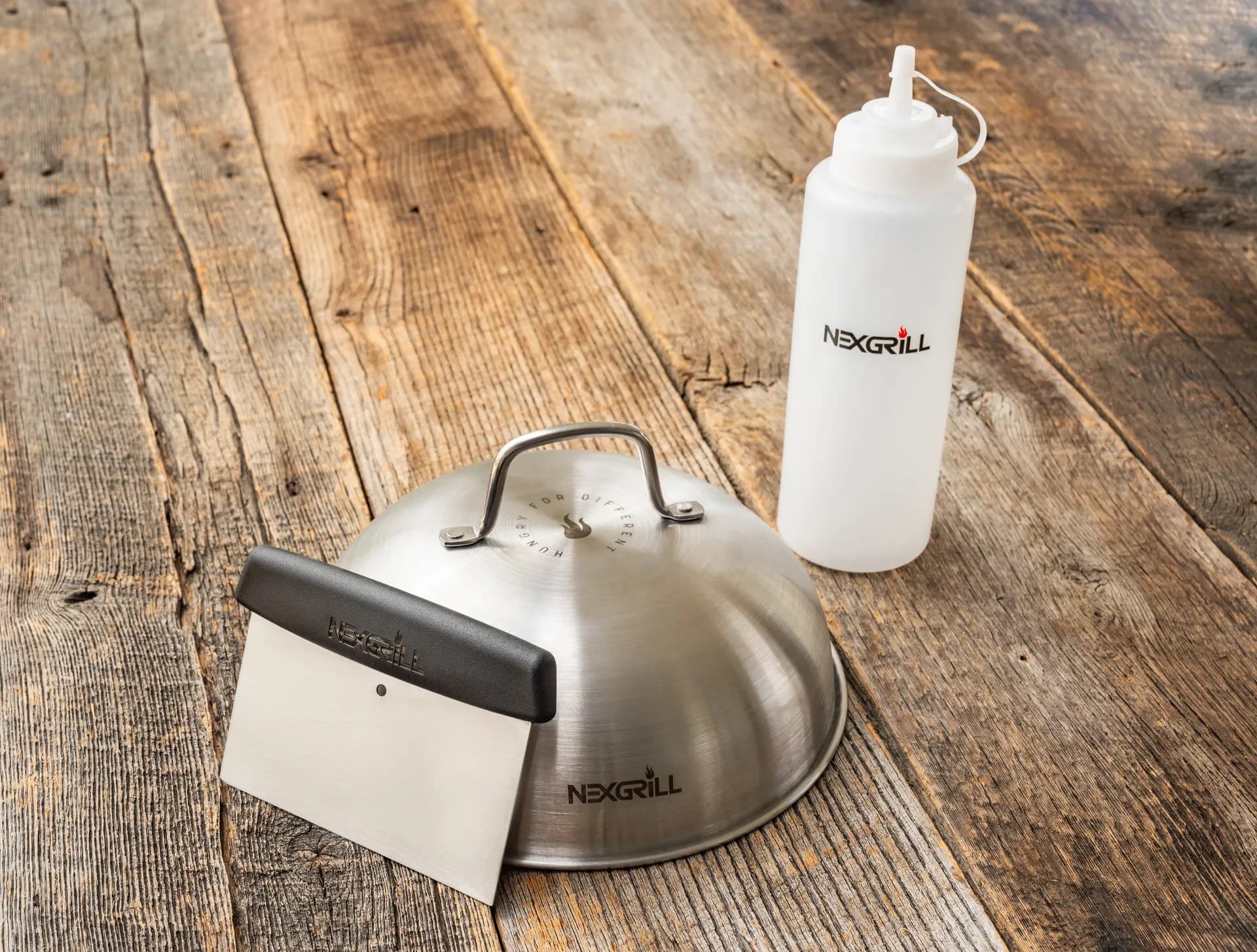
Here's what sets us apart from the competition
We position ourselves as delivering high-end outdoor cooking features and performance without premium-brand pricing, emphasizing “Quality Grills. Unbelievable Value.”
We offer gas grills, pellet grills, griddles, smokers, pizza ovens, portable/tabletop grills, electric grills, accessories, and replacement parts — allowing customers to stay within one ecosystem for all outdoor cooking needs.
We differentiate ourselves through smart grilling products like the Oakford smart pellet grill, including app-connected cooking controls and modern outdoor cooking technology.

Expert tips, buying guides, comparisons, and inspiration for choosing and getting the most out of your grill.
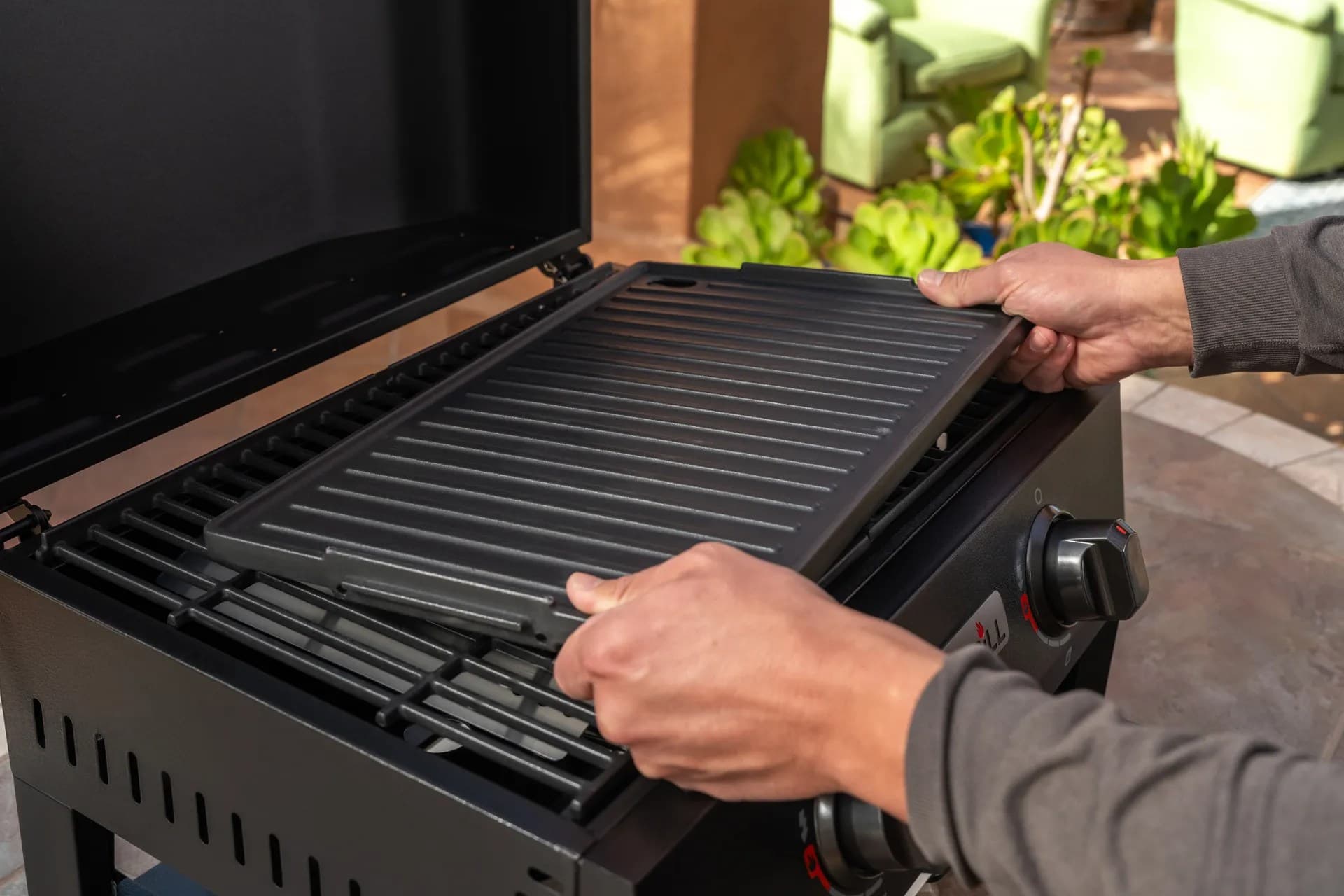
Practical guides for cleaning, maintenance, common grill issues, and performance optimization.
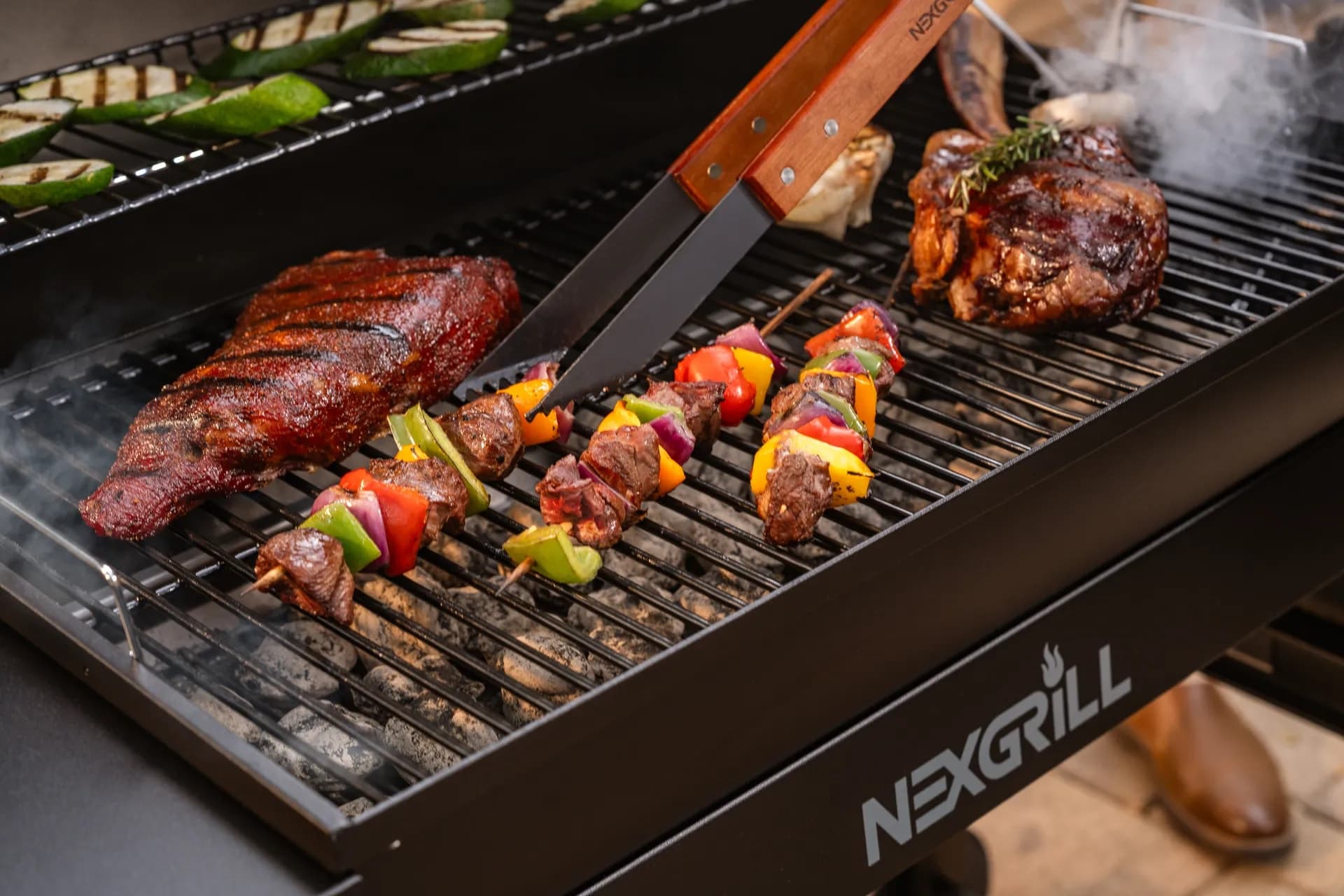
Step-by-step grilling recipes, cooking techniques, and meal ideas for every occasion and skill level.

Backyard entertaining ideas, seasonal grilling inspiration, and stories that celebrate outdoor cooking culture.
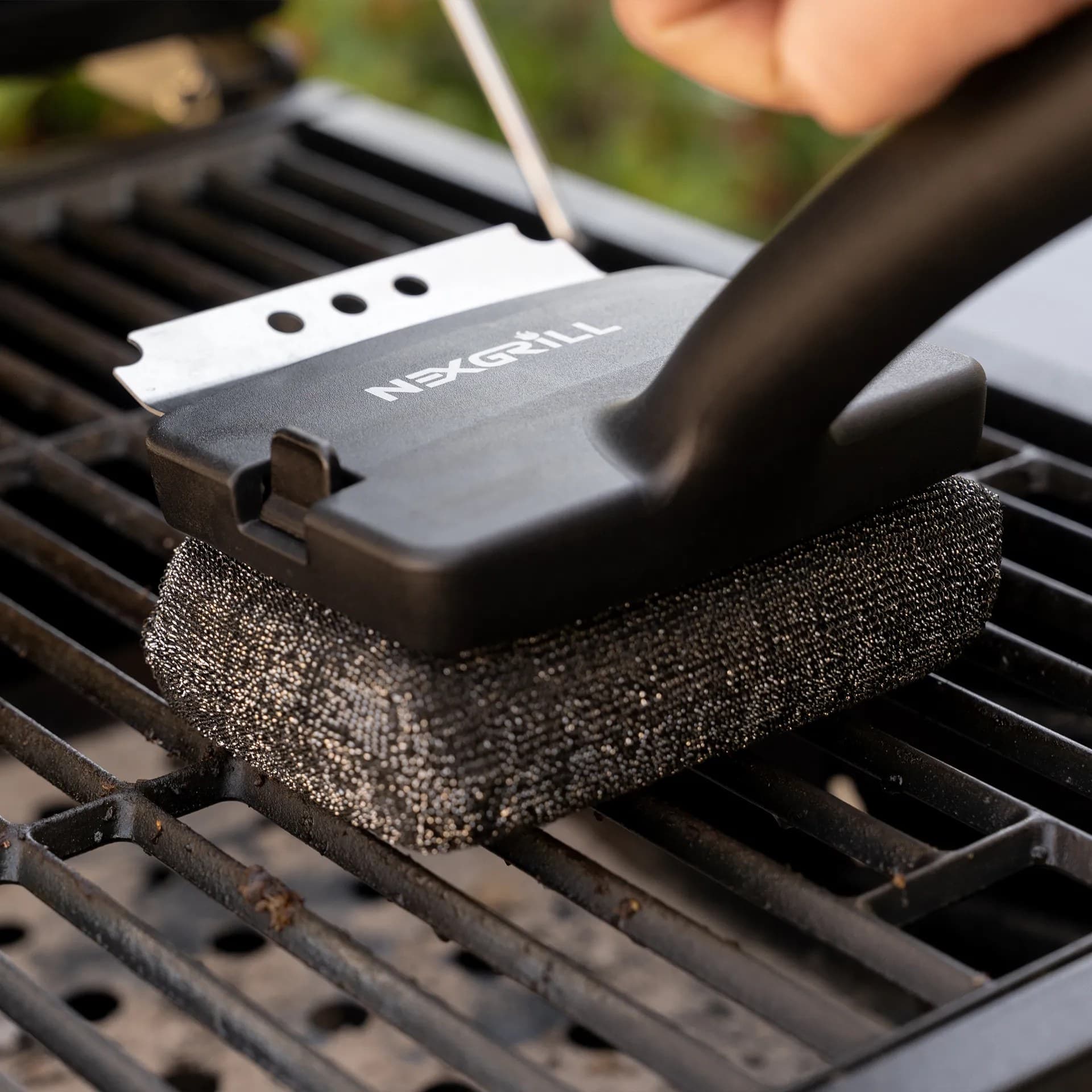
Helpful articles covering grilling tools, cookware, maintenance gear, and must-have accessories for outdoor cooking.
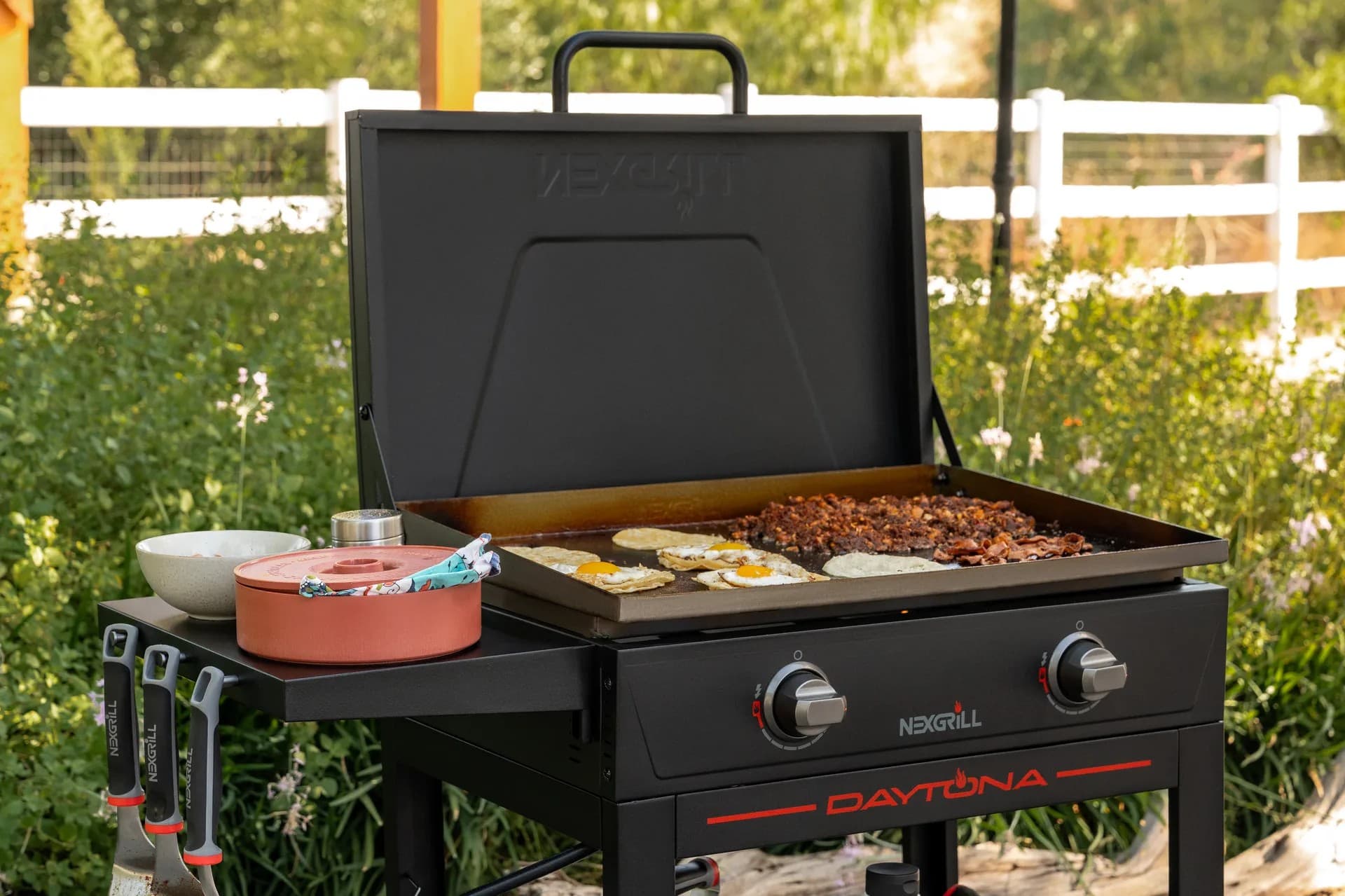
Find griddle recipes, cooking techniques, cleaning tips, and outdoor meal ideas designed for Nexgrill griddles.
Find answers to common questions
Nexgrill offers a variety of accessories including grill tools, covers, cooking utensils, and replacement parts designed to enhance your grilling experience.
Many Nexgrill accessories are widely compatible with various grill brands, but it is recommended to check the specifications for proper fit and functionality.
To maintain your Nexgrill accessories, regularly clean them with warm soapy water, avoid using abrasive materials that could scratch the surface, and store them in a dry place when not in use.
Yes, Nexgrill accessories can be purchased separately from the grills, allowing customers to customize their grilling setup as needed.
Instructions for using Nexgrill accessories are typically included in the packaging, and additional resources can be found on the Nexgrill website or in the product user manuals.
In This Article
Types of Cleaning Tools
Product Comparisons
Maintenance Tips
A clean griddle cooks better, looks better, and lasts longer. That sounds obvious, but in real kitchens the difference between a well-kept flat top and a neglected one shows up fast: food sticks more easily, flavor carries over from one meal to the next, and seasoning can break down unevenly when grease and carbon are left to build up. For home cooks, the goal is not just to make the surface shiny after cooking. It is to create a simple routine that protects the steel, keeps the surface evenly seasoned, and makes the next cook easier than the last.
Griddle cleaning accessories exist for one reason: to help you remove residue without damaging the cooking surface. A scraper handles stuck-on bits after smash burgers or breakfast potatoes. A pad or screen helps lift cooked-on oil. A brush clears away crumbs and loose debris from corners and around the grease channel. A stone can help with heavier carbon buildup on some surfaces when used carefully. Each tool does a slightly different job, which is why many experienced griddle owners keep more than one accessory on hand instead of relying on a single gadget.
The best cleaning setup is usually a small system, not one tool. Most griddle owners get better results by pairing a scraper with a pad and a towel or squeeze bottle.
Nexgrill’s brand approach centers on approachable, dependable outdoor cooking for everyday use, and that same mindset applies to maintenance: the best cleaning accessory is the one you will actually use after each cook. That is especially important for beginners, who may assume deep scrubbing is only needed when a surface looks visibly dirty. In practice, light cleaning after every session prevents the kind of baked-on buildup that takes much more effort to remove later.
If you are comparing griddle-cleaning accessories for a first purchase, think in terms of workflow. What happens while the griddle is still warm? What do you use once it has cooled? How do you handle oil, crumbs, and stubborn residue? Those questions matter more than flashy packaging. A good accessory should shorten cleanup time, protect the cooking surface, and make regular maintenance feel manageable rather than like a separate chore.
A scraper, pad, and brush cover most home griddle cleaning needs.
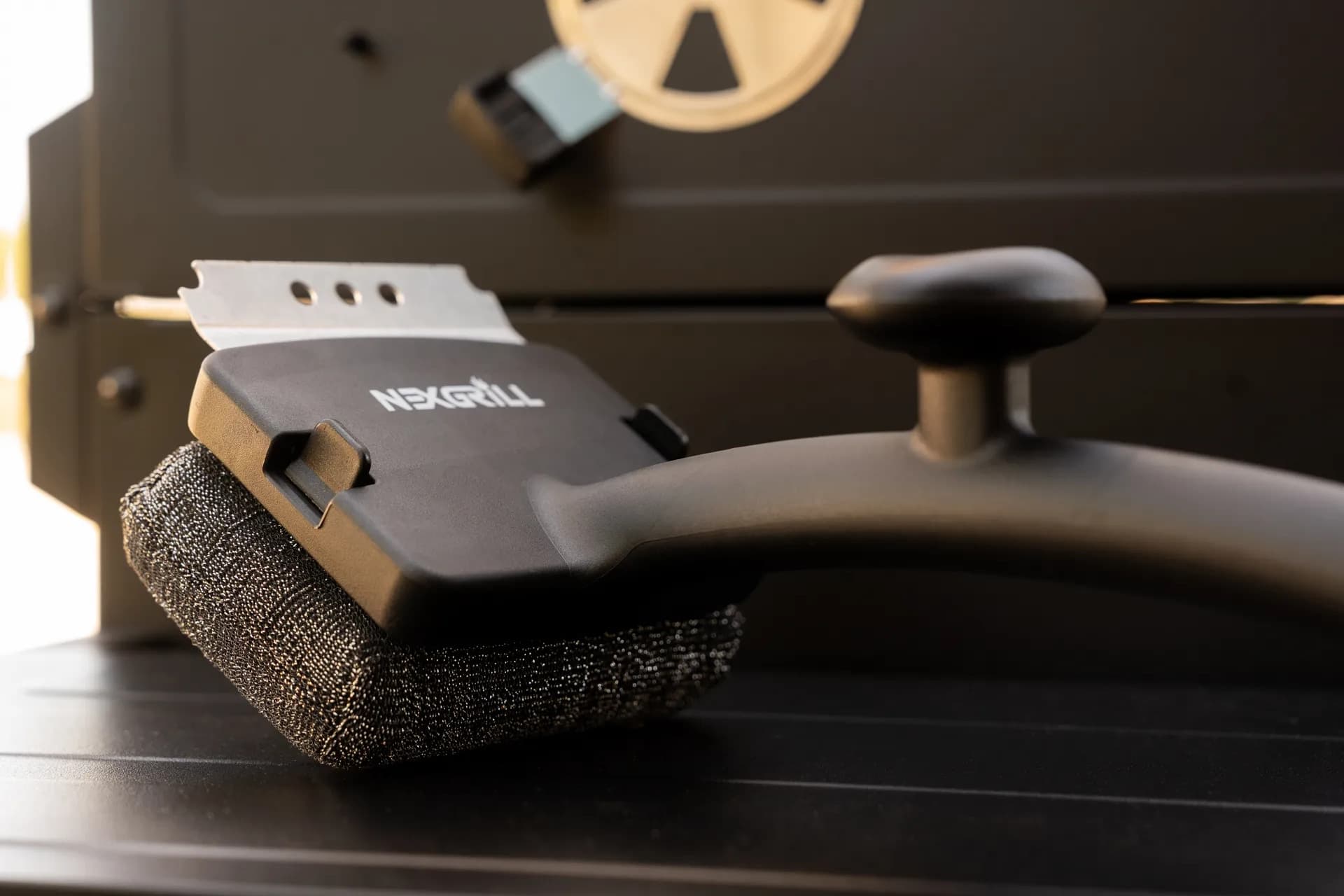
The core griddle-cleaning accessories fall into a few practical categories, and each one solves a specific problem. A metal scraper is the workhorse. It is best for pushing food residue, grease, and charred scraps toward the grease trap while the surface is still warm. A scraper with a comfortable handle and a firm blade gives you control without needing to press too hard, which helps reduce the chance of gouging the surface. For home cooks who cook often, this is usually the first accessory worth buying.
Cleaning pads and screens are the next step. These are useful when residue is too stubborn for a dry wipe but not so thick that you need aggressive abrasion. On a seasoned steel surface, a pad can lift a thin layer of cooked-on oil and help the griddle settle back into an even finish. Pads are especially helpful after greasy cooks such as sausage, bacon, or butter-heavy breakfast spreads, when a scraper alone may move debris but not fully clean the film behind it.
Brushes are often underrated. A stiff-bristle brush can clear corners, rear edges, and grease channels where a scraper does not reach cleanly. Brush use is especially useful after a full cook when the griddle has cooled enough that you do not want to drag residue across the surface. Some owners prefer grill-style brushes, but for griddles, the better option is usually a cleaning brush designed to work on a flat surface rather than a grate.
Cleaning stones and pumice-style tools are more specialized. They can help on heavy carbon deposits, but they should be used carefully because the goal is to remove buildup without taking off healthy seasoning. For that reason, many experienced users reserve stones for occasional restorative cleaning rather than everyday maintenance. If you cook frequently and season your griddle properly, you may not need one often, but it can be useful in a recovery kit for neglected surfaces.
| Accessory | Best Use | Main Benefit | Watch For |
|---|---|---|---|
| Scraper | Warm-surface residue removal | Fast cleanup of stuck-on bits | Too much pressure can damage seasoning |
| Pad or screen | Everyday surface wiping | Lifts film and grease evenly | Over-scrubbing may strip finish |
| Brush | Edges, corners, and channels | Reaches tight areas | Choose a flat-top-safe design |
| Cleaning stone | Heavy buildup | Helps restore neglected surfaces | Use sparingly to avoid over-abrasion |
One practical detail that matters more than many shoppers expect is handle length. A longer handle can keep your hands farther from heat and grease, while a shorter tool may offer better control in tight spots. The right choice depends on whether you prioritize comfort, reach, or precision. For example, a family that cooks pancakes and bacon on weekends may want a wide scraper and a few pads. A heavier griddle user who sears smash burgers and fajitas might prefer a scraper-plus-brush combination for rapid cleanup between batches.
Cleaning kits can save time because they package the basics together, but not all kits are equal. The most useful bundles are the ones that combine complementary tools rather than several versions of the same item. A good kit should include a scraper, a pad or screen, and at least one accessory that helps with oil management or detail cleaning. Kits from brands such as Blackstone and Camp Chef are often discussed because they focus on flat-top maintenance rather than generic grill cleaning, and that distinction matters when you are trying to care for a smooth cooking plate.
Blackstone-oriented kits tend to emphasize fast post-cook cleanup and include accessories built around flat-top use. That makes them appealing for cooks who clean immediately after cooking and want a straightforward, no-fuss approach. Camp Chef cleaning solutions often appeal to users who want a practical, all-around kit for maintenance and heavier cleanup sessions. In both cases, the real value comes from how the tools work together: if the scraper does the heavy lifting, the pad refines the surface, and a towel or bottle helps with oil application, you have a complete routine rather than a drawer full of mismatched accessories.
| Kit Type | Best For | Strength | Trade-Off |
|---|---|---|---|
| Basic starter kit | New griddle owners | Low cost, simple setup | May lack a tool for heavy carbon |
| Mid-range cleaning set | Weekly home cooks | Balanced mix of scraper and pads | Can include extras you rarely use |
| Heavy-duty restoration kit | Older or neglected griddles | Better for stubborn buildup | More abrasive than everyday tools |
Avoid buying a kit just because it looks complete. Extra tools are only useful if they fit your actual cleaning rhythm and griddle size.
User feedback on cleaning kits usually comes down to ease and consistency. Home cooks often praise tools that can be used one-handed while the other hand controls a towel or squeeze bottle. They also value kits that store neatly near the griddle, because accessories that are easy to grab tend to get used more often. Professionals and serious hobbyists usually care less about fancy packaging and more about blade rigidity, pad durability, and whether the accessories survive repeated heat exposure and grease contact.
When comparing kits, ask three practical questions: does it help me clean faster, does it protect the griddle surface, and will I use all the included tools? If the answer is yes to all three, the kit is probably worth considering. Try comparing two products side by side below to see which fits best:
DIY cleaning methods are popular because they are inexpensive and easy to adapt. A little warm water, a scraper, and a cloth can handle many everyday cleanup jobs. Some cooks also use a light oil wipe or a vinegar-water solution for certain surfaces, especially when they want to reduce grease without introducing strong chemical scents. The advantage of DIY methods is simplicity: you likely already have the basics in your kitchen, and you can adjust the process based on how dirty the griddle is.
Commercial cleaning solutions, by contrast, are built for convenience and consistency. They can be useful when you want a product specifically made for griddle care, particularly if you cook often and want the same predictable result every time. Commercial degreasers and cleaning sprays may help dissolve residue faster than water alone, but they should always be used according to the manufacturer’s instructions so you do not compromise seasoning or leave behind unwanted residue. For most home cooks, the deciding factor is not whether one approach is better in every scenario, but whether it better matches the griddle’s condition and the owner’s habits.
A practical rule: use the least aggressive method that gets the job done. Save stronger cleaners and abrasive stones for tough buildup, not routine maintenance.
Eco-conscious buyers often prefer a minimal-tool routine because it reduces chemical use and keeps cleanup simple. On the other hand, commercial solutions can be the better choice for people who cook frequently and need fast turnaround between meals. A busy parent making breakfast and dinner on the same griddle may value a dedicated cleaner that cuts through grease quickly, while a weekend griller may be perfectly happy with a scraper, towel, and a bit of oil. The real answer depends on use pattern, not ideology.
Once you've weighed two cleaning approaches against each other, the next step is making maintenance feel automatic. The best griddle maintenance routine is not complicated; it is repeatable. Most damage happens when grease is allowed to cool into hard layers, when moisture is left sitting on the surface, or when seasoning is stripped by overly aggressive cleaning. If you want your griddle to stay reliable through many seasons of use, the habit to build is simple: clean while warm, oil lightly when appropriate, and store the surface dry.
A practical maintenance rhythm starts right after cooking. While the griddle is still warm, scrape residue toward the grease management area, wipe away loose debris with a pad or towel, and then add a thin coat of oil if the cooking surface calls for it. That final step helps protect the steel from moisture and supports seasoning. If you wait until the surface is fully cold, food residue hardens and takes more effort to remove. If you scrub too hard, you may remove the protective layer you are trying to preserve. The sweet spot is a light, consistent cleanup process that becomes second nature.
| When to Clean | What to Use | Why It Matters |
|---|---|---|
| Immediately after cooking | Scraper and heat-safe pad | Removes residue before it hardens |
| After the surface cools | Dry cloth and brush | Cleans edges and channels safely |
| After heavy cooks | Pad, scraper, and light oil | Keeps buildup from becoming permanent |
| Before storage | Dry towel and cover | Helps prevent rust and dust accumulation |
Frequency matters just as much as technique. For daily or near-daily use, a short cleanup after each session is enough to keep the surface in good condition. For weekend-only use, it helps to do a slightly deeper wipe-down before storing the griddle so grease does not sit untouched for days. If you have had a particularly sticky cook, such as cheese-heavy sandwiches or sugary sauces, plan for one extra pass with a pad or scraper before calling it done. That extra minute often prevents tomorrow's headache.
Professional kitchens tend to rely on speed, consistency, and simple tools that can be used between tickets. The lesson for home cooks is not to copy every commercial habit, but to borrow the principles: clean between batches, keep a dedicated scraper nearby, and avoid letting the surface cool with thick residue still on it. A griddle that is maintained in small steps stays more pleasant to cook on, and the surface develops a more even, dependable finish over time.
If you notice sticky patches after oiling, you are probably using too much oil. Thin coats protect better than heavy applications.
Storage is another overlooked part of maintenance. A griddle that sits outdoors should be fully dry before any cover goes on, since trapped moisture can encourage corrosion. Even if you use a cover, the surface still benefits from a final wipe and a light protective coat before storage. If your griddle is moved seasonally, take a moment to empty the grease tray, inspect the cooking surface, and check for any uneven discoloration that might signal a buildup issue. Small adjustments at storage time often save a major restoration later.
The strongest advice from experienced griddle users is remarkably consistent: do not wait for the surface to become a project. Many seasoned cooks say the most effective accessory is the one that makes it easy to clean in under a minute while the surface is still warm. That perspective matches what you see in both home and restaurant settings. The better the post-cook rhythm, the less force you need later. In other words, the accessory that seems small at purchase time may have the biggest effect on long-term upkeep if it helps you stay consistent.
Another useful insight is to build your cleaning kit around your most common food. If you cook eggs and bacon often, look for a smooth scraper and soft pad that can handle delicate residue without scratching. If you sear meats and cook oily vegetables, prioritize a sturdier scraper and a brush that can chase drippings into the grease channel. For mixed-use households, where breakfast, lunch, and dinner all happen on the same surface, versatility is more valuable than specialization. The best kit for that situation is a simple one you can reach for without thinking.
Abrasive accessories are helpful in moderation, but overuse can wear down seasoning faster than most home cooks expect.
Here is a practical way to think about tool choice: scraper for movement, pad for refinement, brush for edges, stone for rescue. That sequence works because it mirrors the actual cleaning process. Start by removing the bulk of the mess, then refine the surface, then clean the hard-to-reach areas, and only then consider stronger intervention. If you use a stone too early, you may remove more finish than necessary. If you skip the brush, debris can linger where you cannot see it. The right order matters almost as much as the right tool.
For households that care about value, the best buying decision is often not the biggest kit but the kit with the most useful middle ground. A scraper, a couple of pads, and a detail brush typically cover most needs and cost less than a large bundle loaded with extras. That is also easier to store, easier to replace, and easier to keep near the griddle, which improves the odds you will actually use it. Convenience is a maintenance tool in its own right.
The right griddle-cleaning accessories do more than save time after dinner. They protect seasoning, reduce buildup, and make the griddle feel ready for the next cook instead of creating extra work. For most home cooks, the smartest setup is a simple combination of scraper, pad, and brush, with a cleaning stone reserved for heavier restoration. Commercial kits can add convenience, while DIY methods offer flexibility and lower cost. The best choice is the one that fits your cooking habits and your willingness to keep up with the routine.
If you remember only one thing, make it this: consistency matters more than intensity. Light cleaning after every session, careful oiling, and dry storage will do more for your griddle than occasional deep scrubbing ever will. Choose accessories that support that habit, and your griddle will be easier to cook on, easier to maintain, and better prepared for everything from weekday breakfasts to weekend gatherings.
Here's what sets us apart
We position ourselves as delivering high-end outdoor cooking features and performance without premium-brand pricing, emphasizing “Quality Grills. Unbelievable Value.”
We offer gas grills, pellet grills, griddles, smokers, pizza ovens, portable/tabletop grills, electric grills, accessories, and replacement parts — allowing customers to stay within one ecosystem for all outdoor cooking needs.
We differentiate ourselves through smart grilling products like the Oakford smart pellet grill, including app-connected cooking controls and modern outdoor cooking technology.
Don't just take our word for it
Keep reading
From our catalog