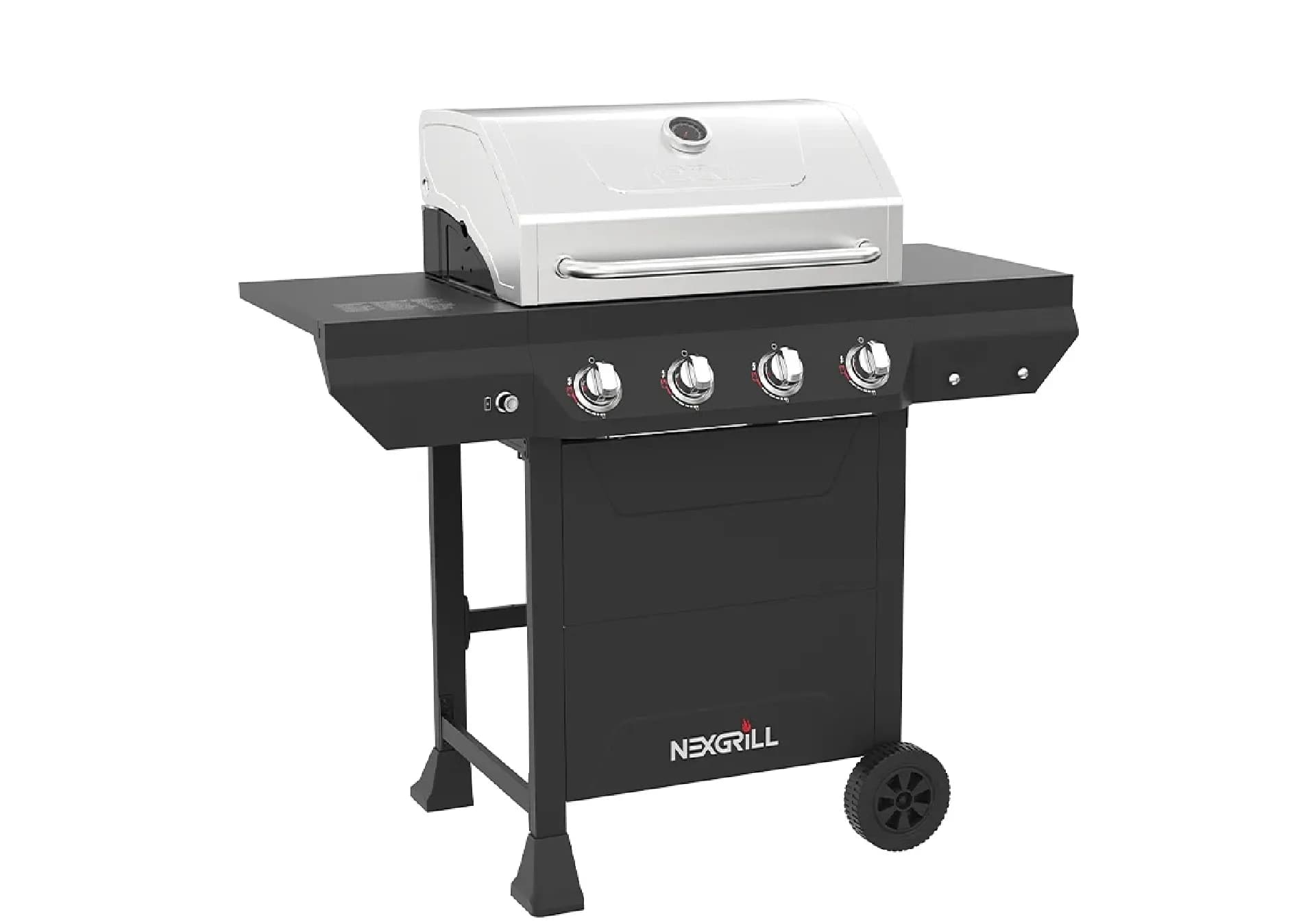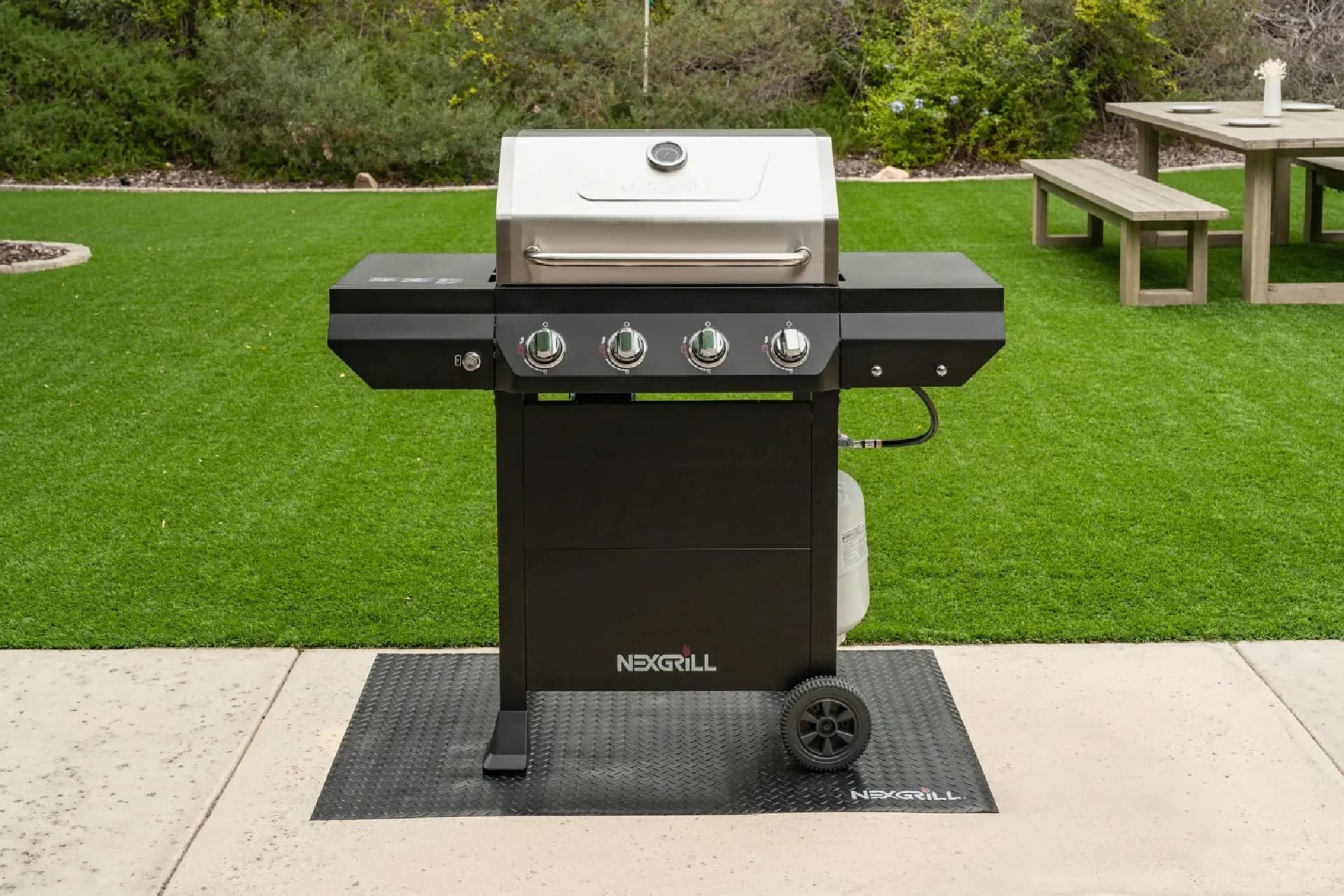
An in-depth analysis of top-performing gas grills ensuring consistent cooking temperatures.
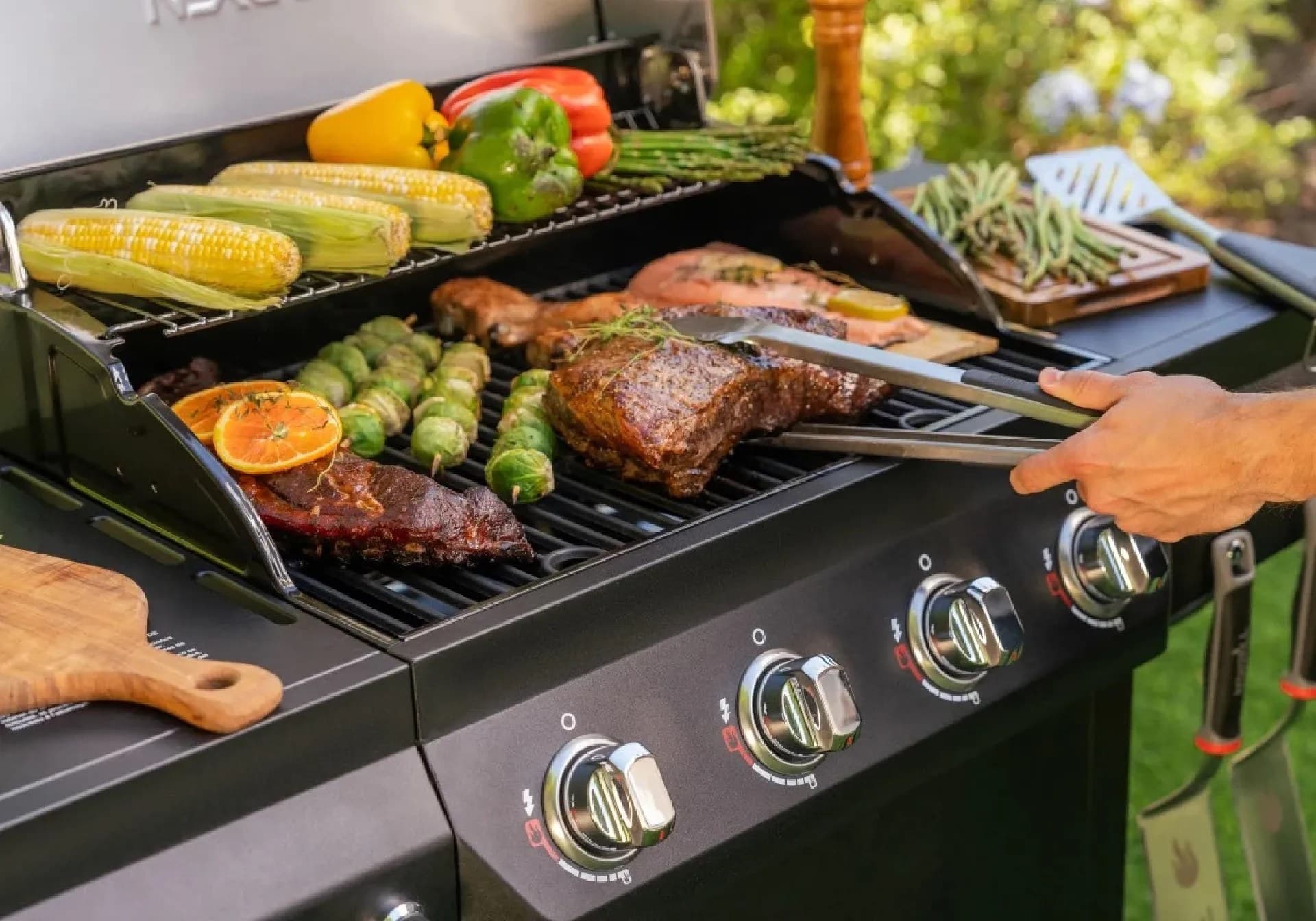
Here's what sets us apart from the competition
We position ourselves as delivering high-end outdoor cooking features and performance without premium-brand pricing, emphasizing “Quality Grills. Unbelievable Value.”
We offer gas grills, pellet grills, griddles, smokers, pizza ovens, portable/tabletop grills, electric grills, accessories, and replacement parts — allowing customers to stay within one ecosystem for all outdoor cooking needs.
We differentiate ourselves through smart grilling products like the Oakford smart pellet grill, including app-connected cooking controls and modern outdoor cooking technology.
Expert tips, buying guides, comparisons, and inspiration for choosing and getting the most out of your grill.
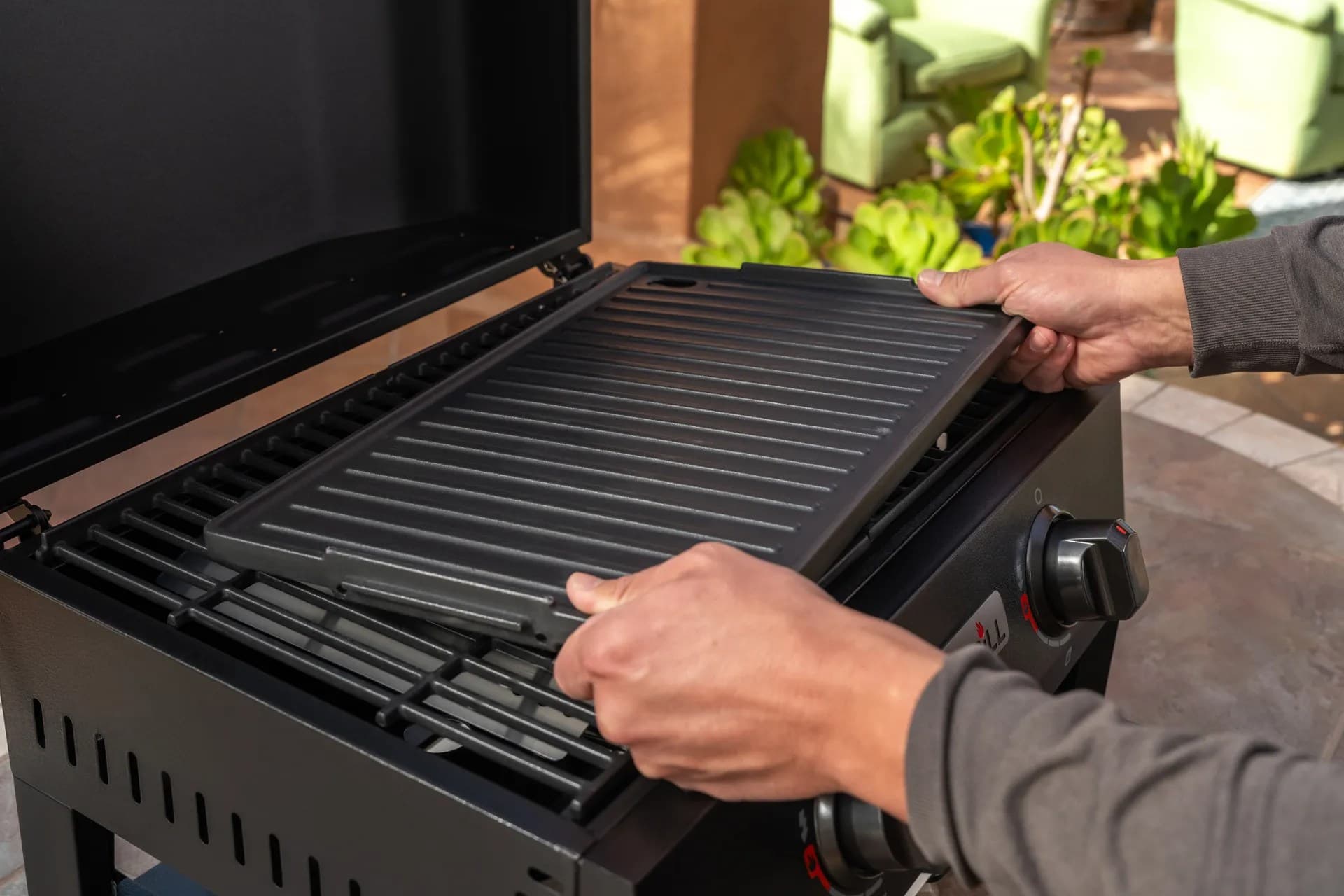
Practical guides for cleaning, maintenance, common grill issues, and performance optimization.
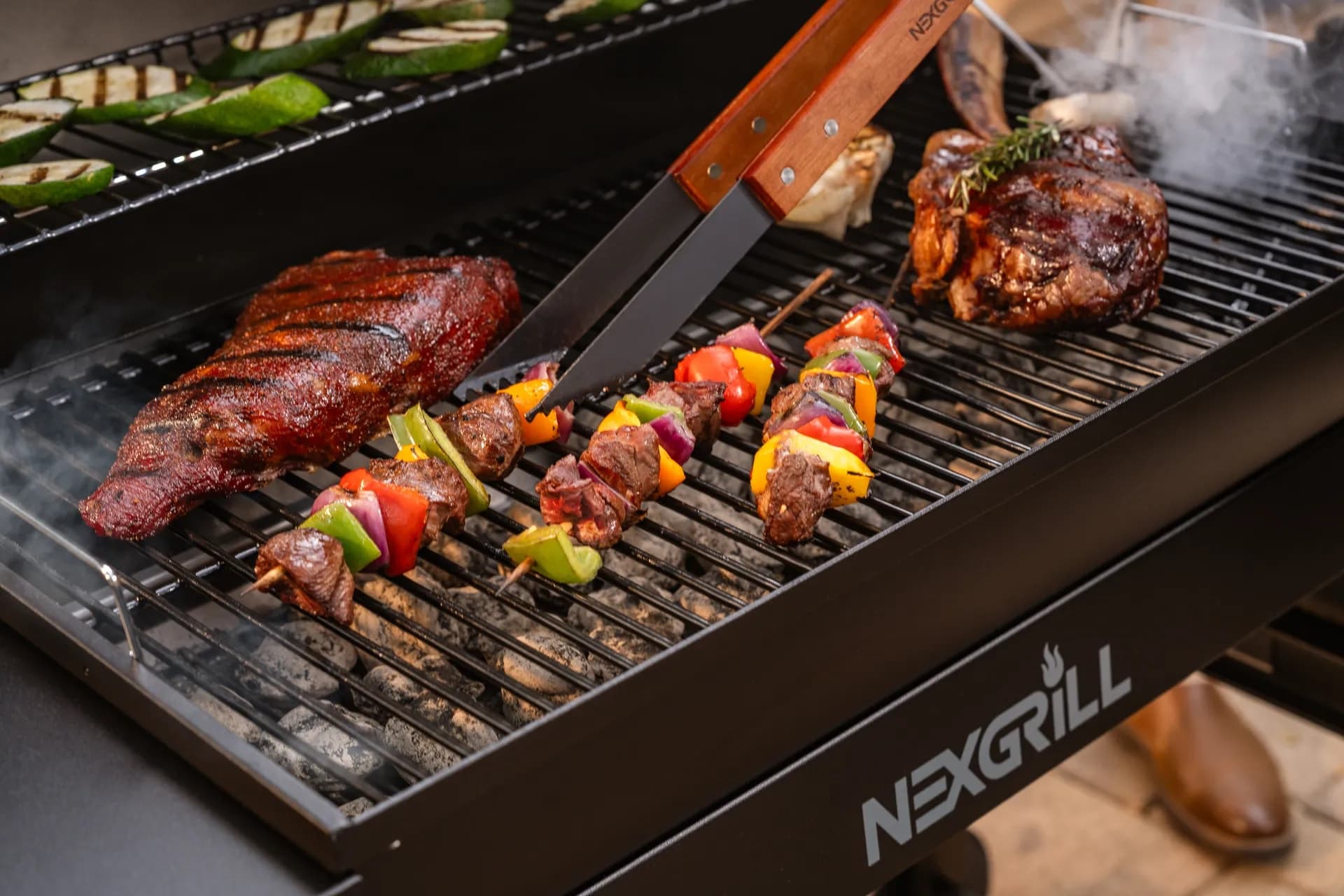
Step-by-step grilling recipes, cooking techniques, and meal ideas for every occasion and skill level.

Backyard entertaining ideas, seasonal grilling inspiration, and stories that celebrate outdoor cooking culture.
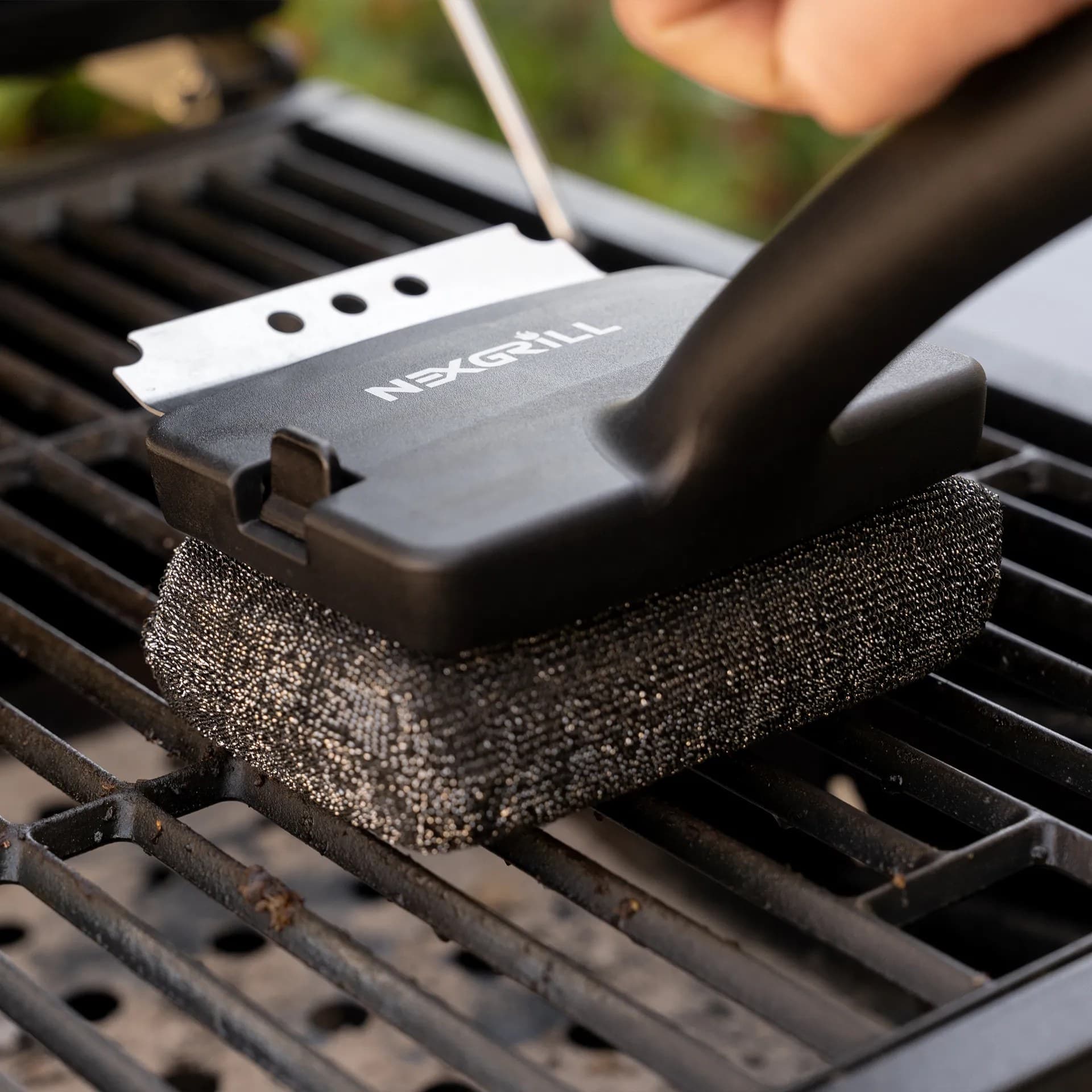
Helpful articles covering grilling tools, cookware, maintenance gear, and must-have accessories for outdoor cooking.
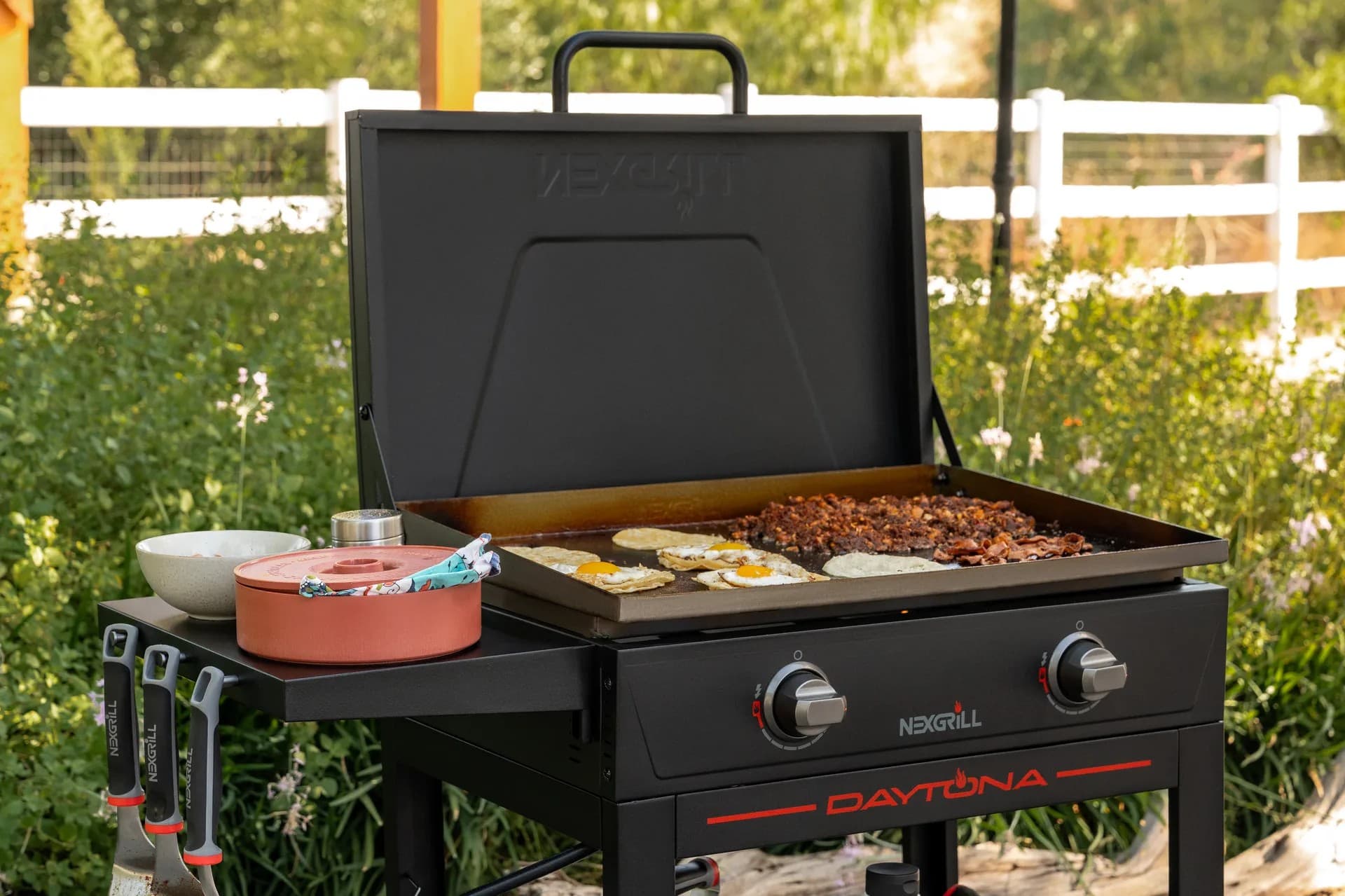
Find griddle recipes, cooking techniques, cleaning tips, and outdoor meal ideas designed for Nexgrill griddles.
Find answers to common questions
Nexgrill offers a variety of gas grills, including standard models, portable options, and premium designs with advanced features. Each is designed to cater to different grilling needs and preferences.
To clean your Nexgrill gas grill, regularly scrape down the grates, empty the grease tray, and wipe down exterior surfaces. Consult your model's manual for specific maintenance instructions and recommended cleaning products.
Nexgrill gas grills are designed to use either propane or natural gas, depending on the model. Ensure you read the specifications to determine the appropriate fuel type for your grill.
Many Nexgrill models can be converted from propane to natural gas with a conversion kit. Check the owner's manual for compatibility and details on the conversion process.
If your Nexgrill gas grill is not lighting, first check the fuel supply, ensure the gas lines are free of obstructions, and verify that the igniter is functioning. Consult the user manual for troubleshooting tips specific to your model.
In This Article
Weber Genesis E-415
Broilmaster Premium Series P3X
ZWILLING Flammkraft Model D
When shoppers search for a gas-grill-with-even-heat-distribution-price, they are usually trying to solve a cooking problem, not just a budgeting problem. Uneven heat is one of the fastest ways to ruin a backyard meal: chicken breasts cook through at the edges while the center of the grate runs too hot for vegetables, or steaks pick up dark sear marks on one side and weak browning on the other. In practical terms, even heat distribution matters because it affects the food you can cook, how much attention the grill demands, and whether one side of the cooking surface is reliable enough for weeknight use or entertaining. A grill with balanced heat makes it easier to manage direct grilling, indirect zones, and repeatable results without constantly moving food around.
This review focuses on performance first and price second, which is the right order for anyone comparing a premium buy against a more accessible one. A higher price does not automatically mean better cooking consistency, but more expensive grills often justify their cost with better burner engineering, heavier materials, and a larger usable cooking area. In this article, the comparison centers on three distinctly positioned models: the Weber Genesis E-415, the Broilmaster Premium Series P3X, and the ZWILLING Flammkraft Model D. Each takes a different approach to delivering consistent cooking temperatures, so the real question is not which one sounds best on paper, but which one fits the way you actually cook.
distinct grill approaches are compared here: classic gas-burner control, premium stainless steel heat management, and infrared-zone precision.
Performance is not just about maximum output. The better question is whether the grill can hold steady temperatures across the grate when you load it with real food.
For most home cooks in the United States, the sweet spot is not the most powerful grill in the showroom. It is the model that keeps burgers, chicken, vegetables, and thicker cuts of meat within a predictable cooking window while remaining easy enough to preheat and manage on a regular basis. A smaller family may prioritize quick ignition and efficient use of fuel; a frequent entertainer may care more about total surface area and the ability to create true multi-zone cooking; a cooking enthusiast may be willing to pay more for materials and burner design that hold up under repeated use. That is why even heat distribution should be evaluated alongside cooking surface, burner layout, construction quality, and price range.
Nexgrill’s perspective on grilling emphasizes accessible value without losing sight of real cooking performance. That lens is useful here because it keeps the comparison grounded: heat consistency, not just badge value, is what makes a grill feel worthwhile after the first season. If you are weighing options for everything from fast family dinners to weekend hosting, the next sections break down what actually creates even heat, where each of these grills stands out, and how to judge whether a higher price is delivering meaningful performance rather than only a luxury finish.
Even heat distribution starts with burner design, but it does not end there. The most important thing to understand is that burners create the initial thermal pattern, while the firebox shape, grate material, lid geometry, and cooking surface all influence how that heat spreads across food. In a well-designed gas grill, the goal is to reduce hot spots and cold edges so you can place different foods on the same grate with confidence. That matters when you are grilling chicken thighs, asparagus, and sausages at the same time, or when you need one area for direct searing and another for gentler finishing.
| Feature | Why it matters | Cooking-performance impact |
|---|---|---|
| Burner layout | Determines how evenly flame and radiant heat are spread. | Helps reduce uneven browning and makes zone cooking more predictable. |
| Cook box depth and shape | Influences air circulation and how heat builds around food. | Can improve recovery after the lid is opened. |
| Grate material | Affects heat retention and sear quality. | Heavier grates generally produce stronger grill marks and steadier contact heat. |
| Ignition and control | Allows repeatable startup and precise burner adjustment. | Improves confidence when cooking different proteins at once. |
| Total usable area | Shows how much food can actually be cooked evenly. | More space helps if the heat pattern stays balanced across the surface. |
The best burners are not just powerful; they are engineered to distribute heat in a way that matches the grill’s internal structure. That is why one grill can have a high output rating and still cook inconsistently, while another with a more restrained output can feel more controlled and forgiving. On a practical level, you want a grill that can preheat quickly, recover after the lid opens, and maintain stable heat when a full load of cold food is placed on the grate. Those are the situations that reveal real design quality.
A grill that only performs well in a showroom test can disappoint in real cooking. Look for steady temperature behavior with food on the grates, not just a strong ignition moment.
Another overlooked factor is how the grill handles edge-to-center performance. If the outer zones run much cooler than the middle, you lose usable space. If the middle is too aggressive, delicate foods char before the rest of the meal is ready. Premium grills try to reduce this gap through better burner spacing, sturdier construction, and more refined heat retention. That is also where materials matter: heavier lids, stronger frames, and quality grates help trap and stabilize heat, especially on windy patios or during cooler shoulder seasons in much of the United States.
Once you understand the mechanics, the comparison becomes more useful. These three grills are not interchangeable. The Weber Genesis E-415 is the most familiar modern all-rounder in this group, with a four-burner format aimed at dependable family grilling and straightforward control. The Broilmaster Premium Series P3X leans into a more traditional premium-build philosophy, pairing a stainless steel Bow Tie Burner with a generous 695-square-inch cooking area. The ZWILLING Flammkraft Model D takes a different route entirely, using infrared burners to build individual cooking zones that can be set up for very deliberate heat management. In other words, they each solve the even-heat problem in a different way.
| Model | Heat-distribution approach | Cooking area / layout | Best performance fit |
|---|---|---|---|
| Weber Genesis E-415 | PureBlu burners designed for consistent flame spread | 4-burner configuration for flexible direct and indirect heat | Everyday family grilling, balanced control, broad appeal |
| Broilmaster Premium Series P3X | Stainless steel Bow Tie Burner for even coverage | 695 sq. in. cooking area | Heavy-use cooks who value build quality and broad coverage |
| ZWILLING Flammkraft Model D | Infrared burners creating separate heat zones | High-control premium format with zone management | Precision-minded grillers who want advanced thermal control |
The Weber Genesis E-415 earns attention because its four-burner layout is familiar, flexible, and practical for most households. In a comparative performance context, that matters because a grill can be easy to learn yet still deliver strong zone control. For a lot of people, the Genesis style of heat distribution hits the sweet spot: enough space to separate high-heat and lower-heat areas, but not so much complexity that preheating and management become a chore. It is the kind of grill that tends to fit mixed menus well, from burgers and brats to chicken and vegetables.
The Broilmaster Premium Series P3X is positioned more like a serious long-term cooking platform. The Bow Tie Burner design is intended to spread heat efficiently across a large surface, and the 695-square-inch area gives you room to work without forcing food into a crowded arrangement. For someone who hosts often or prefers to cook in larger batches, that combination of surface area and burner structure can be very appealing. The performance advantage is less about flash and more about usable space that behaves consistently once preheated.
The ZWILLING Flammkraft Model D stands apart because infrared burners behave differently from standard open-flame gas systems. Infrared-style heat can create intense, focused cooking zones, which is useful for searing and for cooks who like a highly controlled approach to different sections of the grill. The trade-off is that this type of precision can feel more specialized than the broader convenience of a traditional multi-burner gas grill. If your cooking style is experimental, detail-oriented, or centered on getting exact doneness levels across different cuts, this model deserves attention.
If you cook a lot of mixed meals, the best grill is often the one with the most predictable middle-ground performance, not the most specialized burner system.
For pure day-to-day flexibility, the Weber is likely the easiest recommendation. For larger cooking sessions where broad, steady coverage matters, the Broilmaster has a strong case. For cooks who value advanced thermal control and are willing to pay for a more premium experience, the Flammkraft is the most distinctive of the three. A true performance review should respect those different priorities instead of forcing one grill to be everything at once.
Try comparing two products side by side below to see which fits best:
Once you've weighed two options against each other, the next question is whether the price difference actually buys better cooking performance. That is the most important part of evaluating a gas-grill-with-flame-tamers-and-ceramic-briquettes-price. A grill can be expensive because it uses higher-grade materials, better burner engineering, a larger surface, or more refined manufacturing. It can also be expensive because it carries a premium brand position. The value question is simple: does the added cost improve the meals you cook often enough to justify the spend in a U.S. household budget?
At the accessible end, the Weber Genesis E-415 typically represents the broadest value proposition for buyers who want dependable heat consistency without moving into luxury pricing. It is built for a wide range of weekly cooking tasks, and that matters because a grill gets judged most harshly on ordinary nights, not just on special occasions. If your use case is family dinners, weekend burgers, chicken thighs, vegetables, or the occasional large batch of sides, the Genesis format tends to offer a balanced mix of price and practical heat distribution. You are paying for repeatable performance and a mainstream setup that most people can learn quickly.
The Broilmaster Premium Series P3X usually sits in a more serious premium tier. The 695-square-inch cooking area and stainless steel Bow Tie Burner point toward a grill that is designed to be used often and for larger menus. That extra scale can matter if you host regularly, cook for several adults, or want to handle multiple proteins without rotating pans or batch-cooking. The value here is not only size, but confidence: a cook who knows the hot and cool areas of the grill can move efficiently without overthinking every piece of food. For buyers who stay at the grill for a long stretch, that operational ease may justify a higher initial cost.
The ZWILLING Flammkraft Model D occupies the most premium end of this comparison and is best understood as a performance statement. Infrared burners and individual cooking zones can produce a more tailored grilling experience, especially for enthusiasts who like strong searing capability and highly controlled temperature separation. That type of engineering usually carries a significantly higher price, so the value is only clear if you intend to use those capabilities often. If you only cook standard backyard fare a few times a month, the extra cost may not translate into noticeably better day-to-day results. If you regularly chase precision, the investment may make sense because the cooking experience itself is part of the product value.
| Model | Approximate price position | Value takeaway | Best for |
|---|---|---|---|
| Weber Genesis E-415 | Upper-mid range, commonly around the low-to-mid four figures USD depending on retailer | Strong balance of performance, size, and familiar usability | Most households and regular grillers |
| Broilmaster Premium Series P3X | Premium tier, often above mainstream family-grill pricing | Worth it when larger-area consistency and durable construction matter | Frequent hosts and serious home cooks |
| ZWILLING Flammkraft Model D | Luxury tier, typically the highest investment in this comparison | Premium heat-zone control for enthusiasts who want specialized performance | Precision-focused buyers and design-driven grillers |
Do not compare these grills only by sticker price. A higher-priced model can still be better value if it saves time, reduces guesswork, and performs well across many meals.
For budget planning in the United States, it helps to think in terms of ownership value rather than purchase price alone. A grill that costs more but delivers better heat balance may reduce the urge to replace it early, while a lower-priced option that creates uneven cooking can become frustrating long before it wears out. Fuel use, replacement parts, and cleaning time also affect the real cost of ownership. In that sense, a grill with better heat distribution can be worth more because it wastes less food, requires less hovering, and makes it easier to cook confidently for guests.
For buyers focused on cooking performance, the best gas grill is the one that delivers steady, usable heat where it matters most. The Weber Genesis E-415 is the strongest all-around recommendation for people who want reliable consistency, familiar controls, and a price that is easier to justify for regular household use. The Broilmaster Premium Series P3X is the better choice when you want more grilling real estate and a premium burner system that rewards frequent entertaining. The ZWILLING Flammkraft Model D is the most specialized and expensive option, but it stands out for cooks who want advanced zone control and a luxury-level grilling experience.
If you are deciding based on gas-grill-with-even-heat-distribution-price, start by matching the grill to your real menu. For burgers, vegetables, chicken, and mixed weeknight meals, balanced mainstream performance is usually the smartest investment. For large gatherings, expanded cooking surfaces and stronger material quality often matter more. For enthusiasts who care about precision and separate heat zones, premium engineering can be worth the jump. In every case, the goal is the same: choose the grill that makes good cooking easier, more repeatable, and more enjoyable over time.
Here's what sets us apart
We position ourselves as delivering high-end outdoor cooking features and performance without premium-brand pricing, emphasizing “Quality Grills. Unbelievable Value.”
We offer gas grills, pellet grills, griddles, smokers, pizza ovens, portable/tabletop grills, electric grills, accessories, and replacement parts — allowing customers to stay within one ecosystem for all outdoor cooking needs.
We differentiate ourselves through smart grilling products like the Oakford smart pellet grill, including app-connected cooking controls and modern outdoor cooking technology.
Don't just take our word for it
Keep reading
From our catalog