Mastering Gas Grill Heat Distribution: Pro Tips
Enhance your grilling with perfect heat control.
In This Article
Even Heat Importance
Tips for Modification
Maintenance Matters
Understanding Heat Distribution in Gas Grills
Heat distribution is a crucial factor for achieving perfectly grilled food. Gas grills, known for their convenience, can sometimes present challenges with uneven heat. Understanding how heat moves and is maintained within your grill can significantly improve your cooking results.
Why Even Heat is Essential
Consistent heat distribution ensures that food cooks evenly, preventing overcooked or undercooked spots. This is particularly important when grilling larger cuts of meat or delicate items like fish. Even heat also allows for better searing, which enhances flavor through the Maillard reaction.
Tip: Always preheat your grill for at least 10 minutes to allow the heat to spread evenly across the grates.
Factors Affecting Heat Distribution
Several factors can influence how heat is distributed in your grill:
- Burner quality and placement
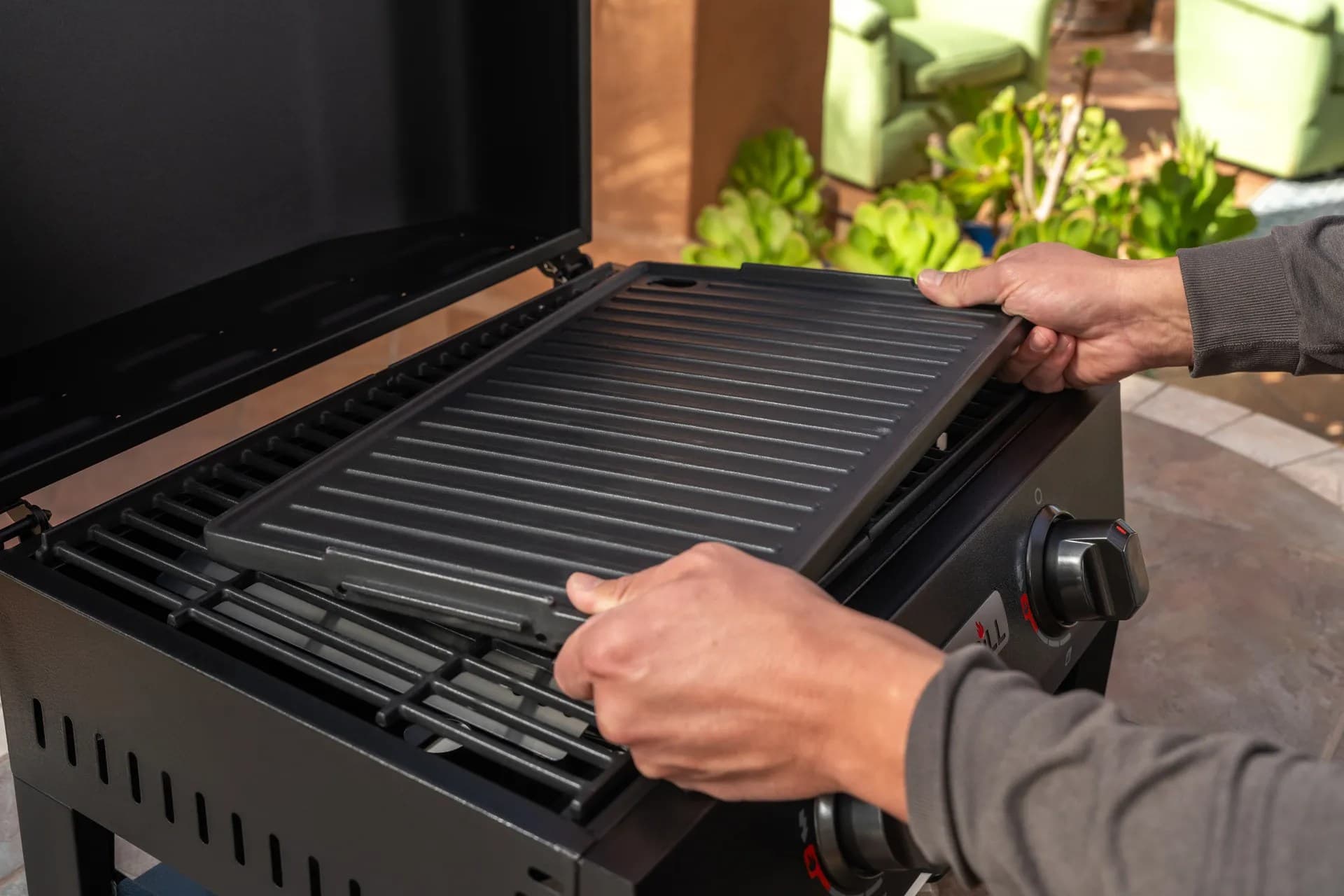
- Type and condition of the cooking grates
- Presence of heat tents or deflectors
- External conditions such as wind
| Factor | Impact |
|---|---|
| Burner Quality | Affects heat intensity and distribution |
| Cooking Grates | Material impacts heat retention |
| Heat Tents | Deflect heat to prevent flare-ups |
| Wind Conditions | Can cause uneven heating |
Improving Heat Distribution
To enhance heat distribution, consider these modifications:
- Use ceramic briquettes or lava rocks to evenly distribute heat.
- Install a heat deflector if your grill doesn't have one.
- Regularly clean and maintain burners to ensure they are functioning correctly.
These adjustments can make a significant difference in how your grill performs and the quality of your cooked meals. Try comparing two products side by side below to see which fits best.
Optimizing Your Gas Grill for Better Heat Control
Once you've weighed two options against each other, here's what else matters in optimizing your grill's heat distribution. Consistent maintenance and understanding your grill's design are key to achieving the best results.
Regular Maintenance Tips
Maintaining your grill ensures it functions at its best. Here are some maintenance tips to consider:
- Check for obstructions in burner ports that can disrupt gas flow.
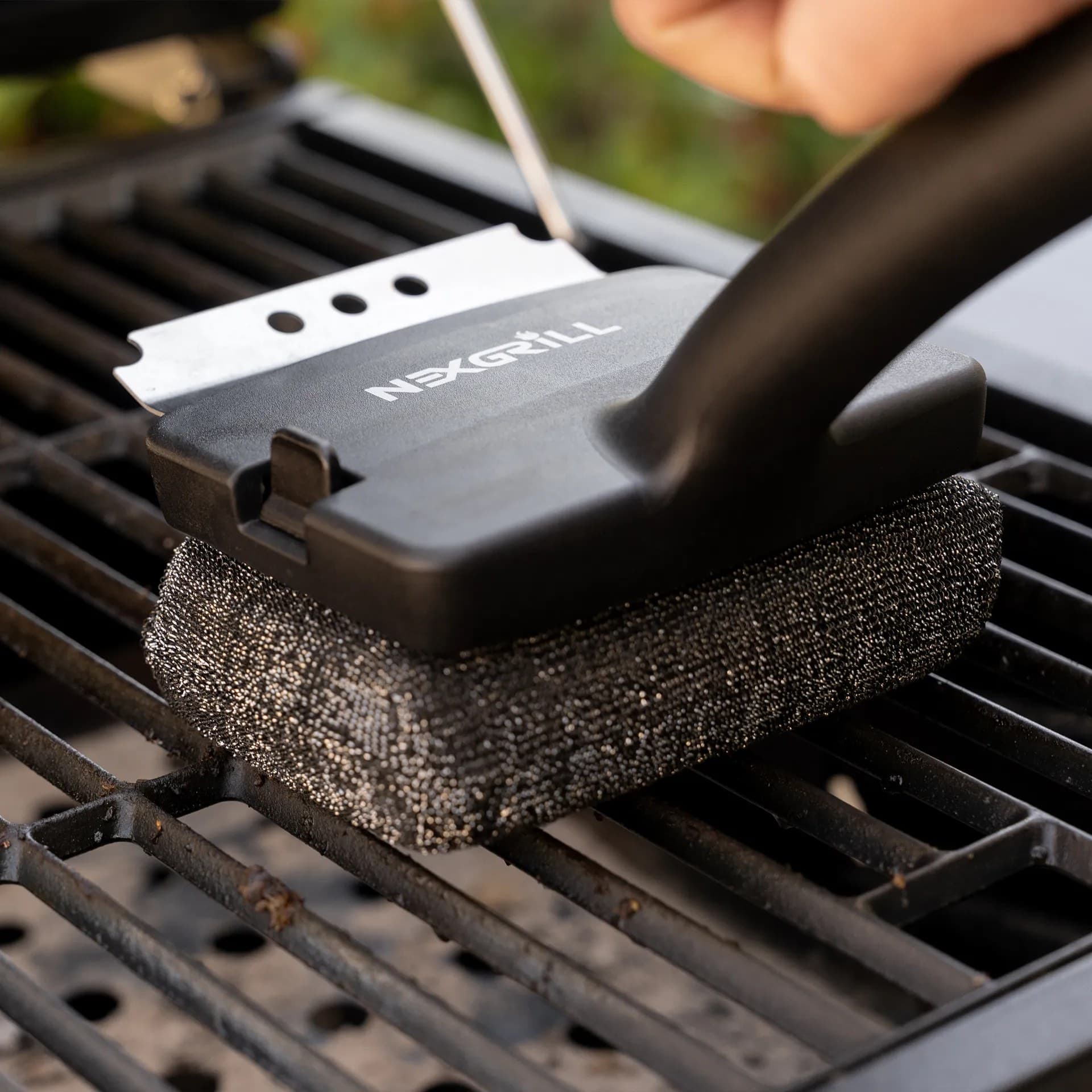
- Clean grates and interior surfaces after each use to prevent residue build-up.
- Inspect and replace any worn-out parts regularly, such as igniters and burners.
Tip: Cover your grill when not in use to protect it from weather elements and prolong its life.
Advanced Techniques for Heat Control
For those seeking more precise control over their grilling, consider these advanced techniques:
- Utilize a two-zone cooking setup to create direct and indirect heat zones.
- Experiment with different grate materials for improved heat retention and searing.
- Use a grill thermometer to monitor internal temperatures accurately.
Understanding Heat Zones
Creating different heat zones within your grill allows for versatile cooking techniques. By adjusting burner settings, you can sear meats over high heat while roasting vegetables over lower heat. This flexibility is ideal for preparing complete meals without moving food between different grills.
| Zone | Use |
|---|---|
| Direct Heat | Searing, grilling |
| Indirect Heat | Roasting, slow cooking |