Expert Tips for Mastering Your Gas Grill
Unlock the full potential of your gas grill with these professional insights.
In This Article
Gas Grill Fundamentals
Flavor Enhancement
Grill Maintenance
Understanding the Basics of Gas Grills
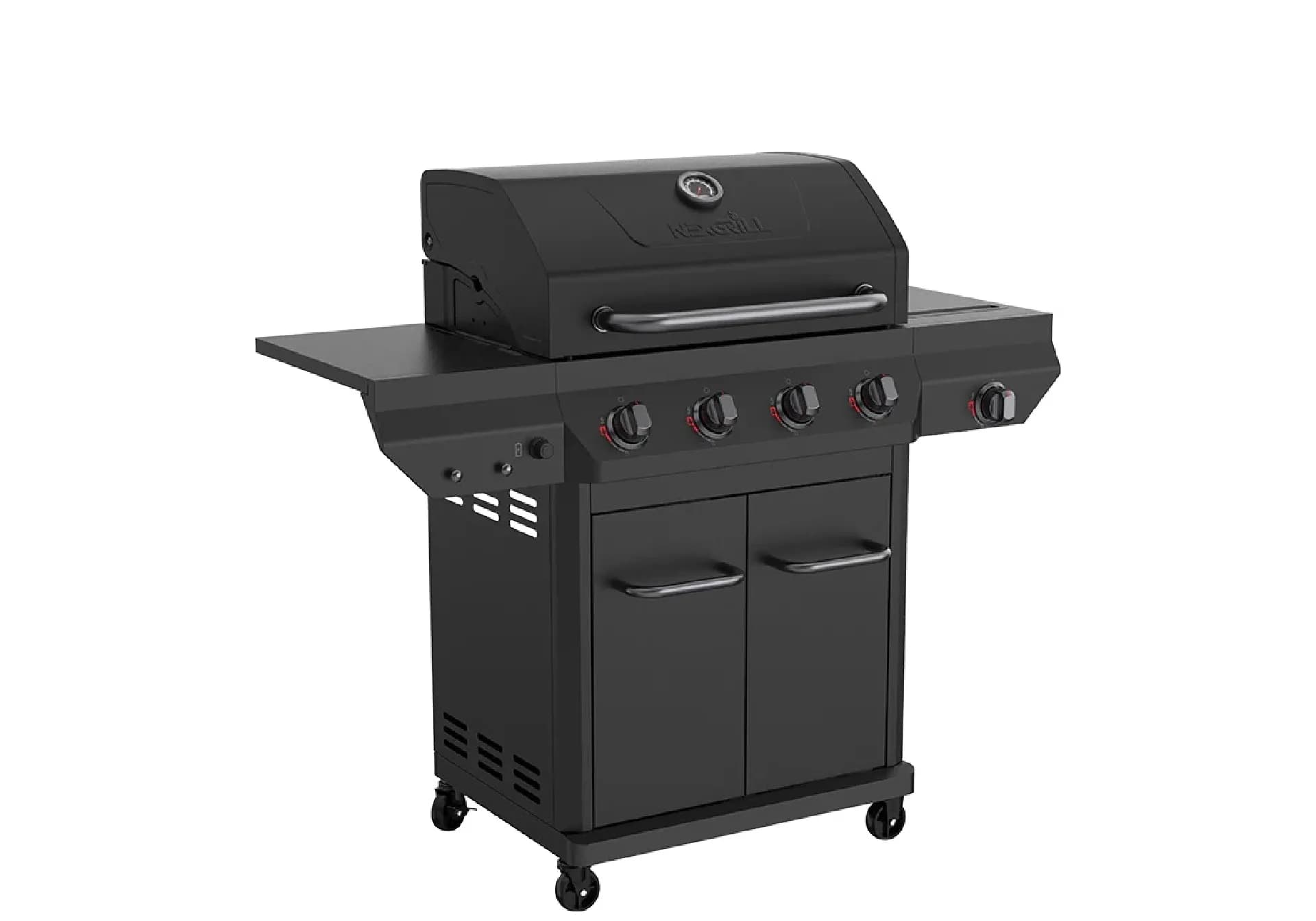
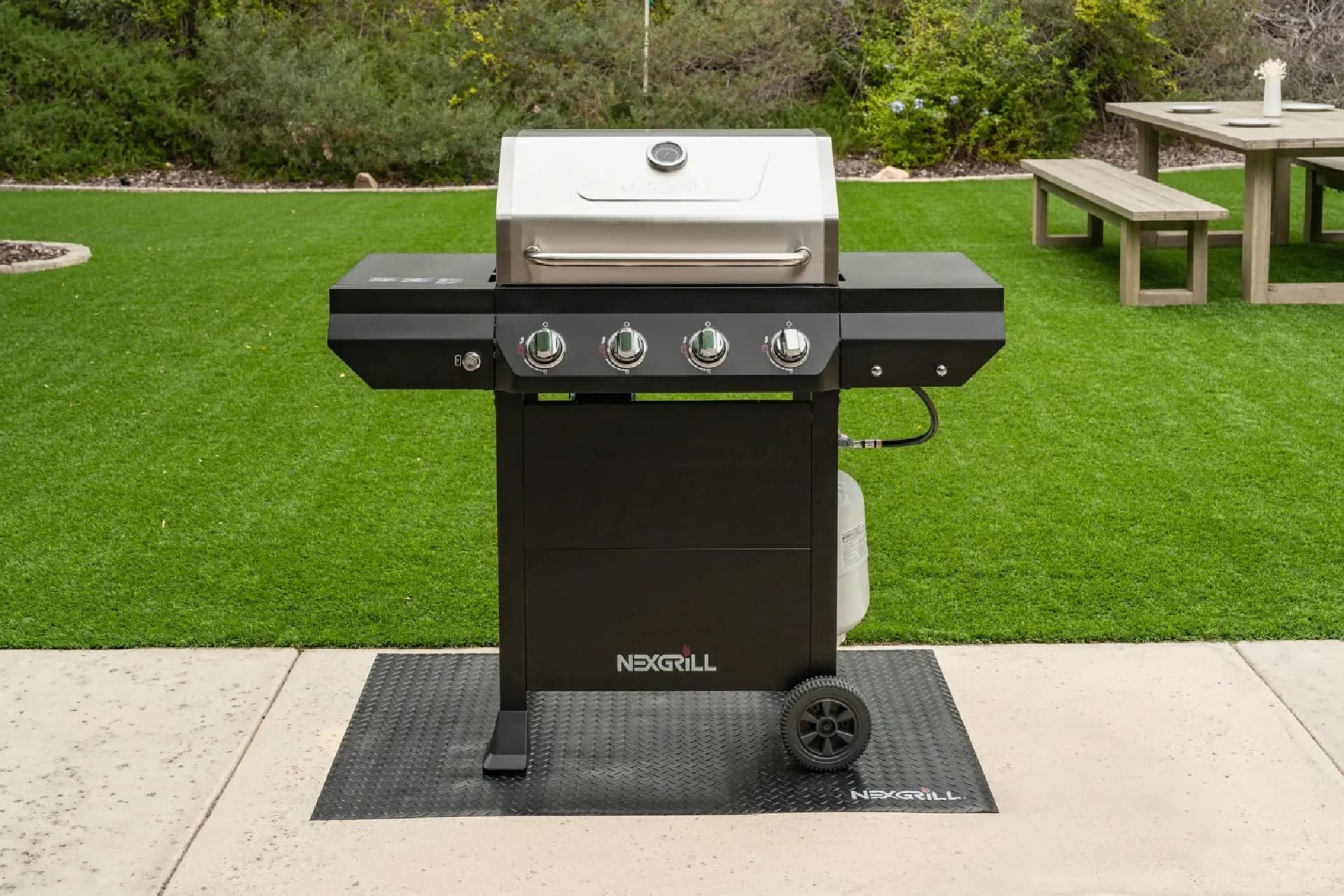
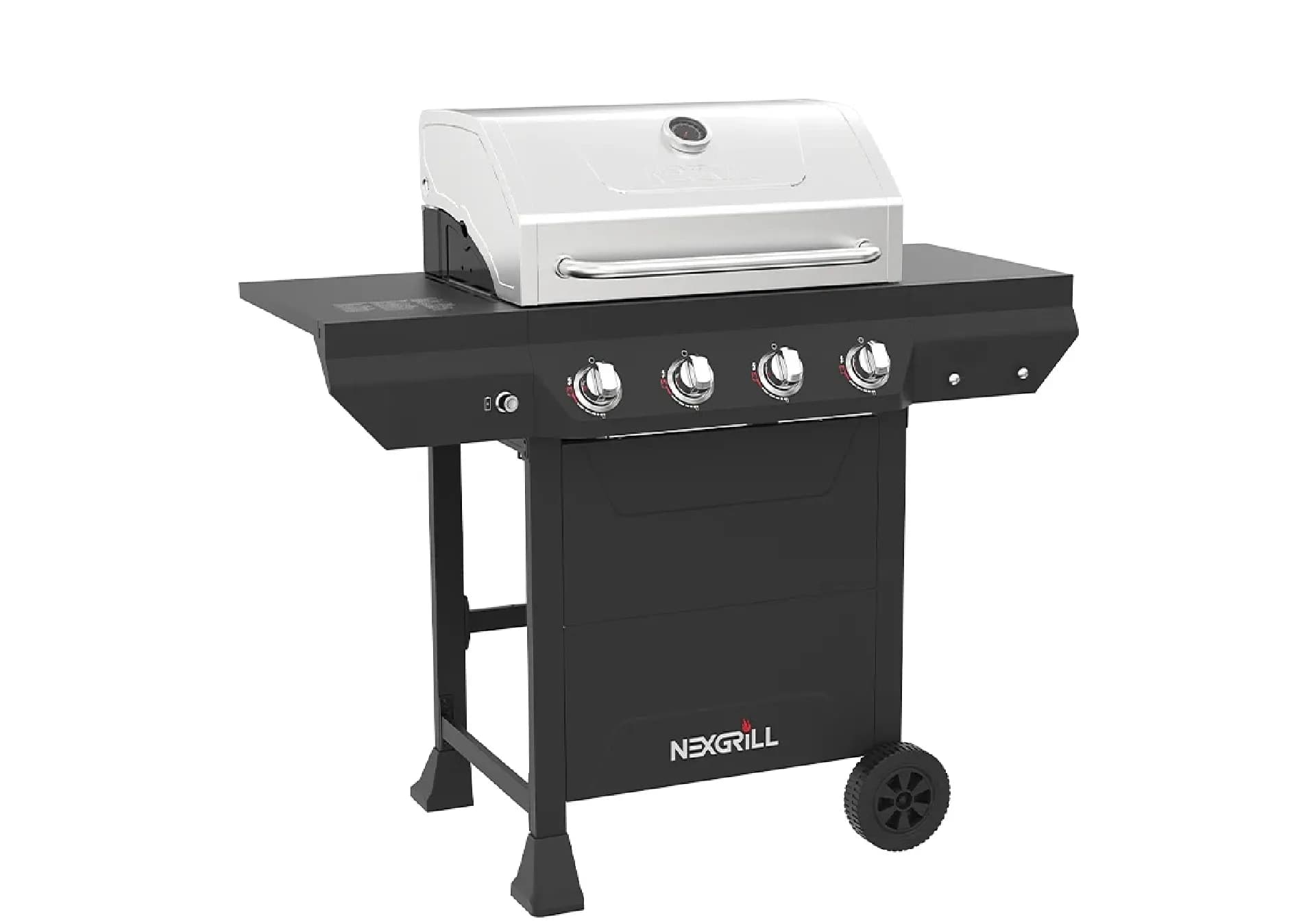
Gas grills are a staple in many backyards, offering convenience and control for outdoor cooking enthusiasts. Unlike charcoal grills, gas grills provide instant heat with the simple twist of a knob, making them ideal for quick meals. Understanding how a gas grill works is fundamental to mastering its use. Gas grills typically run on propane or natural gas, delivered through burners that heat the cooking grates where food is placed.
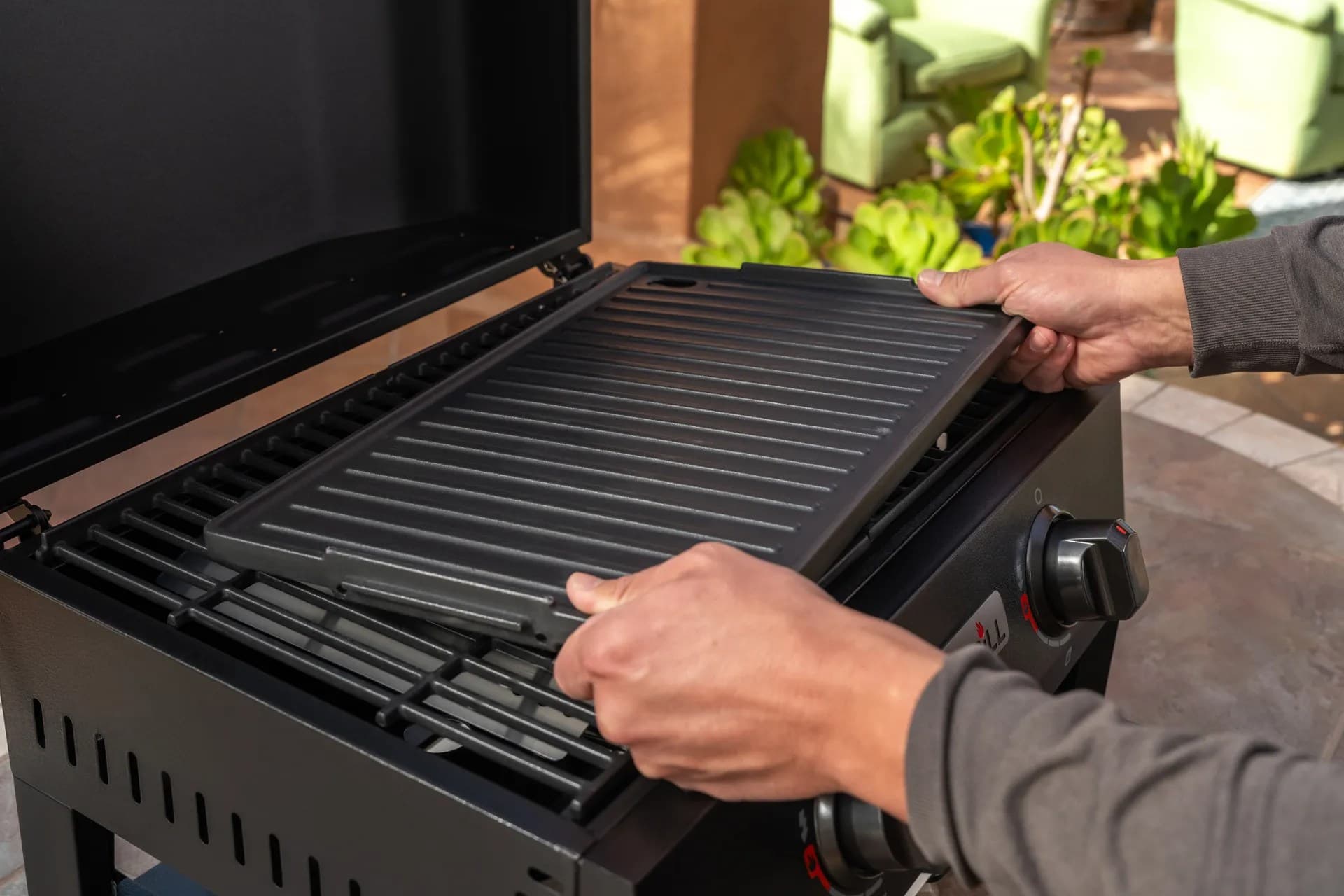
One of the key components of a gas grill is the burner system. High-quality grills feature multiple burners that allow for even heat distribution. This ensures that your food cooks uniformly, which is crucial for achieving that perfect sear. Additionally, the material of the cooking grates-often cast iron or stainless steel-plays a significant role in heat retention and transfer.
Tip: Always preheat your grill for about 10-15 minutes before starting to cook to ensure optimal temperature and performance.
Choosing the Right Gas Grill for Your Needs
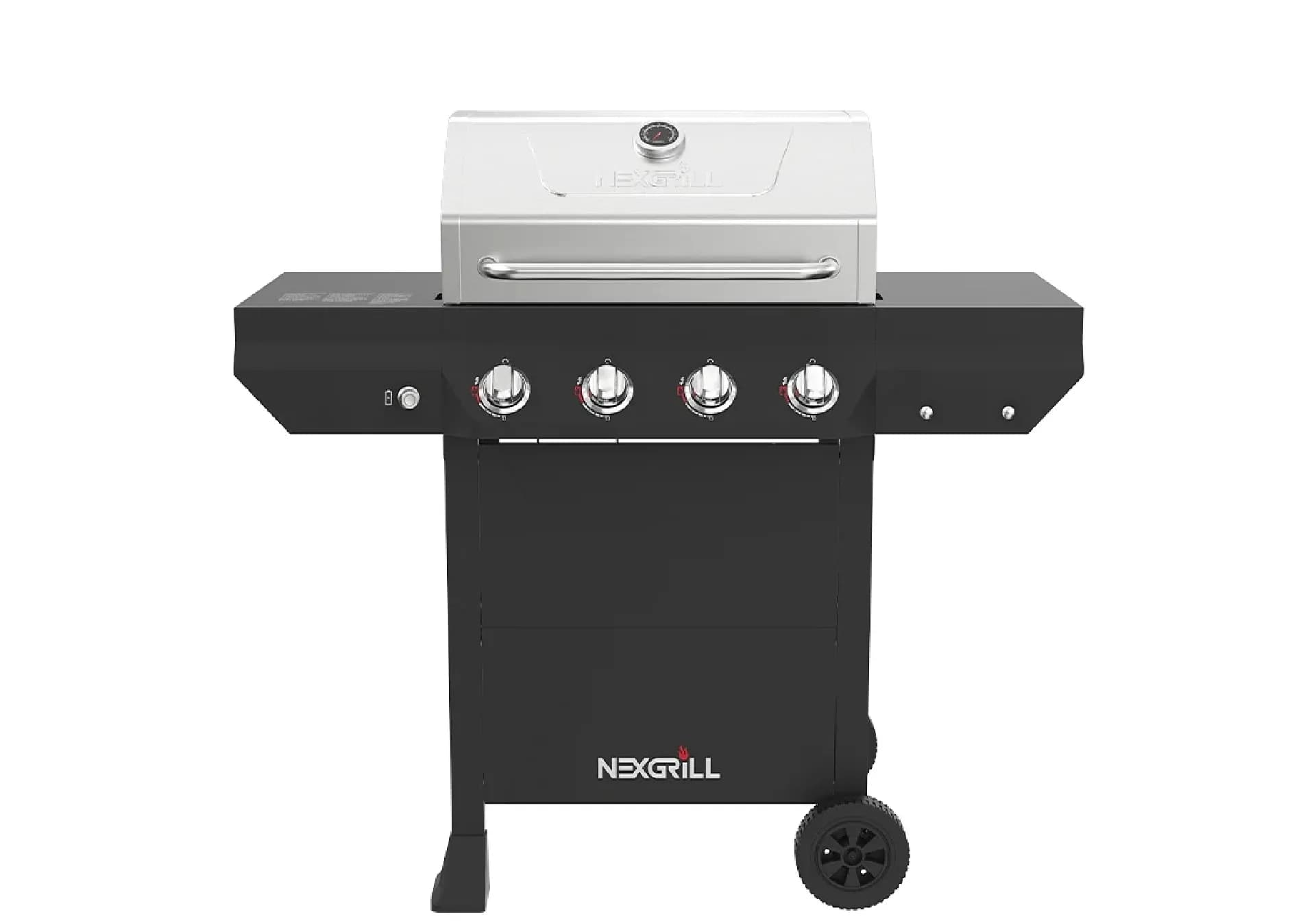
When selecting a gas grill, consider your cooking style and frequency of use. For those who enjoy hosting large gatherings, a grill with a larger cooking area and multiple burners is ideal. However, if you’re cooking for a small family, a compact model may suffice. Consider the grill’s material, as stainless steel models offer durability and resistance to corrosion.
| Feature | Benefit |
|---|---|
| Burner Count | Allows for multi-zone cooking |
| Material | Durability and heat retention |
| BTU Rating | Indicates heat output and efficiency |
Beyond these basics, features like side burners, warming racks, and built-in thermometers can enhance your grilling experience. These additions provide flexibility, allowing you to prepare entire meals outdoors without needing to rely on indoor appliances.
Mastering Temperature Control
Temperature control is essential for successful grilling. Gas grills excel in this area thanks to adjustable burners. Learning how to create direct and indirect heat zones will enable you to cook a variety of foods simultaneously. For instance, you can sear steaks over high heat while slowly roasting vegetables on a cooler section of the grill.
Investing in a grill with a built-in thermometer can aid in maintaining consistent temperatures. However, it’s wise to also use a meat thermometer to ensure your food is cooked to the desired level of doneness. Remember, practice makes perfect, so spend time experimenting with different heat settings and cooking techniques.
Warning: Avoid opening the grill lid too frequently as it can cause heat loss and affect cooking times.
Enhancing Flavor with Marinades and Rubs
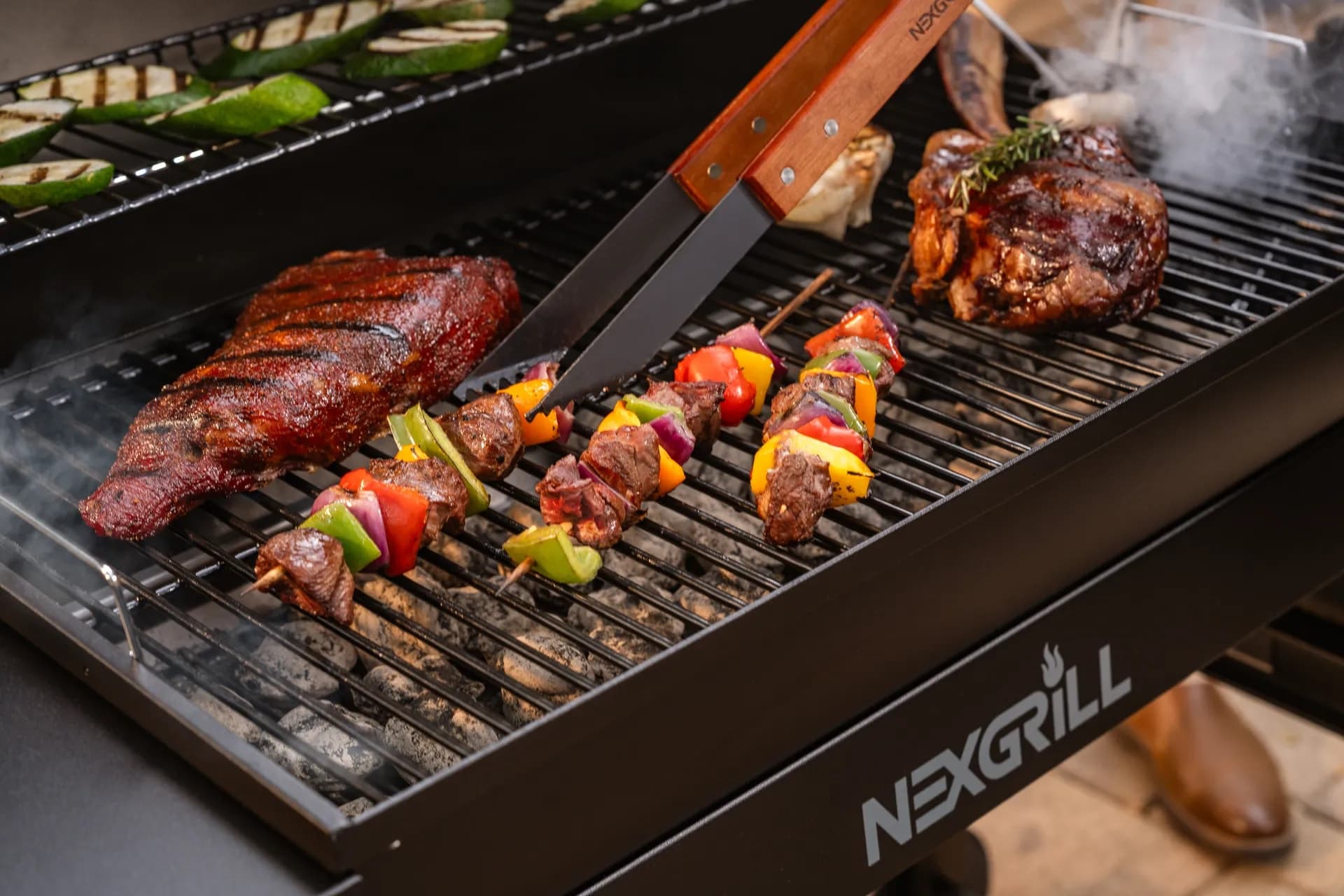
One of the joys of grilling is the ability to infuse food with unique flavors. Marinades and rubs are essential tools in a griller’s arsenal. A marinade typically consists of an acidic component, such as vinegar or citrus juice, which tenderizes the meat, along with herbs, spices, and oils that add flavor. Allow your meats to marinate in the refrigerator for several hours or overnight for best results.
Dry rubs, on the other hand, are mixtures of spices and herbs that are massaged into the meat before grilling. They form a flavorful crust that enhances the taste and texture of the dish. Experiment with different combinations to find your signature blend.
Maintaining Your Gas Grill
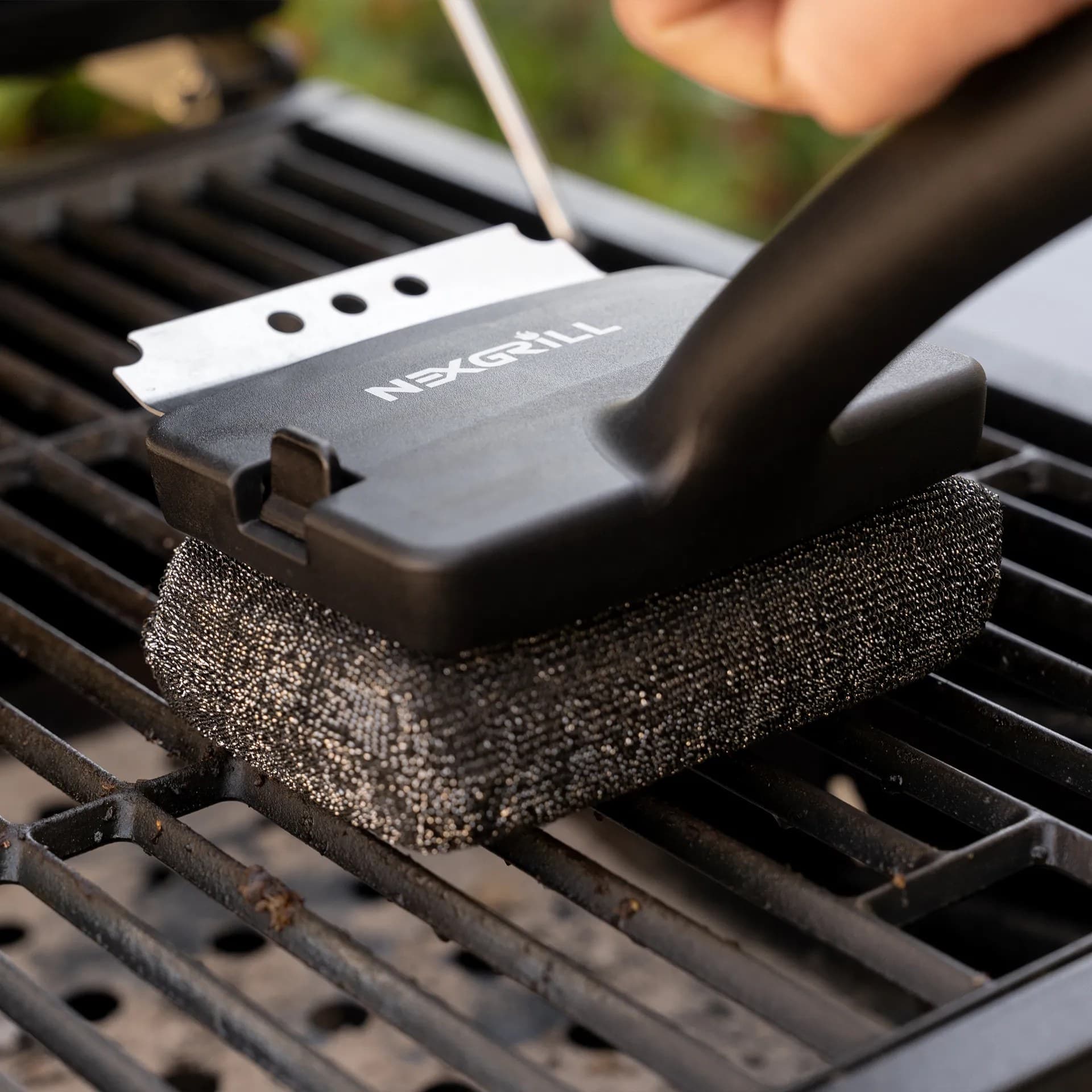
To ensure your gas grill continues to perform optimally, regular maintenance is crucial. Begin by cleaning the grates after each use to remove residue and prevent buildup. Periodically, check the burners for blockages and ensure that the gas connections are secure. Cleaning the exterior and interior components will not only extend the life of your grill but also enhance its performance.
Tip: Use a grill cover to protect your grill from the elements when not in use.
Replacing worn-out parts, such as igniters or burners, as needed, will help maintain even heat distribution. Always consult your manufacturer’s manual for specific maintenance guidelines tailored to your model.
Exploring Advanced Grilling Techniques
Once comfortable with the basics, consider exploring advanced techniques such as smoking or rotisserie cooking. Many gas grills come with accessories that facilitate these methods. A smoker box can be placed directly on the grates to add a smoky flavor to meats and vegetables. Rotisserie kits allow for slow, even cooking of larger cuts of meat, such as whole chickens or roasts.
Participating in grilling competitions or joining local grilling clubs can also provide opportunities to learn from other enthusiasts and share your own experiences. Grilling is a continually evolving art, and there’s always something new to learn.
- Consider using a wireless thermometer for precise temperature readings.
- Experiment with wood chips to introduce different flavors.
- Explore global cuisines by incorporating international spices and techniques.
Remember, patience and practice are key to mastering the art of gas grilling. With each session, you’ll gain more confidence and skill, allowing you to create delicious meals that impress family and friends.