A comprehensive guide to elevating your culinary creations using smokers.
Here's what sets us apart from the competition
We position ourselves as delivering high-end outdoor cooking features and performance without premium-brand pricing, emphasizing “Quality Grills. Unbelievable Value.”
We offer gas grills, pellet grills, griddles, smokers, pizza ovens, portable/tabletop grills, electric grills, accessories, and replacement parts — allowing customers to stay within one ecosystem for all outdoor cooking needs.
We differentiate ourselves through smart grilling products like the Oakford smart pellet grill, including app-connected cooking controls and modern outdoor cooking technology.
Expert tips, buying guides, comparisons, and inspiration for choosing and getting the most out of your grill.
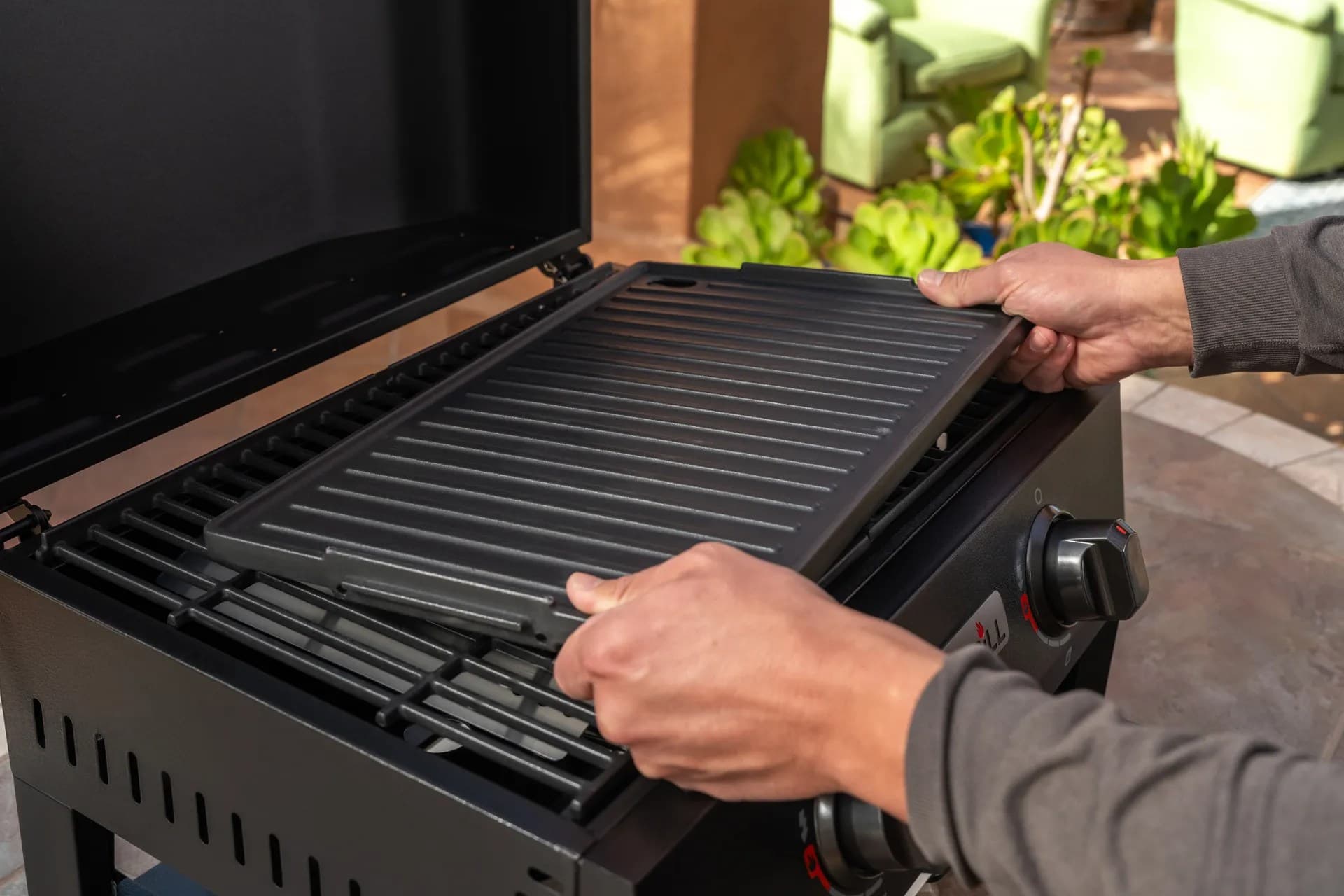
Practical guides for cleaning, maintenance, common grill issues, and performance optimization.
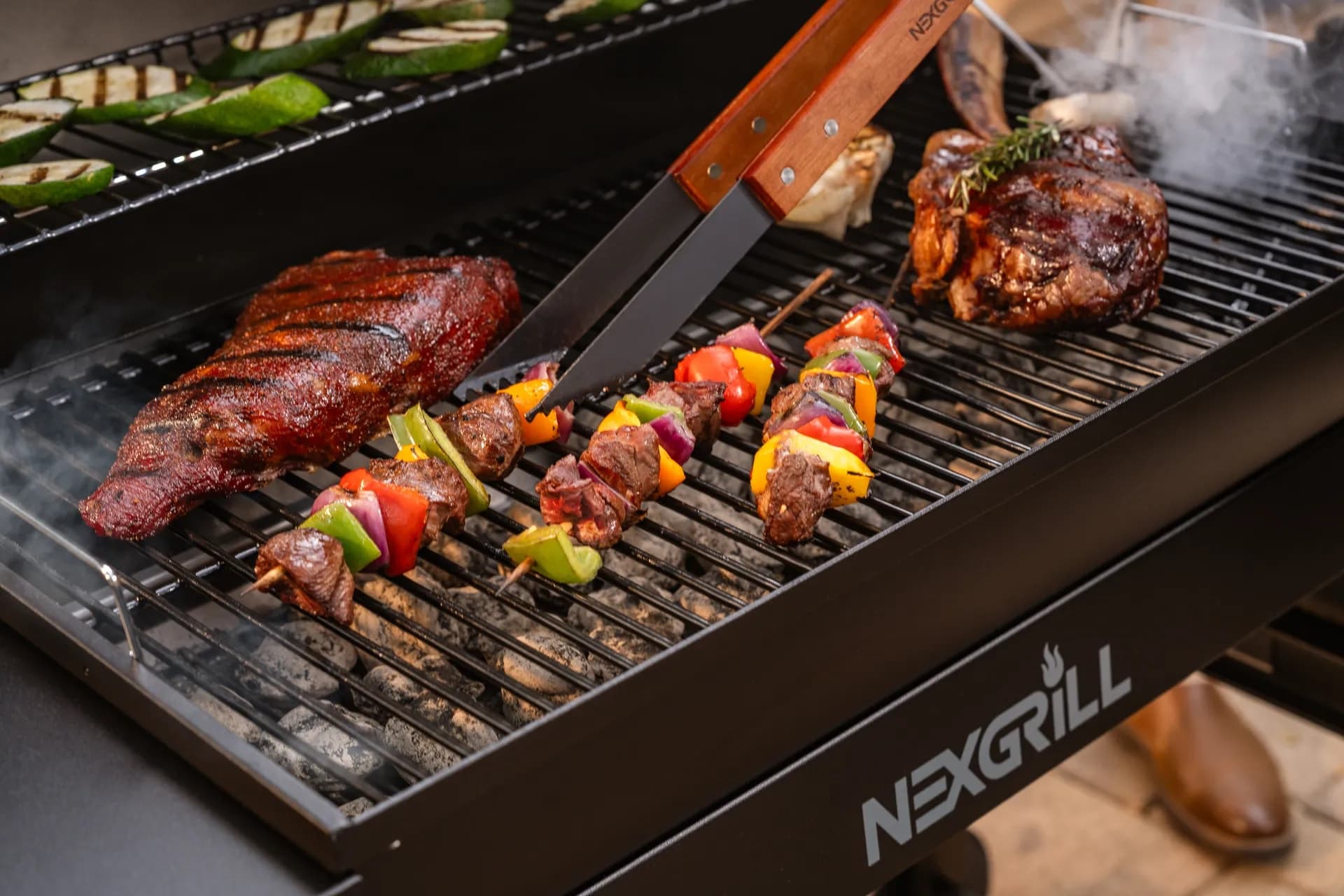
Step-by-step grilling recipes, cooking techniques, and meal ideas for every occasion and skill level.

Backyard entertaining ideas, seasonal grilling inspiration, and stories that celebrate outdoor cooking culture.
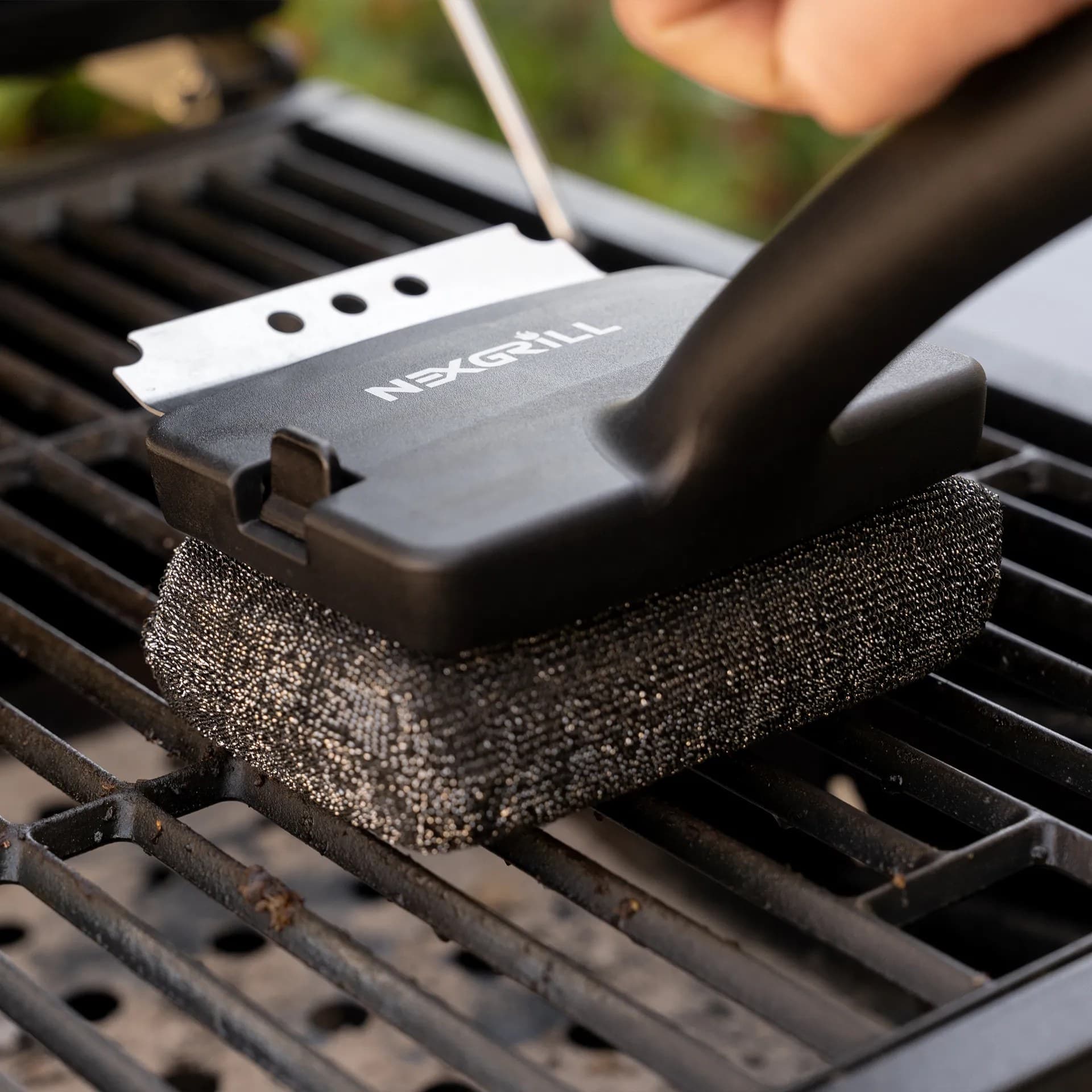
Helpful articles covering grilling tools, cookware, maintenance gear, and must-have accessories for outdoor cooking.
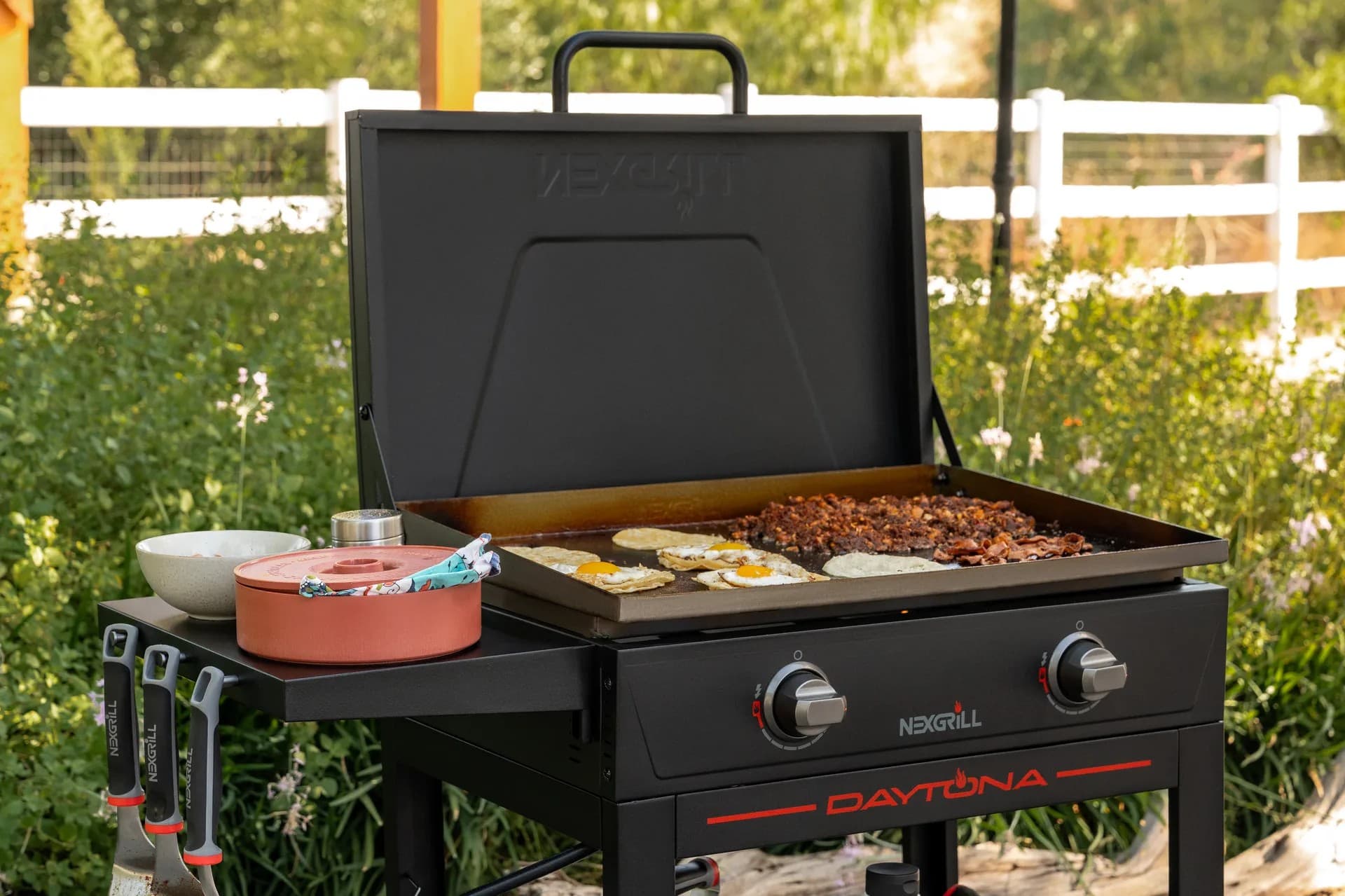
Find griddle recipes, cooking techniques, cleaning tips, and outdoor meal ideas designed for Nexgrill griddles.
Find answers to common questions
Pellet grills offer versatility by allowing you to smoke, grill, and bake with precise temperature control. They use wood pellets as fuel, providing a unique flavor to your food that is difficult to achieve with other types of grills.
Consider factors such as cooking capacity, temperature range, and additional features like digital controls or Wi-Fi connectivity. Assessing your cooking habits and space availability can also help in selecting a suitable model.
You can use a variety of food-grade wood pellets, including oak, hickory, mesquite, cherry, and apple. Each type of wood imparts a different flavor to your food, allowing for a unique grilling experience.
Regular cleaning involves emptying the ash pan, cleaning the heat diffusers, and wiping down the exterior. It's also important to check for any pellet obstructions in the hopper and ensure the grill's components are in good working order.
Nexgrill pellet grills are designed to smoke effectively, offering low-temperature settings to infuse food with rich, smoky flavors. They also provide adjustable temperature controls to suit various cooking styles.
In This Article
Flavorful Smoking Techniques
Wood Selection Guide
Smoker Recipes
Smoking is one of the most rewarding ways to build flavor because it works slowly and deliberately. Instead of blasting food with heat, a smoker lets smoke, airflow, moisture, and time do the work. That means the best results usually come from thoughtful setup rather than from simply loading in more wood. For Nexgrill readers who want richer ribs, deeper turkey flavor, or vegetables with more character, the real skill is learning how to guide smoke so it enhances the food instead of overpowering it. Nexgrill’s brand philosophy centers on inclusive, approachable outdoor cooking, which makes smoking a great fit: it welcomes newcomers while still giving experienced cooks room to experiment and improve.
A helpful way to think about smoking is that flavor comes from several layers at once. There is the natural taste of the food, the seasoning on the surface, the type of wood, and the cooking environment itself. A pork shoulder may taste sweet and savory even before smoke enters the picture, while mushrooms or cauliflower need a slightly different hand because they can pick up smoke faster than meat. That is why a successful smoker routine is not just about “low and slow”; it is about matching the wood, the rub, the moisture level, and the cooking target to the ingredient. Nexgrill’s recipe-focused brand approach emphasizes that every dish should feel like it has a story, not just a cooking method, and smoking is especially well suited to that idea.
Smoke is a seasoning, not a sauce. The best smoked food tastes balanced at the first bite, not like it was buried under smoke for hours.
Wood choice shapes the entire flavor profile, so this is where many smoking sessions succeed or fail. Mild woods such as apple and cherry bring a gentle sweetness that works especially well with poultry, pork loin, salmon, and vegetables. Oak is a reliable middle ground because it adds steady smoke without dominating the plate, which makes it a strong choice when you are cooking for a mixed group with different flavor preferences. Hickory is bolder and more traditional, often used for ribs, pork shoulder, and beef cuts that can stand up to a stronger smoke presence. Mesquite is the most assertive of the commonly used woods and is best treated like a sharp spice: excellent in the right amount, but easy to overdo if the cook is not careful.
The smartest wood strategy is often about blending rather than choosing a single dramatic flavor. For example, apple plus a small amount of oak can give chicken a rounded profile that tastes sweet at the surface and fuller in the finish. Cherry paired with pecan can create a deep color and a slightly nutty note on turkey breast. If you are smoking vegetables, alder, maple, or fruit woods generally stay in the background while still adding enough aroma to make grilled corn, carrots, or squash taste more complex. This is especially useful for home cooks who want flavor that is noticeable but not “campfire heavy.”
| Wood | Flavor profile | Best use |
|---|---|---|
| Apple | Mild, sweet, fruity | Chicken, pork, vegetables |
| Cherry | Light sweetness, gentle color | Turkey, pork, salmon |
| Oak | Balanced, versatile smoke | Beef, pork, mixed menus |
| Hickory | Bold, classic barbecue | Ribs, brisket, pork shoulder |
| Mesquite | Very strong, earthy, fast-impact | Beef, short cooks, smaller doses |
One important practical detail is moisture content. Wood that is too wet can create dirty smoke, which leaves food tasting harsh or bitter rather than pleasantly aromatic. Wood that is too dry may burn too quickly and fail to provide a stable flavor window. The goal is a thin, clean smoke that you can smell as aromatic rather than acrid. Nexgrill’s broader outdoor cooking philosophy values dependable, repeatable results, and wood selection is a major part of getting there.
Preparation matters as much as the smoke itself. Meat usually benefits from a dry surface before it enters the smoker, because surface moisture delays browning and can blur the seasoning layer. At the same time, some foods do better with an initial rest, brine, or marinade. Chicken breasts, turkey, and lean pork can benefit from a light brine because it helps retain juiciness during long exposure to heat. Tough cuts like brisket and pork shoulder usually need a flavorful rub that can withstand hours of cooking without disappearing. For vegetables, the main objective is not to mask the ingredient but to concentrate it. A little oil, salt, and a complementary spice blend are often enough.
A useful home-cook rule is to think in terms of surface architecture. The rub, glaze, and smoke all cling better when the surface is dry enough to accept them. For proteins with thick fat caps, trim strategically so smoke can reach more of the meat without stripping away the protective layer that keeps the cut moist. For vegetables, cut size matters. Thick wedges of zucchini, halved onions, or whole portobellos hold up better than tiny dice, which can dry out before they develop real smoke character. If you are preparing mixed dishes for a gathering, smoking components separately lets you balance their different cooking times and pull them together at the end.
Avoid over-saucing at the start. Sweet sauces can scorch early and mute the smoke, especially during longer cooks.
The most reliable smoking process starts before the food goes in. Preheat the smoker so the chamber reaches a stable temperature before the cook begins. Many backyard cooks aim for a moderate smoking range because it gives smoke time to cling without overcooking the outer layer too quickly. Once the smoker is ready, place the food where airflow is even and avoid crowding the cooking area. Consistent circulation helps smoke move across the surface instead of stagnating around one side of the food.
During the cook, monitor temperature with the same seriousness you would give to seasoning. Relying on time alone is risky because two briskets or two pork butts can behave very differently based on size, fat content, and starting temperature. A meat thermometer helps determine doneness more accurately than guesswork. For many cuts, the most important marker is not the clock but the feel: the meat should become tender enough to slice or pull with confidence while still holding its structure. If you are smoking vegetables, check for texture rather than waiting for a single universal endpoint. You want them softened and infused, not collapsed.
Usually beats heavy smoke every time for balanced flavor.
A final rest is often overlooked, but it is one of the easiest ways to improve flavor and moisture. Resting allows juices to redistribute so slices stay succulent instead of spilling moisture onto the cutting board. For smoked meats, that short pause can make the difference between “good” and “memorable.”
Once the basics are comfortable, the next step is learning how to layer flavor with intention. One advanced approach is to create a two-stage profile: start with a mild wood for the early portion of the cook, then finish with a slightly bolder wood to sharpen the aroma near the end. Another useful technique is to build a flavor bridge between the rub and the wood. If your rub leans paprika, black pepper, and garlic, woods like oak and hickory often feel natural. If your seasoning has brown sugar, citrus, or herb notes, fruit woods usually fit better.
Moisture management is another advanced skill. Water pans can help stabilize the cooking environment and support a more forgiving smoke session, especially for long cooks or leaner meats. Some cooks also spritz during the middle stage to keep surfaces from drying out, but this should be done sparingly so the surface still has time to set a bark or crust. You can think of this as steering, not micromanaging. The best smoking sessions are guided with small adjustments rather than constant interruptions. A helpful deep dive on smoker moisture management discusses how water pans influence humidity and temperature stability in practical terms.
Great smoked food is usually part of a larger plate, not a standalone event. Since smoke adds depth and richness, the sides should give contrast. Creamy coleslaw can cut through the density of brisket or pulled pork. Vinegar-based slaws and pickled vegetables bring brightness that wakes up heavier proteins. For poultry, cornbread, roasted potatoes, or a fresh herb salad can keep the meal grounded without competing with the smoke. Smoked vegetables pair well with grains, citrus dressings, or yogurt-based sauces because those components add lift and acidity.
If you are building a menu for a backyard cookout, think about balance across the whole table. A strongly smoked main course can dominate if every side is also rich, sweet, or heavy. Instead, combine one indulgent side, one acidic element, and one fresh or crunchy element. That approach makes the smoked flavor feel more vivid and keeps guests coming back for another bite. Nexgrill’s inclusive cooking perspective is a good reminder that smoked dishes work best when they create a shared experience around the table, not when they try to carry the entire meal alone.
Enhancing flavors with smokers is really about control, restraint, and curiosity. The best smoked dishes are rarely the ones with the most dramatic smoke ring or the heaviest aroma; they are the ones where wood, seasoning, heat, and texture come together in a way that feels deliberate. If you focus on clean smoke, smart wood choices, solid prep, and thoughtful pairings, you can create food that tastes layered and inviting instead of one-dimensional. That is the heart of good smoking: not just making food smoky, but making it more complete.
If you are ready to refine your own approach, try comparing two smoker setups side by side below to see which fits your cooking style best:
Once you've weighed two options against each other, the next step is understanding why one smoker session tastes balanced while another tastes harsh or flat. Smoking is not just low heat with wood added; it is a controlled flavor-building method where airflow, humidity, cut size, seasoning, and time all interact. That is why two cooks using the same rub can end up with very different results. The cook who manages the smoke cleanly and keeps the surface from drying out usually gets deeper flavor and better texture. Nexgrill’s outdoor cooking perspective is built around approachable, dependable results, which makes smoking a great fit for home cooks who want a repeatable process without losing room for creativity.
A lot of people first approach smokers by asking how to get “more smoke,” but the better question is how to get the right smoke. That shift matters. Heavy smoke can make food taste bitter, especially on delicate proteins or vegetables. Clean, light smoke builds flavor gradually, allowing the ingredient to stay recognizable. Think about smoked salmon versus smoked brisket: the salmon needs a softer hand, while the brisket can tolerate more assertive wood and longer exposure. The art is to match intensity to ingredient strength.
For home cooks in the United States, smoking often serves two different goals: weekend entertaining and batch cooking. You might smoke a pork shoulder for a game day crowd, then use leftovers for tacos, sandwiches, or rice bowls during the week. That means a good smoking method should work not only for one dramatic meal, but also for practical value over several days. The most satisfying smokers are the ones that let you cook once and create multiple meals with complementary flavors.
If your smoke tastes bitter, the issue is usually too much smoke, dirty combustion, or too much moisture trapped on the food surface.
Wood selection is where smoking becomes personal. The same recipe can feel completely different depending on whether you use alder, oak, hickory, or a fruit wood. If you want a subtle, crowd-friendly profile, fruit woods are usually the safest starting point. Apple is one of the most forgiving options because it adds a soft sweetness that works with chicken thighs, turkey breast, pork chops, and even smoked carrots. Cherry offers a similar friendliness but tends to add a deeper color and a slightly richer finish. Oak sits in the middle and is ideal when you want classic smoke without making the dish feel dark or aggressive.
When the goal is bigger barbecue flavor, hickory and mesquite become more relevant. Hickory is often the bridge between approachable and bold; it can make ribs taste like classic backyard barbecue, but it still plays well with rubs that contain brown sugar, paprika, and garlic. Mesquite is strongest and fastest to dominate, so it works best in small doses, shorter cooks, or with cuts that already have a robust flavor profile. For fish, poultry, and most vegetables, most cooks will get better results from lighter woods or blends instead of going straight to mesquite.
| Ingredient | Better wood choices | Why it works |
|---|---|---|
| Chicken | Apple, cherry, oak | Adds flavor without masking the meat |
| Pork shoulder | Oak, hickory, cherry | Supports long cooks and rich rubs |
| Brisket | Oak, hickory, mesquite blend | Stands up to strong smoke and long exposure |
| Fish | Alder, apple, cherry | Keeps delicate texture and flavor intact |
| Vegetables | Maple, apple, alder | Adds aroma without overwhelming freshness |
A reliable rule is to choose wood based on the strongest note already present in the food. If the rub is sweet, use a wood that stays balanced. If the meat is rich and fatty, you can lean bolder. If the ingredient is delicate, stay light. That is why pairing the wood with the seasoning matters just as much as pairing it with the protein. A sweet rub and a sweet wood may become cloying; a punchy rub and a punchy wood may become muddy. Harmony usually tastes better than intensity.
Preparation is where flavor gets its structure. For meats, start by deciding whether you need a brine, a dry rub, or both. A brine is useful when moisture retention matters, especially with turkey breast, chicken, or pork loin. A dry rub is more useful when you want a pronounced bark or crust. On larger cuts like brisket and pork butt, many cooks favor a rub first and then let the smoker do the work. The rub should be applied evenly and given enough time to settle so the seasoning does not fall off as soon as the heat rises.
Vegetables need a lighter, faster prep. Instead of long marination, a thin coat of oil and a seasoning blend is often enough. The goal is to help the surface take smoke and caramelize slightly without drying out. Dense vegetables such as carrots, beets, potatoes, and cauliflower hold up well in the smoker. Softer items, including zucchini or asparagus, need shorter cook times and more attention so they do not lose structure. If you are serving a mixed crowd, smoked vegetable platters are a smart way to give vegetarians and omnivores something equally satisfying.
Do not smoke everything the same way. A brisket and a tray of vegetables need different prep times, different moisture levels, and different finishing points.
A strong smoking process usually starts with a stable smoker temperature. Preheat first, because cold metal and unstable heat create inconsistent smoke at the beginning of the cook. Once the chamber is ready, place the food with enough spacing for air to move around it. Airflow matters because smoke needs a path to circulate. If the smoker is overloaded, the flavor can turn uneven, with one side more seasoned than the other. For longer cooks, check fuel and temperature periodically rather than repeatedly opening the lid, which can disrupt the cooking environment.
Many cooks also use a water pan to help moderate heat and create a less aggressive atmosphere inside the smoker. That can be especially useful for lean meats or long sessions where dryness becomes a risk. The point is not to flood the chamber with humidity, but to create a more forgiving environment. Water pan placement, fill level, and refill timing can all influence how steady your cook feels, and practical guidance on that topic can help smokers keep temperature swings under control.
Smoking workflow:1. Preheat smoker to a stable cooking temperature.2. Add fuel and wood so the smoke stays clean, not billowy.3. Season or brine food based on the cut.4. Arrange food with airflow in mind.5. Monitor internal temperature, not just time.6. Rest meat before slicing or serving.When the food is close to done, think about the finish. Some cuts benefit from a glaze in the last portion of the cook; others are better served naked so the bark stays crisp and the smoke flavor remains clear. If the exterior looks right but the center is not tender enough, continue carefully rather than forcing a high-heat rescue that could dry out the surface. Smoking rewards patience more than speed.
Advanced smoking usually means fine-tuning flavor rather than chasing more smoke. One useful technique is layered seasoning: start with salt and a base rub, then finish with a light glaze, herb oil, or citrus-accented sauce. This creates more depth than smoke alone. Another approach is to use compound flavor cues that mirror the wood. For instance, cherry wood pairs naturally with fruit-forward glazes, while oak can support pepper-heavy bark and savory pan drippings.
You can also experiment with staggered smoke loading. Instead of placing all your wood at once, add smaller amounts across the cook to keep aroma cleaner and more controlled. This can help prevent the tail end of the session from tasting stale or heavy. For mixed cooks, where you are smoking meat and vegetables at the same time, staggered loading is especially useful because it allows each item to receive flavor at a different rate.
For cooks who like a stronger bark, the balance of surface dryness and seasoning is critical. Too wet and the bark stays soft; too dry and the meat can toughen before it finishes. Experienced smokers often monitor texture as much as temperature, because the mouthfeel of the bark and the tenderness underneath are what make the final dish memorable. Nexgrill’s broader product storytelling around recipes and shared meals aligns well with this kind of experimentation: smoking is a craft that gets better when you cook, taste, and adjust with intention.
The sides you serve can make the smoke feel more refined. Rich smoked meats benefit from acid, crunch, and freshness. Think coleslaw with vinegar, grilled corn with lime, pickled onions, cucumber salad, or a bright potato salad that does not lean too heavy on mayonnaise. These contrasting elements keep the palate interested and prevent the meal from feeling weighed down. Smoked fish, in particular, benefits from lighter partners such as fresh herbs, sour cream, rye-style bread, roasted asparagus, or lemony grains.
If your smoked main is already sweet or glazed, pair it with savory or sharp sides rather than doubling down on sweetness. For example, brown sugar ribs go better with a tart slaw and buttery beans than with candied vegetables. If the main is deeply savory, a sweeter side like roasted corn pudding or maple carrots can create an appealing contrast. The goal is not to make every element the same; it is to let the smoked flavor stand out by giving it something to push against.
Enhancing flavors with smokers becomes much easier when you stop thinking about smoke as a dramatic effect and start treating it as a measured ingredient. The woods you choose, the way you prep the food, the stability of the heat, and the sides you serve all shape the final experience. The biggest payoff comes from consistency: repeatable habits, small adjustments, and a clear sense of what you want the dish to taste like before it ever enters the chamber. That is what turns smoking from a one-off technique into a dependable part of your cooking routine.
If you want to keep learning, a few reliable references on smoker technique, moisture management, and recipe ideas can help you refine your next session.
Here's what sets us apart
We position ourselves as delivering high-end outdoor cooking features and performance without premium-brand pricing, emphasizing “Quality Grills. Unbelievable Value.”
We offer gas grills, pellet grills, griddles, smokers, pizza ovens, portable/tabletop grills, electric grills, accessories, and replacement parts — allowing customers to stay within one ecosystem for all outdoor cooking needs.
We differentiate ourselves through smart grilling products like the Oakford smart pellet grill, including app-connected cooking controls and modern outdoor cooking technology.
Don't just take our word for it
Keep reading
From our catalog