Mastering Your Dual-Energy Gas Grill: A Complete Guide to Conversion
Unlock the versatility of your grill by converting to natural gas.
In This Article
Understanding Dual-Energy Grills
Step-by-Step Conversion Process
Safety and Maintenance Tips
Introduction
A dual-energy gas grill convertible to natural gas gives you one of the most practical upgrades in outdoor cooking: the ability to move from bottled propane to a fixed natural gas line when your setup, budget, and routine make that switch worthwhile. For many U.S. homeowners, the appeal is not just about fuel type. It is about convenience, steadier operating costs, and the confidence that comes from cooking on a grill that matches how often you actually entertain. Nexgrill’s brand approach emphasizes accessible outdoor cooking for real households, and this topic fits that spirit well because it is less about chasing the flashiest specs and more about getting the right setup for the way you cook.
That distinction matters. Some grills are designed with conversion in mind, while others are not. Some can be adapted with a manufacturer-approved kit and the correct orifice changes, and others should stay exactly as sold. The safest path is always to confirm that your specific model is convertible and to follow the manufacturer’s instructions rather than improvising with generic parts. Guidance from consumer-facing sources like Home Depot and Consumer Reports consistently stresses that conversion is possible only when the grill is designed for it and when the proper kit is used .
If you are deciding whether to convert, think of this as a long-term ownership choice. Propane is portable and easy to swap, while natural gas can be more convenient for a permanent patio setup. The grill itself may not change much on the outside, but the fuel delivery system, pressure regulation, and burner configuration can change how you use it every weekend. That is why this guide focuses on the full picture: what dual-energy means, why conversion can be attractive, how propane and natural gas differ in everyday use, and what to check before you buy parts or schedule the work.
can affect convenience, cost, and safety for years of grilling
Understanding Dual-Energy Grills
A dual-energy grill, in practical terms, is a gas grill platform that can operate on either propane or natural gas when it is built and configured for both fuels. The grill body, firebox, burners, and control layout may remain the same, but the fuel delivery components are what determine which gas it can use. That usually includes the regulator, orifices, hose setup, and the type of connector attached to the supply side. A propane setup is typically built around a portable cylinder and higher inlet pressure; a natural gas setup is designed to connect to a home gas line with different pressure and flow characteristics.
This is where many shoppers get tripped up. Not every gas grill is truly convertible, even if it looks similar to one that is. Some models are sold in separate propane and natural gas versions, with parts that are not meant to be swapped casually. Others may accept a conversion kit, but only if the manufacturer explicitly says so. That is why checking the owner’s manual and model-specific product details is the first step, not the last. If the documentation says the grill is convertible, the kit and procedure should be matched to that exact model number, not just the brand name.
For the owner, the practical benefit of a dual-energy design is flexibility. You can start with propane if your patio is not yet plumbed for gas, then switch later if you renovate, move into a home with a gas stub, or simply want fewer cylinder exchanges. In that sense, the grill becomes more future-proof. It also gives households a better path for entertaining, because a fixed gas line means you are less likely to run out of fuel in the middle of dinner service. That convenience is one reason natural gas grilling is popular in suburban backyards and outdoor kitchens with permanent installations.
| Feature | Propane setup | Natural gas setup |
|---|---|---|
| Fuel source | Portable cylinder | Fixed home gas line |
| Mobility | Easy to move | Best for permanent placement |
| Refill method | Exchange or refill tank | Continuous supply from line |
| Best use case | Flexible, occasional, portable grilling | Frequent backyard cooking |
The key takeaway is that a dual-energy grill is not just about fuel switching; it is about system design. Burners are engineered for a specific fuel pressure, and using the wrong configuration can create uneven flames, poor heat output, or a unsafe burn pattern. So when people search for a dual-energy gas grill convertible to natural gas, they are really asking for a grill platform that can be adapted correctly, not merely any grill with a hose attached.
Benefits of Converting to Natural Gas
The most obvious benefit of converting to natural gas is convenience. Instead of checking a propane tank before every cookout, you connect to a steady gas supply and keep grilling without interruption. For households that cook several nights a week, that reliability can feel like a genuine quality-of-life improvement. It also simplifies large gatherings. If you host often, there is no awkward mid-party scramble for a spare cylinder or a last-minute run to the exchange cage.
There is also a cost story here, although the exact savings vary by region, utility pricing, and how often you grill. In many U.S. households, natural gas can be less expensive per usable cooking session over time because it avoids repeated cylinder exchanges and can reduce the friction of ownership. That does not mean natural gas is automatically cheaper in every case. If you grill only a few times a year, propane may still be the more practical option because you do not need a permanent gas line. But if grilling is part of your weekly routine, the economics can shift in favor of the fixed line.
Natural gas is often best viewed as an efficiency upgrade for high-use grills, while propane remains a smart choice for portability and occasional cooking.
Environmental impact is another consideration. The U.S. Department of Energy notes that efficient grilling practices can reduce wasted energy, and natural gas can fit a lower-friction cooking routine because you are not transporting heavy cylinders or replacing tanks as often . While grilling is still a combustion process, many homeowners appreciate the simplicity of using a fixed fuel line and avoiding single-use logistics. In real-world terms, that can mean less packaging waste from frequent exchanges and less chance of keeping a half-used cylinder around just because you are unsure when you will need it next.
Performance is also part of the equation. Natural gas burns at a different pressure than propane, so after a proper conversion the grill should be tuned to that fuel type rather than simply “running” on it. When converted correctly, you should see stable flames, predictable heat, and a familiar cooking experience. The grill may feel slightly different in recovery speed or maximum output depending on the model and burner design, but the goal is consistency rather than chasing a dramatic change in style. For many owners, that consistency is exactly what makes conversion worthwhile.
Who benefits most from converting?
- Frequent backyard cooks who grill weekly and want a steadier fuel source.
- Homeowners with a permanent patio or outdoor kitchen and an available gas line.
- Entertainers who want to avoid tank swaps before guests arrive.
If you fit one of those profiles, the upgrade can make a real difference in how often you use the grill. If you move often, tailgate, or need portability, staying with propane may be the better choice. Try comparing two products side by side below to see which fits best:
Comparison: Propane vs. Natural Gas
The easiest way to choose between propane and natural gas is to compare how each fuel behaves in ordinary home use. Propane comes in portable cylinders and is widely available, which makes it convenient for renters, mobile cooking setups, and people who do not have a gas line near the grill area. Natural gas, by contrast, is piped directly to the grill, so it excels in fixed installations where convenience and routine matter more than portability.
For heat delivery, both fuels can perform well when the grill is correctly designed for them. The main difference is in pressure and the way the system is calibrated. Propane tends to deliver a hotter fuel source per unit volume in many grill setups, while natural gas is prized for steady flow and uninterrupted cooking time. What matters most is not an abstract fuel “winner” but whether the grill’s burners and orifices are tuned properly. A poorly converted grill will not cook as well as a properly configured one, regardless of fuel.
| Decision factor | Propane | Natural gas |
|---|---|---|
| Portability | Strong | Low |
| Fuel continuity | Limited by tank size | Continuous from line |
| Setup complexity | Simple | Requires gas line and proper conversion |
| Best environment | Portable or flexible spaces | Permanent outdoor cooking area |
| Ownership style | Occasional, adaptable | Frequent, fixed location |
A good rule of thumb is this: choose propane if flexibility and portability are more important, and choose natural gas if routine, convenience, and a permanent cooking space matter more. For many families, the answer evolves over time. They start with propane while setting up a patio, then later convert once the space and gas infrastructure are ready. That makes the convertible grill model especially valuable because it protects the initial investment. Instead of replacing the entire grill later, you may only need the correct conversion path and a verified setup.
Step-by-Step Conversion Process
Once you have compared fuel types and confirmed that your grill is designed for conversion, the process becomes much more manageable. The safest approach is to work from the exact model manual and the correct conversion kit for that grill. In other words, do not treat the task like a generic DIY fuel swap. Different grills use different regulator arrangements, burner orifice sizes, and connector fittings, so the details matter. Consumer guidance from major retailers and product experts emphasizes checking the model compatibility first and verifying every part before installation.
If your grill manual does not explicitly support conversion, stop there. A grill that is not designed for natural gas should not be modified with improvised parts.
Start by gathering the correct kit, a wrench or socket set, thread sealant approved for gas use if the manufacturer specifies it, soapy water for leak testing, and a clean workspace with the fuel supply turned off. You should also have patience; a careful conversion is more important than a fast one. Typical conversion kits may include orifices, instructions, a natural gas hose, and fittings. Some models may require a regulator adjustment or replacement. The exact contents depend on the brand and grill model, which is why a model-specific kit is the only sensible choice.
- Shut off the grill, disconnect the propane cylinder, and let the grill cool completely.
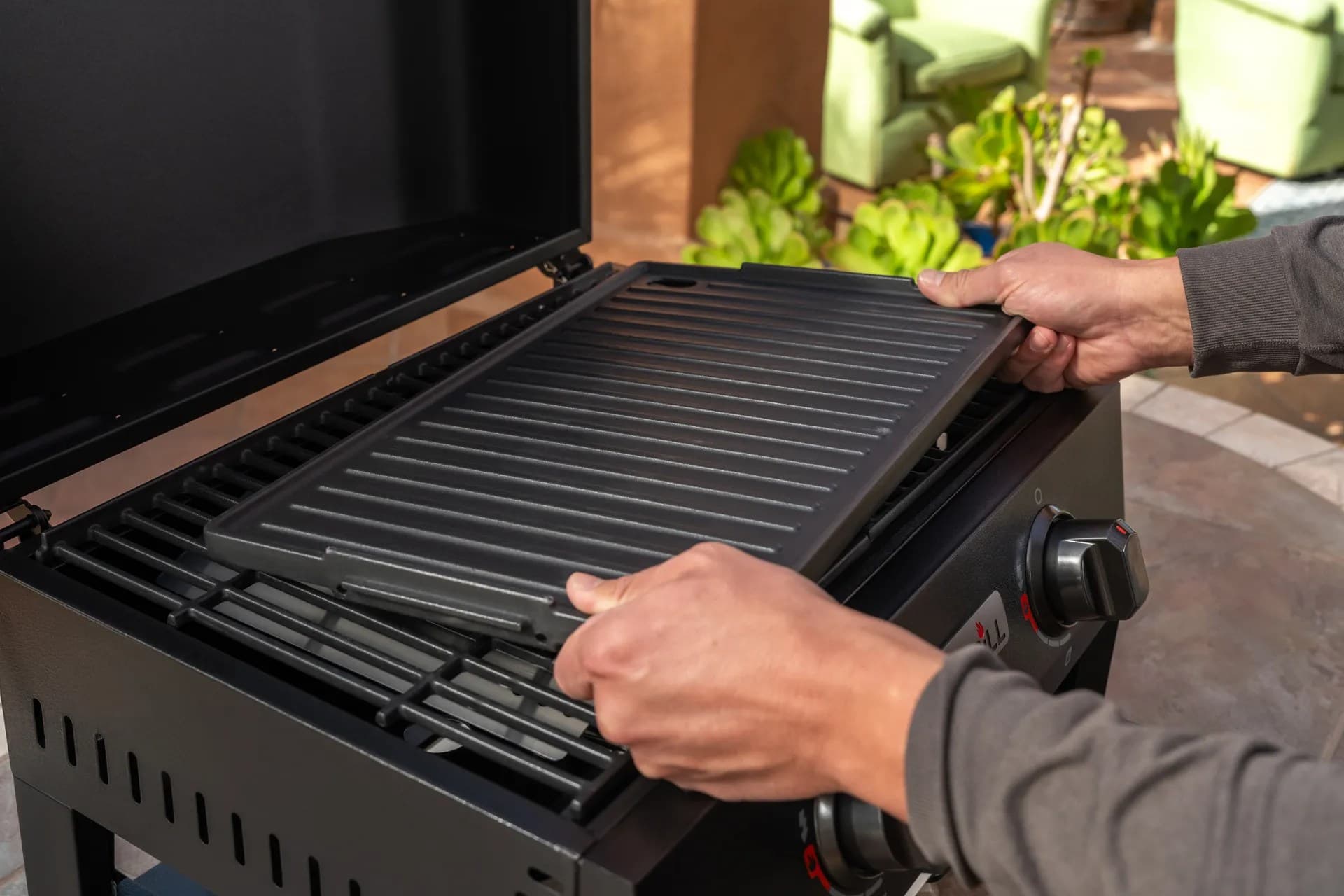
- Remove cooking grates and heat diffusers as needed to reach the burner area.
- Locate the existing orifices and replace them with the kit’s natural gas orifices if instructed.
- Switch or adjust the regulator according to the manufacturer’s directions.
- Connect the natural gas hose and fittings, tightening each connection to the specified level.
- Restore gas flow and perform a leak test at every connection using a soap-and-water solution.
- Light the grill, observe the flame pattern, and confirm even ignition across burners.
That sequence is intentionally conservative. The leak test is not optional, and the visual flame check is just as important as the physical installation. A healthy flame should be stable and consistent rather than lazy, sputtering, or lifting away from the burner ports. If you see uneven flames, odd odors, or delayed ignition, shut the system down and recheck the installation before cooking. For homeowners used to propane, the difference can feel minor at first, but the burner tuning is what makes the grill operate correctly on natural gas.
One practical tip: label the grill after conversion and store the unused propane-specific parts with the manual in case the grill ever needs to be returned to its original setup. That small organizational step saves time later and helps anyone else in the household understand what fuel the grill is using. It is also wise to keep the conversion documentation with your appliance records, especially if you ever sell the home and want to explain the outdoor gas connection to the next owner.
Safety Considerations
Safety should guide every step of a conversion. Gas appliances are simple to use but unforgiving when installed incorrectly. The first rule is to work only with a grill that is listed as convertible and only with a kit intended for that exact model. The second rule is to test for leaks every time you disturb the gas connections. A soap-and-water solution is a standard field check because bubbles reveal escaping gas. If you suspect a leak, shut off the fuel immediately and correct the issue before lighting anything.
Another common mistake is overlooking ventilation and placement. Even though natural gas is piped in, the grill still needs open-air operation, clearance from structures, and proper outdoor use. Keep combustible materials away from the grill, confirm hose routing does not create a pinch point, and avoid running the line where foot traffic or sharp edges can damage it. If a licensed technician is recommended for your local setup or if the grill manual directs you to professional installation, follow that guidance. A cautious installation is far cheaper than repairing a gas-related mistake.
A successful conversion is one that passes a leak test, lights cleanly, and produces a stable flame pattern before the first cook.
After conversion, maintain the grill the same way you would any outdoor gas appliance: inspect burners seasonally, keep ports clean, and protect the grill from weather. Natural gas eliminates tank swaps, but it does not eliminate the need for routine checks. If anything about ignition changes suddenly, treat that as a maintenance signal, not just a nuisance. Small issues are easiest to fix early.
Product Recommendations and Conversion Kits
For shoppers who want a strong starting point, the best recommendation is to choose a Nexgrill grill that fits a permanent outdoor setup and then confirm whether a manufacturer-supported conversion path exists for that model. Nexgrill’s broader product lineup includes grills and griddles that appeal to both casual backyard cooks and more experienced users seeking better control and value, and that balance aligns well with the idea of a fuel-flexible setup. The most important detail is not the logo on the lid; it is whether the exact model supports the fuel source you plan to use.
| Recommended option | Why it stands out | Best fit |
|---|---|---|
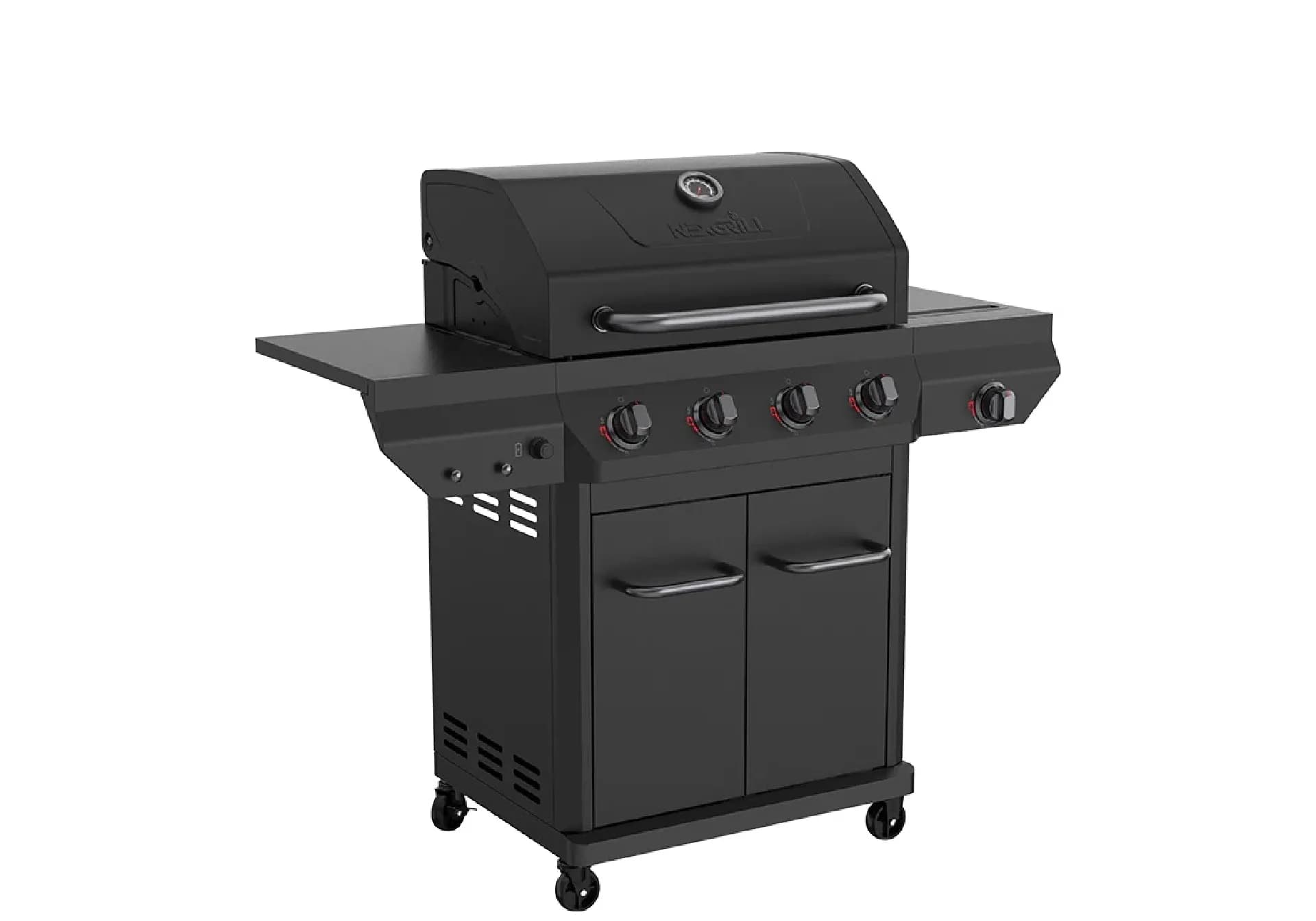
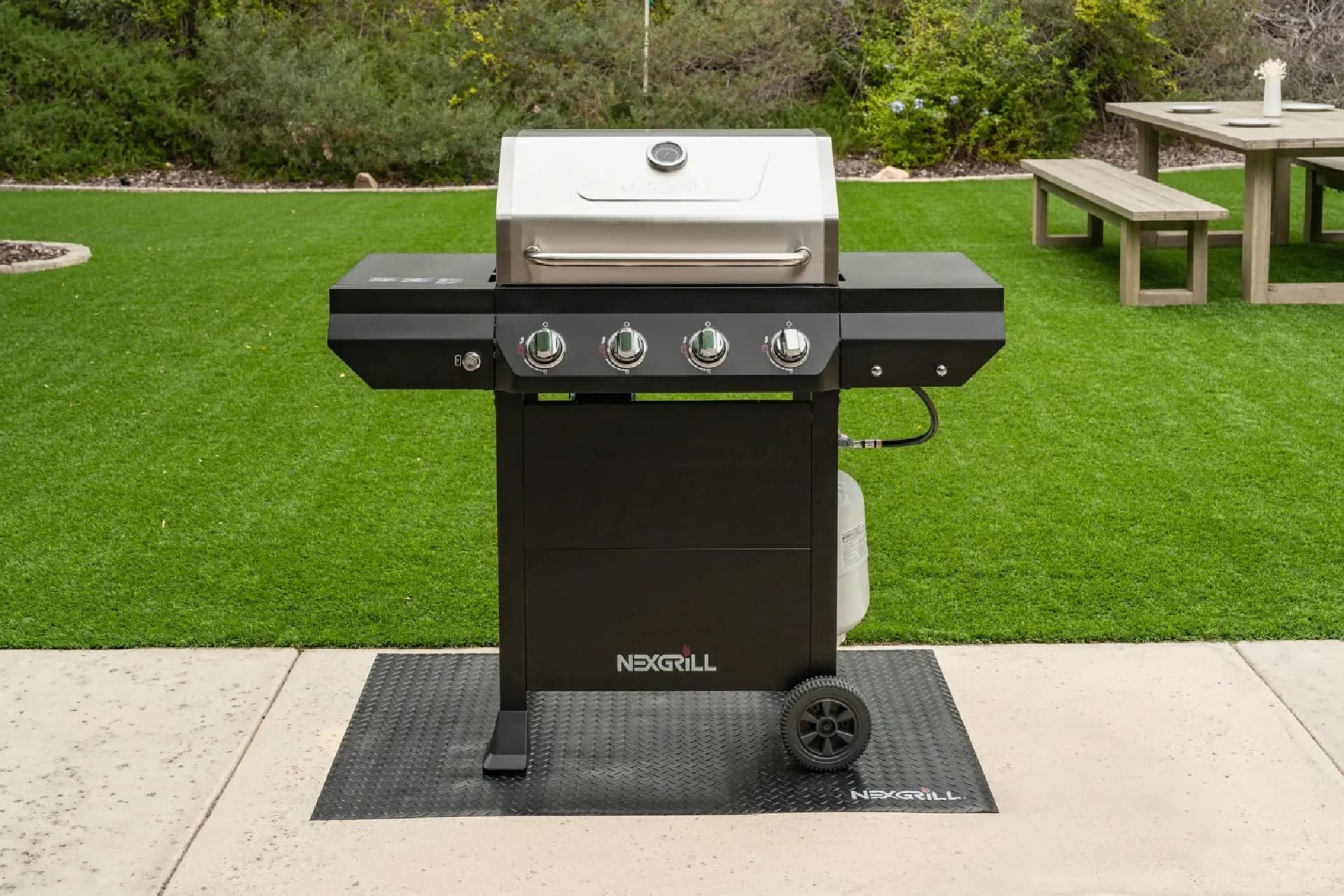
| 4-Burner Gas Grill with Side Burner in Black | Useful for full-meal cooking and permanent patio placement | Frequent hosts who want a main grill plus side burner convenience |
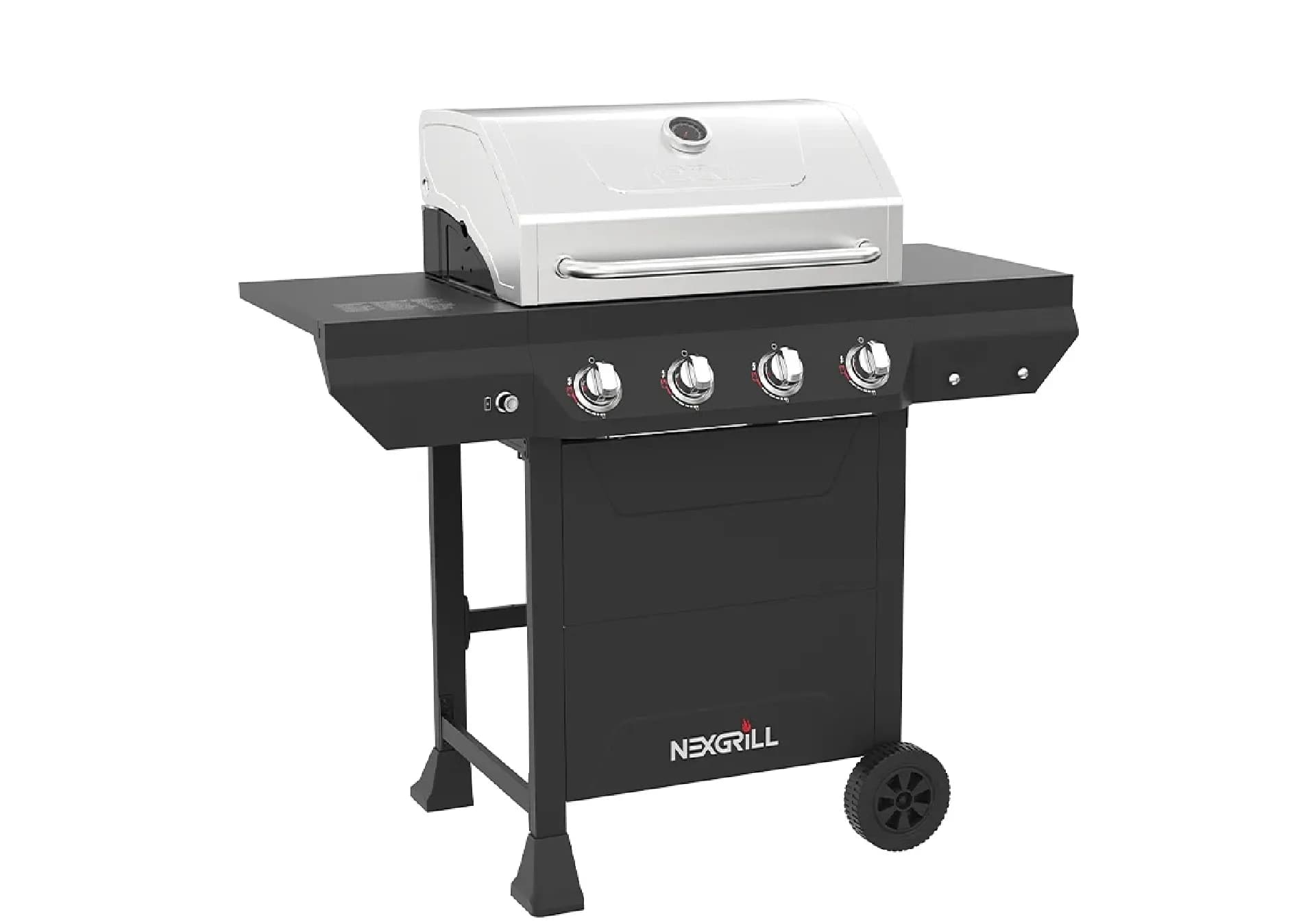
| 4-Burner Propane Gas Grill in Black with Stainless Steel main lid | A strong candidate to evaluate for propane-first ownership | Buyers who may convert later after installing a gas line |
| Deluxe 2-Burner Gas Grill | Compact footprint with easier placement on smaller patios | Couples, small families, and lighter grilling schedules |
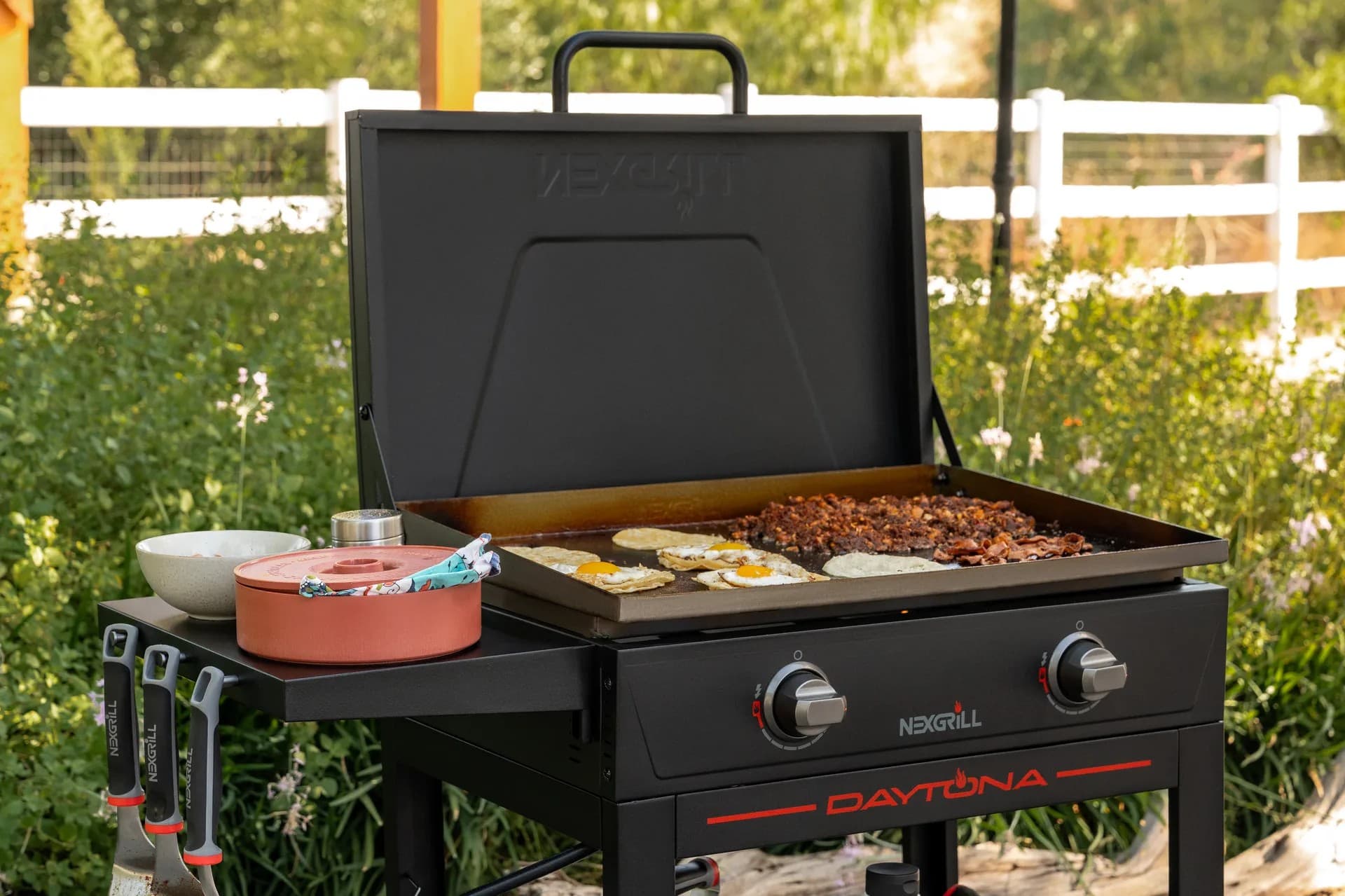
| Daytona 4-Burner Propane Gas Griddle in Black | Flat-top cooking broadens breakfast and batch-cooking use cases | Homes that want a griddle-style alternative to a traditional grate grill |
As for conversion kits, only use the kit specified by the grill manufacturer or a retailer page that clearly states compatibility with your exact model. Kits normally include the parts needed to change the fuel delivery setup, but they are not interchangeable across every grill. That is where many buyers save themselves trouble: they compare the model page, the manual, and the parts list before ordering anything. If a listing is vague, skip it and look for one that names the compatible grill directly.
User Experiences and Testimonials
Many grill owners who switch to natural gas describe the same pattern: the conversion feels unremarkable in the best possible way. There is no tank to check before a cookout, no last-minute refill errand, and no awkward pause when the flame weakens halfway through dinner. One homeowner with a permanent patio setup might say the biggest change is not the flavor of the food but the ease of starting dinner on a Tuesday night. Another might note that the real benefit appears when guests arrive early and the grill is already hot without a fuel worry in sight.
In user terms, natural gas often earns praise for reducing friction. Grillers who host often tend to appreciate uninterrupted use, while those with outdoor kitchens like the cleaner visual of a plumbed-in setup. A common testimonial theme is that the conversion pays off over time because the grill simply gets used more often. That aligns with practical ownership: a grill that is always ready tends to become part of the weekly meal routine rather than a special-occasion appliance.
Users most often report success when they use the correct kit, test for leaks carefully, and keep the grill in a fixed outdoor location.
Those experiences are useful because they point to the real value of conversion: not a dramatic transformation, but a better fit between the appliance and the household. If your style is weeknight burgers, family dinners, or weekend entertaining, a properly converted grill can feel like a natural upgrade. If your style is road trips or flexible placement, the same conversion may offer less value. That is why the decision should follow your routine, not the novelty of the fuel switch.
Conclusion
A dual-energy gas grill convertible to natural gas can be a smart choice for homeowners who want a more permanent, convenient grilling setup without giving up the option to start on propane. The main advantages are steady fuel access, fewer interruptions, and a setup that fits a patio or outdoor kitchen better over time. The main responsibility is to convert only when the grill is designed for it and to follow the exact instructions for your model. Do that, and you can gain the convenience of natural gas while keeping the dependable performance that makes gas grilling such a staple in U.S. backyards.
If you are still deciding, focus on your grill location, how often you cook, and whether portability matters more than a fixed fuel line. That will tell you more than any headline spec ever could.