Understanding the Difference Between Gas and Charcoal Grills
Explore the unique features and benefits of gas versus charcoal grills to elevate your grilling experience.
In This Article
Fuel and Flavor Differences
Convenience and Control
Environmental Considerations
Introduction to Grilling: Gas vs Charcoal
Grilling is more than just cooking; it's an experience that brings people together. At the heart of this culinary tradition are the grills themselves, and the two most popular types are gas and charcoal. Each offers distinct advantages and caters to different grilling preferences and lifestyles. Understanding these differences can help you choose the best grill for your needs.
Fuel and Flavor: The Core Differences
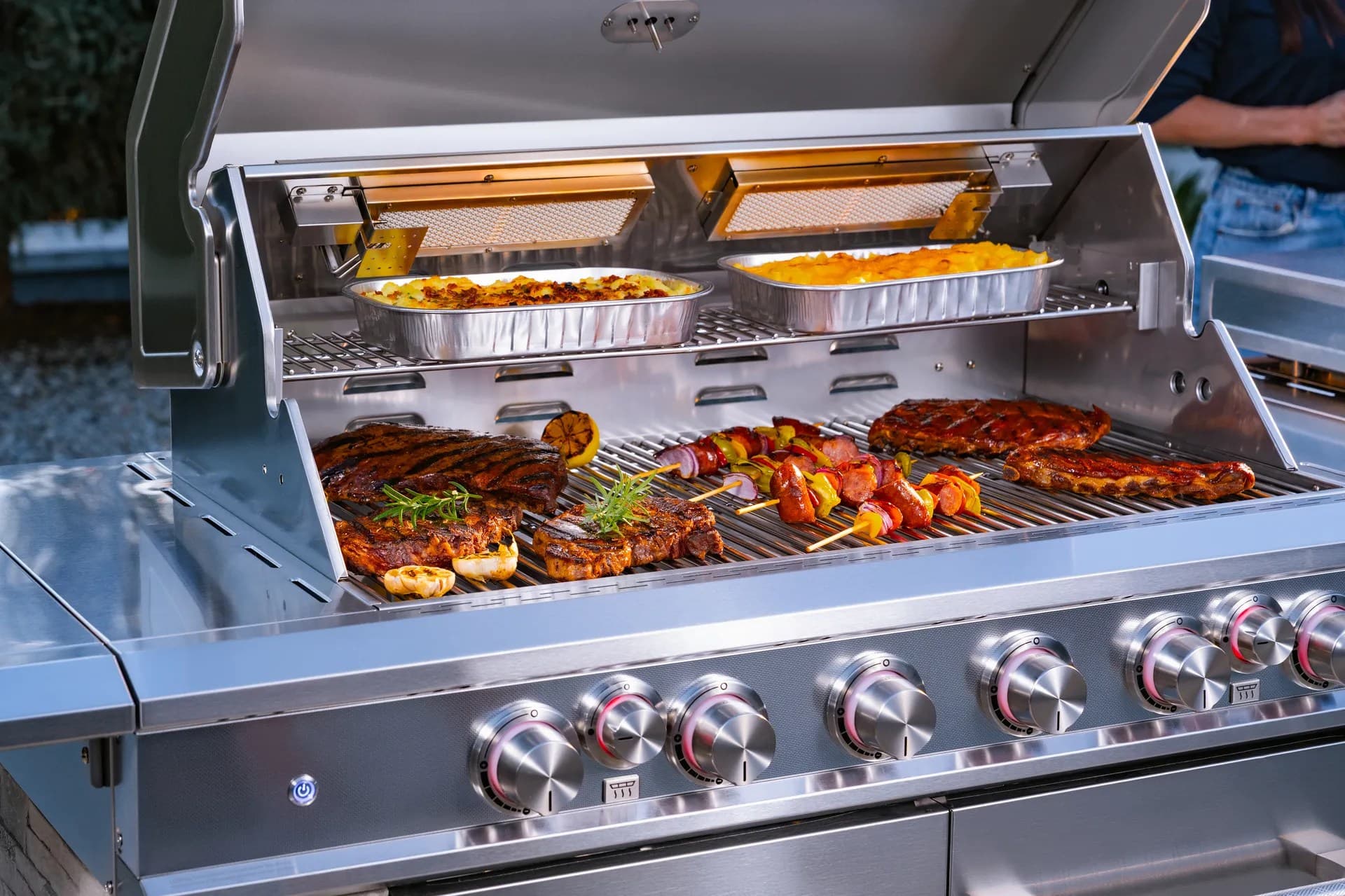
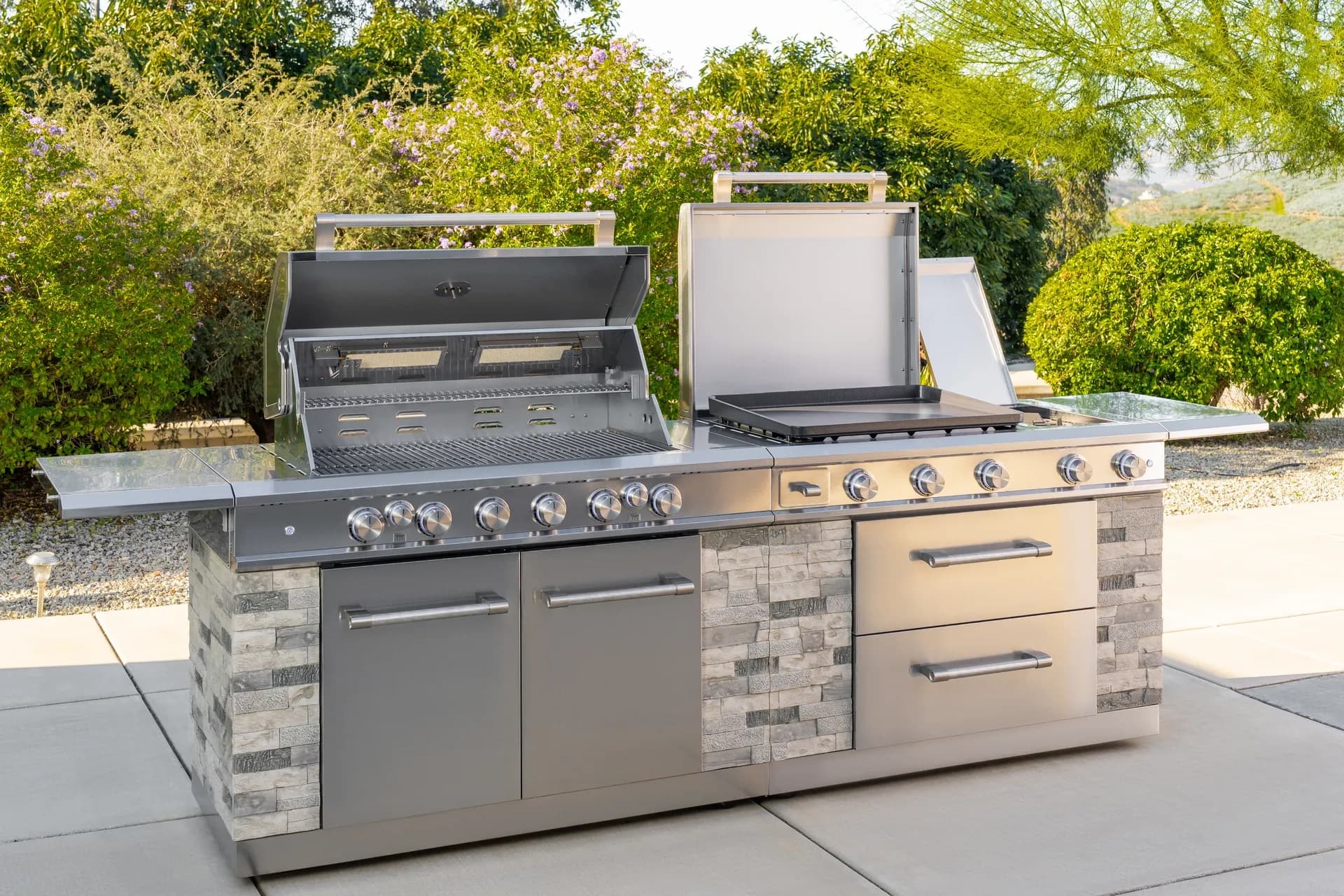
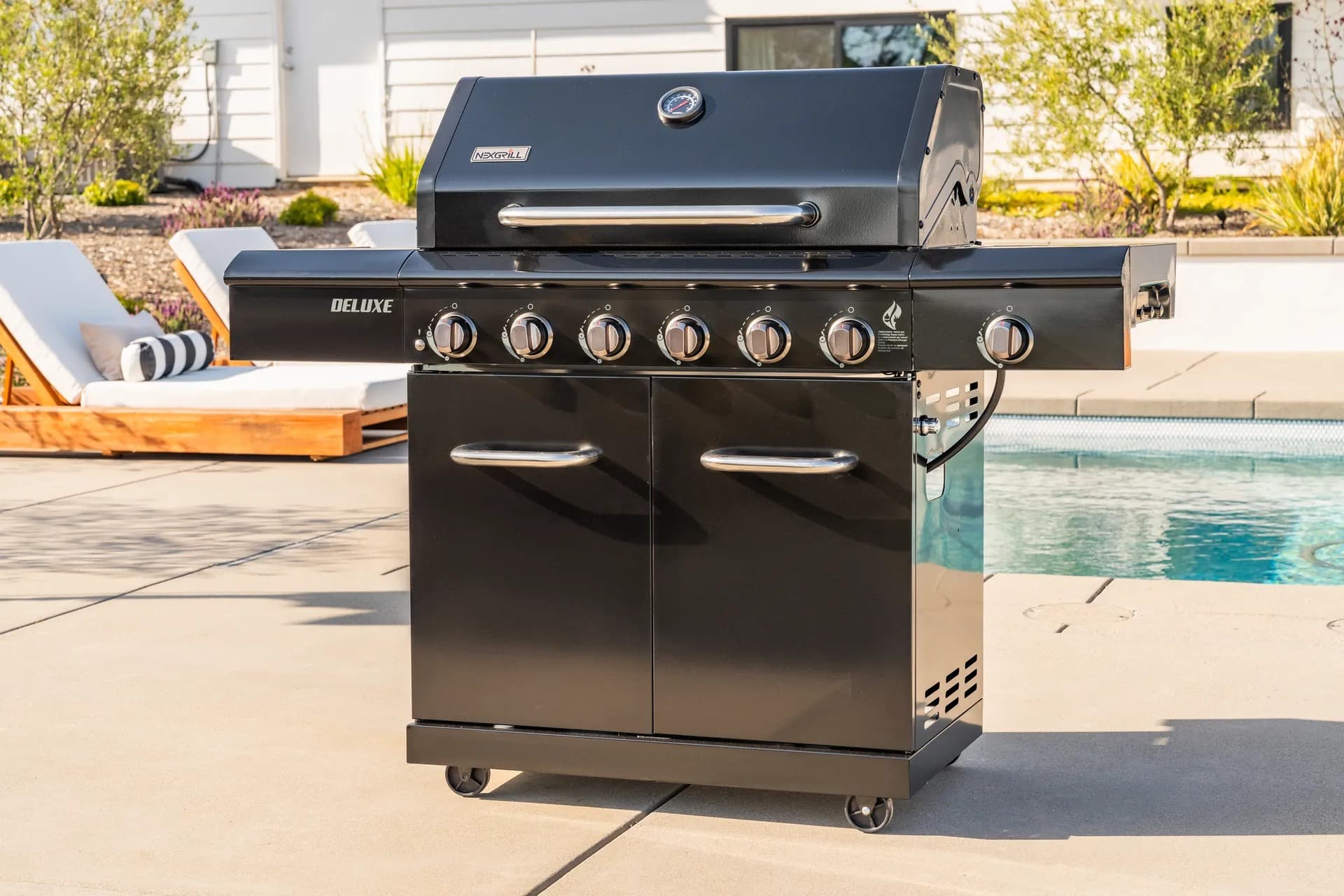
The most significant differences between gas and charcoal grills lie in their fuel sources and the flavor profiles they create. Gas grills, powered by propane or natural gas, are known for their convenience and ease of use. They ignite quickly and allow for precise temperature control, making them ideal for fast and efficient grilling.
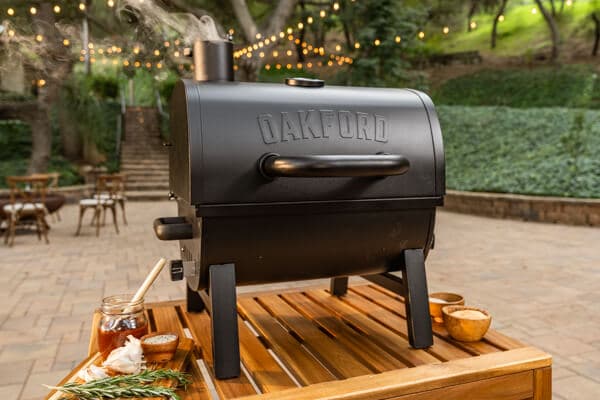
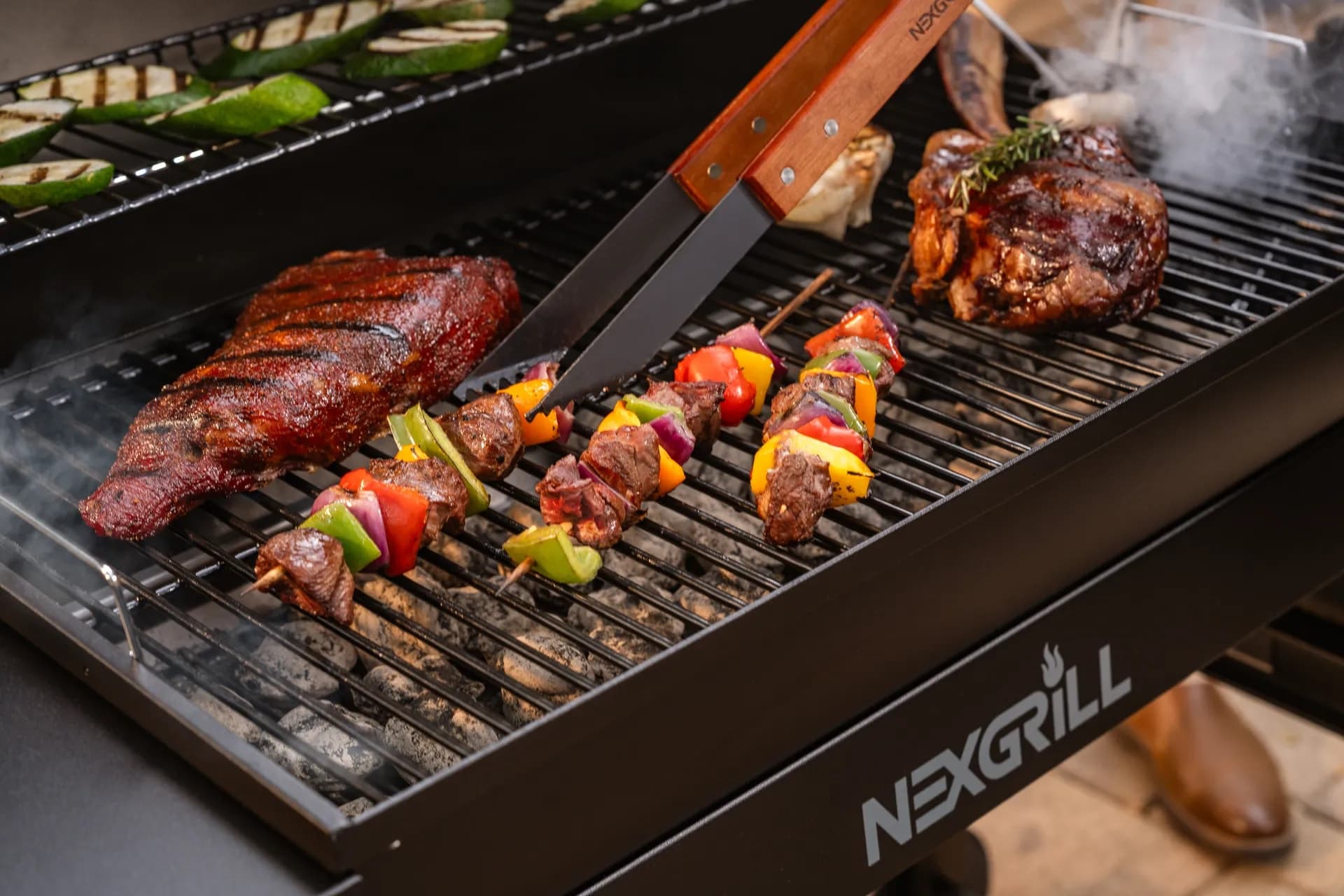
On the other hand, charcoal grills use briquettes or lump charcoal, which can reach higher temperatures and impart a rich, smoky flavor that many barbecue enthusiasts crave. This distinct taste comes from the combustion of wood and charcoal, adding a unique depth to grilled meats and vegetables.
Tip: To enhance smoky flavors on a gas grill, consider using wood chips in a smoker box.
Convenience and Control
Gas grills offer unmatched convenience with their quick-start ignition systems and easy temperature adjustments. This makes them perfect for weeknight dinners or anytime you want to grill without the wait. The ability to control the heat with a turn of a knob allows for consistent cooking results, ideal for grilling everything from steaks to delicate fish.
In contrast, mastering a charcoal grill takes patience and practice. The process of lighting charcoal and waiting for it to reach the right temperature can be time-consuming. However, many grillers find the ritual rewarding. The challenge of controlling temperatures by adjusting air vents and moving coals demands more skill, but it also allows for creative cooking techniques like direct and indirect grilling. Mastering the art of lighting a charcoal grill can lead to better results.
Cost and Maintenance
When considering the cost, initial investment and long-term expenses should be evaluated. Gas grills typically have a higher upfront cost compared to charcoal grills but can be more economical in the long run due to the lower price of fuel. Propane tanks and natural gas lines are convenient and often cheaper than regularly purchasing charcoal.
| Feature | Gas Grills | Charcoal Grills |
|---|---|---|
| Initial Cost | Higher | Lower |
| Fuel Cost | Lower | Higher |
| Maintenance | Moderate | Higher |
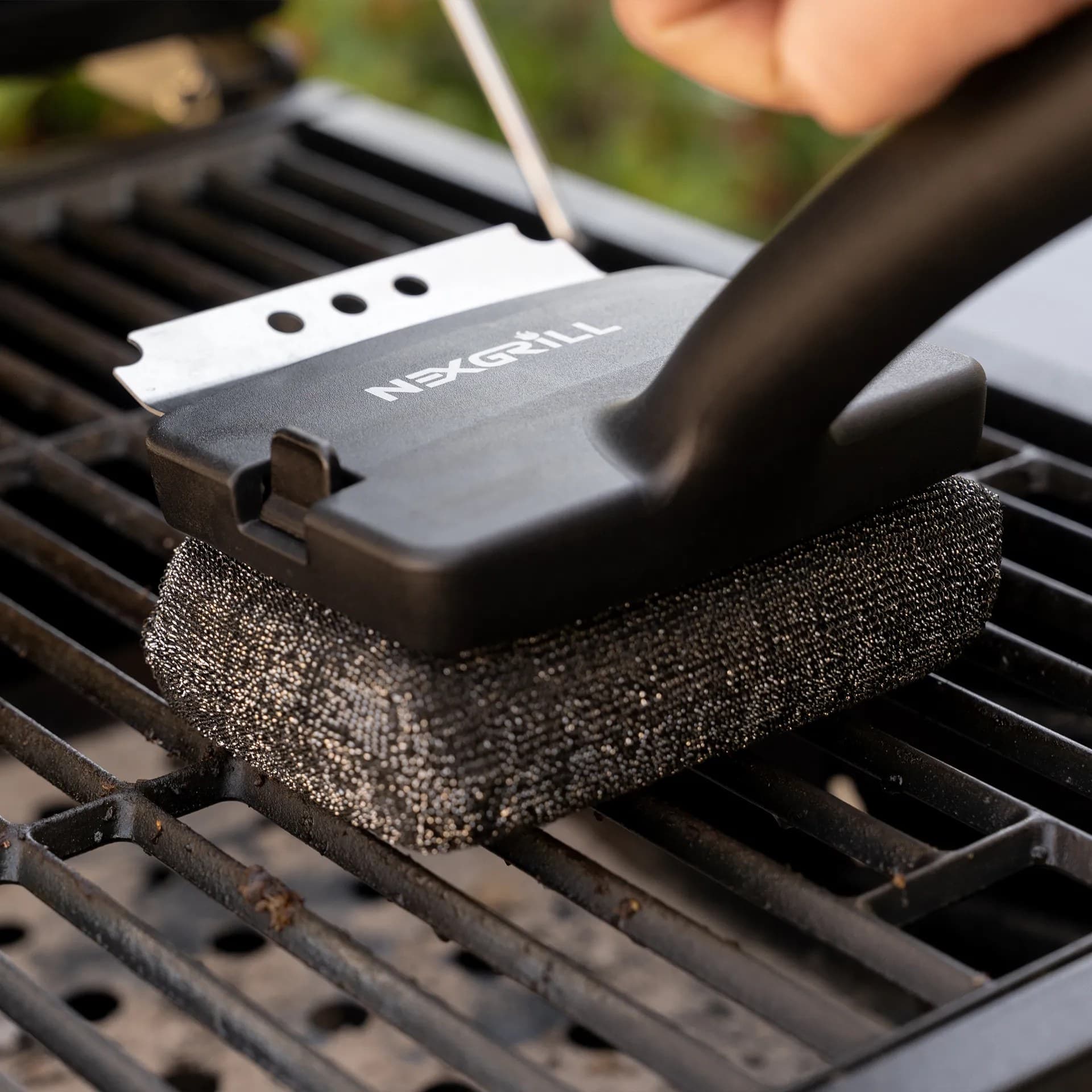
Maintenance is another factor to consider. Gas grills require regular cleaning of burners and checking for gas leaks, while charcoal grills need ash disposal and frequent cleaning to prevent buildup. Each type offers its unique set of challenges and rewards, appealing to different types of grill enthusiasts. For charcoal grills, mastering charcoal grill maintenance is essential.
Environmental Impact
The environmental impact of your grilling choice is an important consideration. Gas grills are generally more environmentally friendly due to cleaner-burning fuels, producing fewer emissions than charcoal grills. However, if sustainability is a priority, choosing lump charcoal made from renewable resources can mitigate some environmental concerns associated with charcoal grilling.
Insight: Look for certifications like the Forest Stewardship Council (FSC) when purchasing charcoal to ensure sustainable sourcing.
Ultimately, the choice between gas and charcoal grilling depends on your personal preferences, lifestyle, and values. Each offers a unique grilling experience that can enhance your outdoor cooking adventures.
Advanced Cooking Techniques
Once you've weighed the basic differences between gas and charcoal grills, understanding advanced cooking techniques can further enhance your grilling skills. Gas grills, with their precise temperature controls, are perfect for techniques like rotisserie cooking and smoking when equipped with additional accessories. The consistent heat distribution allows for slow cooking and smoking meats to tender perfection.
Charcoal Grilling Techniques
Charcoal grills offer a more hands-on approach to advanced grilling. Techniques such as searing, smoking, or even baking become possible with a bit of practice. The ability to create high-heat zones and cooler areas by moving charcoal around is a skill that can be developed over time. This method is excellent for achieving the perfect sear on steaks or slow-cooking ribs with a smoky flavor.
Warning: Always ensure proper ventilation when using charcoal grills to prevent carbon monoxide buildup.
Which Grill is Right for You?
Choosing the right grill ultimately comes down to your cooking style and preferences. If you prefer quick, no-fuss grilling with minimal cleanup, a gas grill might be the best option. However, if you enjoy the hands-on experience and the rich flavors of traditional barbecue, a charcoal grill could be more satisfying.
Matching Grills to Lifestyles
For busy families or those who often host parties, the convenience of a gas grill can be a great advantage. They are efficient for cooking large meals quickly and are typically easier to clean. Conversely, for those who see grilling as an art form, the ritualistic aspect of charcoal grilling offers a rewarding culinary experience that can become a cherished tradition.
| Consideration | Best for Gas Grills | Best for Charcoal Grills |
|---|---|---|
| Quick Meals | Yes | No |
| Rich Smoky Flavor | No | Yes |
| Budget | Higher | Lower |
In conclusion, whether you choose a gas or charcoal grill, the key is to enjoy the process and the flavors that come with it. Each grill type offers a unique set of benefits that cater to different tastes and lifestyles.