Master the art of charcoal grilling with expert tips and techniques.

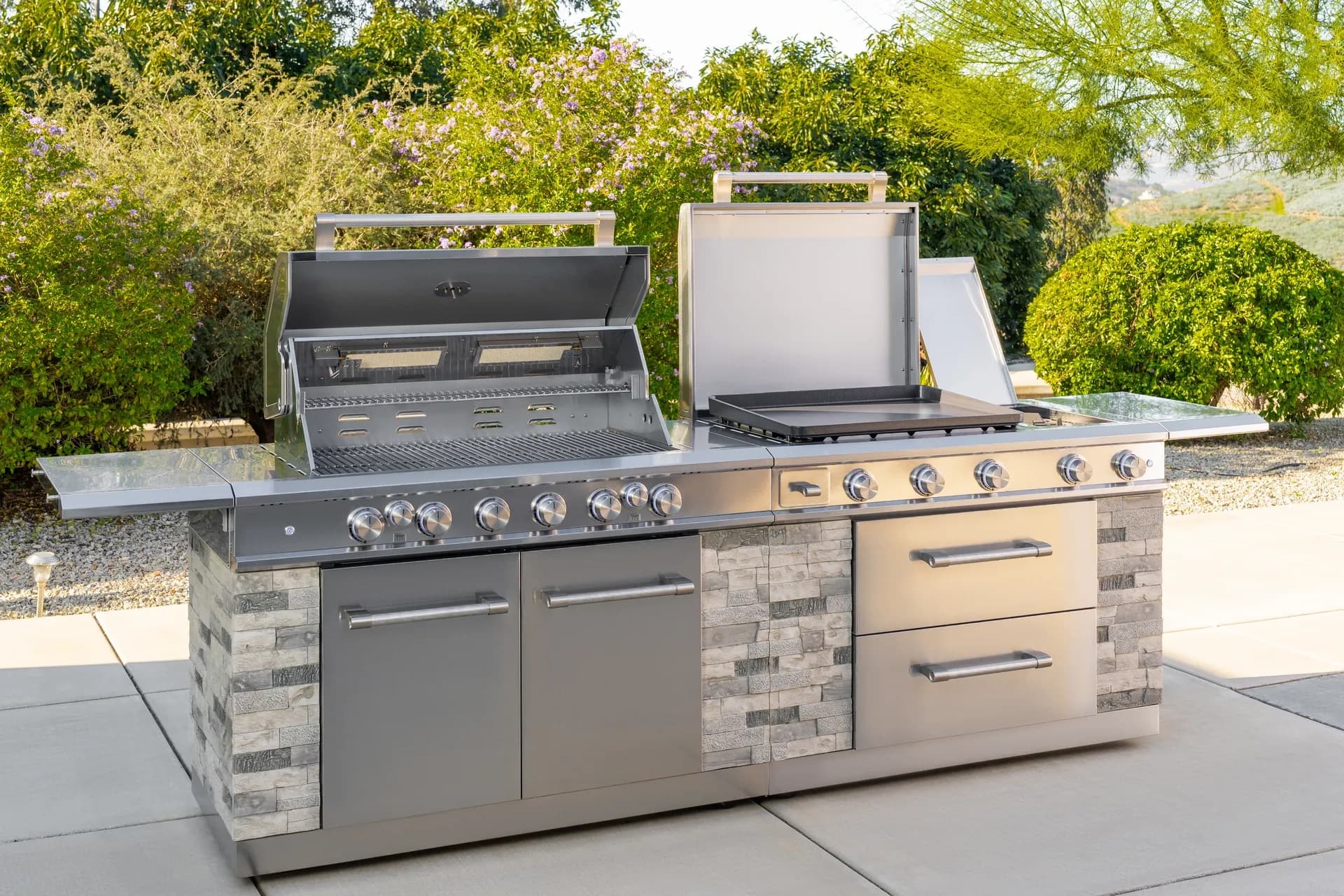
From sizzling breakfasts to smash burgers and teppanyaki-style dinners, the Daytona Pro 5 Burner NitroGuard™ Griddle delivers powerful heat, fast cooking, and a durable cooking surface built for every backyard cookout. Watch how easy outdoor cooking can be.
Here's what sets us apart from the competition
We position ourselves as delivering high-end outdoor cooking features and performance without premium-brand pricing, emphasizing “Quality Grills. Unbelievable Value.”
We offer gas grills, pellet grills, griddles, smokers, pizza ovens, portable/tabletop grills, electric grills, accessories, and replacement parts — allowing customers to stay within one ecosystem for all outdoor cooking needs.
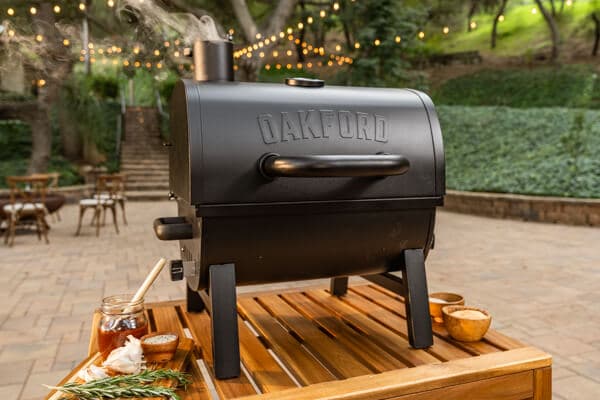
We differentiate ourselves through smart grilling products like the Oakford smart pellet grill, including app-connected cooking controls and modern outdoor cooking technology.
Expert tips, buying guides, comparisons, and inspiration for choosing and getting the most out of your grill.

Practical guides for cleaning, maintenance, common grill issues, and performance optimization.

Step-by-step grilling recipes, cooking techniques, and meal ideas for every occasion and skill level.

Backyard entertaining ideas, seasonal grilling inspiration, and stories that celebrate outdoor cooking culture.

Helpful articles covering grilling tools, cookware, maintenance gear, and must-have accessories for outdoor cooking.

Find griddle recipes, cooking techniques, cleaning tips, and outdoor meal ideas designed for Nexgrill griddles.
Find answers to common questions
Gas grills provide instant heat and precise temperature control, making them easier to use. Charcoal grills offer a smoky flavor and high heat for searing but require more time to heat up and manage.
Pellet grills combine the convenience of gas with the flavor of wood, allowing for smoking, baking, and grilling. Traditional gas grills, however, are quicker to start and often easier to clean.
Charcoal grills typically reach higher temperatures quicker than gas grills, making them better for searing meat. However, high-quality gas grills can also provide adequate heat for effective searing.
Nexgrill offers models designed specifically for gas, charcoal, and pellets, allowing users to choose based on their cooking style and flavor preferences. Each type is built to optimize the characteristics of its respective fuel.
Choosing between gas and charcoal grills depends on your cooking preferences and lifestyle. If you value convenience and quick cooking, a gas grill may suit you better; if you prefer the taste and experience of traditional grilling, a charcoal grill would be ideal.
In This Article
Master Temperature Control
Experiment with Smoke
Innovative Accessories
Charcoal grilling is not just a cooking method; it's an art form that brings out unique flavors in your food. Understanding the basic principles of charcoal grilling is essential for anyone looking to elevate their outdoor cooking skills. At its core, charcoal grilling involves heating up charcoal briquettes or lump charcoal to cook food over an open flame. The type of charcoal you choose can significantly affect the flavor and cooking time. Briquettes are consistent and easy to use, while lump charcoal offers a more natural, smoky flavor.
Managing the temperature is one of the most important skills in charcoal grilling. By controlling the airflow through the vents on your grill, you can adjust the heat levels to suit different types of cooking, from searing steaks to slow-roasting chicken. The position of the coals also matters; arranging them in a two-zone setup allows for both direct and indirect cooking.
Tip: Use a chimney starter to light your charcoal evenly and without chemical starters, which can affect the flavor of your food.
Having the right tools makes a world of difference in charcoal grilling. A quality grill with adjustable vents, a chimney starter, long-handled tongs, and a meat thermometer are essentials. Consider a grill with a lid thermometer to monitor temperatures without lifting the lid.
Smoke is a flavor enhancer in charcoal grilling. Experimenting with wood chips like apple, hickory, or mesquite can add distinct flavor profiles to your meats. Soaking wood chips in water before placing them on hot coals can prolong their smoke and enhance their flavor infusion.
| Wood Type | Flavor Profile | Best For |
|---|---|---|
| Apple | Sweet, fruity | Poultry, pork |
| Hickory | Strong, bacon-like | Ribs, pork |
| Mesquite | Intense, earthy | Beef, game |
Mastering advanced techniques can truly transform your grilling game. One such technique is reverse searing, which involves cooking meat at a low temperature before finishing it off with a high-temperature sear. This ensures even cooking and maximum juiciness. Another technique is the use of a water pan to maintain moisture in the grill, especially during long, slow cooks.
Info: Reverse searing is ideal for thick cuts of meat like tomahawk steaks or pork chops.
Experimentation is key. Try cooking different meats and vegetables over charcoal to discover new flavor combinations. Remember, practice makes perfect, and every grilling session provides an opportunity to refine your skills.
Try comparing two products side by side below to see which fits best:
After comparing products, it’s time to delve deeper into the nuances that can enhance your charcoal grilling experience. One often overlooked factor is the importance of seasoning your grill. Not only does this help to prevent food from sticking, but it also adds layers of flavor over time. To season your grill, lightly coat the grates with oil and heat them until the oil burns off. This process should be repeated regularly to maintain optimal grilling conditions.
Consistent heat is crucial for successful grilling. Use the 'lid down' technique to trap heat and maintain even temperatures. Additionally, arranging your charcoal in different patterns, such as the snake method, allows for long, controlled burns suitable for slow-cooked meats like brisket.
Warning: Avoid adding too much charcoal at once, which can cause flare-ups and uneven cooking.
Marinades and rubs are essential for adding depth and complexity to grilled foods. A well-balanced marinade typically includes acid, oil, and seasoning, while rubs can range from sweet to savory, depending on the desired flavor profile. Experiment with different combinations to find your signature taste.
| Component | Purpose |
|---|---|
| Acid (e.g., vinegar, citrus) | Tenderizes meat |
| Oil (e.g., olive oil) | Moisture retention |
| Seasoning (e.g., herbs, spices) | Flavor enhancement |
Incorporating innovative accessories can elevate your grilling experience. Consider adding a rotisserie attachment for even cooking, or a cast iron griddle for versatility in preparing a variety of foods. Additionally, grill thermometers can provide precise temperature readings, ensuring your meats are cooked to perfection.
For those who enjoy a bit of creativity, try using a smoker box to infuse your dishes with unique smoky flavors. This technique works exceptionally well with fish and poultry, allowing you to explore new culinary horizons.
Tip: Always preheat your grill and accessories to ensure even cooking and minimize sticking.
Here's what sets us apart
We position ourselves as delivering high-end outdoor cooking features and performance without premium-brand pricing, emphasizing “Quality Grills. Unbelievable Value.”
We offer gas grills, pellet grills, griddles, smokers, pizza ovens, portable/tabletop grills, electric grills, accessories, and replacement parts — allowing customers to stay within one ecosystem for all outdoor cooking needs.
We differentiate ourselves through smart grilling products like the Oakford smart pellet grill, including app-connected cooking controls and modern outdoor cooking technology.
Don't just take our word for it
Keep reading
From our catalog