Discover the best options and features for your outdoor cooking needs.
Here's what sets us apart from the competition
We position ourselves as delivering high-end outdoor cooking features and performance without premium-brand pricing, emphasizing “Quality Grills. Unbelievable Value.”
We offer gas grills, pellet grills, griddles, smokers, pizza ovens, portable/tabletop grills, electric grills, accessories, and replacement parts — allowing customers to stay within one ecosystem for all outdoor cooking needs.
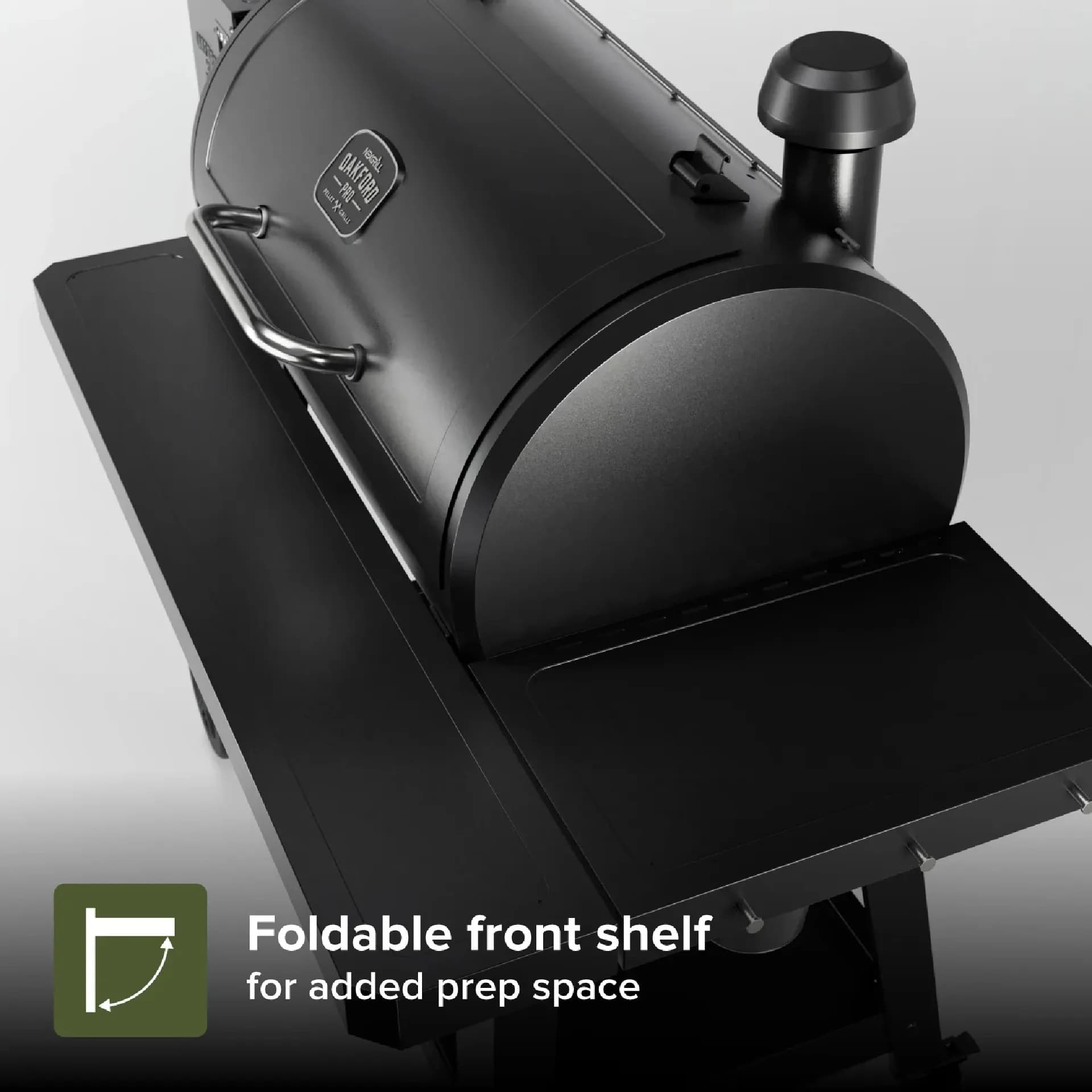
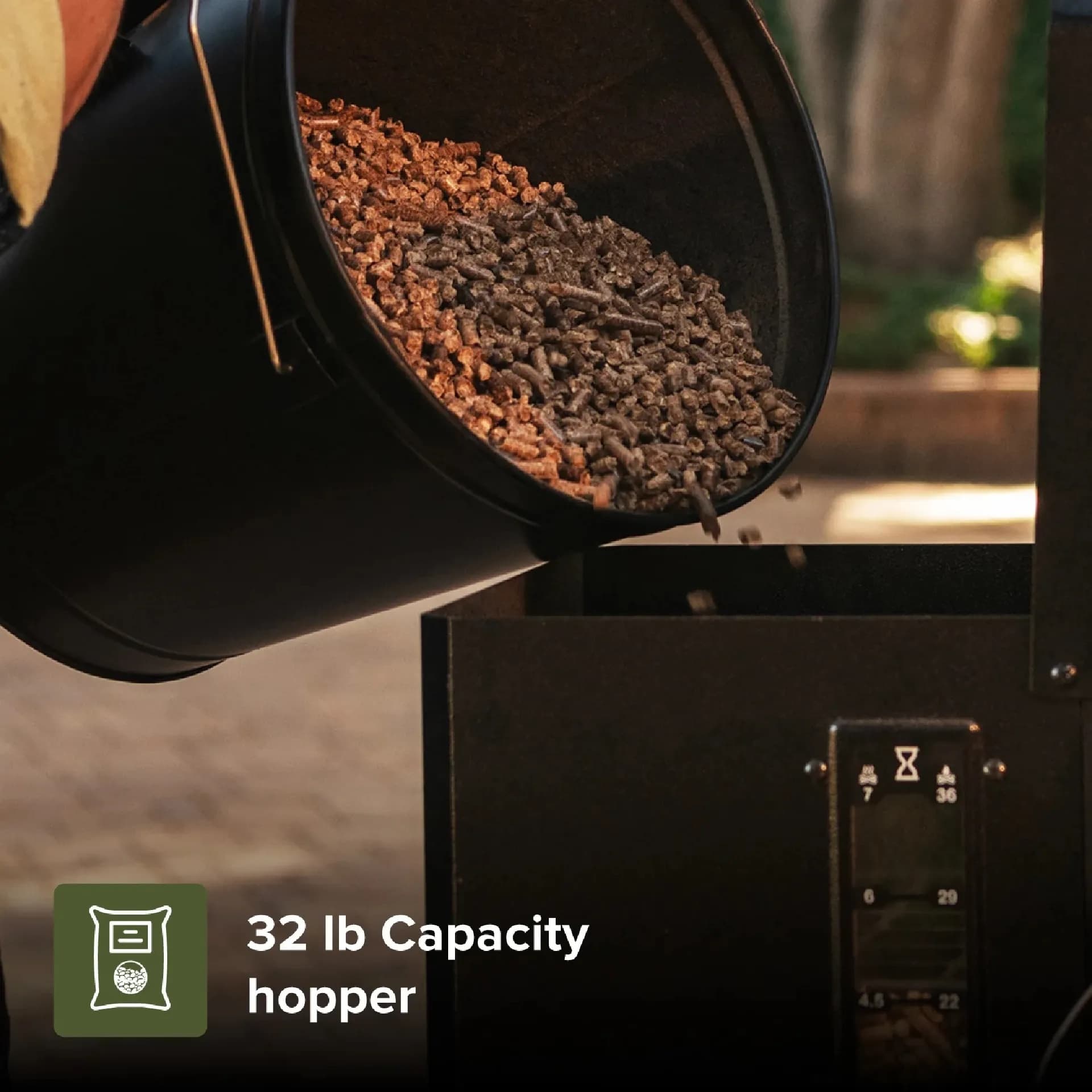
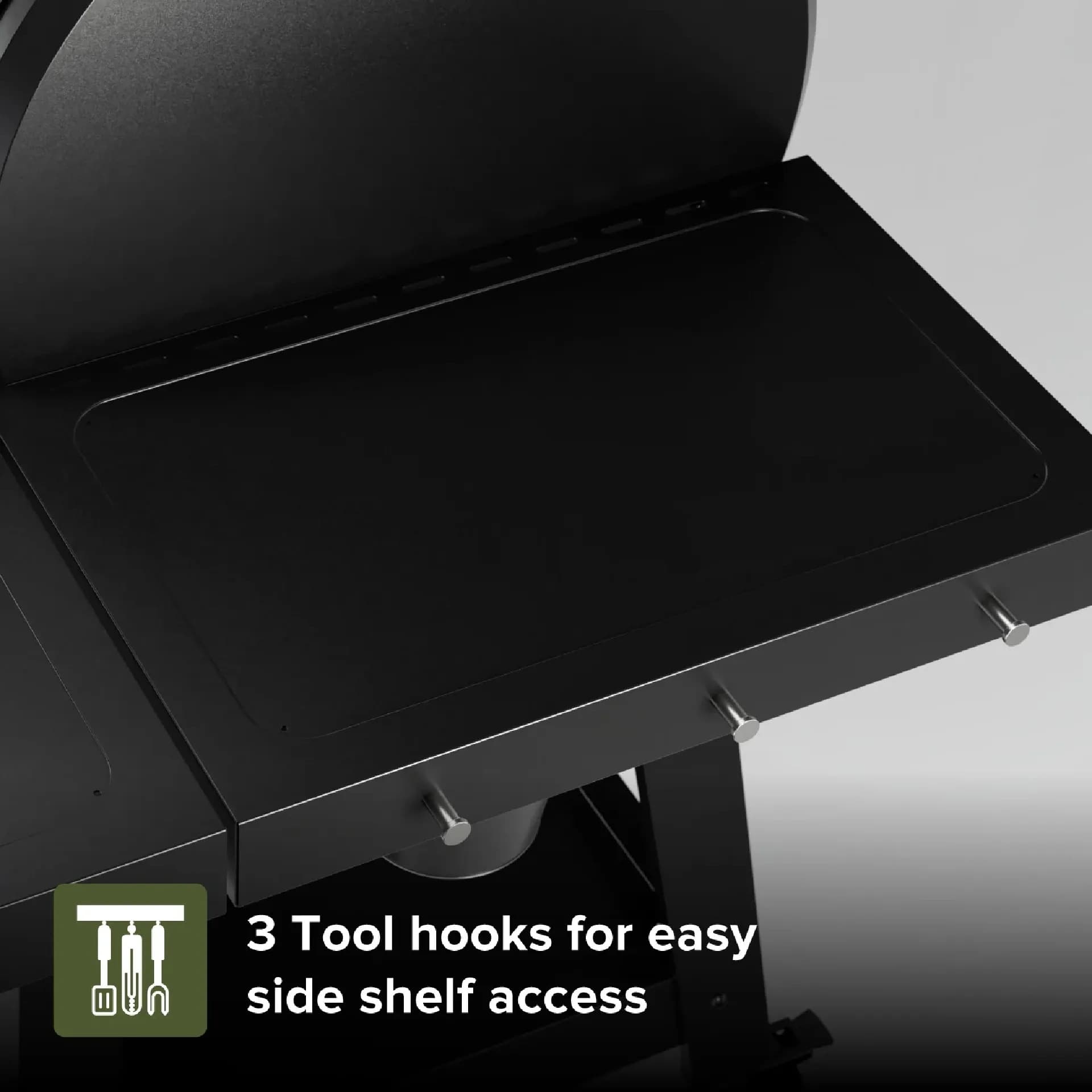
We differentiate ourselves through smart grilling products like the Oakford smart pellet grill, including app-connected cooking controls and modern outdoor cooking technology.
Expert tips, buying guides, comparisons, and inspiration for choosing and getting the most out of your grill.
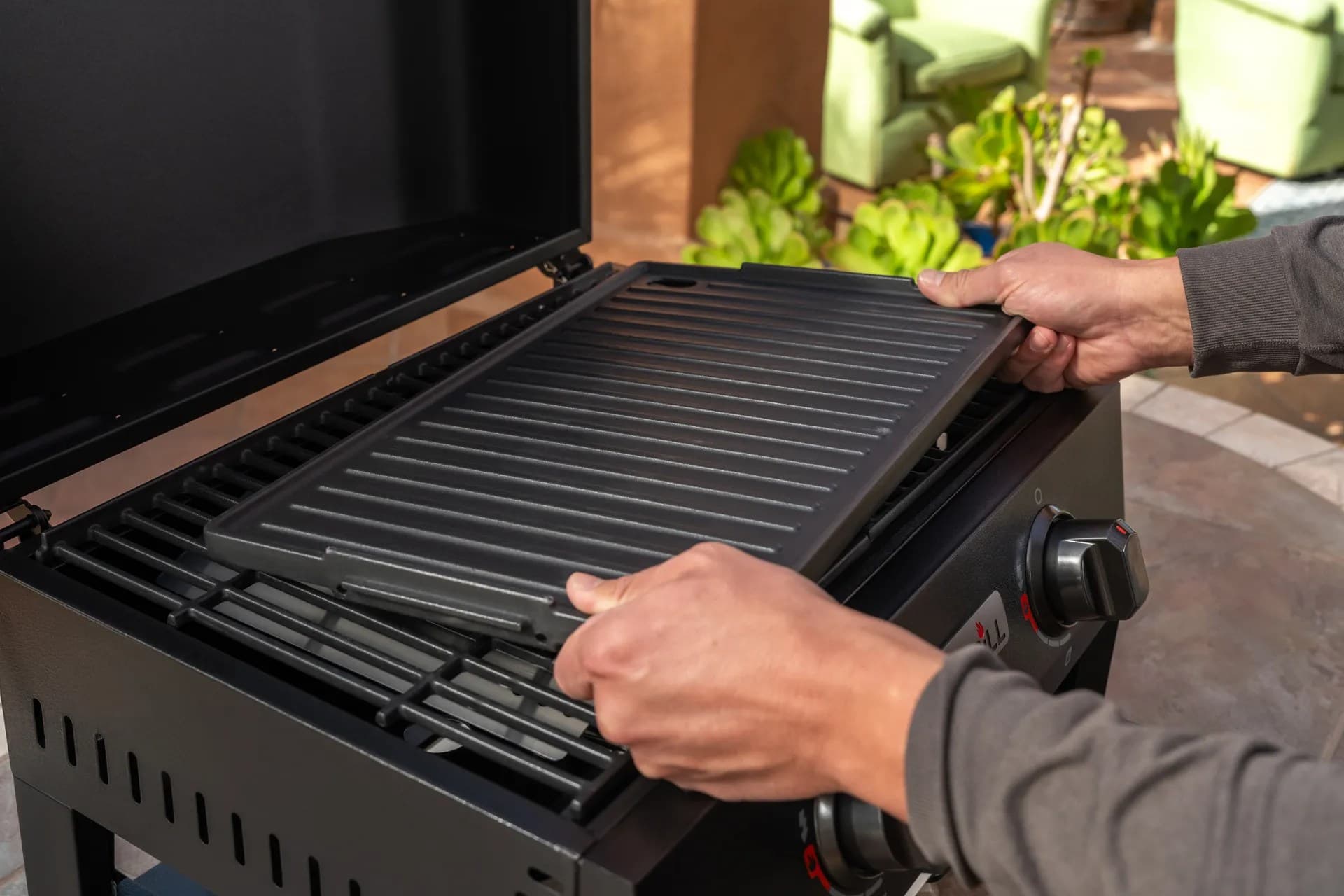
Practical guides for cleaning, maintenance, common grill issues, and performance optimization.
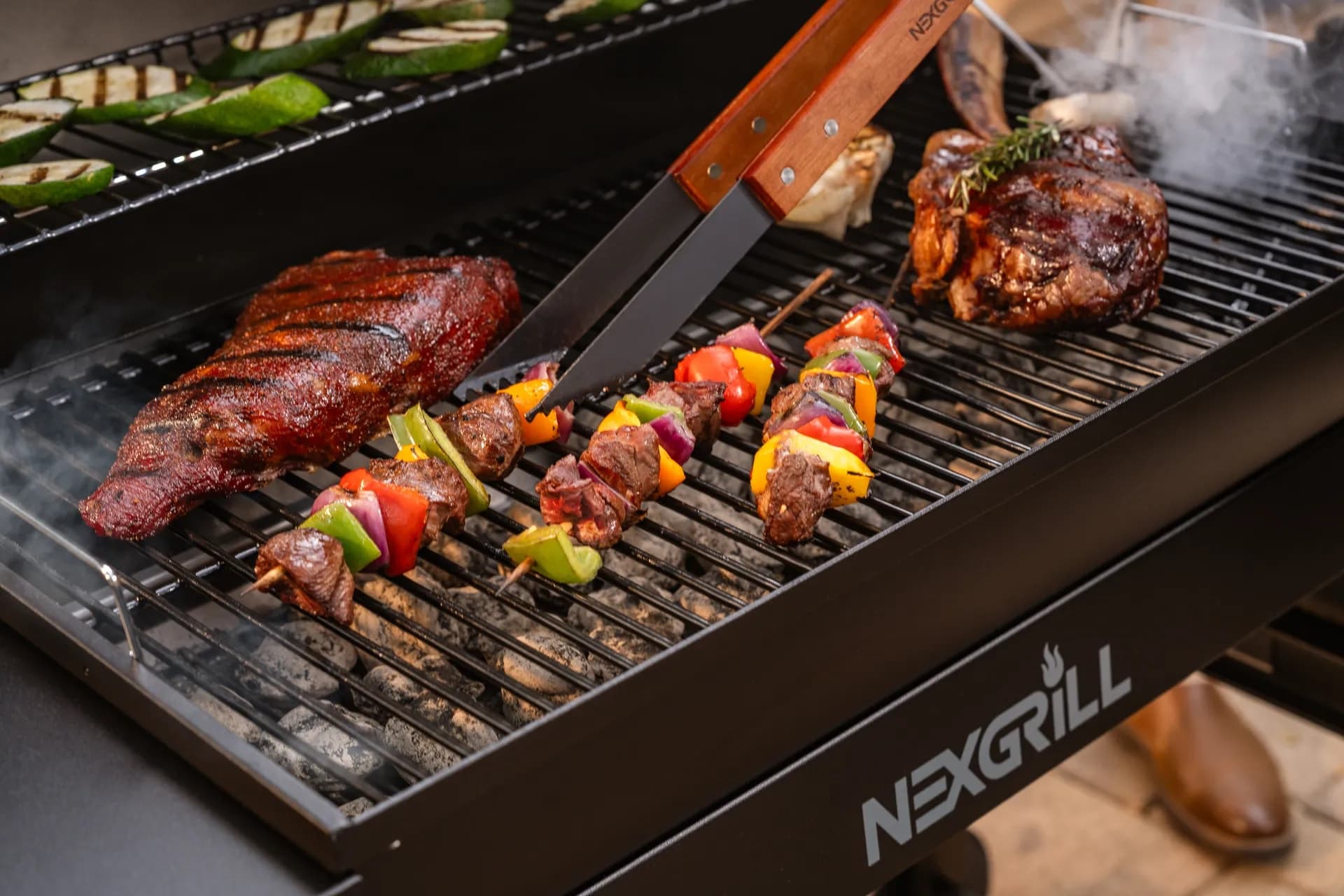
Step-by-step grilling recipes, cooking techniques, and meal ideas for every occasion and skill level.

Backyard entertaining ideas, seasonal grilling inspiration, and stories that celebrate outdoor cooking culture.
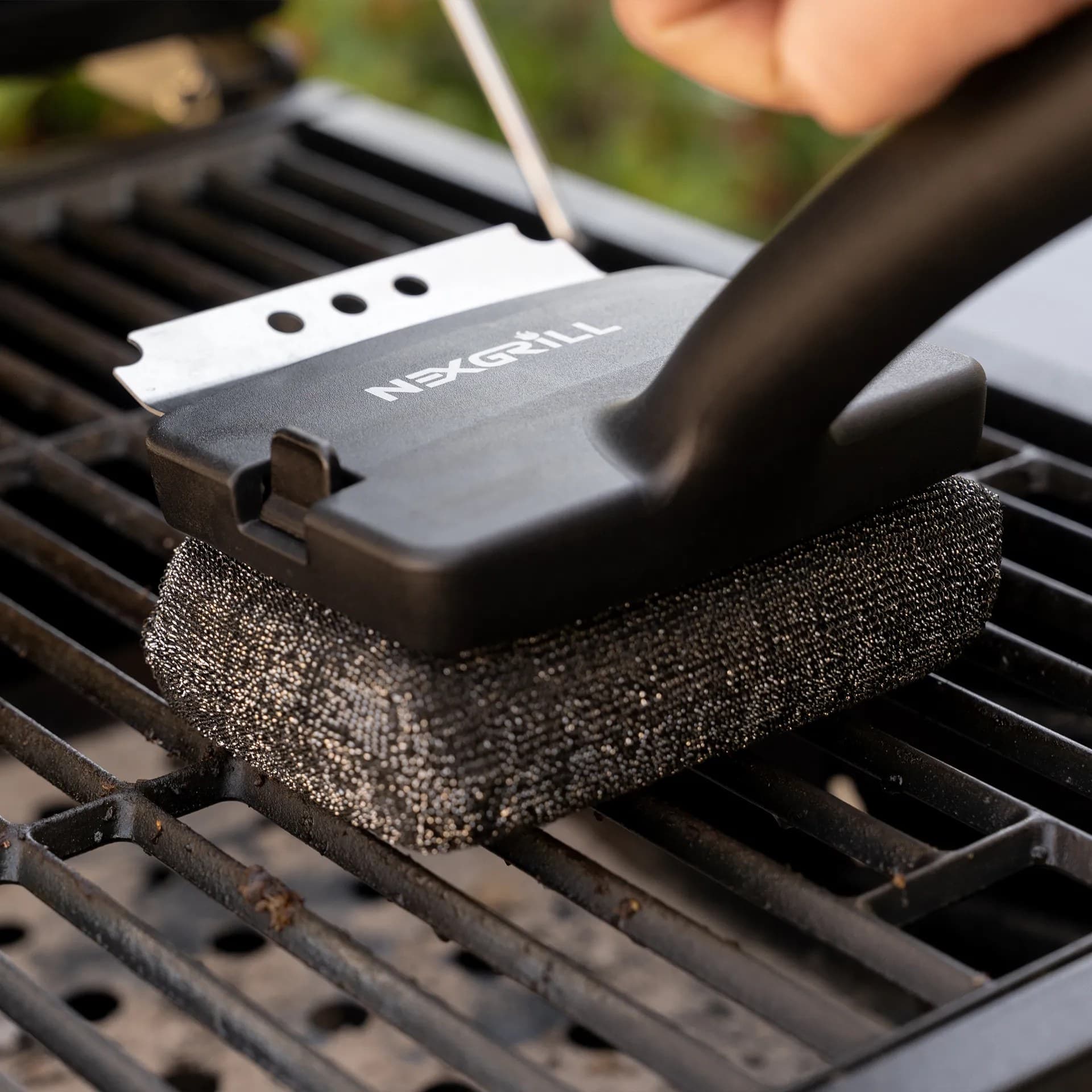
Helpful articles covering grilling tools, cookware, maintenance gear, and must-have accessories for outdoor cooking.
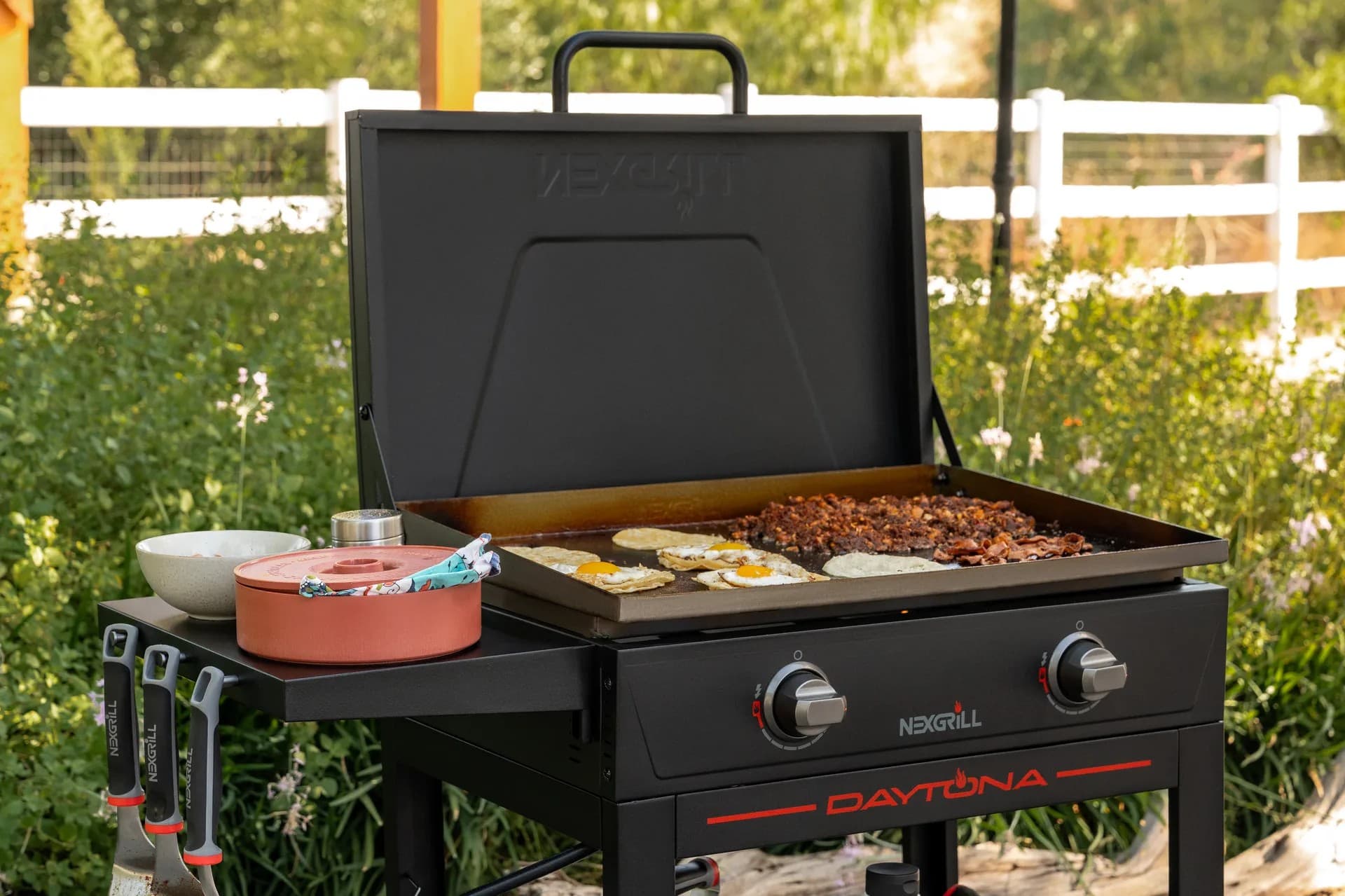
Find griddle recipes, cooking techniques, cleaning tips, and outdoor meal ideas designed for Nexgrill griddles.
Find answers to common questions
Pellet grills offer versatility by allowing you to smoke, grill, and bake with precise temperature control. They use wood pellets as fuel, providing a unique flavor to your food that is difficult to achieve with other types of grills.
Consider factors such as cooking capacity, temperature range, and additional features like digital controls or Wi-Fi connectivity. Assessing your cooking habits and space availability can also help in selecting a suitable model.
You can use a variety of food-grade wood pellets, including oak, hickory, mesquite, cherry, and apple. Each type of wood imparts a different flavor to your food, allowing for a unique grilling experience.
Regular cleaning involves emptying the ash pan, cleaning the heat diffusers, and wiping down the exterior. It's also important to check for any pellet obstructions in the hopper and ensure the grill's components are in good working order.
Nexgrill pellet grills are designed to smoke effectively, offering low-temperature settings to infuse food with rich, smoky flavors. They also provide adjustable temperature controls to suit various cooking styles.
In This Article
Types of Pellet Smokers
Key Features
Brand Comparisons
A pellet smoker grill sits in a sweet spot that many backyard cooks appreciate: it combines the hands-off temperature stability of a modern cooker with the wood-fired flavor people usually associate with more traditional smoking setups. For anyone searching to buy a pellet smoker grill, the real question is not whether these cookers can smoke, grill, or roast, but which configuration fits the way you actually cook. That matters because a pellet unit is more than a heat source. It becomes part of your cooking routine, your space, and your style of entertaining. Nexgrill’s brand approach emphasizes approachable outdoor cooking and community, and that spirit is a good fit for pellet cooking, where the goal is often to make good food easier to share with family and friends .
At a practical level, pellet smoker grills burn compressed hardwood pellets and feed them into a fire pot in controlled amounts. A controller manages that feed rate, which is why many buyers like the consistency: once you set the temperature, the grill does much of the regulating work for you. That makes pellet cookers especially appealing to beginners who want smoke flavor without learning every detail of live-fire management on day one. It also appeals to experienced grillers who want low-and-slow performance for ribs, brisket, pork shoulder, salmon, or baked sides without constantly tending the fire. If you want to improve your skills, check out Mastering Pellet Grill Maintenance to learn more.
The biggest advantage for most households is convenience with character. Pellet grills generally do not deliver exactly the same direct-flame sear as a high-BTU gas grill or a charcoal kettle, but they trade that for steady temperatures, broad flavor versatility, and a friendlier learning curve. If your priority is to cook dinner on a weeknight, smoke a pork butt on Saturday, and still have enough control to roast vegetables or finish chicken at a higher temperature, a pellet smoker grill is usually easier to live with than a more manual smoker. That balance is why these products have become a common first serious outdoor cooking purchase.
Info: Pellet cooking is especially forgiving for new owners because the controller and pellet feed system handle most of the temperature work for you.
Can handle smoking, roasting, baking, and some grilling tasks, depending on the model
When you buy a pellet smoker grill, the first meaningful decision is size and use case. Portable pellet grills are built for camping, tailgating, cabin weekends, and smaller patios where floor space matters. They are easier to move, easier to store, and often simpler to clean, but they usually give up cooking surface and long unattended run time. If you mostly cook for two to four people or want a cooker you can load into a vehicle for a long weekend, portability may matter more than raw capacity.
Mid-size backyard pellet grills are the category most families end up choosing. They generally provide enough grate area for chicken halves, ribs, vegetables, and a few side dishes at once without dominating the patio. For many U.S. households, this is the best compromise between fuel use, footprint, and cooking flexibility. This category is also where many first-time pellet buyers feel most comfortable, because the grill is large enough to feel useful but not so large that you are paying for capacity you will rarely fill.
Large-capacity pellet grills are better suited to people who host often, cook multiple proteins at once, or want to smoke enough food for a neighborhood gathering. These models matter when your typical menu is more demanding: whole briskets, multiple racks of ribs, or a mix of meats and vegetables for a crowd. Some larger grills are also built with more substantial construction, which can help with temperature recovery when you open the lid repeatedly during a long cook. If you value batch cooking or want to do all-day barbecue without cramming food together, bigger usually makes more sense.
WiFi-enabled pellet grills occupy another lane entirely. They are designed for cooks who want remote monitoring, app-based temperature checks, and finer control over long cooks. That does not make them necessary for everyone, but they can be extremely useful if you like to smoke overnight, step away from the grill while preparing sides, or monitor temperatures from indoors. For a buyer who is already comfortable with pellet cooking, WiFi can be the feature that turns the grill from a weekend hobby into a much more manageable routine.
| Type | Best use case | Trade-off |
|---|---|---|
| Portable | Camping, tailgating, compact patios | Less cooking space and run time |
| Mid-size backyard | Family dinners and weekend smoking | May not suit very large crowds |
| Large capacity | Entertaining and batch cooking | More footprint and higher pellet use |
| WiFi-enabled | Long cooks, monitoring from indoors | Extra cost for connected features |
If you are a beginner who wants the easiest path into pellet cooking, start with a mid-size backyard model. It gives you enough room to experiment without overwhelming you with complexity. If you travel, tailgate, or cook in tight quarters, a portable unit makes more sense because it will actually get used instead of staying tucked in a garage. If you already know you host large gatherings or smoke for freezer meals, invest in the bigger footprint now rather than trying to upgrade after a season of crowding your cooking surface. And if you are the kind of cook who likes to set a brisket overnight and check it from bed or from the couch, connected controls deserve a spot on your shortlist.
Warning: Choosing a pellet grill only by size can backfire. Pay equal attention to how you cook, where the grill will live, and whether you need portability or remote monitoring.
The easiest mistake to make when shopping is to focus on one headline spec and ignore the full cooking experience. With pellet smoker grills, temperature control is usually the first feature to check because it directly shapes how well the grill handles low-and-slow smoking and everyday roasting. A stable controller helps hold a target temperature more consistently, which is especially important on longer cooks where swings can affect bark development, moisture retention, and timing. If the controller is clumsy, the rest of the grill will feel less refined no matter how large the cooking chamber is.
Cooking space is equally important, but the right amount is less about total square inches and more about how that space is arranged. A well-designed grate layout can fit ribs, a couple of chickens, or a brisket without forcing everything too close together. For families, side shelves and prep surfaces often matter more in practice than a few extra inches of grate area. They reduce the back-and-forth between kitchen and patio and make the grill feel more like an outdoor workstation. If the model includes a warming rack, that can be especially useful for holding finished food while the rest of the meal catches up.
Material quality is another deciding factor. Pellet grills spend a lot of time outdoors, exposed to moisture, sun, and temperature swings. Sturdier steel construction, a well-fitted lid, and dependable hardware usually pay off over time because they help the grill retain heat and resist wear. Wheels or casters sound minor until you need to move the grill across a patio or store it for the winter. Likewise, a quality cover can be a small accessory that protects a much larger investment. It is smart to budget for cover, pellets, and cleaning tools at the same time you budget for the grill itself.
| Feature | Why it matters | What to check |
|---|---|---|
| Temperature control | Affects consistency on smoke and roast cooks | Controller type, temperature range, recovery speed |
| Cooking space | Determines how much food fits at once | Usable grate layout, not just headline square inches |
| Construction quality | Impacts durability and heat retention | Steel thickness, lid fit, hardware quality |
| Ease of cleaning | Affects how often you will use the grill | Ash management, grease access, removable parts |
A pellet smoker grill should also fit your habits after the meal is over. If cleanup feels tedious, you will be less likely to use the cooker as often. That is why practical details like hopper access, grease drainage, and removable components matter more than many first-time buyers expect. The best purchase is the one that stays inviting after the novelty wears off. Try comparing two products side by side below to see which fits best:
Once you've weighed two options against each other, the broader brand picture becomes clearer. Traeger, Pit Boss, and Z Grills all speak to different buyer priorities, and the right choice depends on whether you value refinement, capacity, or a more budget-conscious feature set. Traeger is often associated with a polished ownership experience and strong brand recognition in the pellet category. Pit Boss tends to attract shoppers looking for generous cooking space and practical value. Z Grills often appeals to buyers who want a lower entry price while still getting into the pellet-smoking world. These are broad tendencies rather than hard rules, but they are useful when you narrow a shortlist.
Traeger buyers often prioritize a smoother ecosystem: user experience, accessory support, and a well-known brand name that feels reassuring for a first purchase. If you want a pellet grill that fits the “set it, monitor it, and cook for the family” mindset, Traeger is frequently at the top of the conversation. Pit Boss, by contrast, is often chosen by cooks who want a larger footprint or more feature-per-dollar value. That can matter when your main concern is whether you can smoke enough food for a crowd without stepping up too far in price. Z Grills is commonly seen as a gateway into pellet cooking, especially for shoppers who want to test the category without making a large initial commitment.
| Brand | Best for | Typical buyer mindset |
|---|---|---|
| Traeger | Users who value a refined experience | Wants confidence, polish, and a familiar name |
| Pit Boss | Buyers seeking capacity and practical value | Wants more cooking room for the money |
| Z Grills | First-time pellet buyers on a tighter budget | Wants a lower-risk way to enter pellet cooking |
A smart pellet smoker grill purchase starts with a simple checklist. First, define the food you cook most often. If your menu is mainly weeknight chicken, vegetables, and the occasional rack of ribs, you do not need to overbuy capacity. If your household routinely entertains or you want to cook once and eat for days, bigger grate area and stronger heat management make more sense. Second, decide how much control you want over the process. Some owners love monitoring temperatures from an app; others are perfectly happy walking out to the patio once in a while and checking the lid thermometer. Third, think about storage and weather protection. Pellet grills live outdoors more often than not, so a durable cover and a sheltered location are part of the purchase decision, not afterthoughts.
Budget planning should include more than the sticker price. Pellets are an ongoing consumable, and accessories like a cover, cleaning tools, and perhaps a meat thermometer can change your real first-year cost. As a rough U.S. buying framework, entry-level pellet grills often sit in the lower hundreds, mid-range backyard models commonly land higher, and connected or larger-capacity units can move into a premium bracket. Those numbers vary by sale cycle and included features, so the best way to compare value is to look at what is included out of the box. A cheaper grill with poor temperature stability may frustrate you more than a slightly higher-priced option that cooks more predictably.
Beginner-friendly buyers should prioritize simplicity: clear controls, easy hopper access, straightforward cleanup, and enough cooking space for family meals without excess complexity. Experienced pitmasters, meanwhile, may want finer controller settings, larger smoke capacity, and a better fit for overnight cooks. If you are deciding between a smaller entry model and a bigger feature-rich grill, ask one practical question: which one will you use more often six months from now? The answer is usually the better investment.
Tip: Budget for pellets, a cover, and a quality instant-read thermometer at the same time you budget for the grill. Those extras affect how satisfying the first season will feel.
User feedback on pellet smoker grills tends to cluster around the same themes: ease of use, smoke flavor, and how often the grill gets used compared with older equipment. First-time owners commonly praise the simplicity of setting a temperature and walking away without feeling like they need to babysit the fire. Families also tend to appreciate that pellet grills make it easier to cook a full meal outdoors instead of only one protein at a time. In practical terms, that means fewer timing issues and a smoother dinner flow when guests are on the way.
Many reviews also point out the learning curve that still exists. Pellet grills are easier than traditional offset smokers, but they are not magic. New owners learn quickly that pellet quality, weather conditions, and how full the hopper is can influence results. Once that learning curve is understood, satisfaction usually improves because expectations are more realistic. People who treat a pellet cooker as a flexible outdoor oven with smoke capabilities often end up happier than buyers who expect charcoal-style searing in every scenario.
Info: The most common positive review themes are convenience, steady heat, and a better chance of using the grill more often during the week.
The best way to buy a pellet smoker grill is to match the grill to your real routine, not to an idealized version of your future barbecue life. Start with your household size, the food you cook most, the amount of patio space you have, and whether remote monitoring or portability matters to you. Then compare temperature control, cooking area, build quality, and cleanup convenience before you look at brand names or accessories. Traeger, Pit Boss, and Z Grills each appeal to different shoppers, but the right grill is the one that makes you want to cook more often and with less friction.
If you are buying your first pellet smoker grill, choose the model that will feel easy on a Tuesday night and capable enough for a Saturday gathering. That combination is what turns a grill from a purchase into a habit. Explore the options, compare the specs carefully, and choose the cooker that fits your table, your patio, and your pace.
Here's what sets us apart
We position ourselves as delivering high-end outdoor cooking features and performance without premium-brand pricing, emphasizing “Quality Grills. Unbelievable Value.”
We offer gas grills, pellet grills, griddles, smokers, pizza ovens, portable/tabletop grills, electric grills, accessories, and replacement parts — allowing customers to stay within one ecosystem for all outdoor cooking needs.
We differentiate ourselves through smart grilling products like the Oakford smart pellet grill, including app-connected cooking controls and modern outdoor cooking technology.
Don't just take our word for it
Keep reading
From our catalog