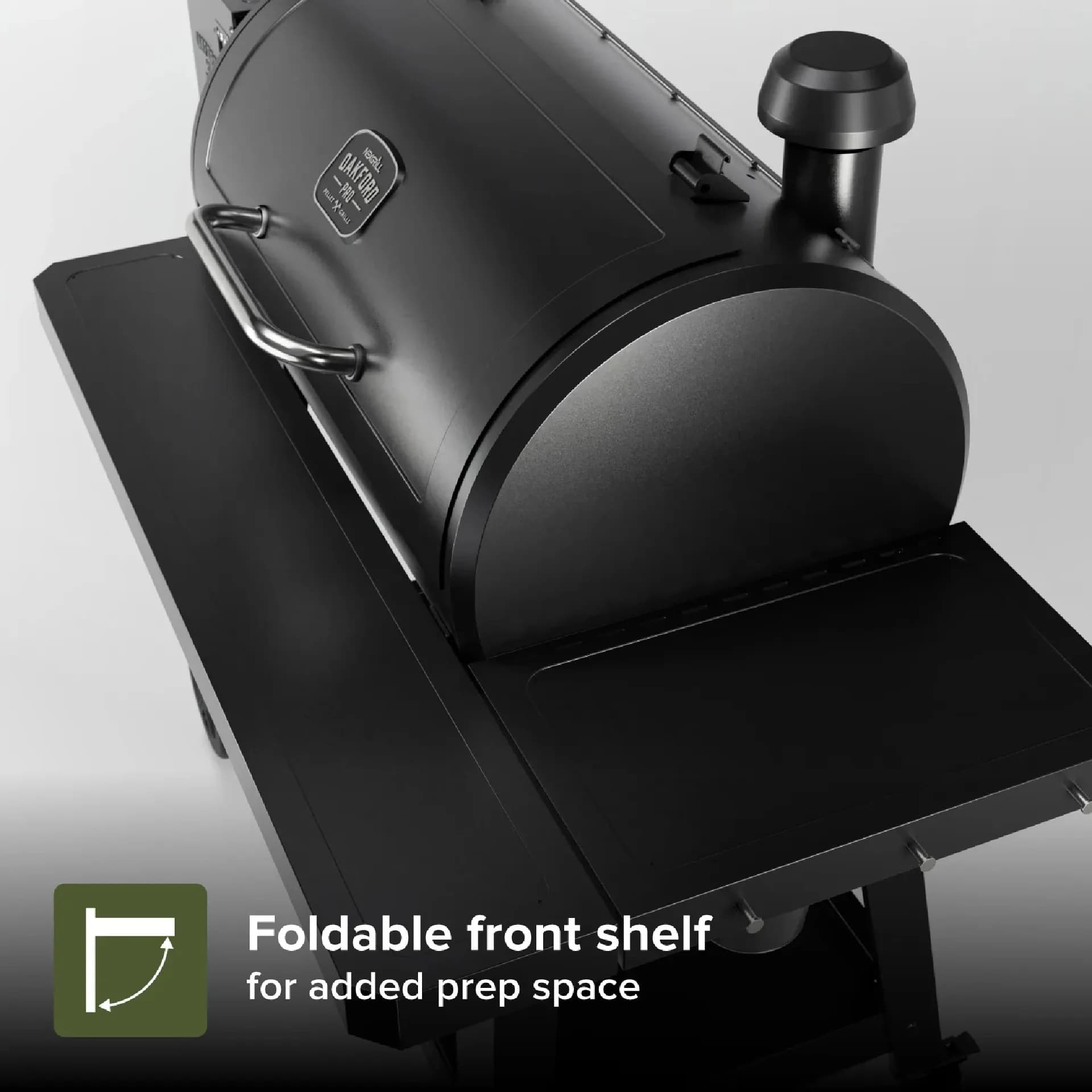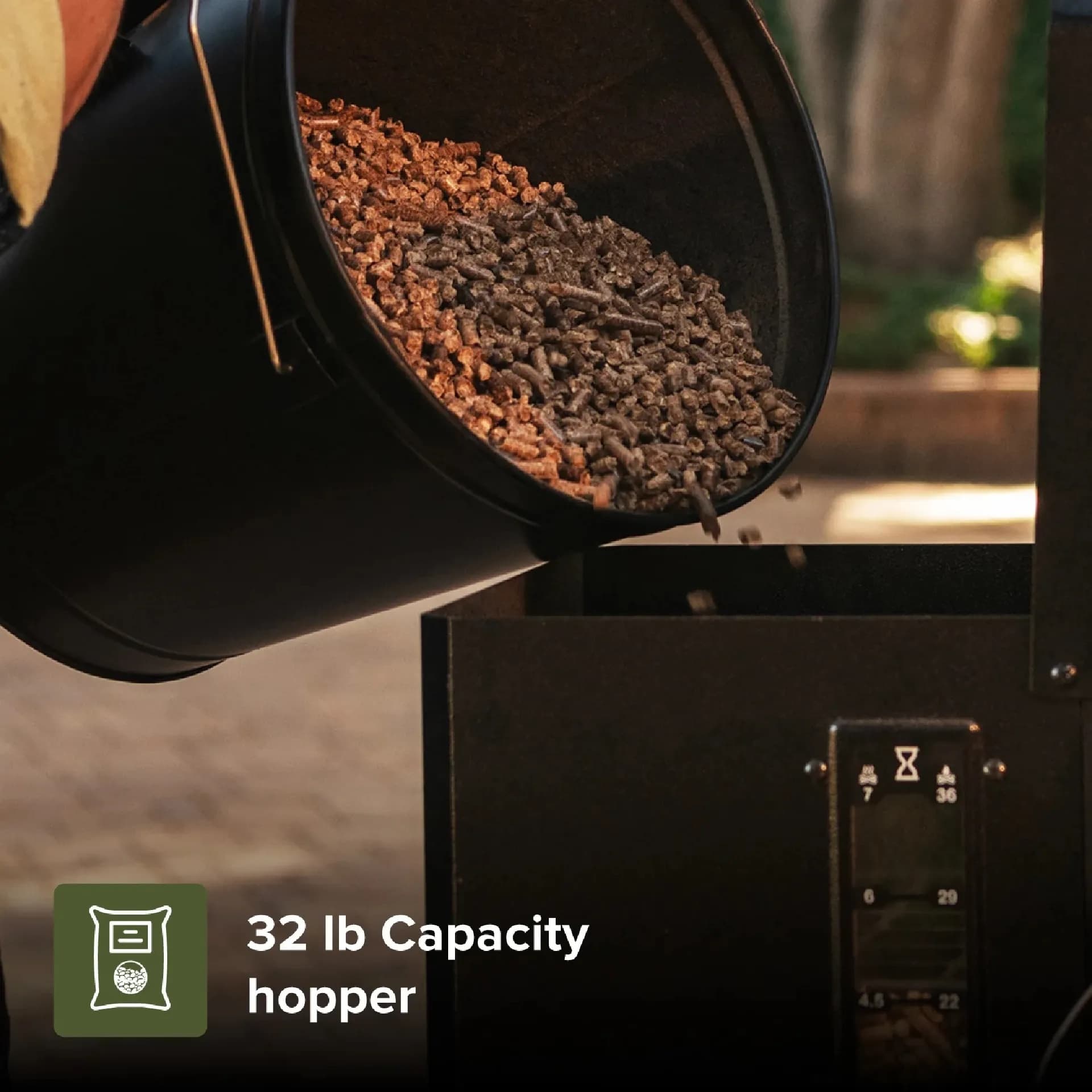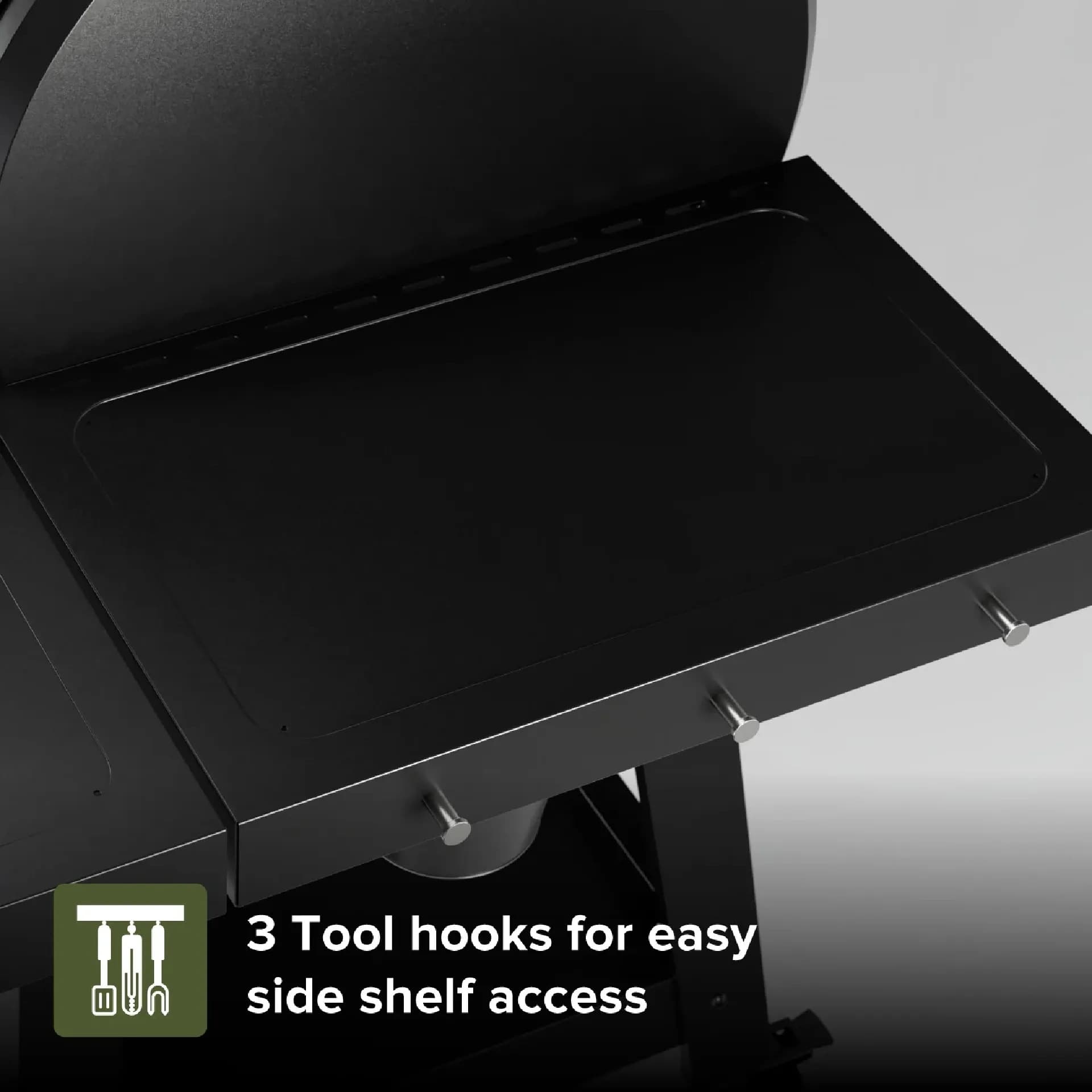
Explore the benefits and features of smart pellet grills to enhance your outdoor cooking experience.
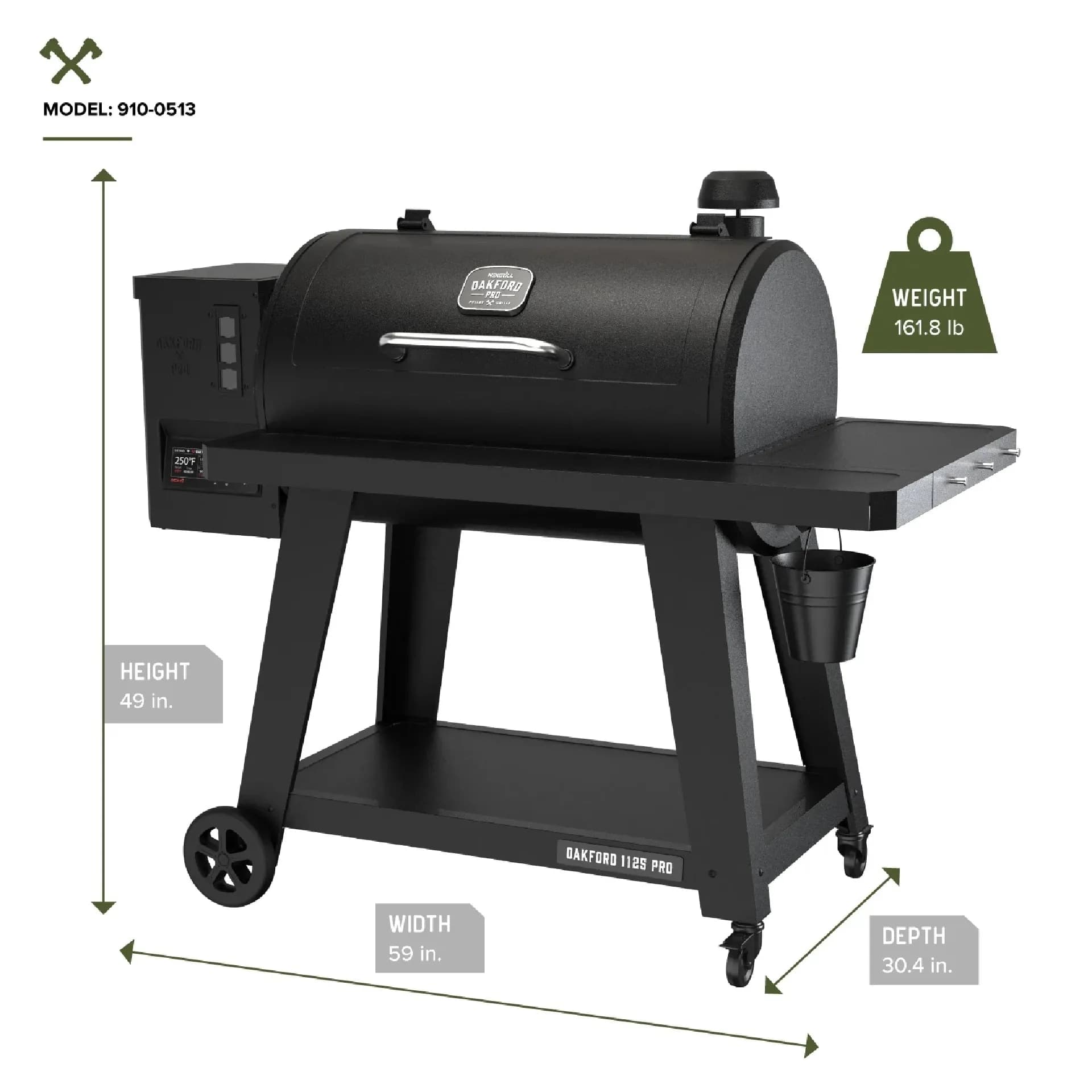
Here's what sets us apart from the competition
We position ourselves as delivering high-end outdoor cooking features and performance without premium-brand pricing, emphasizing “Quality Grills. Unbelievable Value.”
We offer gas grills, pellet grills, griddles, smokers, pizza ovens, portable/tabletop grills, electric grills, accessories, and replacement parts — allowing customers to stay within one ecosystem for all outdoor cooking needs.
We differentiate ourselves through smart grilling products like the Oakford smart pellet grill, including app-connected cooking controls and modern outdoor cooking technology.
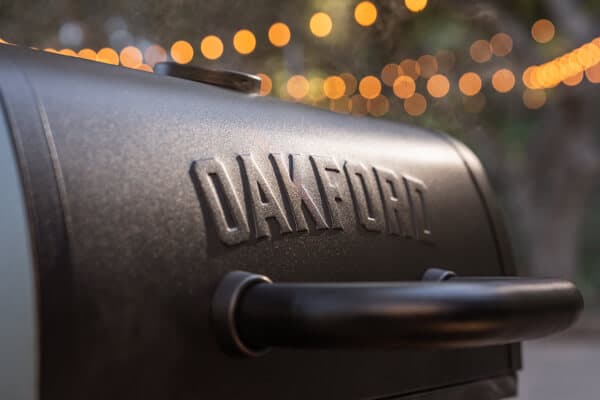
Expert tips, buying guides, comparisons, and inspiration for choosing and getting the most out of your grill.
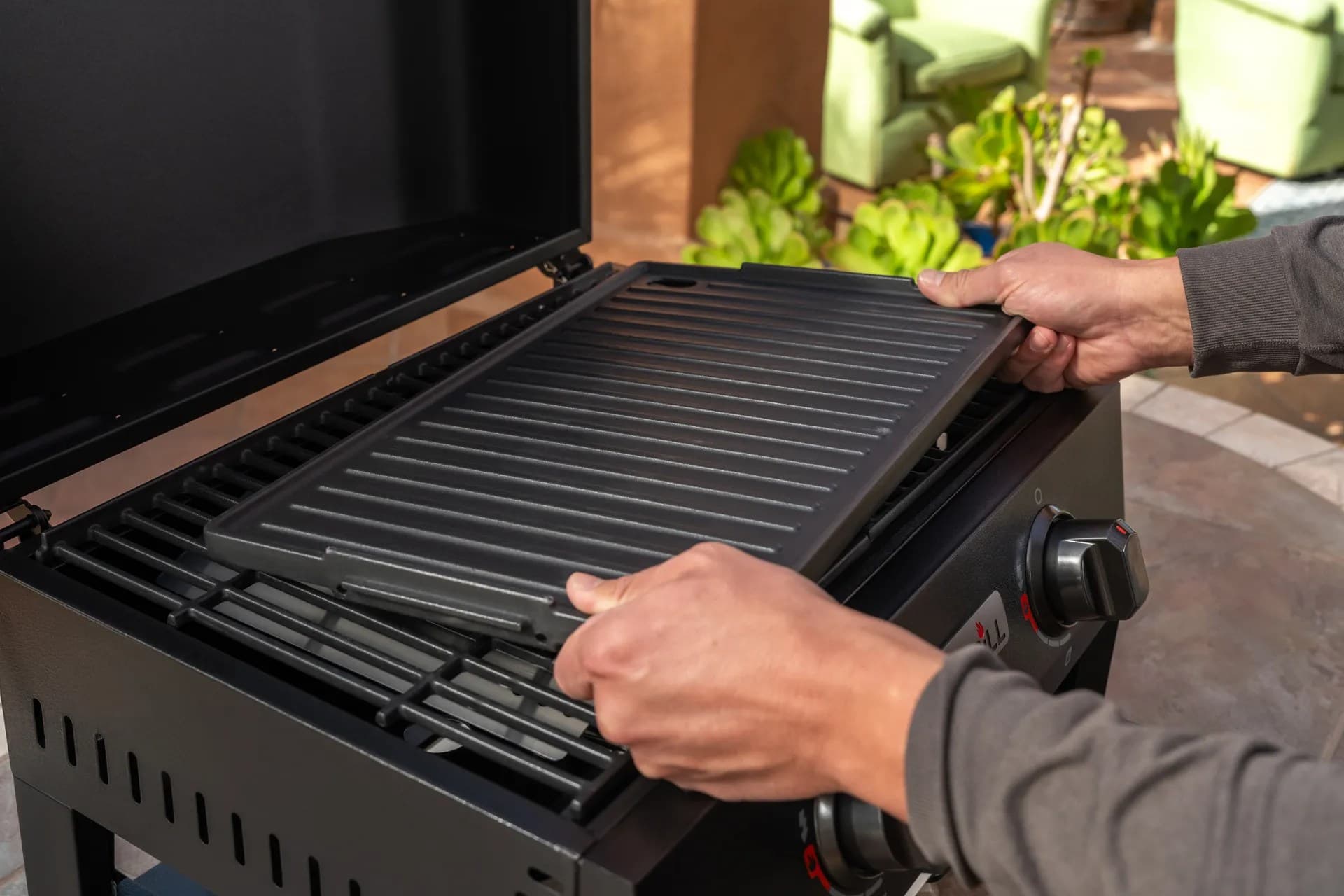
Practical guides for cleaning, maintenance, common grill issues, and performance optimization.
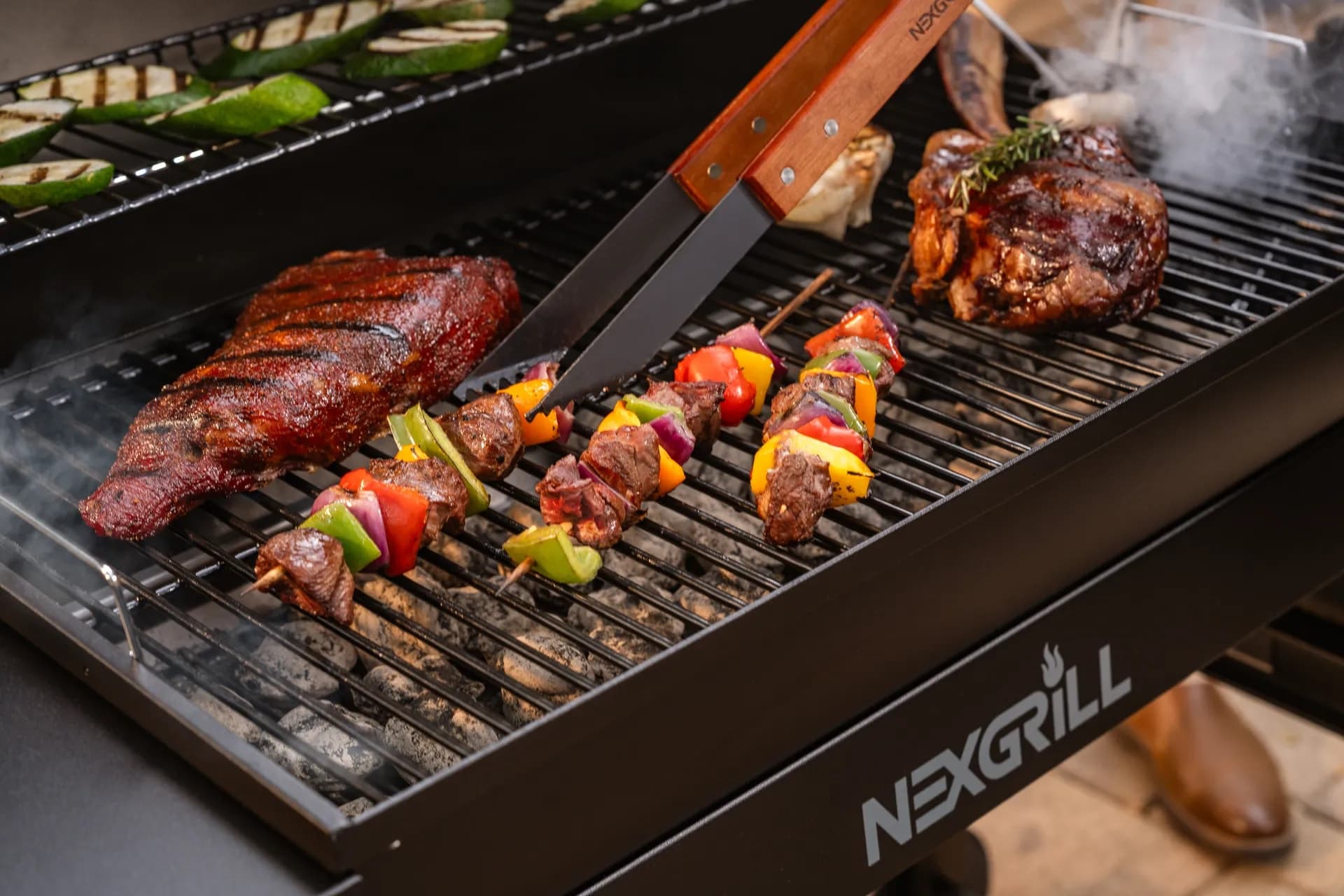
Step-by-step grilling recipes, cooking techniques, and meal ideas for every occasion and skill level.

Backyard entertaining ideas, seasonal grilling inspiration, and stories that celebrate outdoor cooking culture.
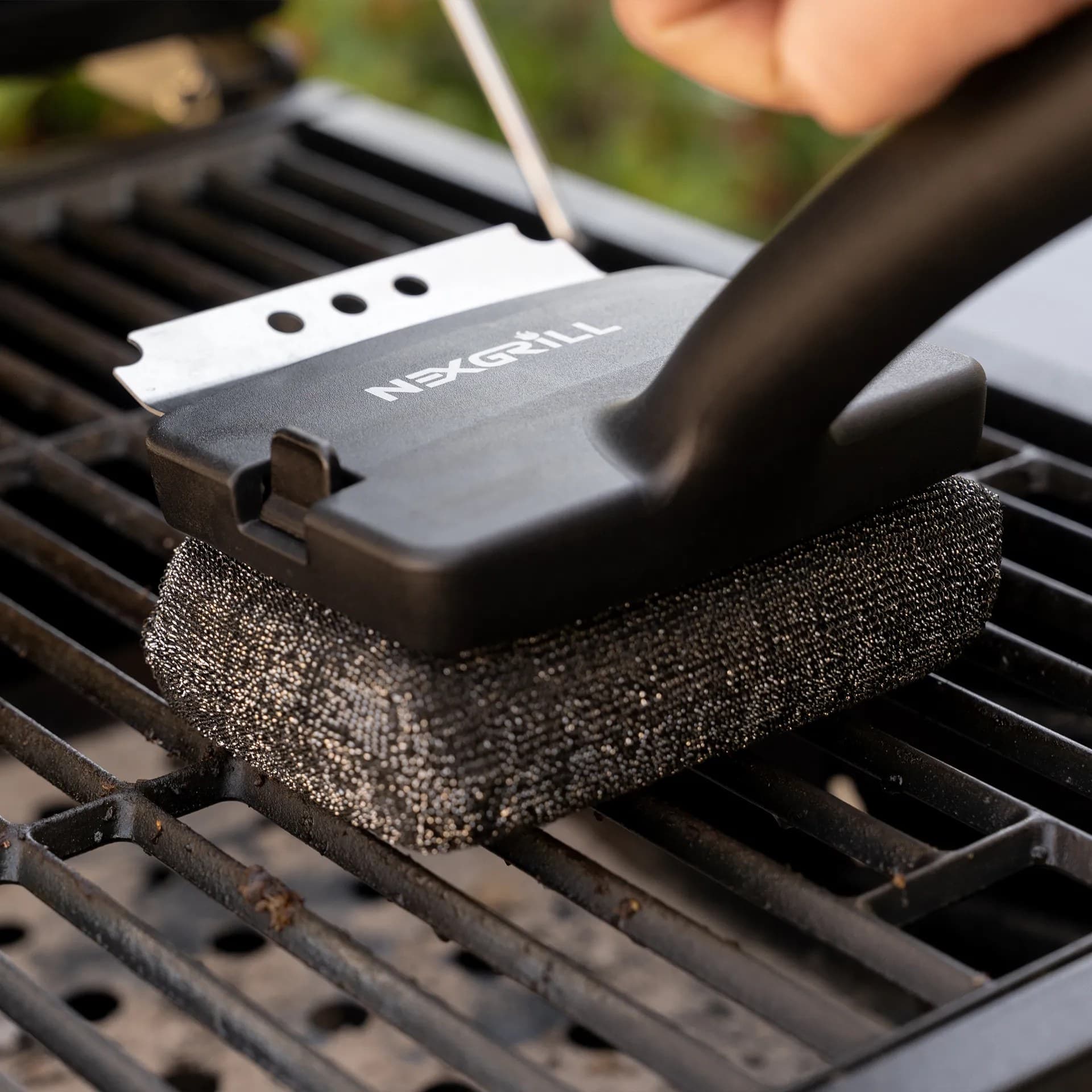
Helpful articles covering grilling tools, cookware, maintenance gear, and must-have accessories for outdoor cooking.
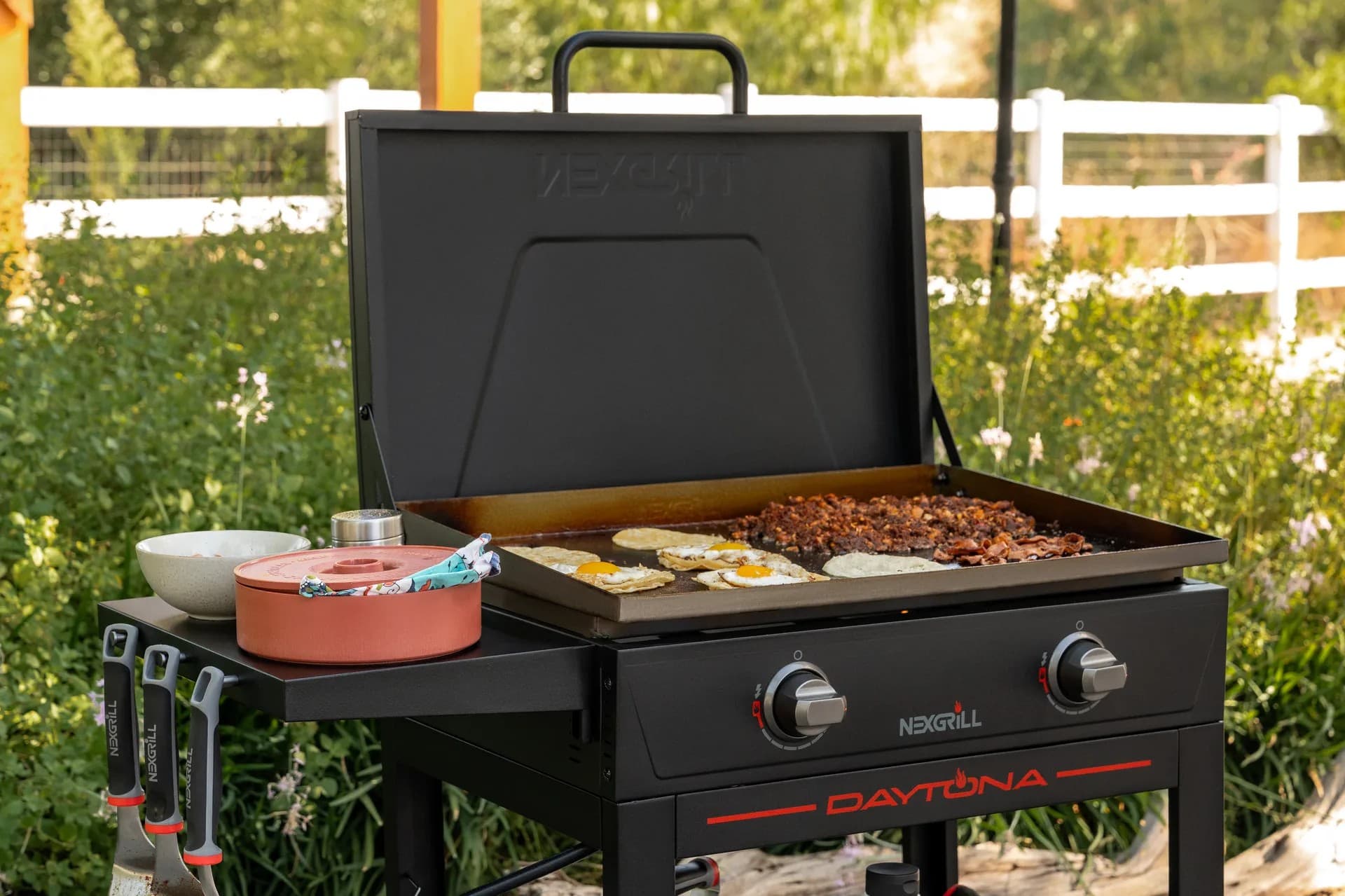
Find griddle recipes, cooking techniques, cleaning tips, and outdoor meal ideas designed for Nexgrill griddles.
Find answers to common questions
Pellet grills offer versatility by allowing you to smoke, grill, and bake with precise temperature control. They use wood pellets as fuel, providing a unique flavor to your food that is difficult to achieve with other types of grills.
Consider factors such as cooking capacity, temperature range, and additional features like digital controls or Wi-Fi connectivity. Assessing your cooking habits and space availability can also help in selecting a suitable model.
You can use a variety of food-grade wood pellets, including oak, hickory, mesquite, cherry, and apple. Each type of wood imparts a different flavor to your food, allowing for a unique grilling experience.
Regular cleaning involves emptying the ash pan, cleaning the heat diffusers, and wiping down the exterior. It's also important to check for any pellet obstructions in the hopper and ensure the grill's components are in good working order.
Nexgrill pellet grills are designed to smoke effectively, offering low-temperature settings to infuse food with rich, smoky flavors. They also provide adjustable temperature controls to suit various cooking styles.
In This Article
Smart Technology Benefits
Top Brands Compared
User Experiences
Buying a pellet grill with Wi-Fi and Bluetooth is less about chasing a flashy gadget and more about deciding how you want to cook on a typical weeknight, during a long weekend smoke, or while guests are already arriving at the door. Smart pellet grills bring app-based control, temperature monitoring, and remote alerts into a category that already appeals to people who want wood-fired flavor without babysitting a firebox all day. For many buyers, that combination is the real attraction: you still get the steady heat and wood-pellet character pellet grills are known for, but you also gain the convenience of checking temperatures from the patio, the kitchen, or even a few rooms away.
The terms Wi-Fi and Bluetooth are often used together, but they solve different problems. Bluetooth is usually the short-range, direct connection that lets you pair your phone quickly when you are standing near the grill. Wi-Fi extends that experience through your home network, which is what makes true remote monitoring possible when you are inside, upstairs, or away from the backyard. In practical terms, Wi-Fi can help you follow a brisket’s progress during a party without constantly opening the lid, while Bluetooth can be handy for quick setup, local control, or situations where your network is weak near the grill. Pit Boss, Z Grills, and Recteq all position these features as part of a more convenient grilling workflow rather than as stand-alone gimmicks, and each brand explains the smart-control experience in slightly different ways .
Smart control is most valuable when you cook for long stretches. The longer the cook, the more a remote alert can save time and reduce lid-lifting.
For Nexgrill’s audience, this matters because convenience and value need to coexist. A smart pellet grill should not just connect to an app; it should make the entire cooking experience easier for a family cook, a first-time smoker, or someone who wants backyard-level results without a steep learning curve. That is where smart features become genuinely useful. Instead of hovering over the cooker, you can keep an eye on probe readings, internal temperatures, and basic timing while still spending time with the people around you. Nexgrill’s brand voice emphasizes togetherness, accessibility, and dependable outdoor cooking, which fits this category well: the grill should support the gathering, not dominate it .
Another reason smart pellet grills have grown in popularity is that they reduce the intimidation factor for newer buyers. Traditional smoking often feels like a process of constant adjustment, especially for people still learning how pellets, airflow, and ambient conditions interact. App control can flatten part of that learning curve by making temperature changes visible and easier to trust. That does not remove the need to understand your grill, but it gives you more feedback while you learn. In other words, smart technology does not replace grilling skill; it makes the skill easier to develop.
The biggest benefit of Wi-Fi and Bluetooth connectivity is simple: you stay informed without standing over the cooker. That changes how you plan meals. If you are smoking ribs for lunch, you can check progress from inside while preparing sides. If you are cooking chicken thighs and vegetables for a casual weeknight dinner, you can monitor the chamber and probe temperatures while helping with homework or setting the table. For many households, the grill becomes easier to fit into real life because the app shortens the distance between the backyard and the rest of the house.
Remote monitoring is especially helpful for long cooks, where small temperature swings matter less than overall consistency. Pellet grills are already designed for steady heat, but smart controls give you visibility into those steady conditions. On some models, alerts can notify you when the grill reaches a target temperature or when food probes hit a set point. That means you are not just guessing whether the brisket is ready or whether the grill has recovered after you opened the lid. You are working from live feedback, which can improve confidence and reduce overchecking.
Bluetooth adds another layer of convenience. It is usually faster to pair than Wi-Fi and can be useful during initial setup or for quick local adjustments. If you are staging food and want to verify settings before everyone sits down, a Bluetooth connection can be enough. Wi-Fi, by contrast, is the feature that really enables true smart-grilling flexibility. A buyer who entertains often or moves between the kitchen and the yard will usually value Wi-Fi more than Bluetooth alone, though the best experience often includes both. That is why many product pages and buying guides treat the two as complementary rather than interchangeable .
That is the practical payoff most owners notice first when they switch to a connected pellet grill.
There is also a comfort factor. When you can check temperatures from an app, you are less likely to second-guess yourself or rush to the grill every few minutes. That helps during busy weekends when guests are arriving, kids are in and out of the house, or you are juggling sides and sauces. Smart features also make it easier to share responsibility. A partner or older child can help monitor the cook without learning every detail of the controller interface. In that way, the grill becomes more usable for the whole household.
The practical downside is that connectivity should be treated as a convenience feature, not the only reason to buy. A smart grill still needs solid temperature control, a dependable controller, and enough build quality to handle regular use. Strong app features do not fix poor heat retention, and they do not compensate for a grill that is too small for your cooking style. The best connected pellet grills combine good fundamentals with smart monitoring. That is the standard to hold every brand to, whether you are comparing entry-level options or premium units.
| Brand | Smart Features | Typical Positioning | Buyer Fit |
|---|---|---|---|
| Pit Boss | Wi-Fi-focused app control, probe monitoring, broad feature coverage on many models | Value-driven smart grilling with a wide range of sizes | Buyers who want accessible pricing and connected basics |
| Z Grills | Wi-Fi app functionality emphasized in product education and setup guidance | User-friendly smart pellet grills with straightforward appeal | First-time buyers who want a simpler smart-grill learning curve |
| Recteq | Wi-Fi and Bluetooth positioned as part of a premium connected experience | Higher-end materials, stronger tech story, polished app ecosystem | Frequent grillers willing to pay more for refined control |
A brand comparison should go beyond feature checklists and focus on what the experience feels like once you are actually cooking. Pit Boss generally appeals to shoppers who want a broad lineup and strong value. Their educational material frames Wi-Fi as a practical grilling tool rather than a novelty, and that resonates with buyers who want to keep costs in check while still gaining remote monitoring . Z Grills tends to present smart grilling in a way that feels approachable, which is useful if you are new to pellet cooking and want the app to feel intuitive rather than technical .
Recteq, on the other hand, leans into the premium end of the conversation. Its materials on Bluetooth and Wi-Fi highlight convenience, precision, and the broader benefits of staying connected to your cook. That makes it attractive for buyers who already know they will use a connected grill frequently and want a more refined overall package . The real question is not which brand has smart features; it is which brand has the right balance of app usability, build quality, cooking space, and price for your habits.
If you want a practical filter, think in terms of use case. For casual family grilling, a value-oriented connected model may be enough. For long brisket cooks and weekend entertaining, a model with stable control and reliable alerts becomes more important. For someone who wants a premium ownership experience, app polish and overall construction start to matter more. Try comparing two products side by side below to see which fits best:
Once you have compared two options side by side, the next step is deciding which smart pellet grill actually fits your kitchen habits, backyard space, and budget. A buyer-focused decision should start with four questions: how often you cook, how much food you usually prepare, how important remote monitoring is, and whether you want a grill that feels simple or feature-rich. Those answers matter more than marketing language because Wi-Fi and Bluetooth are only useful when the rest of the grill supports your cooking routine.
Price is a practical starting point. In the United States, connected pellet grills commonly range from entry-level models that emphasize basic app features to premium units with stronger materials, larger cooking surfaces, and more polished control systems. As a rough buying pattern, budget-friendly smart pellet grills may appeal to households that grill a few times a month, while higher-priced models tend to make more sense for frequent smokers, backyard entertainers, and anyone who wants more precise oversight on long cooks. The right choice is not the most expensive grill; it is the one that matches how you cook without forcing you to pay for controls you will rarely use.
If your outdoor cooking area has weak Wi-Fi coverage, check whether the grill can still be managed locally over Bluetooth. That backup matters more than many shoppers realize.
Cooking space is another major factor. A smart controller can only improve the experience if the grill has enough room for the meals you actually make. A couple that cooks weeknight chicken, salmon, and vegetables may be well served by a smaller footprint. A family that hosts often, smokes multiple racks of ribs, or wants room for side dishes should look for a larger chamber and probe setup. Smart features are most valuable when they support a realistic cooking load rather than a theoretical one.
App usability deserves careful attention too. Not all connected grills offer the same notification quality, graphing detail, or setup simplicity. Some apps emphasize temperature viewing and basic alarms; others build a more complete control experience around custom presets and clearer progress tracking. For many buyers, a straightforward app that works reliably is more important than one packed with features they will never use. This is especially true for first-time pellet grill owners, who benefit from a clean interface and fewer moving parts.
Finally, think about build quality and everyday ownership. Smart controls are easier to appreciate on a grill that feels stable, seals reasonably well, and recovers temperature without fuss. If you are comparing options in the same price bracket, give extra weight to the controller reputation, customer support resources, and the quality of the included probe system. Those pieces determine whether the connected experience feels genuinely helpful or merely decorative.
User feedback on Wi-Fi and Bluetooth pellet grills usually clusters around a few recurring themes. The first is convenience. Owners often appreciate being able to step away from the grill during a long smoke without feeling like they have abandoned the cook. That matters for brisket, pork shoulder, and ribs, where the difference between hovering and monitoring can be several hours of freed-up time. Many users describe the app as the feature that changed how often they actually use the grill because the process feels less demanding.
The second recurring theme is learning confidence. New pellet grill owners often say that smart notifications make it easier to understand how long a grill takes to come up to temperature, how outside weather affects the cook, and how quickly food probes respond after the lid is opened. In practical terms, that feedback helps people cook more consistently. A grill that sends a notification when a target temperature is reached can reduce the stress of timing the rest of the meal, which is especially helpful for busy households.
The third theme is connectivity frustration, and it is worth taking seriously. Some users report occasional pairing issues, router-range limitations, or app disconnects. Others note that Bluetooth works well nearby but cannot replace Wi-Fi when they are inside the house. These are normal trade-offs for smart appliances, not deal-breakers, but buyers should expect some setup troubleshooting. Reviews tend to be most positive when owners place the grill within strong network range, update the app, and treat the first cook as a calibration run rather than a perfect showpiece meal.
Best results usually come from pairing the grill while standing nearby, then testing Wi-Fi strength before the first long cook.
Another pattern in user comments is that the smartest grill is not always the one with the longest spec sheet. Buyers often praise brands that keep the controls understandable. That is where Pit Boss, Z Grills, and Recteq differ in practical terms: some users want value and breadth, others want simplicity, and others want a premium feel that makes the extra cost worthwhile . A review worth trusting usually describes how the grill performed on a real cook, not just whether the app looked polished in the box.
Smart features add convenience, but they still depend on the same fundamentals as any pellet grill: clean burn paths, reliable power, and a controller that can sense temperatures accurately. For that reason, maintenance should include both physical care and digital care. Physically, keep the hopper dry, clear out ash regularly, and make sure grease management parts are cleaned often enough to avoid buildup. Digitally, make sure your app is updated and that your phone’s operating system is compatible with the current version of the grill software.
If Wi-Fi connection fails, start with the basics. Confirm that the grill is within range of your router, then check whether other devices on the network are also having trouble. If Bluetooth pairs but Wi-Fi does not, the issue may be with network credentials, signal strength, or a temporary app glitch. Restarting the grill controller and your phone app can often fix the simplest problems. If your grill supports both Bluetooth and Wi-Fi, use Bluetooth first for setup, then move to Wi-Fi once the initial pairing is complete. That process is usually smoother than trying to force a weak network connection from the start.
Do not let moisture sit in the hopper or around the controller. Smart electronics and wet pellet fuel do not mix well.
Food probe errors are another common complaint in connected grills. When readings seem off, confirm that probes are fully inserted, not bent, and not touching grates or bone. A probe can be technically connected but still give misleading results if it is positioned poorly. Likewise, if grill temperature seems unstable, check for ash buildup around the fire pot, ensure proper pellet flow, and verify that the lid seal is functioning as expected. Many performance problems that appear to be app issues are actually airflow or fuel-delivery issues.
Owners should also treat firmware and software updates as part of regular ownership. Connected appliances can improve over time when manufacturers refine the app or controller logic. That does not mean updates fix everything, but they can resolve pairing bugs or improve notification reliability. A good habit is to test the app before a major cook rather than discovering a problem when the pork shoulder has already been on for six hours.
The best pellet grill with Wi-Fi and Bluetooth is the one that fits your cooking style, your budget, and the level of control you want on busy days. If you value an approachable smart-grill experience, look for a model that keeps setup simple and app controls clear. If you cook long smokes often, prioritize stable monitoring, reliable alerts, and probe support. If you want a premium ownership experience, focus on the combination of connectivity, construction, and cooking capacity rather than app features alone.
In the current market, Pit Boss, Z Grills, and Recteq each offer a different angle on connected grilling, which is why comparing them side by side is so useful. Pit Boss is often the value-oriented choice, Z Grills emphasizes approachable smart cooking, and Recteq leans toward a more premium, tech-forward experience . Once you weigh price, app quality, and cooking needs together, the right decision becomes much clearer.
For buyers who care about dependable outdoor cooking and a welcoming ownership experience, smart connectivity should feel like an aid, not a hurdle. That is the most useful way to shop: choose the grill that helps you cook with less stress, more flexibility, and better timing for the meals and gatherings that matter most.
Here's what sets us apart
We position ourselves as delivering high-end outdoor cooking features and performance without premium-brand pricing, emphasizing “Quality Grills. Unbelievable Value.”
We offer gas grills, pellet grills, griddles, smokers, pizza ovens, portable/tabletop grills, electric grills, accessories, and replacement parts — allowing customers to stay within one ecosystem for all outdoor cooking needs.
We differentiate ourselves through smart grilling products like the Oakford smart pellet grill, including app-connected cooking controls and modern outdoor cooking technology.
Don't just take our word for it
Keep reading
From our catalog