Ensure your outdoor comfort with safe and reliable heating solutions.
Here's what sets us apart from the competition
We position ourselves as delivering high-end outdoor cooking features and performance without premium-brand pricing, emphasizing “Quality Grills. Unbelievable Value.”
We offer gas grills, pellet grills, griddles, smokers, pizza ovens, portable/tabletop grills, electric grills, accessories, and replacement parts — allowing customers to stay within one ecosystem for all outdoor cooking needs.
We differentiate ourselves through smart grilling products like the Oakford smart pellet grill, including app-connected cooking controls and modern outdoor cooking technology.
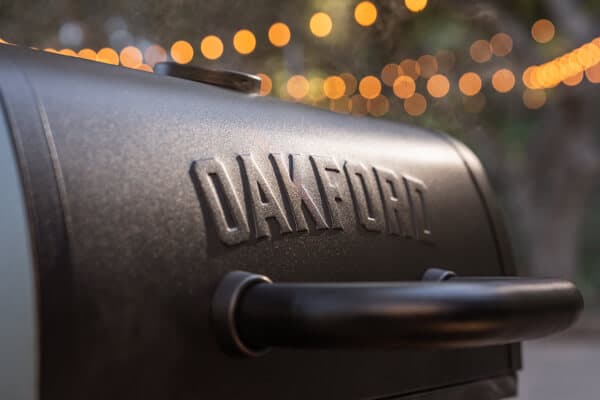
Expert tips, buying guides, comparisons, and inspiration for choosing and getting the most out of your grill.
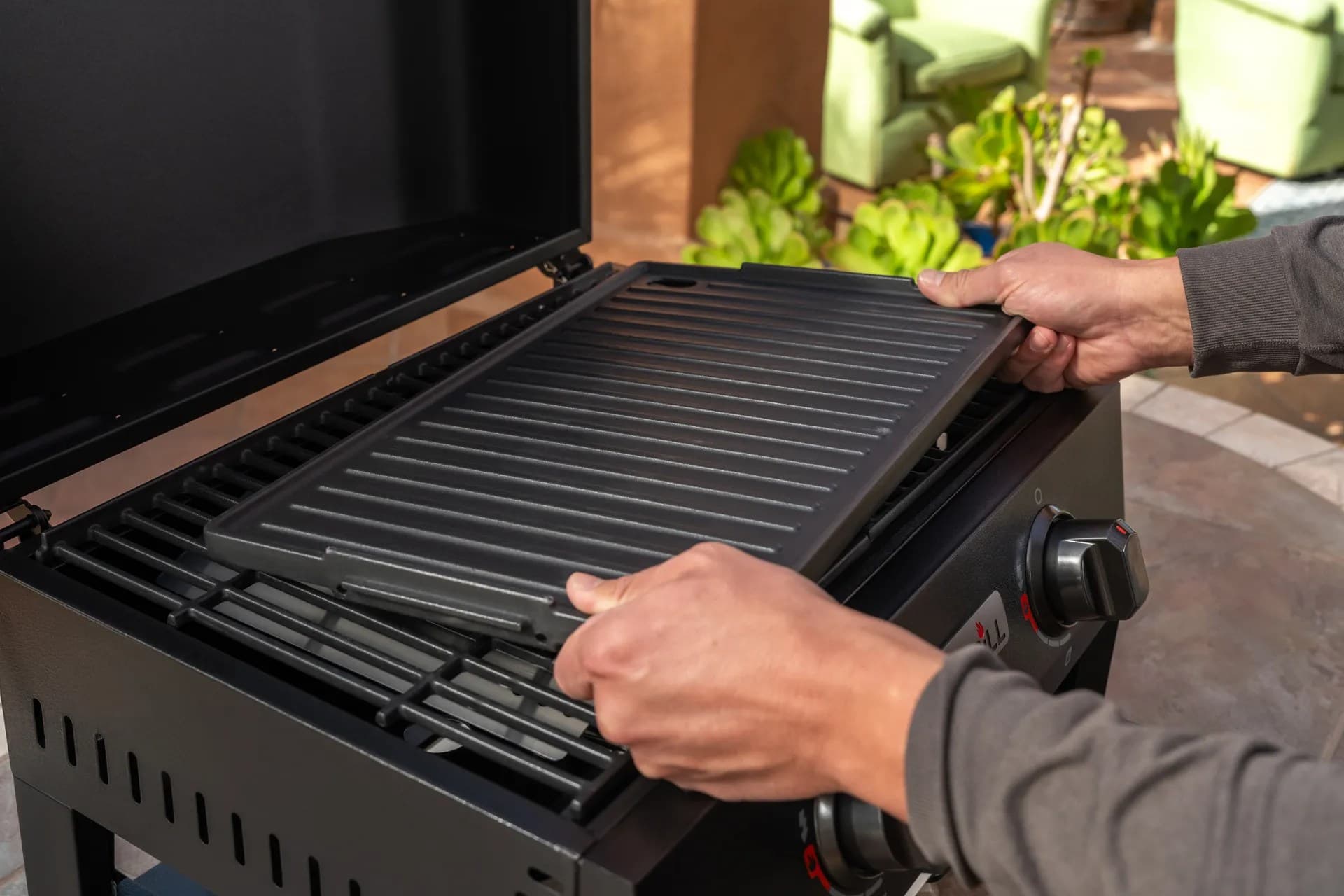
Practical guides for cleaning, maintenance, common grill issues, and performance optimization.
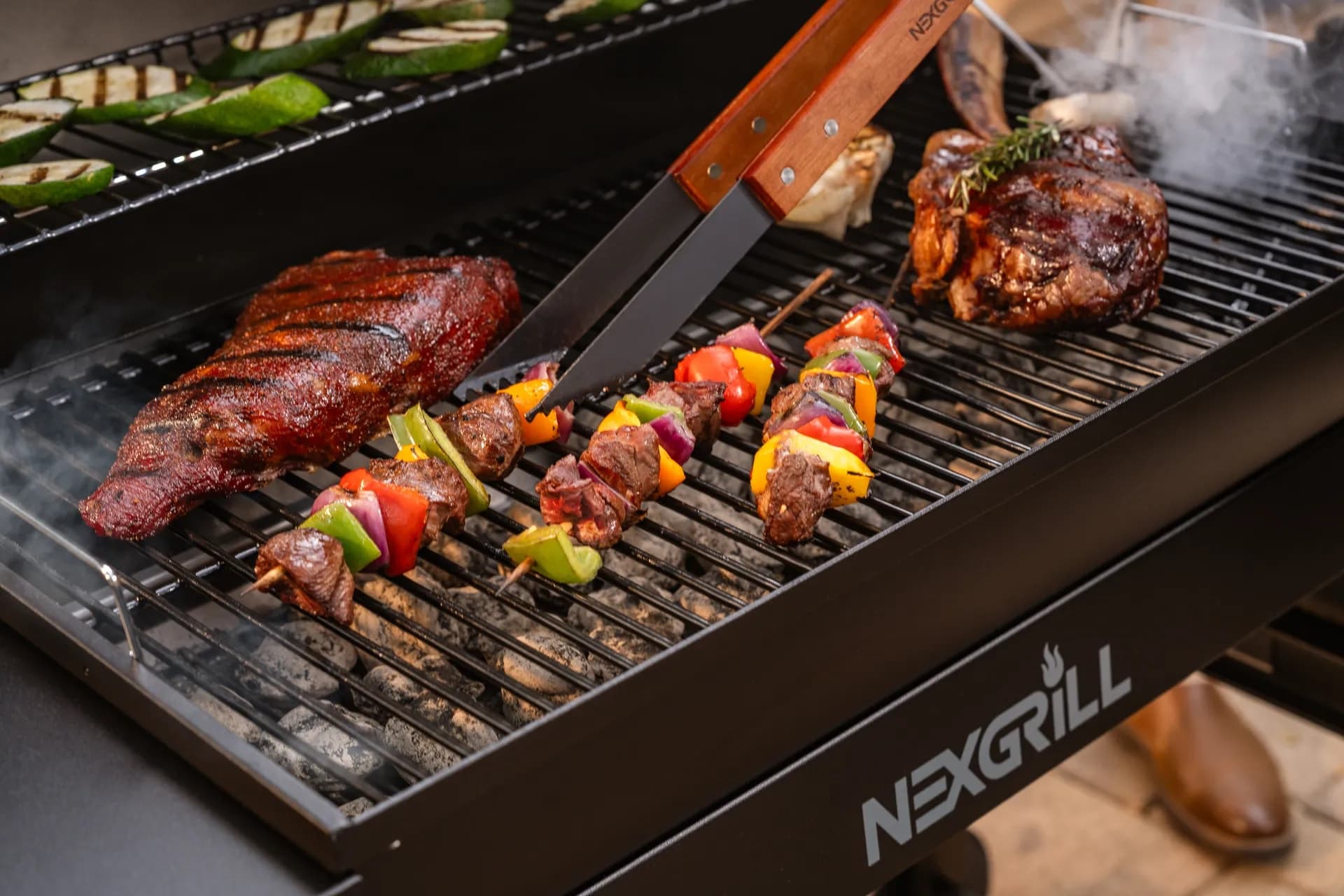
Step-by-step grilling recipes, cooking techniques, and meal ideas for every occasion and skill level.

Backyard entertaining ideas, seasonal grilling inspiration, and stories that celebrate outdoor cooking culture.
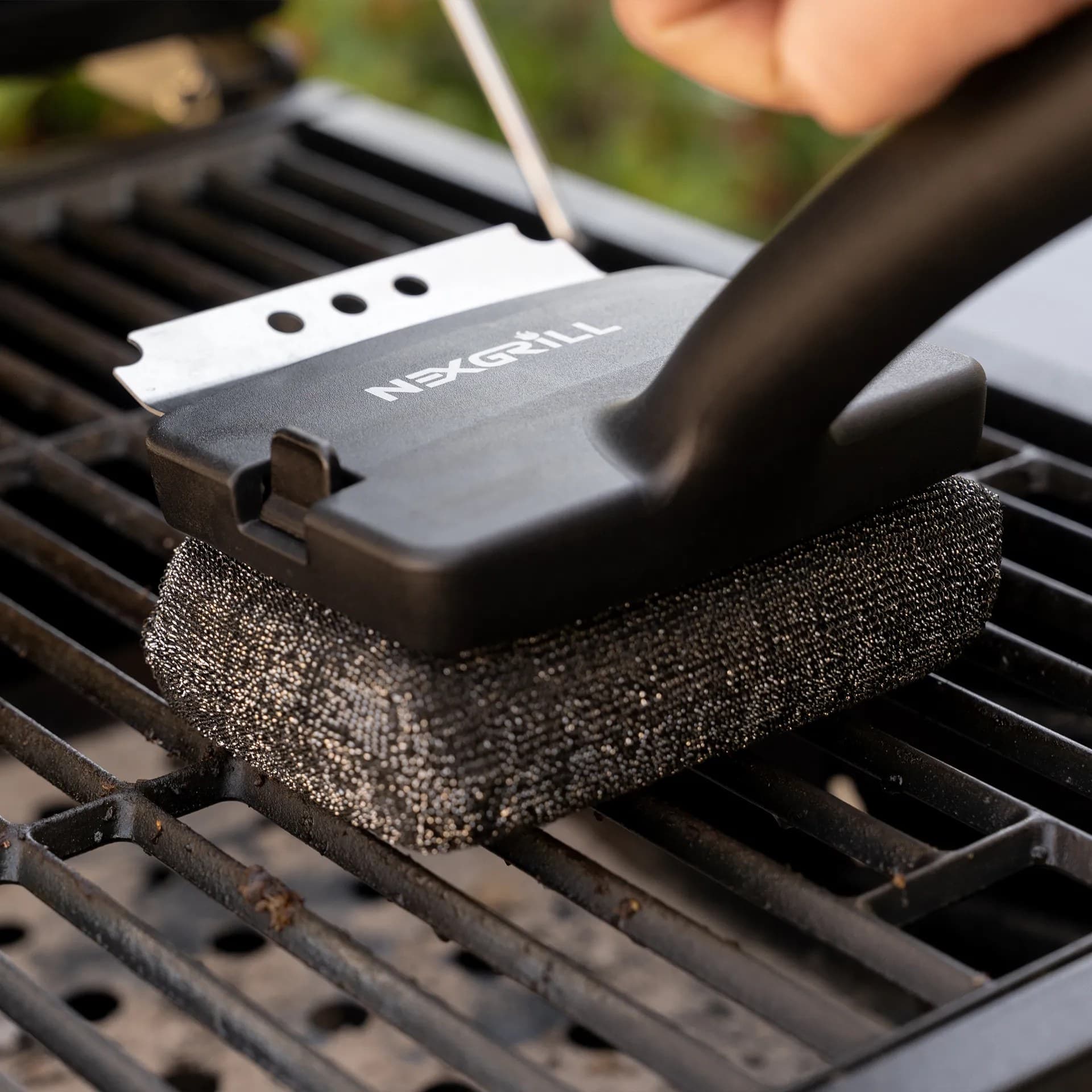
Helpful articles covering grilling tools, cookware, maintenance gear, and must-have accessories for outdoor cooking.
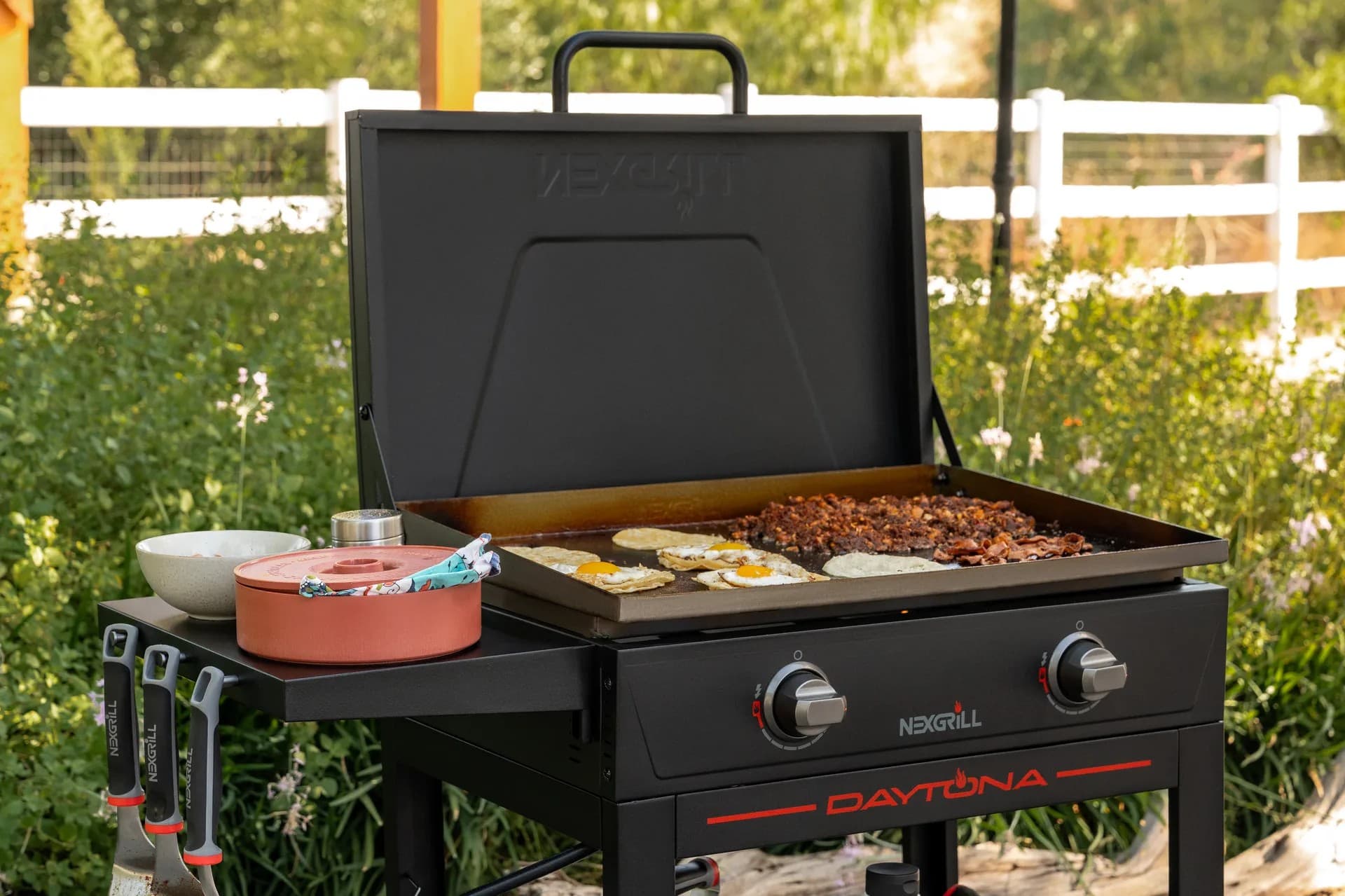
Find griddle recipes, cooking techniques, cleaning tips, and outdoor meal ideas designed for Nexgrill griddles.
Find answers to common questions
Nexgrill offers a variety of accessories including grill tools, covers, cooking utensils, and replacement parts designed to enhance your grilling experience.
Many Nexgrill accessories are widely compatible with various grill brands, but it is recommended to check the specifications for proper fit and functionality.
To maintain your Nexgrill accessories, regularly clean them with warm soapy water, avoid using abrasive materials that could scratch the surface, and store them in a dry place when not in use.
Yes, Nexgrill accessories can be purchased separately from the grills, allowing customers to customize their grilling setup as needed.
Instructions for using Nexgrill accessories are typically included in the packaging, and additional resources can be found on the Nexgrill website or in the product user manuals.
In This Article
Safety First
Types of Heaters
Maintenance Tips
When you buy a patio heater with safety shutoff, you are not just choosing a source of warmth for a deck, patio, or backyard dining area. You are choosing a product that has been designed to reduce risk when conditions change unexpectedly. That matters because patio heaters are often used around guests, furniture, pets, and uneven outdoor surfaces, which means a heater needs to be more than powerful; it also needs to react predictably if it is bumped, tilted, starved of oxygen, or left operating under the wrong conditions. For many households, the safety shutoff feature is the difference between a pleasant evening outdoors and a situation that needs immediate attention.
In practical terms, a safety shutoff is a built-in guardrail. If the heater tips over, loses proper airflow, or detects a condition that could become hazardous, it is designed to stop heating or cut the fuel supply. That is why shoppers often treat safety shutoff as a non-negotiable feature, especially if children visit the space, the patio has a high-traffic layout, or the heater will be used on evenings when people may be moving chairs, opening doors, or walking past the unit. The goal is not to make outdoor heat feel restrictive; it is to make it feel usable with more confidence.
A dependable shutoff can matter more than extra decorative styling or a larger flame effect.
Info: In outdoor heating, safety and convenience should work together. A heater that is easy to use but difficult to protect from accidental movement is rarely the best long-term value.
Nexgrill’s brand perspective fits this mindset well: the company’s outdoor products are built around accessible, practical use and the idea that people gather best when the equipment feels dependable. That makes safety-oriented shopping especially important for homeowners who want a heater that supports real family and friend gatherings rather than adding complexity to them
Patio heaters generally fall into three categories that matter most for buyers: propane, electric, and natural gas. Each one has a different relationship with safety shutoff features, operating cost, and installation flexibility. The right choice depends on whether you want portability, low setup friction, or a more permanent outdoor heating solution. It also depends on where the heater will actually live. A compact townhouse patio, for example, calls for different trade-offs than a large backyard entertaining area.
| Heater type | Main advantage | Main trade-off | Best fit |
|---|---|---|---|
| Propane | Portable and easy to place where heat is needed | Requires tank handling and fuel refills | Flexible patios, occasional entertaining, renters |
| Electric | Simple operation and no open flame | Needs access to power and may have lower output | Covered patios, smaller spaces, convenience-focused buyers |
| Natural gas | Continuous fuel supply once installed | Least portable and usually requires a fixed connection | Permanent backyard setups and frequent use |
Propane heaters are often the easiest entry point for buyers who want outdoor warmth without a complicated installation. They are popular for seasonal use because you can move them as the seating arrangement changes. The downside is that they introduce a fuel tank and therefore more attention to proper placement, inspection, and storage. That is where tilt shutoff and flame failure systems become especially valuable, because portability can also mean a greater chance of accidental repositioning.
Electric patio heaters appeal to buyers who want a cleaner, more straightforward heating experience. Since they do not burn fuel in the same way as gas-fired models, they can feel simpler for covered outdoor areas where an outlet is already available. However, the output and coverage may be different from what shoppers expect from large propane units, so a safety shutoff still matters in the event of overheating or electrical irregularities.
Natural gas heaters are best for homeowners who want a more permanent outdoor comfort solution. Once installed, they can be convenient and consistent for repeated entertaining. But because they are tied to a fixed gas supply, the buyer should think carefully about positioning, professional installation, and local use conditions before purchase. For these models, safety shutoff mechanisms are especially important as part of the overall control system, not as an afterthought.
Tip: If your seating layout changes often, prioritize a heater with a responsive tilt shutoff and stable base before you focus on style details.
Safety shutoff systems are not all the same, and that distinction is one of the most important things to understand before buying. A good patio heater may include one or more layers of protection, each designed to respond to a different hazard. The most common mechanisms shoppers look for are automatic tip-over protection, oxygen depletion sensing, and flame failure shutoff. In everyday use, those features work together to reduce the chance that a heater continues operating when the environment becomes unsafe.
An automatic tip-over sensor is designed to detect when the heater moves beyond a safe angle. This is particularly valuable for tall outdoor units that could be nudged by wind, people moving through a tight space, or pets brushing against the base. Once activated, the heater is intended to shut off rather than keep burning at an unstable angle. For a customer using a heater near a dining table or on a narrow deck, that feature is often the one that provides the most peace of mind.
An oxygen depletion sensor serves a different purpose. It monitors the surrounding air and is intended to shut down the heater if oxygen levels fall to an unsafe point for combustion. This is especially relevant for fuel-burning models, where ventilation is never a detail to ignore. The value of this feature is not just technical; it is practical. Many buyers use patio heaters in semi-sheltered outdoor rooms or under overhead coverage, and that is exactly where a sensor can become an important safeguard.
Flame failure protection is another critical mechanism. If the flame goes out unexpectedly, the heater should stop the gas flow rather than allow unburned fuel to continue moving through the system. That reduces the risk of lingering gas accumulation and makes relighting more controlled. For buyers comparing heaters in a store or online catalog, this feature may not be obvious from a casual glance, but it should be checked carefully in the product specifications.
| Safety mechanism | What it does | Why it matters |
|---|---|---|
| Tip-over shutoff | Cuts heat if the heater is knocked or tilted too far | Helps prevent unsafe operation on uneven or crowded surfaces |
| Oxygen depletion sensor | Stops the heater when oxygen levels become too low | Useful for fuel-burning heaters in partially sheltered areas |
| Flame failure shutoff | Stops gas flow if the flame goes out | Prevents continued fuel release after an unexpected extinguish |
A common customer review theme is that buyers feel most confident when the shutoff is obvious and fast. One homeowner comparing multiple models noted that the heater felt easier to trust once the product details clearly listed both tip-over protection and flame failure response, because they were planning to use it around frequent guest traffic. That kind of feedback is useful because it reflects real use, not just a spec sheet. In other words, shoppers are not only asking whether a heater can warm a space; they are asking whether it can safely step out of operation when conditions change.
Warning: Safety shutoff features do not replace good placement. Keep heaters on level ground, away from overhanging materials, and clear of foot traffic.
Try comparing two products side by side below to see which fits best:
Once you've weighed two options against each other, the next step is deciding which style of heater actually fits your space and how you use it. The best patio heaters with safety shutoff are not always the most powerful units on the shelf. Sometimes the right choice is the one that is easiest to position safely, simplest to operate, and least likely to create friction on busy evenings. That is why it helps to think in terms of use case instead of chasing a single “best” label.
For shoppers who want the most practical starting point, a propane model with an automatic tilt shutoff is often the most versatile. It gives you enough flexibility to move the heater near a dining set, then shift it toward a lounge area later in the evening. If your outdoor area is more fixed and you prefer a cleaner, more permanent feel, a natural gas unit may make more sense, especially if the heater will be used often enough that convenience is worth the installation effort. Electric heaters can be the quiet winner for smaller patios or covered spaces where low fuss matters more than maximum heat coverage.
Because this article is focused on buying rather than ranking by novelty, the smartest “top pick” is the one that balances safety shutoff, build stability, and the way the heater will be stored and moved. Look for a broad base, clear ignition controls, visible safety instructions, and product documentation that explains exactly what causes the heater to shut down. If you can, prioritize models that make those details easy to find before purchase rather than leaving you to infer them from marketing photos.
| Buyer profile | Best heater style | Why it fits |
|---|---|---|
| Apartment or condo patio user | Electric heater with thermal protection | Simple operation, no fuel tank, easier to manage in smaller spaces |
| Frequent host with open patio | Propane heater with tip-over shutoff | Portable, quick to use, and flexible for changing seating layouts |
| Homeowner with fixed outdoor area | Natural gas heater | Convenient for repeated use once installed and positioned correctly |
Shoppers also consistently mention stability in their reviews. In plain language, many buyers say a heater feels safer when the base does not wobble, the controls are easy to read, and the shutoff is not buried in fine print. That is a valuable signal because it reflects confidence during actual use. A heater that inspires confidence tends to be the one that gets used more often and with less second-guessing.
The most important buying question is not simply how much heat the heater can produce; it is how safely and comfortably that heat fits into your routine. Start by measuring the area you want to warm and thinking about how people move through it. A heater for a quiet corner seating area can be selected differently from one placed near a dining table, a grill station, or a path to the backyard gate. Clearance matters because safety shutoff works best when paired with smart placement.
Next, think about fuel and power access. Propane is convenient for mobility, but it asks you to manage tanks. Electric is easy to start and may reduce some fuel-related hassle, but it depends on a nearby outlet and the capacity of your outdoor electrical setup. Natural gas is ideal for repeated, high-frequency use, but it becomes a home-improvement decision instead of a simple purchase. The best choice depends on how much you value portability versus permanence.
Budget also deserves a realistic approach. A lower-priced heater can seem appealing, but if it lacks a dependable tilt sensor, clear shutoff description, or stable stand, you may spend more in the long run replacing it sooner. For many buyers, the sweet spot is a midrange heater with the exact safety functions they will actually use. The price difference is often justified by fewer concerns during use and a more reassuring ownership experience. U.S. pricing can vary widely by fuel type and construction, but shoppers commonly see entry-level electric or compact propane units in the lower hundreds of USD, while larger or more decorative outdoor heaters often move into a higher range depending on materials and features.
Info: When comparing prices in the United States, factor in the real setup cost too. Propane tank purchases, gas-line installation, covers, and replacement parts can change the total cost of ownership.
For evidence-based shopping, reputable retailers and buyer guides can be helpful reference points. The Home Depot’s outdoor heater category is useful for understanding the breadth of product types commonly available in the U.S. market, while Consumer Reports explains the practical trade-offs buyers should compare before purchase
Maintenance is where a safety shutoff heater earns its keep over time. A heater that is well cared for is more likely to respond correctly when a tilt sensor, ignition system, or safety valve needs to do its job. Start by inspecting the unit before the first use of the season. Look for loose hardware, rust, damaged cords on electric models, or debris around vents and ignition areas. This quick check helps catch issues before they become problems during a gathering.
For propane and natural gas models, keep burner openings clean and make sure airflow paths are not blocked by dirt, spider webs, or outdoor debris. On electric heaters, confirm that the power cord, plug, and outlet are in good condition and protected from moisture. If the heater includes a tip-over switch, test it according to the manufacturer’s instructions so you know it is responsive before the season gets busy. That kind of pre-season check is much easier than discovering a problem when guests are already outside.
Storage matters too. When the heater is not in use, cover it if appropriate and store it in a dry place whenever possible. This reduces corrosion and helps protect control components. A customer review on a popular patio-heater buying guide noted that the longest-lasting unit in their group was the one that was cleaned after each weekend use and stored under cover instead of left exposed through the off-season. That is the kind of simple habit that can preserve both appearance and safety performance.
If safety is your first priority, a patio heater with a reliable shutoff system is worth focusing on before anything else. The right model should match your fuel preference, your outdoor layout, and the way you actually gather with people. Once you understand the differences between propane, electric, and natural gas units, and once you know how tilt sensors, oxygen depletion sensing, and flame failure shutoff work, the buying decision becomes much clearer. In the end, the best heater is the one that keeps your outdoor space comfortable while giving you confidence every time it is turned on.
Here's what sets us apart
We position ourselves as delivering high-end outdoor cooking features and performance without premium-brand pricing, emphasizing “Quality Grills. Unbelievable Value.”
We offer gas grills, pellet grills, griddles, smokers, pizza ovens, portable/tabletop grills, electric grills, accessories, and replacement parts — allowing customers to stay within one ecosystem for all outdoor cooking needs.
We differentiate ourselves through smart grilling products like the Oakford smart pellet grill, including app-connected cooking controls and modern outdoor cooking technology.
Don't just take our word for it
Keep reading
From our catalog