Best Charcoal Grill Recipe Ideas
Explore diverse and delicious recipes for perfect charcoal grilling.
In This Article
Meat Masterpieces
Veggie Delights
Grilled Desserts
Introduction to Charcoal Grilling
Charcoal grilling has a way of turning a simple meal into an occasion. The heat feels more hands-on, the timing asks for a little attention, and the payoff is that unmistakable live-fire flavor that charcoal fans keep coming back for. For recipe planning, that makes charcoal especially rewarding: you can move from fast, direct-seared steaks to slower, indirect-cooked chicken thighs, then finish the meal with vegetables or even fruit for dessert. Nexgrill’s recipe-first brand approach celebrates that kind of shared cooking energy, where food is part of the story and the table is where everyone gathers.
The best charcoal grill recipe ideas are not just about what tastes good. They are about building a menu that fits the rhythm of the fire. A hot, well-spread bed of coals is ideal for quick-cooking proteins and vegetables that benefit from a strong sear. A two-zone setup, where one side is hotter than the other, opens the door to thicker cuts, bone-in chicken, pork shoulder pieces, and recipes that need a little more patience. If you are cooking for a mixed group, charcoal gives you the flexibility to satisfy meat lovers, vegetarians, and anyone who wants a sweet grilled finish without needing a separate appliance. Charcoal grilling gives versatility in your cooking.
recipe families anchor most charcoal menus: proteins, vegetables, and finishers like fruit or dessert
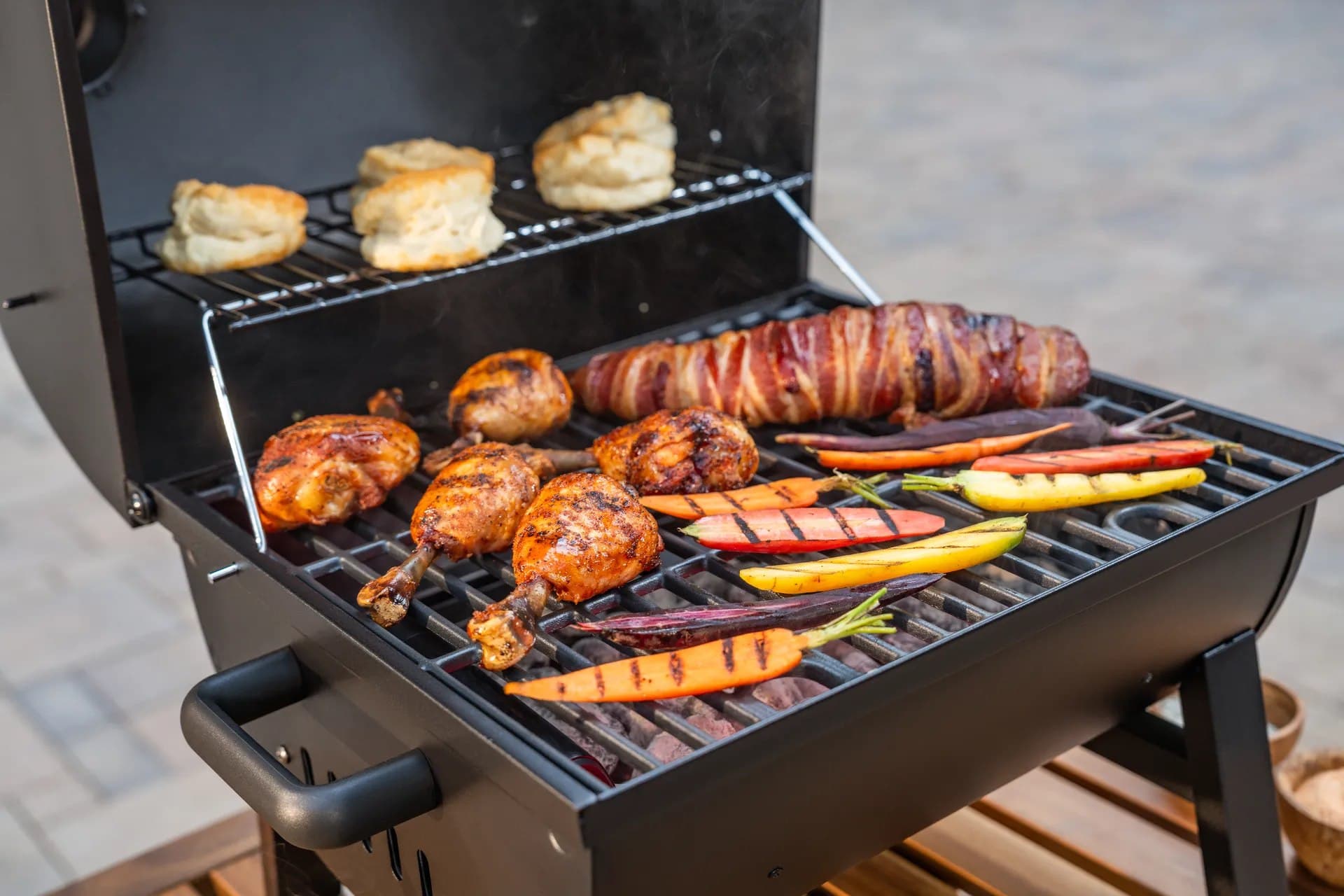
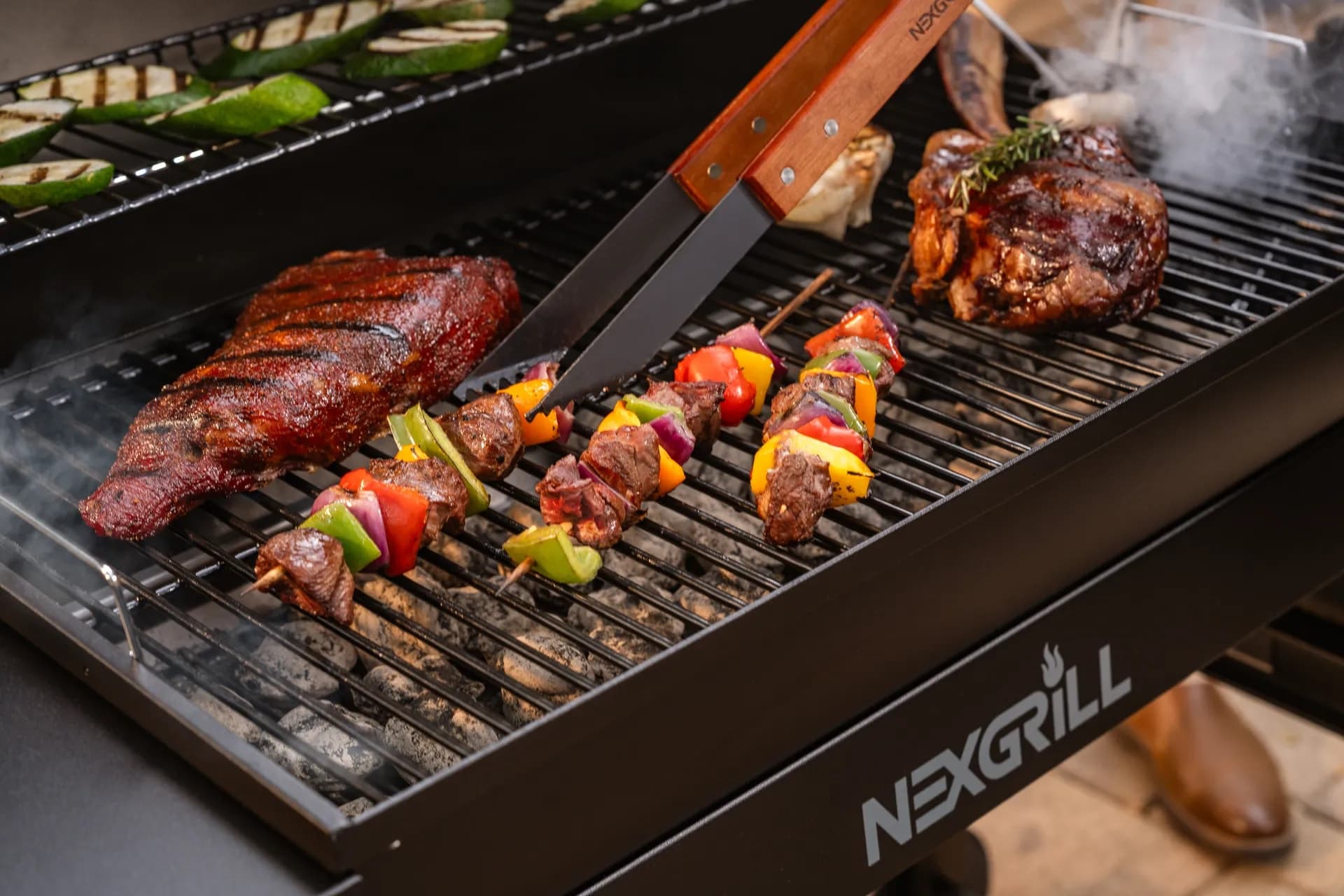
Because charcoal rewards planning, the most successful menus usually start with a recipe theme. A taco-night spread, for example, can include lime-marinated chicken thighs, charred onions and peppers, grilled corn, and pineapple for a smoky salsa or dessert. A weekend cookout might lean on steak tips, herby mushrooms, and a grilled stone fruit dessert. The point is to use the fire as a common thread so every dish feels connected rather than assembled at random. That approach also makes the meal easier to time, since each recipe can be matched to a heat zone and a target finish.
This article focuses on practical charcoal recipe ideas you can actually use, with enough variety to help you plan a family dinner, a neighborhood get-together, or a casual backyard meal. You will find beef, chicken, pork, seafood, plant-based dishes, and a few ways to think about timing so the food lands on the table together. Try comparing two products side by side below to see which fits best:
Recipe Categories Overview
A charcoal grill menu works best when you think in categories rather than single recipes. That mindset helps you balance flavors, cooking times, and dietary preferences. Meat recipes usually deliver the headline flavor and texture, but vegetables often add the freshness and color that make the plate feel complete. Desserts, meanwhile, are the surprise element that can make a cookout feel memorable without requiring complicated pastry skills.
| Category | Best charcoal approach | Example recipe ideas |
|---|---|---|
| Meat | Direct heat for searing, indirect heat for thicker cuts | Steaks, chicken thighs, pork chops, shrimp skewers |
| Vegetarian and vegan | Medium heat with oil and frequent turning | Portobello caps, zucchini planks, tofu skewers, grilled peaches |
| Sides and finishers | Quick char over the hottest zone | Corn, onions, asparagus, pineapple, flatbread |
Think like a host, not just a cook: build a charcoal menu around one or two anchor recipes, then use vegetables and fruit to round out the meal.
A useful way to plan is to choose one rich main, one bright vegetable, one crowd-pleasing side, and one dessert. A ribeye with grilled asparagus, charred scallions, and peaches with honey is a very different meal from lemon chicken thighs with zucchini, grilled bread, and cinnamon-dusted pineapple, yet both are easy to build from the same charcoal fire. That flexibility is what makes charcoal grilling such a strong fit for both casual weeknight cooking and larger social gatherings.
Meat Recipes
Beef, chicken, pork, and seafood each respond differently to charcoal heat, so the best recipe ideas lean into those differences instead of fighting them. Beef loves a hard sear, especially cuts like skirt steak, strip steak, and ribeye. A simple salt, pepper, garlic, and rosemary rub works well when the goal is to let the charred crust carry the flavor. For a more built-out recipe, marinate flank steak in soy sauce, lime juice, garlic, and a little brown sugar, then grill hot and slice thinly across the grain for tacos or rice bowls.
Chicken is one of the best charcoal proteins because it can take on bold seasoning and still stay versatile. Bone-in thighs are especially forgiving over charcoal, since they stay juicy while developing crisp skin. A yogurt-based marinade with garlic, paprika, lemon, and cumin adds flavor and tenderness, while a dry rub with brown sugar, chili powder, and black pepper gives a sweeter, more barbecue-style finish. If you want a faster option, boneless chicken cutlets cook beautifully over direct heat and can be served with grilled salad greens or flatbread.
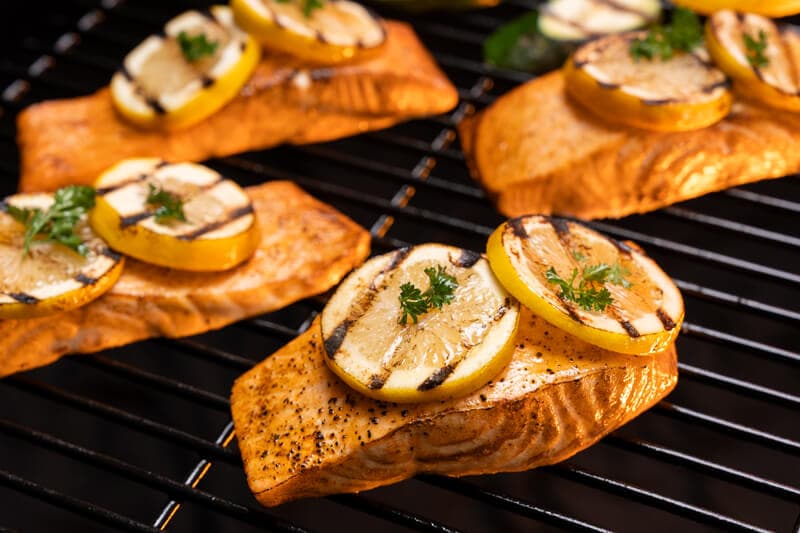
Pork works well when you balance richness with acidity. Pork chops are easy to grill over charcoal with a mustard and herb coating, while pork tenderloin benefits from indirect heat and a sweet-savory glaze made with apple cider, Dijon, and a little maple. For a deeper barbecue profile, pork shoulder chunks or country-style ribs can be seasoned with smoked paprika, cumin, coriander, and garlic, then finished over lower heat for a tender result. Seafood deserves a place on every charcoal menu too. Shrimp skewers with chili-lime oil, salmon with dill and lemon, and whole fish stuffed with herbs all gain extra depth from the live fire.
For most meats, salt early, preheat the grate, and let the first side develop color before moving it. That is the simplest path to better texture.
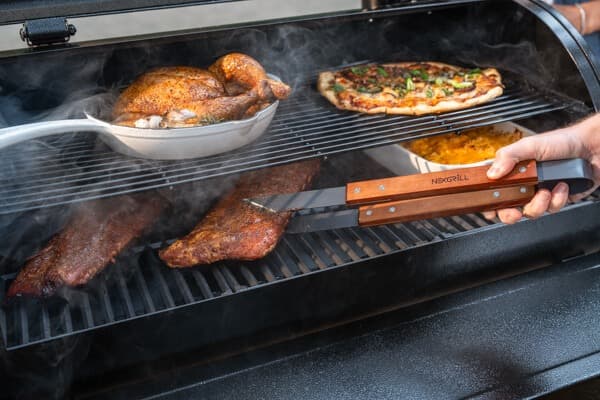
If you are choosing recipes for a group, mix one fast-cooking cut and one slower-cooking cut. For example, serve shrimp skewers with bone-in chicken thighs, or pair flank steak with pork chops. That gives you flexibility if one item cooks ahead of schedule and helps keep the table full. It also creates a more interesting spread than relying on one protein alone.
Vegetarian and Vegan Options
Charcoal grilling is often associated with meat, but it is just as strong for vegetarian and vegan cooking when you use the grill’s char to build depth. Portobello mushrooms are an obvious favorite because their meaty texture stands up well to direct heat. A marinade of balsamic vinegar, olive oil, garlic, and thyme gives them a steakhouse-style edge. Zucchini and eggplant can be cut into wide planks, brushed with olive oil, and grilled until they are tender with visible marks. Asparagus and green onions cook even faster and are ideal when you need a bright side dish with little effort.
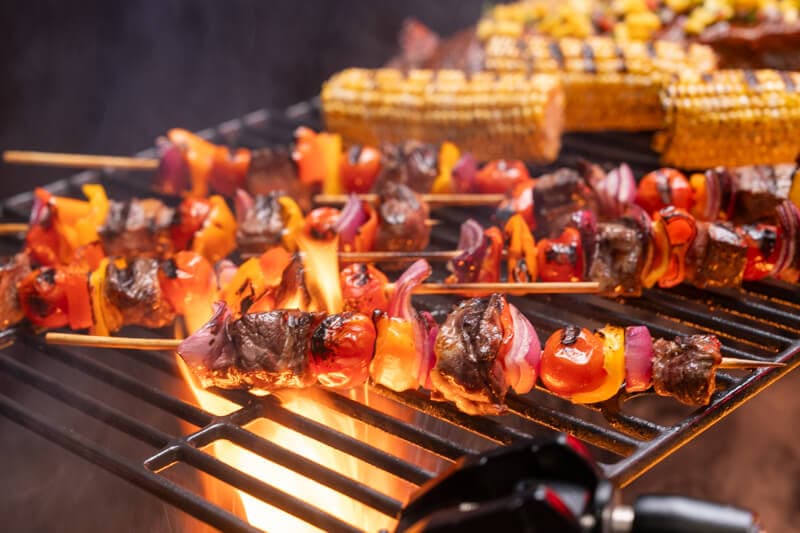
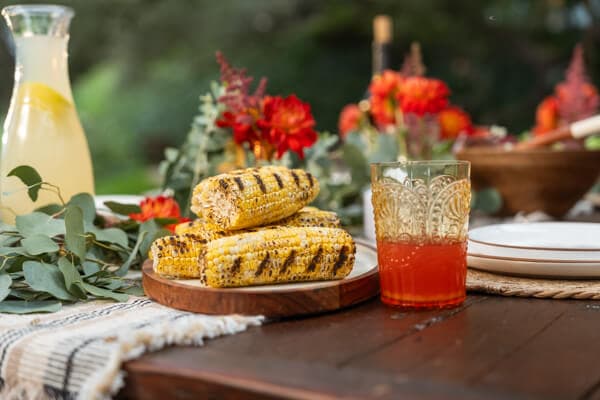
For vegan mains, tofu and tempeh are strong charcoal candidates if they are pressed and seasoned well. Tofu can be marinated in tamari, sesame oil, ginger, and garlic before grilling in thick slabs or skewers. Tempeh takes on smoky spice beautifully and works especially well with a maple-mustard glaze. Vegetable skewers are another easy route: bell peppers, red onion, mushrooms, cherry tomatoes, and zucchini can all share the same skewer if you cut them to similar sizes. Corn on the cob is a classic charcoal side, and a finish of lime, chili powder, and vegan butter makes it feel like a featured dish rather than an afterthought.
Do not overcrowd delicate vegetables. Space them out so the heat can caramelize the edges instead of steaming them.
If you want one plant-based centerpiece for a mixed crowd, try grilled cauliflower steaks with tahini-herb sauce, or whole romaine hearts lightly charred and topped with tomatoes, avocado, and crunchy breadcrumbs. These recipes feel substantial without trying to imitate meat, which makes the meal more satisfying for everyone. You can also use grilled fruit in vegan menus: peaches, nectarines, and pineapple work well with coconut yogurt, herbs, or a drizzle of agave.
Quick Grilling Techniques
The fastest path to better charcoal recipes is understanding heat management. Direct heat means food cooks over the coals and develops a strong sear quickly. It is best for steaks, thinner chicken pieces, shrimp, skewers, vegetables, and fruit. Indirect heat means food sits beside the coals rather than directly over them. That setup is better for thicker pork chops, bone-in chicken, whole fish, and recipes that need time without burning.
For consistent results, let the charcoal ash over before you start cooking. That gives you a more stable cooking surface. A light coating of high-heat oil on the grates helps reduce sticking, especially for fish and vegetables. If you want distinct grill marks, place the food on the grate and resist moving it too soon. A clean, hot grate makes the marks sharper, and dry surfaces brown better than wet ones. When using marinades, wipe off excess liquid before the food hits the grill so sugars do not burn immediately.
Timing also matters. Thin steaks may only need a few minutes per side, while pork tenderloin or bone-in chicken often needs a sear followed by gentler indirect cooking. Seafood usually cooks quickly, so it is best to stay nearby. For desserts like peaches or pineapple, medium heat is enough to soften the fruit and create a caramelized surface without turning it mushy. If you are new to charcoal cooking, start with one direct-heat recipe and one indirect-heat recipe in the same meal so you can feel the difference in how each method behaves.
Seasonal Grilling Ideas
Once you have compared two charcoal recipes side by side, the next step is thinking about seasonality. Seasonal cooking keeps the menu fresh and makes shopping easier because you are choosing ingredients when they are at their peak. In summer, charcoal grilling naturally leans toward lighter, brighter dishes. Think lemon chicken skewers, corn with chili-lime butter, tomato-and-onion packets, and peaches with a little honey for dessert. Those recipes cook quickly and let the fire do the flavor work without making the meal feel heavy.
Fall grilling is a different mood. The charcoal fire can handle richer ingredients and longer cooking times, which makes it perfect for pork tenderloin with apple glaze, rosemary potatoes wrapped in foil, charred squash, and pears or apples brushed with maple syrup. Cooler weather also gives you room to use indirect heat more often, since you are less likely to be racing the clock. If you are hosting, a fall menu can move from smoky sausages to grilled cabbage wedges, then finish with spiced fruit or even grilled donuts brushed with butter and cinnamon.
For themed meals, charcoal makes it easy to build around a concept. Taco night can include cumin-rubbed chicken, flank steak, charred onions, and grilled pineapple salsa. A Mediterranean-style cookout might feature salmon, zucchini, eggplant, and pita warmed over the fire. For a backyard party, consider a mixed spread of shrimp skewers, mushrooms, corn, and peaches so guests can move freely between savory and sweet. The best themed menus keep prep simple while still feeling intentional.
Engaging with the Community
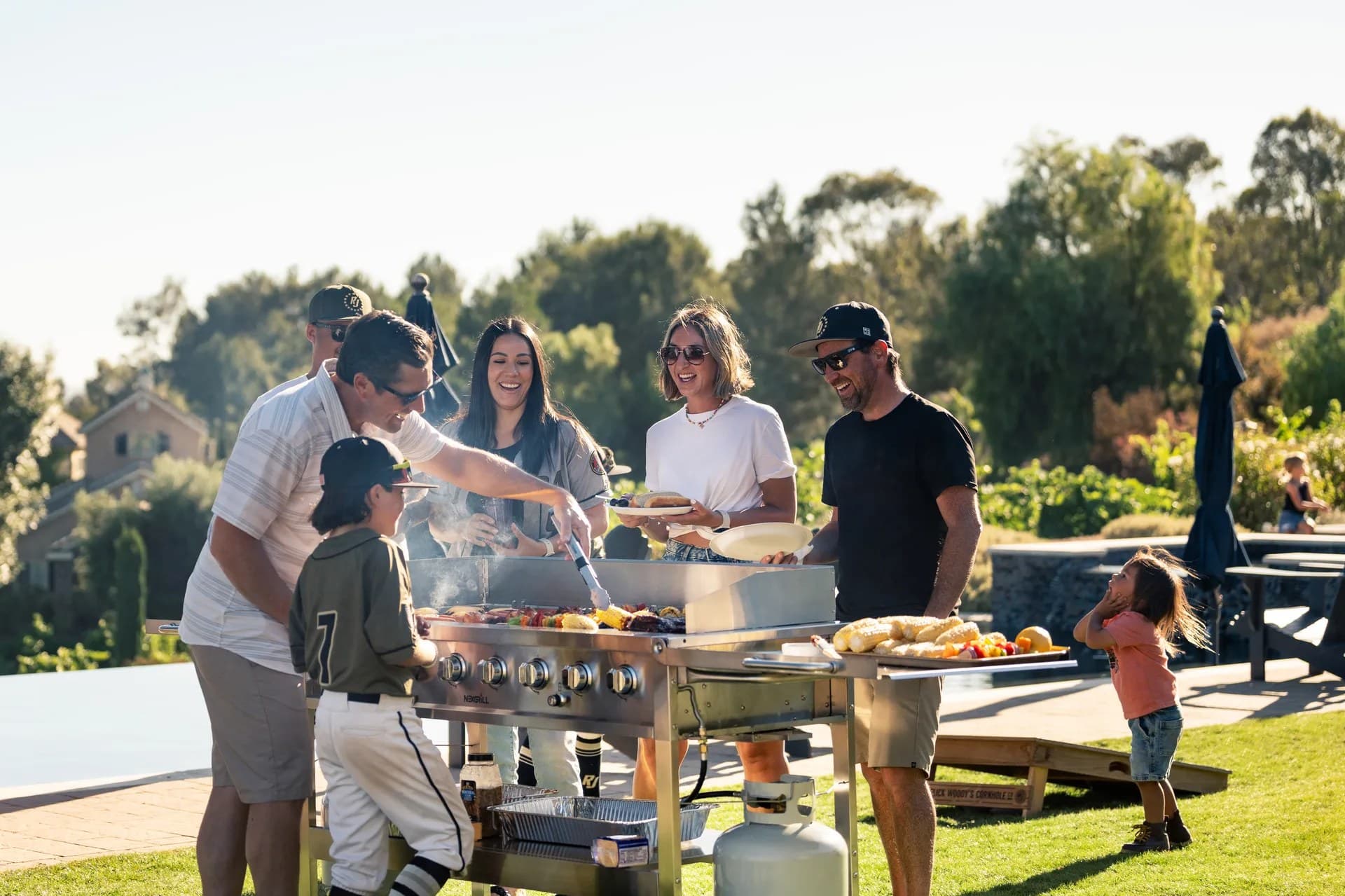
Charcoal grilling becomes more fun when it is shared. Nexgrill’s brand voice emphasizes togetherness, openness, and the idea that everyone has a seat at the table, which fits charcoal cooking perfectly because the food invites conversation as much as it feeds people . One practical way to engage with your own community is to ask guests what they would most like to see on the grill next time. Some people may want a spicy marinade, others may want more vegetables, and someone in the group may have a family recipe that becomes the hit of the night.
You can also turn a cookout into a recipe exchange. Share what worked well, what timing surprised you, and which ingredients picked up the best smoke. Those little notes are useful because charcoal performance changes with weather, wind, and coal arrangement, so real-world feedback from friends often matters more than a rigid recipe card. Social media can be helpful too, especially if you are looking for visual inspiration on grill marks, serving styles, or seasonal pairings. The most useful posts usually show the full process, not just the final plate, so you can see how others built their fire and timed the cook.
Invite guests to bring one ingredient or one recipe idea. Shared menus often lead to the most memorable charcoal meals.
Tips for Perfect Grilling
Perfect charcoal grilling usually comes down to a few repeatable habits. First, build the fire for the food you are cooking. A full bed of hot coals works well for searing and fast recipes, while a two-zone setup gives you a safety valve for thicker cuts or flare-ups. Second, season with purpose. Salt and pepper are the foundation, but herbs, citrus, garlic, mustard, chili, and sweeteners all create different effects on the grill. Dry rubs are especially helpful when you want a crust, while marinades are better when you want deeper flavor penetration and a slightly softer texture.
Third, use temperature as your guide instead of guessing by color alone. A quick-read thermometer is one of the simplest tools for better charcoal cooking because it reduces the chance of overcooking. Fourth, let food rest after grilling. That short pause helps juices redistribute, which is especially important for steak, pork chops, and chicken breasts. Finally, do not be afraid to add a finishing touch. A squeeze of lime, a spoonful of herb butter, a drizzle of vinaigrette, or a sprinkle of flaky salt can make a grilled dish feel complete without adding much work.
Sugary glazes taste great, but they burn quickly. Apply them near the end of the cook, not at the beginning.
| Recipe goal | Best heat method | Example finishing touch |
|---|---|---|
| Fast sear | Direct heat | Flaky salt or herb butter |
| Thicker proteins | Direct then indirect | Lemon juice or mustard glaze |
| Vegetables and fruit | Medium direct heat | Olive oil, chili, or honey |
Conclusion: Embrace the Charcoal Flavors
Charcoal grilling rewards curiosity. The more you mix meats, vegetables, and fruit into your menu, the more you start to notice how different ingredients respond to smoke, heat, and timing. That is what makes the best charcoal grill recipe ideas so satisfying: they are flavorful, flexible, and easy to adapt for different seasons and gatherings. Whether you are cooking a quick weeknight chicken dinner or planning a backyard feast with sides and dessert, charcoal gives you a lively foundation for food that feels worth sharing.
Experiment with one new recipe at a time, keep notes on what your guests love, and let the fire guide the next menu. The best charcoal meals are often the ones that invite conversation, second helpings, and a few requests for the recipe.