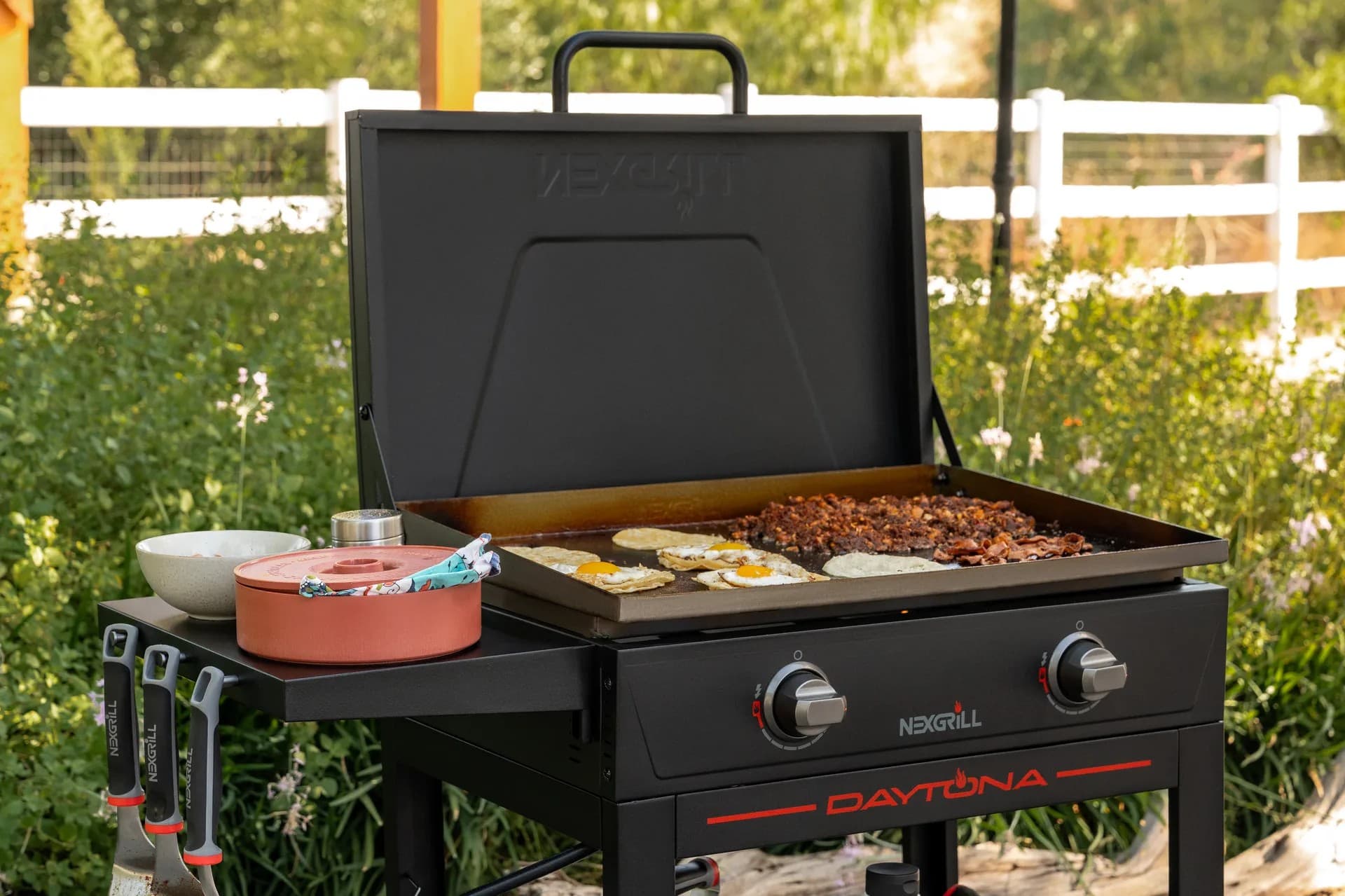
Gas Grill Recipes for Beginners: Simple and Tasty Options
A beginner-friendly guide to easy and delicious gas grill recipes.
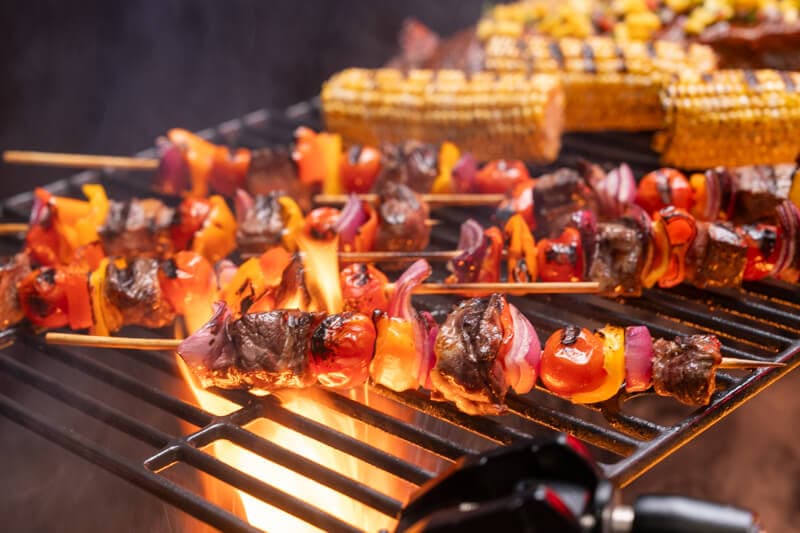
In This Article
Quick and Easy Grilled Chicken
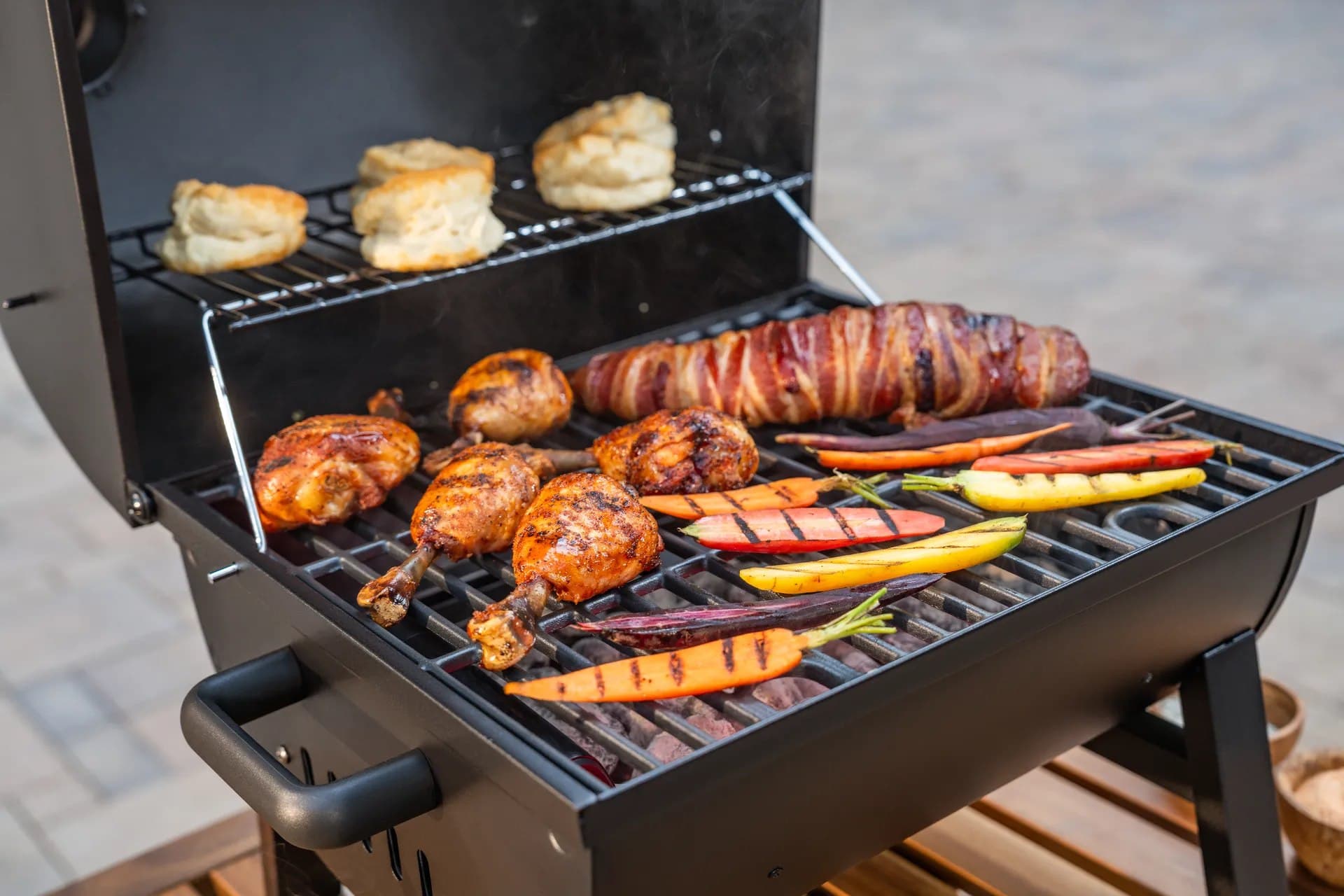
Flavorful Grilled Vegetables
Juicy Grilled Burgers
Introduction to Gas Grilling for Beginners
If you are new to outdoor cooking, gas grilling is one of the easiest ways to get dinner on the table with less guesswork. A gas grill gives you fast startup, steady heat, and simple temperature control, which is exactly why it works so well for beginner-friendly meals. Instead of worrying about charcoal timing or complicated equipment, you can focus on learning a few basic habits: preheat the grill, oil the food or grates lightly, and cook to the right internal temperature. That combination makes gas grill recipes approachable for weeknight cooking, backyard get-togethers, and anyone who wants to build confidence one meal at a time.
Nexgrill’s brand approach is built around welcoming cooks at every level, and that spirit fits beginner grilling perfectly. The goal here is not to impress anyone with complicated techniques. It is to help you make simple food taste better outdoors, using recipes that are forgiving, flavorful, and easy to repeat. A solid starter menu usually includes chicken, vegetables, and burgers because each one teaches a different skill. Chicken helps you practice timing and doneness. Vegetables teach you how to manage direct heat without burning. Burgers give you a quick win with minimal prep and crowd-pleasing results.
Beginner grilling gets easier when you keep the first few cooks simple. One protein, one side, and one sauce is enough to build real confidence.
Essential Tools and Ingredients for Simple Gas Grill Recipes
You do not need a huge collection of accessories to start cooking well on a gas grill. The most useful tools are the ones that help you stay organized, reduce sticking, and cook food safely. A sturdy spatula, long-handled tongs, an instant-read thermometer, a grill brush, and a small basting brush will cover most beginner recipes. A rimmed tray or sheet pan is also helpful for carrying seasoned ingredients from the kitchen to the grill without dropping anything on the way out.
For ingredients, keep your first recipes focused on pantry basics. Olive oil or another neutral oil, kosher salt, black pepper, garlic powder, paprika, and lemon juice can carry a surprising number of dishes. From there, choose simple fresh ingredients that grill well, such as boneless chicken breasts, bell peppers, zucchini, red onion, and ground beef shaped into burgers. The trick is to let the grill add flavor through browning and light char, rather than relying on a long list of marinades or sauces.
| Tool or Ingredient | Why it matters | Beginner tip |
|---|---|---|
| Instant-read thermometer | Helps you avoid undercooked or overcooked food | Check the thickest part of meat near the end of cooking |
| Long-handled tongs | Makes flipping safer and easier | Use for chicken, vegetables, and burgers instead of piercing food |
| Olive oil and seasonings | Adds flavor and helps reduce sticking | Start with salt, pepper, garlic powder, and paprika |
| Chicken breasts and ground beef | Reliable beginner proteins | Choose similar-sized pieces for even cooking |
Step-by-Step Guide to Grilling Your First Meal
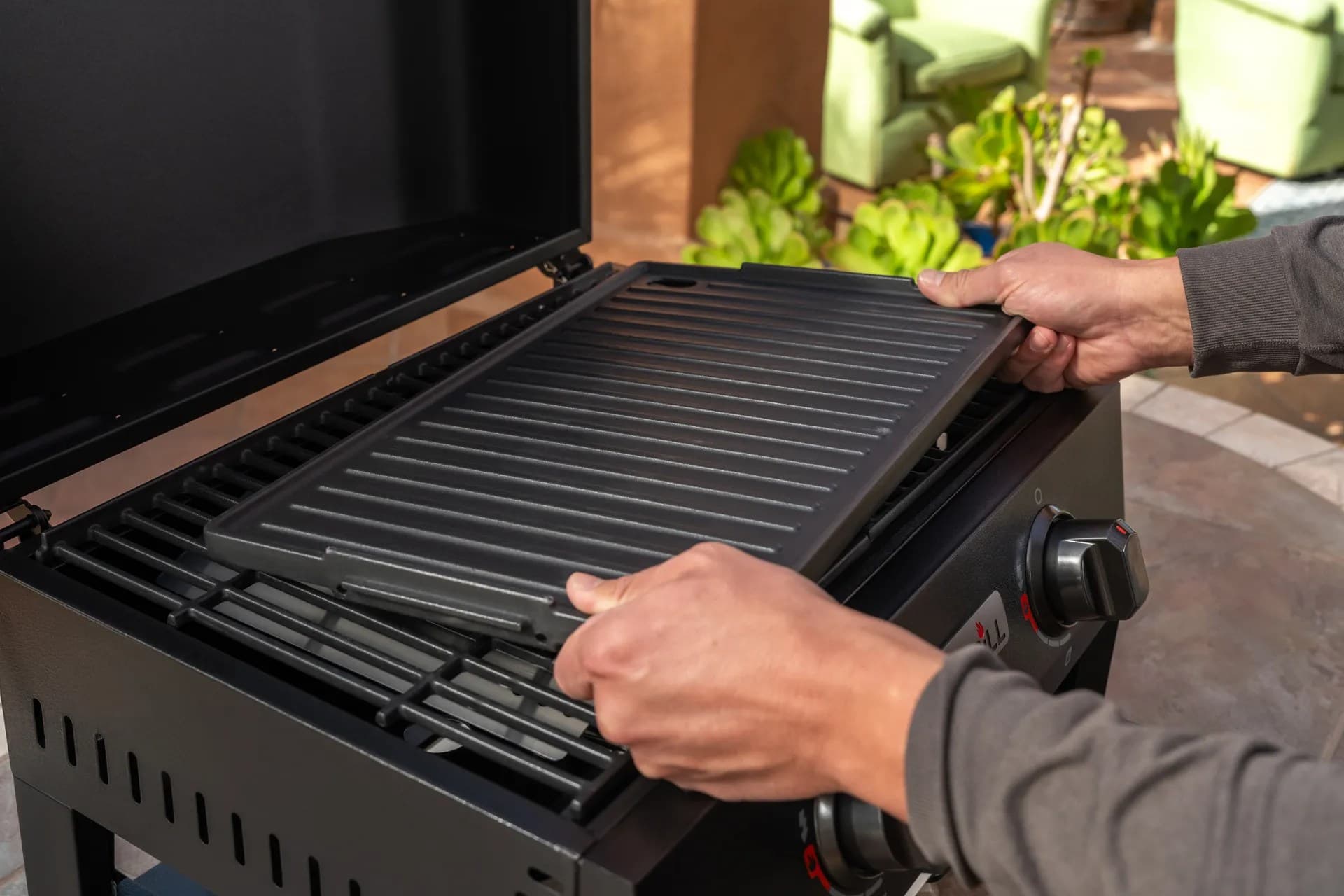
The first meal on a gas grill should feel manageable from the moment you start. Begin by cleaning the grates, then preheat the grill with the lid closed for about 10 to 15 minutes. Preheating matters because it helps food sear instead of sticking, and it gives you a more stable cooking surface. While the grill heats, season your ingredients and organize them on a tray so you are not scrambling once the food hits the grates.
Once the grill is hot, reduce the heat if needed and place food on the grates using direct heat for quick-cooking items or a slightly cooler zone for thicker pieces. Flip only when the food releases easily, and use the thermometer to confirm doneness rather than guessing. After the food comes off the grill, let meats rest for several minutes so the juices redistribute. That short pause is a simple step, but it has a big effect on texture and flavor.
A calm setup leads to better results. Prep everything before lighting the grill so your first cook feels steady instead of rushed.
Quick and Easy Grilled Chicken Recipe
Grilled chicken is often the first recipe beginners master because it is simple, versatile, and easy to season in different ways. For four servings, use 4 boneless, skinless chicken breasts, 2 tablespoons olive oil, 1 teaspoon kosher salt, 1 teaspoon black pepper, 1 teaspoon garlic powder, and 1 teaspoon paprika. If you like a little brightness, add 1 tablespoon lemon juice or a light squeeze of fresh lemon before grilling.
Pat the chicken dry, brush lightly with oil, and season both sides evenly. Preheat the gas grill to medium heat, then place the chicken on the grates. Cook for about 5 to 7 minutes per side depending on thickness, closing the lid between flips. The safest and most reliable finish is an internal temperature of 165°F in the thickest part. If the chicken is browning too quickly, move it to a cooler area of the grill until it finishes cooking. Rest it for 5 minutes before slicing so the meat stays juicy.
Flavorful Grilled Vegetables Recipe
Vegetables are one of the best beginner recipes because they cook quickly and show you how to use the grill without a lot of pressure. A simple mix of 2 bell peppers, 2 medium zucchini, 1 red onion, and 8 ounces of mushrooms makes a colorful side dish for almost any meal. Toss the vegetables with 2 tablespoons olive oil, 1 teaspoon kosher salt, 1/2 teaspoon black pepper, and a pinch of garlic powder. If you want extra flavor, add a little balsamic vinegar or dried Italian seasoning.
Cut the vegetables into pieces that are close in size so they cook evenly. Grill them over medium heat for about 3 to 5 minutes per side, turning once or twice until they are tender with light grill marks. Softer vegetables like mushrooms and zucchini may finish first, while peppers and onions can handle slightly more time. Keep an eye on smaller pieces so they do not fall through the grates. A grill basket is useful, but it is not required for this recipe.
Juicy Grilled Burgers Recipe
Burgers are a classic gas grill recipe because they cook fast and are easy to personalize. For four burgers, start with 1 1/2 pounds ground beef and shape it into four evenly sized patties. Make a small indentation in the center of each patty to help it cook flat. Season both sides with salt and pepper just before grilling. That is enough for a first burger recipe, and it lets the flavor of the beef come through clearly.
Grill the burgers over medium-high heat for about 4 to 5 minutes per side for medium doneness, or longer if you prefer them more cooked. Avoid pressing down on the patties, since that squeezes out the juices. If you want cheese, add it during the last minute of cooking and close the lid to help it melt. Let the burgers rest briefly before serving on toasted buns with toppings such as lettuce, tomato, onion, pickles, ketchup, or mustard.
Tips for Successful Grilling and Flavor Enhancement
The easiest way to improve your grilling results is to focus on a few habits that make a big difference. Preheat thoroughly so food sears properly. Keep the lid closed when cooking thicker items like chicken breasts, which helps the heat circulate. Use the right side of the grill for the right job, since one area may be hotter than another. Clean grates between cooks so flavors stay fresh and sticking stays minimal. Most importantly, start with recipes that match your current comfort level instead of trying to do everything at once.
Flavor enhancement for beginners should stay simple. A quick marinade, a finishing squeeze of lemon, a spoonful of herb butter, or a light brush of barbecue sauce near the end of cooking can change the whole meal without adding complexity. If you are experimenting, change one thing at a time so you can tell what worked. That approach helps you learn faster and keeps the process fun.
Conclusion: Enjoying Your First Gas Grill Experience
Your first gas grill meals do not need to be elaborate to be memorable. Chicken, vegetables, and burgers are simple enough for a beginner, but they still deliver the kind of flavor and satisfaction that make outdoor cooking exciting. Once you learn how your grill heats and how different foods respond to direct flame, you will have a strong foundation for trying more recipes with confidence. Try comparing two products side by side below to see which fits best:
Advanced Tips for Enhancing Your Grilling Skills
Once you’ve cooked a few simple meals, the next step is learning how to use your gas grill more deliberately. That does not mean you need restaurant-level technique. It means paying attention to small decisions that improve consistency: how hot the grill is before food goes on, whether you are using direct or indirect heat, and when to move food to a cooler zone. These habits help you cook a wider range of beginner-friendly meals without making the process feel complicated.
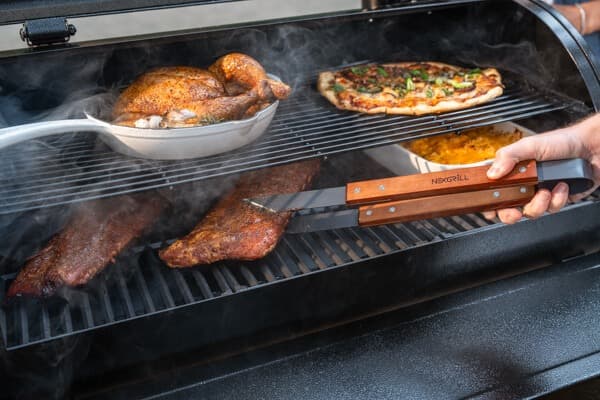
One helpful skill is building two heat zones on the grill. Keep one burner at medium-high and another at medium or low, then move food between them as needed. This is especially useful for chicken breasts that are browning too quickly on the outside before the center finishes. Another useful skill is learning when to use the lid. Closed-lid cooking works well for thicker proteins and larger vegetables because it turns the grill into a more oven-like environment. Open-lid cooking gives you more immediate control for fast sears or quick flips.
If food is burning on the outside but still undercooked inside, the heat is too aggressive. Move it to a cooler zone instead of increasing the flame.
Exploring More Beginner-Friendly Gas Grill Recipes
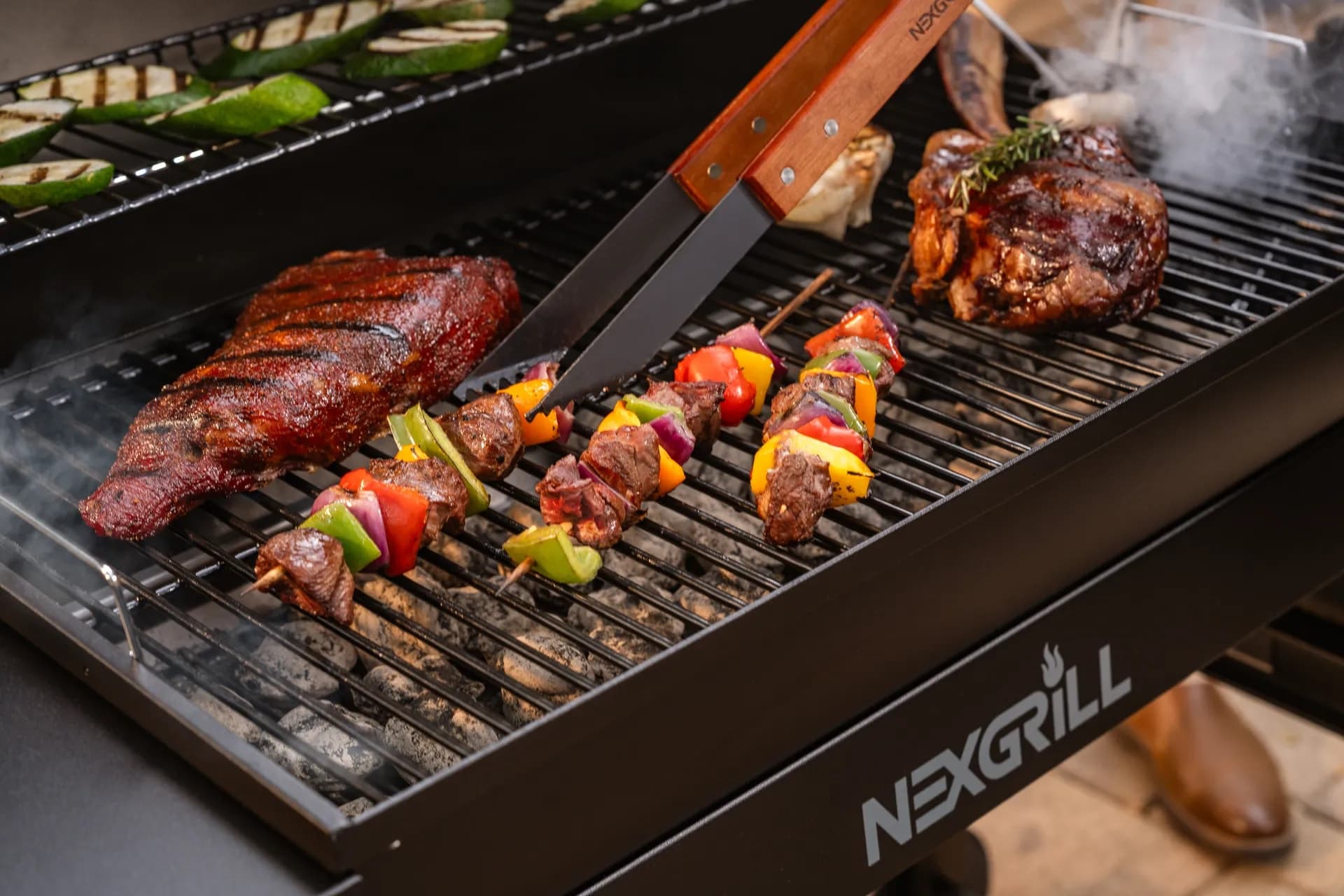
After chicken, vegetables, and burgers, you can expand into other recipes that still keep prep simple. Shrimp skewers are a strong next step because they cook quickly and take on seasoning well. Brush peeled shrimp with olive oil, garlic, salt, pepper, and a little lemon zest, then grill for just a few minutes per side until they turn opaque. Pork chops are another good option for beginners because they are easy to season and pair well with fruit or mustard-based sauces. A simple chop with salt, pepper, and a quick glaze of barbecue sauce at the end can feel like a bigger meal without being hard to make.
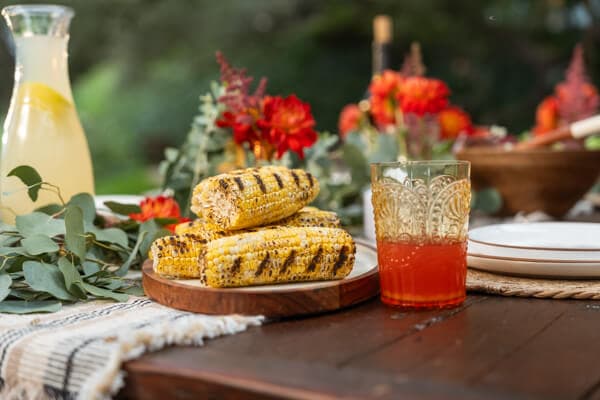
If you want to keep cooking for a mixed crowd, consider flat vegetables and fruit. Pineapple slices, peach halves, and corn on the cob all work well on a gas grill. They teach timing and caramelization in a forgiving way. Even simple quesadillas can be made on a grill-safe pan or on cooler grates if you want to experiment with a quick snack. The key is to choose recipes with short ingredient lists and clear visual cues, such as color change, grill marks, or a firm but springy texture. For beginners, those cues are often easier to trust than complicated timing alone.
| Recipe | Prep Level | Typical Grill Time | Why it works for beginners |
|---|---|---|---|
| Shrimp skewers | Low | 4 to 6 minutes | Quick cook time with clear doneness signals |
| Pork chops | Low to medium | 8 to 12 minutes | Simple seasoning and reliable browning |
| Corn on the cob | Low | 10 to 15 minutes | Forgiving texture and easy flavor additions |
| Pineapple slices | Low | 2 to 4 minutes | Fast caramelization with very little prep |
Maintaining Your Gas Grill for Longevity
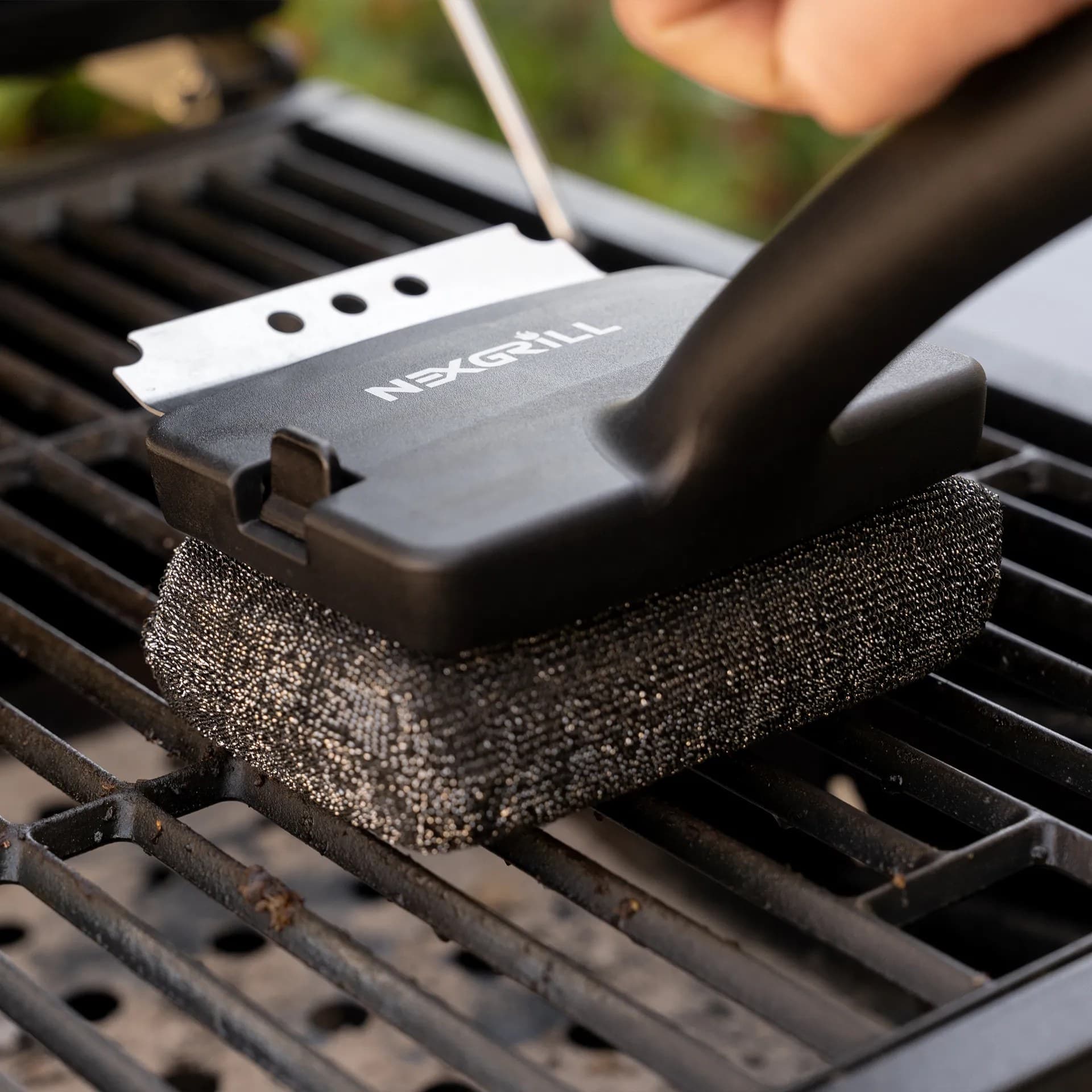
A clean grill not only lasts longer, it also cooks more predictably. After the grill cools slightly, brush the grates to remove food residue. Empty grease trays regularly so buildup does not interfere with flavor or create flare-up risks on the next cook. Wipe down exterior surfaces with a soft cloth and mild soap if needed, then dry everything well before covering the grill. These small tasks take only a few minutes, but they protect the parts you rely on most.
It is also worth checking the burners, knobs, and propane connection from time to time. If a burner seems uneven or the ignition is sluggish, address it before your next cook rather than during dinner. A weather-resistant cover helps protect the grill from rain, dust, and sun exposure when it is not in use. For newer grillers, learning these simple maintenance habits early makes every future cook easier because the grill starts from a cleaner, safer baseline.
Safety Precautions and Best Practices for New Grillers
Safety should feel like part of the rhythm of grilling, not a separate chore. Always grill outdoors in a well-ventilated area, keep children and pets at a safe distance, and never leave the grill unattended while it is lit. Use long-handled tools to keep your hands away from the heat, and wear heat-safe gloves if you are moving hot trays or adjusting cooking zones. If you are using a propane grill, confirm the tank is connected securely before ignition and turn the knobs fully off after cooking.
For food safety, avoid guessing when it comes to doneness. Chicken should reach 165°F, while burgers, pork, and other proteins should be checked with an instant-read thermometer until you know your grill’s behavior well. Let cooked meat rest before slicing so juices stay where they belong. Keep raw and cooked foods on separate trays, and wash utensils that touched raw proteins before using them again. These are simple habits, but they make beginner grilling much more comfortable and dependable.
Good grilling is about repetition, not perfection. The more consistently you follow basic safety steps, the more relaxed and confident you will feel at the grill.
Joining the Grilling Community: Sharing Recipes and Experiences
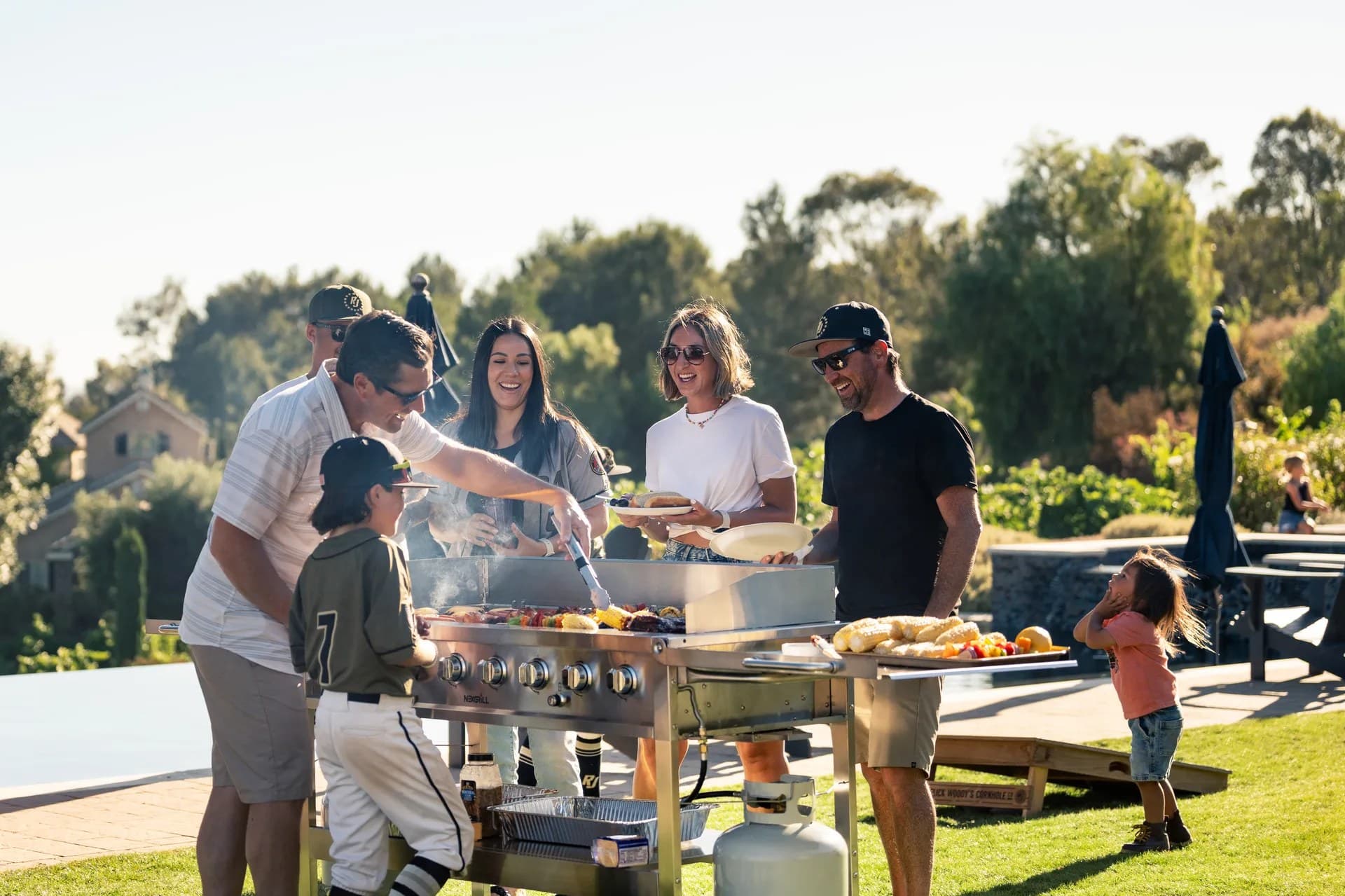
One of the most rewarding parts of learning to grill is how naturally it brings people into the process. A simple burger night or vegetable side dish can turn into a family routine, a weekend hangout, or the start of your own favorite recipe traditions. Sharing what you cook, what worked, and what you want to try next makes the experience more fun and more useful. If a marinade was too salty or the chicken needed an extra minute, that is part of the learning process, not a failure. The best home cooks are usually the ones who keep testing, tasting, and talking about what they made.
Nexgrill’s brand voice emphasizes togetherness and approachability, and that is a good lens for beginner grilling. You do not need to be a seasoned pitmaster to enjoy good food outside. You just need a grill, a few dependable recipes, and the willingness to keep trying. If you want to keep exploring, browse recipe ideas, compare notes with friends, and adapt dishes to the ingredients you already have at home. Over time, your gas grill becomes less of a mystery and more of a familiar part of how you cook, host, and connect.