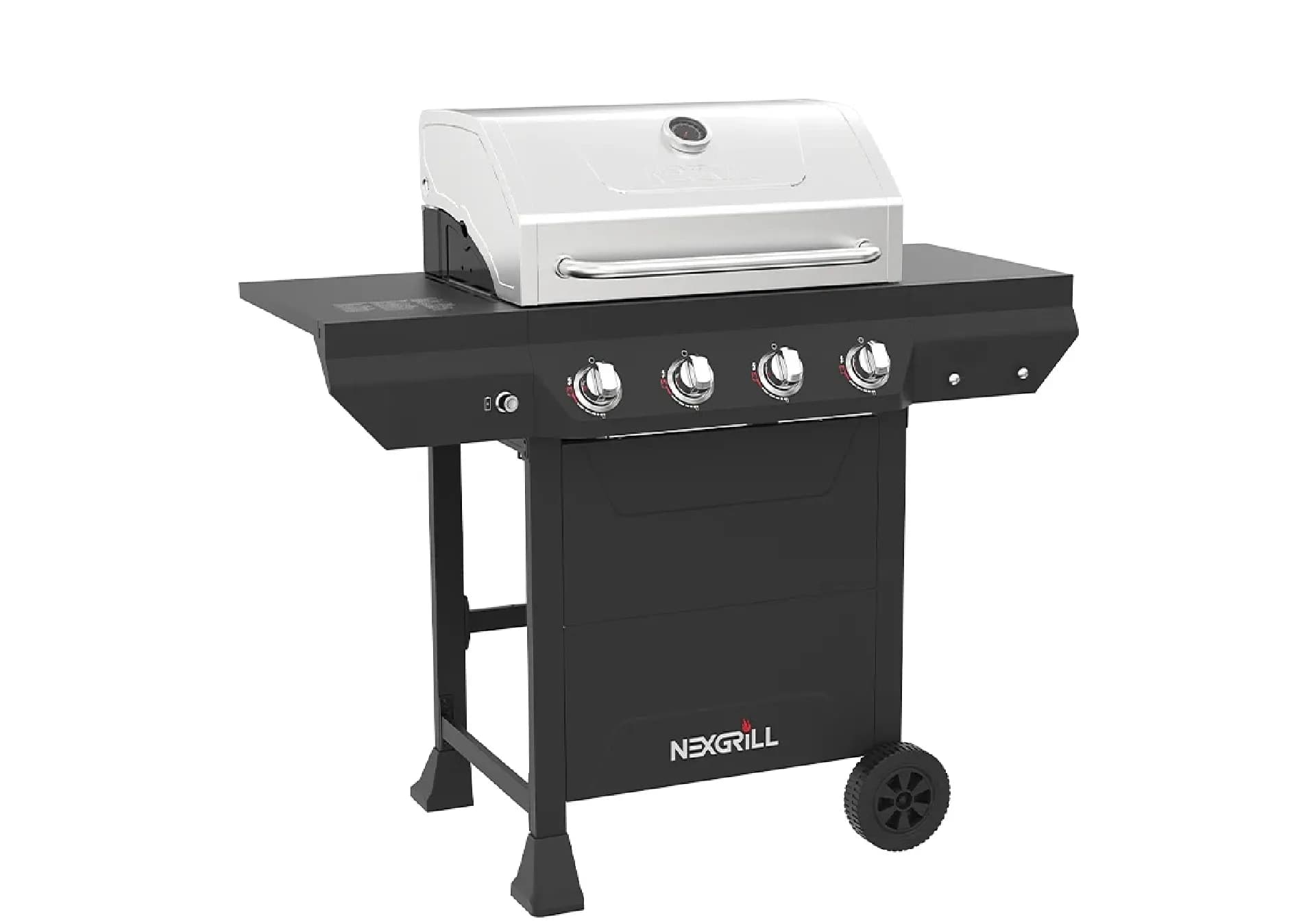
Discover the perfect dual fuel gas grills designed for novice grillers.
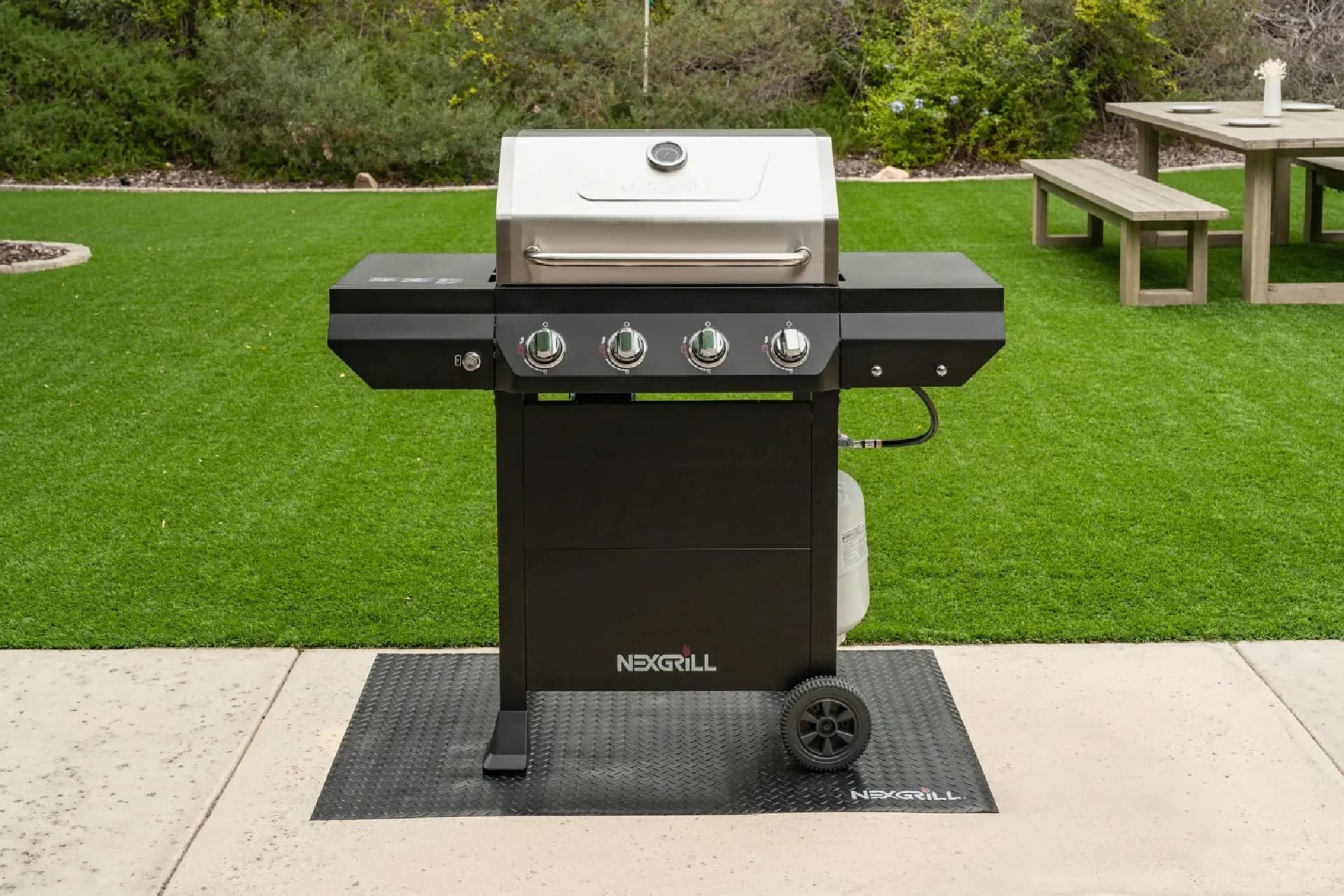
Here's what sets us apart from the competition
We position ourselves as delivering high-end outdoor cooking features and performance without premium-brand pricing, emphasizing “Quality Grills. Unbelievable Value.”
We offer gas grills, pellet grills, griddles, smokers, pizza ovens, portable/tabletop grills, electric grills, accessories, and replacement parts — allowing customers to stay within one ecosystem for all outdoor cooking needs.
We differentiate ourselves through smart grilling products like the Oakford smart pellet grill, including app-connected cooking controls and modern outdoor cooking technology.
Expert tips, buying guides, comparisons, and inspiration for choosing and getting the most out of your grill.
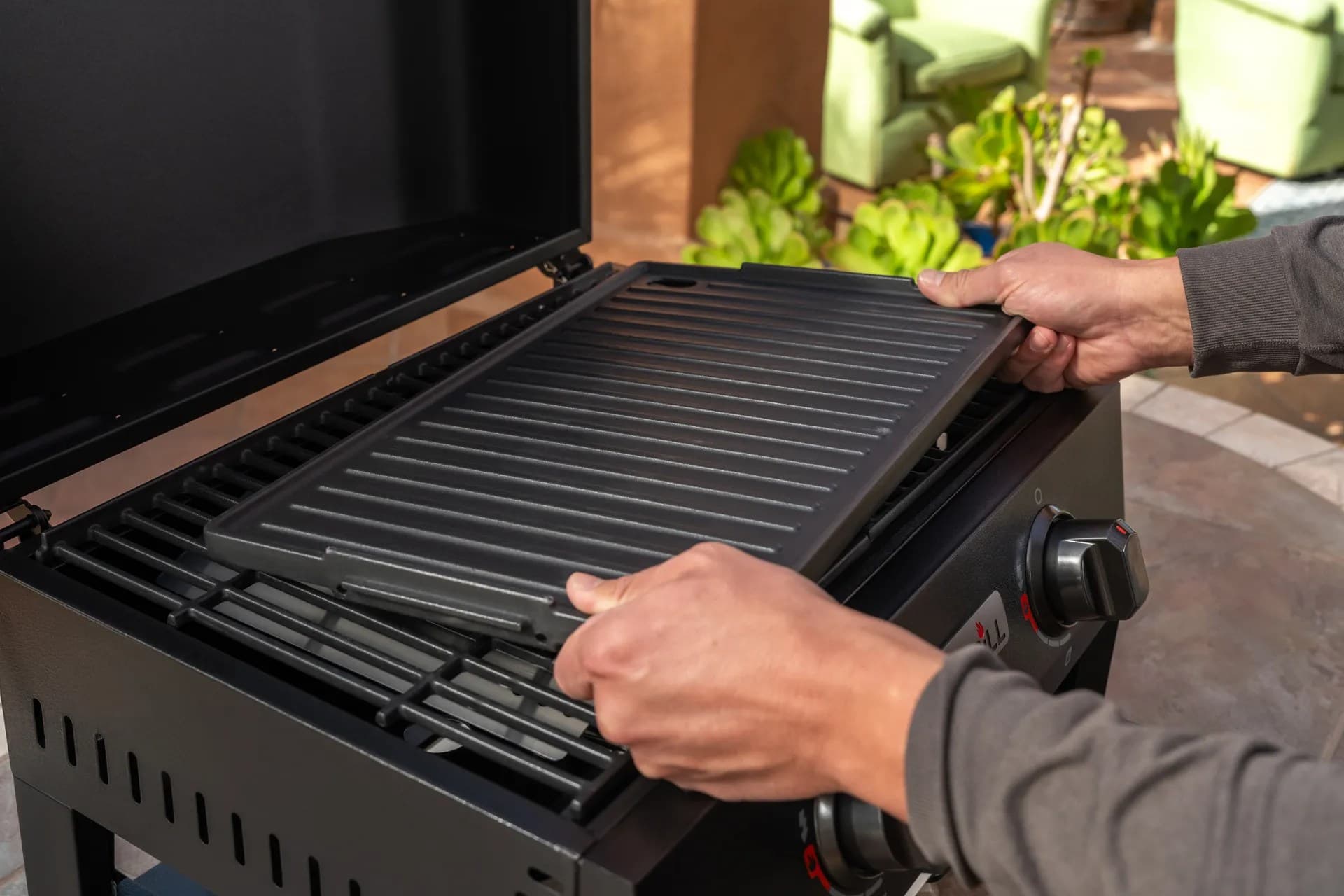
Practical guides for cleaning, maintenance, common grill issues, and performance optimization.
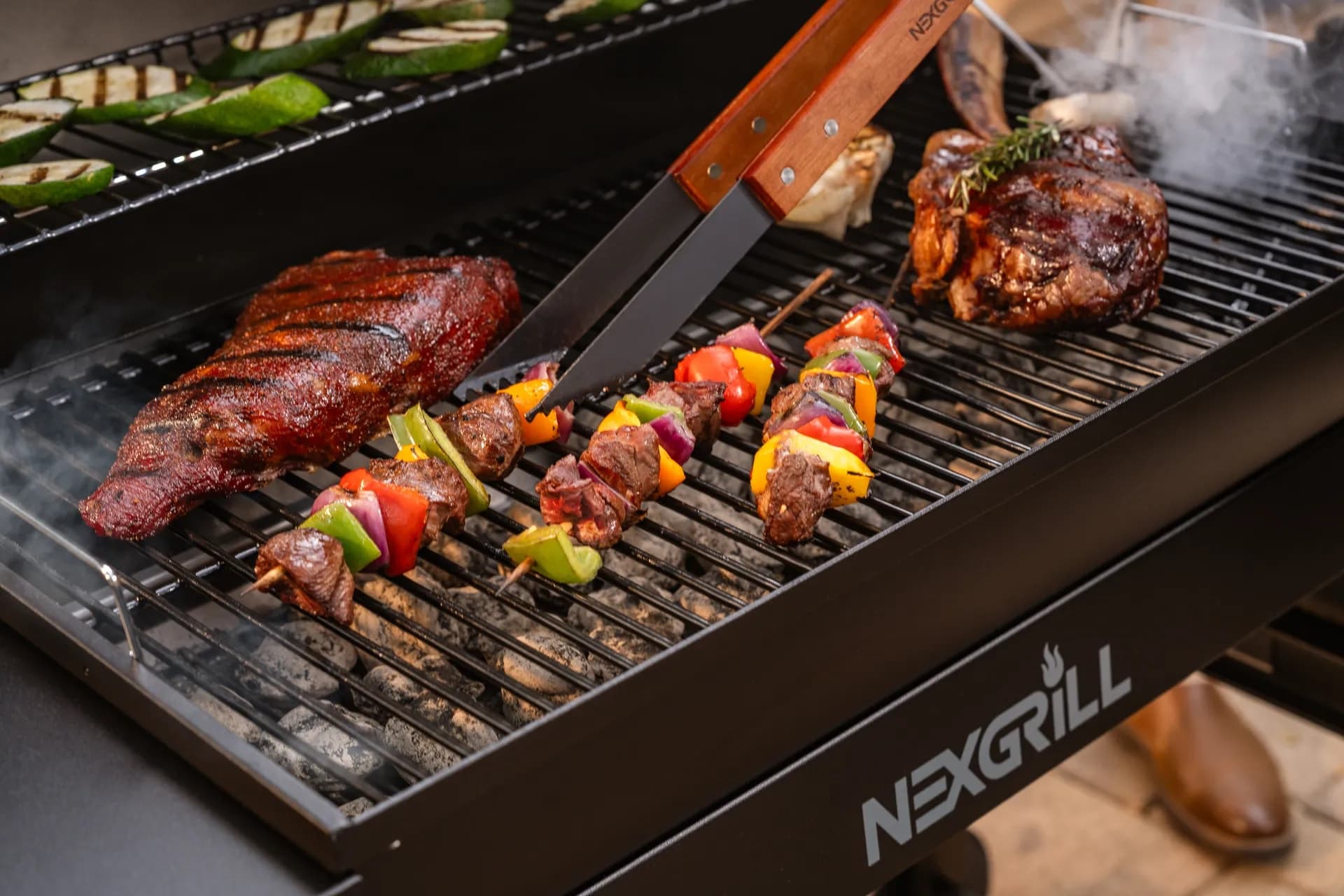
Step-by-step grilling recipes, cooking techniques, and meal ideas for every occasion and skill level.

Backyard entertaining ideas, seasonal grilling inspiration, and stories that celebrate outdoor cooking culture.
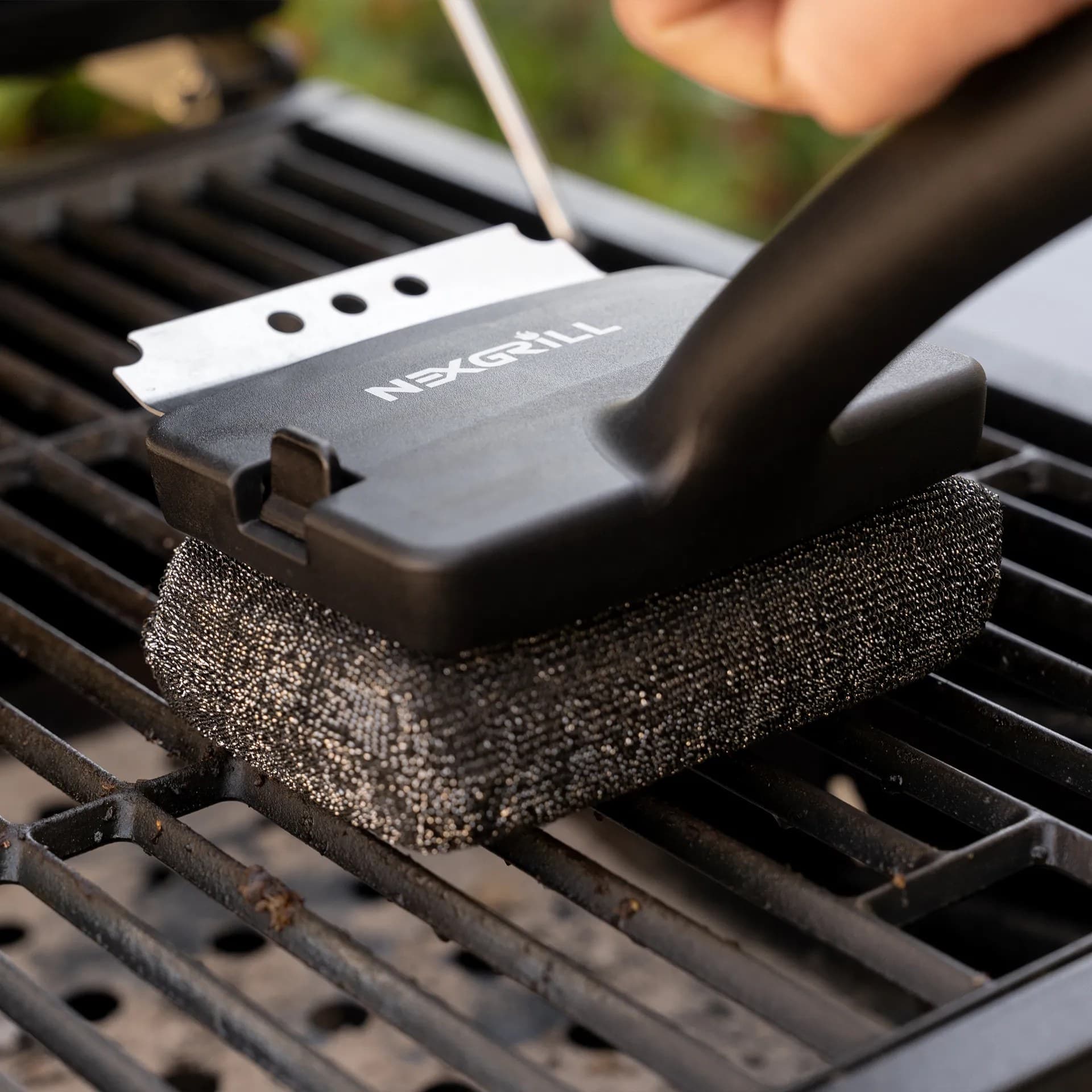
Helpful articles covering grilling tools, cookware, maintenance gear, and must-have accessories for outdoor cooking.
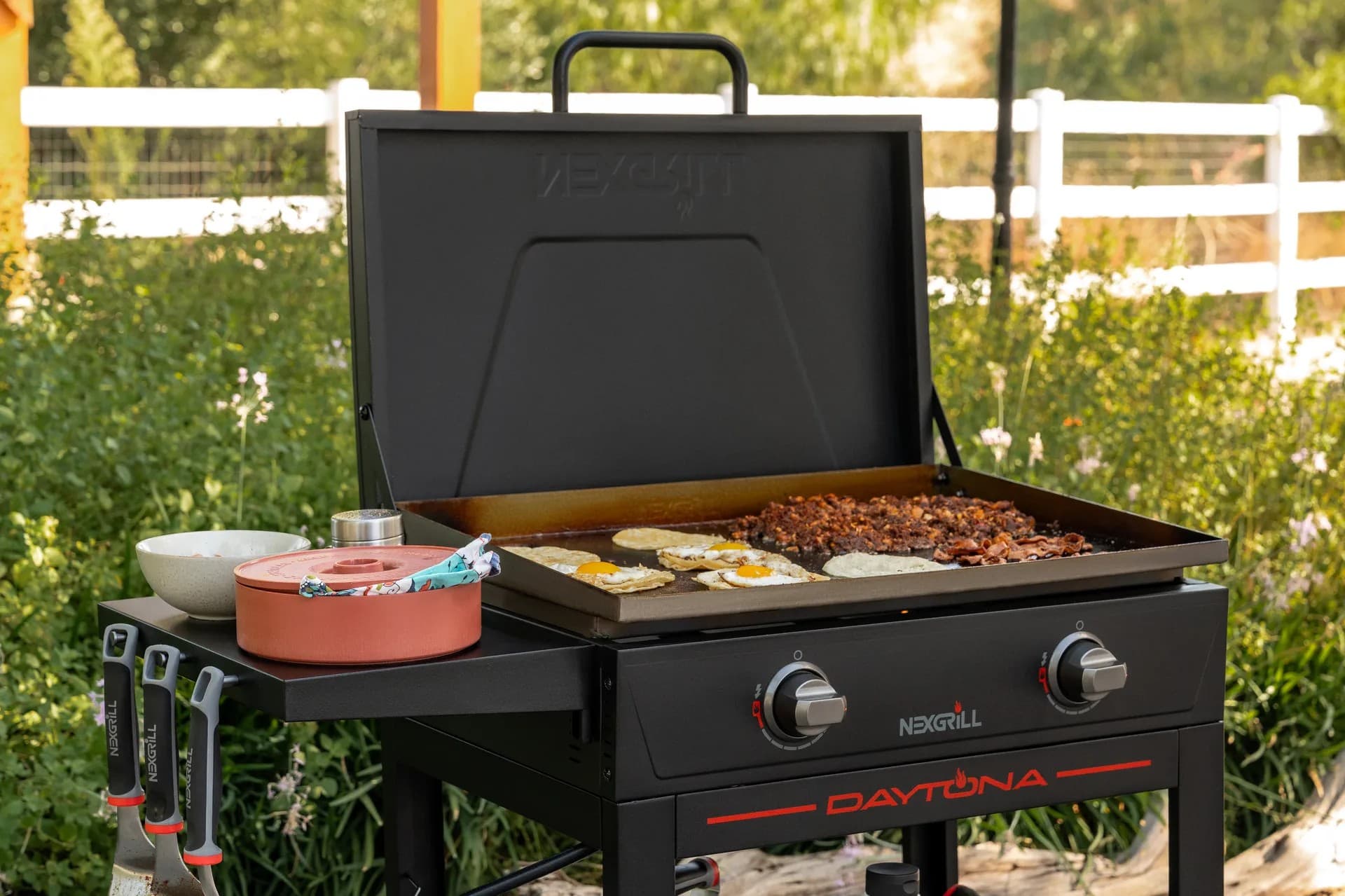
Find griddle recipes, cooking techniques, cleaning tips, and outdoor meal ideas designed for Nexgrill griddles.
Find answers to common questions
Nexgrill offers a variety of gas grills, including standard models, portable options, and premium designs with advanced features. Each is designed to cater to different grilling needs and preferences.
To clean your Nexgrill gas grill, regularly scrape down the grates, empty the grease tray, and wipe down exterior surfaces. Consult your model's manual for specific maintenance instructions and recommended cleaning products.
Nexgrill gas grills are designed to use either propane or natural gas, depending on the model. Ensure you read the specifications to determine the appropriate fuel type for your grill.
Many Nexgrill models can be converted from propane to natural gas with a conversion kit. Check the owner's manual for compatibility and details on the conversion process.
If your Nexgrill gas grill is not lighting, first check the fuel supply, ensure the gas lines are free of obstructions, and verify that the igniter is functioning. Consult the user manual for troubleshooting tips specific to your model.
In This Article
Versatile Cooking Options
User-Friendly Features
Affordable Choices
If you are looking to buy a dual fuel gas grill, the basic idea is simple: you get the speed and control of gas plus the flavor and ritual of charcoal in one outdoor cooker. For a beginner, that combination can be especially appealing because it removes the pressure of choosing a single cooking style too early. You can start with propane for quick weeknight burgers or vegetables, then switch to charcoal when you want deeper smoke flavor for ribs, chicken, or thicker cuts. That flexibility is a big reason dual fuel grills often feel more forgiving to first-time buyers than a single-purpose setup.
Nexgrill’s brand philosophy makes this kind of starter-friendly grilling feel even more approachable. The company positions outdoor cooking as welcoming, casual, and accessible for people of all experience levels, not just seasoned pitmasters . That matters because beginners usually want two things at once: simple operation and room to grow. A dual fuel grill supports both. You can rely on gas when you want predictable heat, and you can explore charcoal once you are comfortable managing vents, fire timing, and flavor development.
One grill can give you faster weeknight cooking and classic charcoal flavor.
For many beginners in the United States, the real question is not whether gas or charcoal is better overall. It is which option helps you cook more often with less stress. Dual fuel grills fit that use case well. They reduce the risk of buyer’s remorse because you are not locked into one method. If your habits change later, the grill still stays useful. That kind of flexibility is especially valuable for new homeowners, apartment-to-house movers, and families who want one grill for small meals and larger weekend gatherings.
The right beginner grill should do more than just heat food. It should help you build confidence. That means clear controls, sensible cooking space, straightforward cleaning, and a layout that makes it easy to understand what is happening inside the firebox. Good dual fuel models are designed to do exactly that: create a manageable learning curve without limiting what you can cook. In practical terms, that means you can practice indirect heat, try different smoke levels, and learn how to manage flare-ups without needing two separate appliances.
The strongest benefit for a beginner is flexibility without complexity. Gas ignition gives you fast startup and easier temperature control, which helps on busy weeknights when you do not want to spend 30 minutes waiting on coals. Charcoal, on the other hand, lets you experiment with smoke and sear intensity when you have more time. Instead of choosing between convenience and flavor, a dual fuel grill lets you learn both at a pace that feels comfortable. That makes it easier to keep grilling as a habit rather than treating it like a special-occasion project.
Another beginner advantage is cost efficiency over time. A dual fuel grill can serve multiple purposes, so you may not need to buy a second cooker later just to explore another fuel style. Consumer Reports regularly emphasizes that the best grill is the one that fits how you cook, not just the one with the flashiest spec sheet, which is a useful mindset for first-time buyers who are balancing budget and practicality . The key is to look for a model that gives you enough cooking space and heat control for your actual meal plan, not an oversized setup that adds clutter and expense.
Tip: Beginners usually do better with grills that make the first 10 minutes easy. Fast ignition, visible heat zones, and simple cleanup matter more than extra bells and whistles.
Dual fuel grills also make it easier to cook for mixed groups. If one person wants a quick hot dog or chicken breast and another wants smoky ribs, the same grill can support both without separate equipment. That is useful for households where cooking styles differ. It also helps when you are hosting and want to keep the menu flexible. You can run a gas side for faster items while using charcoal for foods that benefit from longer cooking or a more pronounced smoke profile.
For beginners, this versatility builds confidence through repetition. A grill that is easy to light and easy to understand encourages more practice. More practice leads to better control over heat, timing, and seasoning. That learning curve is one of the underrated advantages of dual fuel cooking: it gives you room to improve without forcing you to master a single technique immediately. Over a few cookouts, you start to recognize how different foods respond to gas versus charcoal, and that knowledge is what turns an unsure buyer into a comfortable grill owner.
When you are shopping for a beginner-friendly dual fuel grill, focus on the features that reduce friction. The first is ignition. If the grill starts easily and reliably, you are more likely to use it often. The second is heat zoning. Separate cooking areas help you keep delicate foods away from direct flames while giving steaks or vegetables a hotter zone when needed. The third is cleanup design. Ash removal, grease management, and grate access should be straightforward enough that maintenance does not become a reason to avoid grilling.
| Feature | Why it matters for beginners | What to look for |
|---|---|---|
| Ignition | Reduces startup stress and wasted fuel | Push-button or electronic start on the gas side |
| Cooking space | Helps you cook a full meal without crowding | Room for 4 to 6 burgers plus sides or vegetables |
| Heat control | Makes it easier to avoid burning food | Adjustable vents and clearly separated hot and cool zones |
| Cleanup access | Keeps ownership from feeling like a chore | Removable ash tray or drip tray and easy-to-lift grates |
Materials matter too, especially if you plan to keep the grill outdoors through different seasons. Look for sturdy cart construction, stable wheels, and a lid that closes securely. A beginner often benefits more from a grill that feels solid and predictable than from one with a long list of premium extras. If you buy a grill that is hard to move, awkward to clean, or unclear to operate, you will use it less. Durability and simplicity are a better first-grill combination than complexity and novelty.
You should also think about how you actually cook. If you mostly make weeknight meals, prioritize quick startup and manageable size. If you enjoy weekend cooking projects, prioritize a larger surface, better temperature zoning, and enough room to experiment with charcoal. Nexgrill’s collection includes a broad range of outdoor cooking products, which makes it easier to compare configurations and find a setup that fits your budget and experience level . That broad selection is especially helpful when you are still figuring out whether you need a compact grill or a more capable backyard centerpiece.
The best beginner choice is usually not the most expensive model; it is the one that makes your first season easier. When evaluating dual fuel options, think in terms of use case rather than raw specs. A smaller household might prefer a compact model with simpler controls and less fuel consumption. A family that entertains on weekends may want a wider cooking surface and more separation between gas and charcoal zones. A beginner who wants low anxiety should favor a grill with clear heat control, stable construction, and enough room to learn without overcrowding food.
| Beginner profile | Best setup | Why it fits |
|---|---|---|
| Occasional griller | Compact dual fuel grill | Lower cost, easier storage, simpler operation |
| Family weeknight cook | Mid-size dual fuel grill with separate zones | Handles mixed meals and multiple portions |
| Weekend learner | Larger dual fuel model with better airflow | Leaves room to practice charcoal timing and smoke control |
If you are just starting out, a well-balanced model from a recognized outdoor cooking brand is usually safer than chasing a niche feature set. Nexgrill’s product lineup emphasizes accessible outdoor cooking solutions and value-oriented options, which aligns well with the beginner buyer who wants practical performance without a complicated learning curve . The main thing to avoid is buying for hypothetical future use that may never happen. A grill that matches your current habits is the one you are most likely to enjoy.
A useful way to narrow the field is to ask three questions: How often will I grill? What foods will I make most? How much patio or deck space do I have? If you grill once a month, a simpler and more compact model is usually the right call. If you plan to cook several times a week, invest in a stronger cart, better burners, and easier cleanup. And if you love experimenting, choose a model that gives you room to control gas and charcoal separately. Try comparing two products side by side below to see which fits best:
Once you have weighed two options against each other, the next step is learning how to use the grill in a way that feels calm and repeatable. Start with the gas side when you want an easy first cook. Preheat until the grates are hot, then cook simple foods such as chicken breasts, skewered vegetables, or sausage links. This builds confidence because gas gives you visible control: turn the burner up, turn it down, and watch the response. For a beginner, that feedback loop is extremely useful.
Charcoal is the second skill to learn, and you do not need to master it on day one. Begin with a small charcoal load so you can observe how air movement affects heat. Use one zone for direct heat and another for gentler cooking, and keep the lid closed when possible so the fire stabilizes. That approach teaches temperature management without overwhelming you. The whole point of a dual fuel grill is to let you move gradually from convenience cooking to flavor-driven cooking at your own pace.
A simple first-session plan works well for many United States households. Use gas for the main protein if dinner needs to happen quickly, then finish vegetables or a side dish over charcoal if you want to try smoke flavor. This is a practical way to use both systems without turning the meal into a test. It also helps you learn timing. For example, you may discover that zucchini and peppers are more forgiving over charcoal than delicate fish, while bone-in chicken can benefit from a slower charcoal finish after a gas pre-cook. Those lessons are more valuable than memorizing technical charts.
Info: Beginners usually do best when they cook one primary protein and one side dish at the same time. It keeps the menu manageable while teaching you how each fuel behaves.
When you set up the grill, think in zones. Keep tools within reach, leave space for raw and cooked food, and avoid overcrowding the grate. That creates a safer workflow and makes it easier to notice temperature differences. It also helps reduce the common beginner mistake of opening the lid too often. With dual fuel grilling, the lid is part of the heat system, so every unnecessary peek changes the cooking environment. A calm, organized setup will improve your results faster than trying to micromanage every minute.
A beginner-friendly grill should still be cared for like a long-term tool. After each cook, let the grate cool slightly, then clean off residue while it is still warm enough to release grease more easily. Empty ash after charcoal sessions so airflow stays open and the grill is ready for the next use. Wipe down the exterior with a soft cloth and keep the lid closed when the grill is not in use. These are not complicated tasks, but they matter because they prevent buildup and help you get consistent cooking from one session to the next.
For the gas side, check burners, igniters, and connections regularly. If a burner seems uneven or slow to light, address it before your next cook. For the charcoal side, inspect vents and dampers so they still open and close smoothly. Dual fuel grills are especially sensitive to airflow management, because the charcoal performance depends heavily on how well the fire breathes. A blocked vent or a dirty firebox can make a simple cook feel frustrating, so staying ahead of cleanup pays off.
Warning: Do not leave charcoal ash sitting in the grill for long periods. Ash can trap moisture, which makes corrosion and stale odors more likely over time.
Weather protection also matters in the United States, especially if your grill lives on a patio, balcony, or open deck. Rain, humidity, and direct sun can wear down finishes and hardware faster than normal use alone. A fitted cover and a dry storage spot for accessories can extend the life of the grill and keep startup easier. If your region has heavy seasonal changes, take a few minutes before winter or peak summer to inspect fasteners, clean the cookbox, and confirm that wheels and handles are still secure. That small routine can prevent bigger problems later.
The best maintenance habit is consistency. You do not need a massive deep-clean after every meal, but you should do small tasks frequently. Wipe, scrape, empty, inspect, and cover. That rhythm keeps a dual fuel grill feeling beginner-friendly because the equipment stays predictable. The more predictable the grill, the more confidently you will use both fuel types.
At this point, the choice usually comes down to how much you want to learn at once. If you want the least intimidating entry point, choose the model with the simplest gas controls and the most straightforward charcoal area. If you want to grow into more advanced cooking, choose a grill that gives you larger cooking space and clearly separated heat zones. In other words, buy for your first year of grilling, not for a fantasy version of yourself five summers from now.
| If you value... | Choose this type | Trade-off |
|---|---|---|
| Fast meals and low stress | Smaller dual fuel grill | Less room for large gatherings |
| Room to experiment | Mid-size dual fuel grill | Usually a higher upfront price |
| Weekend entertaining | Larger dual fuel grill | Takes more storage space and cleanup time |
A smart beginner buyer should also consider how the grill fits the rest of the outdoor setup. If you already have a small patio table and limited storage, a compact or mid-size model will feel easier to live with. If you have a larger backyard and regularly host family dinners, a bigger grill may be worth the extra footprint. Nexgrill’s all-products collection can help you compare different outdoor cooking formats in one place, which is useful when you are deciding whether dual fuel is the right step or whether a simpler configuration makes more sense .
For most beginners, the best value sits in the middle. The cheapest option may lack the features that make learning easy, while the largest model may be more grill than you need. The sweet spot is a sturdy, easy-to-read, easy-to-clean grill that supports both gas and charcoal without forcing you into a steep learning curve. If you choose that well, your grill becomes more than a purchase. It becomes the piece of equipment that helps you cook confidently, host more often, and keep improving each season.
Buying your first dual fuel gas grill is really about choosing flexibility, confidence, and room to learn. If you want the speed of gas, the flavor of charcoal, and the freedom to figure out your own style over time, a dual fuel model is a strong beginner move. It gives you the chance to make simple meals on busy nights and more flavorful meals when you have time to experiment. That balance is what makes the category so appealing for new grill owners.
The best decision comes from matching the grill to your real life. Think about how often you cook, how many people you serve, and how much space you have available. Look for reliable ignition, manageable cleanup, sensible cooking space, and a layout that does not make the first few cooks feel complicated. Those are the features that will help you stay consistent and enjoy the grill long after the excitement of the purchase fades.
If you compare options carefully and choose a model built for easy use, your first dual fuel grill can become the foundation of many good meals. Start simple, learn the controls, and let the grill grow with your skills. That is the best path for beginners who want quality, versatility, and value in the same outdoor cooker.
Here's what sets us apart
We position ourselves as delivering high-end outdoor cooking features and performance without premium-brand pricing, emphasizing “Quality Grills. Unbelievable Value.”
We offer gas grills, pellet grills, griddles, smokers, pizza ovens, portable/tabletop grills, electric grills, accessories, and replacement parts — allowing customers to stay within one ecosystem for all outdoor cooking needs.
We differentiate ourselves through smart grilling products like the Oakford smart pellet grill, including app-connected cooking controls and modern outdoor cooking technology.
Don't just take our word for it
Keep reading
From our catalog