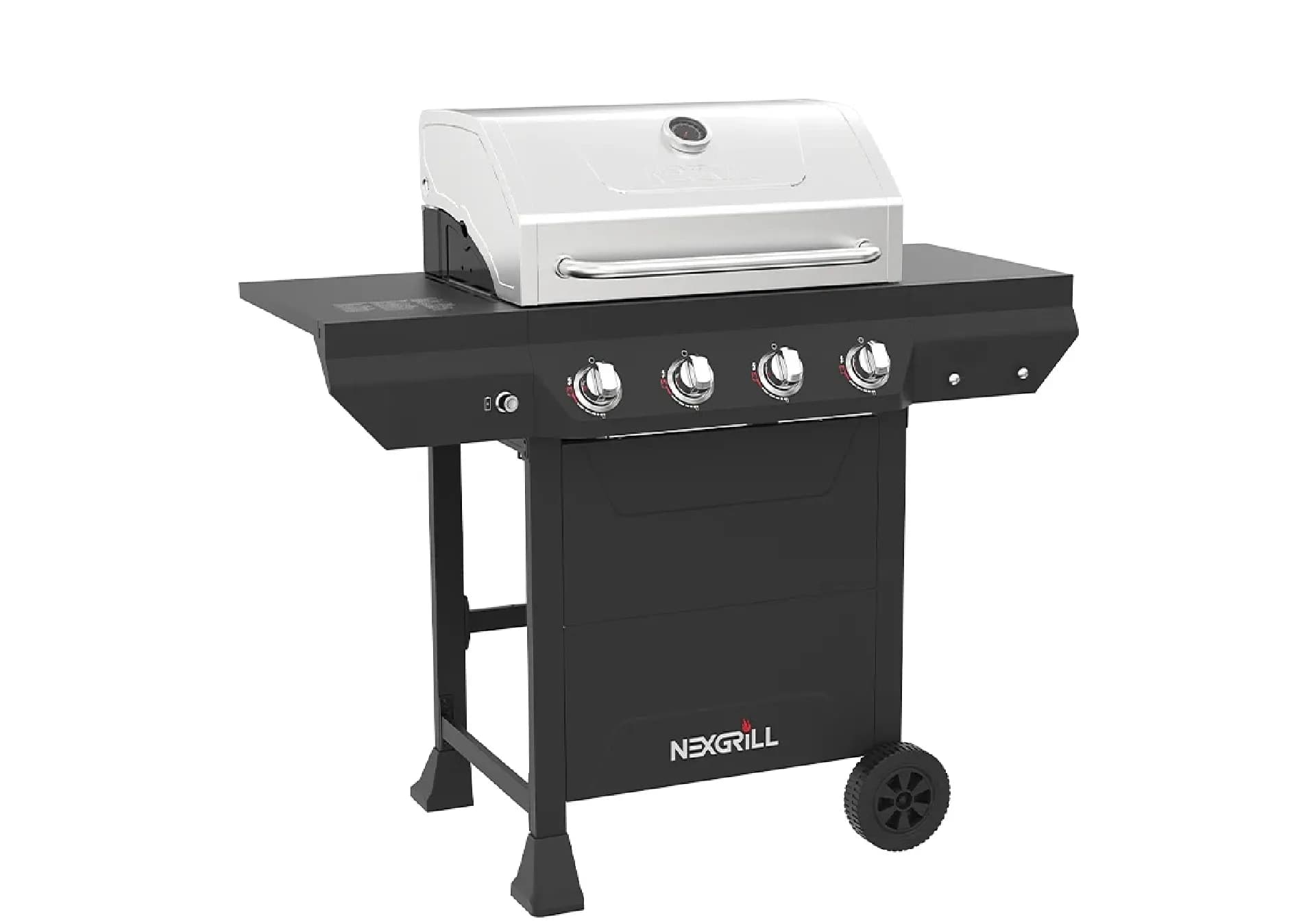
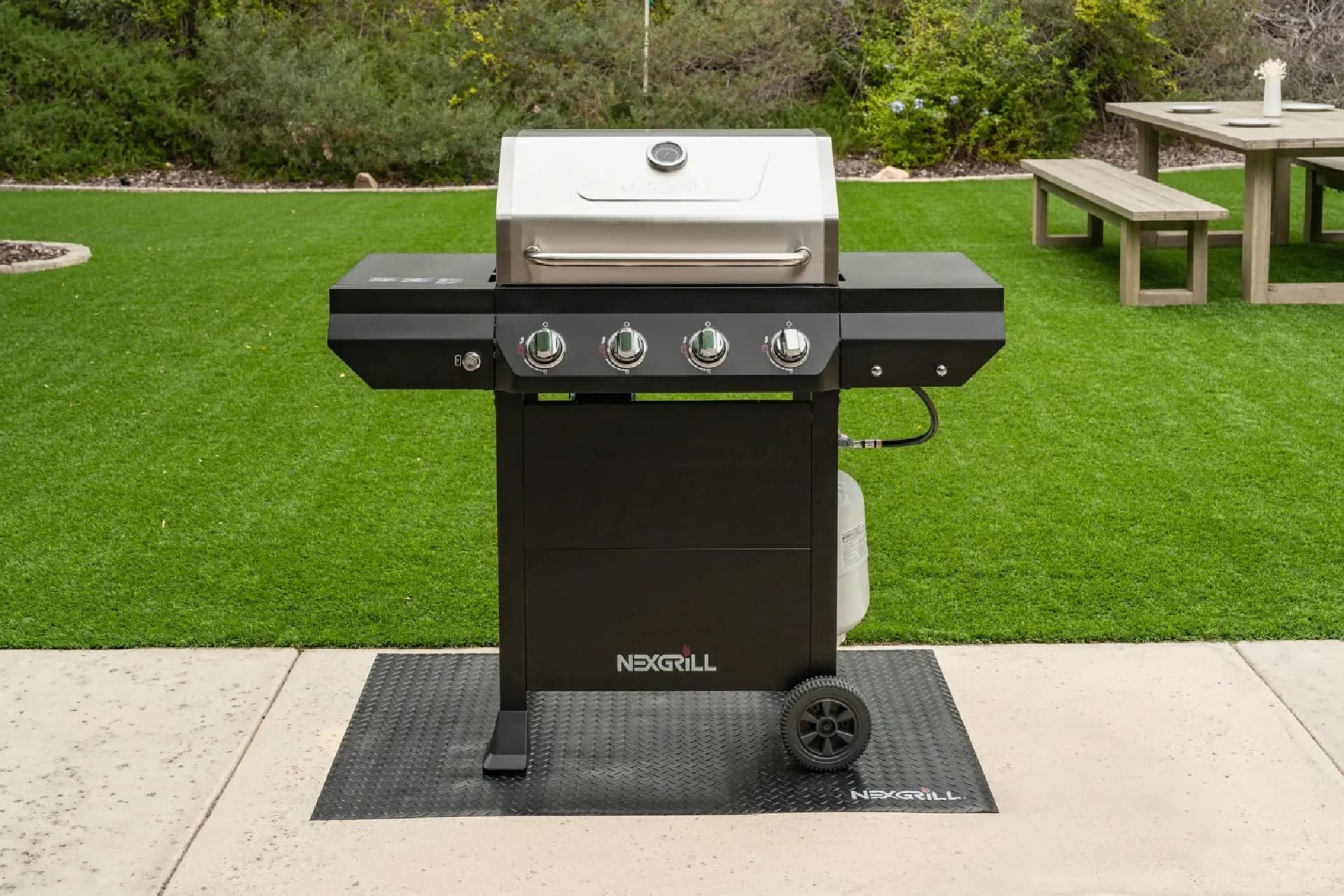
A comprehensive guide to selecting the ideal 5-burner gas grill for your outdoor cooking needs.
Here's what sets us apart from the competition
We position ourselves as delivering high-end outdoor cooking features and performance without premium-brand pricing, emphasizing “Quality Grills. Unbelievable Value.”
We offer gas grills, pellet grills, griddles, smokers, pizza ovens, portable/tabletop grills, electric grills, accessories, and replacement parts — allowing customers to stay within one ecosystem for all outdoor cooking needs.
We differentiate ourselves through smart grilling products like the Oakford smart pellet grill, including app-connected cooking controls and modern outdoor cooking technology.

Expert tips, buying guides, comparisons, and inspiration for choosing and getting the most out of your grill.

Practical guides for cleaning, maintenance, common grill issues, and performance optimization.

Step-by-step grilling recipes, cooking techniques, and meal ideas for every occasion and skill level.

Backyard entertaining ideas, seasonal grilling inspiration, and stories that celebrate outdoor cooking culture.

Helpful articles covering grilling tools, cookware, maintenance gear, and must-have accessories for outdoor cooking.

Find griddle recipes, cooking techniques, cleaning tips, and outdoor meal ideas designed for Nexgrill griddles.
Find answers to common questions
Nexgrill offers a variety of gas grills, including standard models, portable options, and premium designs with advanced features. Each is designed to cater to different grilling needs and preferences.
To clean your Nexgrill gas grill, regularly scrape down the grates, empty the grease tray, and wipe down exterior surfaces. Consult your model's manual for specific maintenance instructions and recommended cleaning products.
Nexgrill gas grills are designed to use either propane or natural gas, depending on the model. Ensure you read the specifications to determine the appropriate fuel type for your grill.
Many Nexgrill models can be converted from propane to natural gas with a conversion kit. Check the owner's manual for compatibility and details on the conversion process.
If your Nexgrill gas grill is not lighting, first check the fuel supply, ensure the gas lines are free of obstructions, and verify that the igniter is functioning. Consult the user manual for troubleshooting tips specific to your model.
In This Article
Comprehensive Cooking Capacity
Enhanced Heat Distribution
Versatile Cooking Options
A 5-burner gas grill sits in a sweet spot for many backyard cooks: it is large enough to handle family dinners, neighborhood cookouts, and holiday spreads, yet still manageable enough for a home patio or deck. If you are searching for a buy 5 burner gas grill guide, the smartest place to start is not with the flashiest lid or the biggest advertised heat number. Start with the features that determine how the grill actually cooks, how easy it is to live with week after week, and whether it matches the way you entertain in the United States.
Nexgrill’s brand philosophy centers on welcoming more people to the table, and that mindset fits the 5-burner category well: these grills are often chosen by households that cook for a crowd, like the flexibility of multi-zone heat, and want dependable value without overbuying a commercial-scale unit . The best 5-burner grill is the one that balances cooking area, burner layout, build quality, and practical extras such as side shelves or a side burner. In other words, the right choice is less about one spec and more about how several details work together on your patio.
Usually chosen for larger cooking zones and more flexible heat control
Tip: Think in terms of meals, not just burner count. A 5-burner grill should make it easier to sear steaks, roast chicken, and keep vegetables warm at the same time.
The biggest reason shoppers choose a 5-burner grill is simple: more usable cooking space. That matters if your typical weekend menu includes burgers for a crowd, bone-in chicken, foil-packet sides, corn, or mixed vegetables that need a little room to breathe. A larger grill lets you arrange food by temperature zone, not just by elbow room. One side can be set for high direct heat while another runs gentler for finishing or resting. This makes the grill feel more versatile than a smaller two- or three-burner model, especially when guests arrive at different times and food needs to stay ready.
When reviewing capacity, do not stop at overall dimensions. Look for the primary cooking surface, the warming rack area, and the real width between burners. A grill with five burners but cramped spacing can still feel crowded if pans, platters, or indirect cooking setups do not fit comfortably. If you like batch cooking, large-format capacity matters even more: you can cook the main course on one side and sides or buns on the other without constantly reshuffling food. For many households, that saves time and keeps the meal from turning into a juggling act.
| Capacity factor | What to check | Why it matters |
|---|---|---|
| Primary cook surface | Enough room for your usual guest count | Prevents overcrowding and uneven cooking |
| Warming rack | Usable space above the main grates | Keeps finished food warm while the rest cooks |
| Layout | Room for zones, trays, and indirect heat | Improves menu flexibility |
Five burners only matter if the grill can use them well. Heat distribution is where a good 5-burner model separates itself from a merely large one. The ideal grill spreads heat evenly enough that you can sear on one side and finish on the other without guessing where the hot spots are. That is especially important for mixed meals where proteins and vegetables need different heat levels. In practical terms, better heat distribution means fewer charred edges, fewer pale center zones, and more consistent results across the grate.
Burner placement plays a bigger role than many shoppers expect. A grill may advertise a strong output, but if the burners are spaced poorly, you can end up with a center hot zone and cooler corners. Good design creates overlapping heat patterns so the whole cooking surface becomes more usable. That is why it helps to read product details carefully and look beyond headline BTUs. A 5-burner setup should support zone cooking, not just high total output. If you regularly prepare thicker cuts, ribs, or chicken pieces, even heat management is often more valuable than raw intensity.
Warning: A higher BTU number alone does not guarantee better performance. Heat balance, grate material, and hood design all affect real cooking results.
A strong 5-burner gas grill should do more than grill burgers. Versatility is one of the main reasons people step up to this size category. Extra burners can support indirect roasting, split-zone cooking, and more comfortable low-and-slow sessions for foods like chicken quarters or thicker chops. If the grill includes a side burner, it becomes even more useful because you can simmer sauce, warm beans, or finish a skillet side dish without going back inside. That kind of flexibility is valuable when you want the whole meal to feel coordinated rather than assembled in stages.
For households that host often, versatility also means smoother flow. A grill with a warming rack, side shelf, and sturdy prep space can keep plating, basting, and resting organized. That reduces the stop-start rhythm that happens when you are running back and forth between the kitchen and patio. If you enjoy experimenting, the larger burner count can also support accessories and techniques that smaller grills struggle with, such as rotisserie use or segmented cooking for different foods at different temperatures.
Tip: If you cook more than one course outside, prioritize a grill with at least one feature that expands beyond direct grilling, such as a side burner or rotisserie compatibility.
A 5-burner grill is an investment in convenience, so durability deserves as much attention as cooking performance. Because these grills are often larger and used more frequently, weak components tend to show up faster. Look closely at the lid construction, control knobs, cart stability, and the materials used on critical surfaces. Stainless steel accents can be helpful, but what really matters is how well the grill is assembled and how consistently it resists wear from heat, grease, and weather.
The Nexgrill brand emphasizes dependable, accessible outdoor cooking for a wide range of users, from casual hosts to more experienced grillers, which makes practical build quality an important part of the value story . A sturdy cart, stable wheel design, and well-fitted lid can make the grill feel safer and more comfortable to use over time. If your grill will live outdoors year-round in the United States, especially in humid or coastal climates, weather resistance matters even more. A grill that looks good on day one but feels flimsy after one season is not a strong value, regardless of how many burners it has.
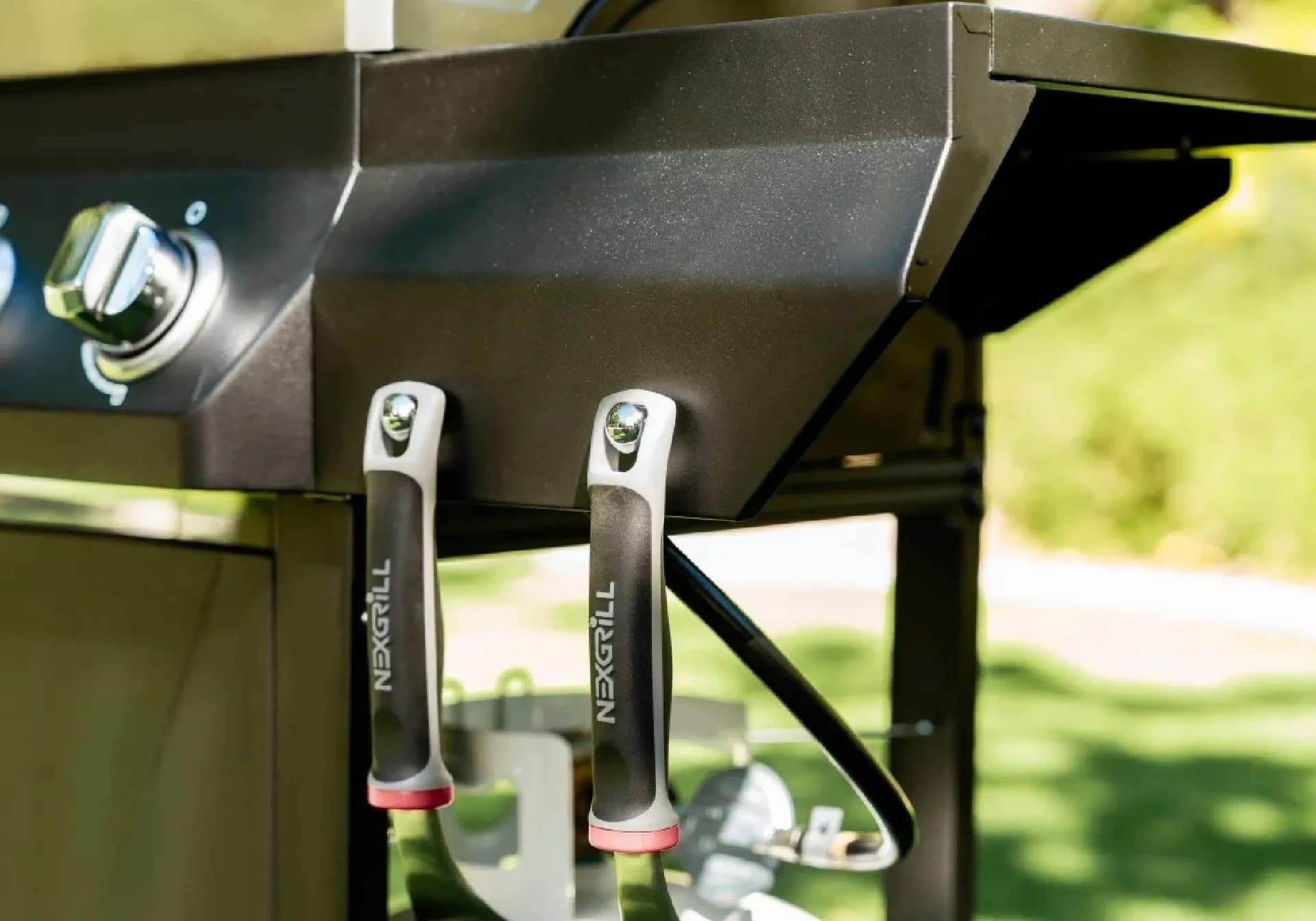
Once the core cooking features look solid, the extras decide how pleasant the grill is to use every day. Side shelves give you landing space for trays and utensils. Tool hooks keep the cooking area less cluttered. An integrated thermometer can help you track lid temperature, though it should be treated as a guide rather than a precision instrument. Lighting, locking casters, and a removable grease tray can also add real convenience if you grill often in the evening or want simpler cleanup.
This is also where shopping discipline helps. Not every premium-looking feature is equally useful. A good 5-burner grill should prioritize the features you will actually use: prep space if you cook from scratch outside, storage if you keep accessories with the grill, and ignition reliability if you want quick weeknight startup. If you rarely use accessories, it may be better to put more of your budget into burner quality and construction than into decorative add-ons.
Try comparing two products side by side below to see which fits best:
Choosing a 5-burner gas grill is really about choosing a cooking system for the way you host. The best model will feel spacious without being awkward, powerful without creating hot-spot chaos, and versatile enough to support the meals you actually make. If you keep your attention on capacity, heat distribution, versatility, build quality, and the features that improve your real cooking workflow, you will be much closer to finding a grill that feels worth the space it occupies on your patio.
Once you've weighed two options against each other, the next step is to interpret the numbers behind the hood. BTU ratings are often the first spec shoppers notice, but they are only useful when viewed alongside burner configuration, grill size, and cooking style. In a 5-burner grill, a higher BTU total can be helpful for faster preheating and stronger searing, but it does not automatically mean better cooking. What matters more is whether the output is spread across the cooking area in a way that supports the food you plan to make. A well-designed grill with moderate BTUs and sensible burner placement may outperform a higher-output model that concentrates too much heat in one spot.
For many United States households, the most useful configuration is one that allows distinct zones: a hot zone for searing, a medium zone for steady grilling, and a cooler or indirect area for finishing thicker cuts. Five burners can create that flexibility if the control layout makes sense. When you turn one side down, the adjacent burners should not create such a steep temperature drop that the food cooks inconsistently. If the grill includes a sear zone, dedicated side burner, or rear burner, think about how those elements fit into your normal menu rather than treating them as separate selling points. The best configuration is the one that shortens your workflow and reduces guesswork.
| Specification | What to look for | Practical impact |
|---|---|---|
| Total BTU rating | Use as a starting point, not the final decision | Affects preheat speed and max heat potential |
| Burner spacing | Even coverage across the grate | Reduces hot spots and cold corners |
| Zone control | Clear low, medium, and high heat sections | Improves flexibility for mixed meals |
Grate material affects heat retention, cleanup, durability, and the look of your sear marks. For a 5-burner grill, the cooking grates should support the size and pacing of the grill rather than feel like an afterthought. Cast iron grates tend to hold heat well, which helps with searing and gives a strong contact surface for meats and vegetables. They do require more attention to prevent rust, especially if your grill lives outdoors in a damp climate. Stainless steel grates are typically easier to maintain and often appeal to buyers who want a lower-maintenance ownership experience.
The best choice depends on how you cook. If you enjoy high-heat steaks and do not mind a little extra care, cast iron can be rewarding. If you want a more forgiving everyday setup, stainless steel is often the practical pick. The most important thing is that the grate matches the burner output and the rest of the grill's build. A five-burner model should not feel under-equipped at the grate level, because this is the surface where food actually meets the grill. You want a grate that transfers heat efficiently, cleans without too much hassle, and stays stable after repeated use.
Info: Many grill shoppers underestimate grates. In practice, grate material influences your sear, your cleanup time, and how often the grill feels like a chore to maintain.
Fuel type changes the ownership experience as much as burner count does. Propane models are the most flexible for many buyers because they can be placed in more locations and are easy to set up with a standard tank. They work well for homeowners who want portability, the ability to move the grill around the patio, or the convenience of replacing a tank when needed. Natural gas grills, by contrast, are appealing to buyers who want a permanent backyard setup and have access to a gas line. The key benefit is continuous fuel supply, which removes the need to monitor tank levels as closely.
If you host often, natural gas can be especially convenient for frequent cooks because it reduces interruptions and makes the grill feel more like a fixed outdoor appliance. Propane, however, often wins for households that value setup simplicity and location flexibility. Before deciding, consider where the grill will live, how often you move it, and whether your outdoor space is already configured for gas service. The correct choice is the one that fits your property and your habits, not just the spec sheet. Many buyers in the United States prefer propane for easier installation, while others prefer natural gas for long-term convenience and less tank management.
Additional features can turn a 5-burner gas grill from a cooking platform into a true outdoor kitchen hub. A side burner is one of the most practical upgrades because it lets you prepare sauce, beans, sauteed vegetables, or a finishing pan without tying up the main grates. That means the grill can handle the primary protein while the side burner handles the supporting cast. A rotisserie kit is valuable if you like evenly browned poultry or larger roasts, since slow rotation helps the meat cook more uniformly and develop a more consistent exterior.
Other useful extras include a built-in thermometer, LED control knobs, enclosed storage, and fuel gauges. The right combination depends on how seriously you grill and how often you entertain. If you cook one or two items at a time, a simple setup with strong burners and dependable grates may be enough. If you regularly make full meals outdoors, the extras become much more valuable because they reduce trips inside and help you keep the entire cooking process organized. The best feature set is the one that supports your actual routine instead of adding clutter.
A 5-burner grill will stay more reliable when the owner keeps up with a few basic habits. After each cook, brush the grates while they are still warm enough to release residue more easily. Empty or clean the grease management system on a regular schedule so buildup does not interfere with airflow or cause flare-ups. Check burners periodically for blockages, especially after a windy season or long periods of storage. If you use a propane tank, inspect the connection area before lighting and replace worn parts as needed.
Weather protection matters too. Cover the grill when it is not in use and position it where standing water will not collect around the cart. In many parts of the United States, outdoor grills face intense summer sun, rain, and winter moisture, all of which can shorten the life of exposed components. A grill cover, routine cleaning, and basic inspection can preserve both appearance and performance. If you invest in a larger 5-burner grill, these small habits protect the value of the purchase and help the grill stay ready for spontaneous weeknight meals and larger weekend gatherings.
Tip: Maintenance is easier when you treat it as part of the cooking routine. Five extra minutes after a cook can save much more time later.
The best 5-burner gas grill is not simply the one with the most impressive headline spec. It is the one that gives you enough capacity for real meals, distributes heat in a predictable way, matches your preferred fuel type, and includes the accessories you will truly use. For some households, that means a propane model with a side burner and roomy prep space. For others, it means a natural gas grill with strong grate material and a layout built for steady, frequent cooking. Either way, the smartest purchase starts with a clear picture of how you host, what you cook, and how much time you want to spend managing the grill.
If you keep your focus on the features that shape everyday performance, your grill will feel less like a purchase and more like a tool that makes gatherings easier. For product research and comparison, review the selected buying resources below.
Here's what sets us apart
We position ourselves as delivering high-end outdoor cooking features and performance without premium-brand pricing, emphasizing “Quality Grills. Unbelievable Value.”
We offer gas grills, pellet grills, griddles, smokers, pizza ovens, portable/tabletop grills, electric grills, accessories, and replacement parts — allowing customers to stay within one ecosystem for all outdoor cooking needs.
We differentiate ourselves through smart grilling products like the Oakford smart pellet grill, including app-connected cooking controls and modern outdoor cooking technology.
Don't just take our word for it
Keep reading
From our catalog