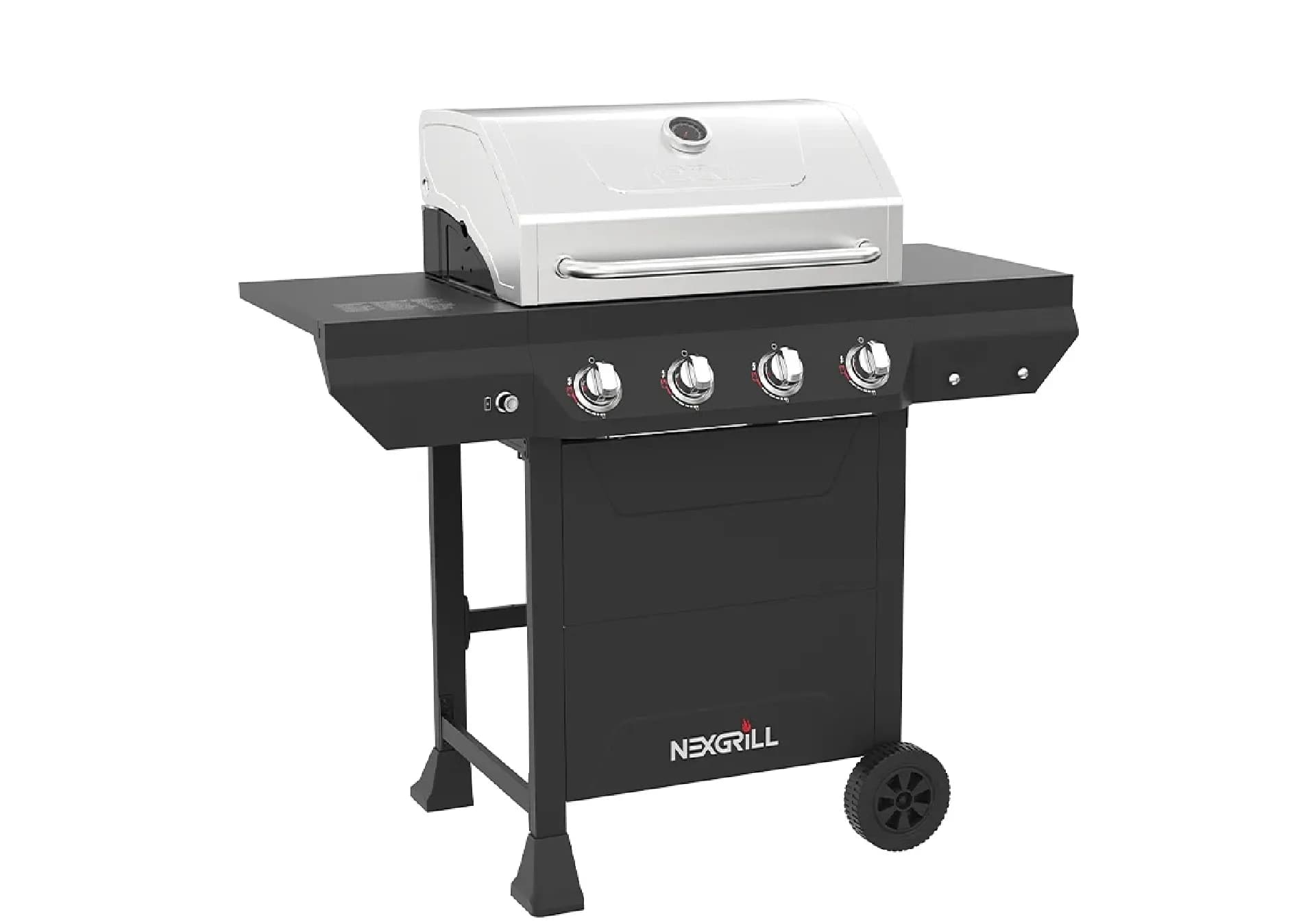
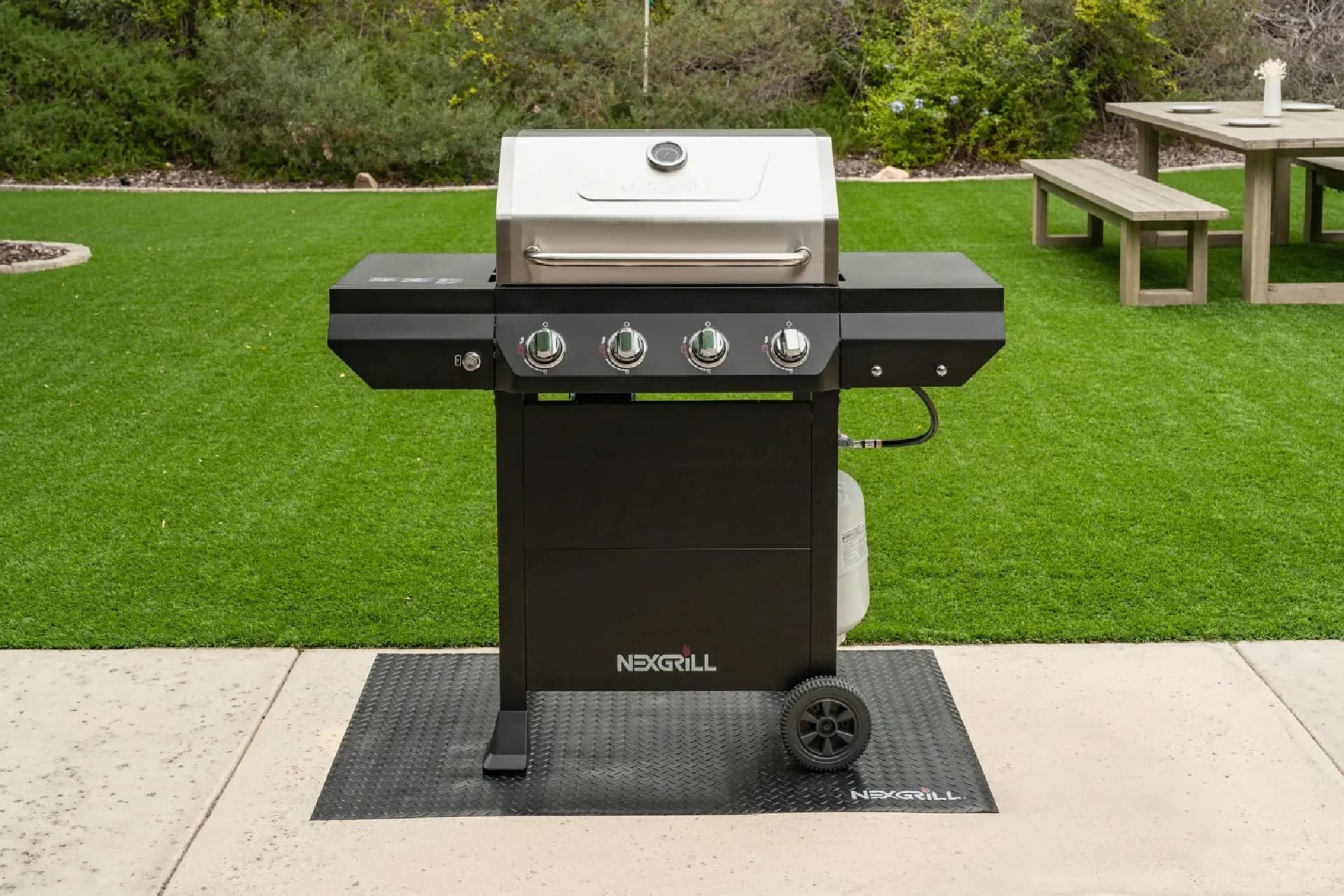
Discover essential maintenance tips for side burners to enhance your grilling experience.
Here's what sets us apart from the competition
We position ourselves as delivering high-end outdoor cooking features and performance without premium-brand pricing, emphasizing “Quality Grills. Unbelievable Value.”
We offer gas grills, pellet grills, griddles, smokers, pizza ovens, portable/tabletop grills, electric grills, accessories, and replacement parts — allowing customers to stay within one ecosystem for all outdoor cooking needs.
We differentiate ourselves through smart grilling products like the Oakford smart pellet grill, including app-connected cooking controls and modern outdoor cooking technology.

Expert tips, buying guides, comparisons, and inspiration for choosing and getting the most out of your grill.

Practical guides for cleaning, maintenance, common grill issues, and performance optimization.

Step-by-step grilling recipes, cooking techniques, and meal ideas for every occasion and skill level.

Backyard entertaining ideas, seasonal grilling inspiration, and stories that celebrate outdoor cooking culture.

Helpful articles covering grilling tools, cookware, maintenance gear, and must-have accessories for outdoor cooking.

Find griddle recipes, cooking techniques, cleaning tips, and outdoor meal ideas designed for Nexgrill griddles.
Find answers to common questions
Nexgrill offers a variety of gas grills, including standard models, portable options, and premium designs with advanced features. Each is designed to cater to different grilling needs and preferences.
To clean your Nexgrill gas grill, regularly scrape down the grates, empty the grease tray, and wipe down exterior surfaces. Consult your model's manual for specific maintenance instructions and recommended cleaning products.
Nexgrill gas grills are designed to use either propane or natural gas, depending on the model. Ensure you read the specifications to determine the appropriate fuel type for your grill.
Many Nexgrill models can be converted from propane to natural gas with a conversion kit. Check the owner's manual for compatibility and details on the conversion process.
If your Nexgrill gas grill is not lighting, first check the fuel supply, ensure the gas lines are free of obstructions, and verify that the igniter is functioning. Consult the user manual for troubleshooting tips specific to your model.
In This Article
Essential Side Burner Maintenance
Choosing the Right Grill
Maximize Grilling Versatility
A 3-burner gas grill with a side burner sits in a practical sweet spot for many U.S. households: it is large enough to cook a real dinner for a family or a few guests, but not so oversized that it takes over the patio. Three main burners give you enough flexibility to run direct heat on one side, gentler heat on the other, and still keep food moving efficiently. The side burner adds a separate cooking zone for sauce pans, sauté pans, stock pots, and finishing work that should not happen over the main grate. That extra burner changes the way the grill gets used. Instead of treating the grill as a single-purpose machine, you can build a full outdoor meal around it.
This article is intentionally focused on the part that is often overlooked after purchase: side burner care. Buyers usually compare grate size, burner count, and cabinet style, but the side burner is the component that most often gets messy, clogged, or underused. If you know how to keep it clean and reliable, you get more value from the grill as a whole. That matters whether you are simmering barbecue sauce, warming beans, or keeping a pan of vegetables moving while the mains finish on the grates. Nexgrill’s brand position emphasizes accessible value and real-world outdoor cooking for a wide range of users, from casual family cooks to more experienced backyard hosts, which makes a versatile format like this especially relevant .
Main burners plus a dedicated side burner can separate searing, simmering, and finishing tasks.
If you are shopping for a 3-burner gas grill with side burner, think of the side burner as a convenience feature that also protects the flow of your meal. It helps you avoid running back and forth to the indoor kitchen, and it lets you keep sauces hot without sacrificing grill space. That separation becomes especially useful when you are cooking for mixed tastes: one burner zone can handle chicken thighs more gently, another can crisp vegetables, while the side burner holds a glaze at the right temperature. The best buyers do not just ask, “Does it have a side burner?” They ask, “Will I actually use it enough to justify the added cleaning and upkeep?”
The main advantage of a side burner is simple: it keeps the whole meal outdoors. That sounds minor until you start cooking with it regularly. A side burner allows you to reduce interruptions, which is especially helpful when timing matters. If your grill is already at a steady temperature, you can keep the lid closed while a pot of barbecue sauce reduces or a skillet of onions softens beside it. In practice, that means more control and fewer overcooked items. For newer grill owners, it also lowers the intimidation factor because you are not forced to juggle the stove, the grill, and the serving table all at once.
There is also a strong flavor-management benefit. Many side-burner tasks are not meant to happen over direct grate heat. Sauces can scorch quickly, butter can brown too fast, and delicate items like beans or corn-based sides need a more stable flame. On a good side burner, you can hold a low flame for a long period without crowding the cook surface. That means the side burner supports both convenience and technique. It is especially useful for backyard cooks who host in warm months, when the goal is to keep prep, cooking, and serving in one outdoor workflow.
For buyers comparing grill layouts, the side burner can also be a better investment than adding accessories later. A built-in burner is ready whenever you need it. You do not have to set up a separate camp stove or drag cookware indoors. In a typical U.S. backyard setting, that translates to faster weeknight meals and easier weekend entertaining. If you are already looking at a grill with three main burners, the side burner effectively extends the cooking station without forcing you into a bigger footprint than necessary. That is a strong balance for buyers who want versatility but still need sensible size and price.
| Side burner use | Why it helps | Best example |
|---|---|---|
| Sauce reduction | Keeps sauces warm without crowding the main grates | BBQ sauce, glaze, pan gravy |
| Side dishes | Lets you cook vegetables or beans outdoors | Skillet corn, sautéed onions, baked beans |
| Finish work | Gives you a separate place for last-minute adjustments | Butter baste, pan sear, warming tortillas |
The most overlooked benefit is pacing. Side burners reduce pressure on the main grill because they absorb tasks that would otherwise force awkward compromises. If you know you will use one for sauces, warming, or sautéing, you should also know that it needs a little more respect than the main grates do. Spills that look harmless at first can bake on fast, and clogged ports can make an otherwise good grill feel unreliable. That is why maintenance belongs in the buying conversation from the beginning, not after the first greasy cookout.
A side burner is exposed to a different kind of wear than the main cooking area. Main grates are built for repeated searing and direct contact with food, but side burners deal with pots, pans, sauces, drips, and occasional boil-overs. That means the maintenance pattern is a little different. Grease can pool around the burner cap, food residue can settle into the ignition area, and wind exposure can affect flame stability. Buyers often assume the side burner is only a bonus feature, but in daily use it can become one of the most frequently touched parts of the grill.
The key maintenance needs usually fall into three buckets: keeping the burner ports open, protecting the ignition system, and preventing corrosion or residue buildup. Burner ports are the small openings that allow gas to exit evenly. If they clog with grease or debris, the flame may become uneven or difficult to light. The ignition area also needs attention because moisture, food spills, and spider webs can interfere with spark delivery or gas flow. Finally, the burner housing itself should be kept dry and clean so heat and outdoor exposure do not shorten its useful life. These are small tasks individually, but together they determine whether the side burner feels dependable or frustrating.
Side burners fail more often from neglect than from heavy use. A few minutes of cleaning after cookouts can prevent most frustrating ignition and flame issues.
Another important maintenance reality is that side burners are often used with cookware that is heavier or messier than what sits on the grill grates. Pots can drip, pans can spill, and splatter can travel farther than expected. If you like making sauce, beans, or sautéed sides outdoors, you should expect to inspect the burner more frequently than you would a basic grill lid and grate setup. That is not a disadvantage; it is simply part of using a more capable cooking station. Treating the side burner as a service point, not just an extra flame, is the best way to keep it reliable.
The most common side burner problems are familiar to anyone who has owned a gas grill for more than a season. The burner may click but fail to light, the flame may appear weak or yellow, or the burner may light on one side and stay uneven across the rest. Sometimes the issue is not the gas supply at all but a simple blockage in the ports or a buildup around the ignition electrode. In other cases, the burner gets damp after a storm or after cleaning and needs time to dry before it works properly again.
Another recurring issue is heat inconsistency. A side burner that feels strong at first can weaken if residue accumulates under the cap or if cookware is too large for the flame pattern. Because side burners are designed for flexible utility rather than heavy-duty high-volume cooking, they work best when the flame path is unobstructed and the cookware matches the burner size. Oversized pots can trap heat and make the burner seem less powerful than it really is. Wind can also be a factor, especially on open patios where the flame is more exposed than the main grill chamber.
If the side burner starts acting up, check the simplest causes first: moisture, clogged ports, loose ignition alignment, or cookware that is too large for the flame.
The reason these issues matter during the buying process is that a side burner is only valuable if it stays easy to use. A grill with a side burner should feel like a smoother cooking experience, not a second maintenance project. That is why buyers should examine the burner layout, the shield or surround around the side burner, and how easy it is to access for cleaning. If you are narrowing down options, compare how much space the side burner has, how protected it looks from drips, and whether the ignition is positioned for straightforward relighting. Try comparing two products side by side below to see which fits best:
Once you've weighed two options against each other, the real difference often comes down to how well each grill’s side burner will hold up after repeated use. Maintenance starts before the first cook. Make a habit of checking that the burner cap is seated correctly, the igniter is positioned cleanly, and the ports are free of packing debris or dust. That first inspection matters because many side burner headaches begin with a small obstruction or a loose component that was easy to correct at the start.
The best routine is simple and repeatable. After each cook, let the burner cool fully, then wipe away any splatter from the surrounding surface. If you used a sauce pan or skillet, remove any residue before it hardens. Once a week during grilling season, lift the grate or burner cover if your grill design allows it, and inspect for blockages around the ports and ignition area. This is the kind of maintenance that saves money over time because it reduces the chance that you will chase avoidable ignition problems later. Nexgrill’s outdoor-cooking approach is built around approachable, dependable ownership, which makes practical upkeep an important part of the experience .
A warm wipe-down after each cook prevents most baked-on side burner residue.
If you live in a humid region or leave the grill outdoors year-round, protection matters just as much as cleaning. Moisture can affect ignition reliability, and outdoor residue can collect faster than expected. A fitted cover helps, but so does making sure the burner is dry before the grill is put away. For buyers in places with seasonal weather swings, this is especially important after rain, pollen buildup, or winter storage. A side burner that is kept dry and lightly cleaned will usually light more consistently than one that is left to weather grime and moisture between uses.
Cleaning a side burner is not about scrubbing aggressively; it is about protecting the small components that control flame quality. Start by turning off the fuel supply and letting all surfaces cool completely. Then wipe the burner surround with a soft cloth and a mild soap solution, taking care not to push debris deeper into the burner openings. If residue has collected near the ports, use a soft brush or a non-metal cleaning tool to loosen it gently. Avoid tools that can enlarge or deform the ports, because those openings are calibrated to deliver an even flame.
For the ignition area, a dry brush or compressed air can help remove dust and small food particles. If you see sticky residue from spilled sauce or oil, apply a small amount of mild cleaner to the affected area and wipe it away rather than soaking the components. The goal is to keep the mechanism dry and responsive. On the exterior surfaces around the burner, especially stainless steel or painted metal, cleaning after each use prevents discoloration and makes longer-term upkeep easier. This is one of those areas where a few minutes of maintenance preserve both appearance and performance.
| Task | How often | Why it matters |
|---|---|---|
| Wipe splatter after cooking | Every use | Prevents baked-on residue and staining |
| Inspect burner ports | Weekly in season | Keeps flame even and ignition easier |
| Check ignition area for debris | Weekly or after storms | Reduces click-and-no-light problems |
| Dry before covering | Every use in humid weather | Helps limit corrosion and moisture-related issues |
If a spill happens on the side burner while cooking, turn the flame down first, clean only after cooldown, and avoid flooding the burner area with water.
When a side burner misbehaves, the best approach is to troubleshoot in the same order gas actually moves through the system. Start with fuel flow, then ignition, then obstruction, then positioning. If the burner clicks but does not light, confirm the fuel source is on and that the line is connected correctly. If the burner lights but burns weakly, inspect the ports for debris and make sure the burner cap is aligned properly. If the flame is yellow or uneven, that often points to restricted gas flow or partial blockage rather than a major failure.
A helpful rule is to isolate the burner before assuming a bigger problem. If the main burners work but the side burner does not, the issue is likely localized to the side burner assembly, ignition, or airflow around that section. If the burner works when manually lit but not with the igniter, the spark system needs attention. If the flame goes out in wind but returns in calmer conditions, the issue may be exposure rather than defect. In practical terms, that means moving cookware to shield the flame slightly or positioning the grill where it is less exposed can make a noticeable difference.
For persistent problems, do not keep forcing repeated ignition attempts. Shut the burner down, let it cool, and inspect the components calmly. Repeated clicks or gas buildup can create an unpleasant and unnecessary safety situation. Owners who use the side burner often should get used to the idea that routine inspection is part of ownership, just like checking propane levels or cleaning grates. The payoff is that side burners remain a genuinely useful cooking tool rather than a feature that only works on special occasions.
The right 3-burner gas grill with side burner is the one that matches how you actually cook. If you mainly do weeknight meals for a family, prioritize reliable ignition, enough main-grate space for two proteins or a protein plus vegetables, and a side burner that is easy to clean after sauces and pans. If you host often, focus on burner layout and whether the side burner is sheltered enough to stay usable during longer cooks. If you are newer to grilling, choose a setup with straightforward controls and easy access for cleaning, because a side burner only adds value when it is simple to maintain.
For practical side-burner buyers, three criteria matter most. First, check how accessible the burner is for daily wiping and periodic inspection. Second, look at how the burner is integrated into the grill body; more protection from spills usually means less cleanup. Third, think about the kinds of foods you actually plan to prepare. Sauces, beans, and skillet sides benefit most from a side burner, while buyers who rarely cook outdoors beyond the main grates may not need the feature as much. The right choice is the one that fits your rhythm without adding unnecessary hassle.
| Buyer profile | What to prioritize | Why it fits |
|---|---|---|
| Family weeknight cook | Easy ignition, quick cleanup, dependable burner access | Supports fast meals without extra indoor stove trips |
| Frequent host | Stable side burner flame, roomy prep areas, protected layout | Keeps sauces and sides moving during longer gatherings |
| First-time buyer | Simple controls, easy access for inspection, clear burner design | Reduces learning curve and maintenance mistakes |
When you narrow the field, compare the real ownership experience, not just the feature list. A strong 3-burner grill with side burner should make outdoor cooking smoother, and that only happens if the burner remains easy to clean, quick to relight, and sensible to use for the foods you make most often. Try reading the grill as a system: how the burners work together, how the side burner is protected from drips, and how much effort it will take to keep it in good shape over time.
Here's what sets us apart
We position ourselves as delivering high-end outdoor cooking features and performance without premium-brand pricing, emphasizing “Quality Grills. Unbelievable Value.”
We offer gas grills, pellet grills, griddles, smokers, pizza ovens, portable/tabletop grills, electric grills, accessories, and replacement parts — allowing customers to stay within one ecosystem for all outdoor cooking needs.
We differentiate ourselves through smart grilling products like the Oakford smart pellet grill, including app-connected cooking controls and modern outdoor cooking technology.
Don't just take our word for it
Keep reading
From our catalog