Top Features to Consider When Choosing a 3-Burner Gas Grill
A comprehensive guide to selecting the ideal 3-burner gas grill for your outdoor cooking needs.
In This Article
Cooking Surface Area
Heat Output and Control
Build Quality and Durability
Introduction
A 3-burner gas grill is often the sweet spot for households that want real cooking flexibility without moving into oversized, harder-to-manage equipment. It gives you enough room to cook a family dinner on a weeknight, but it still fits comfortably on many patios, decks, and smaller backyards. For many United States buyers, the challenge is not finding a grill with three burners; it is choosing one that actually matches how they cook. Some people need a workhorse for burgers, chicken, and vegetables. Others want enough zone control to sear steaks on one side while holding sides warm on the other. The best choice comes down to how the grill feels in everyday use, not just the number on the box.
That is why it helps to evaluate a 3-burner grill by a few practical criteria: how much usable cooking space it offers, how evenly it distributes heat, and how solidly it is built. Those three features influence almost everything else, from how many portions you can serve at once to how long the grill stays dependable through heat, grease, rain, and regular cleaning. A budget-friendly model can still be a smart purchase if it gives you the right layout and materials. On the other hand, a low sticker price can become expensive if the grill runs hot in the middle, cool at the edges, or starts showing corrosion after one season.
Think in terms of real meals. A 3-burner grill should comfortably handle the way you cook most often, not just your largest planned cookout.
The main advantage of a 3-burner layout is flexible direct and indirect cooking setup.
Nexgrill’s outdoor cooking perspective fits this decision well because value matters, but so does practical performance. A grill should feel approachable for casual weekend cooking and still give experienced grillers enough control to build different heat zones, manage larger cuts, and cook with confidence. If you are comparing models for the first time, do not start with flashy extras. Start with the basics that shape every cookout: cooking area, heat output and control, and build quality. Once those are clear, features like side shelves, ignition style, and cleanup design become much easier to judge.
For example, a family that regularly cooks six burgers, four ears of corn, and a tray of vegetables at the same time will feel very differently about grill size than a couple who mainly cooks two steaks and a few kebabs. The first group needs room to stage food and keep items moving. The second may care more about compact footprint and fast preheat. The right 3-burner gas grill should suit the household’s pace, not just its appetite.
Cooking Surface Area
Cooking surface area is the first feature to examine because it determines how much food you can manage without crowding the grates. With a 3-burner gas grill, the usable space usually falls into a practical middle ground: large enough for family meals and small gatherings, but not so big that it becomes inefficient for everyday use. The important word is usable. Some grills advertise generous dimensions, yet the real cooking area may be interrupted by warming racks, odd burner spacing, or grates that leave awkward dead zones. Look for a layout that gives you enough flat, open space to arrange food in a way that matches your meal plan.
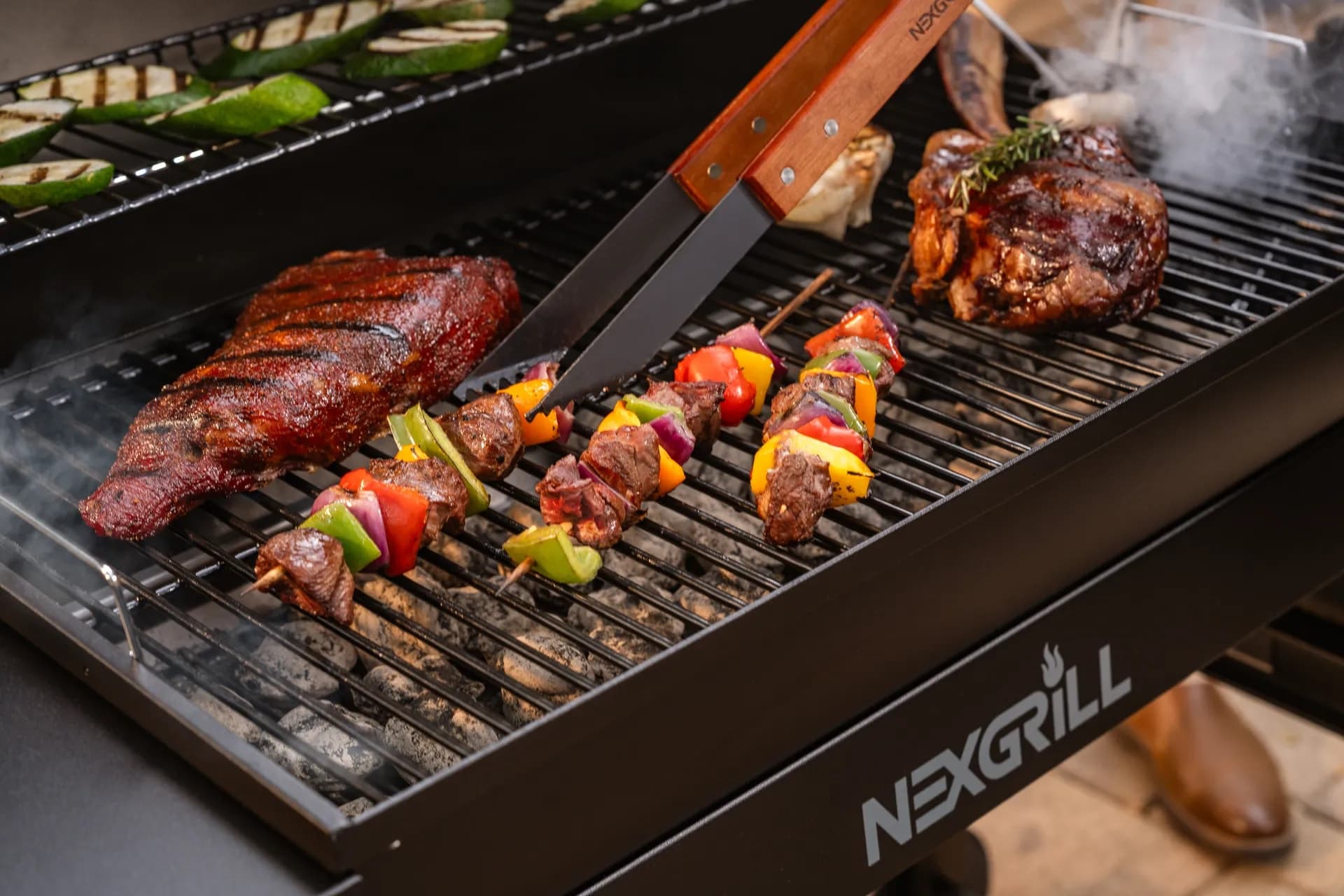
For a typical United States backyard cookout, a 3-burner grill should let you cook multiple proteins and sides at the same time. A good test is to imagine your standard menu. If you often cook burgers for a group, you want space to lay them out evenly so each patty gets similar exposure to heat. If you grill bone-in chicken or thicker cuts like pork chops, you need room to create a cooler zone away from direct flame. If vegetables are part of the meal, extra grate space keeps them from being pushed into the hottest area and overcooking before the rest of the food is ready.
A better grill size is not always the largest one. Choose the size that supports your most common menu without forcing constant batch cooking.
It also helps to think beyond square inches and ask how the surface is shaped. A long, narrow cooking area can work well for rows of burgers and hot dogs, while a deeper area may be better for larger cuts and multi-zone cooking. Some 3-burner grills include an upper warming rack, which adds flexibility for resting buns or holding finished food warm, but that rack should not replace meaningful primary grate space. If you are buying for a household of three or four, a well-designed moderate-sized cooking area usually offers the best balance between speed and efficiency.
Here is a simple way to judge cooking area before buying:
| Household need | What the cooking area should allow | Why it matters |
|---|---|---|
| Weeknight family meals | Room for a main protein plus vegetables | Keeps dinner moving without multiple rounds |
| Casual entertaining | Space for 8-12 burgers or a mixed meal | Reduces crowding and inconsistent cooking |
| Larger weekend cookouts | Multi-zone layout with room to stage food | Makes direct and indirect cooking easier |
If you entertain often, prioritize a grill that gives you enough room to separate raw and finished food safely during the cook. If you mainly cook for two or three, do not overbuy just because the cooking area is impressive on paper. Oversizing can mean more preheat time and more fuel use than necessary. The right 3-burner grill should make it easy to cook confidently, not just look substantial in a showroom.
Heat Output and Control
Heat output matters, but only when it works together with control. A 3-burner gas grill is valuable because the three-burner layout can create separate cooking zones: high heat for searing, medium heat for general grilling, and lower heat for finishing or keeping food warm. Buyers sometimes focus too much on BTU figures alone, but raw output is only part of the picture. A grill that sounds powerful but cannot hold a steady temperature is less useful than one with balanced burners and responsive controls.
A practical way to evaluate heat is to imagine how you cook different foods. Steaks need strong initial heat to build a crust. Chicken breasts benefit from a more controlled temperature so the outside does not dry out before the inside is done. Vegetables often need a medium zone so they char lightly without burning. With three burners, you can build those zones more naturally than with a smaller layout, but only if the controls let you make fine adjustments. Knobs should feel precise, and the burners should respond predictably when you turn them down or up.
Do not buy on BTUs alone. Heat retention, burner layout, and grate quality affect real cooking performance just as much as the number on the spec sheet.
Another important factor is evenness. Uneven heat can create frustrating hot spots, especially when you are cooking several items at once. If the center of the grill runs significantly hotter than the sides, you will spend more time moving food around and babysitting the cook. Good heat control means the grill holds a stable temperature after the lid is closed and recovers reasonably fast when opened. That matters when flipping burgers, checking chicken, or adding a second batch of vegetables.
Think about cooking in real-world conditions too. In the United States, grill use often happens on windy evenings, in cooler spring weather, or during summer gatherings where the lid is opened repeatedly. A 3-burner gas grill should still feel manageable in those conditions. The best experience comes from burners that give you strong enough output to preheat quickly, but not so much output that every adjustment becomes a sharp on/off reaction. Smooth control is what allows a backyard cook to move from high-heat searing to gentler finishing without guessing.
A useful comparison is this: if two grills both have three burners, the one with better control will often cook more evenly and feel more forgiving, even if the other has a higher total BTU rating. That is why burner design, grate material, and hood shape matter. They work together. If you want better weeknight usability, choose the grill that can maintain stable heat at the setting you actually use most often, rather than the one that simply looks stronger on a spec chart.
Build Quality and Durability
Build quality determines whether your 3-burner gas grill still feels solid after repeated seasons of use. This is where the long-term value question becomes real. A grill that looks attractive on day one may start to disappoint if the cart flexes, the lid loosens, the burners corrode quickly, or the finish fails after exposure to weather. When comparing options, look closely at the materials used in the firebox, lid, cooking grates, burners, and cabinet or cart structure. These are the parts that take the most abuse.
In practical terms, a sturdier grill is easier to trust. The lid opens without wobble, the shelves hold platters and tools without feeling flimsy, and the wheels or casters move the grill without shifting the frame awkwardly. Those details matter more than many first-time buyers expect. If you plan to keep the grill on a patio year-round, or roll it between a garage and deck, construction quality has a direct effect on everyday convenience. A lighter, less rigid frame may still work for occasional use, but regular users usually notice the difference quickly.
Durability is where a grill proves its value, especially if it lives outdoors full time.
The cooking system itself should also be part of the durability conversation. Burners should feel substantial, not thin or fragile. Grates should resist warping and clean up without obvious wear after repeated heating cycles. Hardware, fasteners, and cart joints should be able to handle vibration, movement, and changing temperatures. If a grill includes side shelves or a storage cabinet, those parts should feel integrated rather than attached as afterthoughts. A well-built 3-burner grill makes the whole cooking experience calmer because everything feels stable when you are actually using it.
For United States buyers dealing with humidity, coastal air, hot summers, or winter storage in a garage, exterior finish and corrosion resistance are especially important. Even a good grill benefits from a cover and sensible storage, but the underlying materials still matter. If you plan to use the grill often, it is usually smarter to prioritize durability over decorative extras. A grill that survives routine exposure and repeated cleaning will deliver better value than one packed with features but built around a weak frame.
Try comparing two products side by side below to see which fits best: consider which one gives you the right combination of usable cooking space, dependable heat control, and the kind of construction that matches how often you really grill.
Additional Features to Consider
Once you have compared two 3-burner grills side by side, the next question is which added features genuinely improve the cooking experience and which ones simply add complexity. This matters because a 3-burner gas grill already sits in a very useful middle ground: it is large enough for real meals, but still compact enough that extra features can either enhance everyday cooking or inflate the price without meaningful benefit. The smartest buyers look for accessories and design details that support their actual habits, not features that only sound impressive in a product listing.
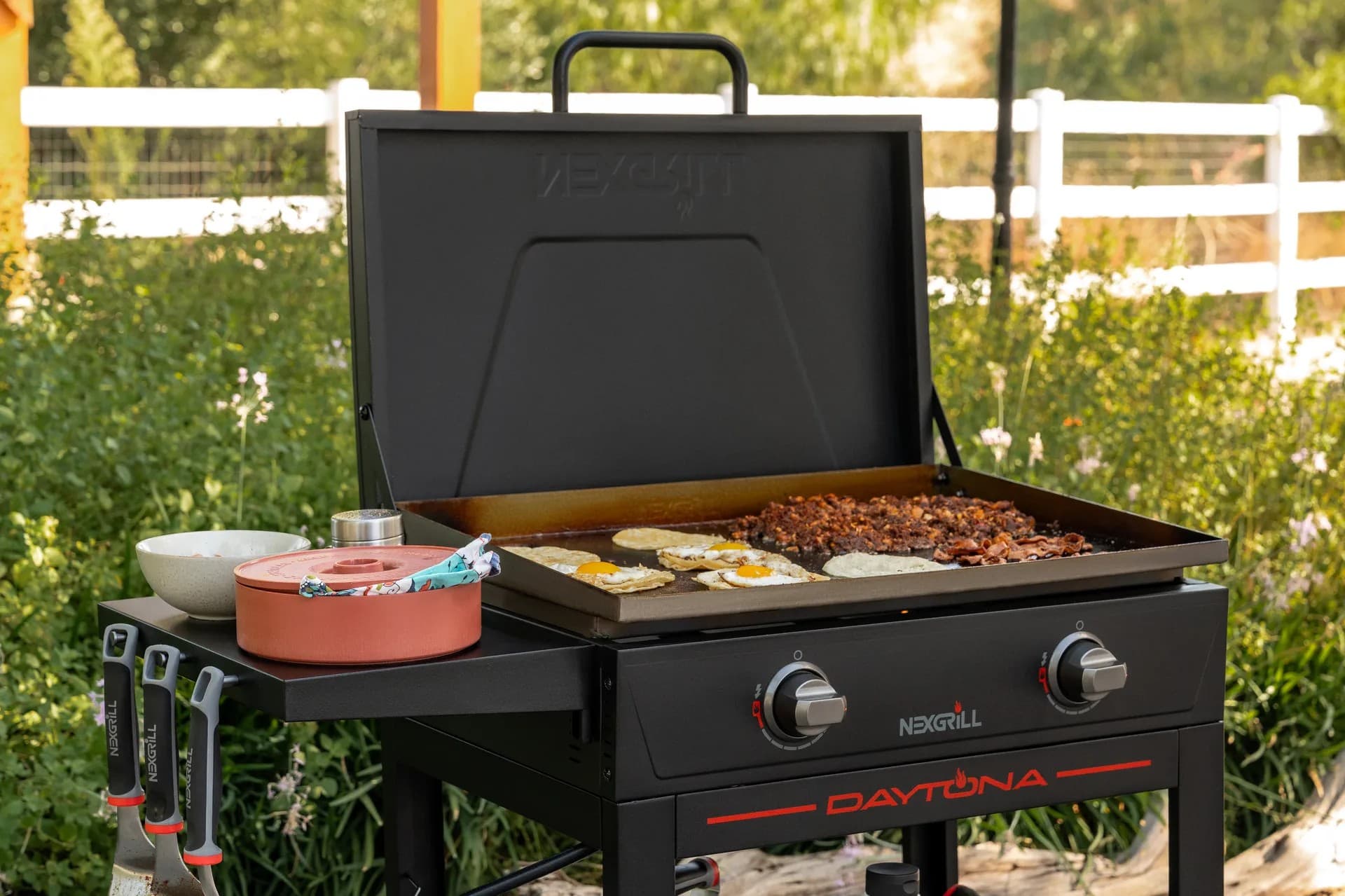
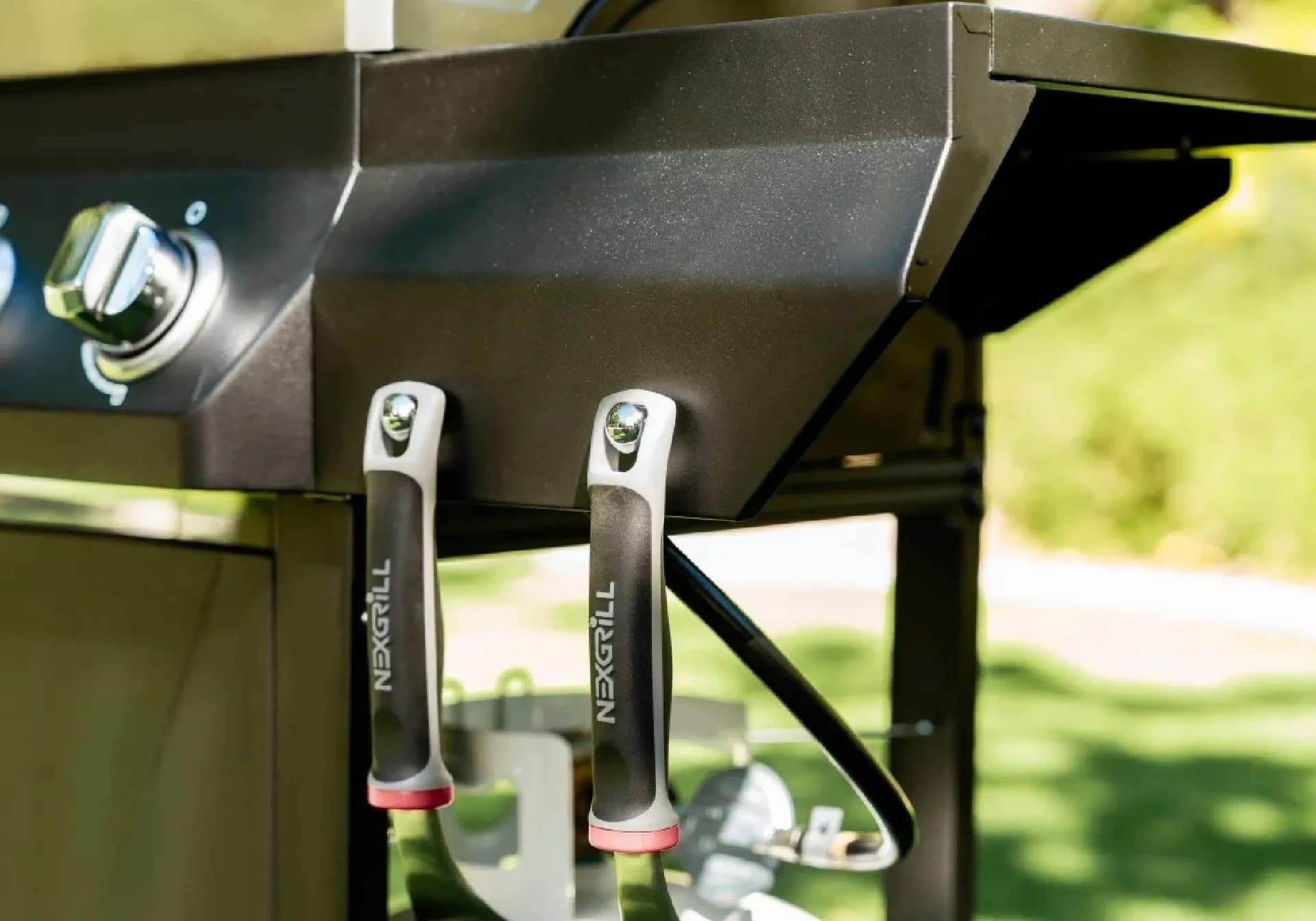
Side shelves are one of the most practical upgrades because they give you a place for trays, spices, tongs, and plates. If you are cooking in a smaller patio space, fold-down shelves can be especially helpful because they reduce the footprint when the grill is idle. A warming rack can also be useful, but it should be viewed as support space rather than a substitute for a properly sized primary cooking area. For families that grill often, built-in tool hooks, paper towel holders, and enclosed storage may seem minor at first, yet they can make a noticeable difference when you are juggling food, utensils, and serving items at once.
Choose features that reduce friction during the cook. The best extras are the ones you stop noticing because they make the process smoother.
It is also worth examining lid design, thermometer placement, and grease management. A lid that seals reasonably well supports more stable heat, which is especially helpful when you are using one side of the grill for indirect cooking. A built-in thermometer can be convenient, but it should not be the only temperature reference you rely on. Many experienced grillers still use a separate probe or instant-read thermometer for accuracy. Grease management matters for both convenience and safety, because it affects how cleanly the grill handles drippings over time and how much cleanup you face after dinner.
If you often cook for mixed groups, including adults who prefer steaks and kids who want simple grilled chicken or vegetables, think about whether the grill allows you to create a defined warm zone. That kind of flexibility can make dinner easier without requiring a larger appliance. For many households, a strong 3-burner design with a useful shelf layout is more valuable than a long list of novelty add-ons.
Ignition System and Ease of Use
Ignition is one of those features people overlook until it becomes a daily annoyance. A reliable startup system matters because it determines how quickly you can move from deciding to grill to actually cooking. For a 3-burner gas grill, ease of use should include more than just the first spark. The controls should be intuitive, the burners should light predictably, and the grill should be simple enough that you are not reluctant to use it on a weeknight.
A dependable ignition system reduces friction, especially for households that grill often but do not want a complicated routine. If you are cooking after work in the United States, perhaps with limited daylight or weather that is changing quickly, you need a grill that starts cleanly and gets to cooking temperature without fuss. Push-button or electronic ignition systems are popular because they simplify setup, but the real test is consistency over time. The grill should light the first burner reliably and allow the other burners to engage in the way the manufacturer intends.
Ease of use is not a luxury feature. If the grill is frustrating to start or adjust, it will be used less often and feel like worse value.
Look at the control knobs too. They should turn smoothly and give you a clear sense of adjustment. If the grill has a simple and readable layout, it is easier for new grillers to learn and for experienced cooks to move efficiently. That matters when you are trying to manage multiple tasks at once. A 3-burner grill should feel approachable enough for beginners but responsive enough for someone who wants to shift from high heat to indirect cooking without delay.
Another point that often gets missed is setup time. A grill that is complicated to assemble or awkward to move into place may be technically well equipped, but it can still feel inconvenient in daily life. If you expect the grill to live on a deck near the kitchen, make sure the cart moves easily and the storage layout suits your space. The easier the grill is to use, the more often it becomes part of your routine instead of a weekend-only project.
| Ease-of-use feature | What to check | Why it matters |
|---|---|---|
| Ignition | Lights quickly and consistently | Reduces setup frustration |
| Controls | Clear, smooth burner adjustment | Makes zone cooking easier |
| Layout | Shelves and storage fit your workflow | Speeds up prep and serving |
Maintenance and Cleaning
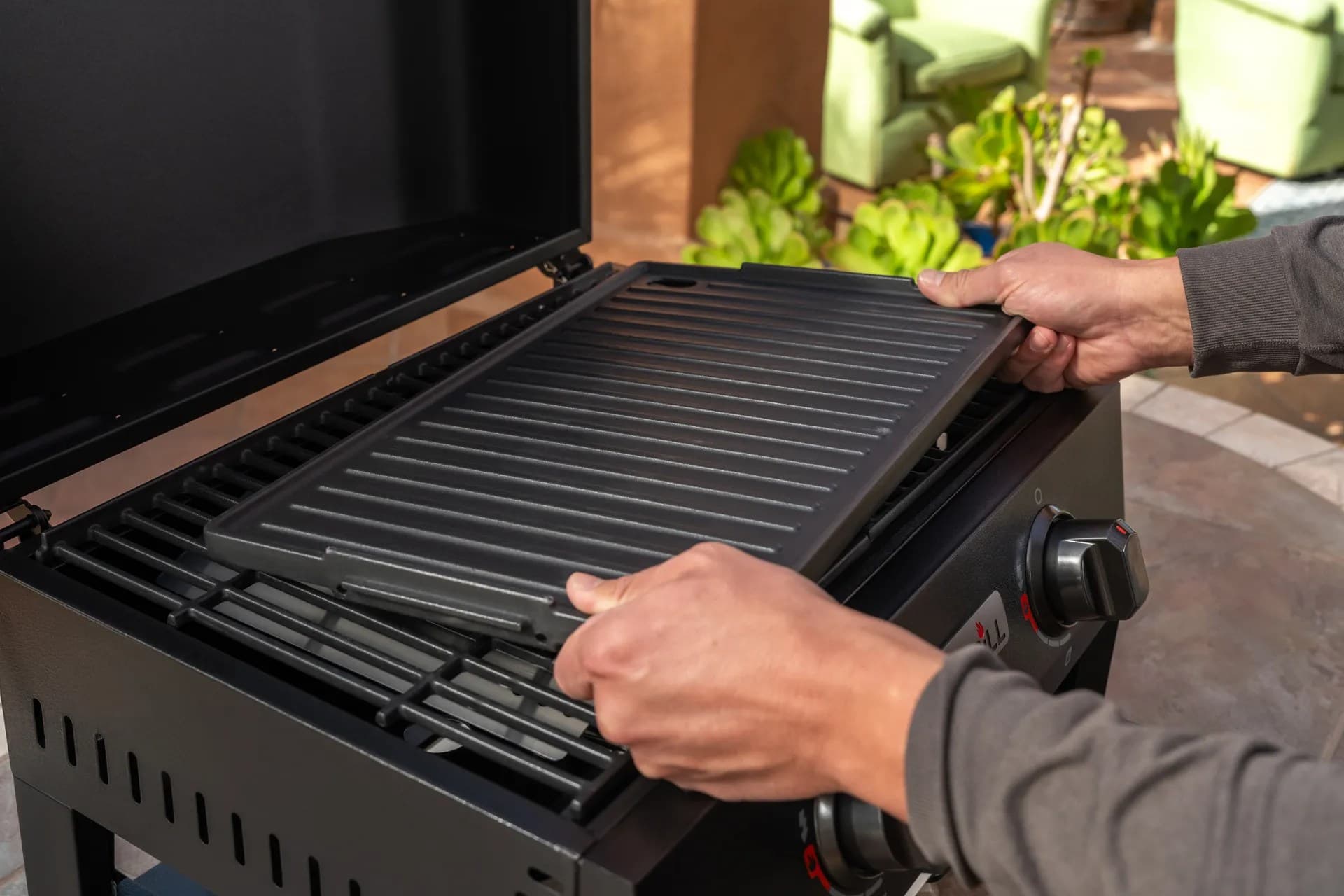
Maintenance should be part of the purchase decision because even a well-made grill needs care. A 3-burner gas grill with a smart design can save time every week, while a poorly designed one can make cleanup feel like a chore. The goal is to find a grill that is easy to keep in good shape so it performs well longer and stays safer to use. That starts with accessible grease trays, removable grates, and burner areas that can be reached without dismantling half the grill.
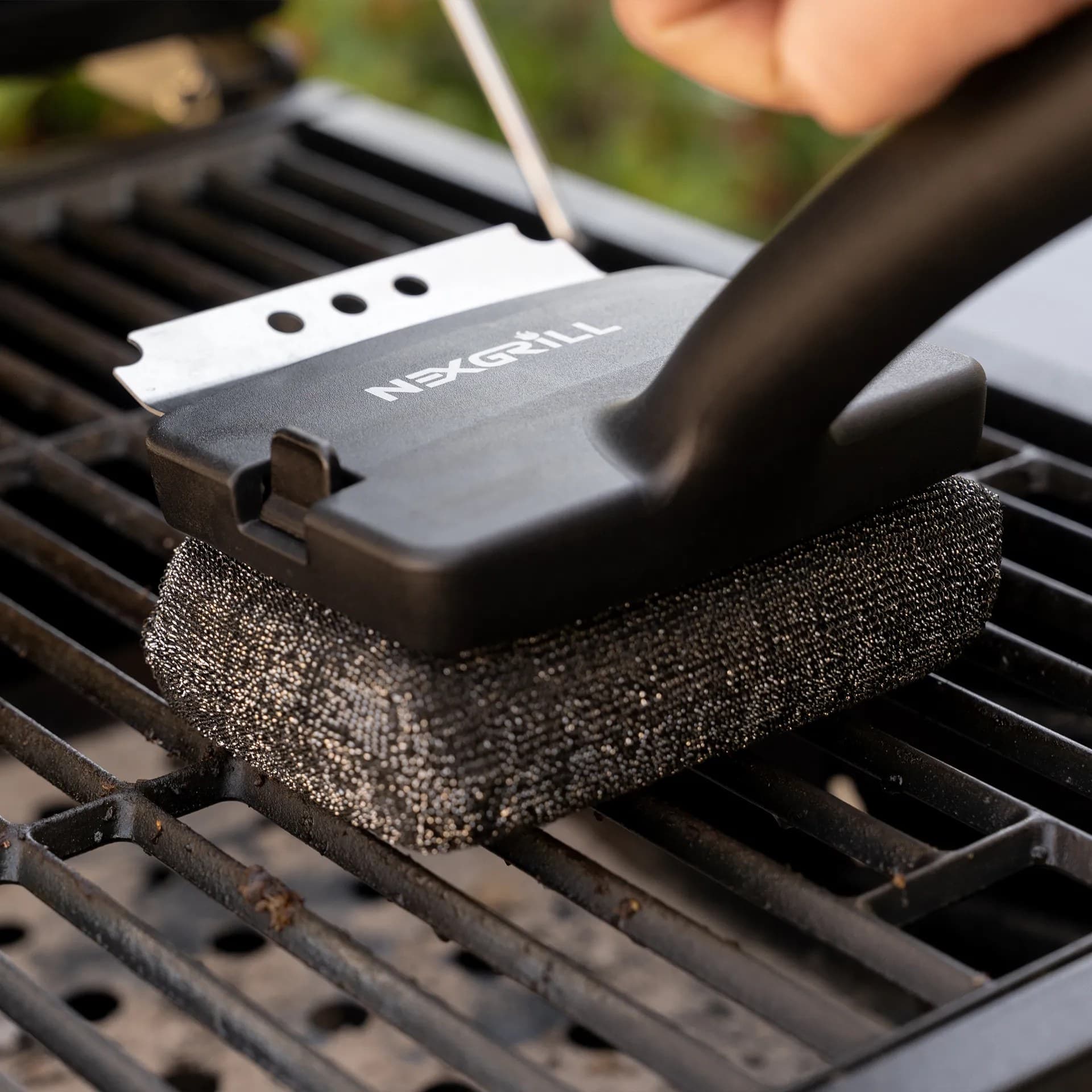
A simple routine works best for most households. After cooking, let the grill run briefly to burn off residue, then brush the grates while they are still warm. Periodically remove and clean the grease tray or catch pan. Check burner ports for buildup and make sure airflow paths are not blocked by debris or grease. If the grill sits outdoors year-round, a fitted cover can help protect it from rain, sun, and dust between uses. For many United States backyards, that one habit makes a meaningful difference in how long the grill looks and works like new.
A grill that is easy to clean is more likely to be used regularly and maintained properly, which improves long-term value.
Cleaning design becomes even more important if you cook fatty cuts or use marinades often. Grease that drains cleanly is easier to manage than grease that pools in awkward corners. Likewise, grates that lift out smoothly are more practical than ones that fight you during basic upkeep. If you are comparing models in the same price range, take a few extra minutes to inspect how the firebox, tray, and grate sections are arranged. That inspection can save you a lot of hassle later.
Maintenance also has a quality side. The more often you clean and inspect your grill, the more likely you are to spot wear before it becomes a bigger issue. That includes loose hardware, blocked burners, or signs that surfaces are starting to degrade. For a 3-burner gas grill, staying ahead of those issues helps protect the very features you paid for: consistent heat, dependable ignition, and stable construction.
Budget Considerations
Budget is not just about the lowest price tag; it is about the value you get for the way you plan to use the grill. A 3-burner gas grill is often attractive because it can sit in a moderate price band while still offering the versatility that many households need. But the real decision is deciding where to spend a little more and where to save. If your budget is tight, focus first on cooking area, heat control, and build quality, because those are the features that affect daily satisfaction most directly.
A less expensive grill may be a good choice if you grill occasionally, keep the cook simple, and store the unit carefully. In that case, you can prioritize a straightforward layout and acceptable durability without paying for premium add-ons you may not use. But if you grill weekly, cook for groups, or keep the grill outside through much of the year, it usually makes sense to move up a tier for stronger materials and better heat management. Paying more up front can mean fewer frustrations and a longer useful life.
The right price is the one that matches how often you grill and how long you expect the grill to last.
A useful approach is to divide grills into three practical bands. Entry-level models can work for occasional use and smaller budgets. Mid-range models usually offer the best balance for most families because they improve materials, heat consistency, and convenience without becoming excessive. Higher-end models make sense when you grill often, care about smoother control, and want a grill that stays solid over many seasons. The best choice is rarely the cheapest one; it is usually the one that avoids regret after the first summer.
If you are weighing price against performance, ask one final question: what would be hardest to live with if the grill underperforms? For many buyers, it is not a missing side shelf or a simpler finish. It is weak heat control, cramped cooking space, or flimsy construction. Spend where the cooking experience depends on it, and be more flexible on cosmetic extras. That approach makes a 3-burner gas grill feel like a smart purchase instead of just a short-term bargain.