Explore the benefits, safety, and top models for effective grill care.
Here's what sets us apart from the competition
We position ourselves as delivering high-end outdoor cooking features and performance without premium-brand pricing, emphasizing “Quality Grills. Unbelievable Value.”
We offer gas grills, pellet grills, griddles, smokers, pizza ovens, portable/tabletop grills, electric grills, accessories, and replacement parts — allowing customers to stay within one ecosystem for all outdoor cooking needs.
We differentiate ourselves through smart grilling products like the Oakford smart pellet grill, including app-connected cooking controls and modern outdoor cooking technology.

Expert tips, buying guides, comparisons, and inspiration for choosing and getting the most out of your grill.

Practical guides for cleaning, maintenance, common grill issues, and performance optimization.

Step-by-step grilling recipes, cooking techniques, and meal ideas for every occasion and skill level.

Backyard entertaining ideas, seasonal grilling inspiration, and stories that celebrate outdoor cooking culture.

Helpful articles covering grilling tools, cookware, maintenance gear, and must-have accessories for outdoor cooking.

Find griddle recipes, cooking techniques, cleaning tips, and outdoor meal ideas designed for Nexgrill griddles.
Find answers to common questions
Nexgrill offers a variety of accessories including grill tools, covers, cooking utensils, and replacement parts designed to enhance your grilling experience.
Many Nexgrill accessories are widely compatible with various grill brands, but it is recommended to check the specifications for proper fit and functionality.
To maintain your Nexgrill accessories, regularly clean them with warm soapy water, avoid using abrasive materials that could scratch the surface, and store them in a dry place when not in use.
Yes, Nexgrill accessories can be purchased separately from the grills, allowing customers to customize their grilling setup as needed.
Instructions for using Nexgrill accessories are typically included in the packaging, and additional resources can be found on the Nexgrill website or in the product user manuals.
In This Article
Safety First
Effective Cleaning
Top Brands Reviewed
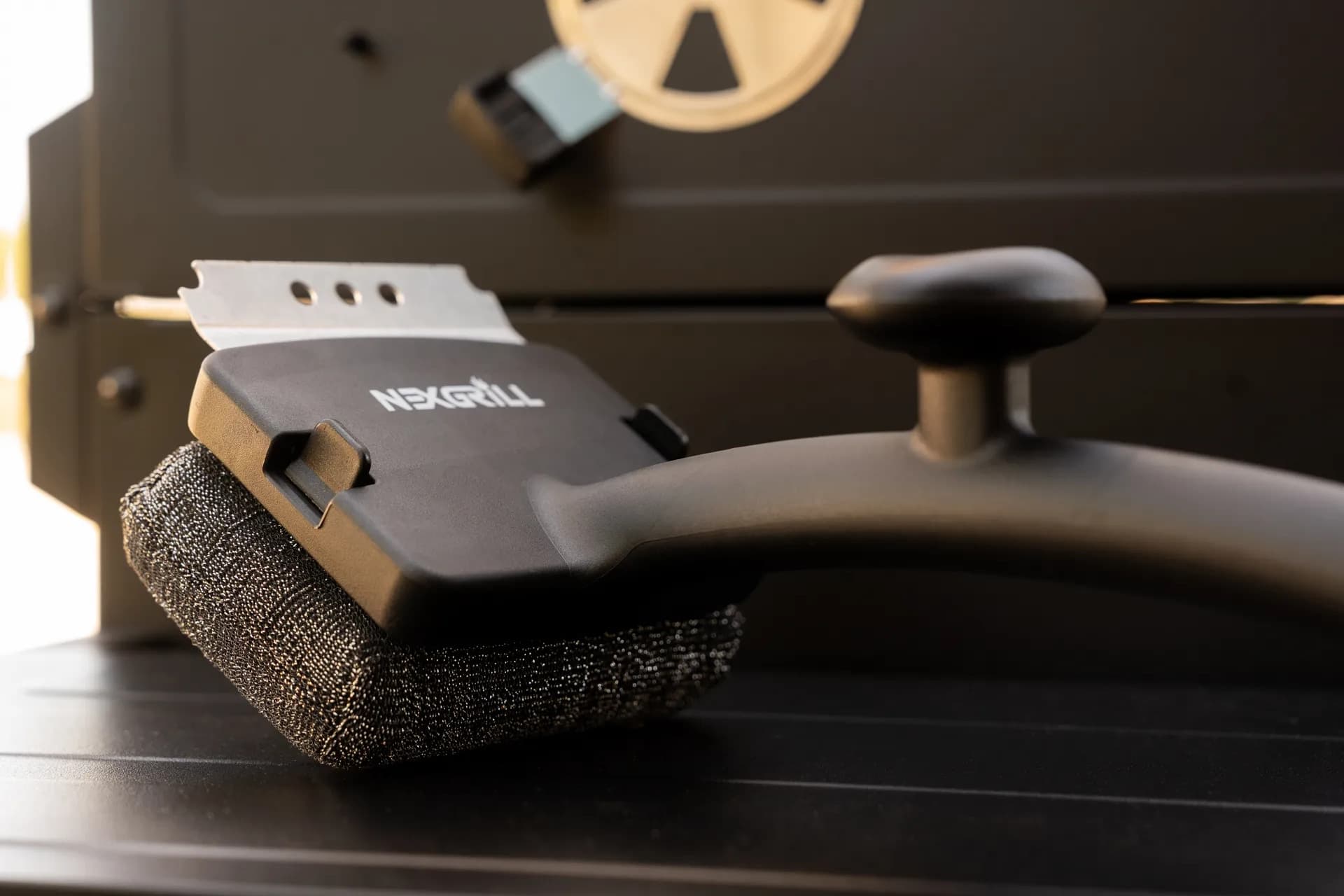
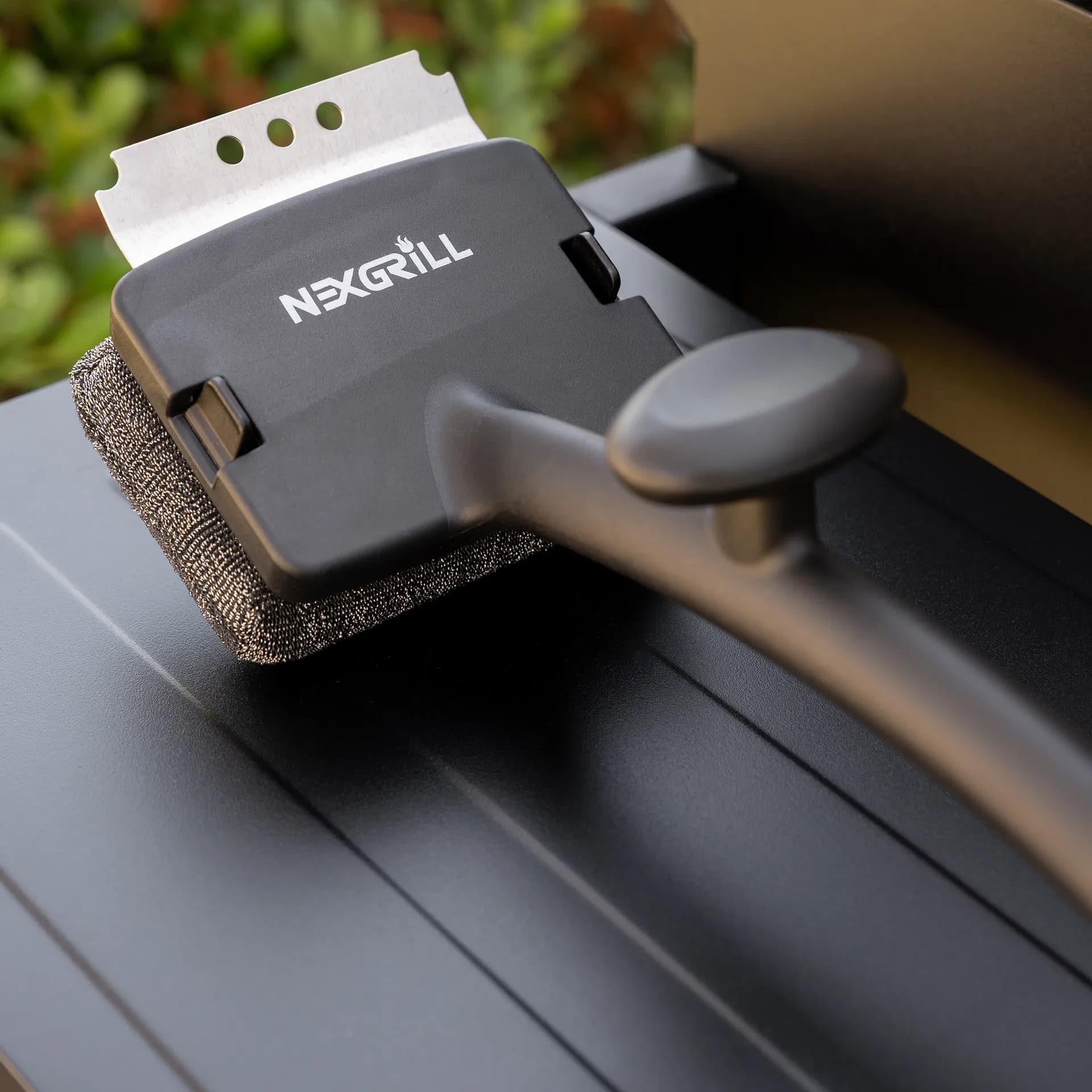
A bristle-free stainless steel grill brush is built for one job: removing cooked-on residue without leaving behind the loose metal filaments that have made traditional wire brushes controversial for years. Instead of relying on sharp, individual bristles, these brushes usually use coiled stainless steel, a woven pad, or a scraper-style head that creates broad contact with the grate. That design matters because grill cleanup happens when heat, grease, and food particles are already in motion, and a safer tool can make the difference between a quick brush-down and a frustrating post-cook inspection.
For backyard cooks, the appeal is straightforward. You still want aggressive cleaning power, especially after sticky marinades, burger drippings, or charred vegetables, but you do not want to wonder whether a stray bristle could end up on a grate, in food, or in a mouthful later that night. That concern has pushed many grill owners to look for stainless steel alternatives that feel sturdier, easier to inspect, and less likely to shed parts during normal use. The result is a product category that sits at the intersection of safety, durability, and everyday convenience.
Stainless steel matters here because it gives the brush the rigidity needed to scrape and lift residue, while also resisting rust better than low-grade metals when stored outdoors.
This article focuses on the practical side of choosing, using, and maintaining a bristle-free stainless steel grill brush. Rather than treating it like a simple accessory, it helps to think of it as a cleaning tool that affects flavor, grill longevity, and peace of mind. A clean grate improves contact with food, reduces flare-ups from carbon buildup, and makes it easier to judge whether your grill is truly ready for the next cook. If you have ever scraped a grate only to find the brush itself shedding, you already know why this category has gained attention.
Nexgrill’s brand voice is all about approachable outdoor cooking that brings people together, and this topic fits that spirit well: the best cleanup tool is the one that helps you spend less time worrying and more time cooking. In the sections below, we will break down what makes bristle-free designs different, how they compare with traditional brushes, and which models and brands are worth a closer look.
The first benefit is the one most shoppers look for immediately: reduced bristle-related risk. Traditional brushes can wear down with repeated use, especially when they are dragged across hot cast-iron, porcelain-coated grates, or textured stainless steel surfaces. When bristles loosen, they can be difficult to notice against dark residue. A bristle-free design removes that specific failure point, which is why many grill owners consider it a calmer, more confidence-inspiring option for family cooking and frequent entertaining.
A second benefit is inspection simplicity. With a bristle-free head, you can often see whether the brush is intact at a glance. That makes it easier to spot deformation, buildup, or wear before the tool becomes ineffective. In real use, that matters. If you grill several times a week, you are more likely to clean in a hurry after dinner or during a weekend gathering. A brush that is easy to inspect and easy to rinse is more likely to be used consistently, and consistency is what keeps grates from developing thick, stubborn carbon layers.
No loose wire bristles to track after scrubbing.
Third, stainless steel builds tend to hold up well under the high heat and grease exposure common to grill care. While no cleaning tool is indestructible, stainless steel is a practical choice because it is less prone to rapid corrosion than cheaper metal alternatives. That can help preserve the shape and cleaning edge of the brush, especially if the brush is rinsed after use and stored in a dry place. The useful part here is not just durability; it is predictable performance. When the head keeps its shape, the brush scrubs more evenly across the grate instead of becoming floppy or uneven.
There is also a cooking-quality benefit that gets overlooked: better cleaning often means better searing. Residue on grates can create sticky spots that interfere with clean grill marks and make delicate foods, such as fish or sliced vegetables, more likely to tear. A bristle-free grill brush that removes char without over-complicating the process helps set up the next cook for success. That is especially helpful for grillers who alternate between proteins and produce and want the grate to stay presentable between meals.
For many buyers, the biggest practical advantage is simply peace of mind. You do not have to second-guess the brush after each session. You can clean, inspect, and store it with fewer worries than a traditional wire brush often creates. That psychological benefit may sound small, but in a category built around food safety and everyday convenience, it matters a great deal.
Traditional grill brushes have long been popular because they can feel aggressive and familiar. The stiff bristles can dig into charred buildup and are often inexpensive. For light cleanup on a well-maintained grill, they can do the job quickly. The tradeoff is that the very feature that makes them feel efficient is also the feature that creates concern: small metal filaments can bend, loosen, or break over time. Once that happens, the brush may still look usable while no longer being fully trustworthy.
Bristle-free stainless steel brushes approach the same job with a different design philosophy. Instead of relying on lots of thin wires, they distribute force through a coiled or woven cleaning head, sometimes combined with a scraper. This gives you broader surface contact and a different tactile feel. You may need slightly more passes on deeply baked-on residue, but the motion is often more controlled and less prone to shedding. That is the central comparison: traditional brushes can be very effective, but bristle-free designs trade a little raw aggression for better confidence and cleaner risk management.
| Category | Bristle-Free Stainless Steel | Traditional Wire Brush |
|---|---|---|
| Safety profile | Lower concern about loose filaments | Higher concern if bristles fray or detach |
| Cleaning feel | Broader scrubbing and scraping | Sharper, more direct contact |
| Inspection | Easy to visually check for damage | Harder to notice loose wires |
| Best use case | Routine cleaning and peace of mind | Fast cleanup when monitored closely |
Effectiveness also depends on the grate material and how the brush is used. Porcelain-coated grates can scratch if a user applies too much force, while heavy cast-iron grates can often tolerate stronger scrubbing. Stainless steel grates sit in the middle and usually respond well to a firm but measured technique. In practice, both brush types can work well if the grill is preheated, because heat loosens residue and makes removal easier. The difference is that bristle-free tools tend to feel more deliberate and less hazardous over time.
User feedback often reflects that tradeoff. Grill owners who switched to bristle-free brushes frequently mention that they miss the “instant bite” of a traditional wire brush at first, but they appreciate the confidence of not having to inspect for loose strands after every session. Others note that the brush head may last longer in visible form because it is not slowly unraveling into separate filaments. That kind of real-world experience is one reason bristle-free models continue to grow in popularity among home grillers who value simplicity and safety together.
Try comparing two options side by side below to see which fits best:
Once you have compared two brushes side by side, the next question is which bristle-free stainless steel model is worth buying. The best answer depends on how often you grill, what kind of grate you own, and whether you care more about a heavy-duty scraper feel or a lighter, more maneuverable cleaning tool. A good bristle-free brush should feel sturdy in the hand, cover enough surface area to speed up cleanup, and remain easy to rinse after greasy cooks. Brand reputation matters here because a better-designed brush usually shows up in the details: the density of the cleaning head, the strength of the handle connection, and the quality of the stainless steel used throughout the tool.
Consumer-oriented roundups consistently highlight bristle-free options because of their safety profile and everyday convenience, and those same themes appear in product reviews from grilling publications and kitchen-focused publications. Consumer Reports has also covered grill brush safety and effectiveness, which reinforces the fact that shoppers are paying attention to brush design as much as price. The practical takeaway is simple: the best brush is not always the flashiest one. It is the one that stays effective, feels stable, and does not create new problems while solving an old one.
If a brush head looks bent, flattened, or frayed, replace it sooner rather than later. Cleaning tools that lose shape often lose effectiveness before they become obviously unsafe.
| Model type | Strengths | Best for |
|---|---|---|
| Coiled stainless steel brush | Good balance of scrub power and easy inspection | Frequent grillers who want a safer everyday tool |
| Brush with integrated scraper | Handles stubborn buildup and large flat spots | Users dealing with heavier residue or thicker grates |
| Wide-head cleaning brush | Covers more grate area in fewer passes | Larger grills and fast post-cook cleanup |
Among commonly recommended options, some brushes from names like Kona and Grill Rescue are often discussed because they bring a clear design identity and a loyal user base. The Kona-style stainless steel brush is appealing to grillers who want a conventional brush feel without exposed bristles, while scraper-forward tools are attractive to cooks who routinely deal with sticky sauces or thick carbon patches. For buyers who prefer a softer, more guided cleaning method, steam-based and pad-style alternatives are sometimes mentioned in the same conversation, though they are not identical to a true stainless steel bristle-free brush. The right choice depends on whether you want brute scrubbing, broad surface coverage, or a hybrid approach.
A useful way to shop is to think in terms of cooking scenarios. If you own a compact gas grill and usually cook for two to four people, a simple handheld stainless steel bristle-free brush is often enough. If you use a larger backyard grill with multiple zones and regularly handle sticky barbecue sauce, a wider head or built-in scraper can save time. If your household grills year-round, it is worth paying a little more for a model with a comfortable handle and a solid cleaning edge, because that tool will be in use often enough to justify the upgrade.
Many customer testimonials follow a similar pattern. The first reaction is usually surprise at how effective the brush feels after preheating the grill, especially when the user has not been relying on a good scraper before. The second is appreciation for how much less anxiety the tool creates when cleaning around family meals. Those two reactions, performance and reassurance, are the reason bristle-free models have become the preferred recommendation for many shoppers who want safer routine maintenance without giving up cleaning power.
The best way to get consistent results from a bristle-free stainless steel grill brush is to use heat and timing to your advantage. After cooking, let the grill stay warm rather than waiting until it is fully cold. A moderately hot grate loosens residue and makes the brush work less like a chisel and more like a cleaner. Use firm, even strokes along the direction of the grates so the head can lift carbon and grease instead of skipping over it. If buildup is heavy, make a second pass rather than forcing the tool into one aggressive scrape.
For especially stubborn areas, pair the brush with a grill-safe scraper or a damp cloth designed for hot cleaning once the surface has cooled slightly. The goal is not to overwork the brush head, but to let the tool do steady, repeatable work. After each use, tap the brush free of debris and rinse it if the design allows. Stainless steel is resistant to corrosion, but grease and food residue can still cling to the head and reduce performance over time if left in place. Drying the brush before storage helps preserve the handle and connection points as well.
A quick post-clean inspection takes only a few seconds: check that the head is still evenly shaped, the handle is secure, and no portion looks flattened or broken.
Storage matters more than many buyers think. A brush left in a damp outdoor bin or tossed onto a wet shelf can corrode at the connection points, even if the cleaning head itself is stainless. Hanging the brush in a dry spot or keeping it with other grill tools indoors between uses can extend its useful life. If you grill weekly, it is smart to make visual inspection part of the routine before and after each season. That habit catches wear early and keeps the brush from becoming an afterthought.
When it is time to replace the brush, do not wait until it fails dramatically. Reduced cleaning power, a bent head, or a handle that feels loose are all signs that the tool is nearing the end of its useful life. Replacing a brush on your schedule is a better experience than discovering a worn-out cleaning tool in the middle of dinner prep. For grill owners who value a dependable routine, that small bit of discipline pays off in cleaner grates and fewer surprises.
A bristle-free stainless steel grill brush offers a practical balance of safety, durability, and cleaning performance. It will not solve every cleanup challenge automatically, but it does remove the most talked-about hazard associated with traditional wire brushes while still giving you the stiffness needed for routine grate care. For most home grillers, especially those cooking often for family and friends, that tradeoff makes a lot of sense.
If you want a tool that supports cleaner grilling habits without adding unnecessary worry, bristle-free is the direction worth considering. Focus on solid materials, a comfortable handle, a cleaning head that is easy to inspect, and a design that matches the way you actually cook. That combination will help you keep your grill ready for the next meal and make cleanup feel like a simple part of the ritual rather than a chore.
Here's what sets us apart
We position ourselves as delivering high-end outdoor cooking features and performance without premium-brand pricing, emphasizing “Quality Grills. Unbelievable Value.”
We offer gas grills, pellet grills, griddles, smokers, pizza ovens, portable/tabletop grills, electric grills, accessories, and replacement parts — allowing customers to stay within one ecosystem for all outdoor cooking needs.
We differentiate ourselves through smart grilling products like the Oakford smart pellet grill, including app-connected cooking controls and modern outdoor cooking technology.
Don't just take our word for it
Keep reading
From our catalog