The Best Stainless Steel Gas Grills for 2023
Discover top-quality grills that combine durability, performance, and style.

In This Article
Why Choose Stainless Steel?
Top Brands Compared
Maintenance Tips
Introduction to Stainless Steel Gas Grills
Stainless steel gas grills have become a favorite for backyard cooks who want a grill that looks polished, heats predictably, and stands up better to outdoor life than painted steel models. For many shoppers, the appeal starts with appearance: a stainless finish reads as clean, modern, and built for the patio. But the real reason these grills stay in the conversation is practical. Good stainless steel resists corrosion better than bare carbon steel, handles repeated heating and cooling more gracefully, and tends to be easier to wipe down after a cookout. That combination matters whether you grill three nights a week or only bring the grill out for summer gatherings.
The phrase best stainless steel gas grill can mean different things depending on how you cook. Some buyers want quick startup and strong searing for burgers and steaks. Others care more about even heat for chicken, vegetables, and delicate items like fish. A stainless steel grill can serve both kinds of cooks, but the quality of the stainless, the burner layout, and the firebox design matter more than the shine on the lid. A grill with thick 304 stainless components and a thoughtful burner layout will usually feel more substantial than a similarly priced model with a flashy exterior and thinner parts underneath.
A stainless steel exterior is not the whole story. The lid, cooking grates, firebox, burners, and fasteners may use different metals, so buyers should compare the full build, not just the headline material.
For shoppers comparing models in the United States, the practical question is usually not whether stainless steel is attractive. It is whether the grill will still heat evenly, clean up easily, and resist weather after several seasons on a deck or patio. That is why the best choices often blend stainless steel where it matters most with smart engineering underneath. It also explains why seasoned buyers often compare heat retention, preheat time, grate quality, and fuel efficiency before they compare mirror-like finishes.
This guide takes a closer look at how stainless steel gas grills perform in real use, which brands are commonly considered top-tier by shoppers and reviewers, and how to judge value across budget, mid-range, and premium models. It also focuses on a detail many buyers overlook: the grade of stainless steel. Understanding the difference between 304 and 316 can help you decide whether you need everyday durability or extra protection in a harsh coastal environment.
Benefits of Choosing Stainless Steel
The biggest advantage of stainless steel is its balance of durability and low-fuss ownership. In grill terms, that means fewer worries about surface rust, better resistance to moisture, and a finish that is easier to keep looking presentable after smoke, grease, and weather exposure. Stainless steel does not make a grill invincible, but it does give you a stronger starting point than many painted or powder-coated alternatives. That matters in the United States, where grills often live outdoors through humid summers, rainy spring weather, and temperature swings that punish lesser materials.
Another meaningful benefit is heat stability. Stainless steel components can help a grill hold and manage heat better when paired with solid construction. That does not automatically mean higher BTUs are better. A grill that preheats quickly but loses temperature every time you open the lid can be more frustrating than a slower, steadier grill. Better stainless steel grills tend to feel more confident during searing because they recover heat faster after food is added. That is especially useful if you cook steaks, pork chops, kebabs, or mixed vegetables on the same cooktop.
Common choice for strong corrosion resistance in everyday backyard grilling
Stainless steel also helps in day-to-day cleanup. Grease drips, sauce splatter, and pollen can usually be removed with warm water, a mild cleaner, and a soft cloth if you stay on top of routine care. In practice, that means ownership feels simpler. Many grillers report that they are more likely to keep a stainless model clean because the surface looks good again after a short wipe-down, which can help extend the life of the entire unit. That same ease of cleaning can support better flavor, since a cleaner grill surface reduces old residue from carrying over into the next cook.
There is also a value argument. While stainless steel grills can cost more up front, they often make sense for buyers who want a longer service life and a more premium feel without moving into specialty territory. The sweet spot is usually a model that pairs stainless steel with practical features such as even burner spacing, a dependable ignition system, and grates that retain heat well enough to leave a proper sear. For many households, that combination is more useful than decorative extras they will rarely use.
Top Brands and Models Overview
When shoppers compare the best stainless steel gas grill options, three brands come up often: Weber, Napoleon, and Monument. They are frequently mentioned because they cover different price and performance bands while offering stainless-steel-forward models with distinct strengths. Weber is often associated with broad dealer support, dependable heat control, and a long history of straightforward backyard grilling. Napoleon is frequently viewed as a step-up choice for buyers who want more refined materials, stronger feature sets, and a more premium feel. Monument tends to appeal to value-seeking shoppers who want stainless steel styling and useful features without entering the upper end of the market.
At the premium end, Napoleon’s stainless-heavy configurations often stand out for buyers who want a more substantial cart, better fit-and-finish, and stronger side- to-side cooking flexibility. Weber’s stainless options are often attractive for cooks who want a familiar layout and easy ownership. Monument can be compelling for families who want enough surface area for weeknight meals and weekend entertaining but are watching the budget closely. In every case, the key is not the badge alone. The best model is the one that matches how you actually cook.
| Brand | Typical Buyer | What Stands Out | Trade-Off |
|---|---|---|---|
| Weber | Everyday grillers who want reliable performance | Strong heat control, trusted layout, broad support | Often priced above entry-level competitors |
| Napoleon | Buyers seeking premium features and fit | Refined build, stainless-heavy designs, versatile cooking zones | Can push into higher price tiers quickly |
| Monument | Value-focused shoppers | Stainless look, practical features, accessible pricing | Fit-and-finish may not match premium brands |
If you want a practical way to think about models, start with use case rather than brand loyalty. A two- to three-burner stainless steel grill can be enough for a smaller household that cooks mostly weeknight dinners. A larger four- or five-burner unit makes more sense if you regularly cook for guests or want to separate direct and indirect heat zones. Many of the strongest user reviews mention the same theme: the grill feels good to use when the heat is even and the cleanup is easy, regardless of whether the brand is marketed as entry-level or premium.
Comparison of Stainless Steel Grades
Not all stainless steel is equal. The two grades most commonly discussed in grill buying are 304 and 316. Grade 304 is the workhorse option for many outdoor grills because it offers a strong balance of corrosion resistance, durability, and cost. It performs well in most backyard settings and is often the right choice for buyers who want a dependable grill for seasonal or year-round use in typical inland environments. If a grill uses 304 stainless on the lid, control panel, and key exterior components, that is usually a solid sign the builder invested in meaningful protection.
Grade 316 goes a step further by adding greater resistance to chlorides and salt exposure. That makes it especially attractive for coastal homeowners or anyone grilling in an environment where salty air can accelerate corrosion. In simple terms, 316 is the better stainless steel when the environment is harsher. It is not automatically necessary for every buyer, and it often comes with a higher price tag, but the extra protection can pay off if your grill sits near ocean air, a pool area, or another corrosive setting.
A higher stainless grade does not fix weak design. Poor burner placement, thin metal in the firebox, or bad airflow can still hurt performance even when the exterior looks premium.
One useful way to compare grades is to ask where the grill will spend most of its life. If it will be under a covered patio in a suburban backyard, 304 is usually plenty. If it will face salt spray or frequent moisture, 316 may be worth the upgrade. Also remember that many grills mix grades. A manufacturer may use 304 on the hood or cooking area while using other stainless alloys or coated materials in less visible areas. That is why shoppers should read spec sheets carefully and not assume every stainless surface is the same.
For a buyer in the United States trying to balance price and longevity, 304 is often the sensible baseline. 316 is the niche upgrade for tougher conditions. The best choice is not the most expensive grade on paper. It is the grade that makes the most sense for your weather, your storage habits, and how long you expect to keep the grill in service before replacing it. Try comparing two products side by side below to see which fits best:
User Reviews and Expert Insights
Once you've weighed two options against each other, the next step is to separate polished marketing from real-world ownership experience. That is where user reviews and expert testing are especially useful. Professional reviewers tend to focus on measurable factors such as heat distribution, preheat speed, grate temperature, and how consistently a grill handles different foods. Home users, on the other hand, often reveal the small frustrations that matter most after the purchase: how hard it is to clean the cookbox, whether the igniter works every time, whether the side shelves feel sturdy, and whether the grill still looks good after a wet season.
Across many review patterns, stainless steel grills earn praise when they feel solid, heat evenly, and resist cosmetic wear. Negative feedback usually clusters around thin stainless skins that dent easily, burners that create hot spots, and parts that discolor sooner than expected. Those comments are helpful because they remind shoppers that stainless steel alone does not guarantee satisfaction. The best-reviewed models usually combine a stable chassis, sensible burner layout, and a cooking surface that recovers temperature quickly after the lid is opened. In everyday cooking, that can matter more than a long feature list.
Experts also tend to emphasize that cooking experience is shaped by the whole system. A grill can have a stainless exterior and still underperform if the grates are weak or the lid seals poorly. Likewise, a budget-friendly grill can win praise if the heat pattern is even and the igniter is dependable. This is why user-generated content is so helpful. It captures the long-term story that spec sheets cannot: whether wheels hold up, whether knobs feel loose after a season, and whether cleanup is actually as simple as promised. When reading reviews, look for repeated themes rather than one-off reactions. If the same strengths and weaknesses appear across multiple buyers, that pattern is worth trusting.
The most useful reviews mention real conditions: coastal weather, heavy weekly use, or occasional weekend grilling. Those details help you judge whether a grill matches your own routine.
If you are evaluating opinions from YouTube, retailer pages, or forums, pay attention to the reviewer’s cooking style. Someone who grills ribeyes over high heat may value ignition and searing differently than a parent who cooks chicken thighs and vegetables for a family of five. A truly useful review tells you not just whether the grill is good, but good for whom. That perspective is especially important for stainless models, because the brand, grade, and hardware can shift the experience dramatically even when two grills look similar at a glance.
Maintenance Tips for Longevity
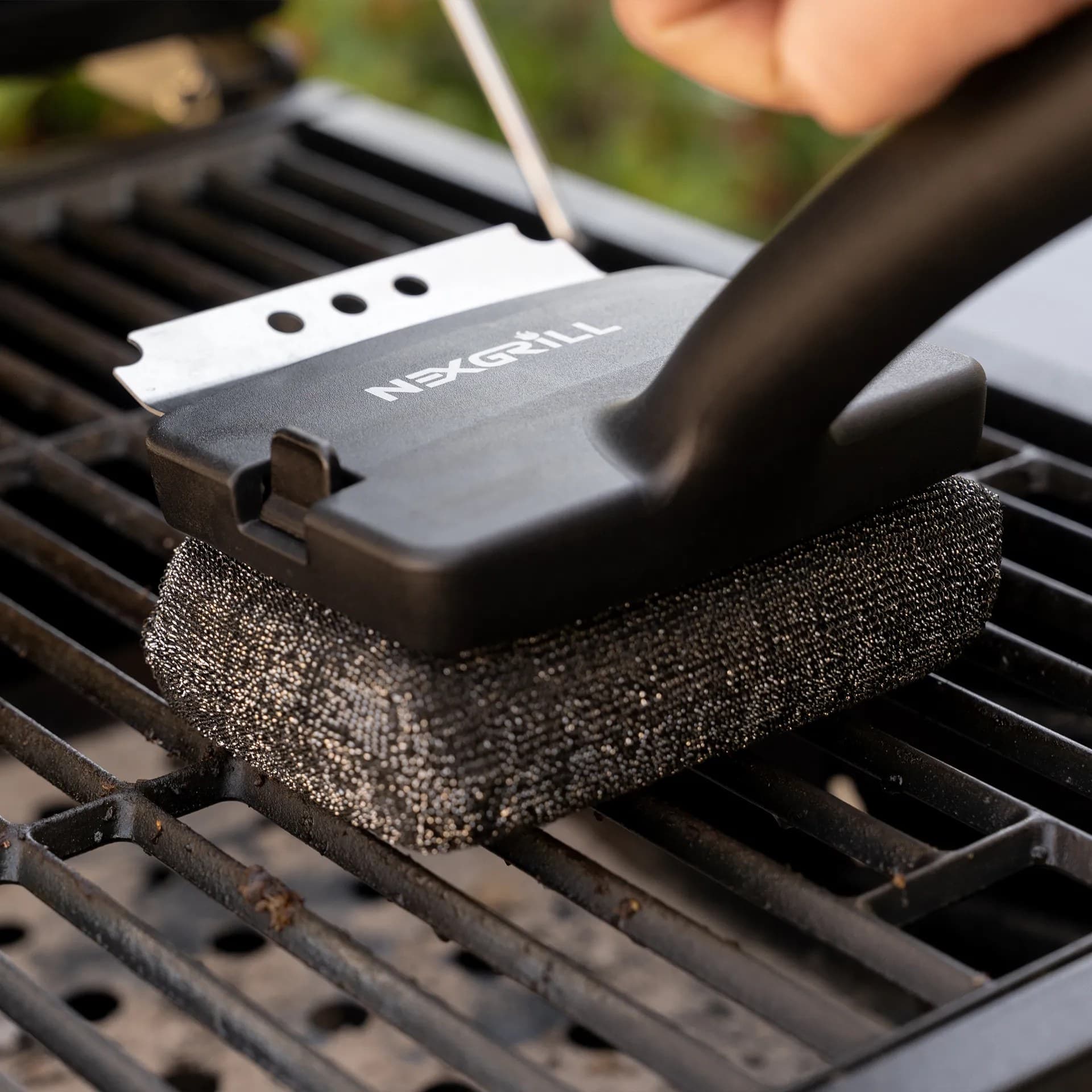
Stainless steel is durable, but it still benefits from routine care. The simplest maintenance habit is also the most effective: clean after each use while the grill is still warm enough to loosen residue. Wipe the exterior with a soft cloth and mild soap, then dry the surface to discourage water spots. For the grates, a nylon or brass brush and a light oiling can help preserve cooking performance and reduce sticking. Avoid aggressive steel wool on polished surfaces, since it can leave scratches that make the metal look dull.
Deep cleaning should focus on the parts that affect heat and airflow. Check grease trays, flavorizer bars or heat tents if your grill has them, and the burner ports for clogs. If burners are irregular or weak, clean them according to the manufacturer’s instructions before replacing parts. Stainless steel looks best when grime does not have time to bake on, so consistency matters more than occasional heavy scrubbing. A good cover also helps, especially if the grill stays outdoors year-round. Covering the grill after it cools protects the finish from rain, pollen, and UV exposure, all of which can dull the appearance over time.
| Maintenance task | How often | Why it matters |
|---|---|---|
| Wipe exterior and handles | After most cooks | Prevents residue buildup and staining |
| Brush grates while warm | After every cook | Improves flavor and reduces sticking |
| Inspect burners and ports | Monthly during heavy use | Helps preserve even heat |
| Clean grease management area | Every few uses | Reduces flare-ups and odor |
For coastal owners or anyone in a humid region, rinsing off salt film and drying the metal is especially important. If you notice discoloration, it is often cosmetic, not structural, but it is a signal to clean sooner rather than later. The goal is not to baby the grill. It is to keep the stainless finish doing the job you bought it for: looking sharp, resisting corrosion, and supporting reliable cooking over time.
Conclusion: Making the Right Choice
The best stainless steel gas grill is the one that matches your cooking habits, weather conditions, and budget. If you want a dependable everyday grill, 304 stainless usually delivers the right balance of value and durability. If you live near salt air or another challenging environment, 316 may be the smarter long-term choice. Brand reputation matters too, but only when it lines up with the details that shape ownership: heat consistency, burner quality, cleanup, and how the grill holds up after repeated use.
For many shoppers, the winning formula is simple: choose the stainless grade that fits your environment, compare real review patterns instead of marketing claims, and look closely at the cooking system underneath the shiny finish. That approach will help you find a grill that performs well now and still feels like a smart buy several seasons from now. If you are comparing options from Weber, Napoleon, Monument, or another brand, focus on the whole experience from preheat to cleanup, because that is where the true value of a stainless steel gas grill shows up.