Environmental Impact: Smart Grills vs Traditional Grilling Methods
Explore how smart grills and traditional grilling methods affect our planet.
In This Article
Smart Grills' Efficiency
Environmental Considerations
Sustainability Tips
Understanding Smart Grills and Their Environmental Footprint
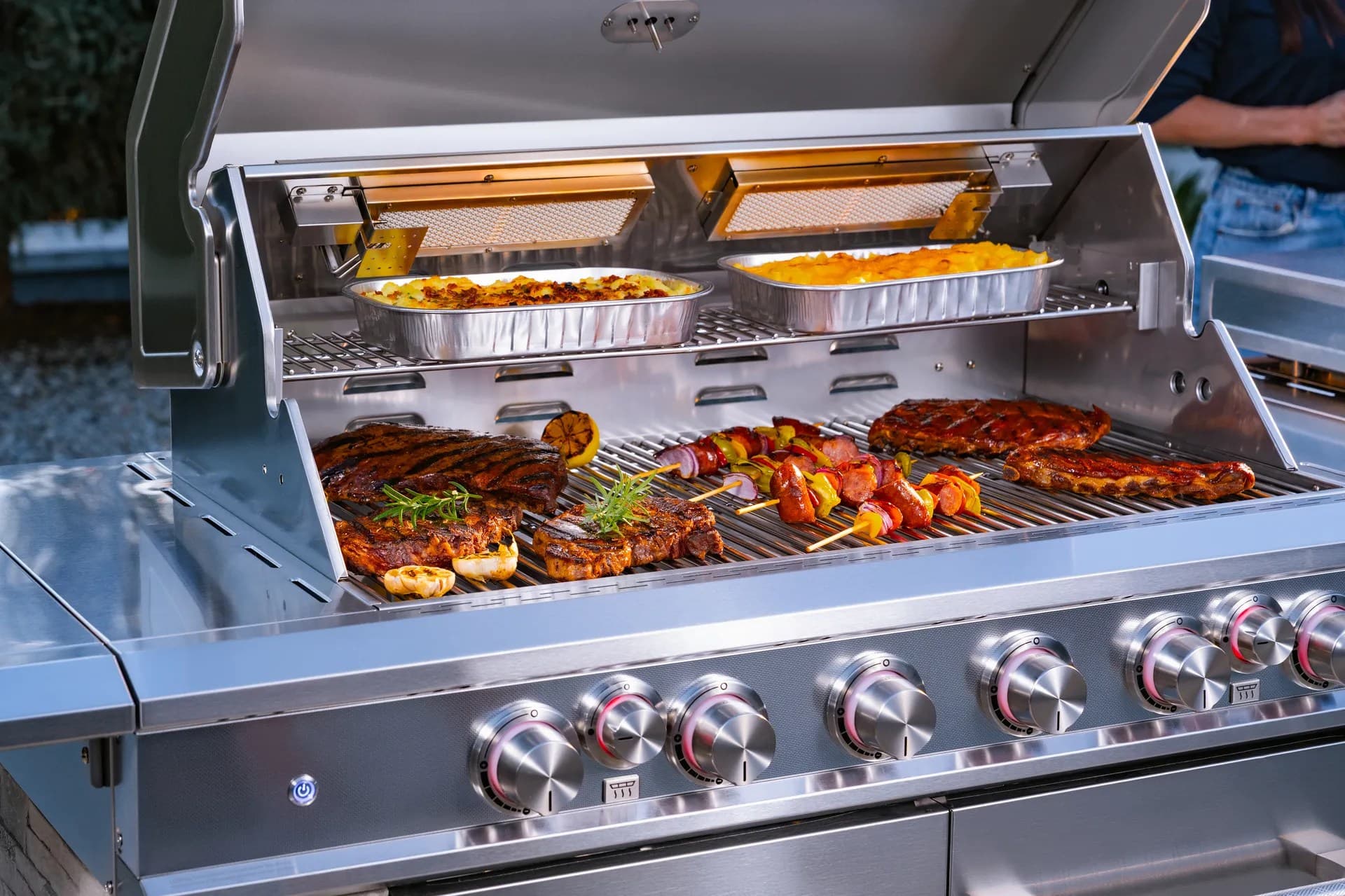
Smart grills represent the latest evolution in outdoor cooking technology, offering enhanced control and efficiency. These devices often incorporate Wi-Fi connectivity, allowing users to monitor and adjust cooking temperatures remotely. This connectivity not only adds convenience but also contributes to optimized energy use by maintaining precise temperature control, potentially reducing overall fuel consumption.
The environmental impact of smart grills is also influenced by their design, which often includes features like automatic shut-off and energy-efficient burners. These elements help minimize unnecessary fuel usage, reducing the carbon footprint associated with grilling. In comparison to traditional methods, smart grills can offer a more sustainable solution by lowering emissions and conserving resources.
Smart grills' energy efficiency can contribute to a reduction in grilling-related emissions, making them a greener option.
Comparative Fuel Efficiency
Fuel efficiency is a critical factor in assessing the environmental impact of grilling methods. Smart grills tend to offer improved fuel efficiency over traditional grills. For instance, the precise control mechanisms in smart grills allow for more efficient use of propane or natural gas, often resulting in lower consumption rates. This efficiency not only helps in reducing costs but also diminishes the environmental footprint by cutting down on fuel emissions.
| Grill Type | Fuel Efficiency | Emission Levels |
|---|---|---|
| Smart Grill | High | Low |
| Gas Grill | Moderate | Moderate |
| Charcoal Grill | Low | High |
Material and Durability Considerations
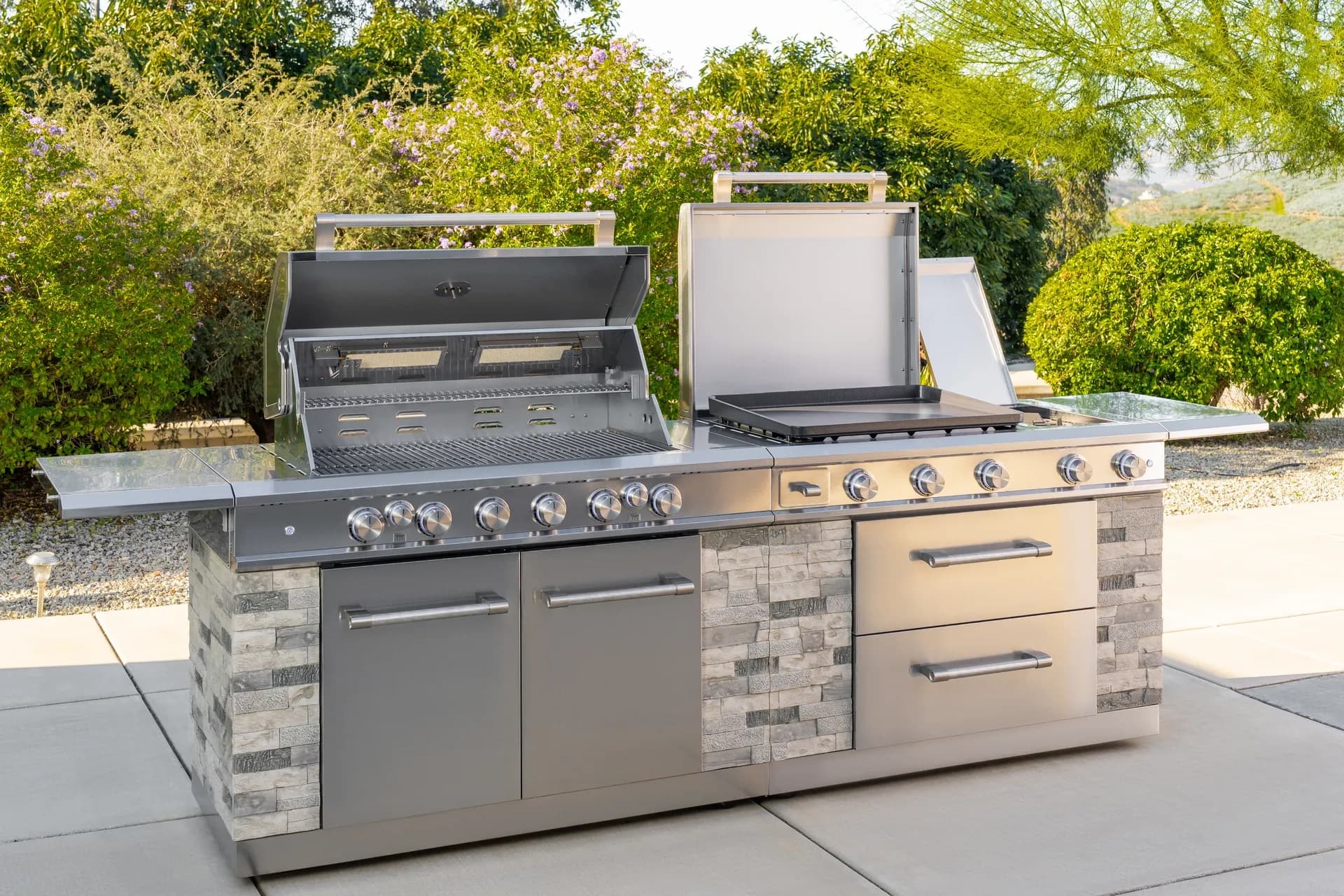
Smart grills are often constructed with durable materials designed to withstand weather and usage over time. This durability contributes to a longer lifespan, reducing the need for frequent replacements and thus minimizing waste. Traditional grills, particularly those made of less durable materials, may require more frequent replacement, increasing their environmental impact through manufacturing processes and waste production.
Comparing Emission Outputs: Smart vs Traditional Grills
Emission outputs are a significant factor in evaluating the environmental impact of grilling. Smart grills, with their advanced temperature control systems, often produce fewer emissions compared to traditional grills. By maintaining consistent temperatures and utilizing fuel more efficiently, smart grills can help reduce the release of greenhouse gases, making them a more environmentally friendly choice.
In contrast, traditional charcoal grills are known for higher emission levels due to the combustion of charcoal. This process not only releases carbon dioxide but also particulate matter that can contribute to air pollution. Gas grills, while cleaner than charcoal, still produce emissions that are higher than those typically seen with smart grills.
Choosing a smart grill can significantly lower your outdoor cooking emissions, contributing to a cleaner environment.
Sustainability and Resource Utilization
Sustainability in grilling is not only about emissions but also about how resources are utilized. Smart grills are designed to maximize efficiency, ensuring that every bit of fuel is used effectively. This design reduces waste and conserves resources, aligning with sustainable cooking practices.
| Grill Type | Resource Efficiency | Sustainability |
|---|---|---|
| Smart Grill | High | High |
| Gas Grill | Moderate | Moderate |
| Charcoal Grill | Low | Low |
Practical Recommendations for Eco-Friendly Grilling
For those looking to minimize their environmental impact while enjoying outdoor cooking, considering a smart grill is a step in the right direction. Evaluate the grill's energy efficiency, material durability, and emission output. Additionally, proper maintenance of the grill can enhance its efficiency and lifespan, further reducing environmental impact.
Incorporating sustainable practices, such as using renewable fuel sources and recycling grill components, can also enhance the eco-friendliness of your grilling activities. By choosing a grill that aligns with these sustainable practices, you contribute positively to the environment while still enjoying the pleasures of outdoor cooking.