Budget-Friendly Grilling: Choosing the Right Grill for You
Explore how smart and gas grills fit your budget and lifestyle.

In This Article
Smart Grill Features
Gas Grill Simplicity
Budget Considerations
Understanding Grill Types: Smart vs Gas
When embarking on the journey to find the perfect grill, it's essential to understand the primary differences between smart and gas grills. Smart grills are the latest innovation in the grilling world, equipped with technology that allows for remote control, precise temperature settings, and recipe guidance through apps. They often come with integrated thermometers and Wi-Fi capabilities, making them ideal for tech-savvy grillers who appreciate convenience and precision.
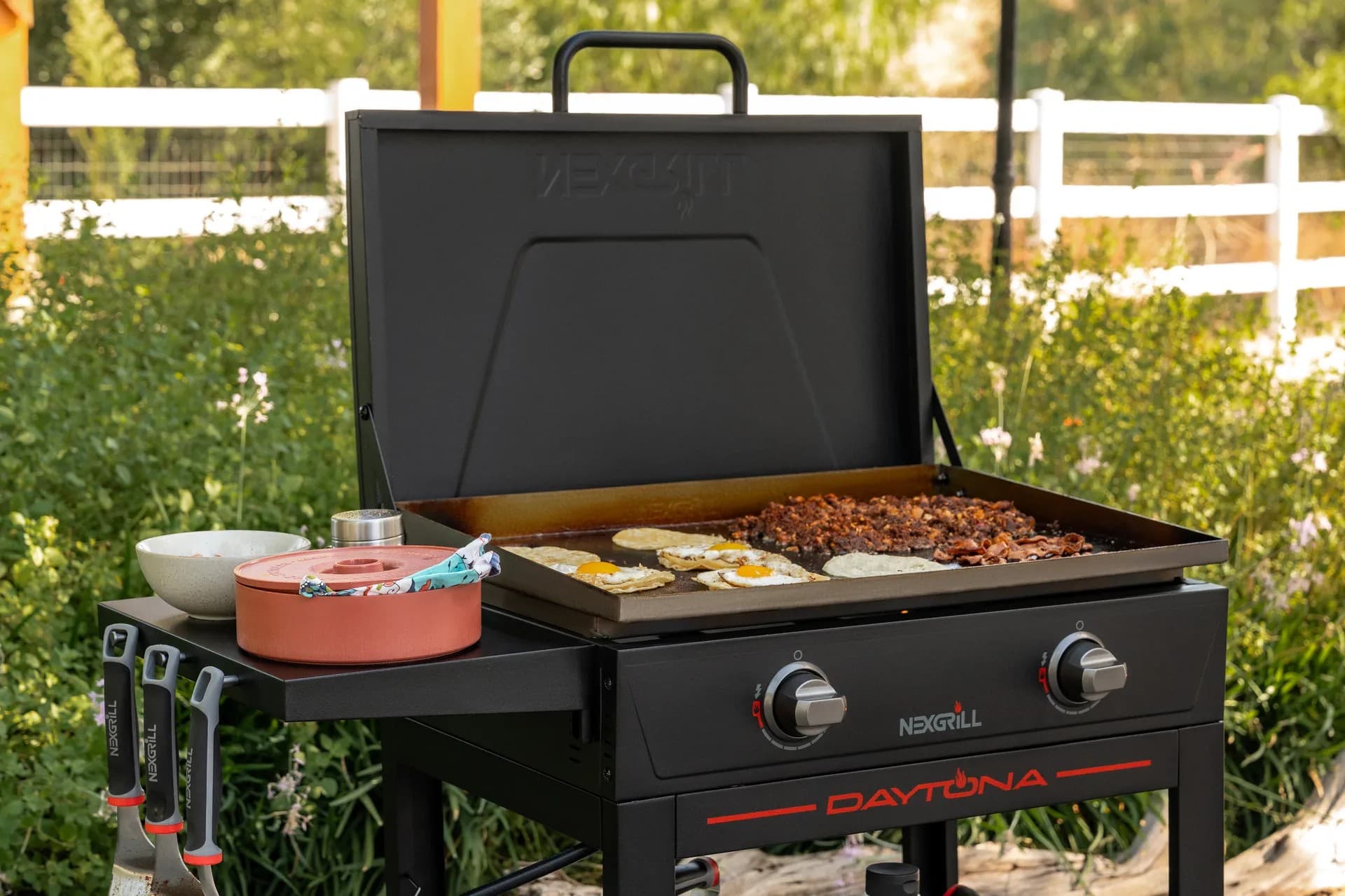
Gas grills, on the other hand, have been staples in backyard barbecues for decades. They offer immediate heat, adjustable flame settings, and are generally straightforward to use. Gas grills are favored for their reliability and ease of use, requiring only a connection to a propane tank or natural gas line.
Price Points: Smart vs Gas Grills
The price difference between smart and gas grills can be significant, influenced by brand, features, and size. Generally, smart grills tend to be more expensive due to their advanced technology and modern features. Entry-level smart grills can start around $500, while high-end models can exceed $2,000.
Gas grills, however, offer a broader range of prices. Basic models can be found for under $200, while premium versions with multiple burners and additional features can also reach into the thousands. The key is to identify your grilling needs and budget constraints.
| Feature | Smart Grill | Gas Grill |
|---|---|---|
| Price Range | $500 - $2000+ | $200 - $2000+ |
| Technology | Wi-Fi, apps, precision | Simple controls |
| Ease of Use | Requires setup | Plug and play |
Fuel Efficiency and Cost
Fuel efficiency is another crucial factor in choosing between smart and gas grills. Gas grills traditionally use propane or natural gas, which are cost-effective and widely available options. The cost of running a gas grill depends largely on the frequency of use and the price of fuel in your area.
Smart grills, while potentially more energy-efficient due to precise control, still require electricity for their smart features. This can increase operational costs depending on your local electricity rates. However, some users find the convenience and control offered by smart grills outweigh these costs.
Tip: Balance initial investment with long-term savings when considering fuel types and efficiency.
Maintenance and Durability
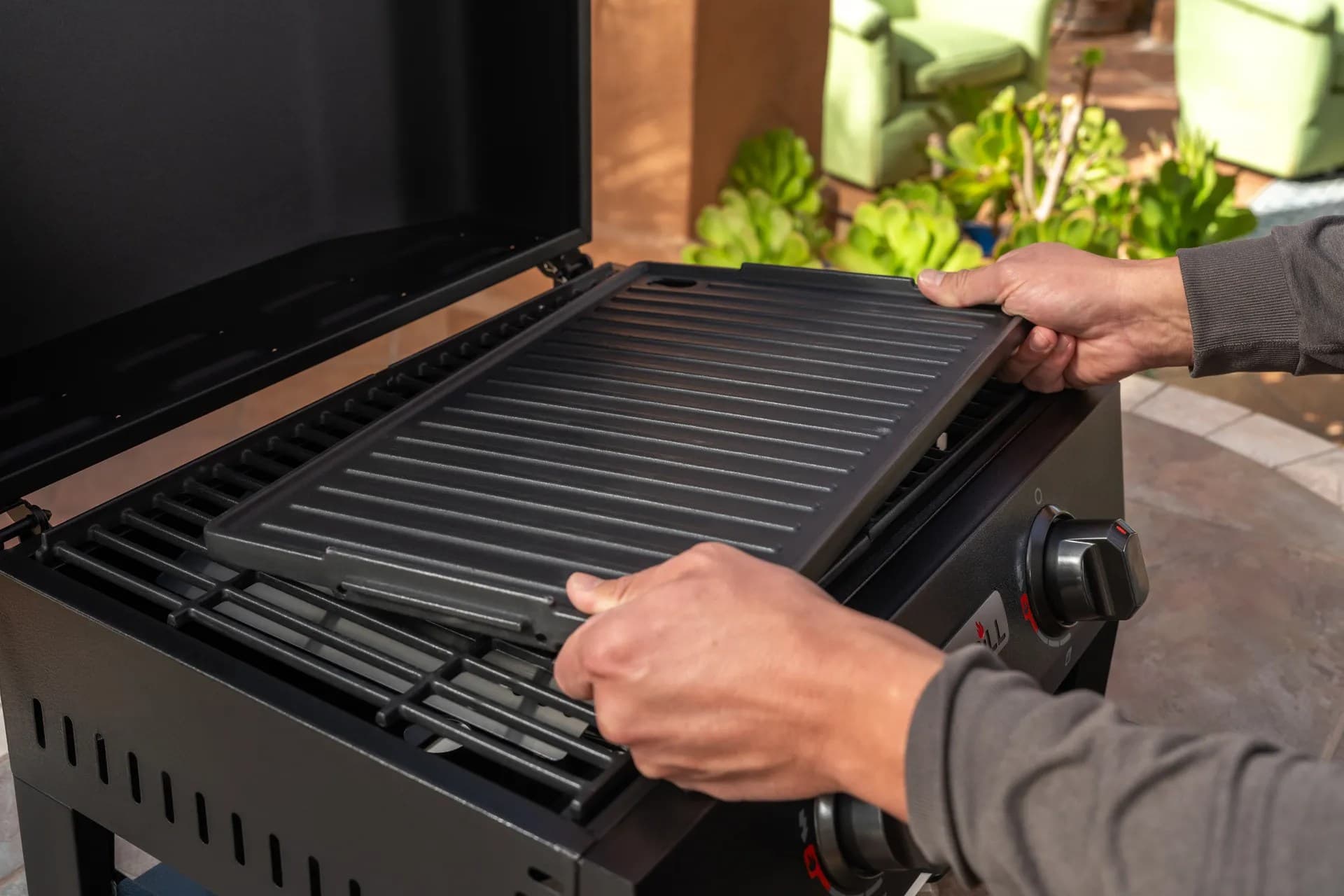
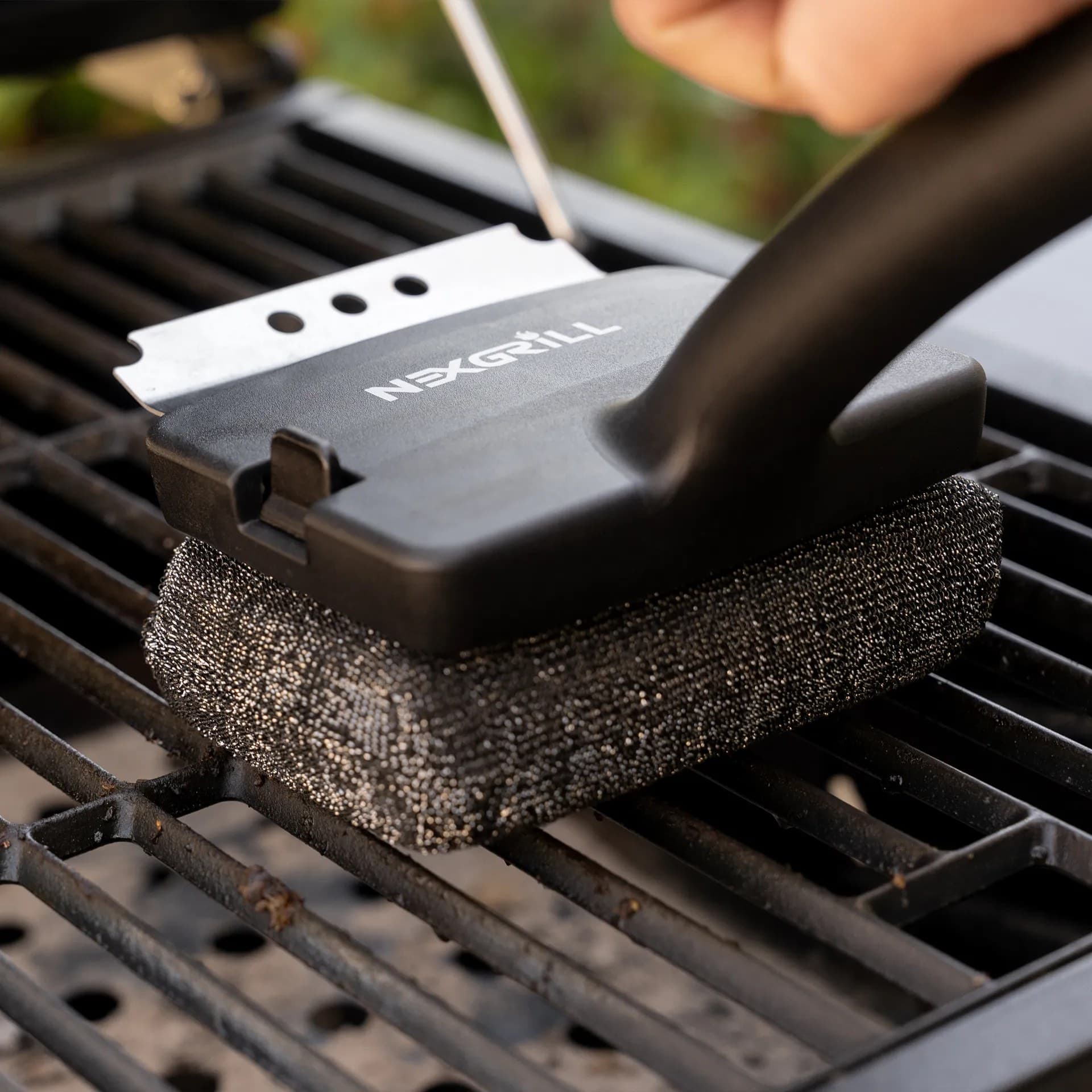
Maintenance is vital for prolonging the life of your grill. Gas grills are generally easier to maintain, requiring regular cleaning of burners and grates to prevent flare-ups and ensure even cooking. Smart grills might demand additional care due to their electronic components, which could require software updates and protection from the elements.
Considering durability, both types can offer long-lasting performance with proper care. Stainless steel and cast iron are common materials that provide robustness against weather and wear, often found in both smart and gas grill constructions.
Ensure your grill is covered when not in use to extend its lifespan.
Try comparing two products side by side below to see which fits best:
Once You've Weighed Your Options: Making the Right Choice
After examining the price and features of smart versus gas grills, the next step is to align your decision with your specific grilling needs and lifestyle. Consider how often you grill, the type of foods you enjoy cooking, and the convenience you desire from your grilling experience.
Who Benefits from a Smart Grill?
Smart grills are perfect for tech enthusiasts who enjoy the convenience of controlling their cooking remotely. They are ideal for those who love experimenting with recipes and need precise temperature control. If you appreciate the latest technology and are willing to invest in a grill that offers advanced features for a seamless cooking experience, a smart grill might be your best choice.
Moreover, smart grills can cater to busy individuals who need to monitor their meals while multitasking. The ability to receive notifications and adjust settings remotely offers unmatched flexibility.
Is a Gas Grill Right for You?
Gas grills are an excellent option for traditionalists who prioritize simplicity and reliability. They are suitable for those who enjoy spontaneous cookouts and require a grill that heats up quickly with minimal setup. If you prefer a straightforward grilling experience without the need for technological integration, a gas grill is likely the better choice.
Gas grills also appeal to budget-conscious buyers who want a reliable grill without breaking the bank. With a wide range of price points, gas grills offer affordability without sacrificing performance.
Balancing Features and Budget
Balancing features and budget is crucial in making a purchase decision. While smart grills offer advanced options, they can come at a higher price point. Consider the long-term value and how often you plan to use these features. Gas grills, while more straightforward, might provide the best value for those who grill less frequently or focus on traditional cooking methods.
| Criteria | Smart Grill | Gas Grill |
|---|---|---|
| User Type | Tech-savvy, multitaskers | Traditionalists, budget-conscious |
| Key Feature | Remote control, precision | Ease of use, quick start |
| Investment | High | Varied |
Conclusion and Recommendations
In conclusion, both smart and gas grills offer unique benefits catering to different user preferences and budgets. Analyze your grilling habits, technological comfort level, and financial considerations to make an informed decision. Whether you choose the innovative features of a smart grill or the trusted simplicity of a gas grill, both can offer exceptional outdoor cooking experiences.
Remember: The best grill is one that suits your lifestyle and enhances your outdoor cooking adventures.