Common Mistakes to Avoid When Cleaning Your Pizza Oven
Ensure your pizza oven's longevity and performance by steering clear of these common cleaning errors.

In This Article
Avoid Using Water on Hot Stones
Steer Clear of Harsh Chemicals
Don't Use Abrasive Tools
Introduction: The Importance of Proper Pizza Oven Maintenance
Cleaning a pizza oven is not just about keeping it looking tidy. It is about protecting the cooking surface, preserving heat performance, and avoiding damage that can shorten the oven’s usable life. A well-maintained oven heats more evenly, recovers temperature faster between pizzas, and is less likely to develop stubborn residue that changes the flavor of future bakes. The most expensive mistakes usually happen when owners treat a pizza oven like a standard kitchen appliance, even though its stone, dome, and firebox materials often behave very differently under heat.
This is especially important for high-heat ovens that rely on stone or ceramic surfaces. Those materials absorb and release heat in a very specific way, and they are vulnerable to thermal shock, moisture intrusion, and surface abrasion. The wrong cleaning habit may not cause visible damage right away, but it can create hairline cracks, weaken the baking floor, or leave behind residues that interfere with dough, sauce, and cheese. In practical terms, a careless cleaning session can turn into uneven crusts, burnt spots, or an oven that takes longer to get back to baking temperature.
Can damage a stone that took many heat cycles to season properly
If you use your pizza oven at home, the goal is not aggressive scrubbing. The goal is controlled maintenance: remove ash, brush off loose debris, let heat do the heavy lifting, and avoid anything that changes the surface too quickly or too harshly. That approach protects both the oven and the food you cook in it. Many owners only need a simple routine after each cook, plus a deeper inspection when residue builds up. The key is knowing what not to do, because the most common cleaning errors are often the easiest to avoid once you understand why they matter.
Tip: The safest cleanup usually starts when the oven is still warm, not blazing hot and not fully cold. That is when residue is easiest to lift without shocking the cooking surface.
Readers looking for the best pizza oven cleaning tips should think less about “deep cleaning” and more about “protective cleaning.” That means choosing the right timing, the right tools, and the right level of force. It also means understanding which surfaces can tolerate scraping and which surfaces need a gentler touch. The sections below focus on common mistakes to avoid so you can keep the oven performing consistently over time.
Common Cleaning Mistakes to Avoid
The first mistake many owners make is pouring water on a hot stone or hot cooking floor. This can cause thermal shock, which happens when a material changes temperature too quickly. On a pizza oven stone, that sudden change can lead to cracking, warping, or a weakened surface that never performs the same way again. Even if the stone does not break immediately, repeated thermal shock can shorten its life and create rough spots that collect flour, cheese, and sauce.
Warning: Never try to “steam clean” a pizza stone by adding water during or right after a hot cook. The temperature swing can do more harm than visible soot.
Another common error is using harsh chemical cleaners on surfaces that absorb moisture or come into close contact with food. Strong degreasers, oven sprays, and bleach-based cleaners may leave behind odors or residues that linger in porous materials. In a pizza oven, those residues can affect flavor, especially if the stone or interior brick has absorbed any of the cleaner. A better approach is to use dry brushing, gentle scraping, or products specifically intended for food-contact cooking surfaces when the manufacturer allows it.
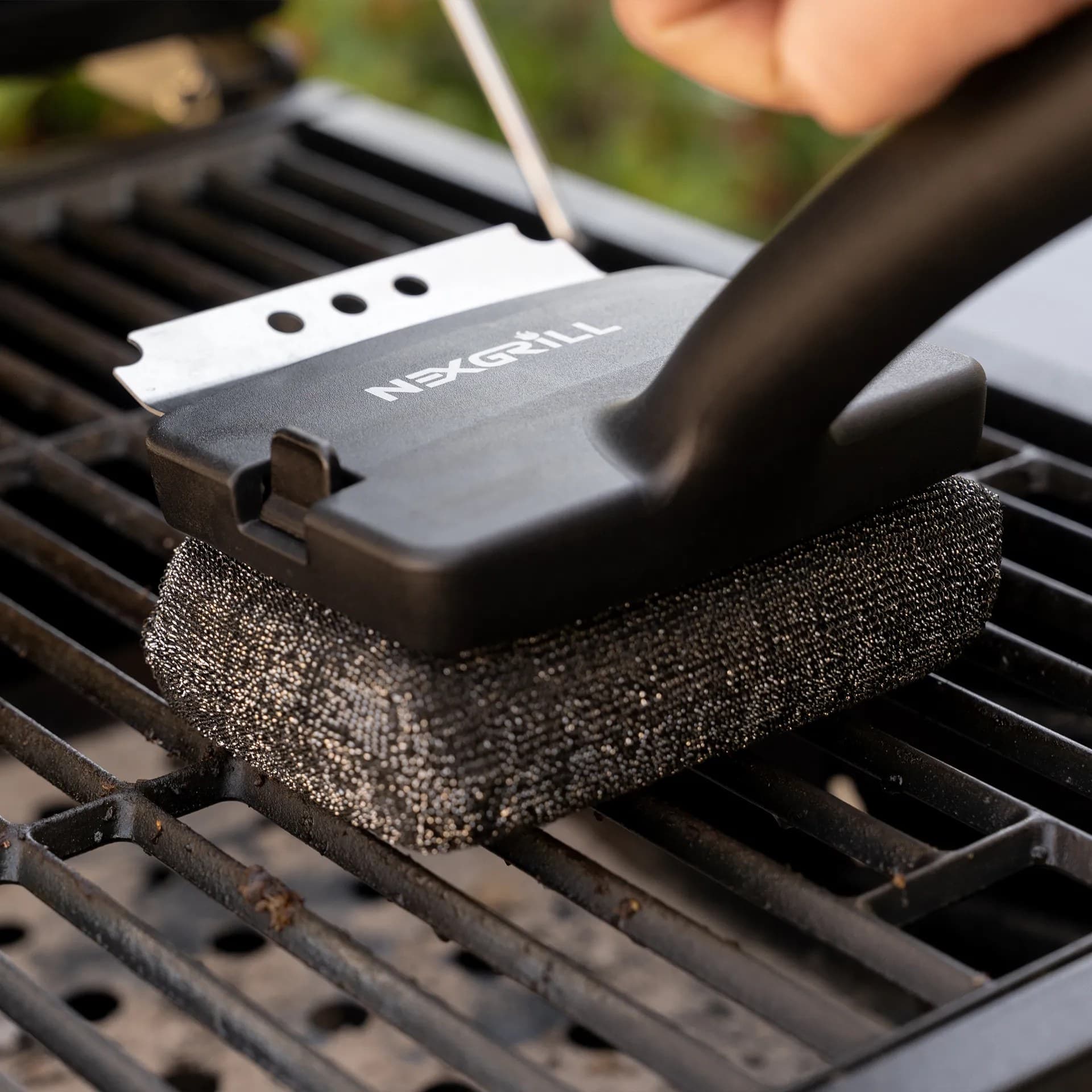
A third mistake is reaching for abrasive tools like steel wool, aggressive scouring pads, or metal brushes with overly stiff bristles. These can scratch protective finishes, wear down seasoning on certain surfaces, and create tiny grooves where grease and ash settle. Once that happens, the oven becomes harder to clean each time, and residue can carbonize in the scratches. For many ovens, a soft-bristle brush, a dough scraper, or a dedicated pizza oven brush is enough to remove debris without damaging the surface.
Owners also sometimes clean too soon after cooking. If the oven is still at peak temperature, residue may smear instead of lifting, and the risk of accidental burns is much higher. Waiting for the oven to cool to a safer handling range gives you more control and reduces the chance of damage. On the other hand, waiting until the oven is stone-cold can make some buildup harder to remove. The practical middle ground is to clean while the oven is warm enough to loosen residue but cool enough to handle safely.
| Mistake | Why it matters | Safer approach |
|---|---|---|
| Water on a hot stone | Can trigger thermal shock and cracking | Let the oven cool naturally before any damp cleaning |
| Harsh chemical sprays | Can leave residue and affect flavor | Use dry removal methods or food-safe cleaners only when approved |
| Abrasive scrubbing pads | Can scratch surfaces and trap buildup | Use a soft brush or scraper with controlled pressure |
Another often overlooked issue is ignoring ash and fine flour buildup in corners, vents, and around the fire area. Those small deposits may not seem serious, but they can affect airflow and create uneven heating. Pizza ovens depend on steady circulation and clean surfaces to maintain consistent baking conditions. Leaving debris in place after every cook makes the next cleanup harder and eventually creates baked-on layers that take far more effort to remove.
For owners who use wood-fired ovens, overloading the firebox with fuel is also a cleaning mistake because excessive soot and ash can build up faster than expected. If the oven is constantly coated in residue, the problem is often not just cleaning technique; it is the way the fire is being managed. Controlled fuel use makes post-cook cleanup simpler and reduces the chance that the oven interior becomes heavily soiled in the first place.
Conclusion: Maintaining Your Pizza Oven for Longevity
A pizza oven stays reliable when cleaning is calm, consistent, and surface-appropriate. Avoiding a few high-risk habits, such as shocking hot stone with water, using harsh chemicals, or scrubbing with abrasive tools, does far more for longevity than occasional heavy-duty cleaning ever will. The best pizza oven cleaning tips are often the simplest: remove loose debris, respect heat cycles, and treat porous surfaces like the valuable cooking tools they are.
If you want your oven to produce crisp crusts and balanced browning over time, think about maintenance as part of the cooking process rather than something separate from it. A short cleanup after each use usually prevents the kind of buildup that leads to aggressive scraping later. That routine also helps you notice cracks, discoloration, or unusual residue before they become bigger issues. Owners who stay ahead of these warning signs typically spend less time forcing the oven back into shape and more time actually cooking with it.
Tip: A quick brush-down after cooking and a careful cool-down are often enough to prevent most long-term cleaning problems.
The most dependable maintenance mindset is simple: clean for protection, not aggression. That means choosing methods that preserve the oven’s heat retention, finish, and food-contact surfaces. When you avoid the common mistakes, you reduce the chance of cracks, flavor contamination, and uneven cooking. Try comparing two pizza oven cleaning approaches side by side below to see which fits your oven best:
Introduction: The Importance of Proper Pizza Oven Maintenance
Once you have compared two cleaning approaches, the next step is understanding why oven care matters so much in the first place. Pizza ovens are built to run hot, but heat alone does not make them durable. Their long-term performance depends on how well the stone, dome, peel-contact areas, and fire chamber are treated between uses. When cleaning is careless, residue does not just make the oven look untidy; it changes how heat moves across the cooking surface and how the oven handles repeated temperature swings.
For home pizza makers, the real challenge is balancing convenience with preservation. It is tempting to rinse away messes quickly or attack stubborn spots with heavy tools, especially after melted cheese or carbonized flour sticks to the floor. But pizza ovens are not standard countertop appliances. Many have porous cooking surfaces or finishes that can absorb moisture, scratch easily, or react badly to sudden cooling. The smartest cleaning routine respects those limits and removes buildup without disrupting the materials that make the oven work well.
That is why a mistake-focused guide is more useful than a generic cleaning checklist. Instead of assuming every oven can be cleaned the same way, it is better to look at the habits that cause the most damage across different models. Whether your oven is wood-fired, gas-powered, or designed for indoor-outdoor use, the same few missteps tend to show up again and again: water used too early, harsh chemistry used too freely, and overly aggressive scrubbing used on delicate surfaces. Avoiding those errors is often the difference between a well-seasoned oven and one that wears out before its time.
Cover most avoidable pizza oven cleaning damage
A good maintenance routine also supports better baking results. Clean surfaces recover heat more predictably, ash does not interfere with airflow, and unwanted residue is less likely to affect the flavor of your next pie. That matters for anyone cooking multiple pizzas in a row, because the oven has to stay stable across successive bakes. Even small buildup can slow recovery and create the kind of uneven browning that makes one side of a crust finish before the other.
Tip: If the oven is still warm enough to loosen residue but not dangerously hot, that is usually the most effective time to clean safely.
Common Cleaning Mistakes to Avoid
The most damaging mistake is cooling the oven too quickly with water. Pouring or spraying water onto a hot stone is one of the fastest ways to create thermal shock. Stone and ceramic materials expand and contract with temperature changes, and sudden cooling can stress them enough to crack. Even when a crack is not obvious, the surface may become more fragile and less even. Once that happens, the oven floor can stop transferring heat properly, which affects everything from dough spring to crust color.
A related mistake is assuming a damp cloth is harmless on all surfaces. It may be fine on some exterior metal parts once they are cool, but it is a poor choice for porous surfaces that have absorbed intense heat. Moisture can linger in tiny pores, and when the oven is reheated, that trapped moisture can expand. The result may be spalling, small cracks, or a rougher surface texture. For that reason, dry removal methods should come first whenever possible. Brush away ash, sweep up flour, and only use moisture on surfaces that the manufacturer explicitly says can handle it.
Another major error is reaching for harsh chemical cleaners because they seem faster. Many conventional oven sprays and degreasers are designed for kitchen appliances, not for the food-contact surfaces inside a pizza oven. These products can leave behind fumes or residue that cling to porous materials, and those leftovers may later transfer into dough or toppings. Even when a cleaner claims to be powerful, that strength is not necessarily helpful in a pizza oven environment. In most cases, the safest path is mechanical removal first and minimal cleaning agents only when the oven maker recommends them.
Using abrasive tools is another mistake that shows up often. Steel wool, wire pads, and harsh scouring sponges can scratch the stone or damage protective coatings on the interior. Those scratches are not just cosmetic. They create tiny valleys that trap flour, grease, and soot, making future cleanup harder. A scratched floor also tends to age unevenly because residue bakes into the damaged spots more quickly than it would on a smooth surface. Soft brushes, dough scrapers, and gentle ash removal tools usually do the job without creating new problems.
Cleaning at the wrong time is also a frequent issue. If you scrub when the oven is too hot, you risk burns and can smear residue across the surface. If you wait until everything is cold and hardened, the buildup can become much harder to remove. A balanced approach works best: let the oven cool to a safe handling temperature, then remove loose debris while it is still easier to lift. That timing makes cleanup more efficient without stressing the oven materials.
| Cleaning mistake | Risk to the oven | Better habit |
|---|---|---|
| Water on hot stone | Thermal shock, cracking, weakened surface | Allow natural cool-down before any damp wiping |
| Harsh chemical sprays | Residue, odor, flavor transfer | Use dry brushing or approved food-safe cleaners only |
| Steel wool or scouring pads | Scratches, trapped buildup, uneven wear | Use a soft-bristle brush or scraper with light pressure |
| Cleaning too late | Baked-on residue becomes harder to remove | Brush while warm and safe to handle |
Owners also sometimes ignore ash management. In wood-fired ovens, ash piles can block airflow, restrict even heating, and leave a dusty layer that migrates onto the cooking surface. That does not mean the oven needs to be emptied after every single pizza, but it does mean ash should not be left to accumulate over many sessions. A small amount of residue is normal; a thick layer of debris is a sign that the oven is not being cleared often enough.
Finally, some users clean only the visible surface and forget the surrounding components. Soot around the door, vents, and loading area can also affect performance if it is allowed to build up. Those areas matter because they influence airflow, sealing, and how cleanly the oven runs during repeated heating cycles. A complete maintenance mindset looks at the whole cooking environment, not just the center of the stone.
Conclusion: Maintaining Your Pizza Oven for Longevity
The best pizza oven cleaning tips are usually less about force and more about restraint. If you avoid the biggest mistakes, you protect the parts of the oven that matter most: the stone, the interior finish, and the airflow pathways that support consistent baking. That protection pays off in every pizza you make, because a cleaner oven tends to heat more predictably and recover more reliably between pies. Understanding costs related to maintaining this equipment can further enhance your baking experience.
Think of cleaning as a continuation of cooking rather than a separate chore. A short, careful cleanup after each use usually prevents the kind of build-up that leads to scrubbing later. It also gives you a chance to spot early warning signs such as flaking, uneven discoloration, odd odors, or surface roughness. Those clues can tell you when the oven needs attention before damage spreads.
Warning: If you notice cracks, loose material, or persistent residue that will not lift with gentle methods, stop using aggressive tools and reassess the surface before the next bake.
For most home cooks, the right formula is simple: let the oven cool naturally, use the least aggressive method that works, and choose tools that are appropriate for each surface. That approach keeps cleanup manageable and helps the oven deliver the high, even heat that pizza making depends on. If you stay disciplined about avoiding the common cleaning mistakes, your oven will stay easier to use, easier to clean, and more consistent over time.
Sources