Essential Tips for Cleaning Your Pizza Oven and Understanding Costs
A complete guide on how to maintain your pizza oven effectively, including cleaning methods and cost breakdowns.
In This Article
Types of Pizza Ovens
Effective Cleaning Tools
Cost Analysis
Introduction to Pizza Oven Cleaning
A pizza oven earns its keep by reaching high heat, holding steady temperature, and turning out crisp crusts with the kind of blistered flavor people expect from a real bake. But that same high-heat environment also creates a unique cleaning challenge: ash, soot, grease splatter, cheese drips, flour dust, and carbonized residue all build up in different ways depending on the fuel source and how often you cook. If you wait too long, small messes become harder-to-remove deposits that can affect airflow, heat transfer, and even the taste of the next pie. Cleaning is not just about appearances; it is part of keeping the oven efficient, safe, and ready for consistent results.
The best cleaning routine depends on what kind of oven you own. A wood-fired oven develops ash and soot that need careful removal after each cooking cycle, while gas pizza ovens usually collect less solid debris but still need grease management and burner-area attention. Electric models often look cleaner on the surface, but their interiors and stone decks still need regular care to prevent stubborn residue from baking on. In every case, the goal is the same: remove loose debris before it hardens, avoid using tools or chemicals that can damage cooking surfaces, and keep the oven dry and ventilated when not in use.
A clean pizza oven heats more predictably, which matters just as much for a weeknight margherita as it does for a full backyard pizza night.
Residue, ash, and grease can interfere with airflow and stone performance.
For Nexgrill owners and other home cooks, pizza oven cleaning is also a value question. A basic DIY routine costs very little beyond the tools you already own, while professional cleaning may make sense for larger built-in units, heavily used outdoor kitchens, or ovens that have gone too long without maintenance. Understanding both the cleaning process and the likely cost range helps you decide whether to handle the job yourself, schedule periodic service, or combine the two approaches. The most cost-effective strategy is usually to stay ahead of buildup instead of paying to remove it later.
There is also a difference between routine cleaning and restorative cleaning. Routine cleaning happens after the oven cools and focuses on loose ash, crumbs, and surface residue. Restorative cleaning is deeper and may involve scraping, vacuuming, degreasing surrounding components, and carefully cleaning the exterior. Knowing which level of cleaning your oven needs prevents unnecessary wear. For example, scrubbing a cordierite pizza stone with harsh detergent can do more harm than good, while ignoring a grease tray in a gas unit can create smoke and odors on the next cook.
Types of Pizza Ovens and Their Cleaning Needs
Different pizza oven designs create different cleaning priorities, and the smartest approach starts with knowing what you are removing. Wood-fired ovens produce ash, soot, and charred organic residue. Gas ovens create fewer solids but can collect grease, cooking vapor residue, and debris around burners or in drip-management areas. Electric ovens often generate the least mess, yet they still need deck care, exterior wipe-downs, and attention to any crumb tray or interior surfaces that can stain over time.
| Oven type | Main cleaning challenge | Best approach |
|---|---|---|
| Wood-fired | Ash, soot, and burned residue | Cool fully, sweep ash, brush the deck, and avoid soaking the stone |
| Gas | Grease, spills, and burner-area buildup | Remove debris, wipe surfaces, inspect flame paths, and clean trays |
| Electric | Baked-on spills and surface stains | Use gentle tools and mild cleaners approved for the interior |
Wood-fired ovens require the most hands-on cleaning because the combustion process leaves behind ash every time you cook. Even if the oven looks tidy after a short bake, fine ash can move around and settle on the floor of the oven. That ash should be removed only after the oven has completely cooled. The stone or masonry surface should then be brushed clean with a stiff but appropriate brush. One common mistake is using too much water in an effort to hurry the process. Moisture can be absorbed into porous surfaces, which may prolong drying time and create issues during the next heat-up.
Gas pizza ovens are usually easier to maintain day to day, but they benefit from more detailed inspection than many owners expect. Grease from toppings and oils can accumulate at the edges of the cooking chamber or in removable trays. Burner ports, vents, and ignition areas should stay clear so the flame pattern remains even. If you use a gas oven outdoors, wind and debris can also add to the mess. A quick post-cook check takes only a few minutes and can prevent long-term buildup that later requires heavy scrubbing or service.
Electric pizza ovens are often the simplest to keep tidy, especially in smaller households. Still, because electric models rely on controlled heating elements, owners should be careful not to flood the oven or use abrasive pads that can scratch internal finishes. A soft brush, microfiber cloth, and a mild cleaning approach are usually enough for routine care. For all oven types, it helps to clean the visible mess before it has another chance to bake onto the surface during the next preheat cycle.
DIY Cleaning Methods for Different Oven Types
A good DIY cleaning routine is less about strength and more about sequence. Start with cooling time, remove loose debris first, and use the least aggressive method that will do the job. That approach protects the oven materials and keeps the job manageable. For most home cooks, the process becomes far easier when done consistently after use instead of waiting until the oven is visibly dirty.
How to clean a wood-fired pizza oven safely
First, allow the oven to cool completely. Brush ash and charred fragments toward the front or toward a collection point, then use a scoop or metal pan to remove the debris. Once the floor is clear, brush the baking surface to loosen finer particles. If soot has collected near the dome or interior walls, use a dry brush or a lightly damp cloth only if the manufacturer indicates that it is acceptable for your oven material. Never pour large amounts of water into a hot oven or onto porous stone. That can create thermal shock or prolonged moisture retention.
Avoid aggressive scrubbing on stone or masonry surfaces. The goal is to remove residue, not wear away the cooking surface.
If a wood-fired oven is heavily used, you may need a deeper reset every few sessions: clear ash completely, clean the exterior, check the door or vent area if your model has one, and remove any baked-on drips from nearby surfaces. Do not use soap on the cooking floor unless the manufacturer specifically allows it. Residual detergent can transfer unwanted flavors during the next bake. In most cases, heat does part of the sanitizing work for you, so physical removal of ash and residue is the main priority.
How to clean a gas pizza oven efficiently
Gas ovens usually respond well to a simple repeatable routine. After the oven cools, remove loose crumbs and food bits from the deck or tray. Wipe grease-prone areas with a damp cloth and a mild, non-abrasive cleaner if the finish permits it. Clean the drip tray or grease cup so fat does not harden and smoke on the next use. Then inspect the burner zone and vents for any obstructions. If your oven has removable components, clean them separately and dry them completely before reinstalling.
For outdoor gas pizza ovens, weather matters too. Dust, pollen, and insects can collect in and around the unit, especially if it stays covered between uses. A quick wipe-down before preheating can keep debris from scorching onto the surface and affecting aroma. If you notice uneven flames or unusually slow recovery times, stop and inspect the burner area instead of continuing to cook through the issue. That kind of attention often prevents a small maintenance problem from turning into a service call.
How to clean an electric pizza oven without damaging the finish
Electric models should be cleaned with care because the heating elements and finished surfaces can be more sensitive than heavy masonry or outdoor metal chambers. Start by unplugging the oven and letting it cool completely. Remove crumbs, then wipe the interior with a slightly damp microfiber cloth. If the unit has a removable stone, treat it like a pizza stone: brush off debris, avoid soaking, and let it dry thoroughly. Stubborn spots should usually be handled with a soft brush or a baking-soda paste only if the manufacturer’s instructions permit it.
One useful habit with electric ovens is to wipe spills as soon as the unit is fully cool. A short cleaning session after each use is much easier than dealing with baked-on sugar, cheese, or sauce later. For apartment patios, indoor countertop units, or smaller backyard setups, that routine keeps the oven ready without adding much work.
Recommended Cleaning Tools and Products
The right tools make pizza oven cleaning faster, safer, and less frustrating. You do not need a large toolkit, but the tools you choose should match the surface you are cleaning. A stiff wire brush may be useful for metal accessories or heavy soot on some exterior parts, but it may be too aggressive for a delicate stone deck. Likewise, a powerful household degreaser might work on a stainless outer shell, yet it may be the wrong choice for the cooking chamber itself. Matching the tool to the material is the real trick.
| Tool or product | Best use | Why it helps |
|---|---|---|
| Pizza oven brush | Deck and interior debris | Removes ash and crumbs without over-scrubbing |
| Metal or ash scoop | Collecting loose ash | Makes disposal quicker and cleaner |
| Microfiber cloths | Exterior wipe-downs | Cleans without scratching finishes |
| Non-abrasive cleaner | Stainless or painted exterior surfaces | Helps remove grease and fingerprints safely |
| Heat-resistant scraper | Baked-on spots on appropriate surfaces | Lifts residue without excessive force |
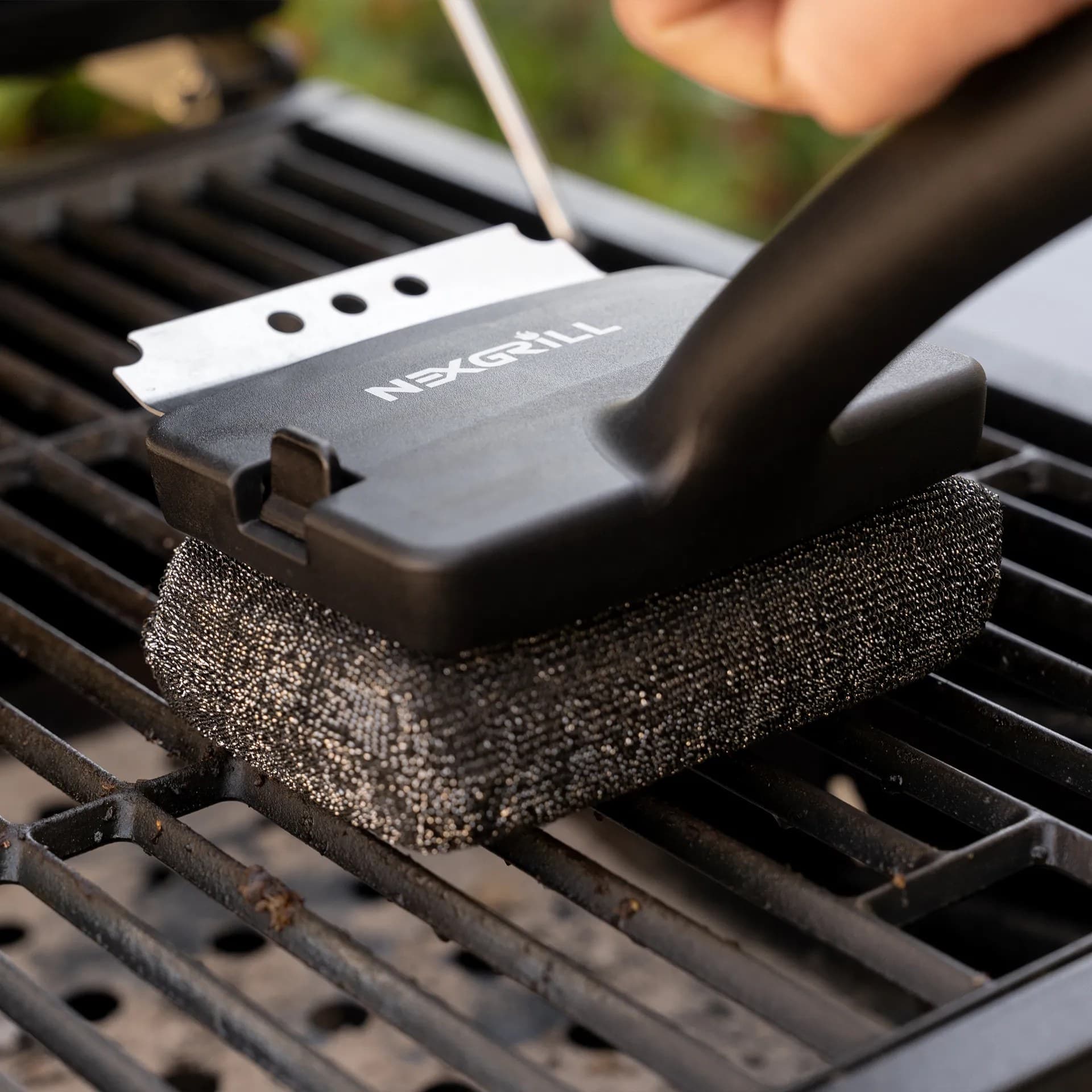
A dedicated pizza oven brush is usually the most useful item in the kit. Look for one with a comfortable handle, heat-safe construction, and bristles that suit your oven deck. A long handle helps you reach deeper into the oven safely. Pair it with a metal dustpan or ash scoop so you can collect loose debris immediately instead of pushing it around. For exterior care, microfiber cloths and a mild cleaner are often enough, especially on stainless steel and powder-coated finishes.
Some owners also keep a separate scraper for stubborn residue. That can be useful, but the key is restraint. If a spot does not come up easily, it is better to repeat a gentle cleaning step than to force the issue. For example, scraping aggressively across a stone deck can leave grooves that trap debris later. A product that works well on an outdoor pizza oven side shelf may be the wrong product for the oven floor.
For odor control and grease management, mild cleaners are usually enough, and in many cases warm water plus mechanical brushing does most of the work. The ideal cleaning product should leave no heavy residue, dry quickly, and match the manufacturer’s surface recommendations. Before buying anything specialized, check whether it is intended for pizza stones, stainless steel, or general cooking surfaces. That small step saves money and helps preserve the oven’s cooking performance.
Try comparing two products side by side below to see which fits best:
Cost Analysis: DIY vs Professional Cleaning Services
Once you've compared two options side by side, the next question is usually whether to keep cleaning the oven yourself or hire someone to do it. For most home owners, the answer depends on oven size, how often it is used, and whether the unit is a simple countertop model or a larger outdoor installation. DIY cleaning is usually the lower-cost route because the recurring expense is limited to a brush, cloths, and occasional cleaner. If you already own the basic tools, your immediate out-of-pocket cost may be close to zero beyond replacement supplies. Professional cleaning, on the other hand, can be worth the expense when buildup is significant, access is difficult, or the oven is part of a larger outdoor kitchen that needs deeper service.
In the United States, a professional pizza oven cleaning service often falls into a broad range depending on scope and location. A light cleaning for a small residential oven may be less expensive than a full deep clean for a heavy-use outdoor unit. If the service includes disassembly, burner inspection, grease removal, and exterior detailing, the price can rise accordingly. Homeowners should think of professional cleaning as a specialized maintenance visit rather than a simple wipe-down. The main value is labor, expertise, and the chance to catch wear or buildup before it affects performance.
| Cleaning option | Typical cost range in USD | Best fit |
|---|---|---|
| DIY basic cleaning | $0 to $40 | Regular upkeep, light residue, routine after-use care |
| DIY deep cleaning supplies | $25 to $90 | Heavier buildup, replacement tools, exterior detailing |
| Professional light service | $100 to $200 | Smaller residential ovens and periodic maintenance |
| Professional deep cleaning | $200 to $500+ | Large, heavily used, or hard-to-access ovens |
A useful way to compare the two paths is to think in terms of time as well as money. DIY cleaning might take 10 to 30 minutes after each use and a longer session every few weeks, but the work stays manageable if you do it regularly. Professional cleaning can save time and reduce guesswork, but scheduling and service fees add friction. If your oven is used every weekend, the cost of skipping routine maintenance can quietly show up later as a more expensive service appointment.
The cheapest cleaning plan is usually the one that prevents buildup before it needs a deep service call.
Factors Affecting Cleaning Prices
Several variables affect what you will pay for pizza oven cleaning in the United States. Location is a major one, since labor rates in metropolitan areas often run higher than in smaller towns. Oven type matters too: a compact electric countertop oven is easier to service than a large wood-fired outdoor unit with a stone dome and surrounding cabinet space. The level of soil also changes the price. Light surface cleaning is faster and cheaper, while thick grease, heavy soot, or neglected ash removal takes more time and may require specialty tools.
Accessibility can also raise or lower the bill. If the oven is built into an outdoor kitchen or tucked into a tight patio layout, a cleaner may spend extra time moving around the unit or protecting nearby surfaces. Add-ons such as exterior stainless polishing, grease-trap cleaning, burner checks, and replacement of small consumables can increase the total. Some service providers may charge a minimum visit fee, which means a small job can still have a relatively high base price. For that reason, bundling seasonal tasks into one appointment can sometimes be more economical than booking multiple small visits.
The oven’s age and condition matter as well. A newer unit that has been cleaned regularly typically requires less labor, while an older oven with baked-on residue, rust on surrounding metal, or worn seals may require a more careful and time-intensive approach. In practical terms, price is less about the size of the pizza oven alone and more about the amount of time required to get it back to a clean, functional state.
Maintenance Tips to Reduce Cleaning Frequency
The easiest way to lower cleaning costs is to make the oven easier to clean in the first place. Good habits reduce residue, preserve heat efficiency, and minimize the need for aggressive scrubbing. After every cook, let the oven cool enough to work safely, then remove crumbs, burnt flour, and loose ash right away. This short reset prevents small particles from turning into a hard, glassy layer later. Keep a brush and cloth nearby so the cleanup happens as part of the cooking routine rather than as a separate chore you are tempted to skip.
Use parchment, peels, and dough handling practices that reduce spills where appropriate. While pizza stones and oven decks are designed to take heat, they are not meant to become coated in repeated overflow. If cheese or sauce drips happen, clean them once the oven is cool so they do not carbonize on the next preheat. For wood-fired ovens, burn seasoned wood and avoid loading too much fuel at once, since excessive smoke can create additional soot. For gas models, make sure burners and vents stay clear so combustion remains efficient and cleaner. For electric models, avoid using wet doughs or overly wet toppings that can bubble over and bake on.
A cover can also reduce the amount of dust and moisture entering the oven between uses, particularly for outdoor installations. That may sound simple, but it can materially change how often you need to deep clean. If the oven lives outside, seasonal checkups are also worthwhile. Inspect the interior, look for spiderwebs or debris in unused areas, and give the exterior a quick wipe before the next cook. Preventative maintenance is not glamorous, but it is the biggest driver of lower lifetime cleaning costs.
Conclusion: Keeping Your Oven in Top Shape
A clean pizza oven performs better, lasts longer, and produces more consistent results. Wood-fired, gas, and electric ovens all have different cleaning demands, but the same basic principle applies: remove debris early, use the right tools, and avoid damaging the materials that make the oven cook well. When you know what kind of buildup your oven creates, it becomes much easier to maintain it without overworking the surface or spending more than necessary.
If your oven sees frequent use, a simple DIY routine is often enough to keep it in good shape and reduce future expenses. If buildup becomes stubborn or the oven is part of a larger outdoor kitchen setup, professional cleaning can be a smart occasional investment. The best long-term plan is usually a mix of both: regular owner maintenance with periodic deeper cleaning when the situation calls for it. That balance keeps costs in check and helps your pizza oven stay ready for the next cook.