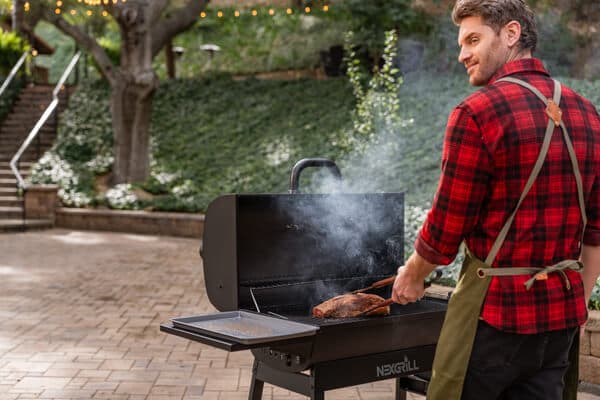
Ensure warmth and safety in your outdoor spaces with these top-rated patio heaters equipped with safety shutoff mechanisms.

Here's what sets us apart from the competition
We position ourselves as delivering high-end outdoor cooking features and performance without premium-brand pricing, emphasizing “Quality Grills. Unbelievable Value.”
We offer gas grills, pellet grills, griddles, smokers, pizza ovens, portable/tabletop grills, electric grills, accessories, and replacement parts — allowing customers to stay within one ecosystem for all outdoor cooking needs.
We differentiate ourselves through smart grilling products like the Oakford smart pellet grill, including app-connected cooking controls and modern outdoor cooking technology.
Expert tips, buying guides, comparisons, and inspiration for choosing and getting the most out of your grill.
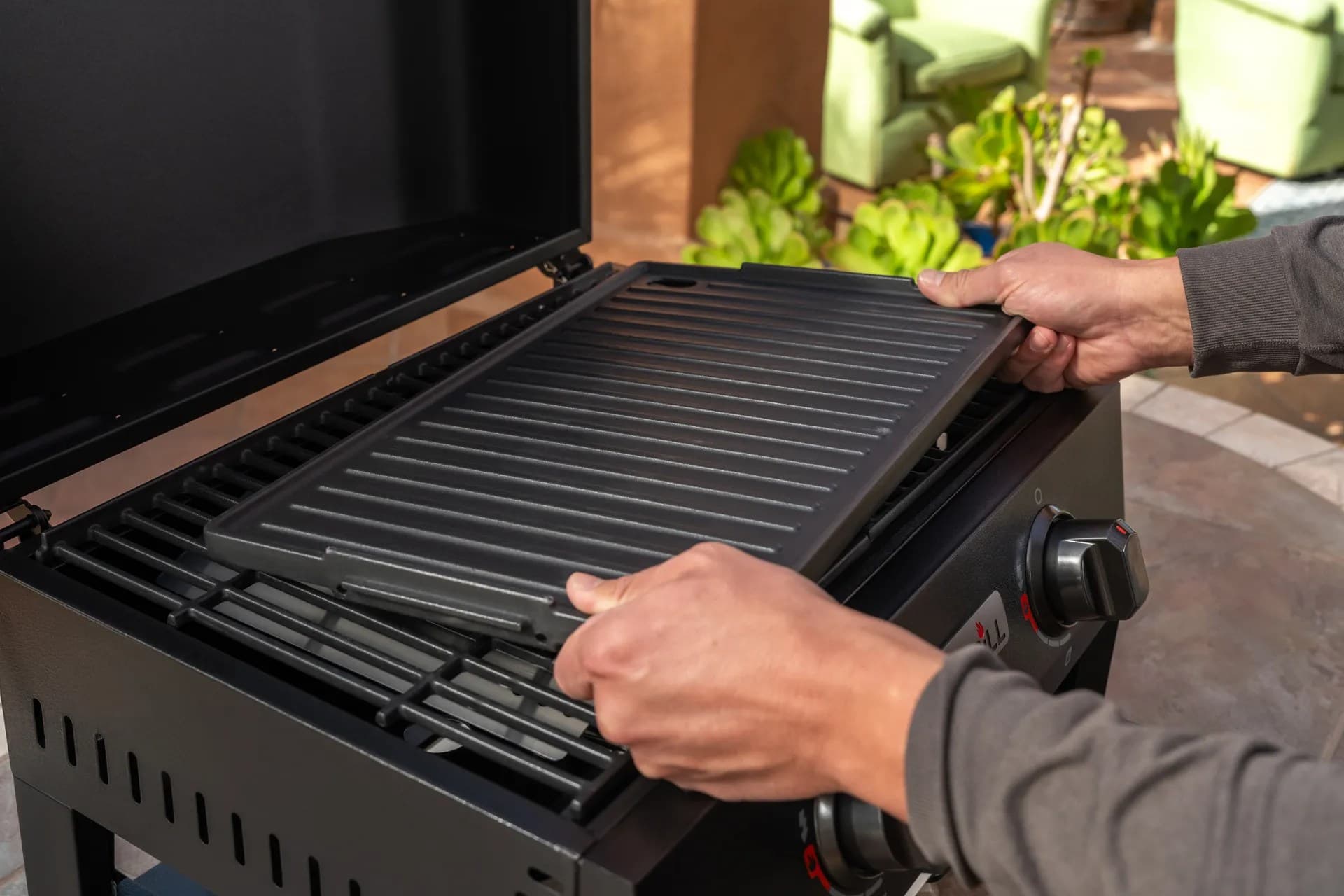
Practical guides for cleaning, maintenance, common grill issues, and performance optimization.
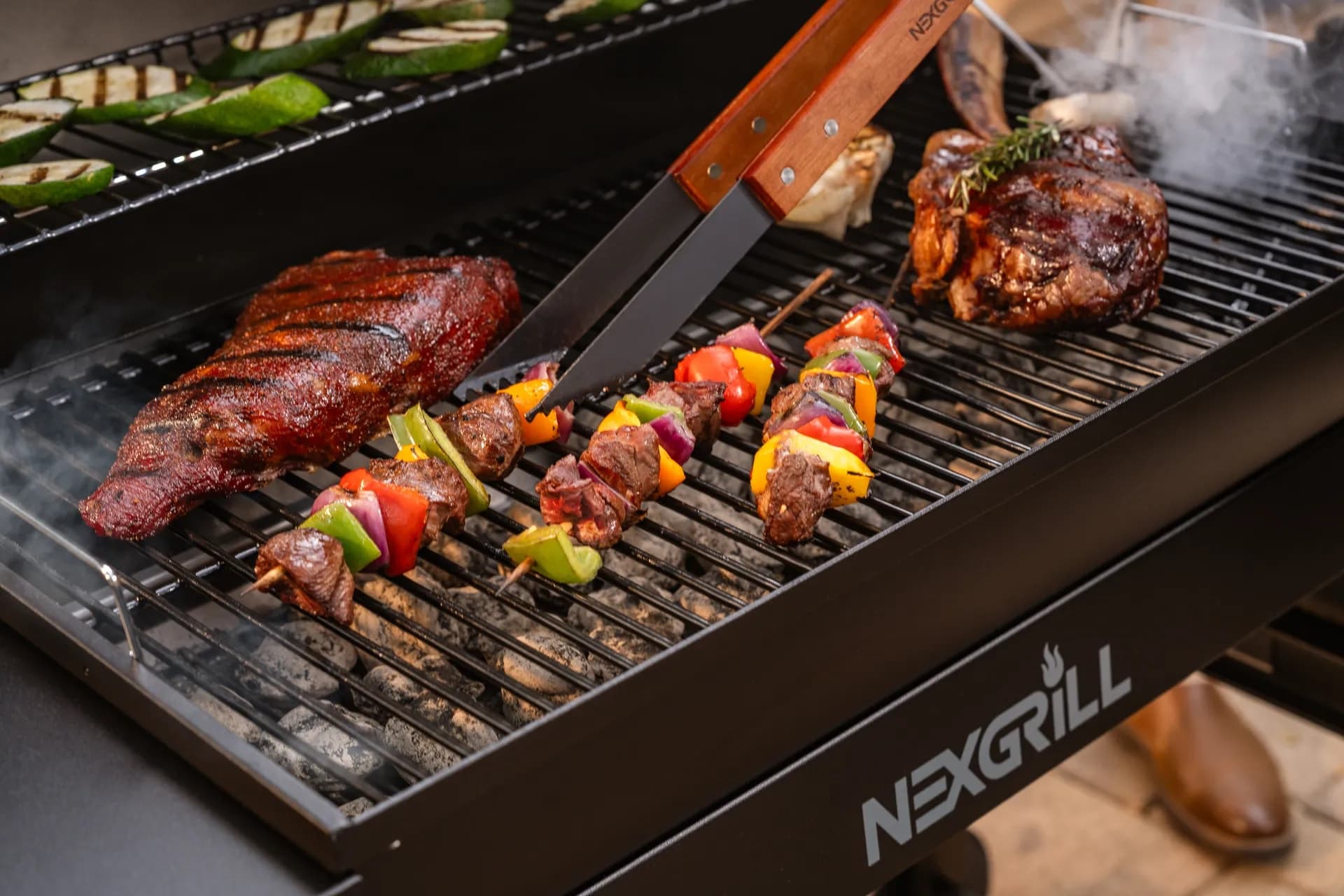
Step-by-step grilling recipes, cooking techniques, and meal ideas for every occasion and skill level.

Backyard entertaining ideas, seasonal grilling inspiration, and stories that celebrate outdoor cooking culture.
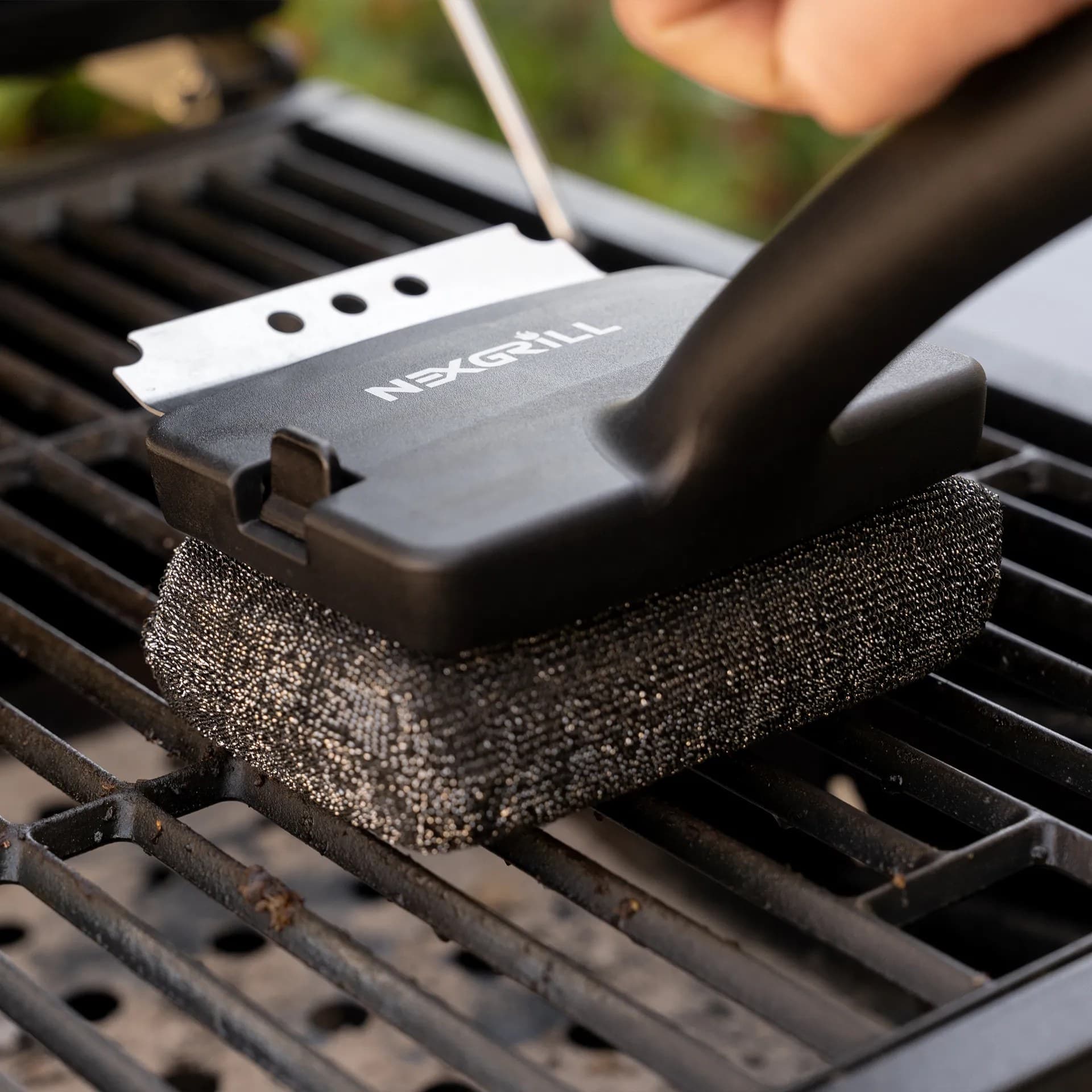
Helpful articles covering grilling tools, cookware, maintenance gear, and must-have accessories for outdoor cooking.
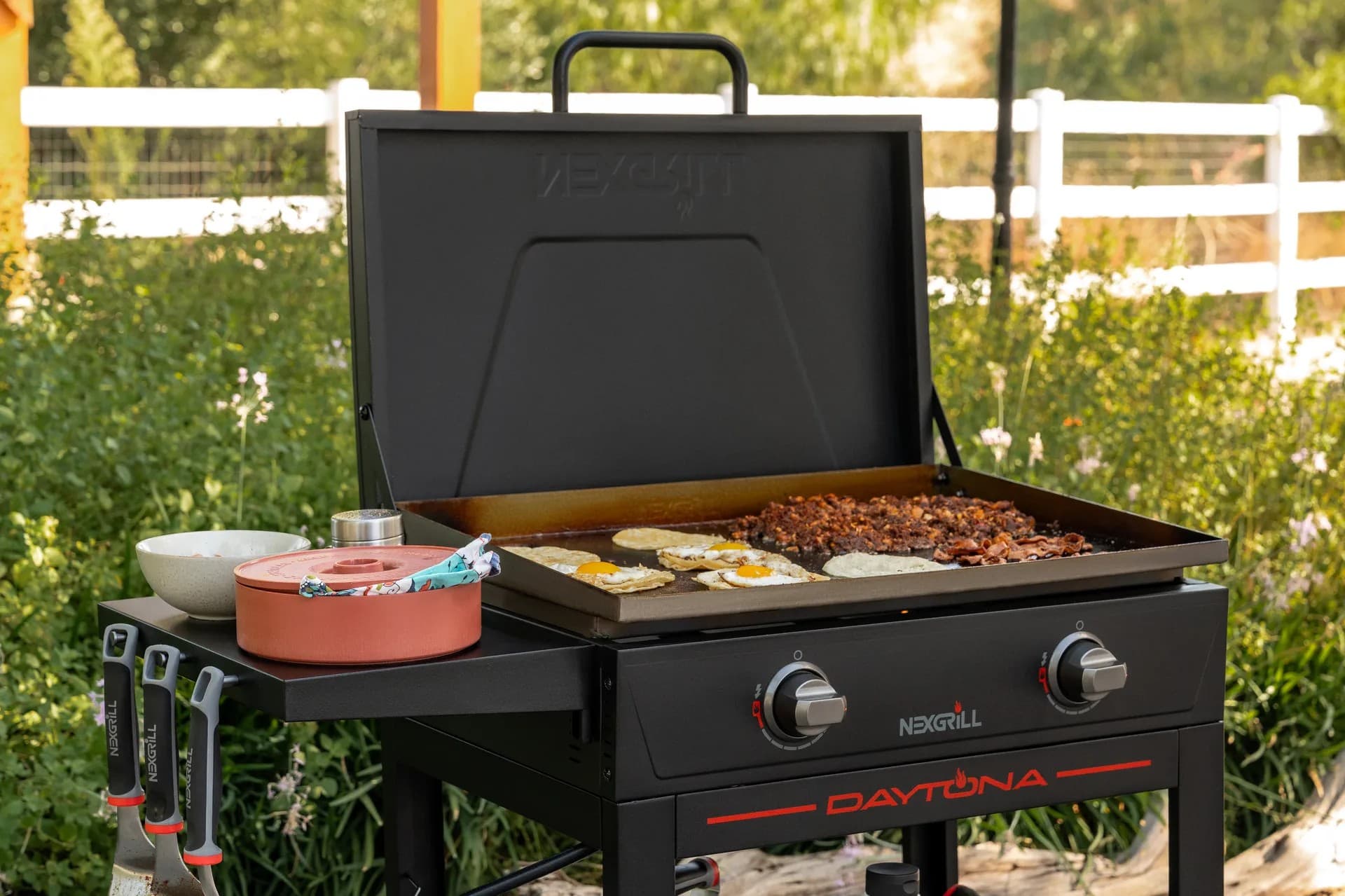
Find griddle recipes, cooking techniques, cleaning tips, and outdoor meal ideas designed for Nexgrill griddles.
Find answers to common questions
Nexgrill offers a variety of grills including gas, charcoal, and pellet grills, catering to different cooking preferences and styles.
Nexgrill is headquartered in California and serves a global market, primarily through retail partnerships such as Home Depot.
Yes, replacement parts are available for various Nexgrill products, and you can find them on the Nexgrill website or through authorized retail partners.
You can reach out to Nexgrill for support through their contact page on the website, where you will find options for phone and email inquiries.
Nexgrill products come with specific warranty terms, which can vary by product; it is recommended to check the warranty details on the product page or in the user manual.
In This Article
Hampton Bay 48,000 BTU Patio Heater
Dr. Infrared Heater DR-238
East Oak 50,000 BTU Patio Heater
Choosing the best patio heater with safety shutoff is less about chasing the highest heat output and more about finding the right balance between warmth, stability, and peace of mind. A good outdoor heater should make a deck feel comfortable on cool evenings without adding unnecessary risk when guests move around it, pets wander nearby, or a breeze picks up. That is why safety shutoff features matter just as much as BTU ratings, finish quality, or the heater’s footprint.
In practice, the strongest patio heater choices are the ones that address real-world scenarios: a propane unit that shuts down if it tips, an electric infrared model that avoids open flame entirely, or a tall outdoor heater with a layered safety system designed to interrupt operation before a hazard escalates. The best option for your space depends on how you use the patio, how much coverage you need, and whether your priority is portability, weather resistance, or controlled heat for a covered seating area. Choosing the perfect outdoor heater for your space can make all the difference.
Safety shutoff is not a bonus feature on an outdoor heater; it is one of the clearest signs that the product was designed for everyday use around people, furniture, and movement.
Nexgrill’s brand philosophy emphasizes dependable outdoor experiences that welcome everyone to the gathering, which fits naturally with heater selection: the ideal unit should be approachable, practical, and built for real households rather than showroom-only conditions. That means evaluating not only how warm a heater gets, but also how it behaves when it is bumped, leaned, overheated, or placed in a busy entertaining area. According to Nexgrill’s brand guidance, the company aims to be accessible, flexible, and dependable, which is exactly the mindset a buyer should bring to patio heating decisions.
Tip-over protection, shutoff logic, and heat management are the most useful features to compare first.
This guide focuses on the heater features people actually notice over a season of use: whether the shutoff mechanism is automatic, how easy the heater is to operate, how much area it can reasonably warm, and what owners say about using it around children, guests, and furniture. You will also see why some heaters feel safer in open-air layouts while others are better suited to covered patios or screened porches. Try comparing two products side by side below to see which fits best:
The three most common patio heater types are propane, electric, and infrared, and each one changes the safety conversation in a different way. Propane heaters are often chosen for their high output and broader outdoor coverage, but they also require more attention to placement, fuel handling, and wind conditions. Electric heaters are usually simpler to operate and can be a smart fit for covered patios where an outlet is available. Infrared heaters are valued for directional heat and fast comfort, which is helpful when you want targeted warmth instead of heating the entire yard.
Propane patio heaters are the classic freestanding towers many shoppers picture first. They can be effective for open seating areas and backyard gatherings, especially when a group needs heat distributed around a table or conversation space. Their safety shutoff systems are especially important because the fuel source is visible and the unit is tall enough to be affected by tipping. Electric patio heaters reduce some of that fuel-handling complexity, making them a strong option for homeowners who want straightforward operation and a cleaner setup. Infrared heaters, meanwhile, work by warming objects and people directly rather than trying to heat all the air around them, which can make them feel efficient in semi-enclosed spaces.
| Heater type | Best use | Safety advantage | Trade-off |
|---|---|---|---|
| Propane | Open patios and larger seating areas | Strong shutoff value because of fuel and tipping risk | Needs more placement discipline |
| Electric | Covered patios with outlet access | No open flame or fuel tank | Less portable and usually narrower coverage |
| Infrared | Targeted comfort and quick warming | Directional heating reduces wasted output | Best when positioned carefully |
For buyers comparing options on a budget, propane models often deliver the biggest visual and heating presence, but electric and infrared heaters can be safer-feeling for tighter or partially enclosed layouts. A small patio with a dining table may benefit more from controlled directional heat than from a large flame-based unit. A larger open deck, on the other hand, may justify a patio heater with safety shutoff if the base is stable and the shutoff system is easy to engage.
The most important safety feature in a patio heater is automatic shutoff, but the term covers more than one behavior. Tip-over shutoff is the feature most buyers recognize: if the heater leans or falls beyond a defined threshold, the system cuts off fuel or power. That matters because patio heaters can be bumped by chairs, toys, dogs, or people moving through a crowded space. An effective tip-over mechanism should respond fast enough to prevent the heater from continuing to produce heat in an unsafe position.
Overheat protection is another useful layer, especially for electric and infrared models. This feature helps prevent the unit from operating beyond a safe internal temperature. It is most valuable when a heater is placed too close to a wall, curtain, overhang, or other surface that can trap heat. Even a model with good output needs breathing room. Shoppers should also pay attention to burner protection, stable base design, and controls that are easy to understand in low light.
A shutoff feature does not replace careful placement. Leave the clearances listed by the manufacturer and never rely on automation alone to manage poor positioning.
A useful way to think about safety features is in layers. The first layer is physical stability: a weighted base, a center of gravity that resists tipping, and parts that lock securely. The second layer is interruption: tip-over shutoff or thermal cutoff. The third layer is everyday usability: legible controls, easy ignition, and simple on-off operation so users do not improvise. The best patio heater with safety shutoff usually combines all three. If a model only advertises a shutoff feature but feels flimsy, that is a weaker safety proposition than a sturdier unit with a modest but reliable heat output.
| Safety feature | What it does | Why it matters |
|---|---|---|
| Tip-over shutoff | Stops operation when the heater falls or leans too far | Reduces risk in busy outdoor spaces |
| Overheat protection | Interrupts power or fuel flow during excessive temperature rise | Helps prevent damage and unsafe heat buildup |
| Stable weighted base | Improves resistance to accidental tipping | Supports the shutoff feature with physical stability |
Once you have compared heater types, the next step is deciding which safety features actually matter in your space. That is where many buyers get more confident: the best patio heater with safety shutoff is not always the one with the biggest output number, but the one that feels stable, easy to use, and appropriate for the way your patio is arranged. A heater for a quiet two-chair balcony has very different risk factors than a heater positioned beside a crowded sectional, an outdoor dining table, or a family gathering area.
The most practical safety-minded shoppers read beyond the headline BTU figure and look for evidence of shutdown logic, anti-tip behavior, and thoughtful construction. In the broader patio-heater market, trusted review sources often recommend focusing on how a unit handles wind, placement, and daily use rather than relying only on brand reputation or brightness of the flame. Tom’s Guide and Bob Vila both emphasize that practical usability and safety considerations are central when evaluating patio heaters, while Heater News Journal’s coverage of pyramid-style heaters underscores that design should be matched to the space and the buyer’s expectations.
A deeper comparison of heater types helps explain why safety shutoff works differently depending on the technology. Propane units typically appeal to shoppers who want strong heat output and the familiar standing-heater format. Their biggest strengths are portability and output, but they also depend on stable placement and correct cylinder handling. Electric models simplify operation because they remove open flame and fuel storage, which is why they are often the easiest to live with in covered or partially enclosed areas. Infrared heaters sit in the middle of the conversation: they are often selected for direct, targeted warmth, which can be efficient when you do not want to warm a whole patio volume. Each category can be safe when used correctly, but the risk profile changes with fuel source, clearances, and how frequently the unit is moved.
For U.S. homes, the decision often comes down to whether the heater must travel with you or stay in one place. Tailgate setups, backyard parties, and open decks usually benefit from propane portability. Screened porches and covered patios often pair better with electric infrared units, especially when a power outlet is conveniently located. Buyers who expect frequent use in the shoulder seasons may also favor heaters with a simple restart process and clear control labels, because complicated controls tend to get ignored or used incorrectly.
In real use, three features deserve the most attention: automatic shutoff, tip-over protection, and overheat protection. Automatic shutoff is the umbrella term that covers any mechanism that stops heat delivery when conditions become unsafe. Tip-over protection is the most visible version of this, and it is especially relevant for taller outdoor heaters because their footprint can be easier to disturb than a low-profile unit. Overheat protection is particularly important for electric and infrared models; it can prevent the heater from running beyond safe internal operating temperatures if airflow is restricted or the unit is installed too close to a surface.
Buyers should also think about safety in terms of the whole system. A heater with a solid base, readable knobs, easy ignition, and a protective grille often performs better day to day than one that only advertises a shutoff device. When comparing units, pay attention to how the heater is activated, what happens if the flame goes out, whether the controls are intuitive enough for guests, and whether the shutoff can be reset without confusion. In other words, the safest heater is usually the one that reduces guesswork.
A heater’s safety reputation is often built by owners who use it in ordinary conditions: breezy evenings, family dinners, and small gatherings where the unit needs to be both warm and predictable.
Among commonly recommended patio heaters, the Hampton Bay 48,000 BTU Patio Heater is often discussed as a practical propane tower with 360-degree heat distribution and a triple safety system, including tilt-shutoff technology. Its appeal is straightforward: it delivers broad warmth for social spaces while giving buyers a safety framework they can understand quickly. For larger open patios, this kind of design makes sense because it tries to balance coverage with a clear shutoff response if the unit is disturbed.
The East Oak 50,000 BTU Patio Heater is another standout for shoppers who want stronger output and a wider heat radius. Its 20-foot reach claim positions it as a more expansive backyard option, while its anti-tip shutoff is the sort of feature that matters most when the heater is likely to be near foot traffic. Buyers who often host guests should think about whether they need this kind of range or whether a smaller output unit would be easier to place safely.
For covered patios and calmer seating areas, the Dr. Infrared Heater DR-238 offers a different experience. As an electric infrared heater, it avoids a propane tank and open flame, and its adjustable heat settings make it more adaptable for places where direct, controlled warmth is more useful than wide-area heating. A simple comparison is useful here: the propane models usually win on raw outdoor reach, while the electric infrared option often wins on simplicity and lower day-to-day handling risk.
| Model | Heat output | Safety shutoff angle | Best fit |
|---|---|---|---|
| Hampton Bay 48,000 BTU | 48,000 BTU | Tilt shutoff in a triple safety system | Open patios and social seating areas |
| Dr. Infrared Heater DR-238 | Electric infrared with adjustable settings | Heat-focused protection and no fuel tank | Covered patios and targeted warmth |
| East Oak 50,000 BTU | 50,000 BTU | Anti-tip shutoff in a triple safety system | Larger decks and wider-radius heating |
User feedback tends to be most helpful when it talks about safety in ordinary life, not just performance on the first night. Reviewers frequently note how confident they feel when a heater sits on a stable base, how quickly they can shut it down when kids run by, and whether the ignition or control layout is intuitive after dark. Those details matter because a patio heater often lives in the background of a gathering until someone needs to move it, refuel it, or turn it off quickly.
The most common praise in safety-focused reviews centers on predictable shutoff behavior and sturdy construction. The most common complaints usually involve units that feel too top-heavy, that are difficult to relight, or that force the user to get too close to a hot surface during adjustment. For that reason, buyers should look for reviews that mention family use, windy conditions, and the practical confidence a heater gives them when guests are seated nearby.
Safety depends on upkeep. Propane heaters should have their tank connection, ignition area, and burner components checked regularly for wear, corrosion, or debris. Electric and infrared heaters should stay free of dust buildup and should never be run with blocked vents or damp electrical connections. If a heater has an anti-tip or thermal shutoff, that mechanism should be treated as a backup, not a substitute for basic inspections.
A practical seasonal routine helps. Before the first use of the season, inspect the base, fasteners, control knob, and fuel or power source. During the season, keep the heater clear of cushions, overhangs, paper decorations, and anything that could contact a hot surface. After the season, store the unit in a dry location or use a fitted cover so moisture does not degrade components. Owners who use their heaters regularly tend to keep them safer simply by cleaning more often and noticing small changes sooner.
If a heater trips its safety shutoff more than once, stop using it until you inspect placement, airflow, and component condition. Repeated shutoff is a warning, not an inconvenience.
The best patio heater with safety shutoff is the one that fits your space, your heating needs, and your comfort level with fuel or electrical equipment. If you need the broadest outdoor reach, a propane model with tip-over shutoff is usually the most practical place to start. If your patio is covered and you want simpler operation, an electric infrared option can make more sense. In every case, safe placement, regular maintenance, and clear shutdown behavior should carry as much weight as the BTU number.
Here's what sets us apart
We position ourselves as delivering high-end outdoor cooking features and performance without premium-brand pricing, emphasizing “Quality Grills. Unbelievable Value.”
We offer gas grills, pellet grills, griddles, smokers, pizza ovens, portable/tabletop grills, electric grills, accessories, and replacement parts — allowing customers to stay within one ecosystem for all outdoor cooking needs.
We differentiate ourselves through smart grilling products like the Oakford smart pellet grill, including app-connected cooking controls and modern outdoor cooking technology.
Don't just take our word for it
Keep reading
From our catalog