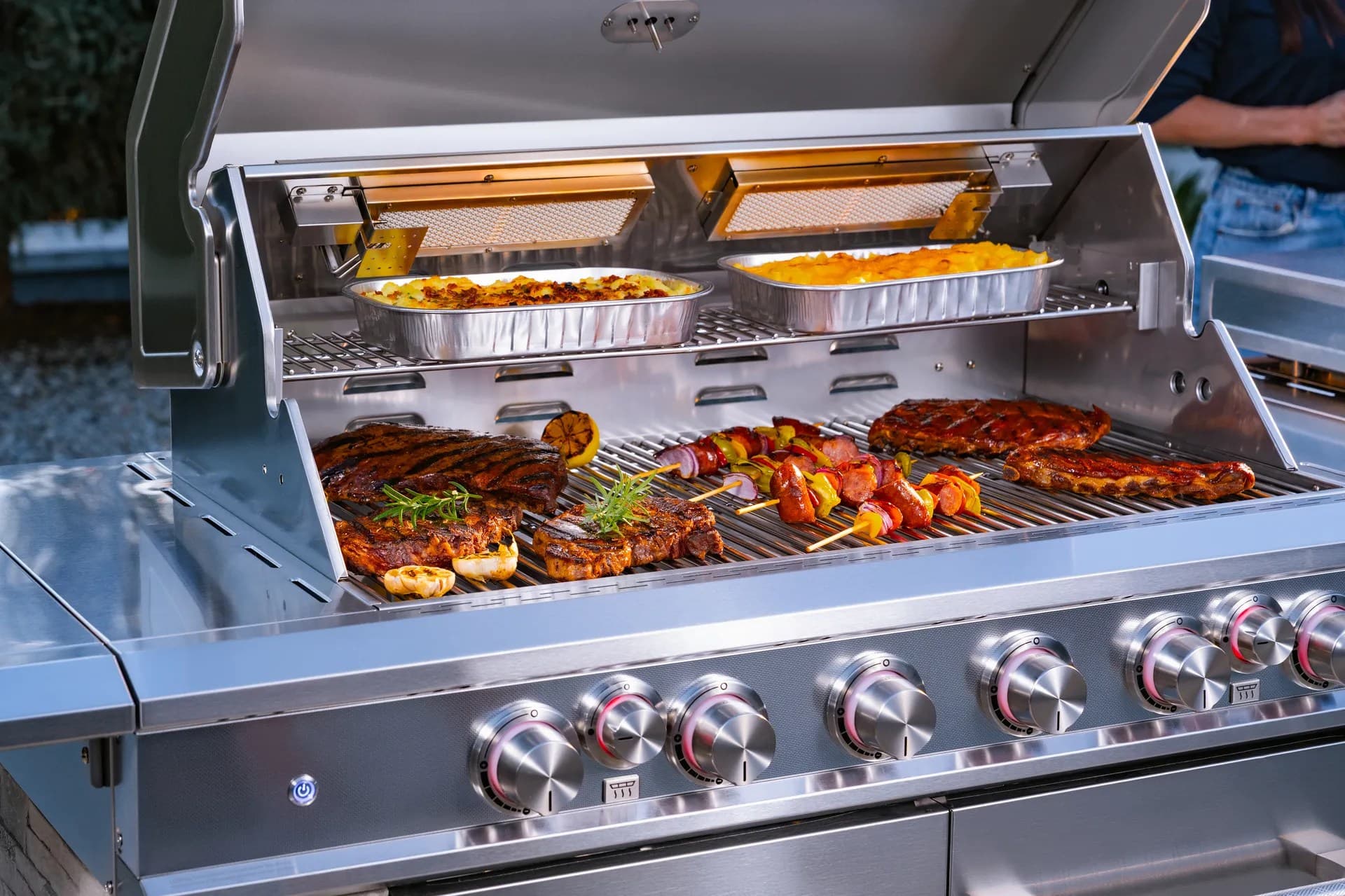
Master the art of grilling burgers with precise temperatures for mouth-watering results.
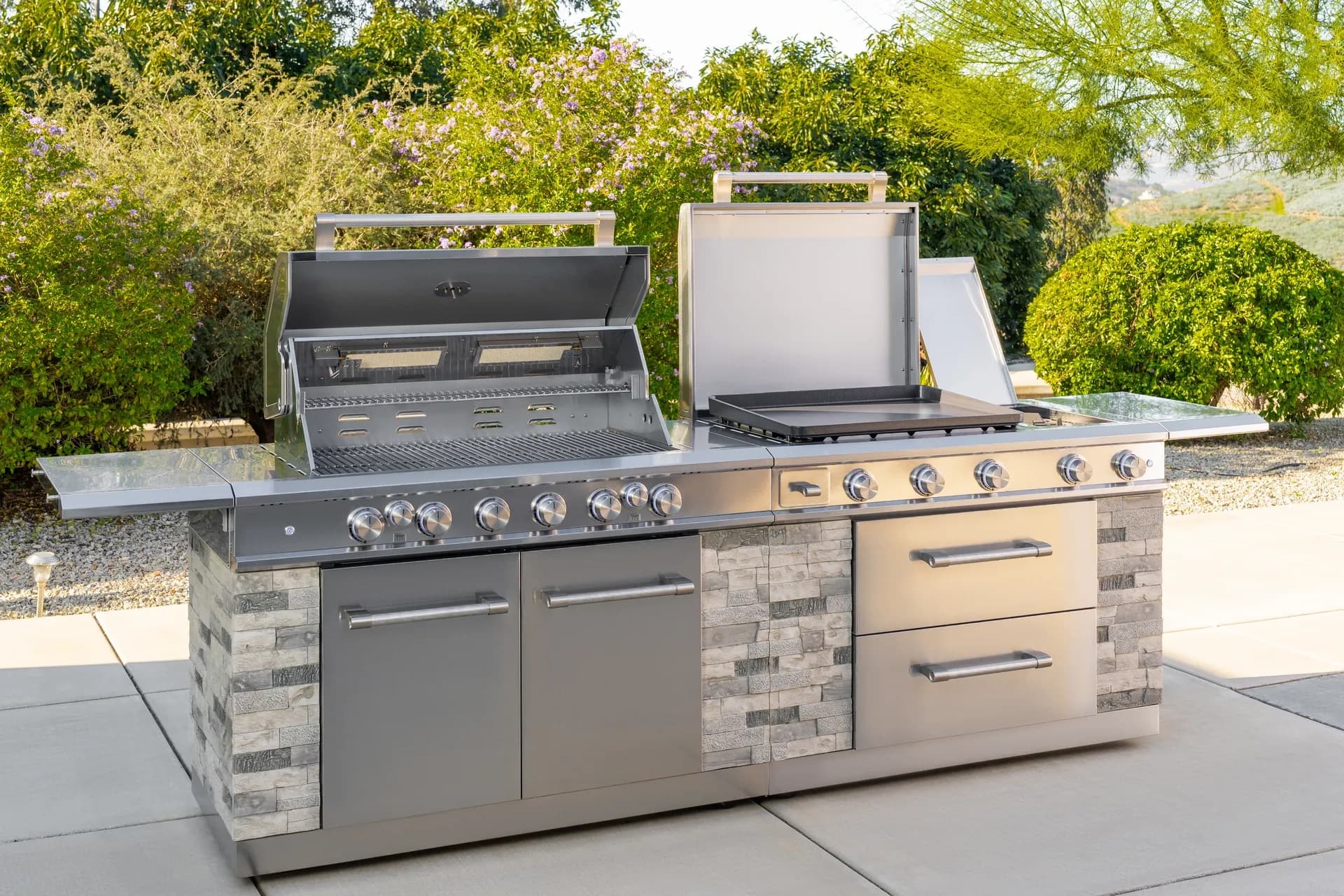
From sizzling breakfasts to smash burgers and teppanyaki-style dinners, the Daytona Pro 5 Burner NitroGuard™ Griddle delivers powerful heat, fast cooking, and a durable cooking surface built for every backyard cookout. Watch how easy outdoor cooking can be.
Here's what sets us apart from the competition
We position ourselves as delivering high-end outdoor cooking features and performance without premium-brand pricing, emphasizing “Quality Grills. Unbelievable Value.”
We offer gas grills, pellet grills, griddles, smokers, pizza ovens, portable/tabletop grills, electric grills, accessories, and replacement parts — allowing customers to stay within one ecosystem for all outdoor cooking needs.
We differentiate ourselves through smart grilling products like the Oakford smart pellet grill, including app-connected cooking controls and modern outdoor cooking technology.
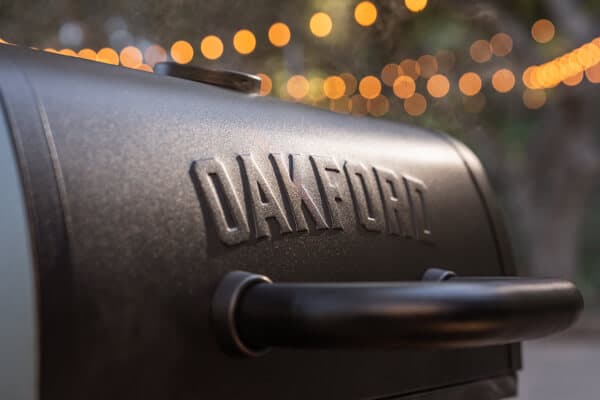
Expert tips, buying guides, comparisons, and inspiration for choosing and getting the most out of your grill.
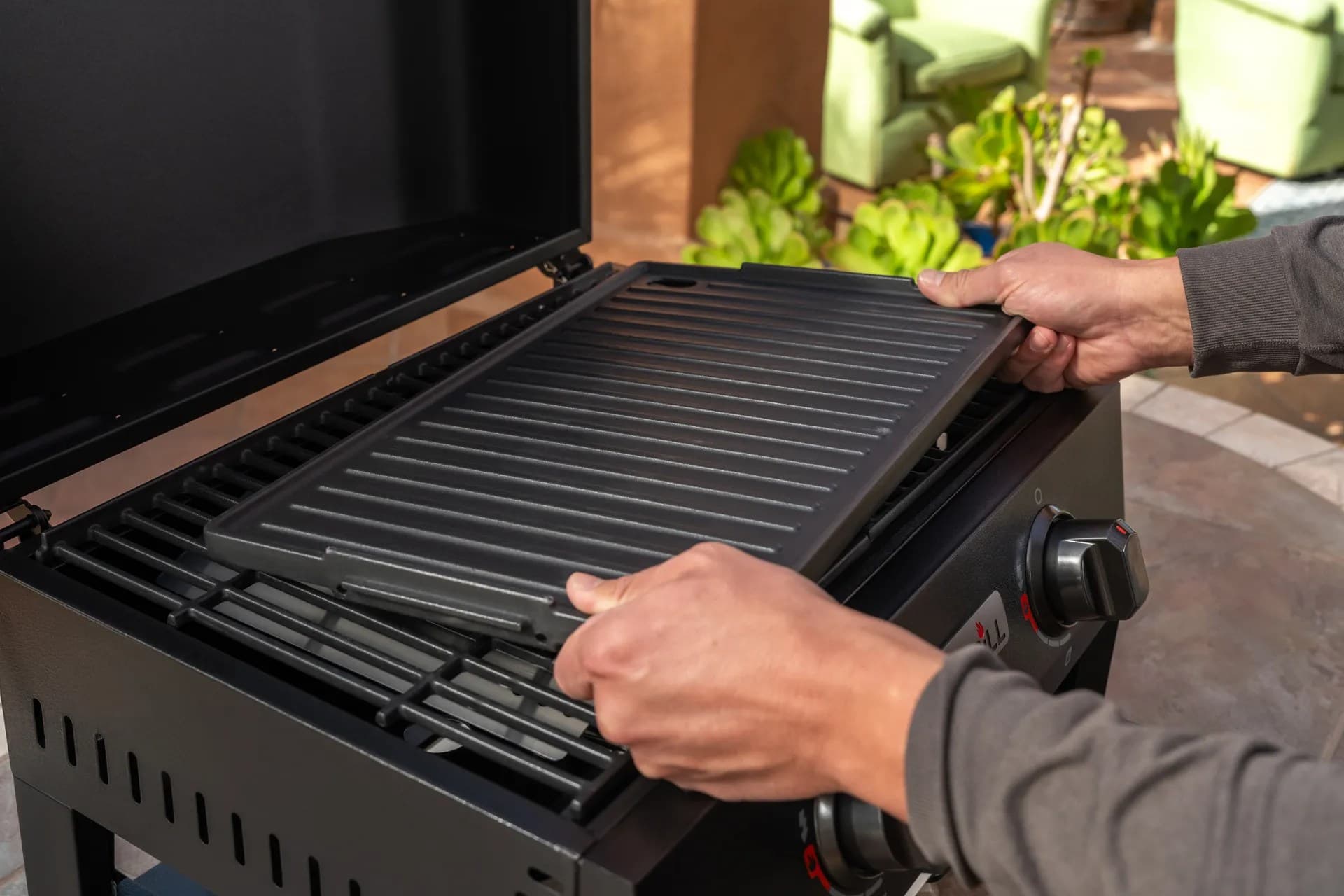
Practical guides for cleaning, maintenance, common grill issues, and performance optimization.
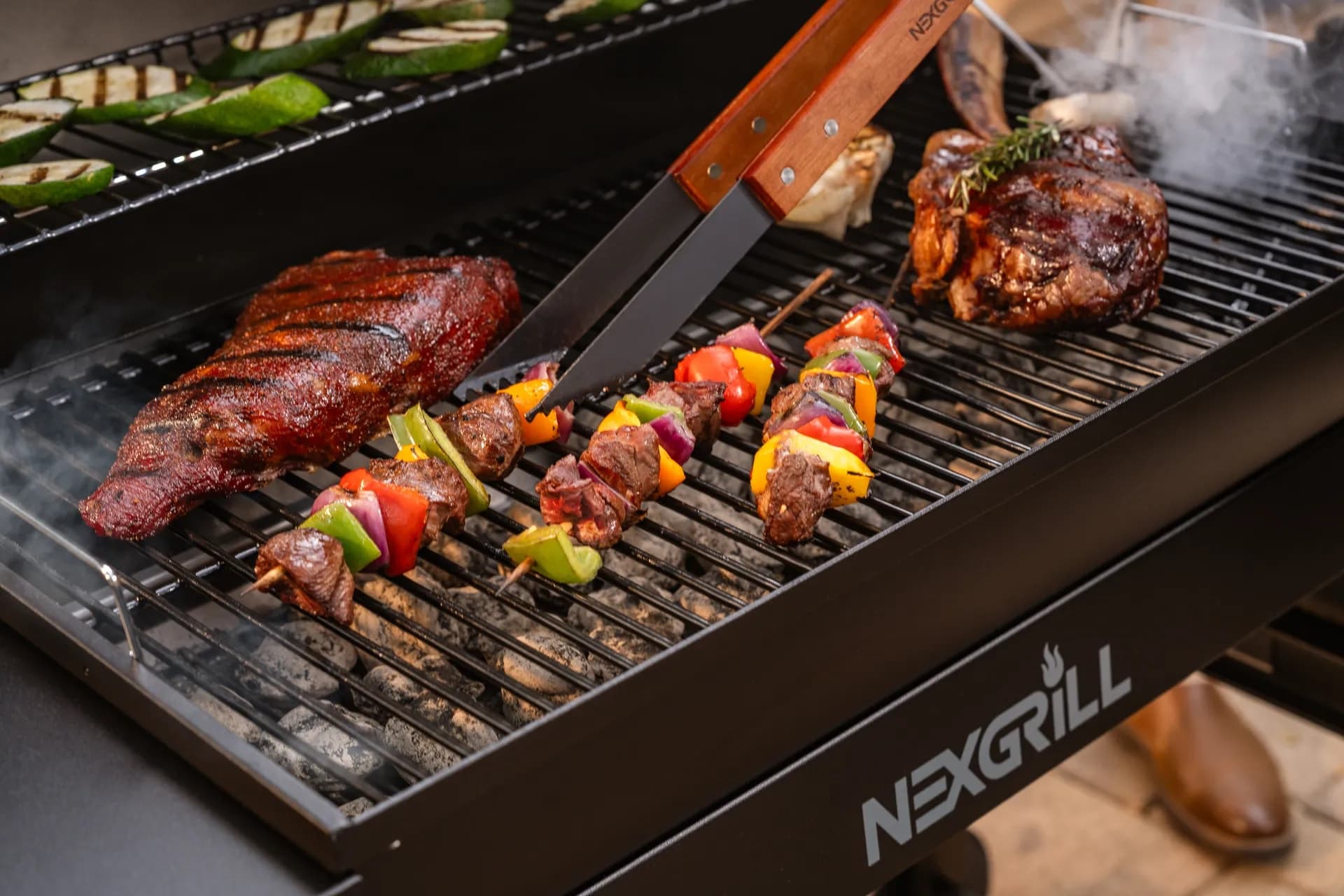
Step-by-step grilling recipes, cooking techniques, and meal ideas for every occasion and skill level.

Backyard entertaining ideas, seasonal grilling inspiration, and stories that celebrate outdoor cooking culture.
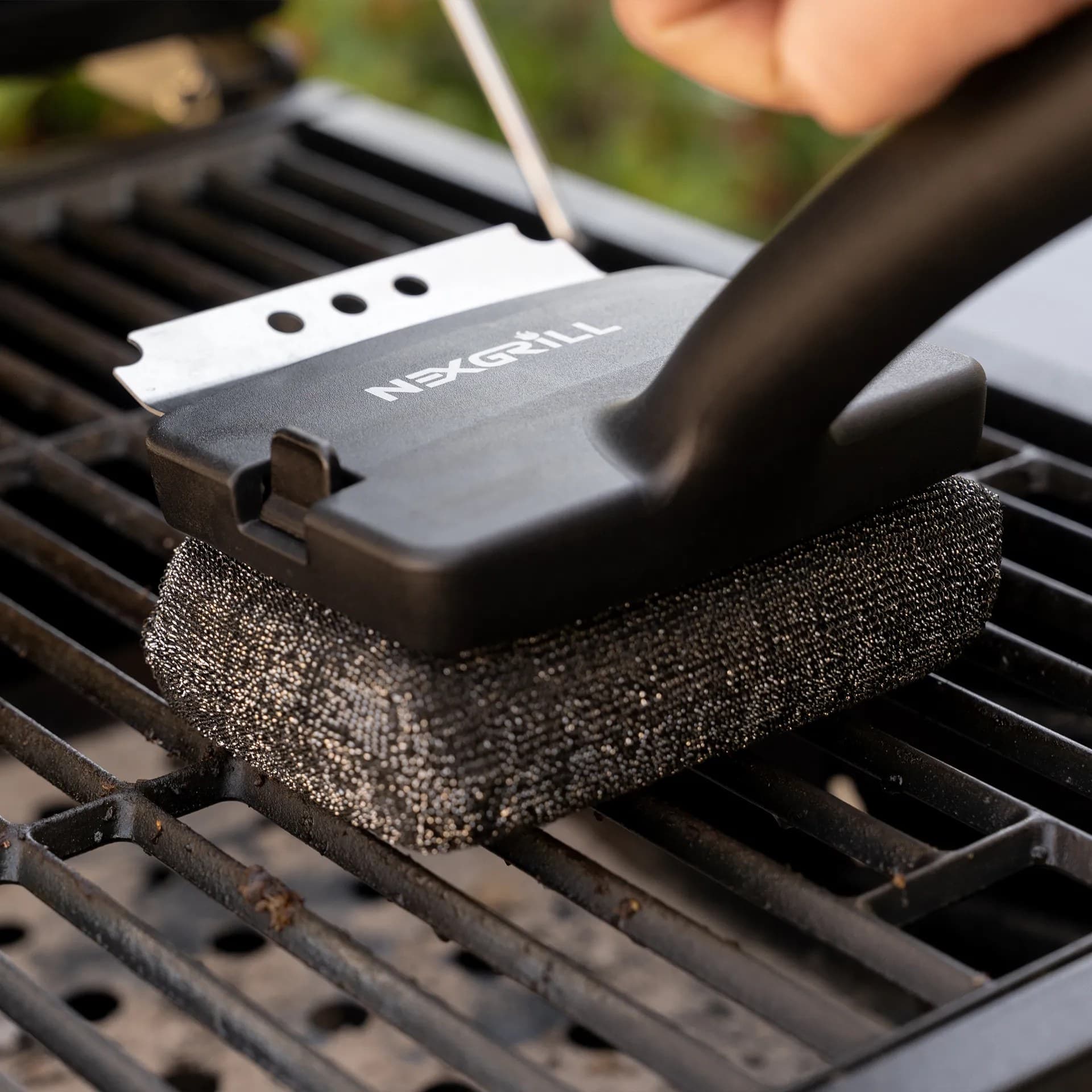
Helpful articles covering grilling tools, cookware, maintenance gear, and must-have accessories for outdoor cooking.
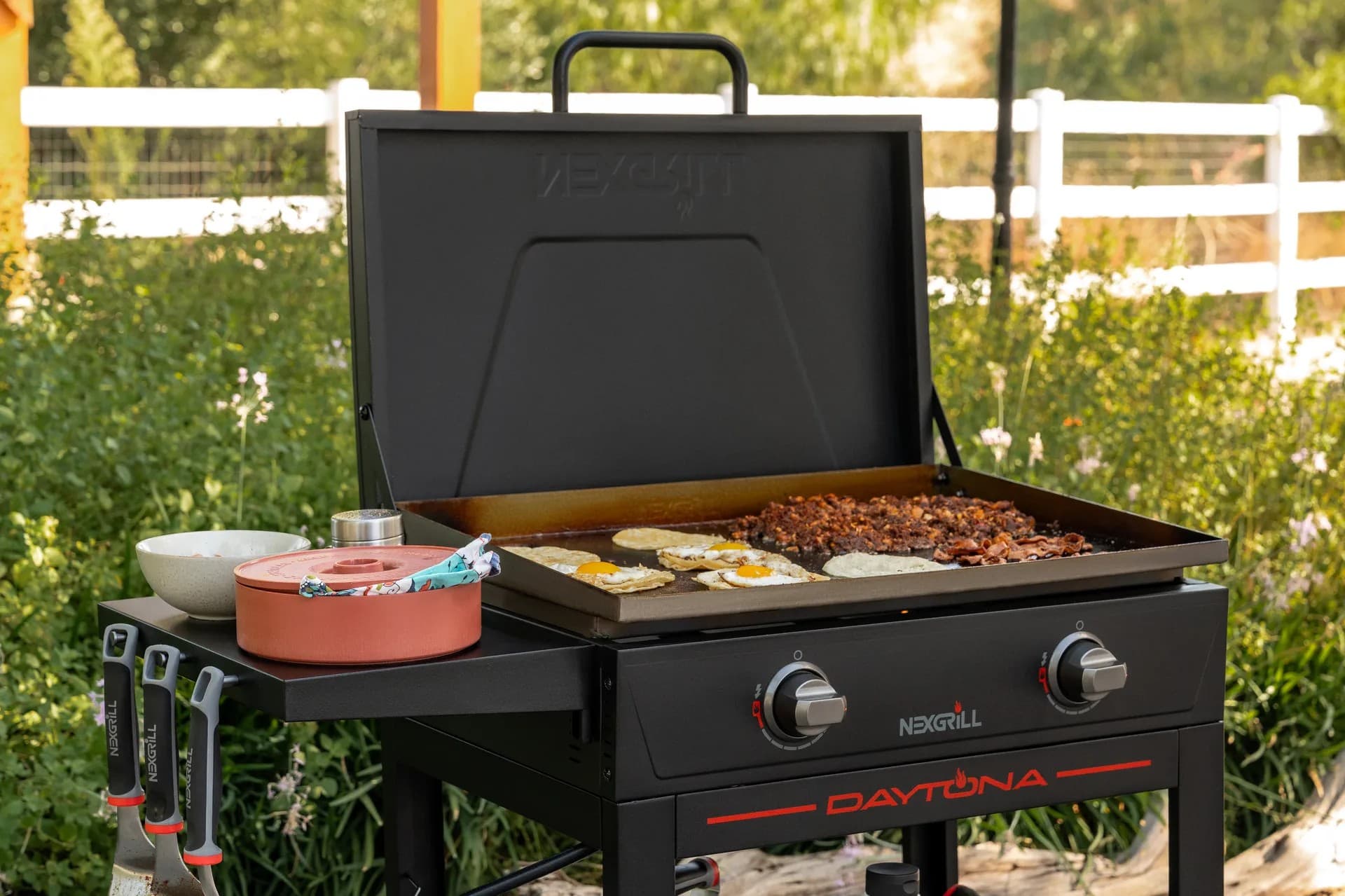
Find griddle recipes, cooking techniques, cleaning tips, and outdoor meal ideas designed for Nexgrill griddles.
Find answers to common questions
Gas grills provide instant heat and precise temperature control, making them easier to use. Charcoal grills offer a smoky flavor and high heat for searing but require more time to heat up and manage.
Pellet grills combine the convenience of gas with the flavor of wood, allowing for smoking, baking, and grilling. Traditional gas grills, however, are quicker to start and often easier to clean.
Charcoal grills typically reach higher temperatures quicker than gas grills, making them better for searing meat. However, high-quality gas grills can also provide adequate heat for effective searing.
Nexgrill offers models designed specifically for gas, charcoal, and pellets, allowing users to choose based on their cooking style and flavor preferences. Each type is built to optimize the characteristics of its respective fuel.
Choosing between gas and charcoal grills depends on your cooking preferences and lifestyle. If you value convenience and quick cooking, a gas grill may suit you better; if you prefer the taste and experience of traditional grilling, a charcoal grill would be ideal.
In This Article
Ideal Burger Temps
Grill Types Explained
Safety First
Grilling the perfect burger is both an art and a science. Temperature plays a crucial role in ensuring that your burgers are juicy, flavorful, and safe to eat. Understanding the right temperature settings can differentiate between a dry puck and a succulent masterpiece.
The internal temperature of a burger determines its doneness, affecting both texture and taste. Overcooking can lead to dryness, while undercooking poses health risks. Thus, knowing the ideal grilling temperatures helps achieve the perfect balance.
Moreover, different types of meat require specific temperatures to unlock their flavors. By mastering these temperatures, you can elevate your grilling game and impress your guests with perfectly cooked burgers every time.
Each type of burger has its own optimal cooking temperature. For traditional beef burgers, grill to an internal temperature of 160°F for well-done, ensuring that harmful bacteria are eliminated. However, if you prefer a medium-rare burger, aim for 145°F, ensuring that the meat remains juicy and tender.
For turkey or chicken burgers, a higher internal temperature of 165°F is necessary to ensure safety, as poultry carries a higher risk of bacteria. Veggie burgers, on the other hand, primarily need to be warmed through and can be grilled to personal preference, usually around 135°F to 145°F.
| Burger Type | Recommended Temperature (°F) |
|---|---|
| Beef (Well-done) | 160°F |
| Beef (Medium-rare) | 145°F |
| Turkey/Chicken | 165°F |
| Veggie | 135°F - 145°F |
To ensure accurate grilling temperatures, investing in a reliable grill thermometer is essential. Digital thermometers provide precise readings and can alert you when your burgers reach the desired temperature. Infrared thermometers are also popular for checking surface temperatures without direct contact.
Some grills come equipped with built-in thermometers, but they might not always be accurate due to placement. It's advisable to use a separate thermometer for the best results. Regular calibration of your thermometer ensures continued accuracy.
Tip: Always insert thermometers into the side of the burger to avoid inaccurate readings caused by touching the grill grates.
Start with quality meat and form patties that are slightly larger than the bun, as they will shrink during cooking. Season liberally with salt and pepper just before placing on the grill.
Preheat your grill to around 375°F to 400°F for indirect grilling. This ensures that the burger cooks evenly without burning the outside while leaving the inside raw.
Avoid pressing down on the burgers with a spatula, as this releases the juices, leading to a dry burger. Flip only once to ensure even cooking and a nice crust.
Let the burgers rest for a few minutes after removing them from the grill. This allows the juices to redistribute, resulting in a more flavorful bite.
Warning: Undercooked burgers can pose a health risk. Always ensure your burgers reach the recommended internal temperatures.
Try comparing two products side by side below to see which fits best:
Having determined the right temperature for your burgers, consider other factors that influence grilling success. The grill you use, whether gas, charcoal, or electric, can impact both flavor and texture. Each grill type has unique benefits and can enhance your burger grilling experience.
Gas grills are popular for their convenience and precise temperature control, making them ideal for backyard barbecues. Charcoal grills, on the other hand, offer an authentic smoky aroma that many burger enthusiasts prefer. Electric grills are perfect for those with limited outdoor space but still looking to enjoy a burger.
Consider the size of the grill based on your typical cooking volume. Larger grills with more burners are suitable for gatherings, while smaller models can suffice for family dinners.
While the meat is the star, toppings can elevate the burger experience. Classic toppings like lettuce, tomato, and cheese are always popular. For a gourmet twist, try adding caramelized onions, avocado, or different cheese varieties such as blue cheese or brie.
Pair your burgers with sides like grilled corn, sweet potato fries, or a fresh garden salad to complement the flavors. Beverage choices, such as craft beer or a refreshing lemonade, can also enhance the meal.
| Grill Type | Pros | Cons |
|---|---|---|
| Gas Grill | Quick heating, precise control | Less smoky flavor |
| Charcoal Grill | Rich flavor, high heat | Longer prep time |
| Electric Grill | Indoor use, easy setup | Lower max temperature |
Safety is paramount when grilling burgers. Always wash your hands before and after handling raw meat to prevent cross-contamination. Use separate utensils for raw and cooked foods and sanitize surfaces regularly.
Consider the source of your meat. Opt for high-quality, grass-fed beef or organic poultry when possible. These options often provide better flavor and fewer health risks compared to processed meats.
Info: Use a meat thermometer to ensure your burgers reach the safe minimum internal temperature to kill any harmful bacteria.
Here's what sets us apart
We position ourselves as delivering high-end outdoor cooking features and performance without premium-brand pricing, emphasizing “Quality Grills. Unbelievable Value.”
We offer gas grills, pellet grills, griddles, smokers, pizza ovens, portable/tabletop grills, electric grills, accessories, and replacement parts — allowing customers to stay within one ecosystem for all outdoor cooking needs.
We differentiate ourselves through smart grilling products like the Oakford smart pellet grill, including app-connected cooking controls and modern outdoor cooking technology.
Don't just take our word for it
Keep reading
From our catalog