Top Gas Grills with Porcelain-Coated Cast Iron Grates
Discover the best gas grills featuring porcelain-coated cast iron grates for superior heat retention and flavor enhancement.
In This Article
Weber Genesis E-415 Gas Grill
Napoleon Rogue 525 Gas Grill
Weber Genesis EX-325W Smart Gas Grill
Introduction
Porcelain-coated cast iron grates have become a favorite in gas grills because they sit in a sweet spot between heat performance, cooking feel, and day-to-day convenience. For backyard cooks who want strong searing power without the fuss of pure bare cast iron, the porcelain coating helps create a cooking surface that is easier to live with while still offering the thermal mass that makes cast iron so appealing. That combination matters when you are cooking steaks, bone-in chicken, salmon, vegetables, or smash-style burgers and want a grate that recovers heat well after food hits the surface.
This guide focuses on the best gas grill with porcelain cast iron grates from a practical buyer’s point of view. Instead of treating grate material as a minor spec, it looks at how the grate interacts with the whole grill: burner layout, heat zoning, temperature control, smart features, and long-term ownership. That distinction is important because a grate can only perform as well as the firebox beneath it. A four-burner grill with stable heat control will usually feel very different from a three-burner model with a smaller footprint, even if both use porcelain-coated cast iron.
Key idea: porcelain-coated cast iron is valued less for flash and more for feel. It gives you the searing mass of cast iron with a smoother, easier-to-manage surface than uncoated iron.
Nexgrill’s brand voice is built around approachable, dependable outdoor cooking, and that philosophy fits this topic well. Buyers are usually balancing budget, durability, and ease of use, not chasing premium specs for their own sake. Some want a straightforward family grill for weeknight dinners. Others want a smarter setup with zone cooking or app-connected temperature monitoring. The best choice depends on how you cook now and how often you want the grill to do more than basic burgers and brats.
The sections below break down what porcelain-coated cast iron actually does well, where it falls short compared with other grate materials, and which gas grills are especially worth a look if this surface is high on your priority list. Try comparing two models side by side below to see which setup fits your heat style, cleaning habits, and cooking goals.
Benefits of Porcelain-Coated Cast Iron Grates
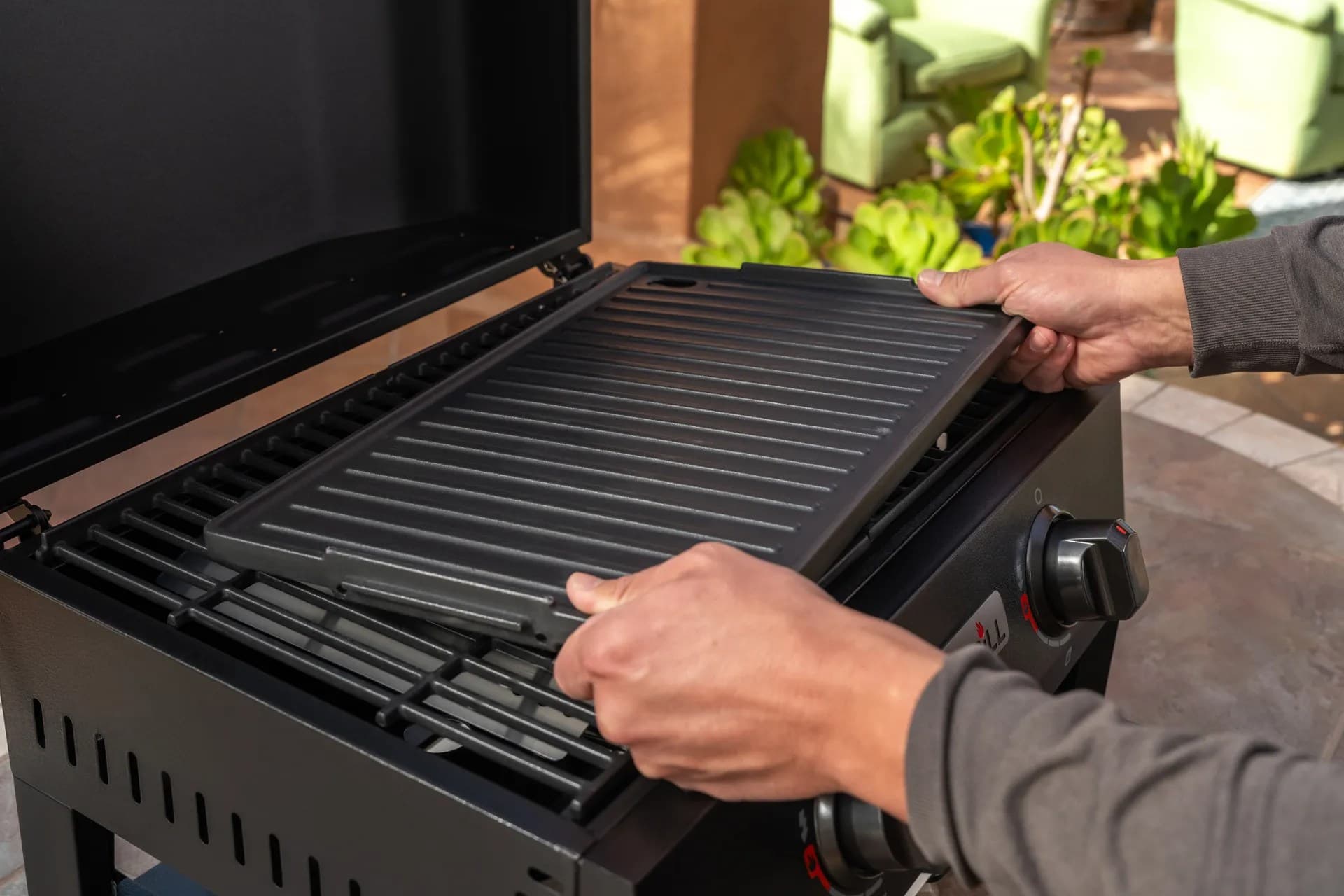
The main reason people choose porcelain-coated cast iron is heat behavior. Cast iron stores heat very effectively, which helps a grill hold temperature when the lid opens or cold food is added. That extra thermal mass is useful when you want a dark sear or grill marks that do not fade the moment the steak lands on the grate. In a gas grill, this can make the cooking surface feel more forgiving, especially for foods that benefit from a strong initial hit of heat.
The porcelain coating adds an important layer of practicality. Bare cast iron can perform beautifully, but it needs more care because it is vulnerable to rust if moisture is left behind. The enamel-like coating on porcelain-coated grates helps protect the iron underneath from direct exposure to air and humidity. That does not make them indestructible, but it does reduce the daily maintenance burden for many owners. If you grill a few times a week, that lower friction matters.
Cast iron stores energy well, which helps maintain searing power when food is added.
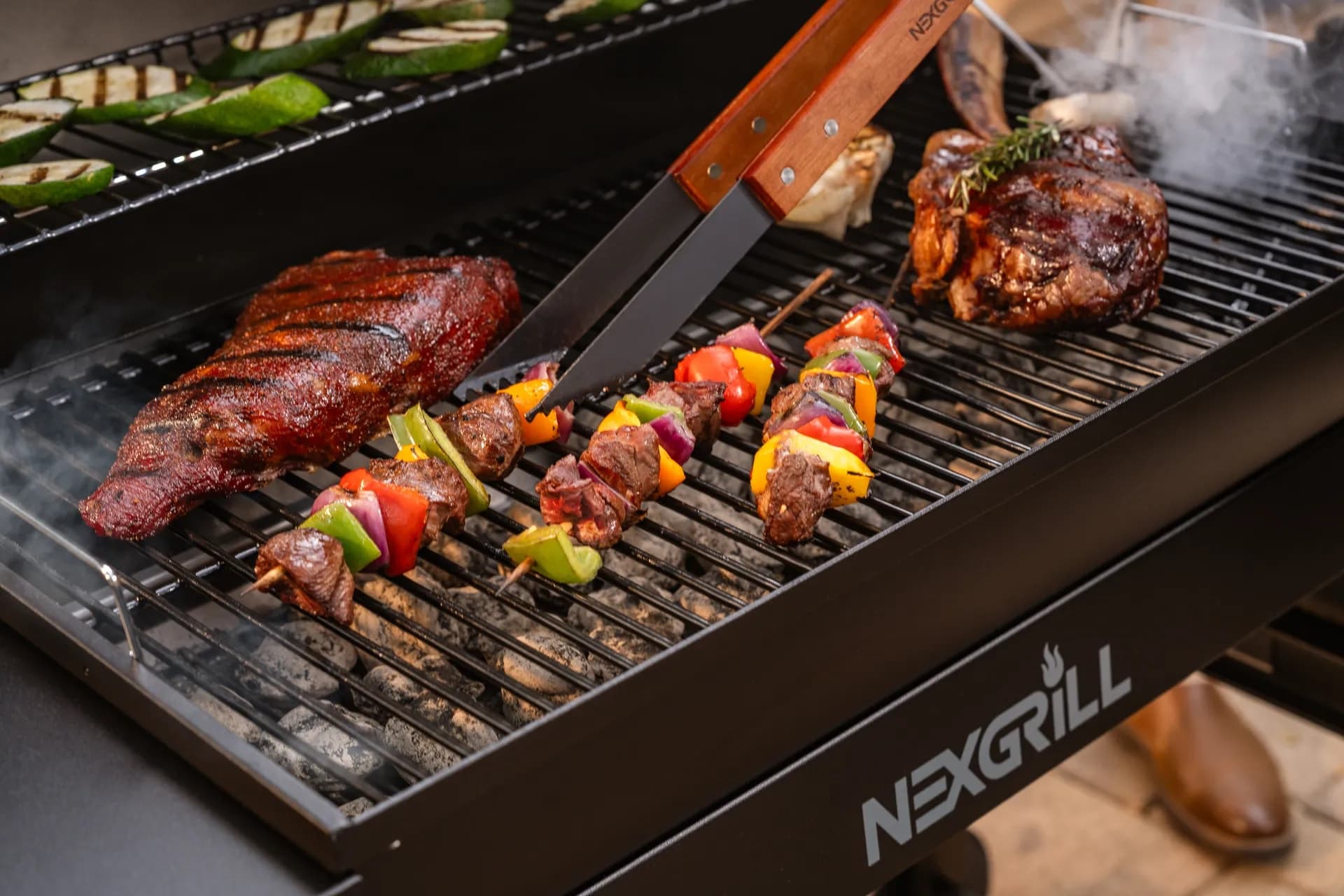
Flavor enhancement is another reason these grates stay popular. When the grate surface is hot and stable, it encourages better browning and more reliable Maillard reaction across the food’s contact points. That matters for steaks and chops, but it also affects vegetables, shell-on seafood, and even bread or flatbreads. In real cooking terms, a better grate often means more consistent grill marks, improved crust development, and fewer limp results from under-heated surfaces.
Cleaning is a quieter but equally valuable benefit. Compared with bare cast iron, porcelain-coated grates are generally simpler to wipe down once they are warm and residue has loosened. Food is still going to stick if the grill is not preheated or if the grate is cold, but the glazed surface can make post-cook cleanup less punishing. For many families, that is the difference between grilling once in a while and grilling often.
| Grate material | Heat retention | Cleaning | Long-term care |
|---|---|---|---|
| Porcelain-coated cast iron | Excellent | Moderate to easy | Needs careful handling to avoid chipping |
| Stainless steel | Good, but usually less mass | Easy | Very low rust risk |
| Bare cast iron | Excellent | Harder | Requires seasoning and rust prevention |
For many buyers, the real benefit is balance. Porcelain-coated cast iron gives you some of the searing identity of cast iron without demanding the same level of seasoning discipline as a raw iron grate. If you want a surface that supports both weekday convenience and weekend cooking ambition, that balance is hard to ignore.
Top Gas Grills with Porcelain-Coated Cast Iron Grates
The best grills in this category are not just about grate material; they also need a burner layout and cooking system that lets the grates perform. A high-quality grate with weak heat distribution will still leave you fighting hot spots. That is why the strongest contenders are grills that pair porcelain-coated cast iron with enough burner control to support direct searing, lower-temp roasting, and everyday multi-tasking.
Weber Genesis E-415 Gas Grill
The Weber Genesis E-415 is a strong fit for families who want a full-size gas grill with a familiar layout and a sturdy cooking feel. Its four burners support broader heat management than a compact two-burner setup, which is useful when you need a hot zone for steaks and a cooler zone for finishing chicken or vegetables. The porcelain-enameled cast iron grates are one of the defining features here because they help the grill deliver the dense, responsive surface many buyers expect from a premium backyard unit.
Best for: households that want broad cooking space, dependable heat retention, and a traditional gas grilling feel.
Napoleon Rogue 525 Gas Grill
The Napoleon Rogue 525 is a smart pick for cooks who like flexibility. Its three-zone cooking system helps separate direct heat, moderate heat, and resting or warming space in a way that is genuinely useful on busy cookouts. With porcelain-coated cast iron grates on top, the grill gains the surface density needed for strong searing while the burner zones let you use that heat more strategically. This model tends to appeal to people who cook mixed menus: perhaps thick pork chops on one side, asparagus on the other, and a tray of buns warming gently nearby.
Weber Genesis EX-325W Smart Gas Grill
The Weber Genesis EX-325W is aimed at the buyer who wants more feedback while cooking. The Wi-Fi-enabled digital thermometer is its standout feature, because it helps reduce guesswork and makes the grill more approachable for newer users who are still learning target temperatures. Combined with porcelain-enameled cast iron grates, it gives you a surface that supports strong browning while the digital readout helps you avoid overcooking. For busy households, that combination of tactile cooking performance and connected monitoring can be very appealing.
| Model | Standout feature | Why it matters |
|---|---|---|
| Weber Genesis E-415 | Four-burner layout | More room for direct and indirect cooking |
| Napoleon Rogue 525 | Three-zone cooking system | Better separation of heat levels for mixed meals |
| Weber Genesis EX-325W | Wi-Fi-enabled digital thermometer | Adds temperature visibility and control confidence |
When deciding among these styles, think about how you actually cook. If you value broad capacity and a classic full-size format, the Genesis E-415 is the straightforward choice. If you want more flexible cooking zones, the Rogue 525 stands out. If your biggest pain point is uncertainty about doneness, the EX-325W has the most helpful modern feature set. The ideal pick is less about a badge on the lid and more about matching grate performance to the way you grill.
Maintenance Tips for Porcelain-Coated Cast Iron Grates
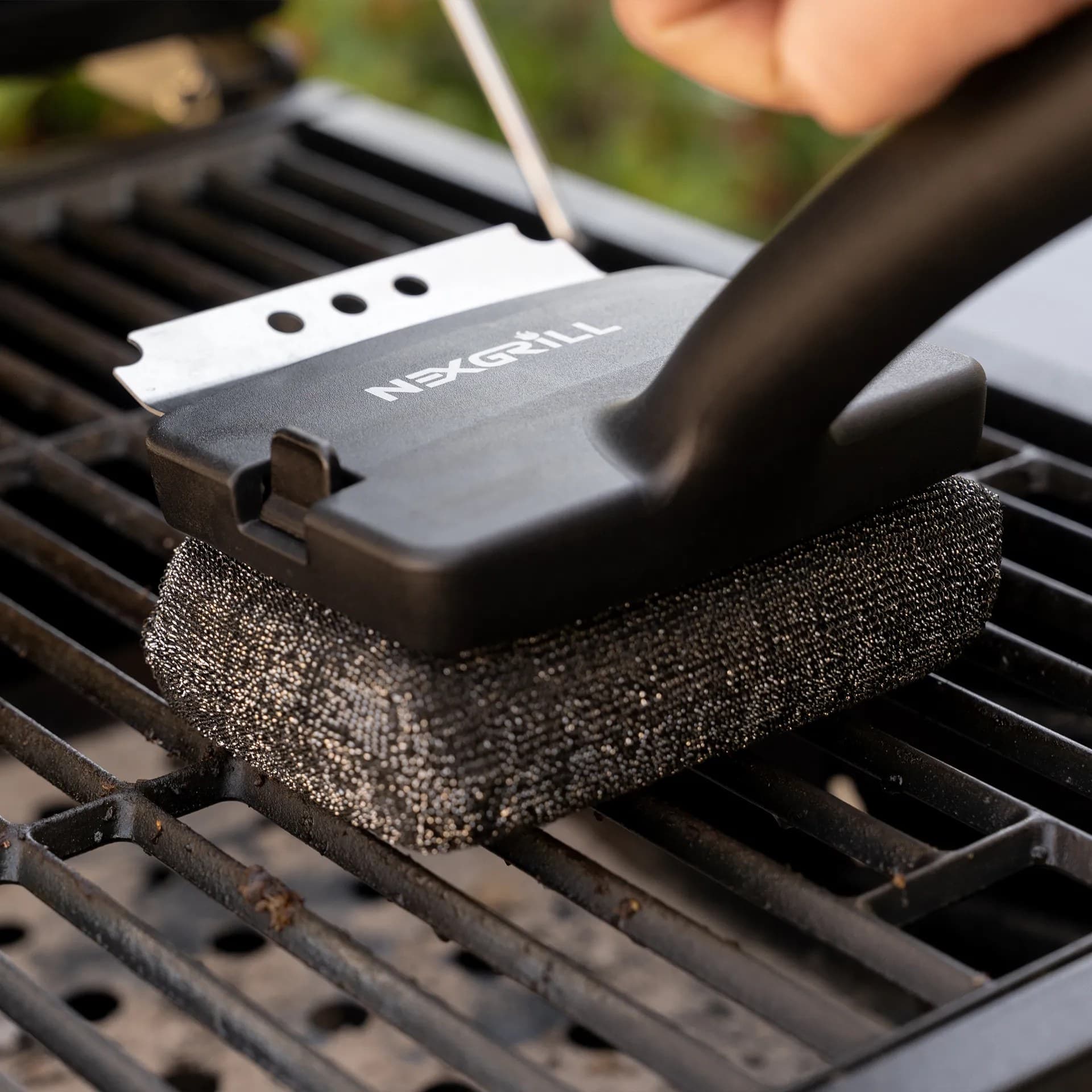
Porcelain-coated cast iron grates are relatively easy to maintain, but they still need a light touch. The most important habit is to preheat the grill before cooking. A hot grate releases food more cleanly than a cold one, and that reduces the temptation to scrape aggressively. After cooking, let the grill stay warm for a short time so residue loosens, then use a proper grill brush or non-metallic scraper that will not chip the coating.
Warning: avoid hard impacts and metal tools with sharp edges. A chipped porcelain surface can expose the iron underneath to moisture and reduce the grate’s service life.
Dryness is the other rule that matters. If you wash the grates, dry them immediately and thoroughly before reinstalling them. Moisture left in corners or under residue can eventually create rust points around damaged spots. For seasonal storage, use a grill cover and keep the cooking area as dry as possible. Even though the porcelain coating helps protect the iron, water that repeatedly sits on imperfect areas can still create problems over time.
It also helps to avoid extreme thermal shock. Dropping a cold grate into a blazing hot environment or throwing cold water on a very hot grate can stress the coating. A steadier approach usually extends the life of the surface. When you clean, think “gentle and consistent” rather than “scrub until spotless.” Most of the day-to-day benefit comes from regular upkeep, not aggressive deep cleaning.
If you are comparing grills primarily on grate material, porcelain-coated cast iron is attractive because it rewards routine use without asking for a complicated care ritual. The payoff is a cooking surface that keeps performing well if you respect the finish and keep it dry.
Differentiate the strongest models by how they support your cooking style, then compare two options side by side below to see which one delivers the best balance of heat retention, convenience, and control.
User Experiences and Common Issues
Once you have weighed two options against each other, the next question is how these grills actually feel after months or years of use. User experiences with porcelain-coated cast iron grates are often positive for one simple reason: the surface does what people hope a grill surface should do. It holds heat, produces good sear marks, and makes the grill feel substantial when cooking. That said, the same material also brings a few recurring complaints that are worth understanding before you buy.
One common theme in owner feedback is that porcelain-coated cast iron performs best when the grill is preheated fully. When users skip preheating, food can cling more easily and the grate does not deliver the same browning benefits. People who are used to stainless steel grates sometimes notice the difference immediately. Stainless steel tends to feel easier going from a cleanup standpoint, but porcelain-coated cast iron often wins when the food is seared properly and the cook wants a more pronounced crust.
Helpful pattern from many owners: the grate feels better the more consistently it is used, cleaned while warm, and stored dry.
The most frequent concern is chipping. The porcelain coating is durable under normal use, but it is still a coated surface. Dropping a grate, scraping it with overly aggressive tools, or dragging heavy metal accessories across it can damage the finish. Once a chip appears, the exposed iron can become a rust point if moisture is not controlled. That does not mean the grate is ruined, but it does mean upkeep matters more after damage occurs.
Some users also report that porcelain-coated grates can take a little more attention during extremely greasy cooks. If drippings build up and carbonize, the surface can look patchy or uneven. This is less about the material failing and more about the nature of high-heat grilling. A short warm brush-down after cooking usually prevents most of those issues. In practice, owners who treat the grates as part of the cooking process, not as a separate chore, tend to report the best long-term satisfaction.
| Common issue | What users notice | Best response |
|---|---|---|
| Chipping | Small exposed spots or rough edges | Use gentler tools and avoid impacts |
| Rust around damaged areas | Orange discoloration after moisture exposure | Dry thoroughly and reduce water exposure |
| Food sticking when cold | Steaks or fish cling to the grate | Preheat longer before cooking |
| Surface carbon buildup | Dark residue or sticky patches | Brush while warm after each cook |
When users compare porcelain-coated cast iron to bare cast iron, the trade-off usually comes down to effort. Bare cast iron can feel even more rugged and responsive, but it demands seasoning discipline and rust prevention. Porcelain-coated cast iron is often the better match for someone who wants good performance without having to think about oiling and surface prep quite as often. That is especially true for households that grill in different weather conditions or store the grill outdoors under a cover.
In the real world, satisfaction tends to be highest among cooks who value searing, do not mind a little care at cleanup time, and want a grate surface that feels substantial rather than lightweight. People who prioritize absolute ease of cleaning may still lean stainless steel. People who want maximum thermal feel usually prefer porcelain-coated cast iron or bare cast iron. The middle path is often the most practical one, which is why this grate style keeps showing up in highly regarded gas grills.
Conclusion
If your goal is a gas grill that combines strong heat retention, reliable browning, and manageable upkeep, porcelain-coated cast iron grates are one of the most compelling choices available. They deliver much of the cooking character that grill enthusiasts like about cast iron while softening the maintenance load that comes with bare iron surfaces.
Among the standout models, the Weber Genesis E-415 offers a balanced four-burner format, the Napoleon Rogue 525 adds useful three-zone cooking flexibility, and the Weber Genesis EX-325W brings a smart temperature layer that can help remove guesswork from the process. Your best pick depends on whether you value space, zone control, or digital feedback most.
Bottom line: choose the grill that fits how you cook now, not the one with the most features on paper.
For many backyard cooks, the right porcelain-coated cast iron grill is the one that makes great results feel repeatable on a Tuesday night, not just on a special occasion. That is where the material earns its reputation.