Discover essential tools to elevate your outdoor cooking game.
Here's what sets us apart from the competition
We position ourselves as delivering high-end outdoor cooking features and performance without premium-brand pricing, emphasizing “Quality Grills. Unbelievable Value.”
We offer gas grills, pellet grills, griddles, smokers, pizza ovens, portable/tabletop grills, electric grills, accessories, and replacement parts — allowing customers to stay within one ecosystem for all outdoor cooking needs.
We differentiate ourselves through smart grilling products like the Oakford smart pellet grill, including app-connected cooking controls and modern outdoor cooking technology.
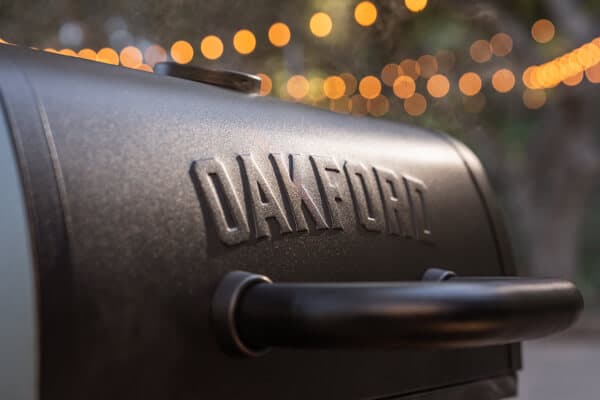
Expert tips, buying guides, comparisons, and inspiration for choosing and getting the most out of your grill.
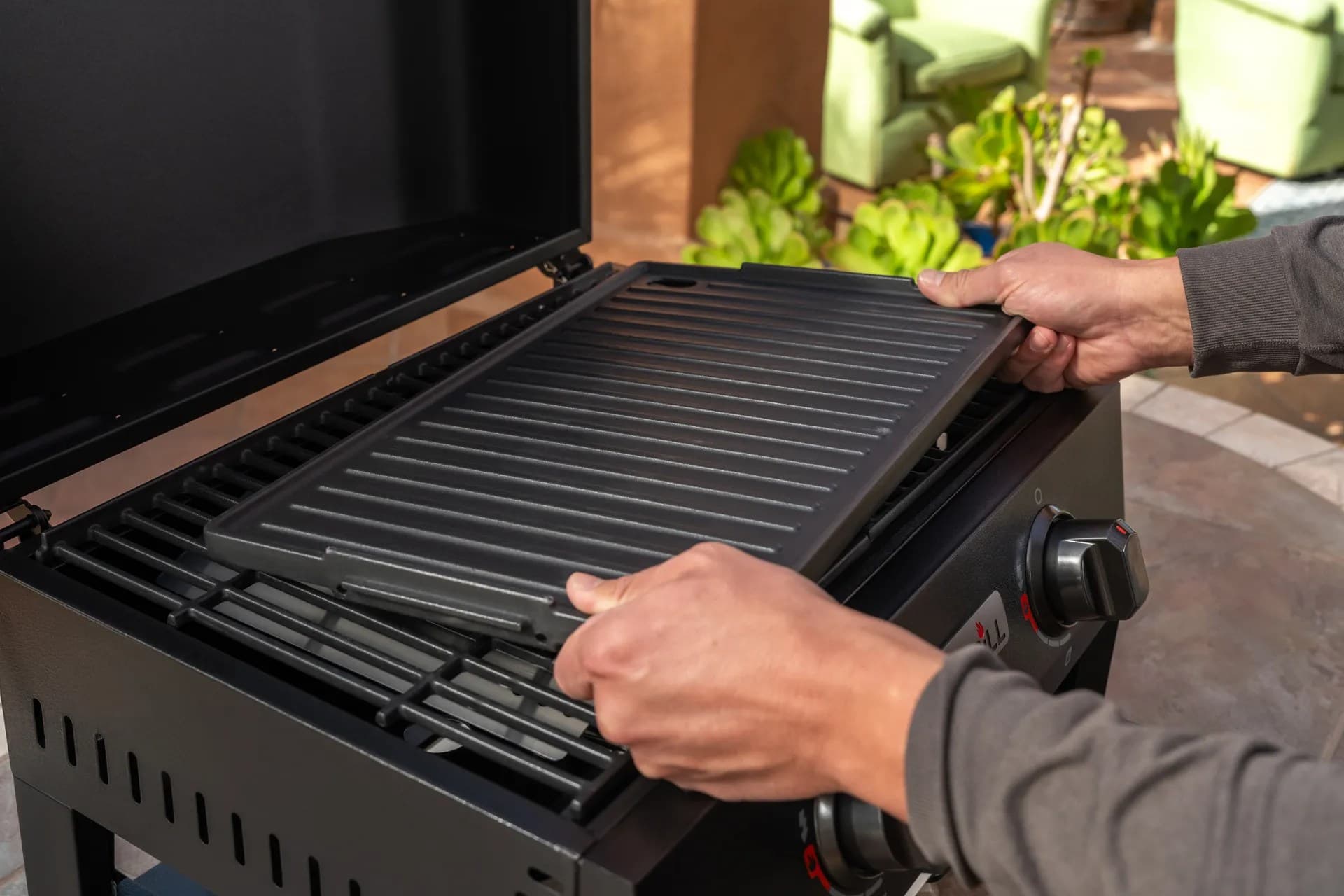
Practical guides for cleaning, maintenance, common grill issues, and performance optimization.
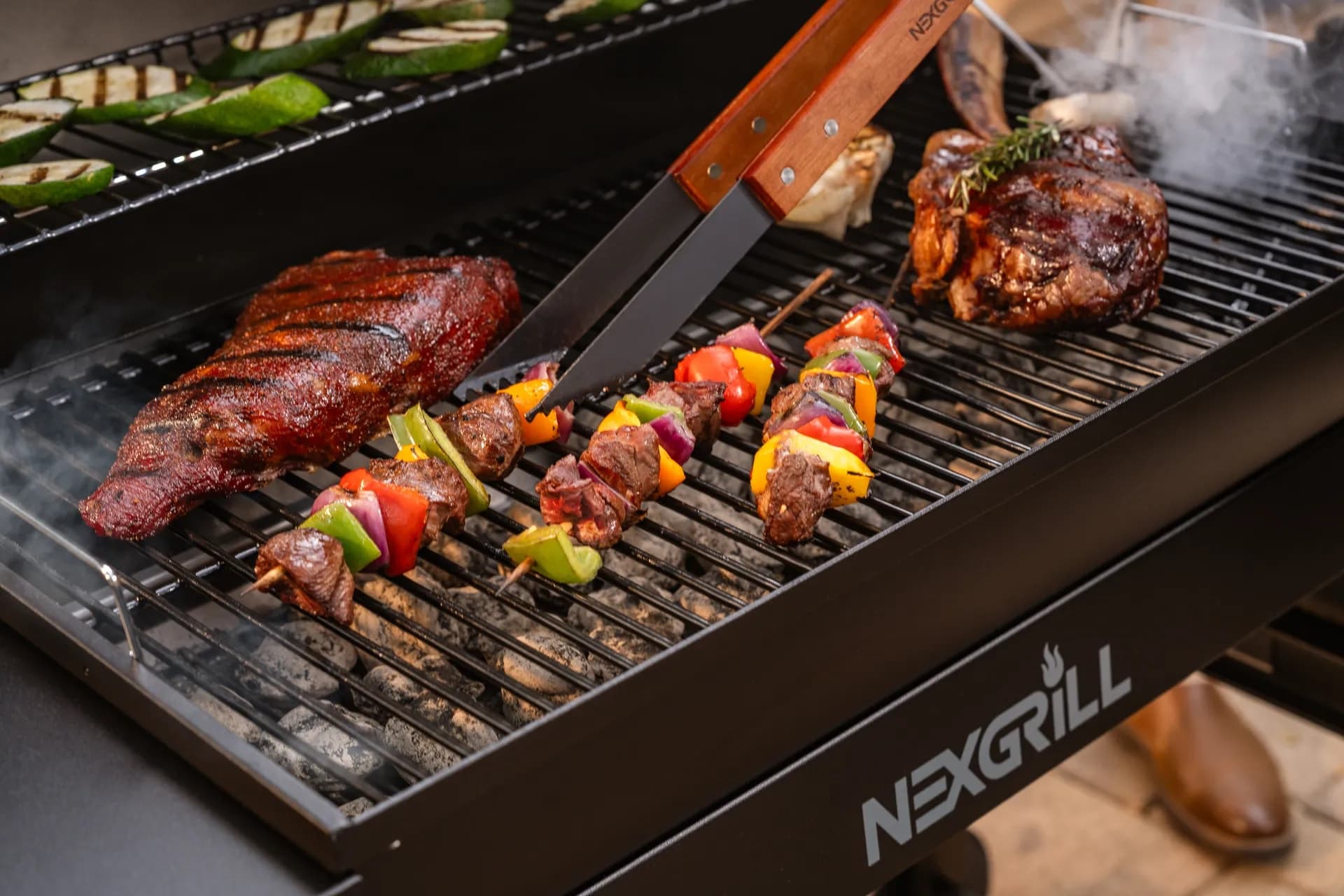
Step-by-step grilling recipes, cooking techniques, and meal ideas for every occasion and skill level.

Backyard entertaining ideas, seasonal grilling inspiration, and stories that celebrate outdoor cooking culture.
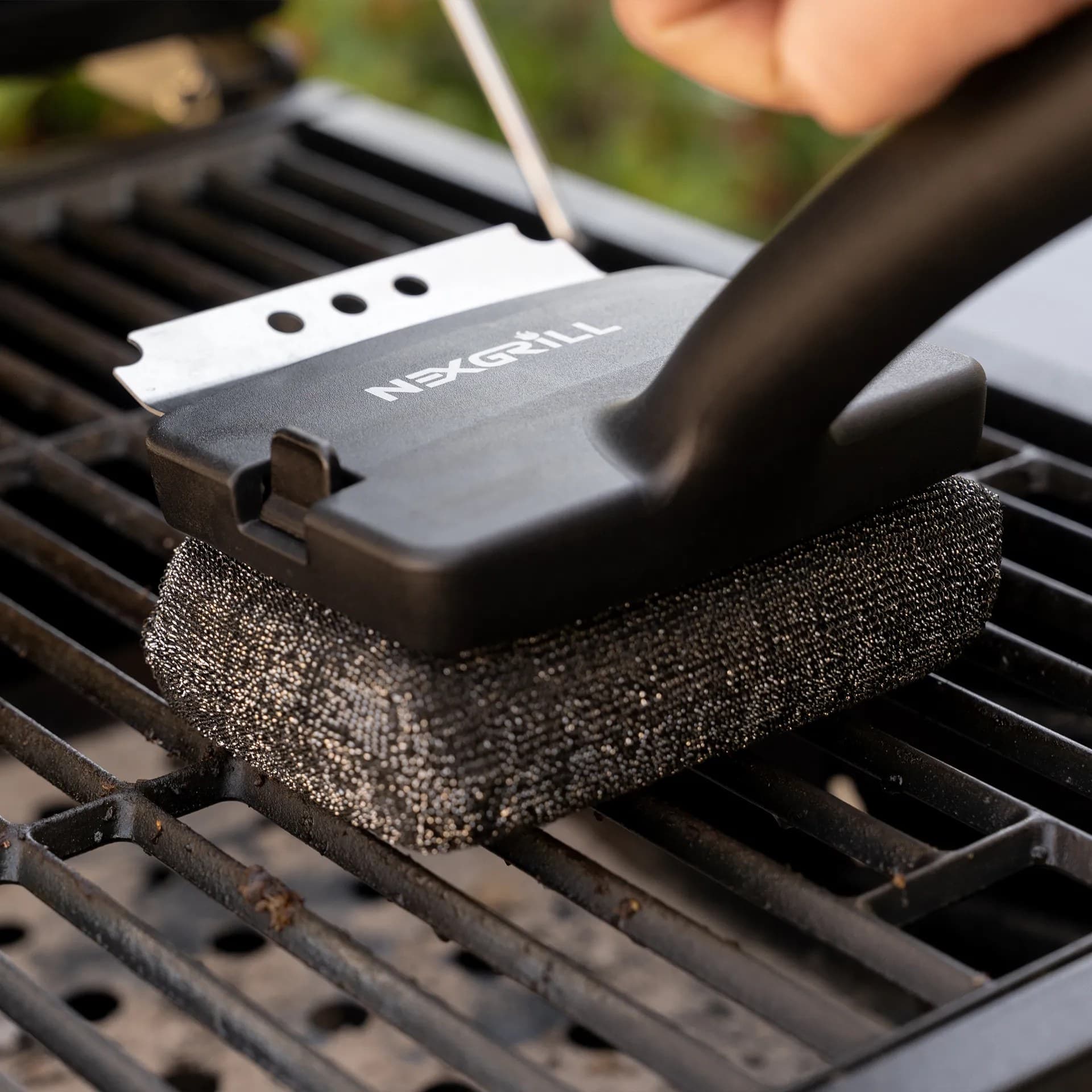
Helpful articles covering grilling tools, cookware, maintenance gear, and must-have accessories for outdoor cooking.
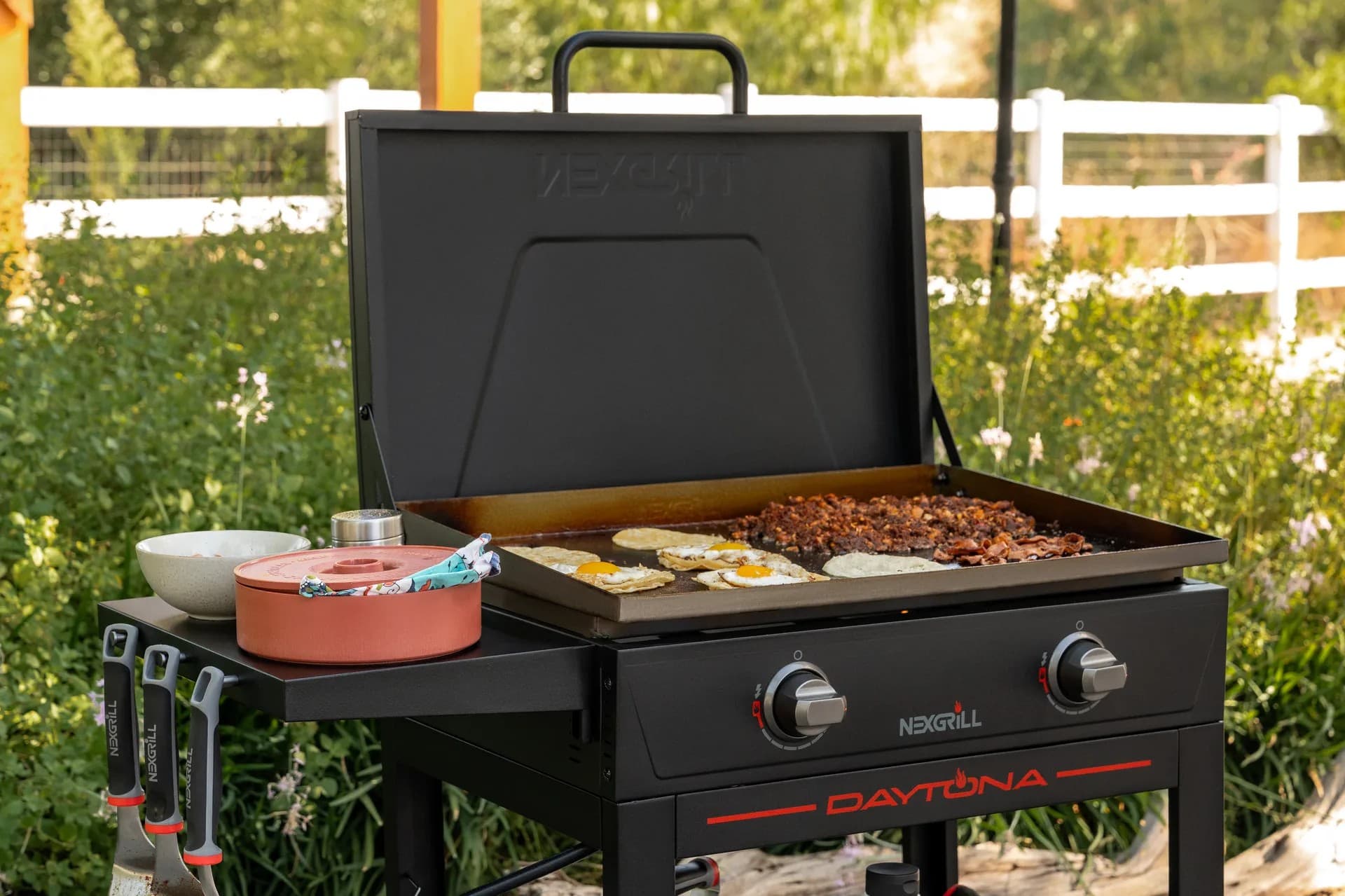
Find griddle recipes, cooking techniques, cleaning tips, and outdoor meal ideas designed for Nexgrill griddles.
Find answers to common questions
Nexgrill offers a variety of accessories including grill tools, covers, cooking utensils, and replacement parts designed to enhance your grilling experience.
Many Nexgrill accessories are widely compatible with various grill brands, but it is recommended to check the specifications for proper fit and functionality.
To maintain your Nexgrill accessories, regularly clean them with warm soapy water, avoid using abrasive materials that could scratch the surface, and store them in a dry place when not in use.
Yes, Nexgrill accessories can be purchased separately from the grills, allowing customers to customize their grilling setup as needed.
Instructions for using Nexgrill accessories are typically included in the packaging, and additional resources can be found on the Nexgrill website or in the product user manuals.
In This Article
Smoker Boxes
Rotisserie Kits
Infrared Sear Burners
The best gas grill accessories are not about collecting extra gear for the sake of it. They are about making your grill work harder, cooking more cleanly, and helping you get the kind of results that feel intentional instead of improvised. A basic gas grill can already handle weeknight chicken, burgers, and vegetables, but the right add-ons change the way you use it. A smoker box can turn a straightforward propane setup into a flavor-building tool. A rotisserie kit can free up your hands while roasting poultry or larger cuts more evenly. An infrared sear burner can give steak a restaurant-style crust without forcing you to overcook the center. For many home cooks, these accessories solve practical problems first and add excitement second.
That matters because gas grilling is often chosen for convenience. People like the fast startup, predictable heat, and easy cleanup. Accessories should protect that convenience, not make the setup feel complicated. The smartest upgrades are the ones that fit your actual grilling routine: the foods you cook most, the number of people you feed, and how much effort you want to put into fire management. If your summer weekends are built around hosting, a rack or roaster may help you cook more at once. If you grill mostly for two or three people, a compact thermometer or topper may give you more benefit than a full attachment system.
A useful accessory should solve a cooking problem you already have, such as adding smoke, improving sear control, or expanding usable surface area.
Nexgrill’s broader approach to outdoor cooking emphasizes versatility, approachable value, and practical use at home, which is why accessories matter so much in this category. A well-chosen tool can make one grill feel like several different cooking stations. The point is not to replace good technique. It is to give you more control over the techniques you can use with confidence.
If you are shopping for the best gas grill accessories, start by thinking in terms of outcomes rather than product names. Ask whether you want more smoke, more even roasting, more heat intensity, more surface coverage, or better temperature visibility. That simple shift helps you buy accessories that actually improve dinner instead of just filling cabinet space.
can behave like a much more flexible outdoor kitchen when the right accessories are added.
A smoker box is one of the simplest accessories you can add to a gas grill, but it can create one of the biggest changes in flavor. It holds wood chips or small chunks over direct heat so the wood slowly smolders and releases aromatic smoke. That makes it a practical choice for grillers who want a smoke note without switching to a dedicated smoker. Hickory, apple, cherry, pecan, and mesquite each create different results, so the box becomes a way to fine-tune flavor rather than rely on a single smoky profile for everything.
The best smoker box for gas grills is usually made from durable metal with enough airflow to encourage steady smoldering, not full ignition. Stainless steel is a strong choice because it resists corrosion better than cheaper coated alternatives. The box should sit securely over the burner or a hot zone without interfering with grate placement. If the lid is ventilated, even better. You want smoke to move, not trap moisture and stall the process.
For everyday cooking, use smoker boxes when you want a subtle enhancement rather than a full-on smokehouse effect. Chicken thighs, pork chops, salmon, Brussels sprouts, and even potatoes can benefit from a short smoking session. The real value is control. You can build smoke during the early part of the cook and then shift to steady roasting, which is often easier to manage on gas than on charcoal.
Too many wood chips can create acrid smoke. Start with a modest handful and adjust after you see how your grill responds.
One practical tip is to soak wood chips only if your accessory and cooking style call for it. Many grillers get better results with dry chips because they start smoking sooner. The goal is controlled smoke, not steam. If your gas grill has a side burner or a strong main burner, preheating the smoker box before adding food can help you get smoke sooner and avoid a bland first half of the cook.
A rotisserie kit transforms a gas grill from a high-heat searing platform into a slow, self-basting roasting setup. The spit turns food continuously so fat and juices redistribute across the surface while heat reaches the meat more evenly. That steady rotation matters most for larger cuts that can dry out if left stationary over direct heat. Chicken is the classic example, but pork loin, prime rib, leg of lamb, and even some seafood preparations can benefit when the accessory is matched to the right food weight and shape.
When choosing a rotisserie kit, focus on balance and fit. The motor should be strong enough for the load you plan to cook, and the forks must hold the food securely so it rotates evenly instead of wobbling. A kit that is designed for compatible grill models will usually be easier to install and far safer than a generic workaround. The spit rod length should match your grill’s firebox width, and the mounting points need to be stable. A poorly fitted rotisserie can create uneven cooking or unnecessary strain on the motor.
Rotisserie cooking rewards patience. Instead of relying on a blast of heat, you build a steady zone and let the constant movement do the work. That makes it ideal for hosts who want to prep ahead and serve later. A whole chicken cooked on a rotisserie often comes out with crisp skin and moist meat because the turning motion helps the fat render gradually. If you have only ever cooked poultry directly on the grate, a rotisserie kit is one of the clearest upgrades you can make in flavor and texture.
Tip: Let the meat rest after rotisserie cooking so the juices settle before carving. That final pause helps protect the texture you worked to build.
Infrared sear burners are designed for one job: delivering intense, concentrated heat fast. For grillers who care about crust, browning, and steakhouse-style finishing, they are among the most valuable accessories available. Rather than relying on broad convection heat alone, an infrared burner uses a radiant surface to transfer energy directly and aggressively to the food. That means you can create strong sear marks in less time, often with better surface caramelization than a standard burner zone can produce.
This accessory is especially useful when you cook thick steaks, lamb chops, or tuna steaks that need a deep exterior without a long stay over the fire. It can also help with quick finishing on chicken skin or vegetables when you want a more pronounced char. The key is understanding that infrared heat is not just hotter; it behaves differently. You usually want to use it as a finishing zone, not the place where you cook everything from start to finish.
When comparing options, pay attention to mounting style, compatibility, and how much of your existing grill space will be affected. Some infrared burners are meant to replace a standard side burner or sear station, while others are designed for specific grill configurations. If the accessory is too small, it may create an awkward hot spot. If it is too large or poorly placed, it can make normal grilling harder by stealing usable space from the main grate.
Infrared burners reward precision. Preheat fully, then sear briefly and finish gently elsewhere if needed.
Grill racks and roasters are the accessories that help you do more with the same amount of grill real estate. They are useful when you want better airflow around vegetables, wings, or smaller cuts that might otherwise fall through the grates. Many racks also improve organization, letting you separate foods that cook at different speeds while keeping them close to the heat source. For busy family meals, that efficiency can matter as much as flavor.
The best versions are sturdy, easy to clean, and sized to fit securely on your main grates without tipping. If you often grill fish, asparagus, sliced peppers, or marinated items, a rack can prevent sticking and help with cleaner turnarounds. Roasting pans built for the grill are especially helpful for dishes with sauce or drippings because they catch liquid instead of letting it hit the burners. That makes cleanup easier and reduces flare-up risk.
If your goal is flexibility, look for a rack or roaster with multiple uses. Some can double as cooling, resting, or transport tools after cooking. Others are shaped for poultry, ribs, or mixed vegetables. The more often you entertain, the more value you get from equipment that helps you manage several dishes at once without overcrowding the main cooking surface. Try comparing two products side by side below to see which fits best:
Once you've weighed two options against each other, the next question is how much your gas grill can really do beyond direct flame cooking. Grill toppers and barbecue griddles are among the best gas grill accessories for home cooks who want more control over smaller or more delicate ingredients. They create a more stable cooking surface for foods that would otherwise be awkward on open grates: sliced onions, mushrooms, shrimp, chopped vegetables, breakfast hash, or even smashed potatoes. In practical terms, they help you make the grill a true dinner prep surface, not just a place for steak and burgers.
A topper with perforations gives you a compromise between open-grate flavor and safer handling of small items. A solid griddle insert offers a fully flat surface that is far better for eggs, tortillas, pancakes, and seared sandwiches. The deciding factor is your menu. If you mostly cook marinades, cut vegetables, or seafood that benefits from exposure to flame, a perforated topper often makes the most sense. If you want to handle breakfast-for-dinner or full plate meals with multiple components, a flat griddle is the stronger choice.
Tip: Match the accessory to the food texture. Dry, direct-heat ingredients often work well on toppers; wet batter, fried rice, and eggs usually need a flat griddle.
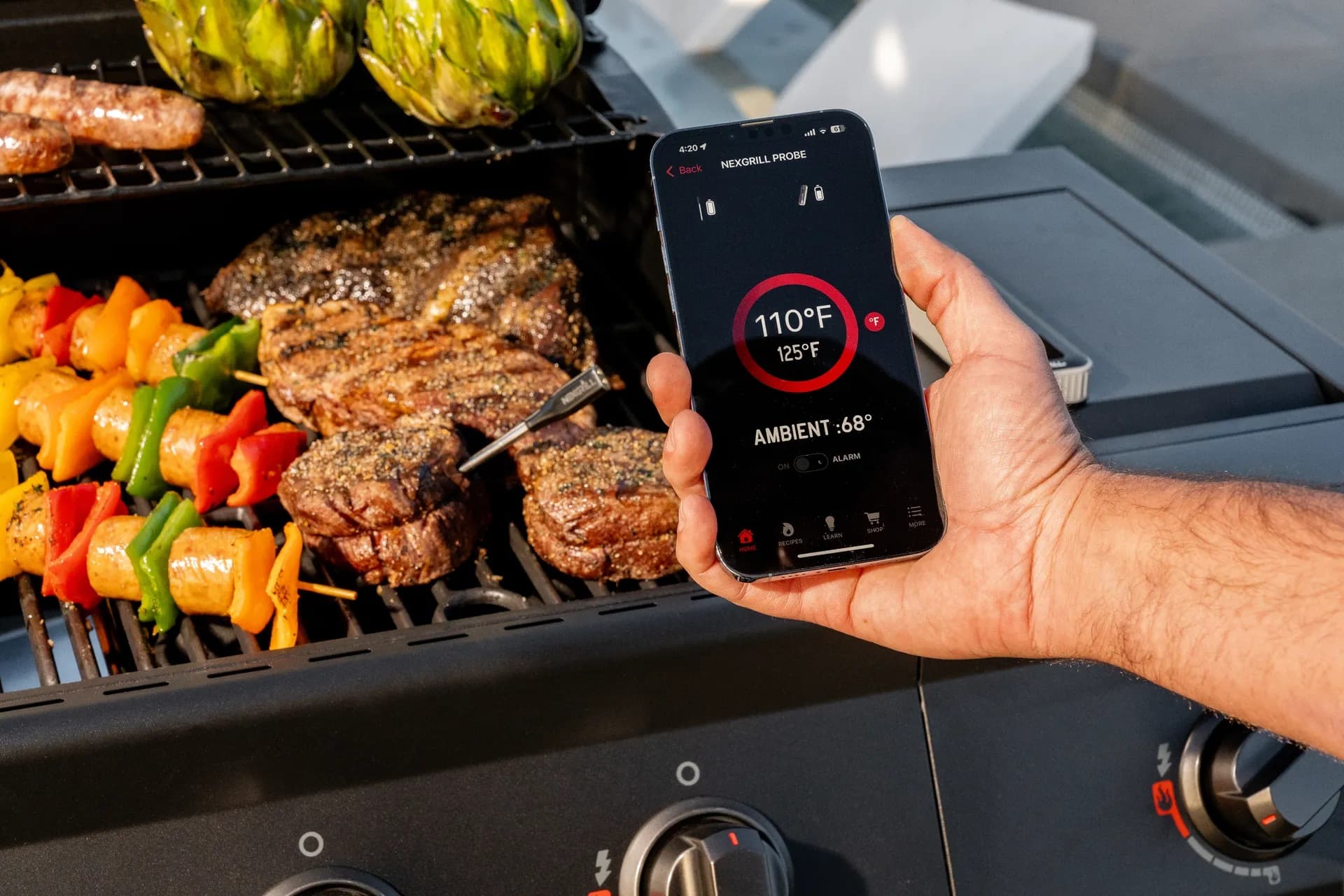
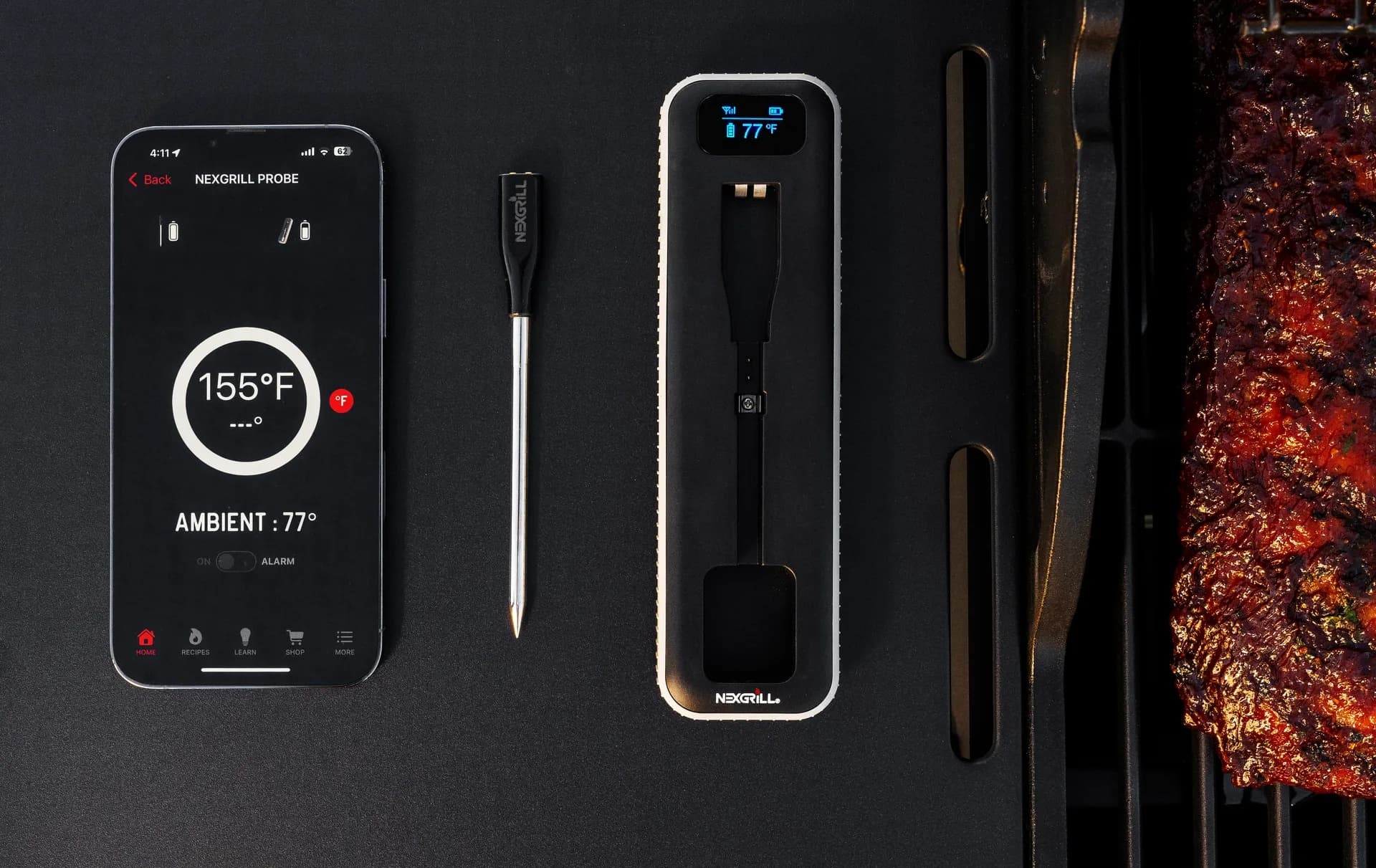
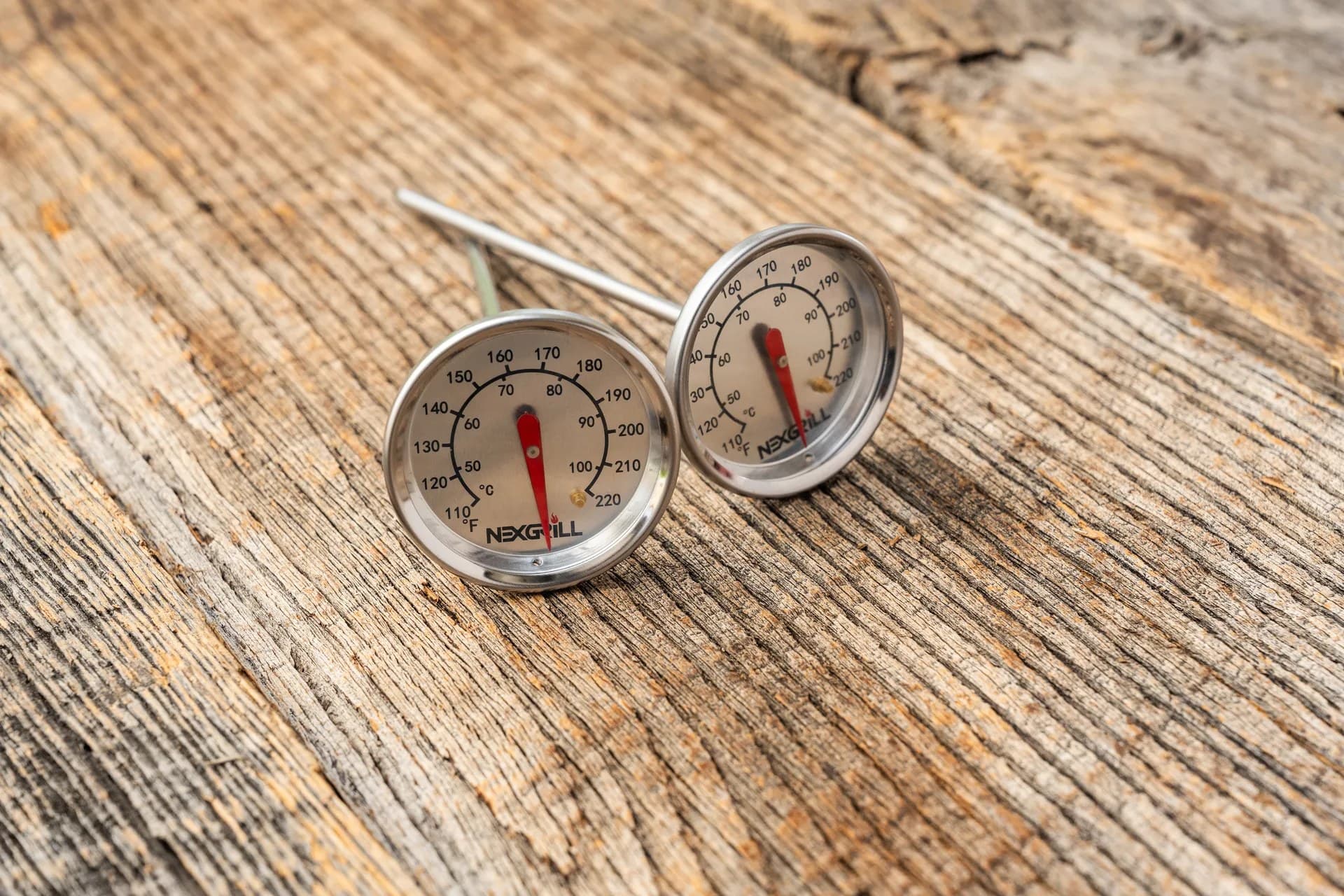
A thermometer is one of the least glamorous accessories on this list, but it may be the most important for consistent results. Gas grill temperature knobs tell you burner output, not the internal temperature of the food. A reliable barbecue thermometer removes the guesswork from doneness, which is especially important for poultry, large roasts, thick pork cuts, and any dish where a few degrees can change texture dramatically. For the best results, many grillers use both a probe thermometer and an instant-read model: one for monitoring during the cook and one for quick verification at the end.
Look for a thermometer with clear visibility, strong heat resistance, and a probe cable that can handle repeated use. If you often cook outside while entertaining, wireless or leave-in options can be helpful because they let you step away without losing track of temperature. Accuracy matters more than extra features. A straightforward thermometer that reads reliably will always be more useful than a flashy one that drifts from actual temperature.
For household use in the United States, temperature awareness is also a practical food-safety tool. Chicken should be cooked to a safe internal temperature, and larger cuts benefit from a measured rest as they finish carrying over. A thermometer keeps your process repeatable, which means fewer surprises and fewer overcooked meals.
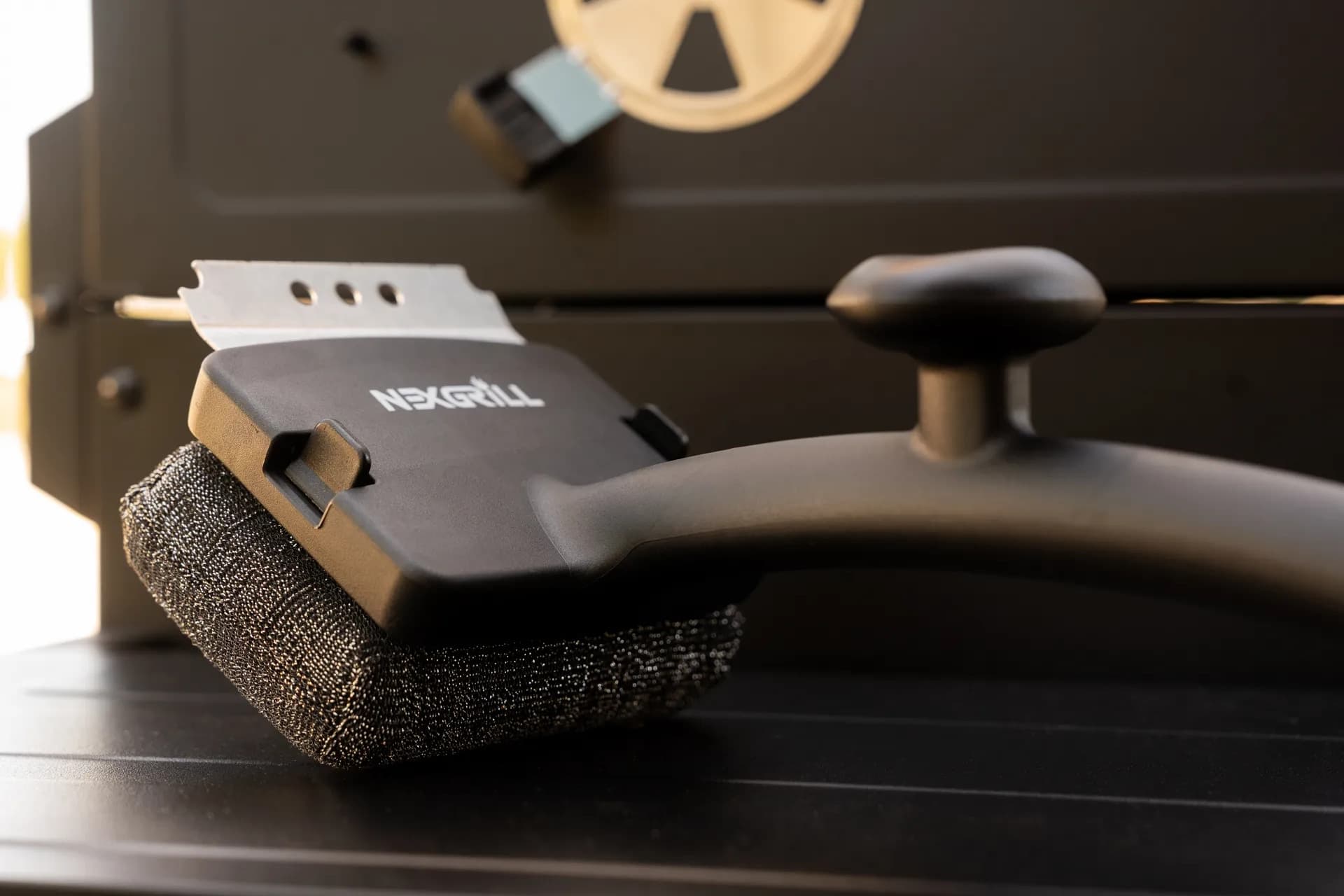
Good grilling tools are not just about flipping food. They protect your equipment and make cleanup easier. Long-handled tongs, stiff brushes, scrapers, and silicone basting tools all help you work more cleanly around heat. Choosing the right tools matters because cheap accessories can bend, shed bristles, or fail under repeated heat exposure. Stainless steel and heat-resistant handles are usually better for long-term use than lightweight novelty tools.
Cleaning tools deserve special attention. After the grill cools slightly, brushing grates while they are still warm helps remove residue before it hardens. Scrapers are useful for flat-top surfaces and stubborn buildup, while drip-pan tools and grease tray liners help keep the underside of the grill cleaner. Keeping your tools organized also speeds up the whole process, which makes regular maintenance feel less like a chore and more like part of the cook.
Warning: Replace worn grill brushes before bristles fray or loosen. The cheapest tool is not worth a damaged grate or a cleanup headache.
A pizza stone, paired with a peel and a few practical tools, opens an entirely different kind of outdoor cooking. Gas grills can create the sustained heat needed for crisp crusts and well-melted toppings when the stone is properly preheated. The stone absorbs and redistributes heat, which helps the bottom of the pizza cook more evenly while the covered grill environment behaves like a high-heat oven.
The best stone is one that fits your grill with enough space for heat circulation around it. Cordierite is a common material because it tolerates repeated thermal changes well. A peel with a thin front edge makes it easier to launch dough, and a simple turning tool helps avoid overbrowning one side. If you want to make flatbreads, calzones, or reheated artisan loaves, the same setup works beyond pizza night.
Success here is mostly about preheating and restraint. Rushing the process usually leads to a pale crust or weak bottom browning. Allow the stone to come fully up to temperature, then build pizzas with moderate toppings so the center does not turn soggy. That approach makes the accessory far more rewarding than trying to overload it with too much cheese or sauce.
Safety gear may not sound exciting, but barbecue aprons and gloves are some of the best gas grill accessories for making the whole experience more comfortable and controlled. A sturdy apron protects your clothes from grease splatter and keeps utensils close at hand. Heat-resistant gloves help when you move hot grates, adjust accessories, or handle pans near the burner zone. In everyday grilling, that combination lets you work with more confidence and less rushing.
Choose gloves that protect your hands without making them feel clumsy. Dexterity matters because you still need to grip tools, open lids, and manage food safely. For aprons, pockets and adjustable straps make a bigger difference than decorative styling. If you often grill for guests, a durable apron can also help keep the cooking process organized by giving you a place for thermometers, skewers, or small towels.
Charcoal trays sit in a particularly interesting middle ground because they let gas grill owners experiment with charcoal-style flavor while keeping the convenience of gas ignition and heat control. These trays are often used to hold briquettes or lump charcoal in a controlled compartment so the grill can produce a more pronounced smoky character. They are not a replacement for a dedicated charcoal grill, but they can add another layer of flexibility to the setup.
The main thing to check is whether the tray is sized and shaped for your grill model. Proper airflow is essential, and the tray should not block critical burner function or interfere with safe operation. If you enjoy flavor experimentation and already know how to manage heat zones, a charcoal tray can be a worthwhile upgrade. If you mainly want simple weekday convenience, a smoker box may be the easier first step.
The most useful gas grill accessories are the ones that align with the way you actually cook. If flavor is your priority, smoker boxes and charcoal trays add depth. If texture and presentation matter most, infrared sear burners and rotisserie kits deliver visible improvements. If versatility is your goal, racks, toppers, thermometers, and pizza tools help you use the grill in more ways without making the process harder. In every case, the best choice depends on your space, your menu, and how hands-on you want to be while cooking.
A thoughtful accessory setup can make a good gas grill feel much more capable. Start with the item that solves the biggest gap in your current routine, then add from there as your cooking style evolves. That is usually the most cost-effective route and the one most likely to keep your outdoor cooking fun, useful, and repeatable.
The best accessories are the ones that match both your grill and your habits. A weekend entertainer who cooks steaks, whole chickens, and vegetable platters will get more immediate value from a rotisserie kit and a strong thermometer than from a decorative add-on. A smaller household that wants to improve weekday meals may benefit more from a smoker box, topper, and heat-resistant gloves. If you mostly cook for two and want faster cleanup, prioritize accessories that are easy to install, easy to store, and easy to wash. That decision framework keeps you from overbuying gear that looks impressive but sees little use.
| Accessory | Best For | Buying Priority |
|---|---|---|
| Smoker box | Adding smoke flavor to gas grilling | High for flavor-focused cooks |
| Rotisserie kit | Even roasting and self-basting meats | High for poultry and roasts |
| Infrared sear burner | Fast, intense browning | High for steak lovers |
| Thermometer | Temperature precision | Essential for most cooks |
If you only buy one accessory first, make it a thermometer. It improves almost every cook, regardless of recipe or grill type.
Accessories last longer when they are cleaned and stored with the same care you give the grill itself. Metal tools should be wiped down after use so grease and salt do not sit on the surface. Smoker boxes need ash and chip residue removed once they cool. Rotisserie spits and forks should be washed thoroughly because dried proteins can become difficult to remove later. Grill toppers and stones should be cooled before washing, and stones should be cleaned gently so they do not absorb soap or crack from thermal shock.
Storage matters too. Keep thermometers, gloves, and lighter tools in a dry space so moisture does not shorten their useful life. If an accessory has moving parts, such as a rotisserie motor, inspect it periodically for wear and keep it out of prolonged rain exposure. A simple maintenance routine usually beats expensive replacements, especially for accessories you use frequently during the warm season.
Warning: Do not put every accessory through a dishwasher unless the manufacturer specifically says it is safe. Heat and detergents can damage finishes, seals, and electronic components.
Quality matters more than novelty when buying grill accessories. Reputable brand pages and established outdoor cooking retailers are usually the safest places to shop because they tend to provide clearer product compatibility details, better material descriptions, and more reliable support. For Nexgrill owners, it makes sense to start with products and accessory pages tied to your grill category, then compare fit, function, and construction before purchasing. Look for clear sizing notes, finish details, and care instructions rather than vague promises.
If you are comparing brands, prioritize tools that are built for outdoor heat and repeated use. Well-designed accessories from known grill manufacturers often cost a little more up front but usually save frustration later because they fit better and hold up longer. For a home cook in the United States, that usually means buying for compatibility and durability first, then price second. The cheapest option is rarely the best if it warps, rusts, or doesn’t fit your grill properly.
Great grilling is not just about the grill itself. It is about building a setup that lets you cook the way you want to cook, with less friction and more control. The right accessories can help you smoke, roast, sear, measure, clean, and experiment with confidence. That is why the best gas grill accessories are usually the ones that earn a permanent place in your routine, not the ones that only get used once or twice a season.
If you are just starting, choose the accessory that solves the biggest weakness in your current setup. If you already know your style, add the tool that expands your favorite technique. Either way, you will get the most value when each purchase has a clear job and a clear reason to stay near the grill.
Here's what sets us apart
We position ourselves as delivering high-end outdoor cooking features and performance without premium-brand pricing, emphasizing “Quality Grills. Unbelievable Value.”
We offer gas grills, pellet grills, griddles, smokers, pizza ovens, portable/tabletop grills, electric grills, accessories, and replacement parts — allowing customers to stay within one ecosystem for all outdoor cooking needs.
We differentiate ourselves through smart grilling products like the Oakford smart pellet grill, including app-connected cooking controls and modern outdoor cooking technology.
Don't just take our word for it
Keep reading
From our catalog