The Best 6-Burner Gas Grills with Side Burners
Explore top options for spacious cooking and versatility.
In This Article
Spacious Cooking Area
Versatile Side Burner
Durable Construction
Introduction to 6-Burner Gas Grills
A 6-burner gas grill with a side burner is built for cooks who regularly feed a crowd, juggle multiple dishes, or want enough heat control to manage everything from delicate vegetables to thick cuts of steak. The appeal is not just raw size. It is workflow. With six main burners, you can set up multiple heat zones, spread food across a larger surface without crowding, and keep a steady rhythm when guests arrive in waves. The side burner adds a separate cooking station for sauces, corn, beans, or skillet sides, which matters more than many buyers realize once the grill is in use.
For backyard cooks in the United States, this format is especially useful during holiday weekends, neighborhood cookouts, graduation parties, and family gatherings where one grill has to do the work of several appliances. Instead of running back and forth to the indoor kitchen, you can simmer, sauté, or warm food outside while keeping the main grate focused on proteins and vegetables. That setup helps reduce bottlenecks, keeps food moving, and makes it easier to serve everything at the same time. Nexgrill’s broader outdoor cooking approach reflects that kind of practical, invitation-driven gathering, where the grill becomes the center of the meal rather than just a heat source.
The side burner is most valuable when your meal has a second job: boiling, simmering, reducing, or holding temperature while the main grates stay busy.
Another reason buyers seek out 6-burner models is consistency under load. Smaller grills can be excellent for weeknight dinners, but once you are cooking for 10 to 20 people, the challenge changes. You need room for burgers, chicken, vegetables, and sides without creating cold spots or forcing food to wait. A well-designed six-burner system can help you build a direct-sear zone on one side, a gentler warming zone on the other, and a separate space for finishing sauces or sautéing aromatics. That flexibility often matters more than chasing the highest number on the BTU label.
If you are comparing the best 6-burner gas grill with side burner options, start with your actual cooking pattern. Some buyers want maximum capacity for large family events. Others want dependable everyday use with enough room to batch-cook food prep on Sundays. The best model is usually the one that matches your real menu and patio space, not the one with the longest spec sheet. In the next sections, the key is to separate marketing-friendly numbers from the features that change how the grill performs in practice.
Key Features of 6-Burner Gas Grills
The most important feature is not simply that the grill has six burners. It is how those burners are arranged and controlled. Separate knobs allow you to set different temperature zones, which is essential when you are grilling bone-in chicken on one side, searing steaks on another, and holding buns or vegetables over gentler heat. For larger cookouts, this flexibility can save a meal from drying out or stalling. Look for burners that ignite reliably, hold steady flame, and give you enough adjustment range to cook both fast and slow.
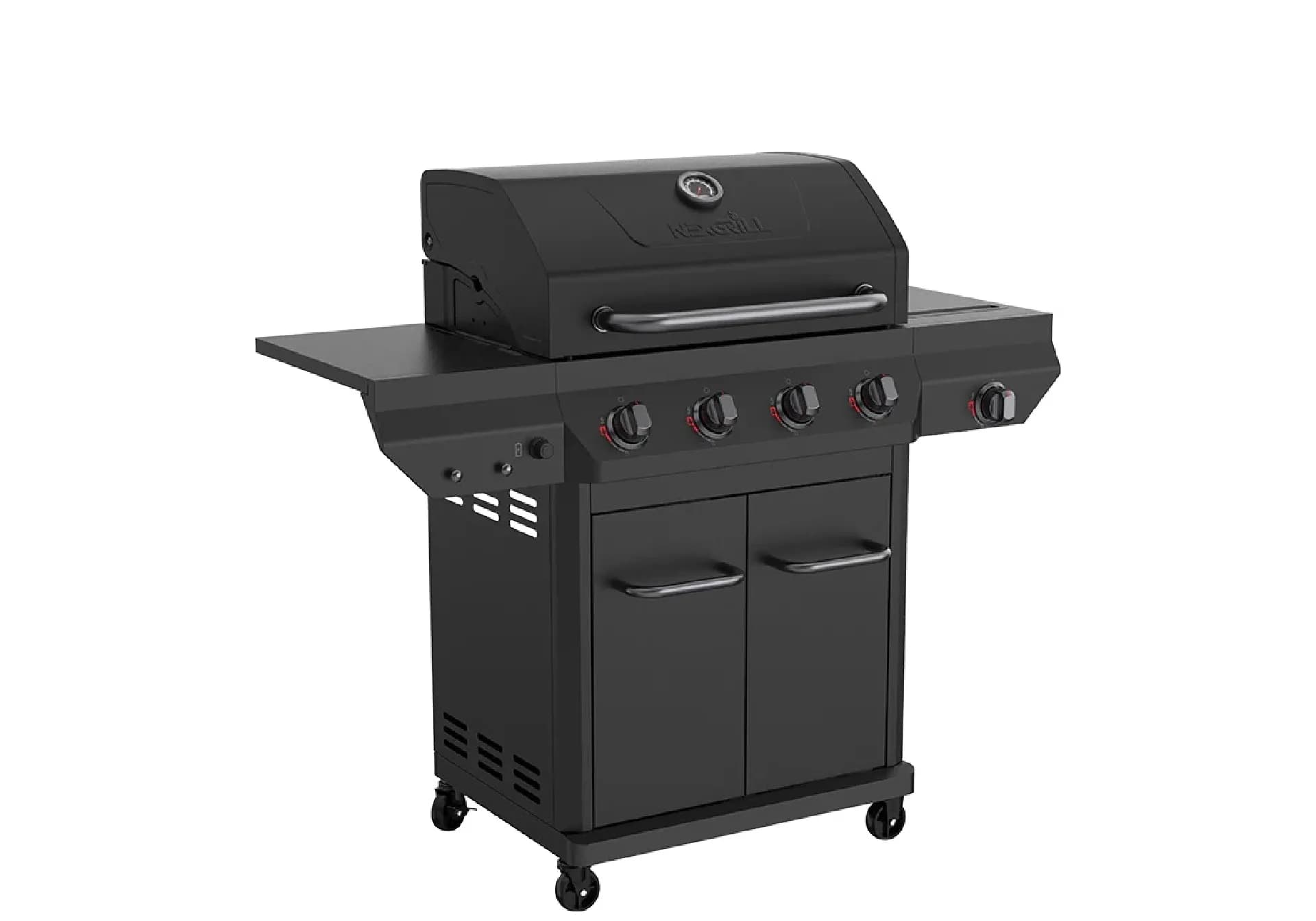
Cooking area is the next major factor. A six-burner grill should offer enough usable surface to justify its footprint. Some models advertise large total dimensions but leave awkward dead space or rely on side shelves that do not help actual cooking. A better layout gives you a broad grate, practical warming space, and enough side shelf room for trays, rubs, and plating. The side burner should also be positioned for convenient access without crowding the main grilling workflow. If it is too small, too weak, or poorly placed, it becomes a novelty instead of a true utility feature.
| Feature | Why it matters | What to look for |
|---|---|---|
| Burner layout | Creates distinct heat zones for different foods | Independent control with reliable ignition |
| Cooking surface | Determines how many items you can cook at once | Enough room for crowd-size batches without crowding |
| Side burner | Handles sauces and side dishes outdoors | Stable flame and practical placement next to prep space |
| Materials | Affects heat retention and outdoor durability | Stainless steel, coated steel, or other corrosion-resistant parts |
Materials also matter because large grills spend more time outdoors and are often exposed to grease, weather, and repeated heat cycles. Stainless steel components tend to be easier to wipe down and can resist corrosion better than thinner painted parts, though construction quality matters as much as the material label. Heavy lids, sturdy frames, and durable grates all contribute to a grill that feels stable when fully loaded. Buyers often overlook cart strength and wheel quality, but with a grill this size, mobility is part of usability.
Finally, think about how the grill supports your style of cooking. Side burners are especially useful if you like to finish meals with barbecue sauce, pan sauces, or quick stir-fry sides. They also help when the indoor kitchen is busy and you need another cooking zone. In other words, the best six-burner unit is not just about grilling more food. It is about letting the whole meal happen outdoors with less friction.
Top Picks for 6-Burner Gas Grills with Side Burners
When narrowing down the top picks, it helps to compare the kind of cook each grill serves best. Nexgrill’s product range shows the brand’s focus on practical outdoor cooking and value-forward design, with options that suit both straightforward family grilling and more flexible meal setups. The Nexgrill official site is the most direct place to review current assortment and product details, while independent buying guides can help frame how shoppers typically evaluate gas grills overall.
Nexgrill 6-burner style large-capacity choice
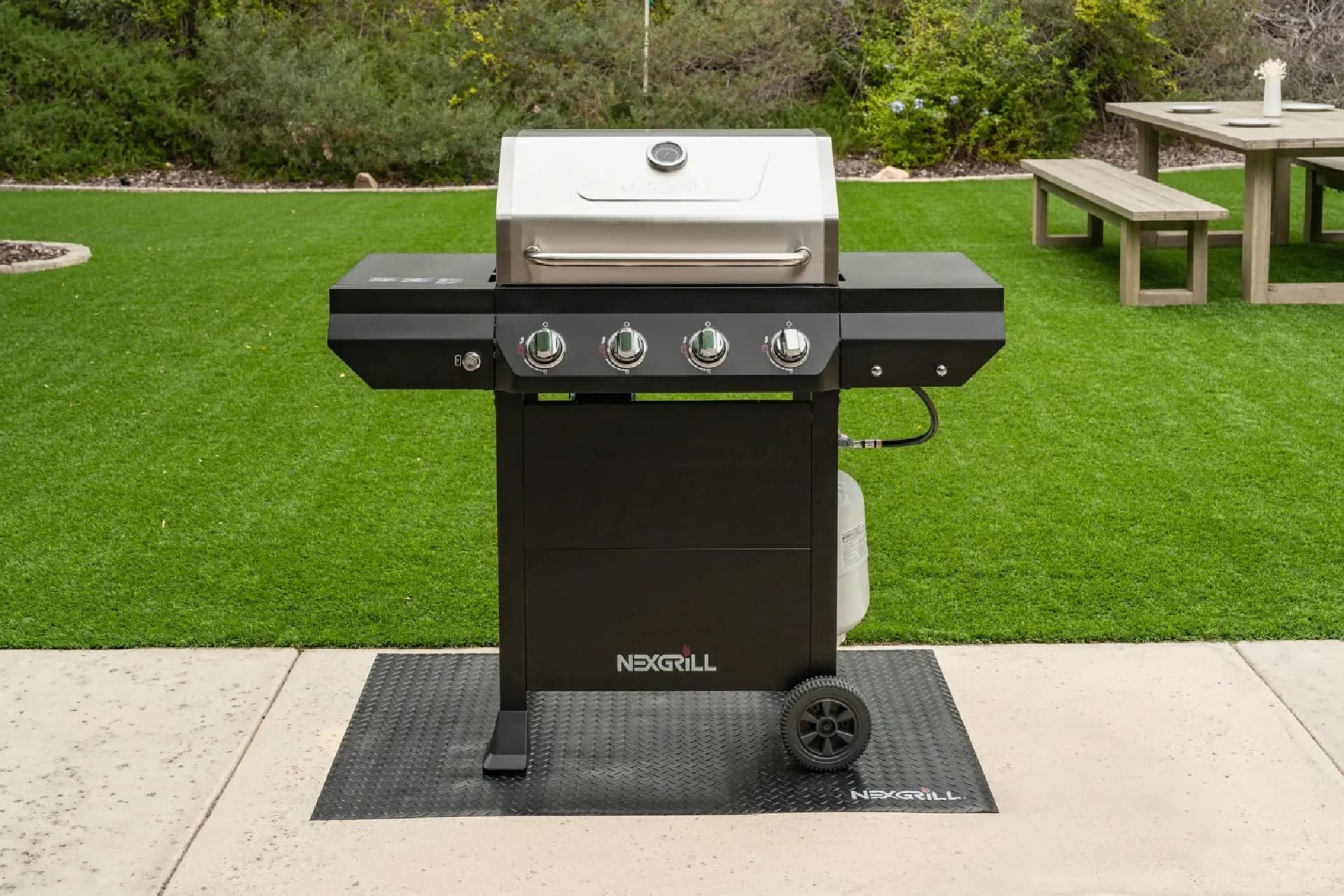
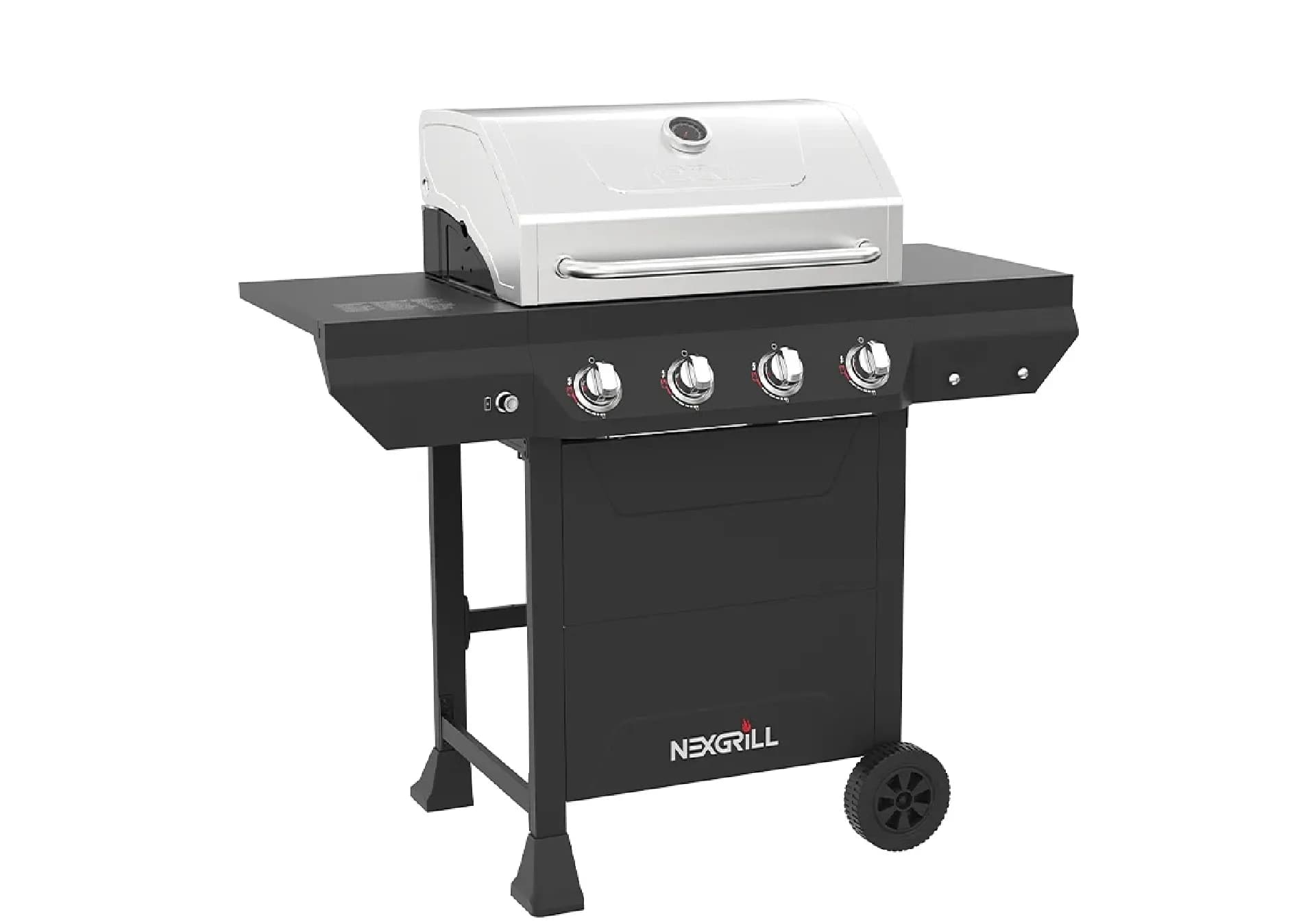
If your priority is feeding a large group without forcing multiple cooking rounds, Nexgrill’s larger-format gas grills are the most natural starting point. The brand’s 4-burner and griddle-focused models show a clear emphasis on large cooking surfaces, multi-zone control, and accessible outdoor cooking layouts, which is the same design logic that makes a six-burner plus side-burner setup attractive in the first place. For buyers who already trust the brand, the advantage is familiarity with the value proposition and a product philosophy centered on practical features rather than gimmicks.
Pros: approachable value, family-friendly cooking layouts, and a design language that favors usable cooking space. Cons: buyers who want premium-fit-and-finish details may need to compare trim levels closely. For many households, though, the bigger question is not luxury. It is whether the grill can support a crowd without drama.
Weber premium large-format option
Weber is often the benchmark shoppers use when they want a premium-feeling grill with a strong reputation for consistency. In the six-burner class, buyers often look to Weber for sturdy construction, dependable ignition, and a refined cooking experience. That can make sense for homeowners who grill often and want a more polished ownership experience, even if the price lands higher than value-focused alternatives. The trade-off is usually cost versus finish quality.
Pros: established brand trust, strong perceived durability, and a premium cooking feel. Cons: you may pay more for features that some casual grillers will not fully use. This is a compelling choice if you care about long-term satisfaction and are willing to invest accordingly.
Kenmore family-size value option
Kenmore appeals to buyers who want a recognizable name and a practical approach to large grilling capacity. For households that want a dependable backyard centerpiece without moving into luxury pricing, it often enters the conversation as a value-oriented alternative. The side burner is especially useful here because it turns the grill from a single-purpose appliance into an outdoor kitchen station, which is exactly what many large-family buyers need during busy weekends and holiday meals.
Pros: familiar brand, large-cookout practicality, and generally straightforward operation. Cons: feature depth can vary widely by model, so shoppers should compare details carefully instead of assuming every six-burner unit performs the same.
For most shoppers, the best value is the grill that balances grate space, a usable side burner, and sturdy construction before chasing extra bells and whistles.
Try comparing two products side by side below to see which fits best: choose one model that prioritizes premium build quality and one that prioritizes raw cooking capacity. That contrast usually reveals whether you are buying for lifestyle, budget, or pure volume.
Feature Comparison: Specs and Performance
Once you have weighed two options against each other, the real question becomes how those specs translate into dinner-table performance. A six-burner gas grill with a side burner should be evaluated as a system, not as a list of disconnected numbers. BTU output can help indicate fuel delivery, but it does not automatically tell you how evenly the grill heats. Cooking area matters, but only if the layout is practical. Materials matter, but only if the frame, lid, grate, and burner set are all built to survive repeated use outdoors.
Here is the practical way to compare models during shopping in the United States: look at usable grate space first, then burner control, then side-burner strength, and finally the ease of cleanup. For a large family, a 500 to 900 square inch cooking zone is often more meaningful than a headline BTU figure, because what you need is room to stage food without crowding. A side burner should be treated like a real cooking station, not just a decorative add-on. If it cannot hold a saucepan steadily or maintain a dependable simmer, you will stop using it.
| Comparison factor | Why it affects performance | Shopping guidance |
|---|---|---|
| BTU output | Can support quick preheat and searing capacity | Use as a supporting metric, not the only one |
| Cooking area | Determines crowd capacity and batch cooking comfort | Prioritize usable space and layout efficiency |
| Side burner | Lets you multitask with sauces and sides | Check flame control and support for pots or pans |
| Materials | Affects longevity and weather resistance | Look for sturdy lids, reliable grates, and corrosion resistance |
User experience often tells you more than the spec sheet. Buyers who cook frequently tend to value even heat, easy ignition, and the ability to control several zones at once. They are less impressed by giant BTU numbers if the grill develops hot spots or takes forever to clean. Side burners get especially positive feedback when they are used for tasks like warming sauces, heating a cast-iron skillet, or keeping chili at serving temperature during a party. When users complain, it is usually because the side burner feels underpowered, the main grates are awkwardly spaced, or cleanup takes too long after a greasy cookout.
If you want a practical short list of what separates good from better, focus on four things: a layout that gives each burner a job, a side burner that can handle real cooking, a frame that feels stable with all burners lit, and parts that are simple to wipe down after use. That combination is what turns a big grill from impressive on paper into a real asset on a busy Saturday afternoon.
User Reviews and Ratings
Across consumer review discussions, the strongest praise for large gas grills usually centers on convenience and capacity. Owners like being able to cook mains and sides at the same time, and they appreciate the freedom to serve a whole group without waiting for one batch to finish before starting the next. The side burner often earns specific mention from users who cook outdoor sauces, beans, corn, or skillet vegetables, because it reduces trips inside and helps keep the social flow of the meal intact. That kind of usability is a major reason six-burner grills remain popular among frequent entertainers.
At the same time, ratings tend to dip when assembly is frustrating, instructions are vague, or the grill feels less robust than expected. Buyers who ordered a large unit for its surface area can be disappointed if the cooking zones are uneven or the finish shows wear early. The highest-rated models in this class are usually the ones that make large-scale cooking feel simple rather than complicated. That means dependable ignition, predictable heat, and enough workspace to avoid constant shuffling of food.
Do not judge reviews by star count alone. Read the comments for repeated themes like hot spots, burner reliability, side-burner strength, and assembly effort.
Expert-style buying guides generally echo the same pattern. Consumer-facing guides often recommend examining build quality, size, and ease of cleaning before obsessing over peak output, because those factors tend to affect satisfaction over the long term. In practice, that aligns well with what experienced grillers report: the grill that wins is usually the one that stays easy to use after the novelty wears off. Independent guidance from resources like Consumer Reports is helpful here because it pushes buyers to compare real-world usability rather than chasing marketing claims alone, and it reinforces the idea that a side burner should be evaluated for everyday function, not just presence on the spec sheet.
Buying Guide: What to Consider
The first consideration is household size and menu style. If you routinely host 12 or more people, need room for multiple proteins, or want to cook sides outdoors, a six-burner platform makes sense. If your grilling is occasional and limited to a few steaks or burgers, the size may be more than you need. Large grills excel when volume is the goal, but they do take up more patio space and generally demand more attention during cleanup.
The second consideration is whether you actually use a side burner. Some buyers assume every extra feature is worth having, but the side burner only pays off if you cook sauces, vegetables, or pan dishes outdoors often enough to justify it. For entertaining, it is excellent. For occasional weeknight grilling, it may sit unused. A good way to test this is to picture one actual dinner: if the burner lets you finish the meal outside without going back to the stove, it is probably worth the space.
The third consideration is materials and serviceability. Look for burners that are accessible for cleaning, grease trays that can be emptied without fuss, and grates that can be replaced if needed. Since this category is built for high use, long-term ownership depends on whether parts are easy to maintain. Warranty terms and customer support also matter, though you should always read the current policy before buying because coverage can vary by model and retailer.
A simple decision path helps. Choose a premium model if you grill frequently, host often, and want a more refined ownership experience. Choose a value-focused model if you want maximum cooking capacity for less money and are comfortable comparing specifications carefully. Choose the easiest-to-clean model if the grill will be used heavily during a long outdoor season, because convenience compounds over time.
Maintenance and Safety Tips
Large grills stay cleaner and safer when maintenance is routine instead of reactive. After each cookout, brush the grates while they are still warm, empty the grease tray before buildup hardens, and check that burners light evenly. On a side burner, make sure the burner cap and surrounding area are free of spills or residue that could affect flame quality. Regular attention prevents the common problems that make big grills feel harder to own than they should.
Safety is especially important with multi-burner grills because more output means more heat management. Keep the grill on a stable, non-combustible surface with enough clearance around all sides. If you use propane, inspect the tank connection and hose for visible wear before lighting. Shut the grill off completely after cooking, and never leave a side burner unattended while it is in use. The side burner can be as useful as a stove, which means it deserves the same respect.
A well-cared-for grill is not just safer. It also stays more predictable, which matters when you are cooking multiple dishes at once.
Conclusion and Final Recommendations
The best 6-burner gas grill with side burner is the one that makes large meal prep feel organized, not overwhelming. For frequent hosts, the side burner is a real advantage because it keeps sauces, vegetables, and finishing touches outside where the rest of the meal is happening. For buyers who care most about value, focus on burner control, layout efficiency, and solid materials before paying extra for features you will not use. For buyers who want a more premium experience, the trade-off is usually price in exchange for a more polished fit and finish.
If you want a grill for big weekends, family gatherings, and flexible outdoor cooking, compare the top models by usable space, burner balance, and the quality of the side burner rather than by headline power alone. That approach will point you toward the grill that fits your cooking style today and keeps earning its place on the patio all season long. For current product information and brand details, the Nexgrill site is a useful starting point, and broader buying guidance can help you verify the features that matter most before you decide .